
Termite treatment cost gaps come down to one hidden number

Termite treatment cost is quoted by the foot, but depth is the multiplier: the same 160-foot perimeter can need 64 gallons or 256.
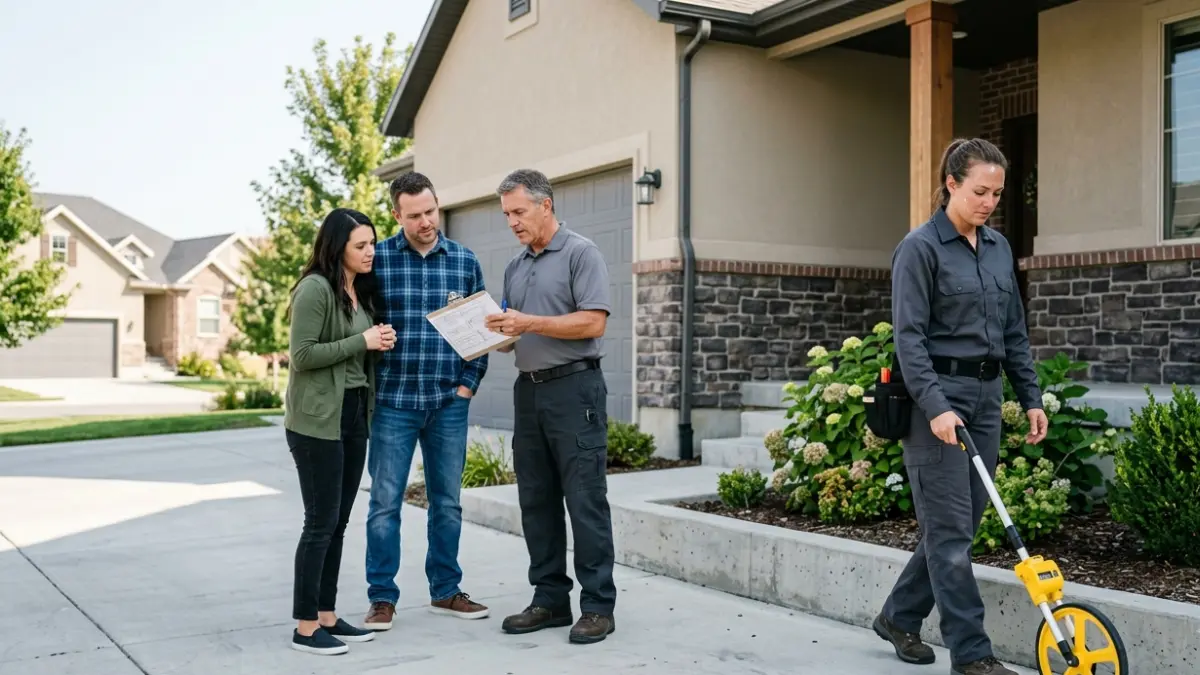
Table of Contents
Why two termite quotes for the same house differ by thousands
Two quotes on the same house can differ by more than double and both still be honest work. The gap is almost always depth and scope.
Start with your situation. If you have subterranean termites and a liquid quote, that price is built on your foundation perimeter, and sections two through four are the ones you need. If you’re weighing a bait system or a tenting quote, skip to section five, because neither is priced by the foot. If nobody has inspected yet, the signs worth acting on come first, and if you’re not certain which insect you have, the subterranean and drywood comparison settles that before any price makes sense.
Three pricing models, not one
Liquid work is quoted per linear foot. Bait is quoted as an installation plus an ongoing agreement. Fumigation is quoted on the volume of the structure. The pillar guide to all five treatments and their real costs covers how each method works.
What this page will and won’t give you
No national average appears here. Published per-foot ranges vary several-fold and none of them know your foundation depth, which is the number that moves your price.
University of Kentucky extension entomologists field this exact question — why termite prices vary so widely — and note that termites damage wood slowly enough that another week spent comparing quotes costs you very little.
ℹ️ Safety Note: Termiticides are EPA-registered pesticides applied under legal label restrictions, and a termite contract is a binding financial agreement. Everything here is for general understanding so you can read a quote — it is not application guidance. Hire a licensed pest management professional, and check treatment requirements with your state’s structural pest control agency.
What a linear foot actually measures in a termite quote

- Gear driven counter with tough plastic housing
- 5 digit counter
- Heavy-duty metal folding handle
A linear foot in a termite quote is one foot of measured foundation perimeter — the outside edge of the structure at ground level — not a foot of floor space inside it.
It’s your foundation perimeter, not your floor area
Two houses with identical square footage can have very different perimeters depending on shape. A long, angular footprint costs more to treat than a compact square of the same size.
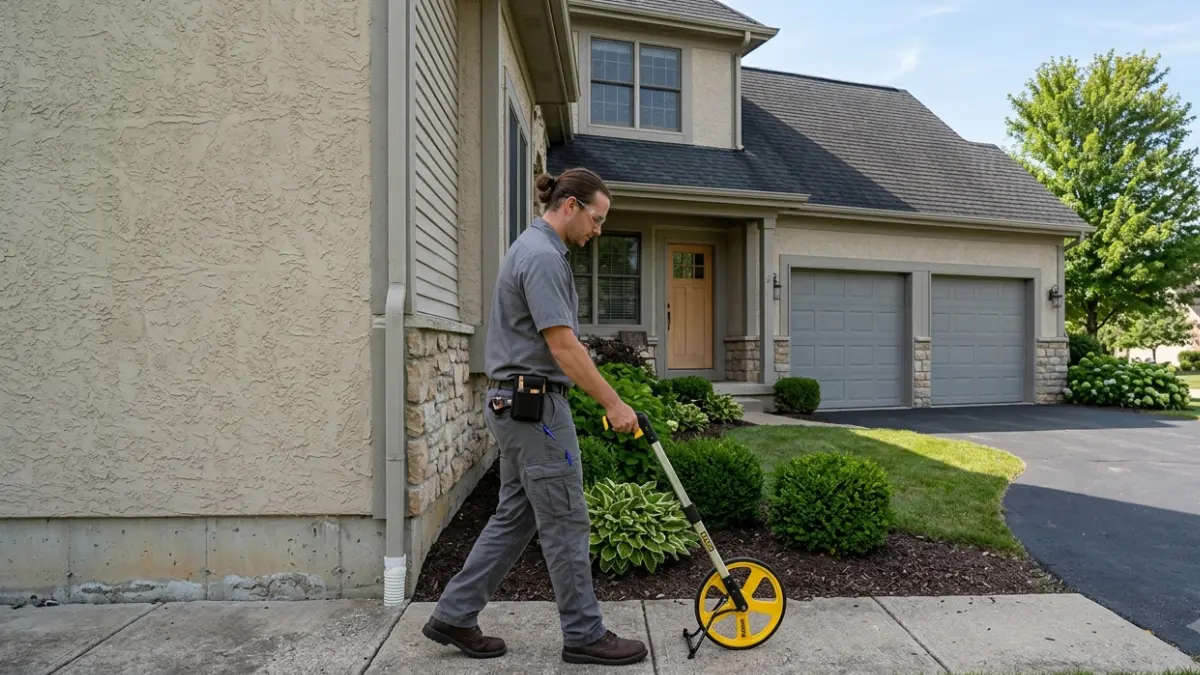
Measuring your own perimeter in ten minutes

- PRECISE MEASUREMENT ACCURACY: Achieve accurate results with this 35 foot tape measure, offering measurement precision of…
- DURABLE CHROME FINISH: Built with a sturdy chrome exterior, this compact tape measure resists wear and tear, making it i…
- EASY SLIDE LOCK DESIGN: Features a smooth slide lock for secure blade control, allowing you to extend and retract the re…

- 100-Feet by 1/2-Inch open reel fiberglass tape
- Double coated blade
- Shock absorbing rubber bumpers
Walk the outside of the foundation and add up each straight run, including the attached garage and any porch or addition sitting on its own foundation. That total is what your termite treatment cost gets multiplied against.
Your technician does the same walk. North Carolina’s regulator states that the technician must measure and graph or sketch the structure to establish application rates, volume, and pricing.
What the per-foot number leaves out
The perimeter figure typically excludes interior sub-slab injection, drilling through porches, patios and sidewalks, bath traps, and hollow block voids. Those are separate line items or separate scope decisions — and they’re where quotes quietly diverge.
✅ Do This: Ask each company for the diagram their price came from, and confirm whether the per-foot figure covers only the exterior perimeter or the interior work too.
How trench depth multiplies the same perimeter
The rate on the label is fixed: 4 gallons of finished dilution per 10 linear feet, per foot of depth. Depth is the multiplier nobody quotes you.
The rate on the label
Treatment runs from grade down to the top of the footing, and where the footing sits more than four feet down, the label caps treatment at four feet. Nothing is treated below the bottom of the footing.
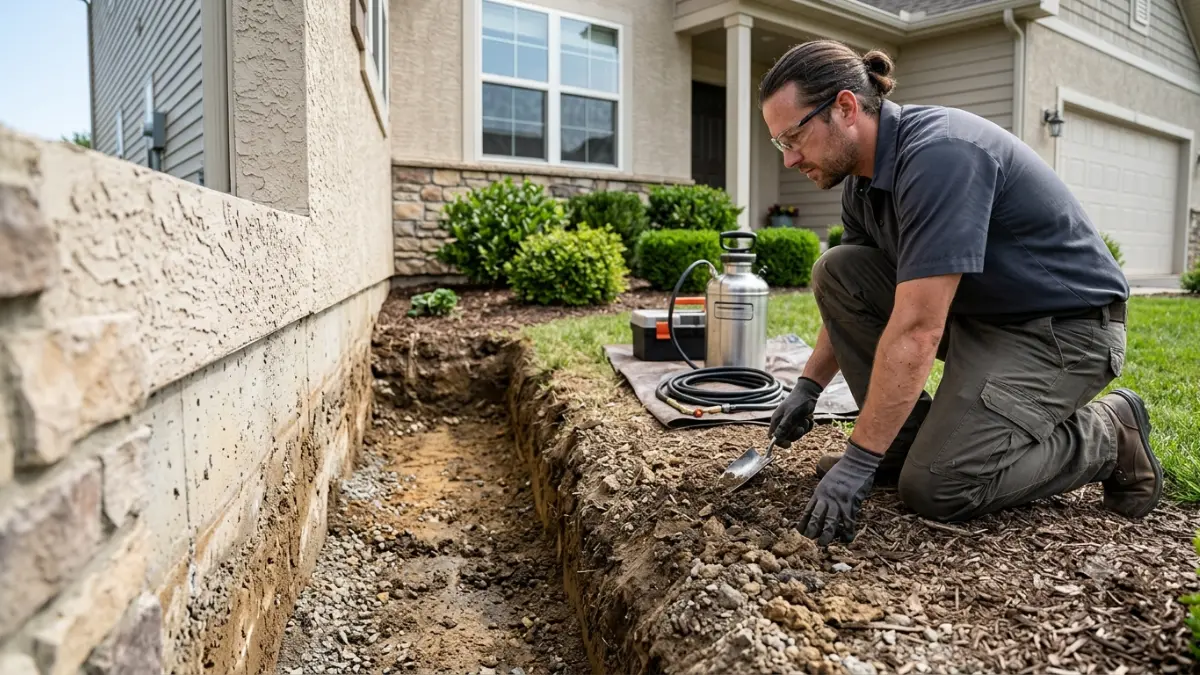
The same 160 feet, three very different jobs
| Trench depth to footing | Finished dilution for 160 linear feet | Concentrate at 0.06% | Key detail |
|---|---|---|---|
| 1 foot | 64 gallons | about 50 fl oz | Shallow footing, the lightest job this rate produces |
| 2.5 feet | 160 gallons | about 125 fl oz | Matches the 30-inch minimum depth published in NC’s rules |
| 4 feet | 256 gallons | about 200 fl oz | The label’s cap where the footing sits deeper than four feet |
Volumes are arithmetic on the labelled rate; concentrate figures come from the label’s own 0.06% dilution table. These are material volumes, not prices.
📊 Sourced Spec: The 4 gallons per 10 linear feet per foot of depth rate appears both on the EPA-stamped label for the leading liquid termiticide and in North Carolina’s published treatment requirements — two independent sources, same number.
Why you can’t just buy the chemical
That label restricts sale, use, and storage to individuals or firms licensed or registered by the state, and applications to licensed technicians. That’s the honest ceiling on the DIY route and on retail termite stakes.
⚠️ Watch Out: A quote that names no treatment depth and no volume can’t be compared to one that does. Depth alone can quadruple the material and the hours behind an identical perimeter.
Full treatment or perimeter-only — the label draws the line
The second reason quotes split is scope, and the label itself names the two options.
Conventional treatment vs exterior perimeter and localized interior
A conventional post-construction treatment covers the exterior perimeter plus interior work: sub-slab injection, block voids, bath traps. The exterior perimeter and localized interior method treats outside plus only the interior spots showing activity.
The label states plainly that this second method may not be considered a conventional complete treatment, and directs questions to your state agency. Both are legal; they are not the same purchase.
Slab homes carry the labour difference. North Carolina requires drilling along slab cracks and construction joints at 12-inch intervals within six inches of the foundation, and describes slab work as time- and labour-heavy.
When part of the job is formally waived
States that set minimum treatment requirements generally also allow parts to be omitted — North Carolina uses an official waiver form, and any waived portion must be explained on it. Inadequate crawl space clearance and undesirable indoor drilling are common reasons.
Extension entomologists add that spot treatments are usually a gamble, and that most reputable firms won’t warrant them. Severe infestations or problem soils, including Formosan pressure in the Gulf South, push applicators toward the higher labelled concentrations.
✅ Do This: Ask which method the quote follows, and whether any minimum requirement is being waived. If one is, ask to see it documented.
Bait systems and tenting aren’t priced by the foot
Converting either into dollars per linear foot to compare against a liquid quote compares two different units.
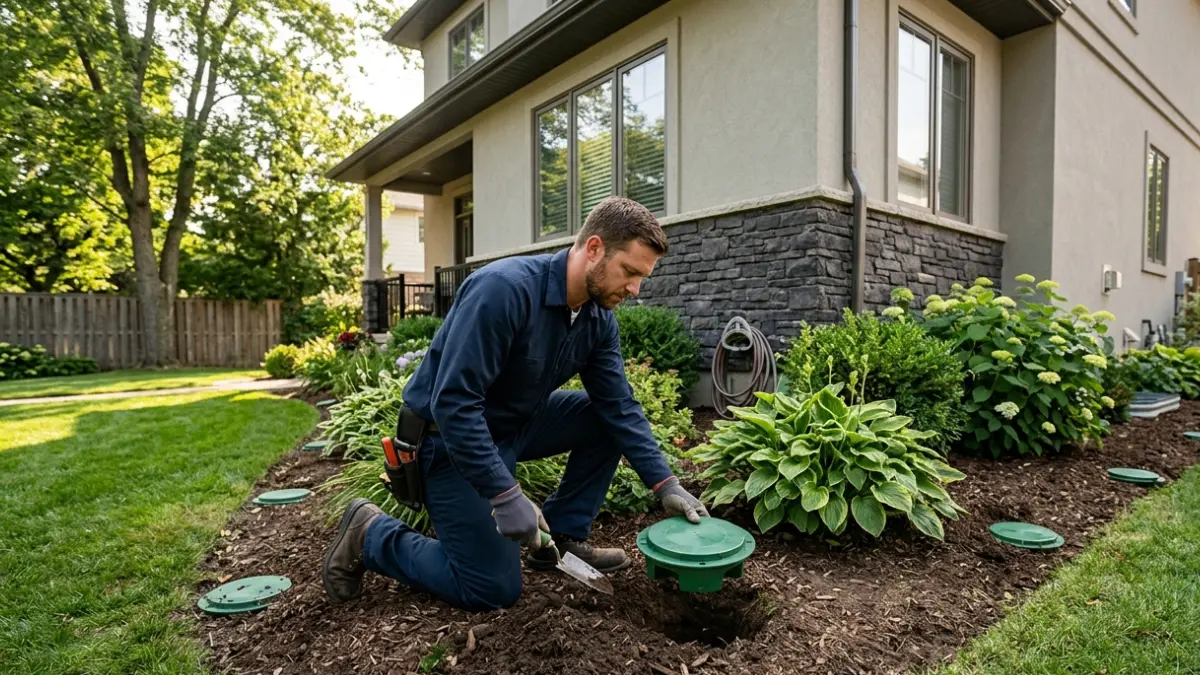
Bait: an installation plus an ongoing agreement
A bait system is priced as stations installed around the structure plus recurring monitoring, and the proper number of stations must be installed and monitored as the product label directs. North Carolina’s regulator notes that maintaining bait agreements normally costs more than maintaining conventional treatment warranties.
Baits earn their place where liquid is difficult or unwanted — a well on the property, an inaccessible area, or chemical concerns. The bait versus liquid comparison and the Sentricon and Termidor breakdown go deeper on the trade-off.
Fumigation: priced on the volume of the structure
Fumigant dosage is calculated in ounces per thousand cubic feet using the manufacturer’s required calculator, which is part of the product labelling. Price follows cubic feet, so a tall ceiling costs more than a long foundation. What tenting asks of you covers the preparation side.
🔍 Why It Works: Drywood termites live inside the wood rather than in the soil, so there’s no soil perimeter to treat. Reaching them means filling the whole structure with gas, which is why the quote is built on volume.
What the annual renewal actually buys
The recurring line on your contract is the one homeowners misread most often. It doesn’t pay for a yearly re-spray.
Why nobody re-treats your house every year
The label prohibits annual retreatment unless there’s clear evidence of reinfestation, disruption of the treated zone, or product breakdown. EPA’s guidance to registrants runs the same direction: it generally won’t register a termiticide that needs annual retreatment, and extension sources note liquids are expected to perform for at least five years when applied to label. How long treatment takes to work covers the first months.
Re-treatment only, repair, or nothing
North Carolina’s regulator describes three agreement types: re-treatment only, which is the most common and usually annual; re-treatment plus damage repair, which carries qualifying conditions; and no guarantee at all. None is an assurance that termites won’t return.
Some homes can’t get a warranty. Extension sources list wells, drainage systems, sub-slab heat ducts, and inaccessible crawl spaces as conditions that can make treatment to industry standard impossible.
Six questions that make two quotes comparable
Write the answers beside each quote and the cheap one either justifies itself or doesn’t.
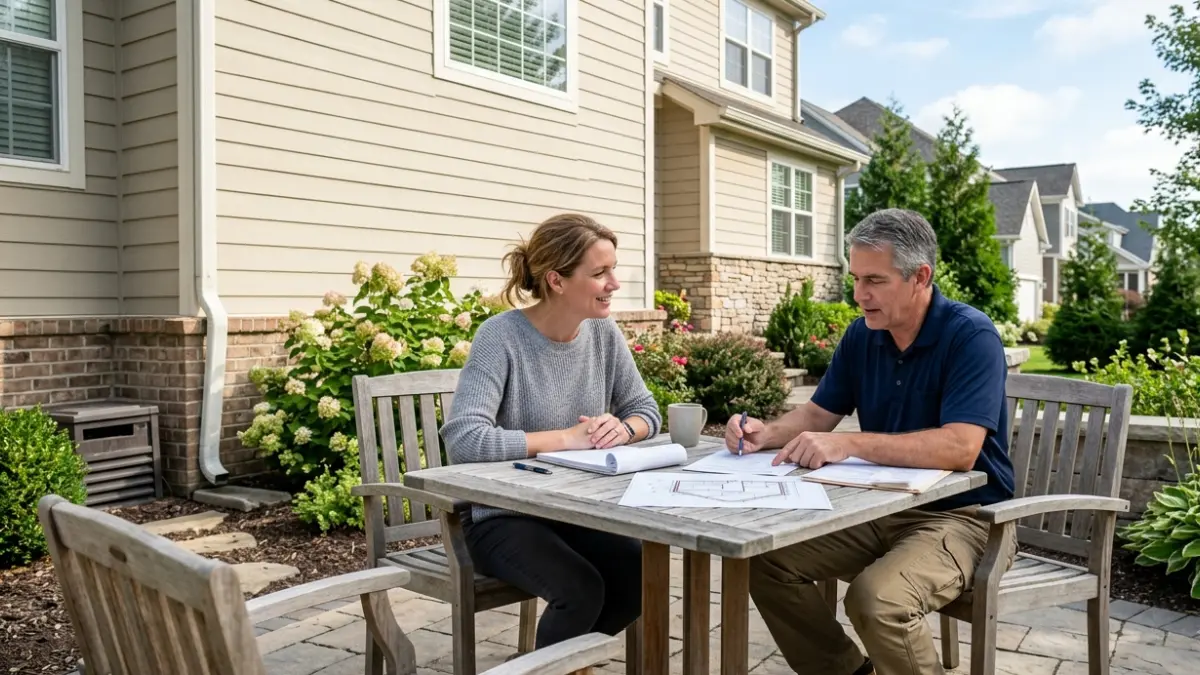
Scope and volume
- What perimeter did you measure, and can I see the diagram?
- What treatment depth did you price, and how many gallons does that come to?
- Is this a conventional treatment or an exterior perimeter and localized interior treatment?
- Does the price include drilling porches, patios, or the slab, plus bath traps and block voids?
Paperwork and warranty
- Is any minimum treatment requirement being waived, and is that documented?
- Which agreement am I buying, what does renewal cost, and does it transfer if I sell?
Question two is the one that separates a measured treatment plan from a guess. A company that priced the job properly can answer it from their paperwork in seconds.
✅ Do This: Put these to a licensed pest management professional, and take anything about minimum requirements or waivers to your state structural pest control agency — they set the standard your treatment has to meet, and they take complaints.
Termite treatment cost questions homeowners actually ask
1. What does termite treatment cost per linear foot include?
The per-foot figure covers your measured foundation perimeter — the trenching, rodding, and termiticide applied along it. It usually excludes drilling through porches, patios and slabs, interior sub-slab injection, bath traps, and hollow block voids. Confirm which of those sit inside the quoted number before you compare two prices, because that’s where quotes diverge.
2. How do I measure my home’s linear feet for termites?
Walk the outside of the foundation and add each straight run, including the attached garage and any porch or addition on its own foundation. That total is what your termite treatment cost is multiplied against. Your technician does the same walk and sketches it, and in some states that diagram is a published requirement rather than a courtesy.
3. Why is one termite quote double another?
Depth and scope. The label rate is fixed per foot of depth, so a foundation treated to four feet needs roughly four times the material and labour of one treated to a foot. A conventional treatment also includes interior and sub-slab work that an exterior perimeter treatment leaves out. Ask both companies which one they quoted.
4. Does a slab cost more to treat than a crawl space?
Not automatically, because footing depth drives the volume either way. Slabs add labour instead: adjoining concrete must be drilled at 12-inch intervals and treated underneath, which North Carolina’s regulator describes as time- and labour-heavy. A shallow slab can need less termiticide than a deep crawl space but many more drilling hours.
5. Is a perimeter-only treatment enough?
Sometimes, and the label permits it — but that same label says an exterior perimeter and localized interior treatment may not be considered a conventional complete treatment, and points you to your state agency. Extension entomologists warn that spot treatments are usually a gamble and rarely warranted. Ask which method your quote uses before signing.
6. What does the annual termite renewal pay for?
Inspection and eligibility, not a yearly re-spray. The label prohibits annual retreatment absent evidence of reinfestation, disruption of the treated zone, or product breakdown. Your renewal keeps a re-treatment or damage-repair agreement alive so the company returns at no additional charge if termites come back. Check which of the two you actually bought.
7. Are bait systems cheaper than liquid?
Not usually over time. Installation may be competitive, but bait is a monitoring service, and North Carolina’s regulator states that maintaining bait agreements normally costs more than maintaining conventional treatment warranties. Baits earn their place where a well, an inaccessible area, or chemical concerns rule liquid out. Compare the recurring fee, not the installation.
8. Why is tenting priced differently?
Fumigant dosage is calculated on the volume of the sealed structure — ounces per thousand cubic feet — using the manufacturer’s required calculator, which forms part of the labelling. Price therefore follows cubic feet rather than foundation feet. Converting a tenting quote into dollars per linear foot to compare it against a liquid quote compares two different units.
9. Can I buy the termiticide and do it myself?
Not the leading professional product. Its EPA-stamped label restricts sale, use, and storage to individuals or firms licensed or registered by the state, and restricts application to licensed technicians. That restriction is federal label law, not a retailer policy. Price the licensed job first, then decide what a legitimate alternative is worth to you.
10. What should a termite contract include?
In writing, at minimum: the company’s licence number, a foundation diagram showing whether the infestation is active or inactive, any visibly damaged timbers, whether re-inspections happen and at what interval, the conditions under which re-treatment will be made, and the total price. If any minimum requirement is being waived, ask for that documentation too.
Your next two moves
Measure your foundation perimeter this week — it takes ten minutes and it’s the only number in your quote you can verify yourself.
Then put the six questions to every company you’re considering, and write the answers side by side. The quote that names a depth, a volume, a method, and a warranty type is comparable. The one that names only a total isn’t.
Extension entomologists make the point worth ending on: termites damage wood slowly, so another week spent comparing costs you almost nothing, while signing under pressure can cost you the difference between a complete treatment and a partial one.
Related Articles
 Termite Treatment
The real test with termites in rental property is who caused it
August 5, 2026 Termite Treatment
What Orange Oil Can and Can’t Do About Termites
July 22, 2026 Termite Treatment
Where Termite Heat Treatment Goes Wrong, and When to Use It
July 22, 2026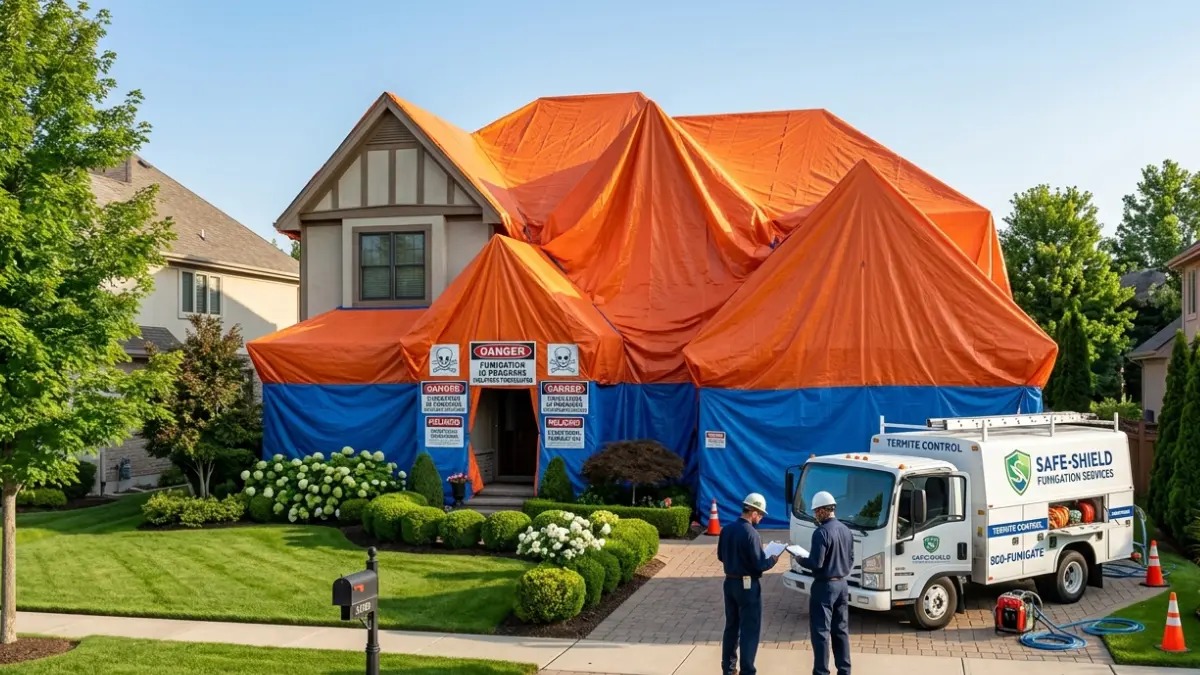 Termite Treatment
How to Prepare for Termite Fumigation and Avoid Costly Risks
July 21, 2026 Termite Treatment
Can You DIY Termite Treatment? An Honest Answer
July 23, 2026 Termite Treatment
The Right Way to Read the Signs of Termites You Just Found
July 14, 2026 Termite Treatment
Termite-resistant wood works only when you buy the right grade
July 25, 2026 Termite Treatment
How to Identify Termite Frass and Drywood Droppings
July 15, 2026 Termite Treatment