
Are Bed Bugs Worse in Summer? What the Data Shows

Bed bug season peaks June to August — but the data counts phone calls, not insects. What summer really changes, and why winter won’t save you.
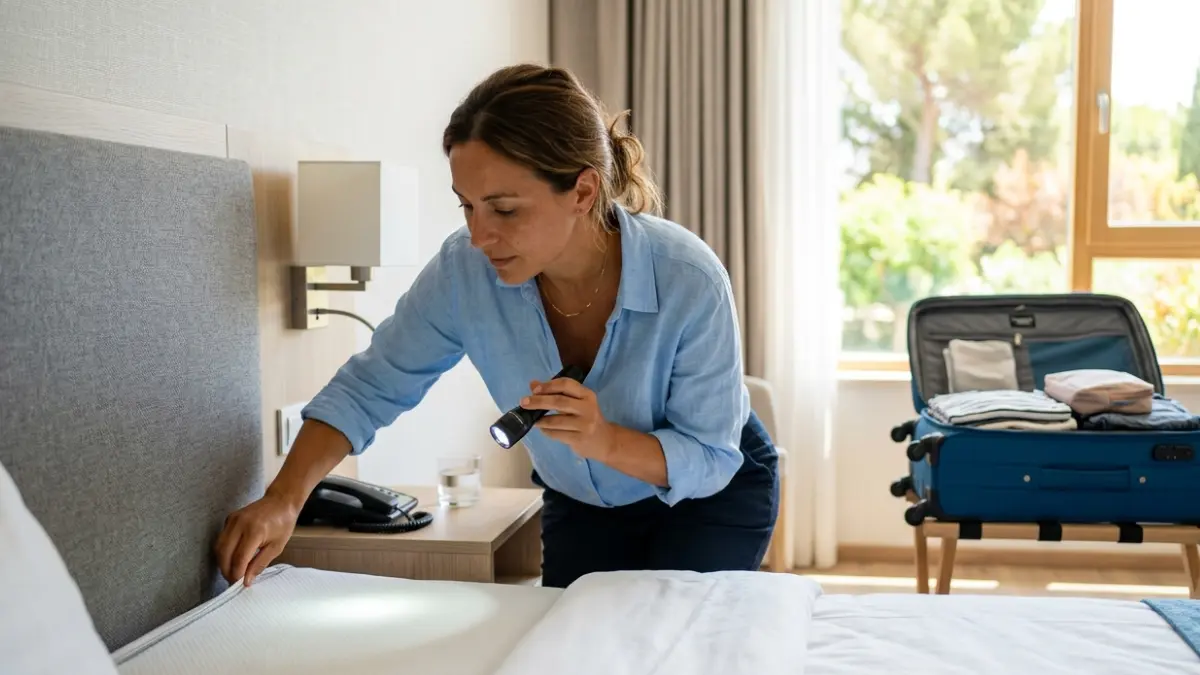
Table of Contents
Bed bug reports do climb in summer. Two peer-reviewed analyses of American city complaint data — New York and Philadelphia — found reports peak between June and August and bottom out in February. Those datasets count phone calls, not insects, and no study has shown that summer weather makes an infestation inside your bedroom grow faster.
What bed bug season reliably changes is exposure: travel, moving, secondhand furniture, and how likely you are to notice bites.
Start where you are:
- Already confirmed them. Skip the season question and work the safe step-by-step plan for getting rid of bed bugs.
- Bites, but no proof. Start with how to check for bed bugs — most suspected cases are look-alikes.
- Here for the season question. It is real, but not for the reason most pages give.
ℹ️ Safety Note: Bed bug treatment involves pesticides and high heat, with real risk of poisoning, fire and property damage. Everything below is general information, not application instruction. With an active infestation, hire a licensed, state-certified pest control professional and follow the product label.
When bed bug season actually peaks — and what the data cannot tell you
Bed bug reports rise through June, July and August, then fall to a yearly low in February — a pattern found in two independent, peer-reviewed studies of American city data.
What two cities’ complaint data shows
| City | What was counted | Years | Peak | Low | Key detail |
|---|---|---|---|---|---|
| New York | 311 inquiries + housing complaints | 2010–2020 | June–August | Falls Sept–April | Complaints roughly halved, 2014–2020 |
| Philadelphia | Vector-control reports | 2008–2012 | August | February | Reports grew about 4.5% a month |
Sourced, not tested. New York from an analysis of a decade of New York City bed bug complaints in PLOS ONE (2022); Philadelphia from the Journal of Medical Entomology (2014).
Why “more reports” is not the same as “more bugs”
Both datasets count people phoning a city agency. Nobody counted insects.
The Philadelphia team was careful about this. They called the seasonal cycle steep and statistically significant, then said they suspect bed bugs move more in some months. Suspect is the operative word.
What heat really does to a bed bug’s life cycle
Warmth does not pull bed bugs in from outdoors. It speeds up the ones already inside.
The 70–82°F sweet spot
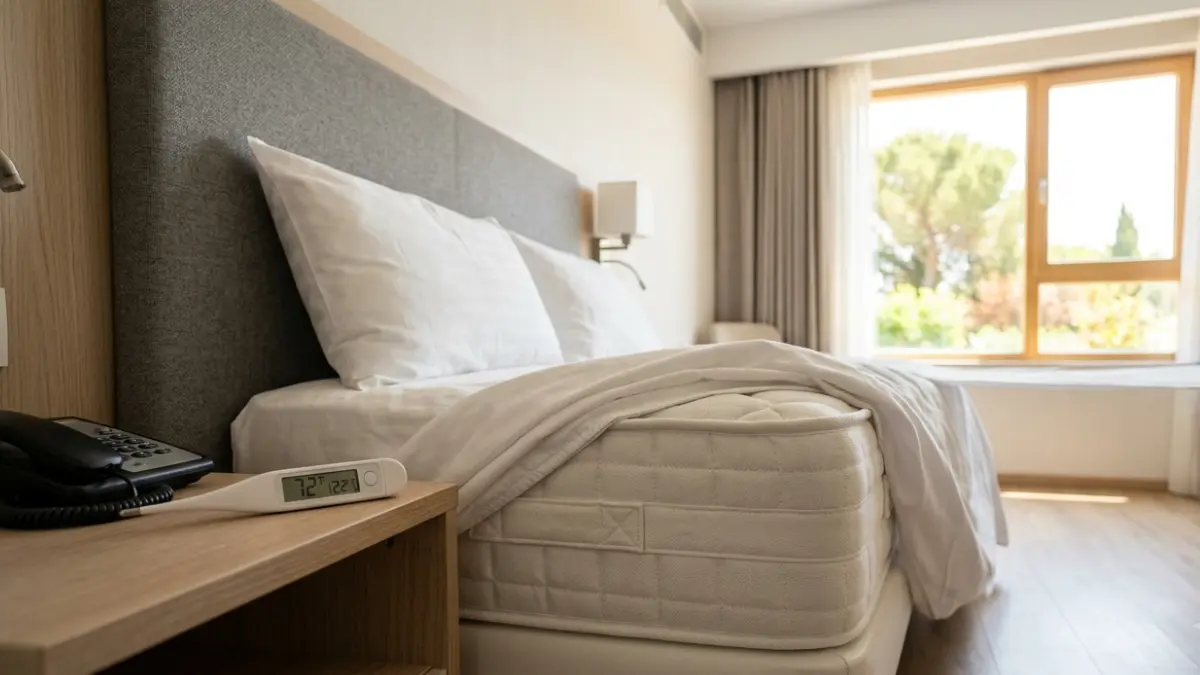
Bed bugs run on the temperature around them, so the room sets the pace of the life cycle. The University of California’s IPM program puts fastest development between 70°F and 82°F; Virginia Cooperative Extension puts egg to adult at roughly 37 days above 72°F.
🔍 Why It Works: Insects do not hold a body temperature — their clock runs on the heat around them. A warmer harborage shortens the trip from egg to breeding adult, which is why how fast bed bugs spread catches people out.
What happens when it is cooler
Cool the room and the clock stretches. Penn State Extension notes immature stages can run several weeks — or up to a year when temperatures are low and hosts scarce.
Warmth has a ceiling too. Per the EPA’s tips for controlling bed bugs, they die once their body temperature hits 113°F.
Why your thermostat matters more than the weather forecast
The bug never checks the forecast. It lives at the temperature of a mattress seam inches from your shoulder — and in most homes, you set it.
If your home is air-conditioned
A bedroom held at 72°F in January is a bedroom held at 72°F in August. The temperature your bed bugs experience barely moves all year, which leaves the “summer heat is breeding them” story little to work with.
That is our reading of the biology above, not a study finding — we would rather say so than dress an inference up as a citation. Air conditioning neither repels nor kills bed bugs; it parks them near the top of their comfortable range, year-round.
If it is not — apartments, upper floors, the humid South
Rentals without AC, top-floor units and hot, humid regions are the exception. A bedroom in the mid-80s through August sits closer to the range where bed bugs develop fastest, and a tenant can rarely change that. If you rent, know what your landlord is responsible for before you spend your own money.
Summer’s real risk is not the heat — it is the traffic

- – Durable plastic exterior. Made exclusively for the JKM petite size rolling bags.
- – Easy to close velcro top
- – Side pockets for a water bottle, umbrella, etc.
Summer moves people, and bed bugs move on people. That is the part of the seasonal story that holds up.
The three routes bed bugs take in summer
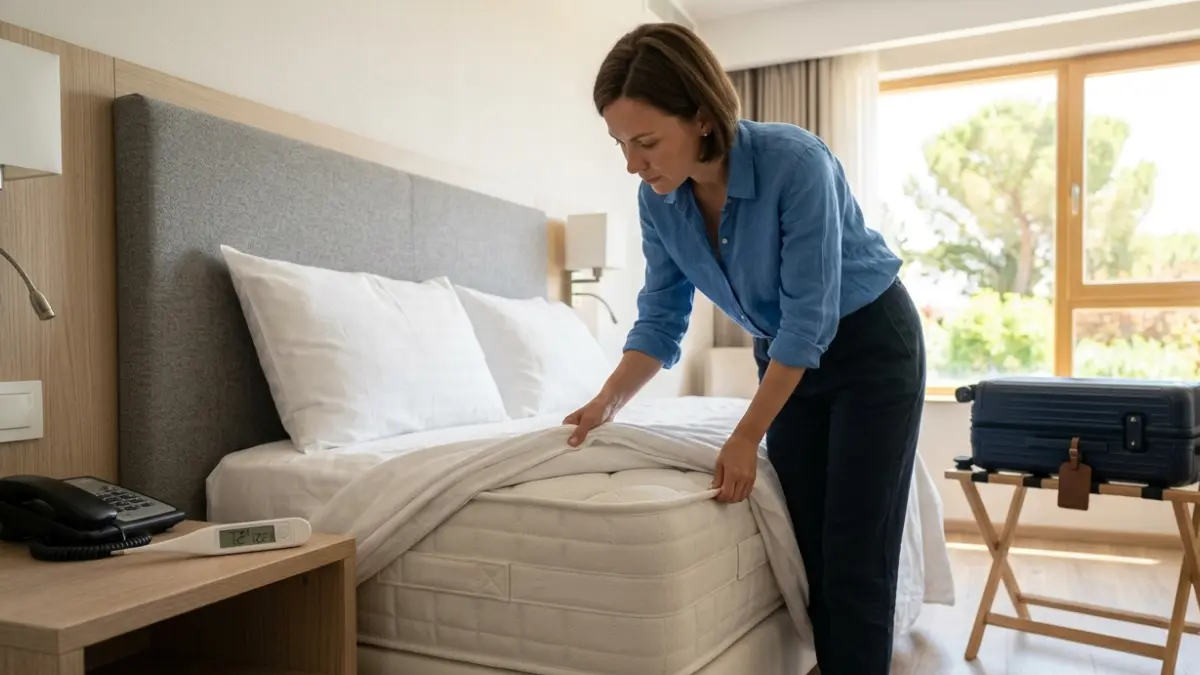
- Travel. Hotels, rentals and dorms are where most infestations start the trip home, in luggage.
- Secondhand furniture. Curb finds and yard-sale pieces peak in the same months.
- Moving. Boxes and shared elevators do a suitcase’s job.
Bed bugs are indoor hitchhikers. The CDC is blunt that cleanliness has no bearing on whether a home has them — which is why bed bugs get into spotless homes constantly.
The 15 minutes that actually protect you
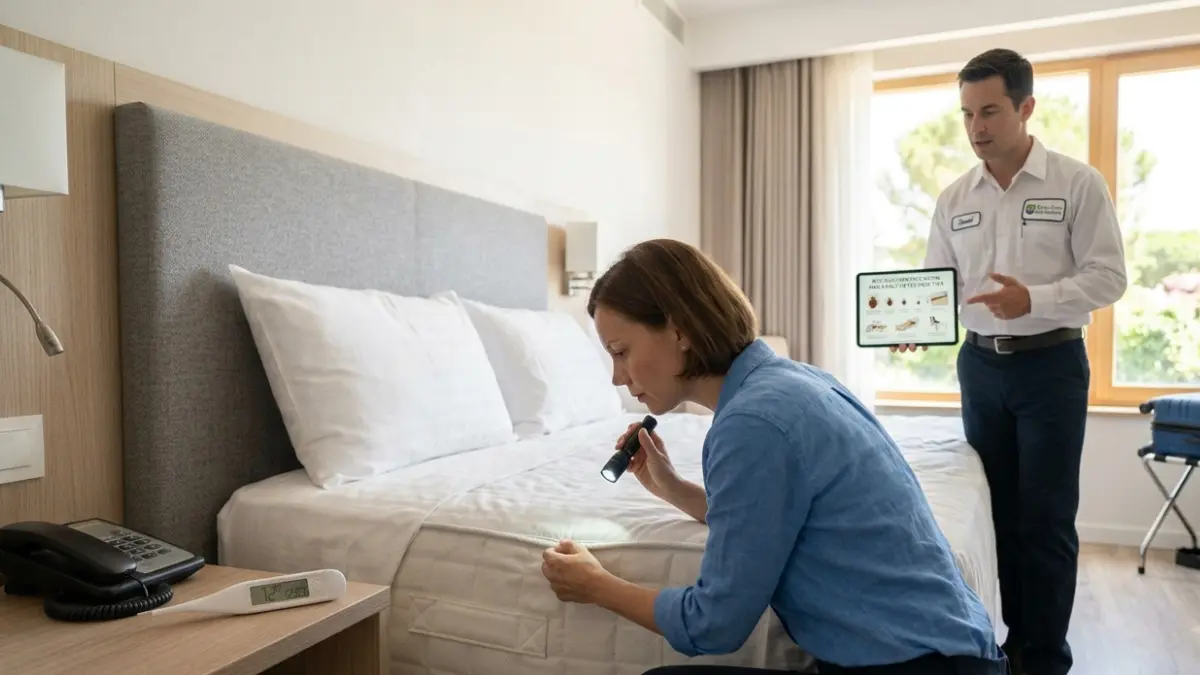
- Inspect before you unpack, and keep luggage on the rack. Check the seams at the head of the bed and the headboard — the five-minute hotel room check shows where.
- Run everything through a hot dryer at home. The EPA lists high dryer heat among the few DIY heat methods that work.
- Set monitors under the bed legs. Interceptor traps are the cheapest early warning available.
The peak-season mistakes that cause real harm
Peak season is peak panic, and panic is where people get hurt.
Foggers and “bug bombs”
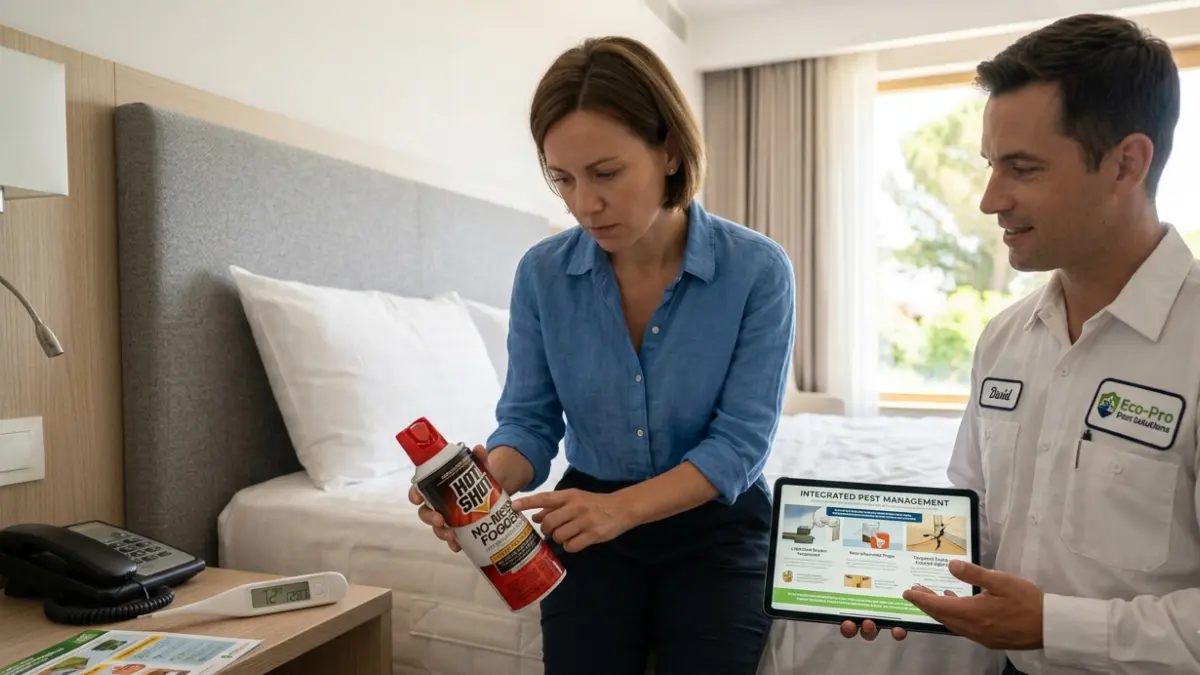
Ohio State entomologists exposed bed bugs from real homes to three over-the-counter foggers. Two hours of direct exposure produced little or no effect (Journal of Economic Entomology, 2012). The mist never reaches the cracks where they sit — which is why bug bombs do not work.
Panic-spraying, and what it costs
The CDC tracked 111 acute illnesses linked to bed bug insecticides across seven states, 2003–2010. Most were mild; one woman died, a 65-year-old with several serious chronic conditions. Pyrethroids were involved in 89% of cases.
More spray is not more dead bed bugs: resistance is widespread, and the leading factor in those illnesses was overuse.
Never try to heat your own home
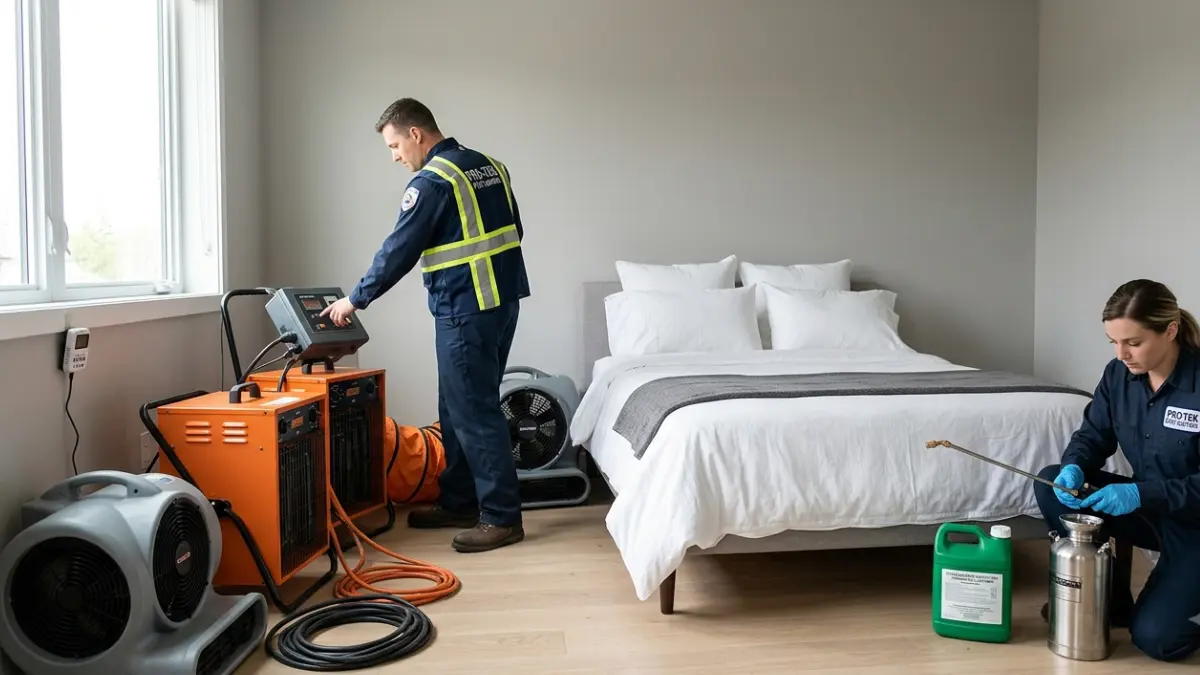
Bed bugs die at 113°F, so a room must run hotter still, for hours, reaching into seams and wall voids. The EPA’s do-it-yourself guidance is blunt: a thermostat, space heater or fireplace does not work — and is dangerous.
✅ Do This: If bites keep coming, or do-it-yourself has failed twice, stop spraying and hire a licensed, state-certified pest control professional. Ask for the license number, the visit count, and the label’s re-entry time — see when it stops being a DIY job.
No, winter will not kill them for you
Bed bugs live indoors at your thermostat setting, so winter never reaches them. February is the low point in the reports, not the end of an infestation.
What cold actually takes
Freezing works, but only under strict conditions. The University of Minnesota Extension’s freezing protocol calls for 0°F, items sealed in a bag, held at least four days — with the count starting only once the centre of the item reaches 0°F, verified by remote thermometer.
One honest wrinkle: the EPA’s do-it-yourself page says three days at 0°F while its pest management page says at least four. Use four. The difference is the eggs.
⚠️ Watch Out: Never freeze a home by opening windows and cutting the heat. Minnesota’s entomologists warn it risks structural damage and will not kill the bugs.
Why “wait it out” fails
Bed bugs survive months without a blood meal, and the EPA notes they can go dormant and look dead before reviving in warmth. Heat, not cold, finishes the eggs — how heat kills bed bugs covers the thresholds.
Bed bug season: quick answers
1. Are bed bugs worse in summer?
Bed bug reports are worse in summer. Two peer-reviewed studies of city complaint data found reports peak between June and August and reach their low in February. Those datasets count calls, not insects. What summer changes is exposure — travel, moving and secondhand furniture — and how likely you are to notice bites.
2. When is bed bug season?
If bed bug season means anything measurable, it runs June through August. New York’s complaint data peaks across those months and falls from September to April; Philadelphia’s peaks in August and bottoms out in February. Both count reports rather than insects, so the season describes when people notice bites and call for help.
3. Do bed bugs multiply faster in hot weather?
They multiply faster in warm rooms, which is not the same claim. Development runs fastest between 70°F and 82°F, and egg to adult can take about 37 days above 72°F. But no study has shown that outdoor summer weather speeds up a bed bug population inside a climate-controlled bedroom.
4. Does air conditioning stop bed bugs?
No. Air conditioning does not repel or kill bed bugs — it holds your bedroom near the range where they develop fastest, all year round. That is our reading of the biology rather than a study finding. Its real effect is to flatten the seasonal swing indoors, not to protect you from bed bugs.
5. Do bed bugs die in winter?
No. Bed bugs live indoors at your thermostat setting, so winter never reaches them. Reports fall to a yearly low in February, but that reflects fewer people calling, not bugs dying. Cold kills only under strict conditions: 0°F, sealed in a bag, four days, measured at the core of the item.
6. Should I wait until winter to treat bed bugs?
No. Bed bugs survive months without a blood meal, and the EPA notes they can go dormant and appear dead before reviving in warmth — so an untreated infestation simply carries into next year, larger. If bites keep recurring, hire a licensed, state-certified pest control professional now rather than waiting on the weather.
7. Can I kill bed bugs by leaving things in a hot car?
Sometimes, and never reliably. Bed bugs die once their body temperature reaches 113°F, and the EPA says black plastic bags in a hot, closed car may work for small items if the contents get hot enough — but success depends on your climate. For an active infestation, call a licensed professional.
8. Does freezing kill bed bugs, and how long does it take?
Yes, but only under strict conditions. The University of Minnesota Extension calls for 0°F, items sealed in bags, held at least four days, with the count starting only once the centre of the item reaches 0°F, verified by remote thermometer. Warmer than that, the eggs survive. Never freeze a whole home.
9. Do bed bugs come in from outside in summer?
No. Bed bugs are not garden or yard insects. They are indoor hitchhikers arriving on luggage, clothing and secondhand furniture, which is why bed bug season tracks human movement rather than the weather. The CDC is clear that how clean a home is has no bearing on whether bed bugs appear.
10. What is the best thing to do during peak bed bug season?
Inspect and monitor — do not spray. Check the seams at the head of the mattress, run travel clothes through a hot dryer when you get home, and set interceptor traps under each bed leg as an early warning. If you find live bugs, call a licensed, state-certified pest control professional.
What to actually do this month
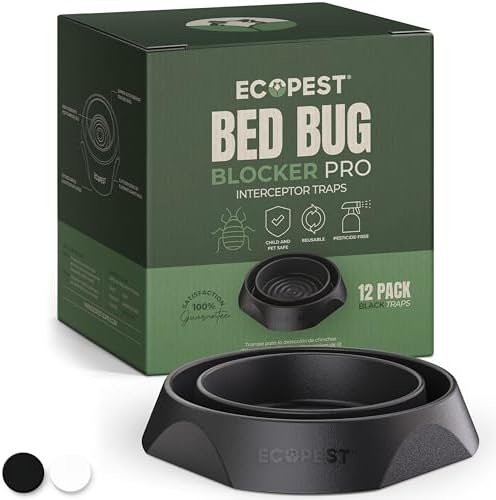
- SLEEP EASY WITH 24/7 BED BUG PROTECTION – Set it, forget it. Place one Bed Bug Blocker interceptor trap under each bed p…
- LAB-TESTED AND PROVEN TO TRAP BED BUGS – Tested by entomologists, trusted by the pros. Bed Bug Blocker interceptor traps…
- BED BUGS CLIMB IN BUT CANNOT CLIMB OUT – Simply place the traps under bed posts and furniture legs. Bed bugs cannot jump…
Bed bug season is real in the data and mostly imaginary in your walls. Reports climb from June through August and fade by February, but nobody has shown that July heat breeds bed bugs inside an air-conditioned bedroom. Summer moves people — and bed bugs move with them.
Treat the next few weeks as inspection season, not spraying season. Check the seams at the head of the mattress tonight, set interceptors under the bed legs, and if you find live bugs, work the safe step-by-step plan.

- TERRY COTTON MATTRESS ENCASEMENT: This Guardmax Mattress Encasement is made a high quality Terry Cotton. The looped pile…
- 100% WATERPROOF MATTRESS PROTECTOR: The Guardmax mattress protector does exactly that. It protects your mattress against…
- BED BUG PROOF MATTRESS COVER: Many mattress encasements make the claim that they are bed bug proof. Only Guardmax makes …
- Powerful Insect Control: This mosquito lamp attracts flies, moths, mosquitoes, fungus gnats, Asian beetle and other flyi…
- Safe and Protective Design: The indoor fly catcher features a protective mesh screen, preventing accidental contact with…
- Instant Elimination: Insects are drawn in and eliminated instantly by the high-voltage 2800V metal grid providing fast a…
Related Articles
 Bed Bugs Treatment
How Bed Bug Heat Treatment Costs Compare to Chemical
July 8, 2026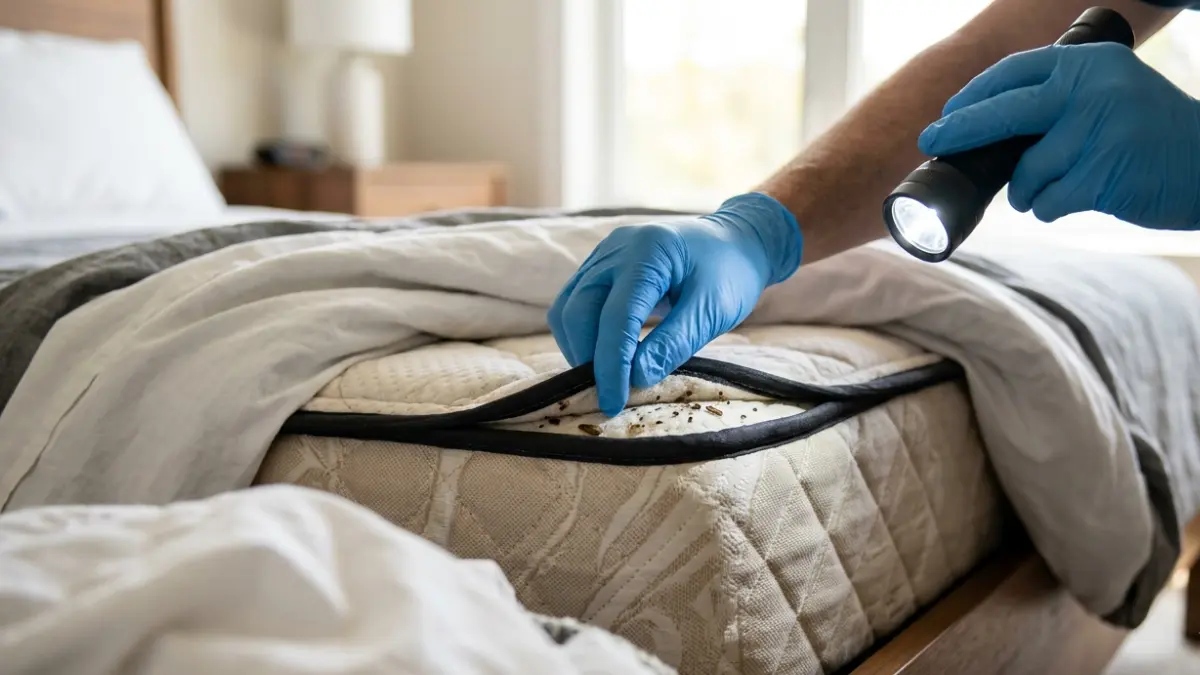 Bed Bugs Treatment
How to Check for Bed Bugs the Right Way
June 27, 2026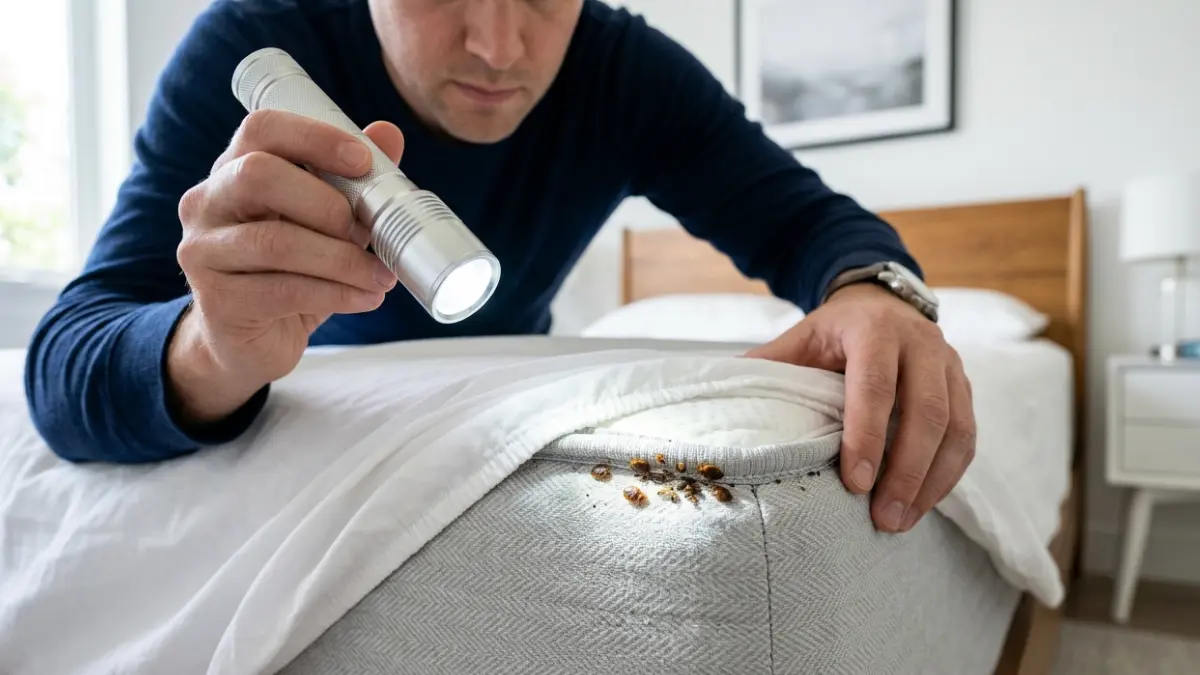 Bed Bugs Treatment
How to Get Bed Bugs Out of a Mattress and Keep It
July 2, 2026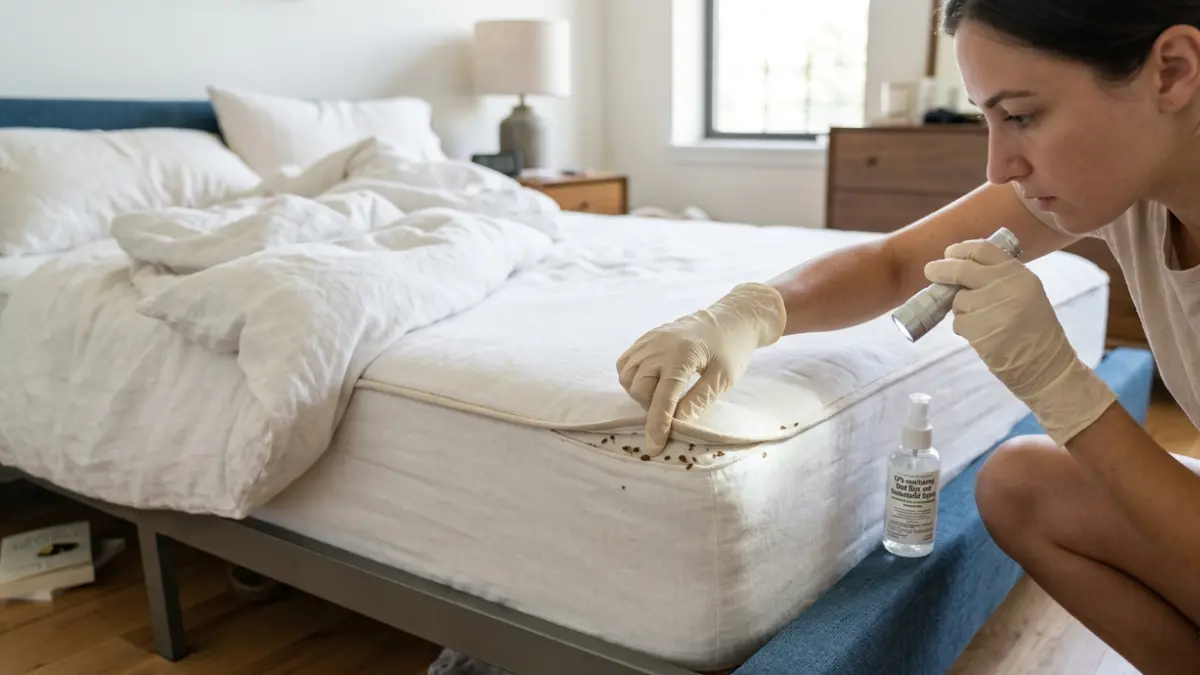 Bed Bugs Treatment
The Smart Way to Choose and Use a Bed Bug Spray
July 1, 2026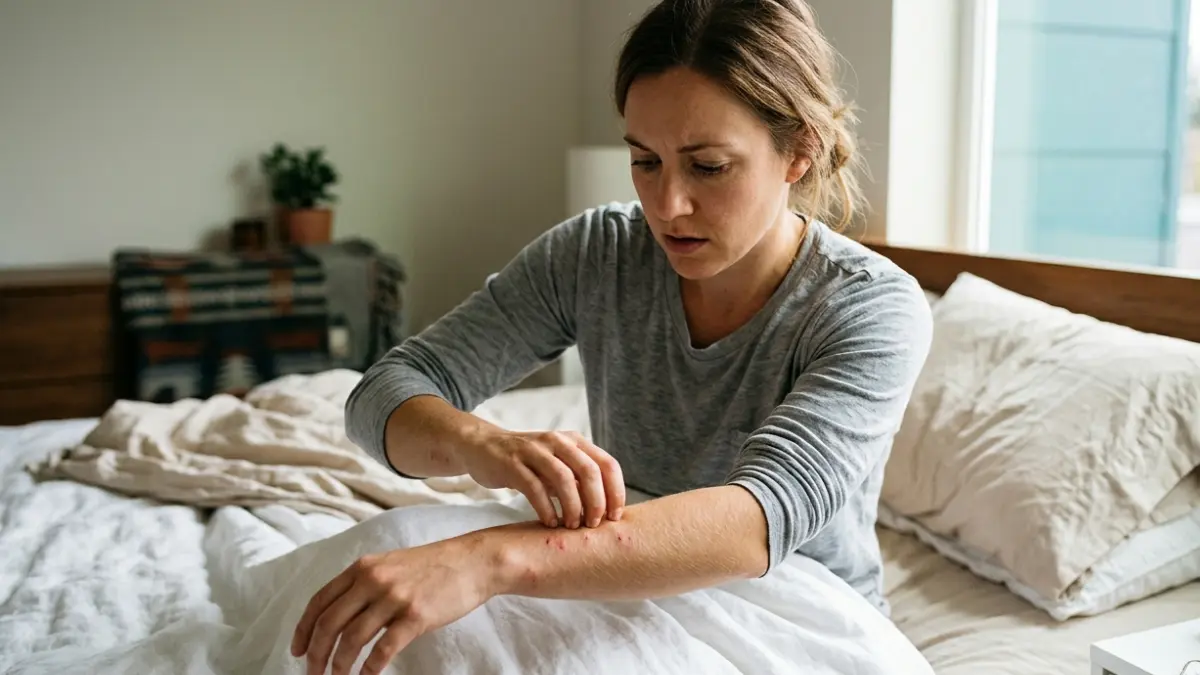 Bed Bugs Treatment
What Bed Bug Bites Look Like, and How to Be Sure
June 23, 2026 Bed Bugs Treatment
Choosing a Bed Bug Steamer That Gets Hot Enough
July 4, 2026 Bed Bugs Treatment
Get Rid of Bed Bugs Yourself the Right Way at Home
June 30, 2026 Bed Bugs Treatment
What Kills Bed Bugs, and How to Use Each Method Safely
July 5, 2026 Bed Bugs Treatment