
Getting Rid of Bed Bugs in Clothes, Step by Step

Bed bugs in clothes don’t mean the trash—heat kills them and their eggs, freezing saves what heat can’t, and sealed storage helps keep them from returning.
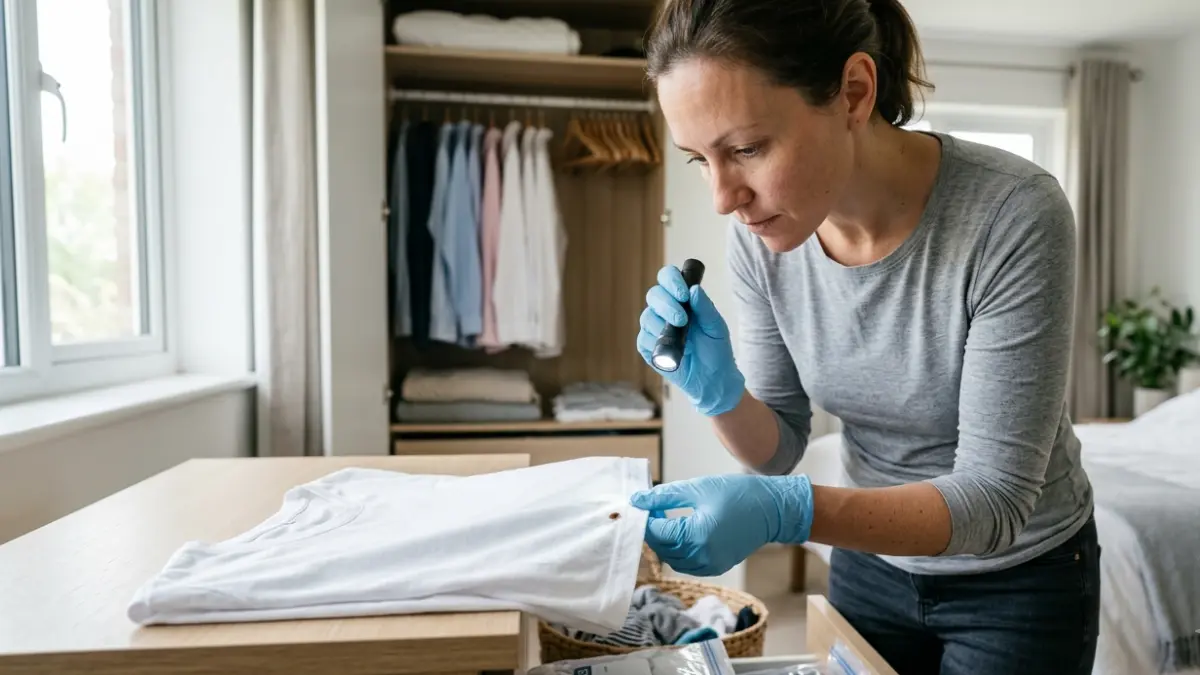
Table of Contents
Finding bed bugs in clothes is unsettling, but it’s one of the most fixable parts of a bed bug problem. Heat and cold both kill bed bugs at every life stage, and your washer, dryer, and freezer can do most of the work.
Match your situation before you start:
- Washable clothes and linens → the hot-wash-and-high-dry method in the next section.
- Delicate, wool, leather, or dry-clean-only items → skip ahead to freezing and no-wash options.
- Shoes, bags, stuffed toys, and other non-washables → the dryer-rack and heat-chamber options.
First, confirm you actually have bed bugs — research at the University of Minnesota found that most samples people submit for identification turn out to be something else. If you’re unsure what you’re seeing, our guide on how to check for bed bugs walks through the signs, and this article is one piece of the full plan for getting rid of bed bugs.
One reassurance: bed bugs aren’t known to spread disease. They also cluster in still hiding spots near where you sleep rather than living on your moving body, so the clothes at highest risk are the ones sitting in closets, hampers, and drawers.
ℹ️ Safety Note: Heat and freezing are the safe ways to treat clothing. Never try to kill bed bugs by turning up your thermostat or running a space heater, propane heater, or fireplace — the EPA warns this doesn’t work and is dangerous. Never apply pesticides to clothing you wear against your skin; follow product labels and look for an EPA registration number. A whole-room infestation needs more than laundry — see when to call a licensed pest professional below.
Does washing clothes actually kill bed bugs?
Washing helps, but heat is what actually kills bed bugs — and a hot clothes dryer is the reliable step. The EPA advises drying items on high heat for about 30 minutes, which kills bed bugs and their eggs, and notes that washing alone might not do the job.
Why heat — not soap — is what kills them
Detergent cleans fabric; it doesn’t reliably kill bed bugs or their eggs. What kills them is sustained temperature. Cold or short cycles are the common mistake — a long cold-water soak has been shown to kill adult and immature bed bugs while leaving the eggs alive.
🔍 Why It Works: Heat penetrates fabric and reaches the seams and folds where bed bugs and eggs hide, pushing them past the temperature their bodies can survive. Our guide on whether heat kills bed bugs covers this across the whole home.
What temperature kills bed bugs (and their eggs)
Adult bed bugs die within about 20 minutes at 118°F, but bed bug eggs are tougher — eggs need roughly 118°F for 90 minutes, and temperatures around 120°F and above kill every life stage. A dryer on high runs hotter than this, which is why 30 minutes does the job. Our guide to bed bug eggs explains why the egg stage is the one that ends infestations.
📊 Sourced Spec: 131°F and above is lethal to all bed bug life stages (Penn State Extension); a household dryer on high kills bugs and eggs in about 30 minutes (EPA).
How to wash and dry clothes to kill bed bugs
The method is ordinary laundry with three added disciplines: bag before you move anything, dry hot, and re-bag clean items. Follow it in order for washable clothes and linens.
Sort and bag before you touch the machine
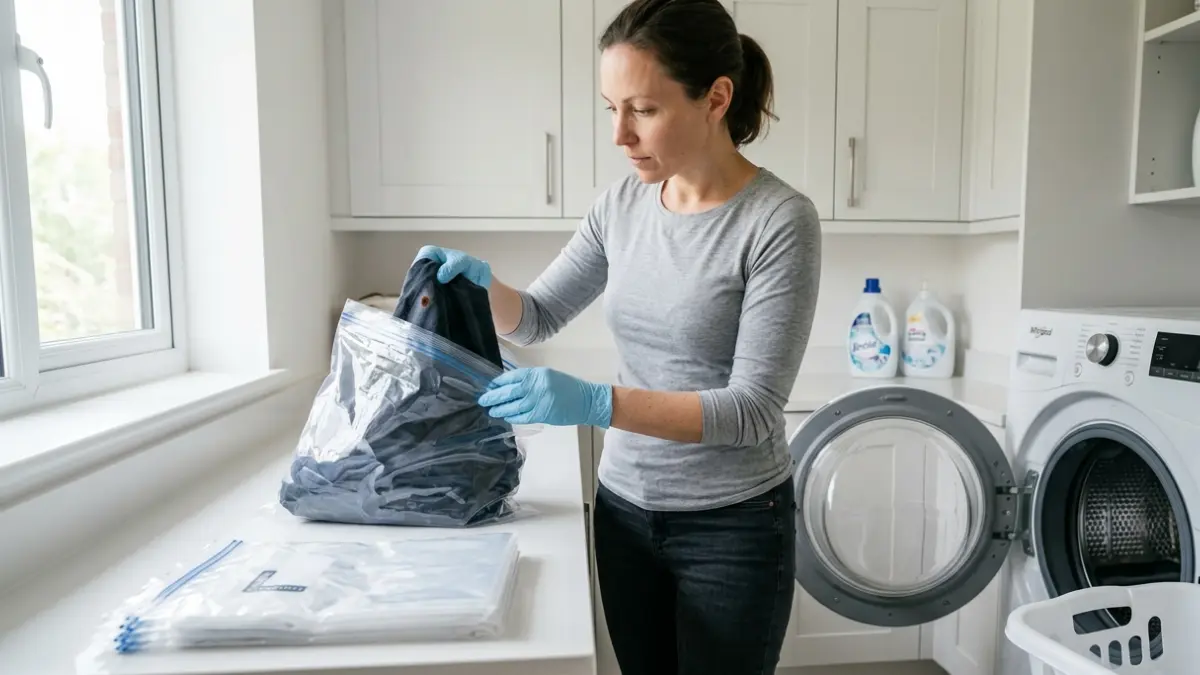
Bag infested items right where they are, so you don’t scatter bugs on the way to the laundry. Seal them in plastic bags for transport, then load the machine straight from the bag. Bed bugs are strong hitchhikers and readily move to new hiding spots if you shake a load out.
Wash hot, then dry on high for 30 minutes
Wash in the hottest water the fabric label allows, then dry on high heat for at least 30 minutes. University of Minnesota Extension notes that drying above 122°F for 20 minutes — typically the medium-high setting — kills all stages of bed bugs. Don’t overload the drum; a loosely filled dryer reaches killing heat throughout, while a packed load traps cool pockets where bugs survive.
✅ Do This: Run the full high-heat dry cycle even for items you washed in hot water — the drying heat, not the wash, is what reliably kills the eggs.
Fold straight into a clean sealed bag
Take items out of the dryer and bag or bin them immediately in clean, sealed containers. Don’t set them on a bed or chair “just for a minute.” At a laundromat, bag the clean laundry before you leave and fold at home, so you don’t re-expose it. A simple appliance thermometer helps confirm the load actually reached temperature if you’re unsure of your dryer.
What to do with clothes that can’t be washed or dried
Delicate, wool, leather, and dry-clean-only items still have good options — cold, professional cleaning, or a heat chamber. You don’t have to throw anything away by default.
Freezing: 0°F or colder for at least 4 days
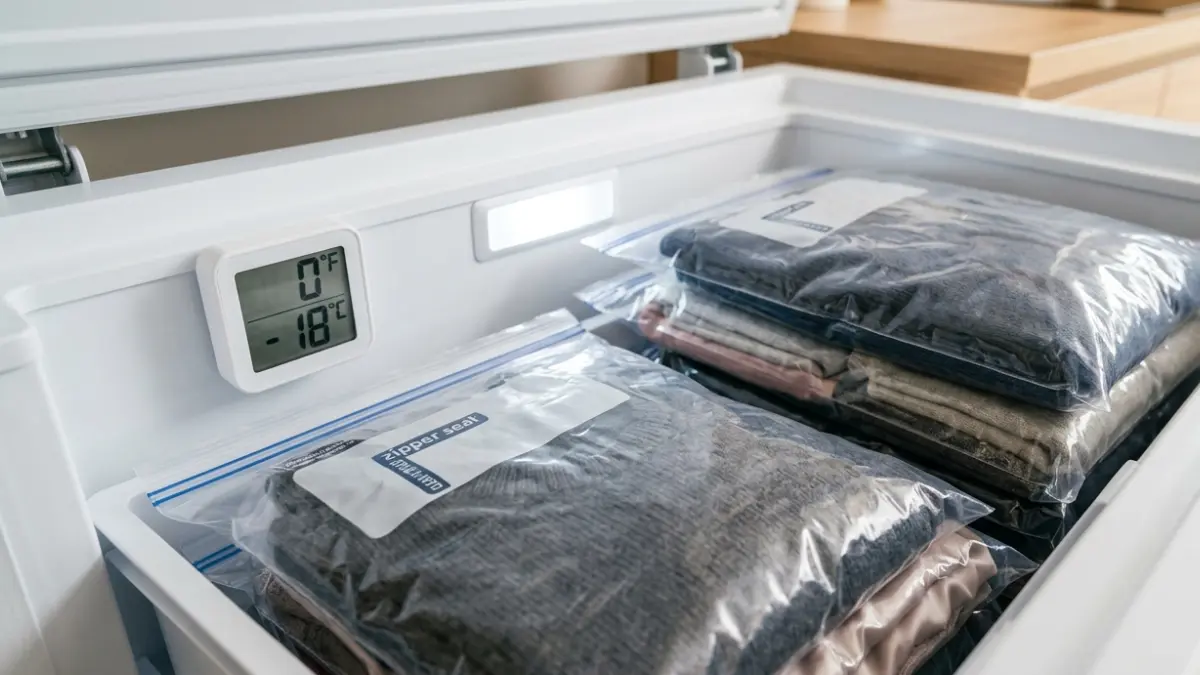
Freezing kills bed bugs, but it’s slower and less forgiving than heat. The EPA advises freezing at 0°F (about −18°C) or colder for at least four days, and warns that many home freezers aren’t cold enough — so verify the temperature with a thermometer. Seal items in a bag first, and give bulky bundles extra time, because the center of a packed load is the last part to reach killing temperature.
⚠️ Watch Out: A refrigerator freezer or a mild garage freezer may never hit 0°F. If you can’t confirm the temperature, University of Minnesota Extension suggests allowing up to two weeks to be safe.
Dry cleaning: warn the cleaner first
Dry cleaning can treat items you can’t wash, but tell the cleaner up front. Ask them to keep your items sealed in the bag until they go into the machine, so the shop isn’t exposed.
Shoes, bags, and toys: dryer rack or heat box
Many non-washables — shoes, handbags, backpacks, stuffed animals — tolerate dryer heat on a rack or a low-tumble setting. For items that can’t go in a dryer at all, a portable bed-bug heat chamber reaches the needed temperature. Keep heat-sensitive items out of high heat so they don’t melt, and treat those a different way — freezing is the usual fallback.
How to bag and store clean clothes so bed bugs don’t come back
Treating clothes only holds if you keep them away from the bugs still in the room. This is the step most guides skip, and it’s why infestations seem to “come back.”
Seal cleaned items and keep them sealed
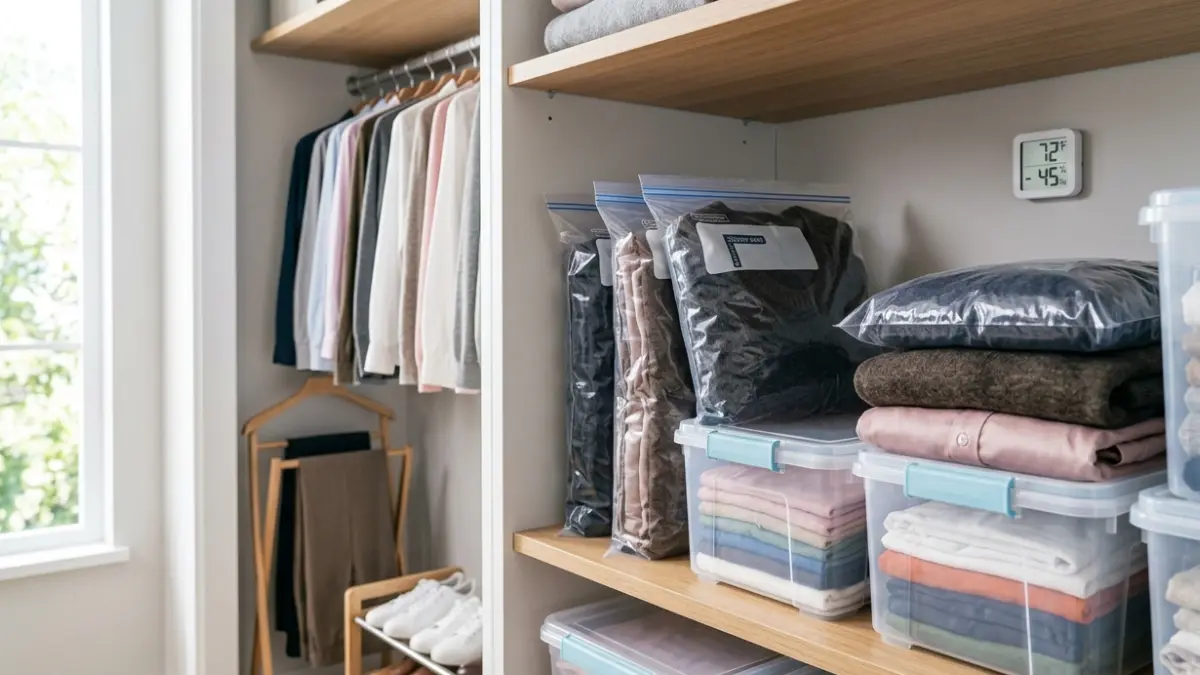
Store laundered clothes in sealed bags or bins until your home is confirmed clear. Purdue Extension recommends keeping laundered items sealed in bags or containers until the infestation is under control. Don’t count on starving bugs out quickly — bed bugs can survive many months without feeding, and adults can last close to a year in cool conditions, which our guide on how long bed bugs live without feeding covers in full. Knowing when bed bugs are actually gone tells you when it’s safe to unpack.
Laundromat and dorm rules: don’t spread it
Carry items in sealed bags, and never shake them out at a shared machine. Load directly, then repackage the clean laundry in fresh sealed bags before you leave, and dispose of the transport bags outside — not in your hallway. In a dorm or apartment building, this etiquette keeps you from moving your problem to a neighbor.
Gear that makes killing bed bugs in clothes easier
A few inexpensive tools make this cleaner and more certain. These are researched recommendations matched to a specific job, not lab-tested rankings.
Sealable storage bags for containment
Heavy-duty zippered storage bags or vacuum bags hold treated clothes and stop re-exposure. Look for thick, resealable seams and sizes large enough for bedding.

- PE
- No Fur
- 【Extra Heavy Duty】Made of upgraded 180 GMS extra thick coated PE fabric, Fygrip moving bags with fully wrap around handl…
🛒 Our Pick: A set of extra-large heavy-duty zippered storage bags. We may earn a commission from this link, at no extra cost to you.
A thermometer to confirm killing temperature
Because home freezers and some dryers fall short, a simple appliance thermometer confirms you actually hit 0°F or the heat you need. It turns a guess into a verified result.

- Convenient and practical: Our refrigerator thermometer is suitable for traditional refrigerators, freezers, insulated bo…
- Temperature range: Refrigerator thermometer measures refrigerator temperature -20~80 °F/ -30~30 °C, meeting different re…
- Exquisite design: The refrigerator thermometer uses a hook type panel design, can be hung or placed in different positio…
🛒 Our Pick: An inexpensive freezer/dryer thermometer. We may earn a commission, at no extra cost to you.
A portable heat chamber for non-washables
For shoes, bags, and packed items a dryer can’t handle, a portable bed-bug heat chamber (such as a PackTite-style unit) heats contents past the bed-bug thermal death point. Confirm current price and availability before buying, and check heat limits for anything electronic.

- Efficient: Heats large items above 120℉ 50℃
- Quality bed bug heat treatment equipment, No mixing, measuring, odors, or stains, just heat.
- Easy to use: One person set-up, load with items, and press on, no need to bag items
🛒 Our Pick: A portable bed-bug heat chamber. We may earn a commission, at no extra cost to you.
What not to do — and when clothes alone aren’t enough
Two things make bed bug problems worse: putting chemicals where they don’t belong, and expecting laundry to end an infestation.
Don’t spray pesticides on clothes or heat a room yourself
Don’t spray pesticides on clothing you wear, and never improvise room heating to “cook” bed bugs. The EPA warns that raising indoor temperature with a thermostat, space heater, or fireplace doesn’t work and is dangerous. If you use any pesticide elsewhere in the room, follow the label exactly and look for an EPA registration number — and read our guidance before reaching for bed bug sprays.
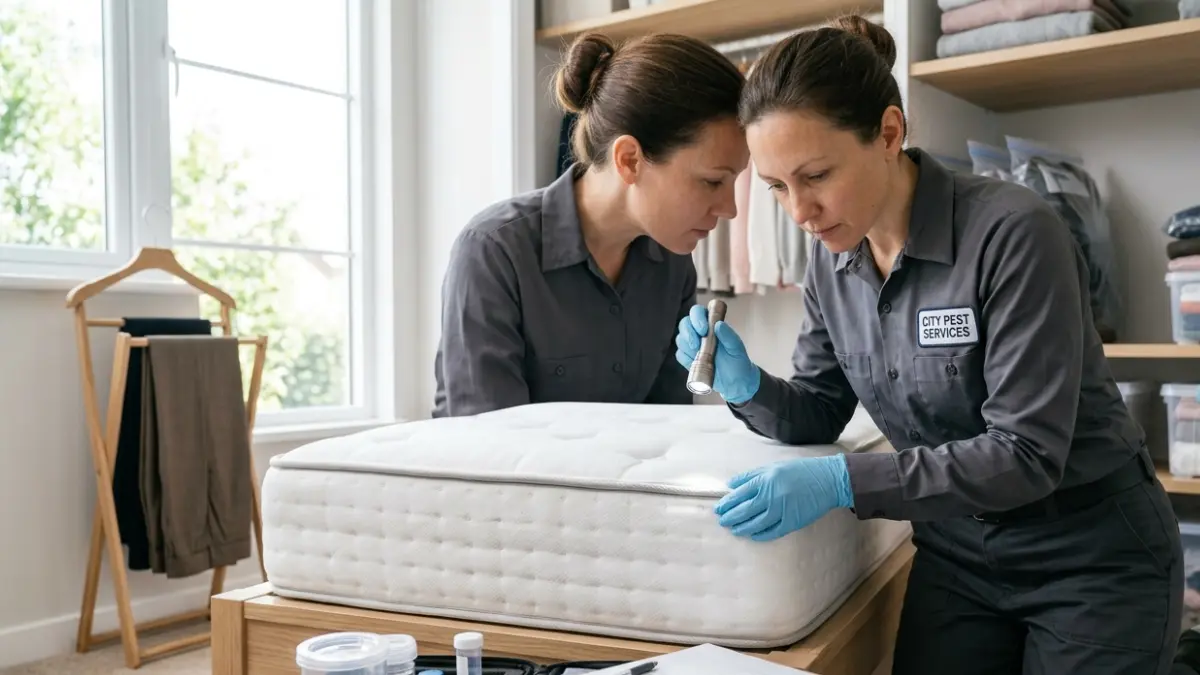
When to bring in a professional
Laundry can’t reach the bed frame, baseboards, and walls where bed bugs actually live. If bites continue or you see live bugs after treating, the room needs a full plan — start with getting rid of bed bugs yourself, set out interceptors that reveal whether bugs are still active, and treat the mattress where they cluster.
✅ Do This: For a persistent or heavy infestation, hire a certified pest control professional and ask whether they use an integrated pest management (IPM) approach — a combination of monitoring, non-chemical methods, and targeted treatment.
Bed bugs in clothes: frequently asked questions
1. Does washing clothes kill bed bugs?
Washing helps but doesn’t reliably kill them on its own; the heat of a hot dryer is what kills bed bugs in clothes. Wash in the hottest water the fabric allows, then dry on high for at least 30 minutes, which kills bugs and eggs. Cold or short cycles can leave eggs alive.
2. What temperature kills bed bugs in the dryer, and how long?
A dryer on high heat kills bed bugs and their eggs in about 30 minutes. Adults die within roughly 20 minutes at 118°F, eggs need about 118°F for 90 minutes, and 120°F and above kills every stage. A dryer on high runs hotter than these thresholds, so 30 minutes is a safe target.
3. Can bed bugs live in the clothes you’re wearing?
It’s unlikely. Bed bugs cluster in still hiding spots near where you sleep and feed briefly at night, rather than living on a warm, moving body. The clothes at highest risk are those sitting in closets, hampers, and drawers. Treat those with heat or cold, and store them sealed afterward.
4. How do I treat clothes that can’t be washed?
For delicate, wool, leather, or dry-clean-only items, use cold or professional cleaning. Freeze them at 0°F or colder for at least four days, or take them to a dry cleaner and warn the shop so items stay bagged until cleaned. Shoes, bags, and toys often tolerate a dryer rack or a portable heat chamber.
5. Does freezing kill bed bugs in clothes?
Yes. Freezing at 0°F (about −18°C) or colder for at least four days kills bed bugs at all life stages. Many home freezers aren’t cold enough, so verify the temperature with a thermometer. Seal items in a bag first and allow extra time for bulky bundles, since the center is slowest to freeze.
6. Can bed bugs survive a cold-water wash?
Often yes, especially the eggs. Research found a long cold-water soak killed adult and immature bed bugs but left eggs alive, and a cool dryer cycle kills very few. That’s why the high-heat dryer step matters more than the wash for getting bed bugs out of clothes.
7. How long should I keep clothes in sealed bags?
Keep treated clothes sealed until your whole home is confirmed clear, which can take weeks to months. Don’t rely on starving bugs out quickly: bed bugs survive many months without feeding, and adults can last close to a year in cool conditions. Unpack only once monitoring shows no activity.
8. Do dryer sheets or detergent kill bed bugs?
No. Detergent and dryer sheets clean fabric but don’t reliably kill bed bugs or their eggs. Sustained heat is what kills them, so the high-heat dryer cycle does the real work. Skip additive-based “hacks” and focus on hot washing, high-heat drying, or freezing for items heat would damage.
9. Should I throw clothes away that have bed bugs?
Usually not. Heat or freezing saves almost all clothing, so discarding is rarely necessary. If you do choose to throw something out, seal it in a bag first so you don’t spread bed bugs on the way to the trash. Bagging prevents scattering bugs into new hiding spots.
10. Will a hot dryer kill bed bug eggs?
Yes. A dryer on high heat kills bed bug eggs, which matters because eggs are the stage cold water and mild cycles miss. Eggs need about 118°F for 90 minutes, and a hot dryer exceeds that, killing them along with adults and nymphs within a 30-minute high-heat cycle.
Your clothes are the most controllable front
Your clothes are the most controllable front in a bed bug fight, and you now have the full path: sort by what each item can take, kill with heat or cold, and keep everything sealed until the room is clear. Wash hot, dry on high for 30 minutes, freeze what heat would ruin, and bag the results.
The laundry piece is genuinely solvable on your own. From here, the work moves to the mattress, frame, and room, where a steady plan, monitoring, and sometimes a professional finish the job. Confirm the bugs are gone before you unpack, and you won’t be redoing this.
Related Articles
 Bed Bugs Treatment
Are Bed Bugs Dangerous? The Health Risks People Overlook
June 26, 2026 Bed Bugs Treatment
Clearing Bed Bugs From a Couch You Want to Keep
July 3, 2026 Bed Bugs Treatment
What Bed Bug Bites Look Like, and How to Be Sure
June 23, 2026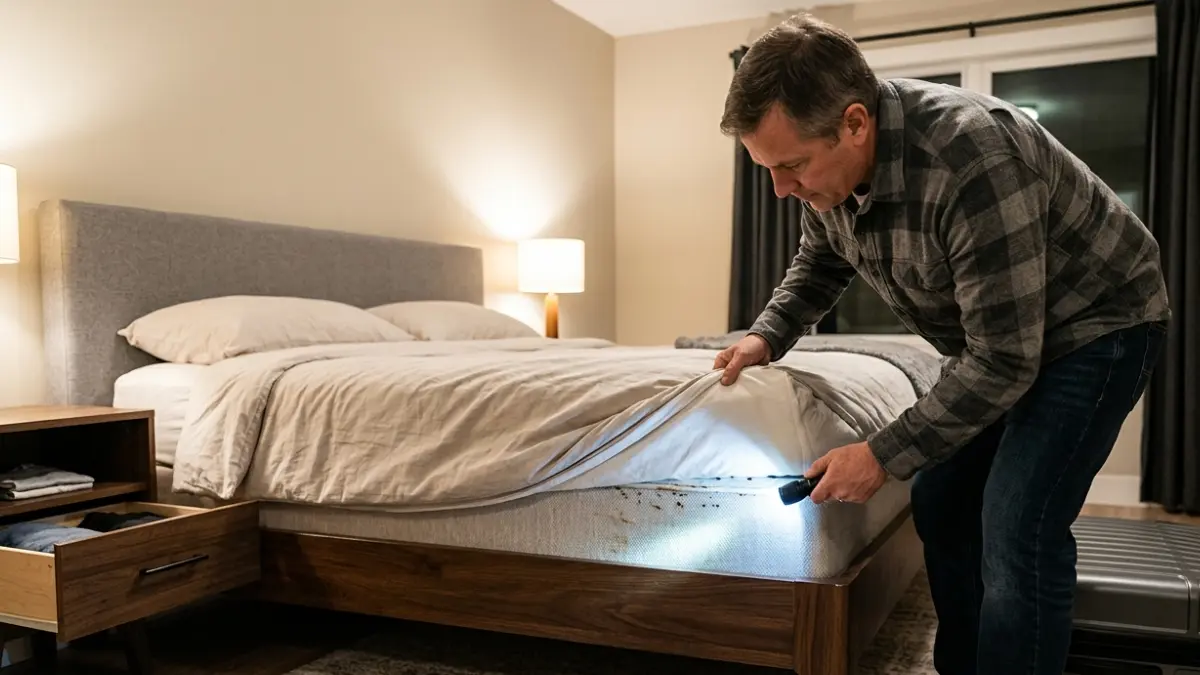 Bed Bugs Treatment
Where Bed Bugs Hide When the Mattress Looks Clean
June 25, 2026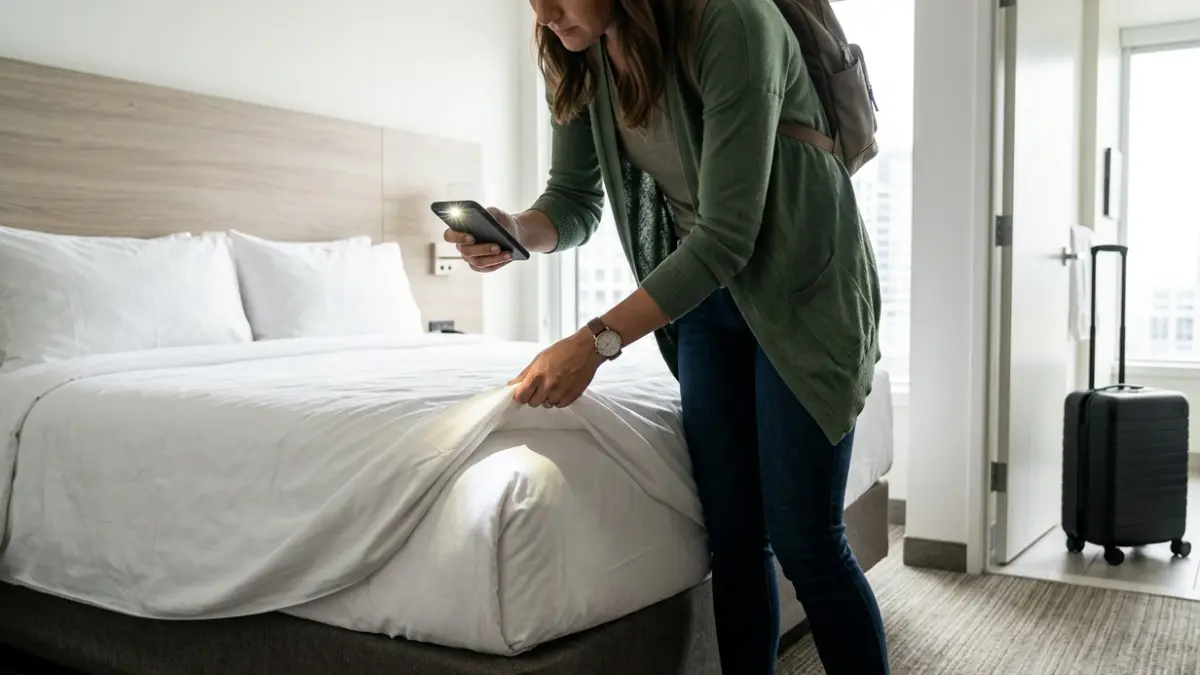 Bed Bugs Treatment
Check Your Hotel Room for Bed Bugs Before You Unpack
July 10, 2026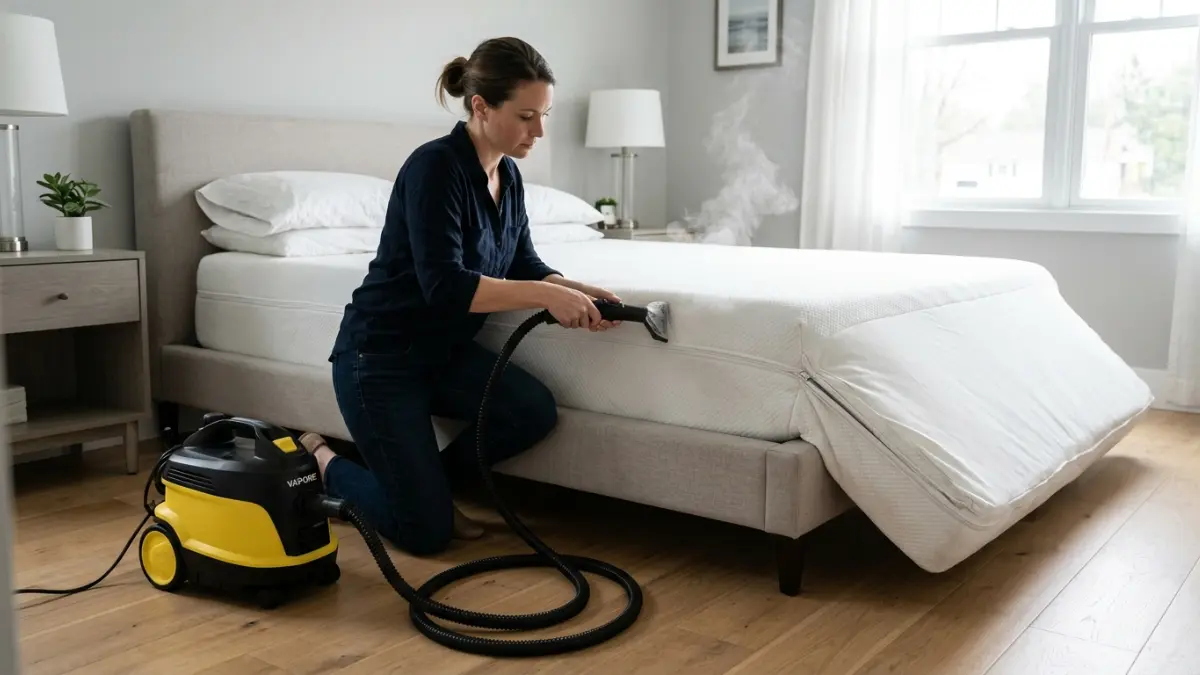 Bed Bugs Treatment
Choosing a Bed Bug Steamer That Gets Hot Enough
July 4, 2026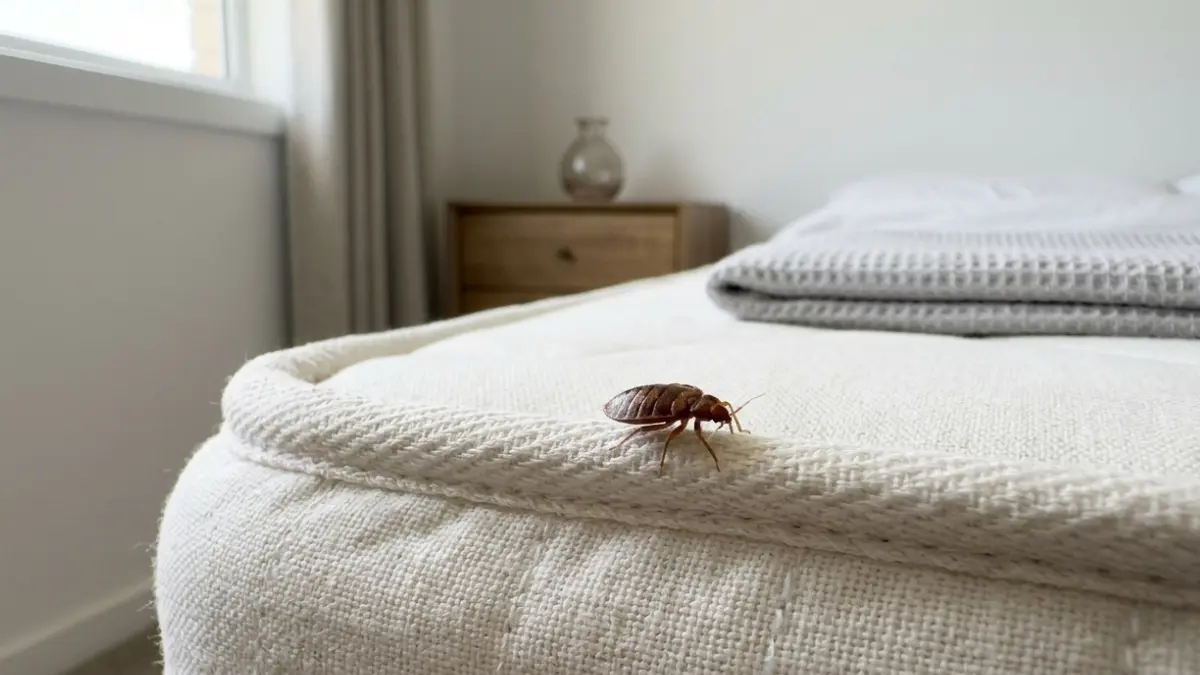 Bed Bugs Treatment
How Long Can Bed Bugs Live Without Feeding? 20–400 Days
June 27, 2026 Bed Bugs Treatment
How to Spot the Signs of Bed Bugs Before You Ever See One
June 23, 2026 Bed Bugs Treatment