
How the Right Bed Bug Interceptors Catch the Most Bugs

Not all bed bug interceptors catch equally. The best share a rough outer wall and a slick inner well—here’s how to choose the right one.
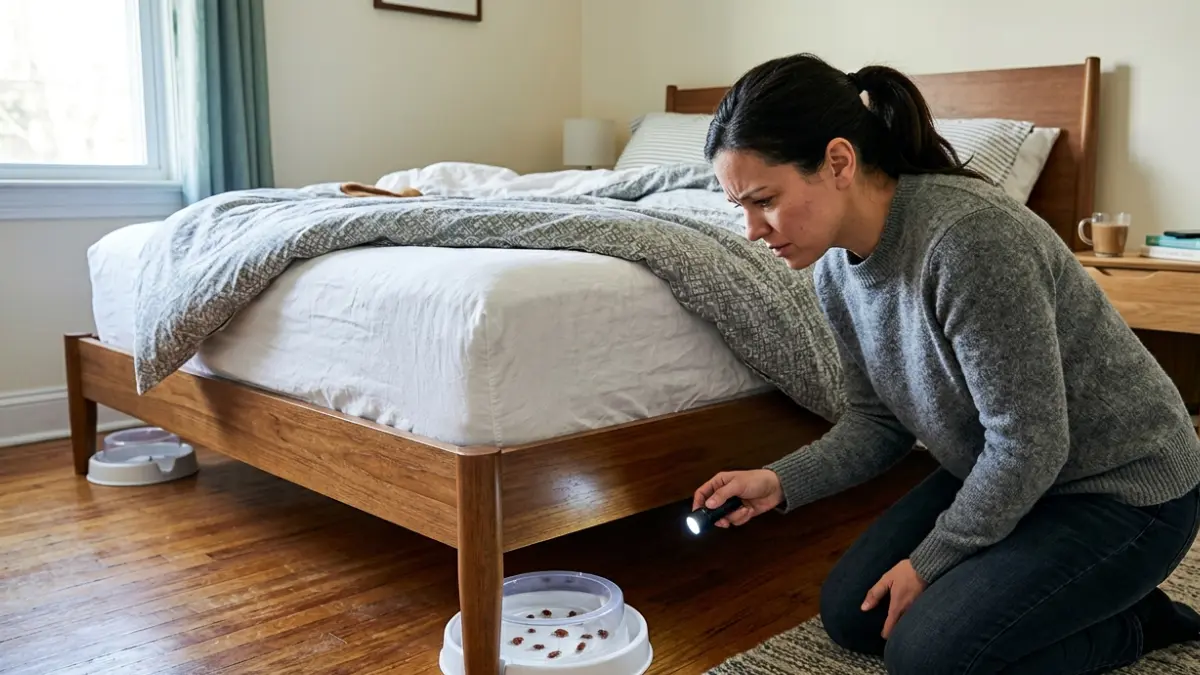
Table of Contents
If you woke up with a row of itchy bites and you’re trying to confirm what’s biting you, bed bug interceptors are the cheapest, fastest proof you can buy. If you’ve already confirmed bed bugs and want to track whether treatment is working, they’re your scorecard. And if you bought a set that caught nothing and you’re wondering whether interceptors are a waste of money, the problem is almost always setup, not the product — we’ll fix that below.
Here’s the honest version of “which catches the most”: no brand wins by magic. The interceptors that trap the most bugs share a specific design, and research explains why. This guide ranks them by that design, by documented fit and durability specs, and by how easy they are to actually inspect — alongside the bites you’re trying to explain and the complete plan to get rid of bed bugs they fit into.
How bed bug interceptors actually catch bugs
A bed bug interceptor is a passive pitfall trap you set under each furniture leg to catch bed bugs as they climb to or from your bed. It uses no chemicals and no bait. According to Rutgers extension guidance on bed bug monitors, interceptors detect low numbers of bed bugs more reliably than visual inspection alone.
The two-well pitfall design
Most interceptors have two moats. The outer well catches bugs traveling from the floor toward your bed; the inner well catches bugs leaving the bed to hide elsewhere. That dual-well layout lets a single trap monitor traffic in both directions.
Why bugs fall in and can’t climb out
The mechanism is texture. The outer wall is rough enough for a bed bug to climb, and the inner walls are too slick to climb back out — so the bug drops in and stays put. Bed bugs do this because they instinctively scale coarse vertical surfaces while hunting for a host, a behavior documented by entomologists at Rutgers.
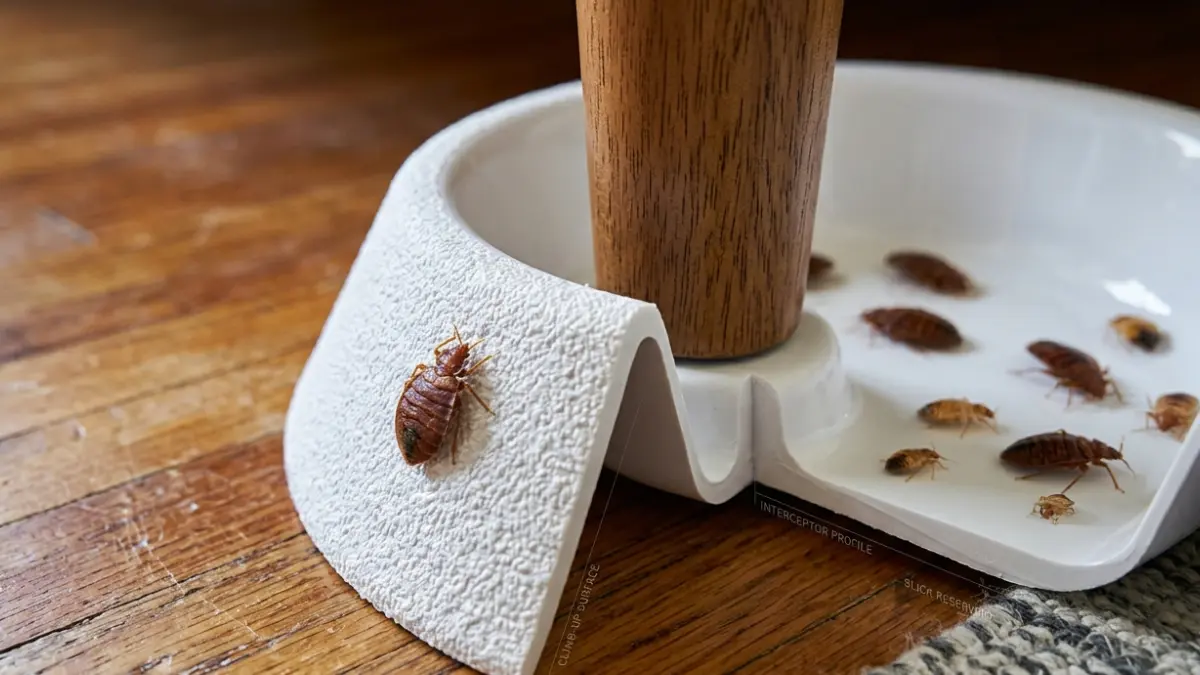
🔍 Why It Works: Bed bugs hide near where you sleep and travel out at night to feed, then return. An interceptor sits directly on that highway, turning the bug’s own climbing instinct against it.
This is also why interceptors give you proof: a trapped bug is something you can photograph and identify. If you’re unsure what you’re seeing, compare it with what bed bugs actually look like and the other signs of bed bugs to confirm.
What actually decides how many bugs an interceptor catches
The interceptors that catch the most share three traits: a rough, climbable outer wall, a slick inner well a bug can’t escape, and a depth and fit that keep your furniture leg fully inside the trap. Get those right and brand matters far less than marketing suggests.
A note on how we judged this: we compared interceptors on documented design, manufacturer fit and durability specs, university-extension findings, and ease of inspection. We did not run an in-house bed bug capture trial — no honest publisher can stage one — so the capture ranking reflects the design features research shows drive trapping, not a manufactured test.
Outer wall: rough enough to climb
A bed bug has to be able to scale the outside to fall in. Designs with a textured or fabric-tape exterior climb well; Rutgers notes the fabric-covered ClimbUp was particularly effective in testing.
Inner well: slick enough to trap
The inside has to defeat the climb back out. Some traps manage this with a thin talc coating; others use molded slick walls that need no powder at all.
Powder or no powder?
Talc isn’t a pesticide — it just makes the wall too slick to grip. Per Texas A&M AgriLife Extension, the film should be barely visible, and more is not better; too much actually gives bugs more to hold onto.
Depth, fit, and why cheap ones fail
If your bed leg or caster doesn’t sit fully inside the well, bugs simply walk around the trap. Wide legs and large casters need a heavy-duty or larger-welled model.
📊 Spec: ClimbUp Original interceptors fit legs and casters up to 3¾″ round or 2¾″ square (manufacturer specification). Measure your widest furniture leg before you buy.
The best bed bug interceptors right now, compared
Every option below uses the same pitfall principle; they differ in fit, durability, powder versus powder-free, and how easy they are to inspect. Specs are drawn from current manufacturer and retailer listings — confirm the model and availability when you buy.
| Interceptor | Inner well | Fits leg up to | Best for |
|---|---|---|---|
| ClimbUp Original | Talc-coated, slick | 3¾″ round / 2¾″ square | Reliable all-rounder; easy-to-see white |
| SenSci BlackOut | Textured, powder-free | Standard legs | Skipping powder upkeep |
| Aspectek Dual-Well | Talc-coated, reinforced center | Larger legs (wide center) | Heavy furniture, budget multipacks |
| Harris Bed Bug Blocker (Pro) | Textured, slippery reservoir | Large / most legs | Big beds and heavy frames |
Specs sourced from manufacturer/retailer listings (JT Eaton, SenSci, Aspectek, Harris); confirm current models and availability before buying.
Best overall: ClimbUp Original
The most-studied design, with a rough exterior and talc-coated wells. Manufacturer specs note an upgraded no-break polypropylene build with a thicker, mirror-polished base. The white version makes spotting a tiny nymph easier.
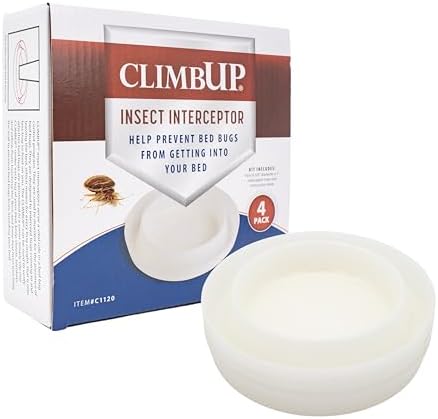
- BEDBUG MONITORING SYSTEM: Original system designed to monitor bedbug activity
- CLIMB BUT CAN’T ESCAPE: Bedbugs climb into the trap but are unable to climb out
- EASY VISIBILITY: Detects even low-level infestations with clear, visible results
🛒 Our Pick — ClimbUp Original: The interceptor extension research most often references. We may earn a commission from this link, at no extra cost to you.
Best powder-free: SenSci BlackOut
Textured walls trap without talc, so there’s no re-dusting — though the dark color makes it harder to see what’s caught, and it still needs household dust cleaned out periodically to stay slick.

🛒 Our Pick — SenSci BlackOut: Powder-free and sturdy. We may earn a commission from this link, at no extra cost to you.
Best for heavy furniture: Aspectek Dual-Well
A wider, reinforced center supports heavier furniture and larger legs, with a one-year warranty per the manufacturer. Talc-coated wells and budget-friendly multipacks.

- Promotes Peaceful Sleep: These bed bug monitors help protect your bed and furniture from infestations, ensuring you can …
- Effective and Universal Design: The bed bug catcher is designed to fit all furniture and bed legs, eliminating indoor bu…
- Durable and Reusable Material: Built to withstand the weight of heavy furniture, these bed bug prevention traps are made…
🛒 Our Pick — Aspectek Dual-Well: Reinforced for heavy legs. We may earn a commission from this link, at no extra cost to you.
Best for big beds: Harris Bed Bug Blocker (Pro)
Built to fit nearly all furniture, including large bed frames, with a textured exterior and a slippery reservoir; sold in eight-packs.

- Pesticide Free – No chemicals used of any kind
- Easy to Use – Simply fold the trap and insert the tab at the top to hold it together
- Discreet – Slides easily under furniture and bedding
🛒 Our Pick — Harris Bed Bug Blocker (Pro): Heavy-duty, large-leg fit. We may earn a commission from this link, at no extra cost to you.
Black, white, or clear: what the color research really says
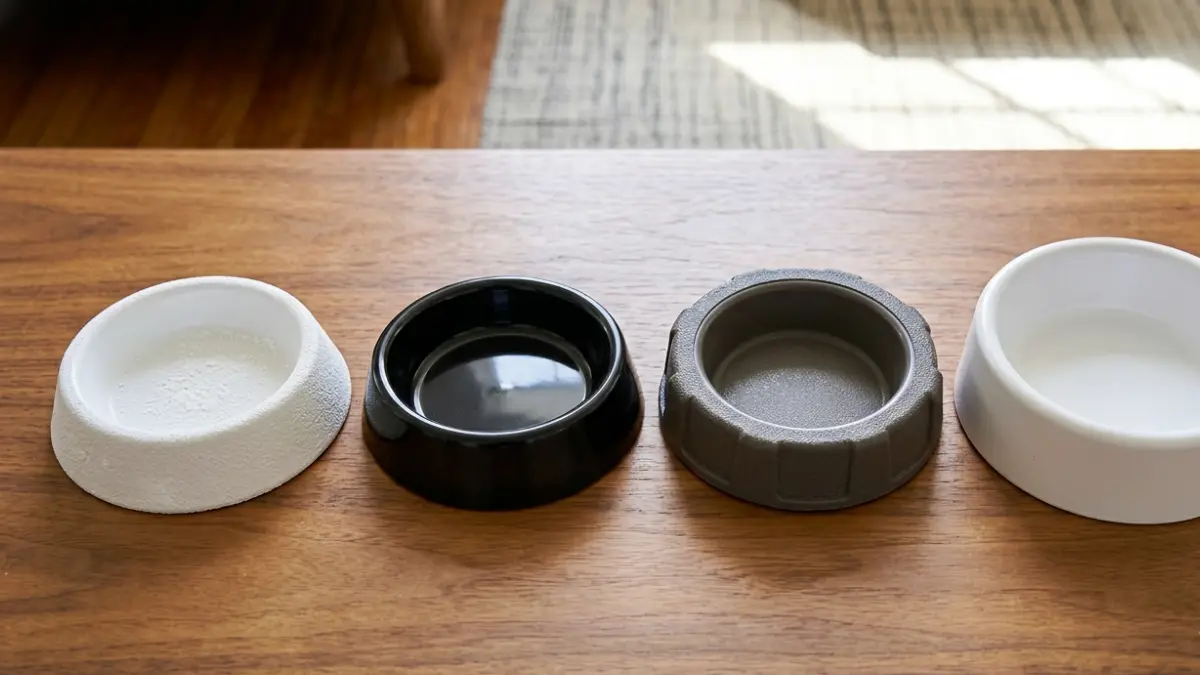
You’ll see sellers claim black interceptors catch more because bed bugs prefer dark colors. The research is real but narrower than the claim. A 2016 study in the Journal of Medical Entomology (McNeill and colleagues) found bed bugs preferred red and black harborages and avoided yellow and green.
What the study actually tested
Those choices happened in full light. The researchers themselves cautioned that bed bugs move and feed mostly in the dark, when they can’t distinguish color well — so a preference shown under a lamp may not translate to a trap on your bedroom floor at 3 a.m.
Why inspection ease may matter more
A practical tradeoff cuts the other way: a translucent or white well makes a one-millimeter nymph easy to spot, while a black well hides it. For a tool whose entire job is to show you what’s caught, seeing clearly is worth more than a debatable color edge.
💡 Pro Tip: Don’t pay a premium for color. Prioritize fit, a slick inner well, and a light or clear trap you can inspect at a glance.
How to set up interceptors so they actually catch bugs
The single biggest reason interceptors catch nothing isn’t the trap — it’s a bridge that lets bugs bypass it. Fix three things and your catch rate climbs.
Pull furniture away from the wall
A bed touching the wall gives bugs a path straight up the headboard, around your trap. Move the bed a few inches off every wall and away from nearby furniture.
Remove every bridge to the floor
Tuck in sheets, blankets, and bed skirts so nothing touches the floor, and unplug or reroute cords running from bed to wall. The interceptor under each leg should be the only thing connecting your furniture to the floor.
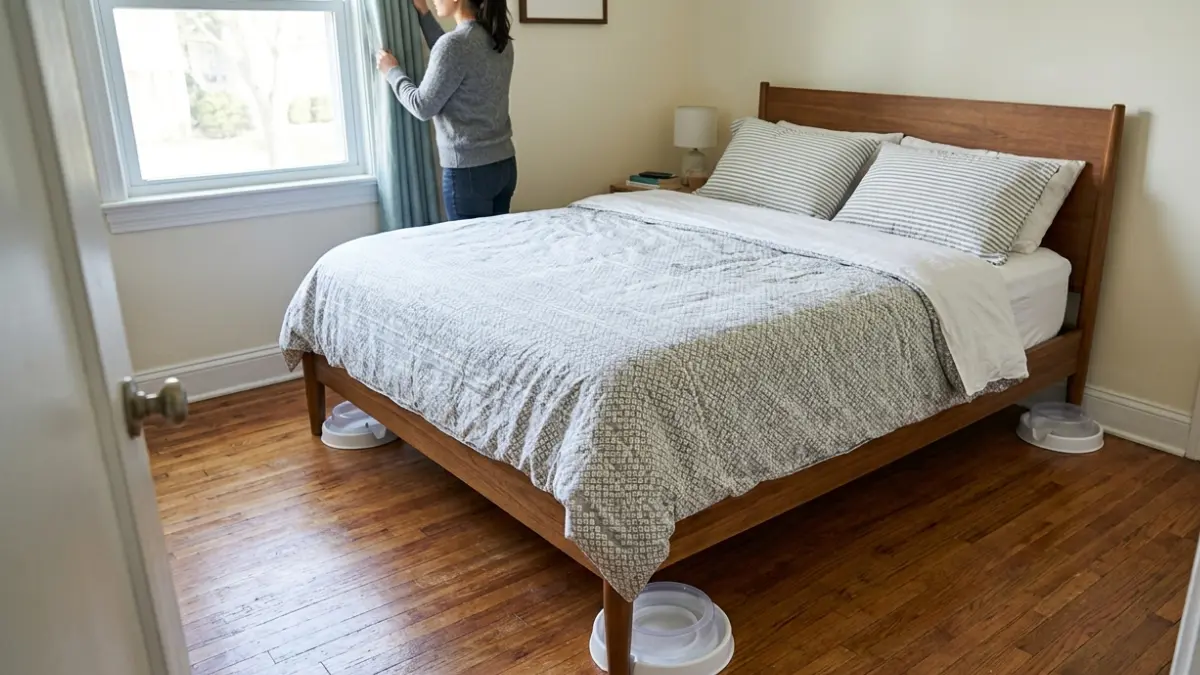
Place one under every leg, and wait
Set a trap under each leg or caster, with the leg seated in the center well. Per the EPA’s do-it-yourself bed bug guidance, keep inspecting at least every 7 days; very low numbers can take a week or more to appear, and the EPA recommends leaving interceptors in place long-term for ongoing monitoring.
✅ Do This: After setup, run a hand check too — inspect the mattress and frame seams while the traps do their slow, steady work, since bed bugs spread quickly between checks.
⚠️ Watch Out: The most common costly mistake is a bridged bed. If a single sheet touches the floor or the frame meets the wall, bugs climb that path and your traps stay empty — even with an active infestation.
Upkeep, lifespan, and when interceptors aren’t enough
Interceptors are low-maintenance, but they’re a monitoring and control tool — not a guaranteed cure on their own.
Cleaning and re-powdering
Wipe captured bugs into a sealed bag, and on talc-coated traps, re-dust with a barely-visible film when they lose slickness or collect dust. Powder-free models still need household dust cleaned out every few weeks to keep the walls slippery.
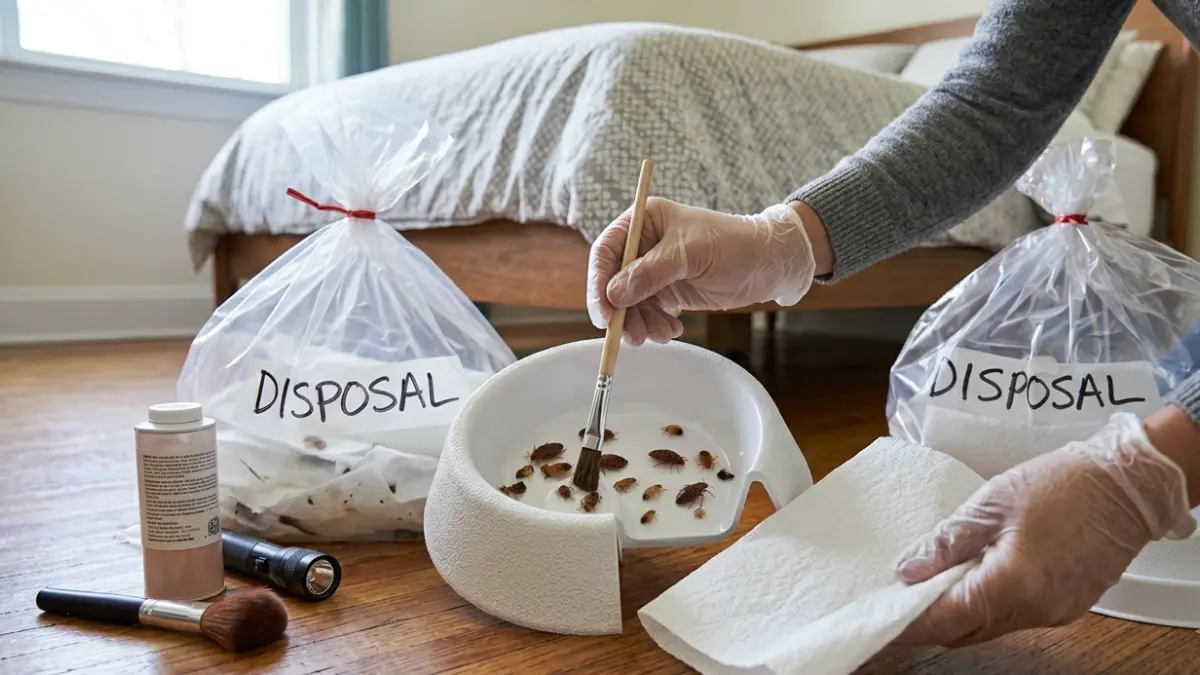
Can interceptors get rid of bed bugs alone?
Sometimes, for very light infestations. Research by Cooper and colleagues found that deploying many interceptors cleared most low-level infestations — roughly 1 to 10 bugs — without pesticides over several months. But the EPA frames interceptors as one part of an integrated plan, and ClimbUp’s own maker says they shouldn’t be the sole treatment.
For anything beyond a handful of bugs, pair interceptors with the rest of your full bed bug treatment plan. Keep monitoring even after you think it’s over — bed bugs can survive a long time without feeding, so a quiet trap for one week isn’t proof they’re gone.
Bed bug interceptor FAQs
1. Do bed bug interceptors really work?
Yes. Bed bug interceptors are passive pitfall traps that catch bugs climbing to or from your bed, and Rutgers extension research shows they detect low-level infestations more reliably than visual inspection. They work best for early detection and monitoring; for very light infestations, using many at once can also help reduce numbers without chemicals.
2. Which bed bug interceptor catches the most?
The ones that catch the most share a rough, climbable outer wall and a slick inner well, with a depth that keeps your furniture leg fully inside. Research points to the fabric-textured ClimbUp design as particularly effective. Fit matters as much as brand — a trap your leg doesn’t seat into lets bugs walk around it.
3. Are ClimbUp interceptors the best?
ClimbUp Original is the most-studied bed bug interceptor and a reliable all-rounder, with a rough exterior, talc-coated wells, and an easy-to-inspect white version. It’s our overall pick, but powder-free, heavy-duty, or large-leg models can fit specific furniture better. Match the trap to your leg size and your tolerance for re-powdering.
4. Do bed bug interceptors need talc or powder?
Not always. Some bed bug interceptors use a thin talc film to make inner walls too slick to climb; others use molded textured walls that need no powder. Talc isn’t a pesticide. Per Texas A&M extension, the film should be barely visible — too much actually gives bugs more grip and works against you.
5. Why is my bed bug interceptor not catching anything?
Almost always a bridge. If your bed touches the wall, a sheet hangs to the floor, or a cord runs bed-to-wall, bugs bypass the trap entirely. Move furniture a few inches off every wall, tuck in all bedding, and make the interceptor the only path to the floor. Then wait at least a week.
6. Are black bed bug interceptors better than white or clear?
Probably not enough to matter. A 2016 study found bed bugs prefer black and red — but only in full light, while they move mostly in the dark. A light or clear bed bug interceptor makes a tiny nymph far easier to spot, so inspection ease usually outweighs any color advantage.
7. How long should you leave bed bug interceptors out?
At least a week to detect low numbers, and ideally far longer. The EPA recommends keeping bed bug interceptors in place for long-term monitoring, since survivors or eggs can appear weeks later. Many people leave them under furniture legs indefinitely as an early-warning system after treatment ends.
8. Can bed bug interceptors get rid of bed bugs on their own?
Only for very light infestations. Research found that mass-deploying interceptors cleared most low-level infestations without pesticides over several months. For anything larger, treat bed bug interceptors as monitoring within a full plan — the EPA and the ClimbUp maker both advise against using them as the sole treatment.
9. Do bed bug interceptors work on carpet?
Yes, with the right model. Reinforced, wider-center bed bug interceptors support furniture legs on carpet and resist cracking under heavy frames. Make sure the leg or caster seats fully in the center well; on thick carpet, a sturdier trap stays stable better than a thin one. Check that nothing bridges the gap to the floor.
The bottom line
The interceptor that catches the most isn’t a brand secret — it’s the one with a rough outer wall, a slick inner well, and a fit that seats your furniture leg fully inside. ClimbUp Original is the safest all-around pick, but a powder-free or heavy-duty model may suit your furniture better. Whatever you choose, setup decides everything: a bridged bed catches nothing. Place a trap under every leg, check weekly, and fold this monitoring step into the complete plan to get rid of bed bugs for the fastest path to an empty trap and a quiet night.
Related Articles
 Bed Bugs Treatment
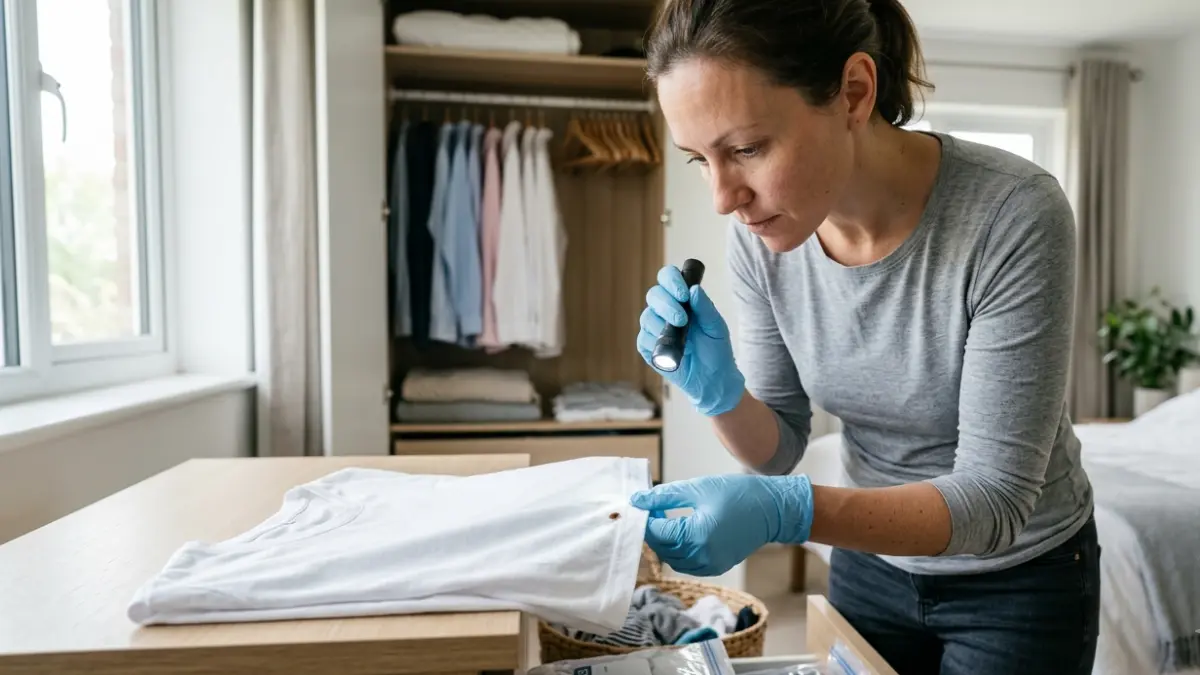
Getting Rid of Bed Bugs in Clothes, Step by Step
July 3, 2026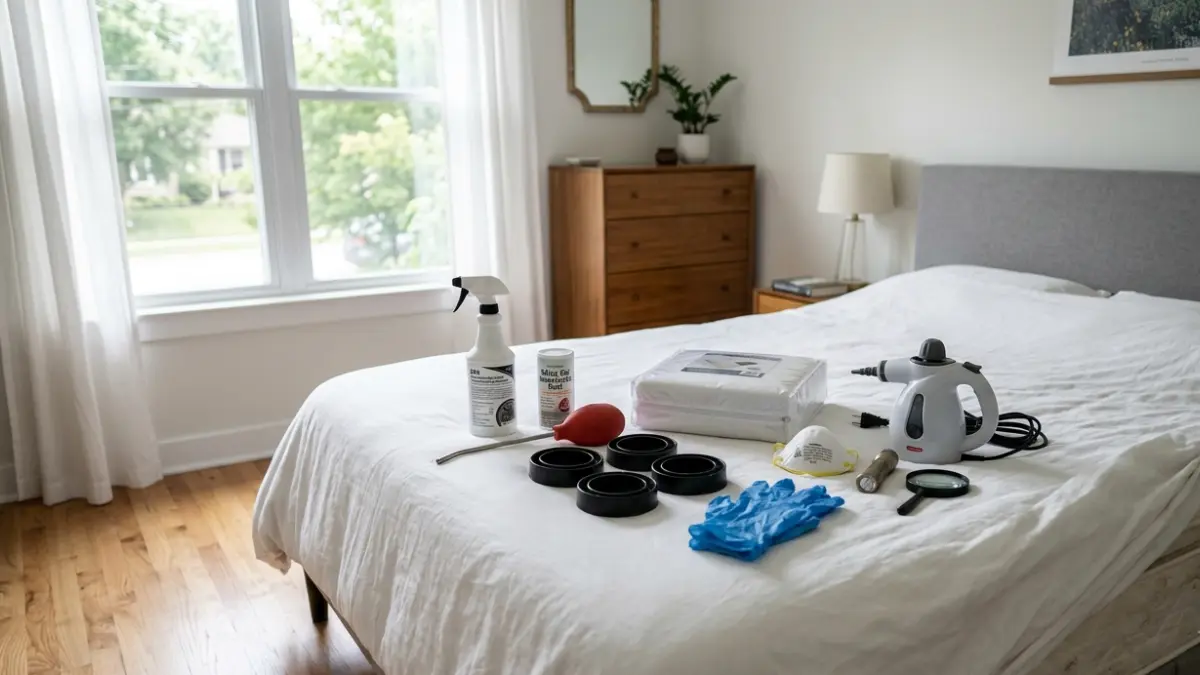 Bed Bugs Treatment
Build the Right Bed Bug Treatment Kit for Your Home
July 6, 2026 Bed Bugs Treatment
The Right Mattress Encasement for Bed Bugs, and How to Use It
July 4, 2026 Bed Bugs Treatment
Getting Rid of Bed Bugs at Home Without the Risk
June 20, 2026 Bed Bugs Treatment
How Do You Get Bed Bugs When Your Home Is Spotless?
June 26, 2026 Bed Bugs Treatment
How Heat Kills Bed Bugs, and Where It Falls Short
July 1, 2026 Bed Bugs Treatment
The Smart Way to Prevent Bed Bugs at Home
July 10, 2026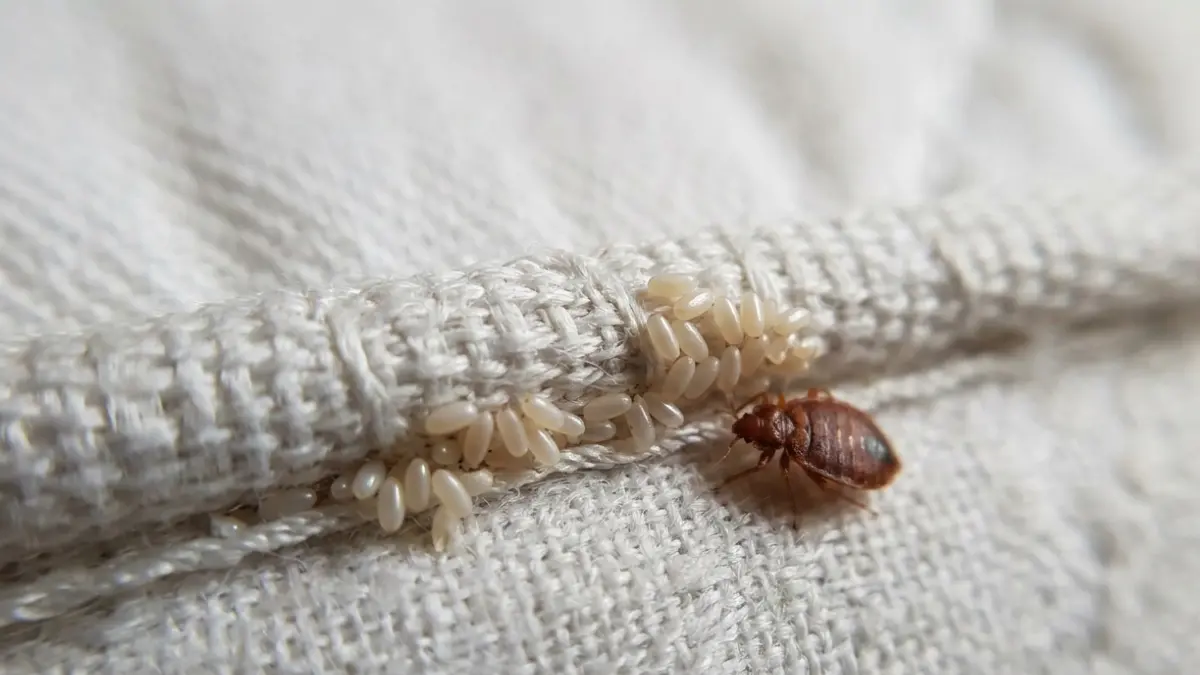 Bed Bugs Treatment
How to Spot Bed Bug Eggs and Stop Them Hatching
June 24, 2026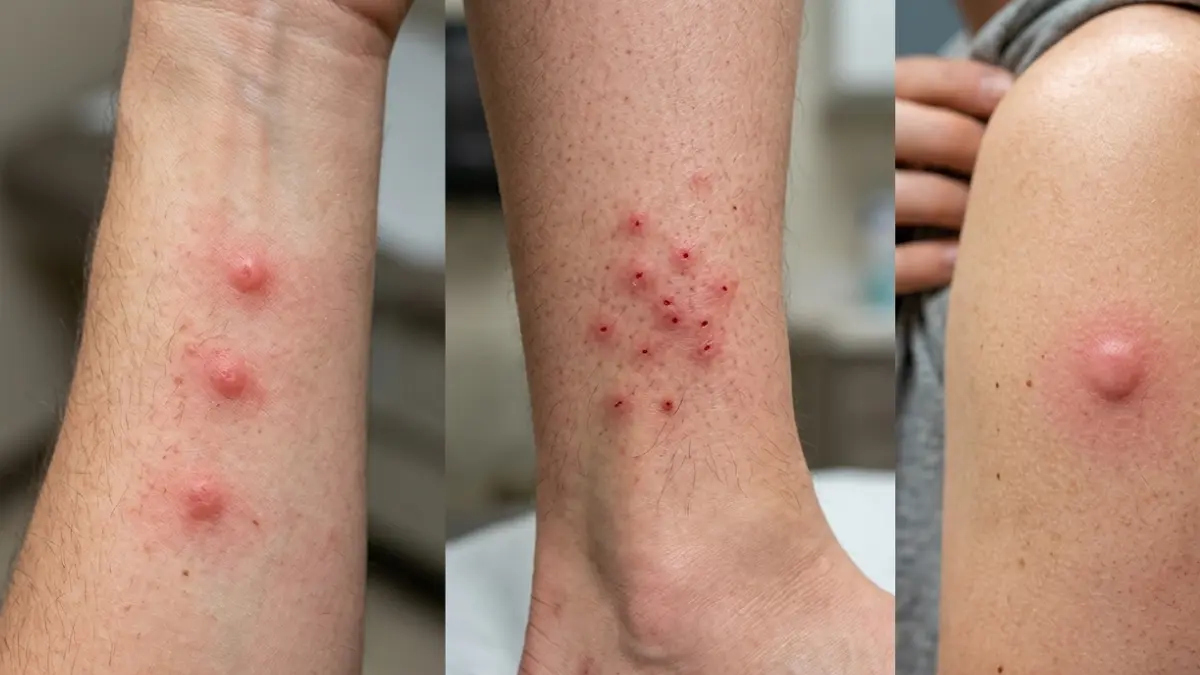 Bed Bugs Treatment