
Finding the Right Fit Among HVAC Systems for Your Home
HVAC systems and R-410A: existing units can keep running and be repaired, per EPA. See what actually changes when you replace one.
Research-checked home guides for US homeowners
Questions? hello@gladewick.com
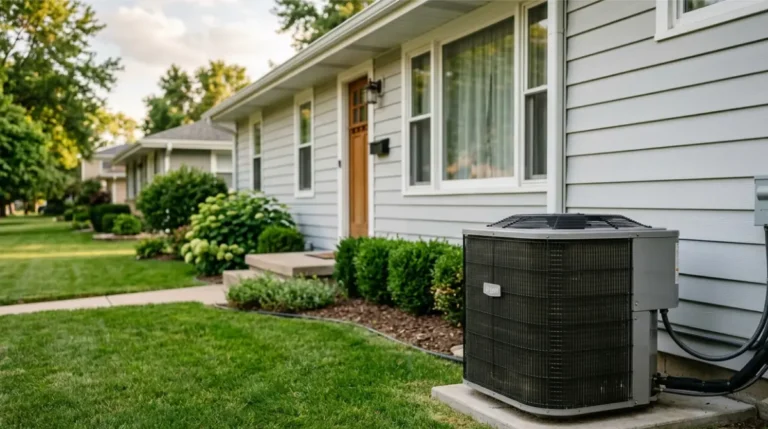
HVAC systems and R-410A: existing units can keep running and be repaired, per EPA. See what actually changes when you replace one.
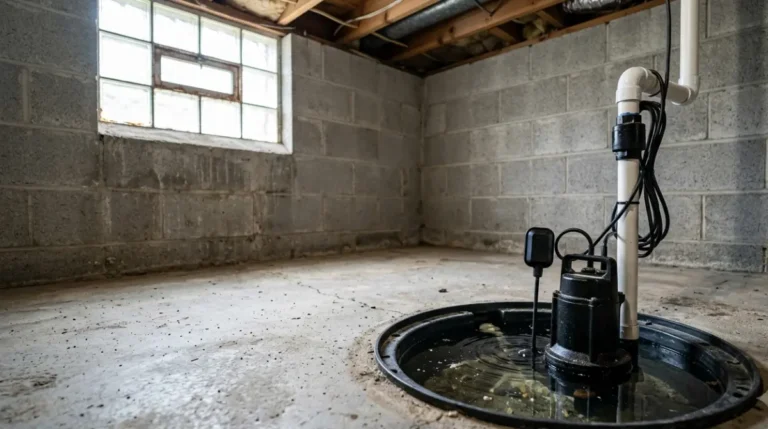
Sump pump for a wet basement? Size it by flow at your lift: one Wayne listing’s 4,600 GPH maximum falls to 3,060 GPH at 10 ft.
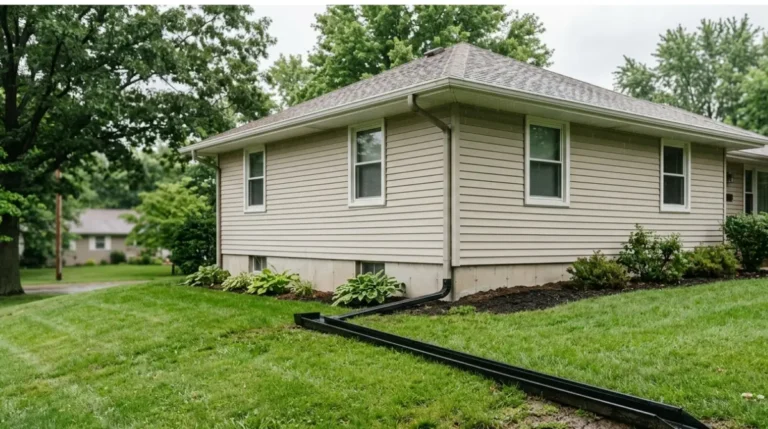
Downspout extensions can stop at 2 ft for slab homes, but guidance says 6 ft for basements. Pick, fit or bury one inside.
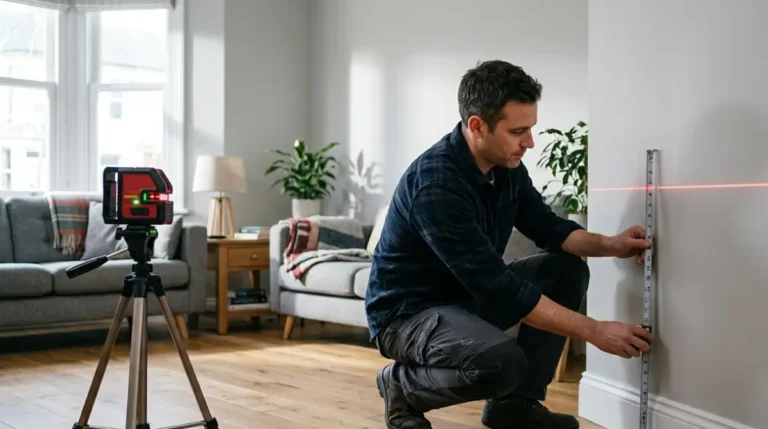
Laser level for floors vs digital: ±0.2° works out to about 0.042 inch per foot, roughly ten times a laser’s listed error. See what each can show.
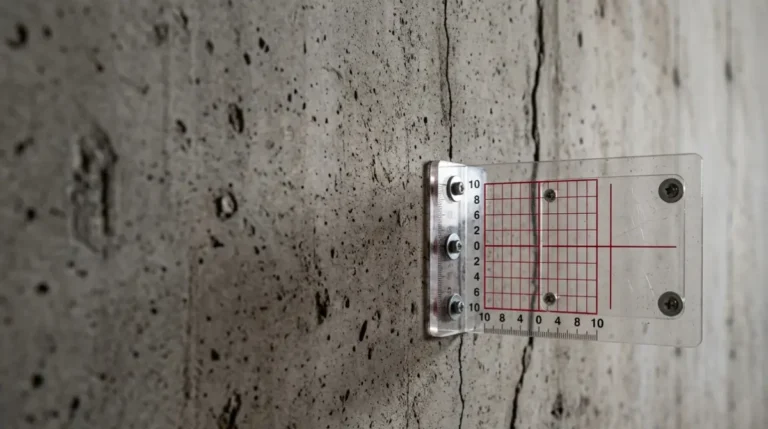
A crack monitor gauge shows if a crack moves, not why. Corner models fit 70 to 180 degrees; see which type matches your wall and crack.
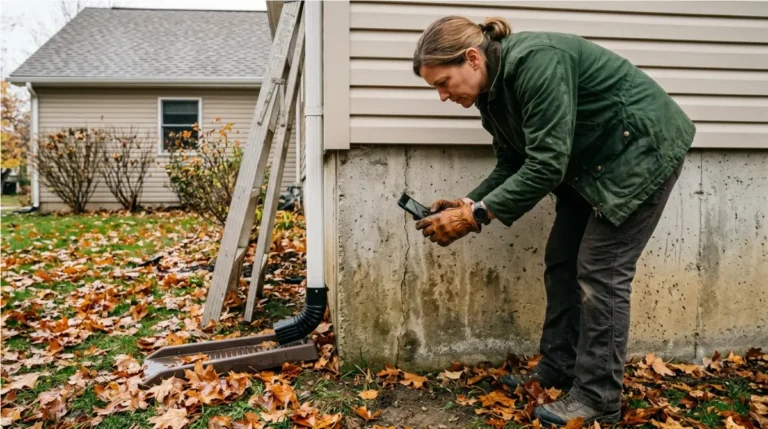
A foundation inspection checklist starts with water: dry water-damaged areas within 24–48 hours, and log each crack with a dated photo.
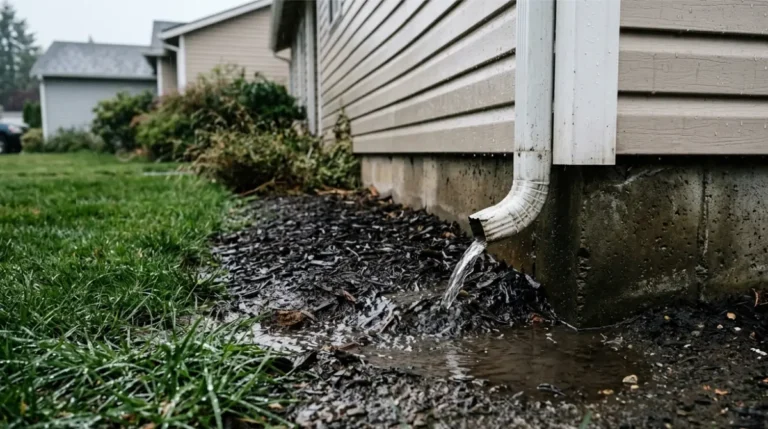
Foundation drainage fixes manage water, not movement. Here’s the 6-inch grade check, downspout table, and signs it’s time to call an engineer.
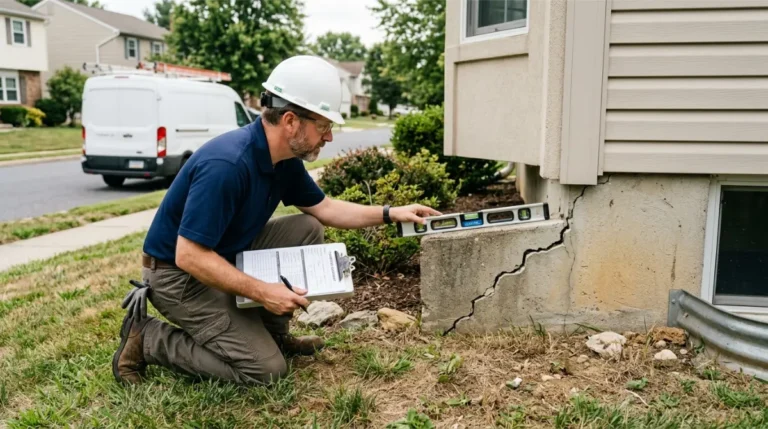
Foundation repair methods fix different problems, and even Angi’s own pages disagree on pier prices. Here is how to match the fix to your problem.
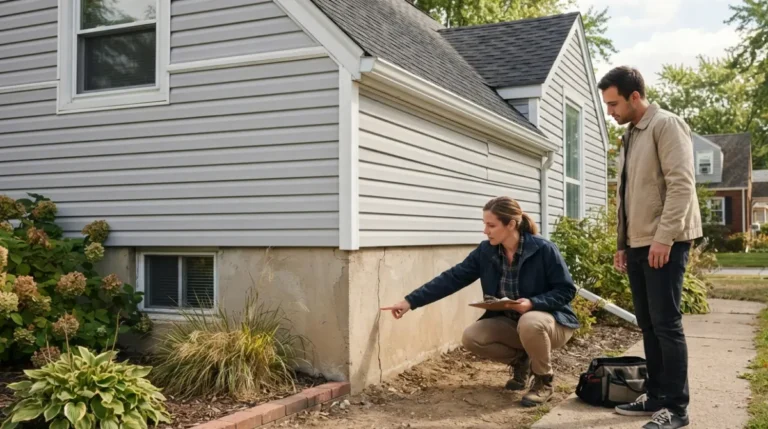
Buying a house with foundation problems? An FHA appraisal estimates value for the lender; it doesn’t replace an inspection. Start with an engineer.

Foundation repair before selling is optional, but a C6 condition rating can stop a conventional loan. Here is how to choose your path.
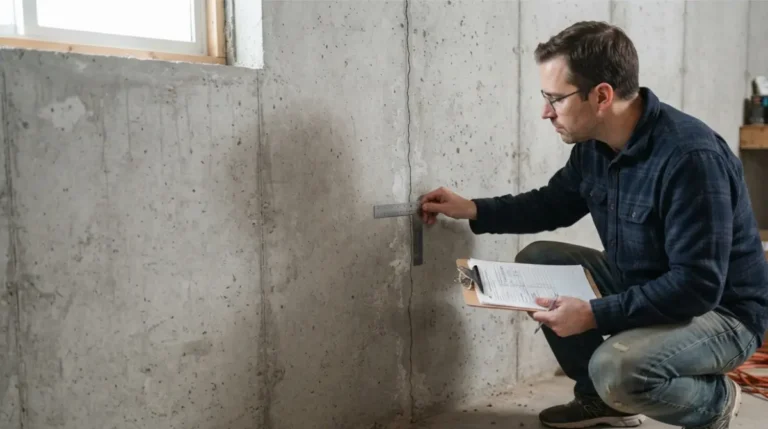
Fixing a foundation crack yourself starts with a pencil: Bob Vila’s routine is to mark, date, and recheck monthly to see if the crack is moving.
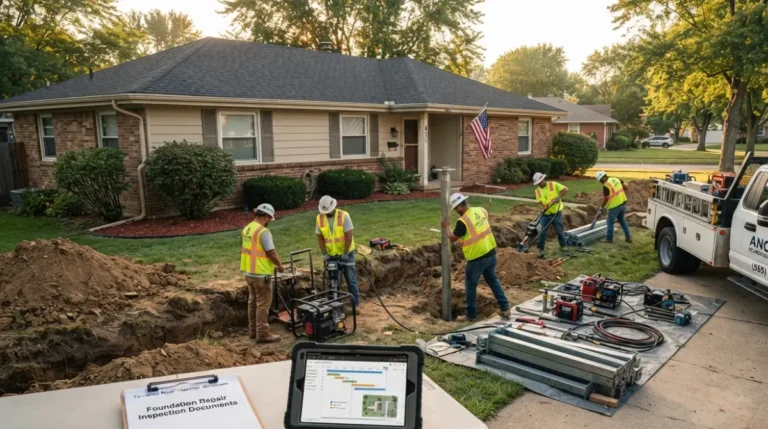
A foundation repair timeline can be five business days of crew time inside weeks of waiting. Here is where the time goes, step by step.