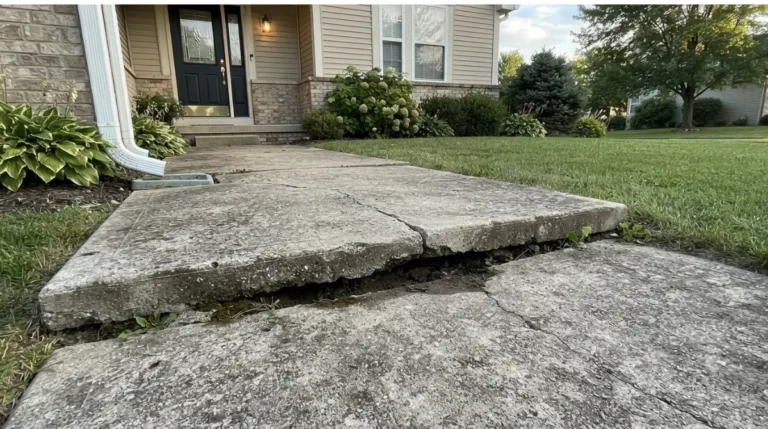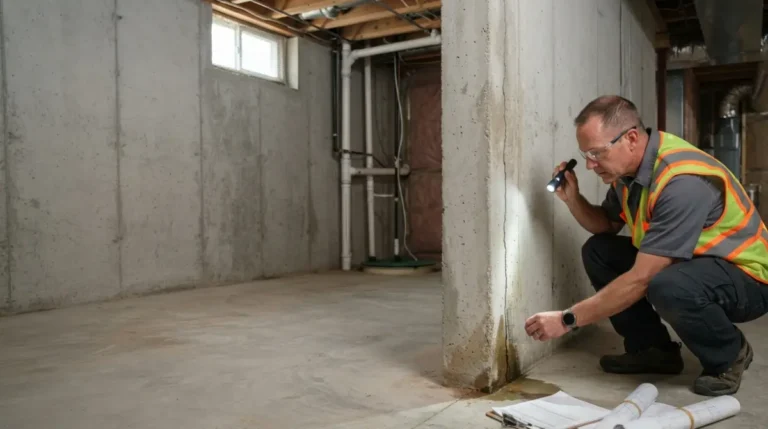
A Smart Plan for Buying a House With Foundation Problems

Buying a house with foundation problems? An FHA appraisal estimates value for the lender; it doesn’t replace an inspection. Start with an engineer.
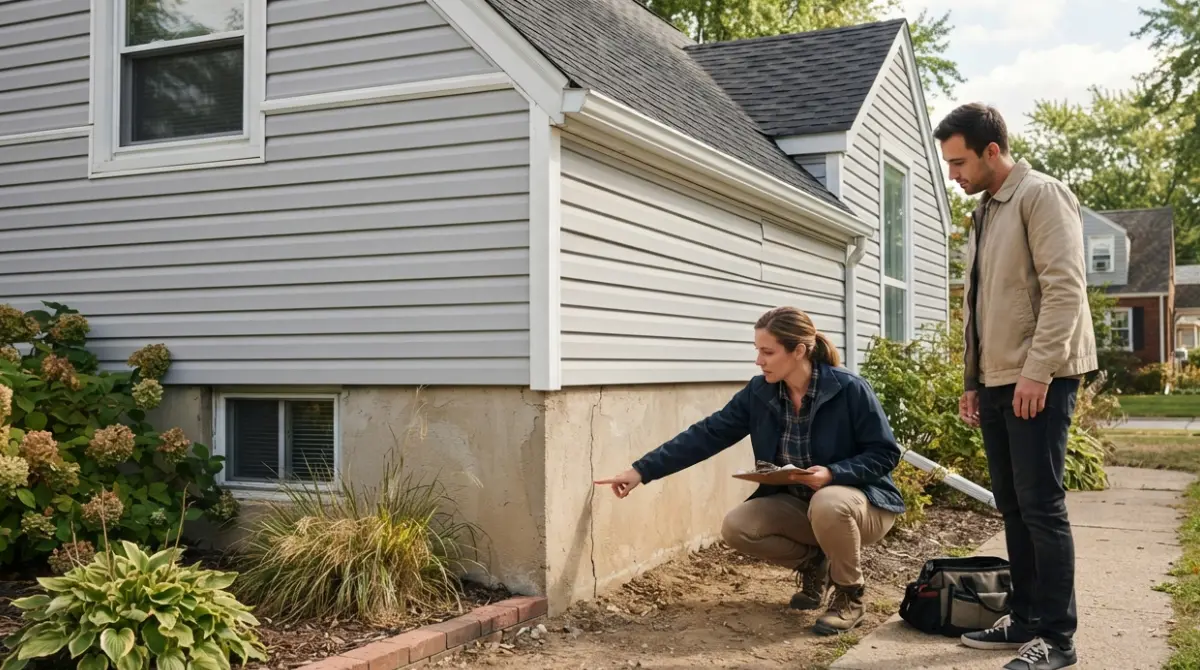
Table of Contents
Found foundation problems in a house you want? Start here
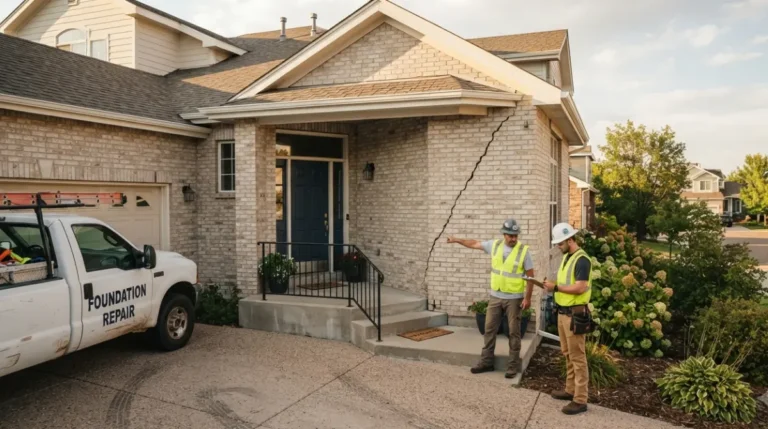
Yes, you can buy a house with foundation problems, but only after an independent engineer has defined the problem and your insurer (and lender, if you’re financing) has signed off.
ℹ️ Safety Note: This is general information, not engineering or legal advice. A licensed structural engineer should diagnose foundation problems, and a real-estate attorney or licensed agent should answer contract questions. Never attempt structural repairs yourself.
Is it a dealbreaker or a bargaining chip?
It can be either, and the engineer’s report decides which.
The order to work in before you remove contingencies
Look, diagnose, check financing, check insurance, then negotiate. Confirm your contract’s deadline today.
Foundation problem signs you can spot at a showing
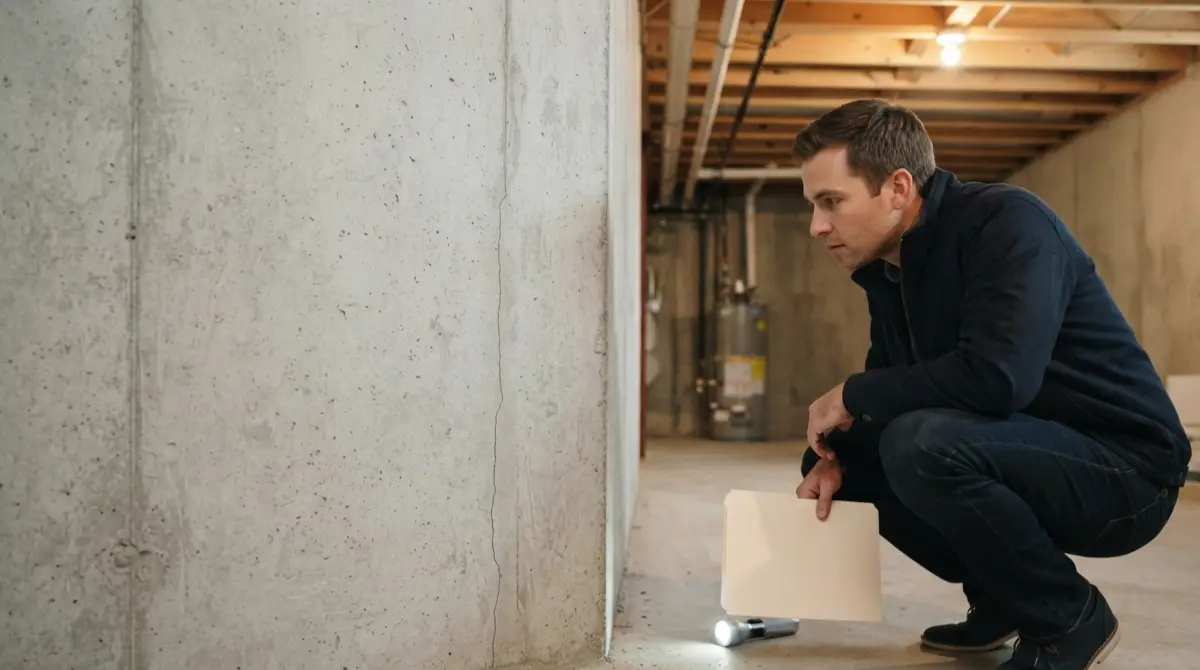
Walk the house slowly and note what looks off. You’re collecting questions for an engineer, not diagnosing.
Cracks, gaps and sticking doors
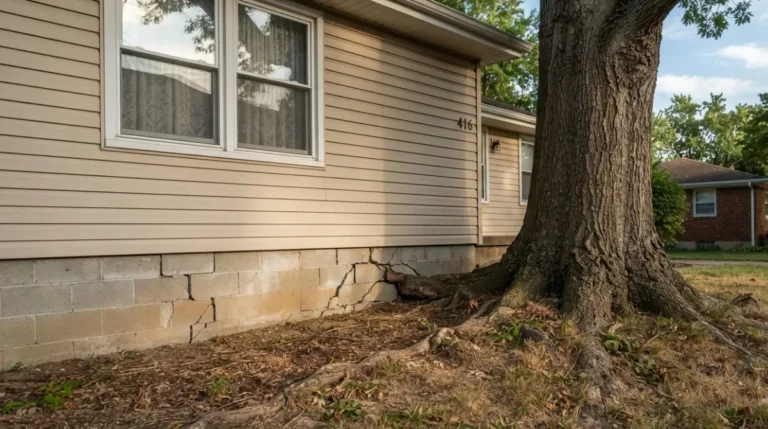
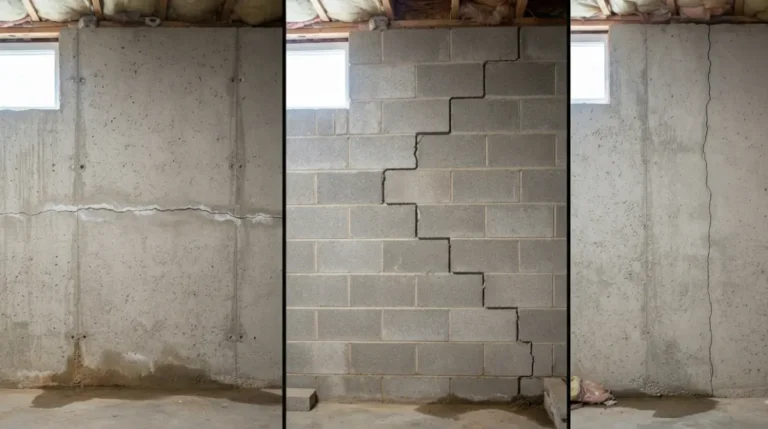
- Cracks in foundation walls, drywall corners or brick. University of Minnesota Extension notes that concrete and block foundations usually develop some, so pattern and change over time matter; see how crack patterns differ.
- Doors and windows that stick or won’t latch, or new gaps around frames and trim.
Floors, walls and the exterior walk-around
- Floors that slope or feel spongy.
- A chimney, porch or steps pulling away from the house.
- Damp or stained basement or crawl-space walls.
In clay-heavy regions, soil swells when wet and shrinks when dry, which can damage driveways and, in severe cases, the structure; Colorado State University Extension describes this for Colorado.
Check the water first: grading, gutters and soil
Water is the cheapest cause to rule out.
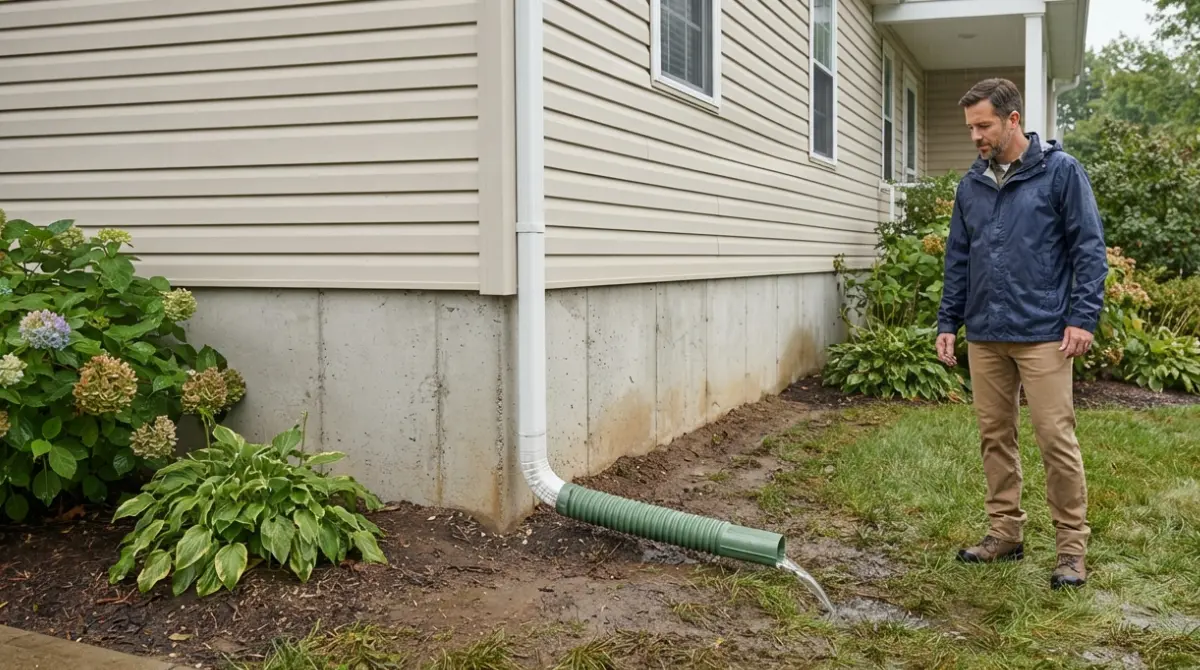
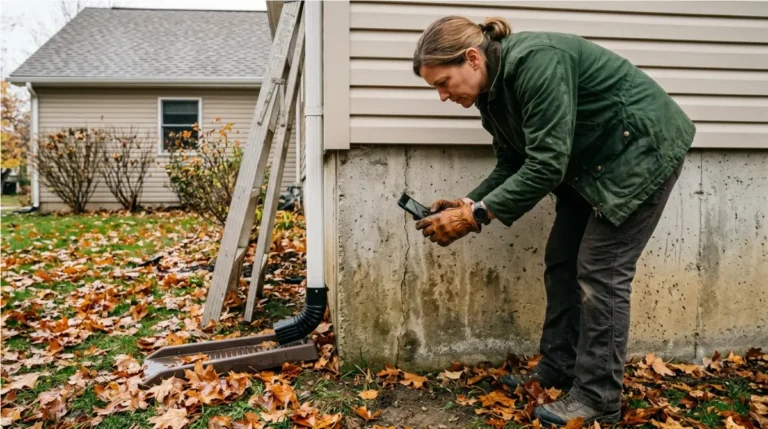
Grading and downspouts
The same Minnesota guide says many wet basements are structurally sound but poorly drained, with ground sloping toward the house or downspouts dumping at the wall. It suggests a slope of at least 1 inch per foot for 6 feet and downspout extensions discharging 4 feet away. For a basement checklist, read what to check when buying a house with a wet basement.
📊 Tested / Spec: A 1-inch rain puts roughly 1,250 gallons on a 2,000-square-foot roof, according to University of Minnesota Extension.
Trees, irrigation and clay soil near the foundation
🔍 Why It Works: Clay swells when wet and shrinks as it dries, so guidance focuses on limiting moisture swings.
Colorado State University Extension advises keeping sprinklers 5 feet and trees 15 feet from foundations where soils swell.
✅ Do This: Before any regrading or drainage work near a suspected structural problem, ask a licensed structural engineer what is causing it.
Home inspector, engineer or foundation company: who to hire
Each professional answers a different question and earns money differently.
| Who | What they typically tell you | Who pays | Conflict to ask about |
|---|---|---|---|
| Home inspector | Visible condition; may refer you to a specialist | You | Referral ties to contractors |
| Structural engineer (PE) | Whether movement is structural, and why | You | Whether they also sell repairs |
| Foundation repair company | A repair scope and price | You, for the repair | Earns money if repairs are needed |
Roles are typical, not a licensing rule; requirements vary by state.
What an inspector can and can’t tell you
An inspector typically reports visible signs and may refer you to a specialist, but an inspection isn’t a structural evaluation.
Why an independent engineer comes before a repair quote
Get the engineer’s evaluation first, then compare repair quotes against it.
✅ Do This: Hire a licensed structural engineer (PE) and confirm the license with your state board. Ask whether they sell repairs.
How foundation problems affect your loan and insurance
Your lender and insurer can stop a purchase, so ask early.
What an FHA appraisal is and isn’t
FHA’s own home-inspection notice says an appraisal estimates value for the lender and doesn’t replace an inspection, and that FHA neither inspects homes nor guarantees their condition. Under FHA Handbook 4000.1, appraisers must report readily observable defects, including possible foundation failure, and the lender decides which repairs are required.
Questions to ask your lender and insurer in writing
Ask your lender what documentation it would require. Ask your insurer whether damage from the engineer’s identified cause would be covered under your policy and its exclusions; whether home insurance covers foundation repair is a good next read.
✅ Do This: Email a loan officer and an insurance agent before your deadline and get both answers in writing.
Negotiate, ask for repairs or walk away
A report and a repair estimate turn a scary finding into numbers you can negotiate with.
Credit, price reduction or seller repairs
- Get the engineer’s written report.
- Get a repair estimate from a company that has read it; our guide to foundation repair cost ranges shows typical costs.
- Ask your agent or attorney to request a repair credit, lower price or seller repairs.
Disclosure rules differ by state; ask your agent or attorney.
Signs it’s time to walk away
This is our editorial framework, not a sourced rule: consider walking if movement appears ongoing, nobody can name the cause, you can’t finance or insure the house, or no engineer can evaluate it in time.
✅ Do This: Ask your real-estate attorney or licensed agent how to request a deadline extension or repair credit.
If the house already had foundation repair
A past repair isn’t automatically good or bad; the paperwork and an engineer’s review decide.
Documents to request from the seller
- Who did the work, the method and scope.
- Any engineer’s report or sign-off before and after the work.
- Warranty terms, including whether it transfers and what voids it; see foundation repair warranty fine print.
Questions for the engineer about prior work
✅ Do This: Have a licensed structural engineer evaluate the prior repair and the rest of the foundation, and ask whether it fixed the cause and whether movement continues.
Buying a house with foundation problems: common questions
1. Can you buy a house with foundation problems?
Yes, when an engineer defines the issue and your insurer and any lender sign off before contingencies end. Start with an engineer.
2. What foundation problems are dealbreakers?
Foundation problems become dealbreakers when movement looks ongoing, no cause is found, or the house can’t be financed or insured (our editorial framework). Ask an engineer first.
3. Will a home inspector find foundation problems?
An inspector typically reports visible foundation problems and may refer you to a specialist, but that isn’t a structural evaluation. Hire a licensed engineer.
4. Does an FHA appraisal check the foundation?
An FHA appraiser reports observable foundation problems to the lender, but an appraisal estimates value and doesn’t replace a home inspection. Arrange your own inspection.
5. Should I hire a structural engineer or a foundation company for foundation problems?
Hire the engineer first for an independent evaluation, then use that report to compare foundation company quotes. Confirm the license first.
6. Are foundation cracks normal?
Some cracking is common in concrete and block foundations, but pattern, change over time and water matter. Have an engineer evaluate it.
7. Can I buy a house that had foundation repair?
Yes. A past repair is neither good nor bad alone; documents, warranty terms and an engineer’s review decide. Request the paperwork first.
8. Does homeowners insurance cover foundation damage?
Coverage depends on the damage’s cause and your policy’s exclusions, so get your insurer’s answer in writing before closing. Ask an agent today.
9. Can I negotiate the price when buying a house with foundation problems?
Often yes. An engineer’s report and repair estimate support asking for a credit, lower price or seller repairs. Ask your attorney.
10. Can poor drainage cause foundation problems?
Poor drainage often causes wet basements even in structurally sound houses, so check grading, gutters and downspouts first. Have an engineer confirm.
Your next step before the contingency deadline
Work the five steps in order: look, diagnose, check financing, check insurance, then negotiate. Today, book an independent structural engineer and email your lender and insurer for written answers. Then you can buy, renegotiate or walk away, knowing why.