Make the Smart Call on Mudjacking vs Foam Lifting for Your Slab

Mudjacking vs foam starts with the slab itself: Missouri DOT says badly broken slabs can’t be raised effectively. Here is what else rules one out.
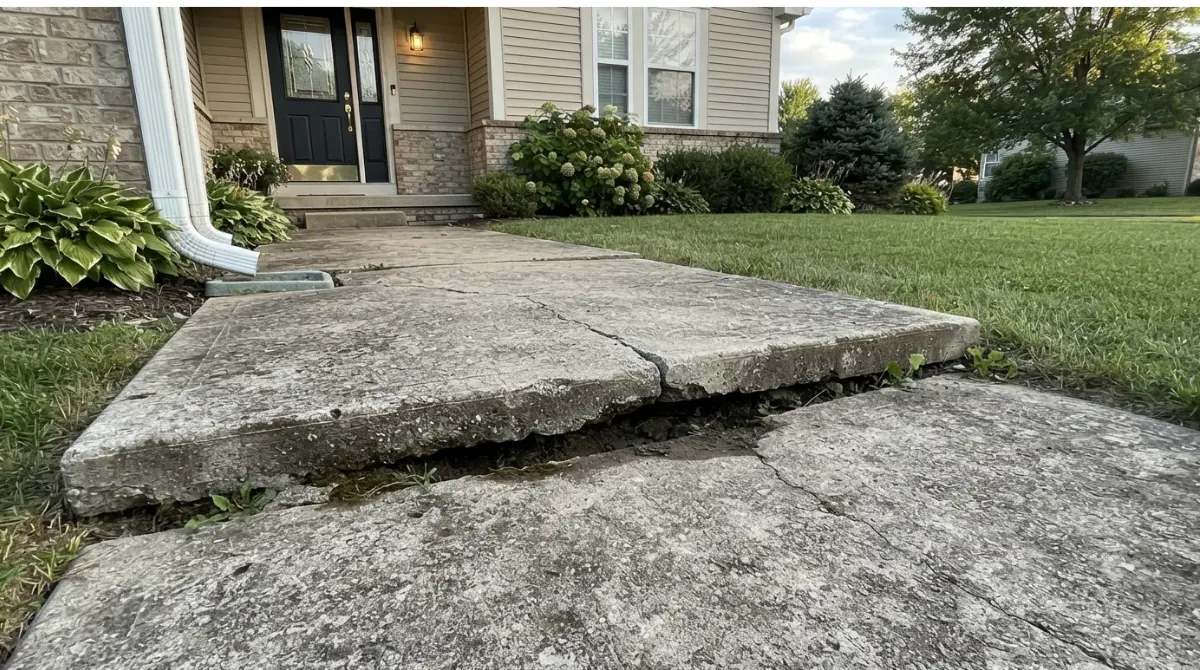
Table of Contents
Mudjacking vs foam lifting: which should you pick?
A sunken slab is a trip hazard, and two methods can raise it.
The short answer
Mudjacking pumps soil-and-cement grout under the slab for about $3–$6 per square foot. Foam lifting injects expanding polyurethane foam for about $5–$25, per Angi’s 2026 data. Mudjacking usually suits walkways and driveways; foam usually suits garage floors.
What these methods can’t lift
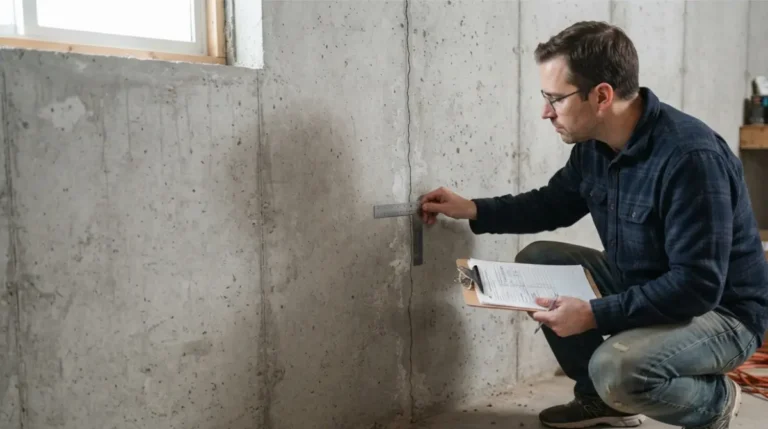
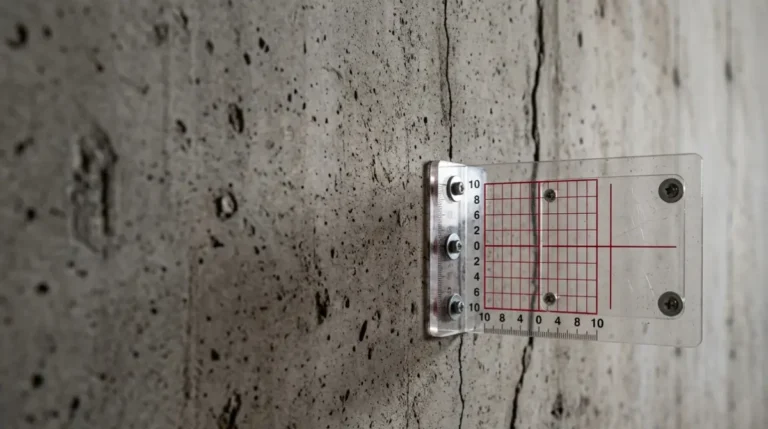
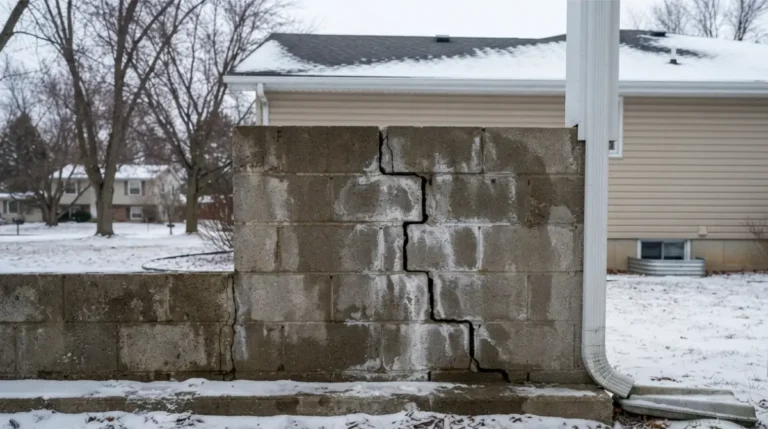
Neither stops a foundation from moving. Cracked or bowing walls? See foundation repair cost by problem.
What we did and didn’t test
We tested neither method. Every figure comes from cost guides, a state engineering manual and a federal fact sheet, checked October 6, 2026.
ℹ️ Safety Note: Slab lifting involves drilling, pumping under pressure and chemical products, and telling a slab problem from a structural one takes training. This is general information, not an engineering evaluation. Hire a licensed contractor or structural engineer and follow local code and permit rules.
How mudjacking and foam lifting work
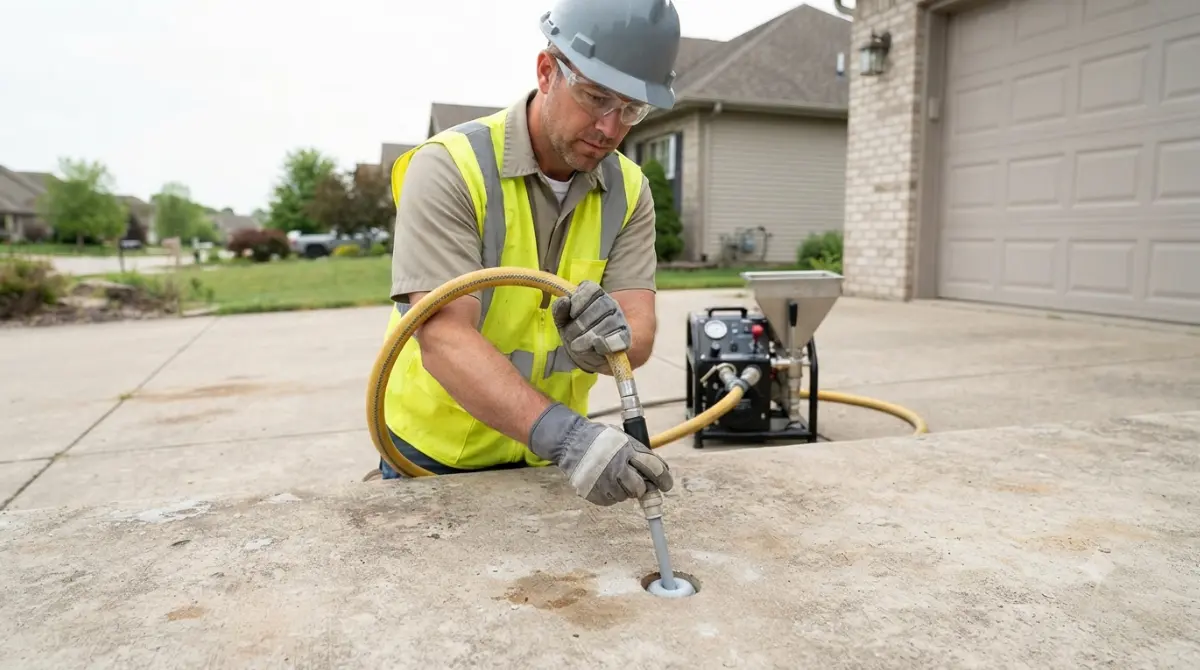
Both methods fill the void under a sunken slab and push it back up.
How mudjacking works
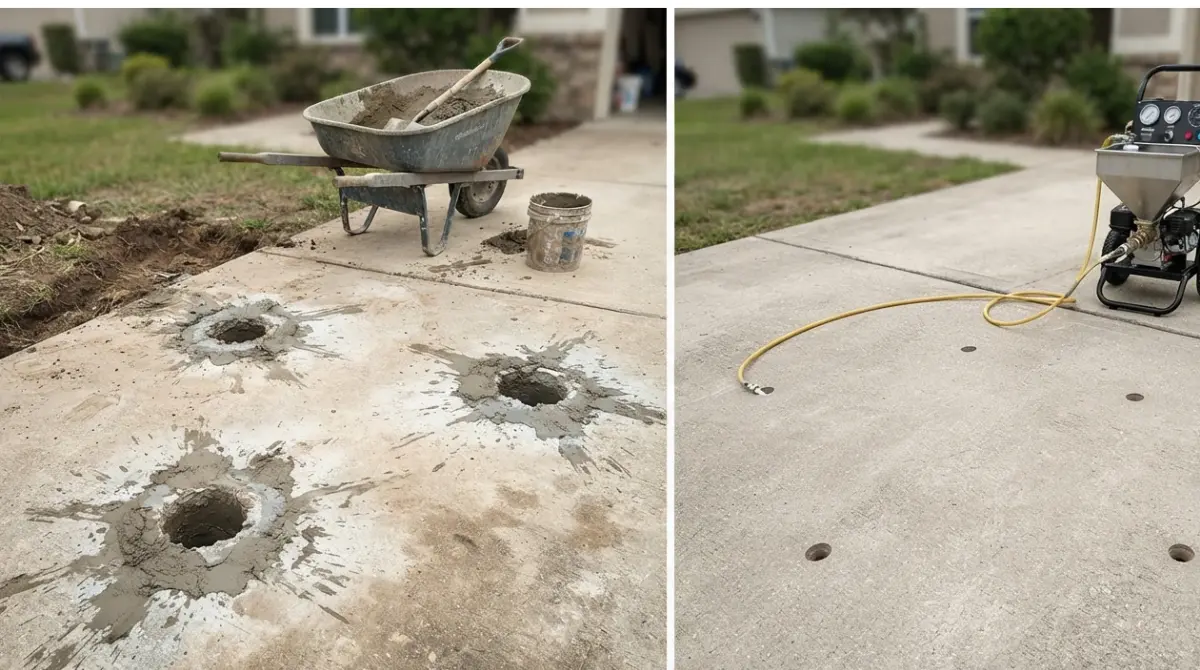
Crews pump grout of soil, Portland cement and water through holes about 2 5/8 inches wide, per Missouri DOT’s slab-jacking guidance. The slab rises in small steps, no more than 1/4 inch per pumping.
How foam lifting works
A rig mixes the components on site and injects them through holes 9/16 to 3/4 inch wide.
Hole size and dry time compared
Those are highway figures; a home crew’s holes may differ. HomeAdvisor reports 1–3 days to dry for mudjacking, an hour for foam.
Mudjacking vs foam cost per square foot
Foam costs more up front.
Cost per square foot
| Method | Cost per sq ft | Key detail |
|---|---|---|
| Mudjacking | $3–$6 | Suits non-structural slabs |
| Foam lifting | $5–$25 | Lighter; suits load-bearing slabs |
📊 Tested / Spec: Sourced, not tested by us. Angi’s 2026 cost data puts leveling at about $4 per square foot on average against about $10 to replace.
Where the sources disagree
Angi says foam can cost up to four times more; HomeAdvisor’s cost guide puts a garage-floor foam job at roughly double. Angi’s polyurethane page lists mudjacking at $3–$8, so treat every range as approximate.
How long mudjacking and foam lifting last
No tested lifespan exists for either method; treat every number as an estimate.
How long each method lasts, and who says so
| Source | What it says |
|---|---|
| HomeAdvisor (cost guide) | Mudjacking lasts about 5–10 years; foam lasts longer |
| Angi (cost guide) | Foam is one of the more permanent options for driveways |
| Missouri DOT (state manual) | Foam must resist soil moisture |
We found no independent long-term study comparing them as of October 6, 2026.
Why lifted slabs sink again
Slabs sink again when the water or soil cause stays. HomeAdvisor names downspout water as the top driveway cause, so keep downspouts discharging away from the slab.
When mudjacking or foam lifting won’t work
When the slab is too broken to lift
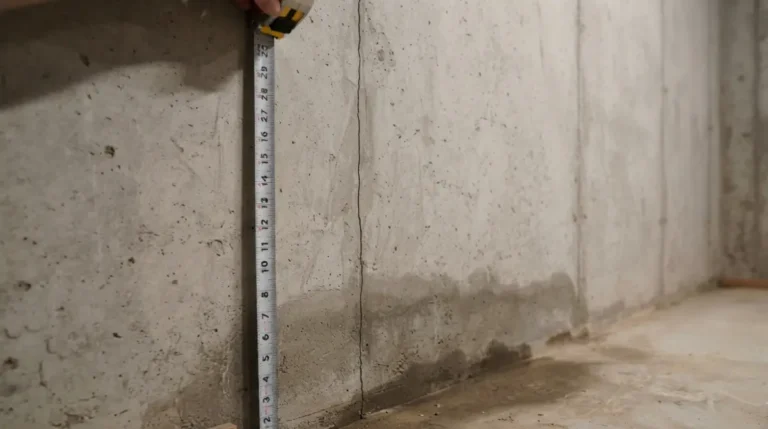
Missouri DOT says badly cracked or broken slabs cannot be raised effectively.
When soil or water is the real problem
Angi says foam is lighter, so it presses less on weak soil. Deep erosion may need piers; fix the water first and regrade the soil around the slab.
When it’s the foundation, not a slab
Neither method stops a moving foundation, and that work is professional-only. Tell settling from foundation problems, then see foundation repair cost by scope.
✅ Do This: If walls bow or cracks grow, book a licensed structural engineer before any lifting contractor.
Which concrete lifting method fits your slab?
Match the method to the load your slab carries.
Match the method to your slab
| Slab | Usual fit | Why |
|---|---|---|
| Sidewalk, patio | Mudjacking | Angi calls foam overkill |
| Driveway | Mudjacking | HomeAdvisor: no constant load |
| Garage, basement floor | Foam | HomeAdvisor: load-bearing |
| Weak, wet soil | Foam | Angi: lighter |
When combining both makes sense
MoDOT’s guidance on combining the two says grout fills voids for less money and foam lifts better at higher cost.
Safety and quote checks before you hire
Ask about the foam first
Federal guidance covers spray-foam insulation, not slab lifting, but CPSC’s spray-foam fact sheet shows the right questions: product literature, safety protocols and re-entry time. Ask for the safety data sheet, especially if anyone has asthma.
What a good written quote spells out
- The method and why it fits your slab
- Hole size and how holes get patched
- Cure time and warranty terms
- Who fixes the water cause
- Permit needs, if any
✅ Do This: Get three estimates, and ask each licensed, insured contractor for the product’s safety data sheet before you book.
Mudjacking vs foam questions, answered
1. Mudjacking vs foam: which is better?
Mudjacking usually suits walkways and driveways; foam suits garage floors and other load-bearing slabs, at higher cost.
2. Mudjacking vs foam: how much more does foam cost?
Angi lists mudjacking at $3–$6 per square foot and foam at $5–$25, up to about four times more.
3. How long does mudjacking last?
Cost guides say roughly 5–10 years, less if the soil or water cause remains.
4. How long does foam lifting last?
Cost guides call foam longer-lasting, but we found no long-term test.
5. How soon can I use the slab after lifting?
HomeAdvisor says 1–3 days for mudjacking and as little as an hour for foam. Confirm your contractor’s timing.
6. Is foam or mudjacking better for a garage floor?
Usually foam, since garage floors carry load, at roughly double the cost, per HomeAdvisor.
7. Can mudjacking or foam fix a badly cracked slab?
No. Missouri DOT says badly broken slabs can’t be raised effectively.
8. Why did my concrete sink again after mudjacking?
Usually the water or soil cause was never fixed.
9. Is leveling cheaper than replacing a slab?
Angi puts leveling at about $4 per square foot against about $10 to replace.
10. Is foam lifting safe indoors?
Ask for the safety data sheet and re-entry advice; federal guidance covers insulation, not slab lifting. Next step: ask before you book.
Your next step for a sunken slab
Measure your slab, then fix the water path before any lift. Collect three written quotes that name the method, hole size, warranty and who fixes the cause, and ask each contractor to price both methods.