Smart Steps When Frost Heave Foundation Cracks Appear

Frost heave foundation damage can hide behind lookalike cracks. One study found frost-driven wall pressure may be uncommon, so what else is pushing?
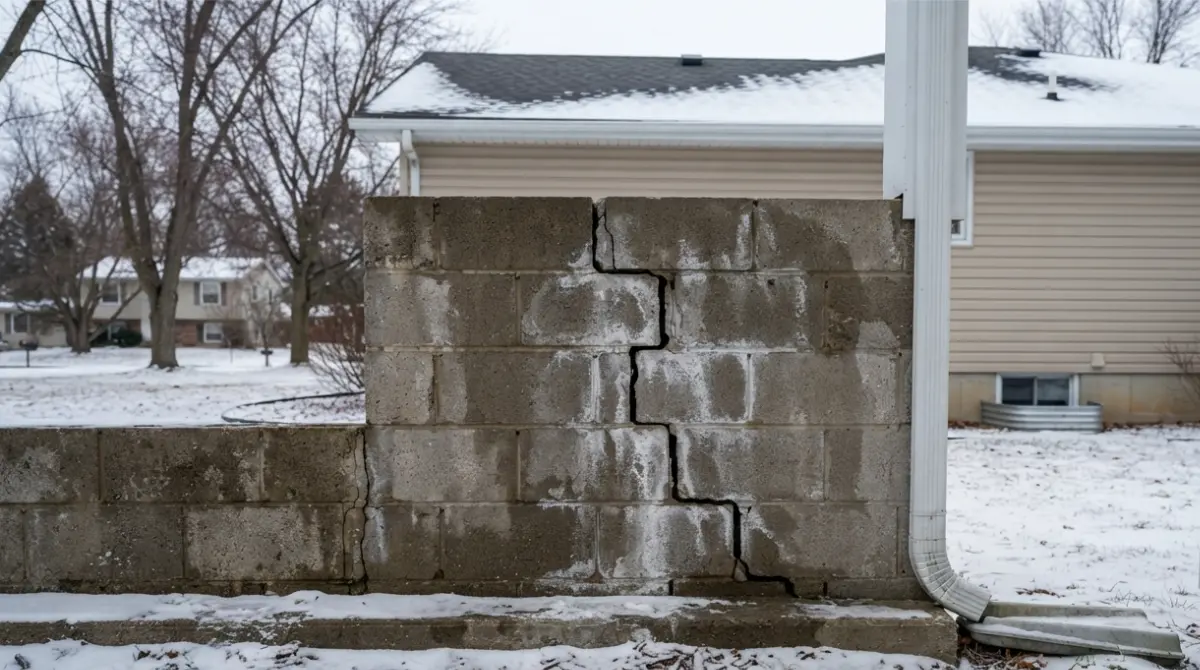
Table of Contents
Did frost heave crack your foundation?
A new crack after a hard freeze is unsettling, and you deserve a straight answer about what it means. Frost heave happens when ice builds up in freezing soil and lifts or pushes on whatever sits on or against it, including slabs and basement walls. But frost isn’t always the culprit, and the right next step depends on what the crack looks like and where it sits.
If you found a new crack, start with the signs of frost-related cracks below. If a wall bows or a crack runs horizontally, go to the engineer-first section. Cost and insurance come near the end.
ℹ️ Safety Note: Foundation cracks can signal structural problems, and this article is general information, not engineering or insurance advice. Don’t dig against, jack up, or load a foundation yourself. If you’re unsure what you’re seeing, hire a licensed structural engineer and follow your local code and permit rules.
How frost heave pushes on a foundation
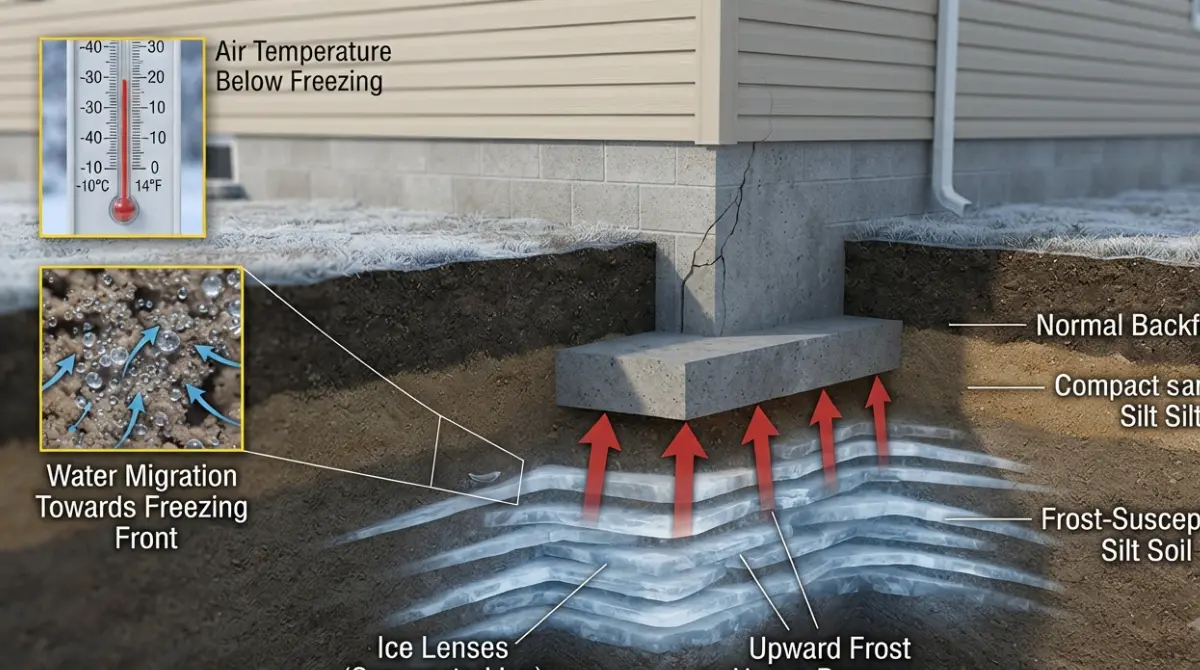
Significant frost heave typically needs three things at once: sustained freezing, frost-susceptible soil, and access to water.
The three things frost heave needs
Together they let pore water freeze into ice lenses that grow toward the cold and lift the soil above. Heave isn’t just freezing water expanding; it’s ice growing in layers.
🔍 Why It Works: Silt holds water yet passes it easily, so freezing soil keeps feeding each ice layer; in lab tests, silt-rich soils heaved more than clay-rich ones.
Two ways frost loads a foundation
Ice lenses can lift a slab or footing from below, and frozen backfill can press on a basement wall, though a Corps of Engineers study found frost-driven wall pressure may be uncommon.
What thaw does afterward
Spring thaw then settles the softened soil, so movement can continue.
Signs your foundation cracks are frost-related
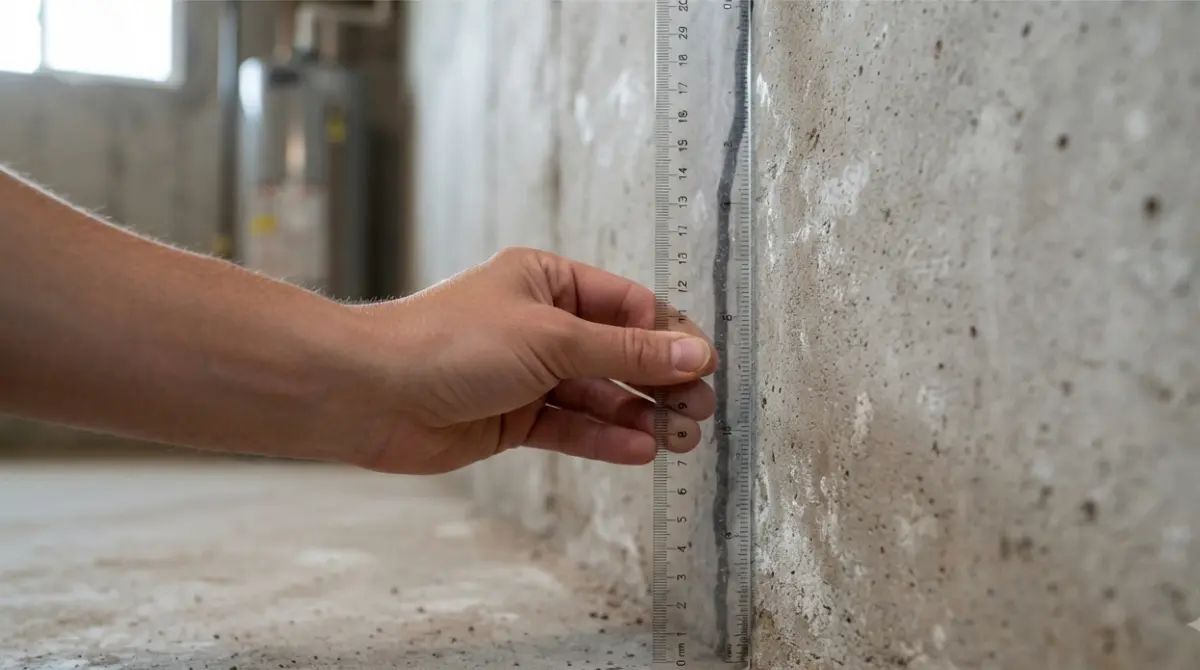
No single crack proves frost caused it; read pattern, timing, and movement together.
Timing and location clues
Log new or widening cracks after a hard freeze or the spring thaw. Unheated garages and additions are more exposed to frost than heated rooms.
Crack direction and what it suggests
In that study, inward bowing was the clearest sign of lateral pressure, and block walls cracked in stair-step patterns along mortar joints. Settlement cracks can look similar; see how crack types compare.
Start a crack log before the next freeze
Photograph each crack beside a ruler, then record the details below.
| Date | Location | Direction | Width | Photo |
|---|---|---|---|---|
✅ Do This: Give your log to a licensed structural engineer. It supports an evaluation but doesn’t replace one.
Frost-related cracks that need an engineer first
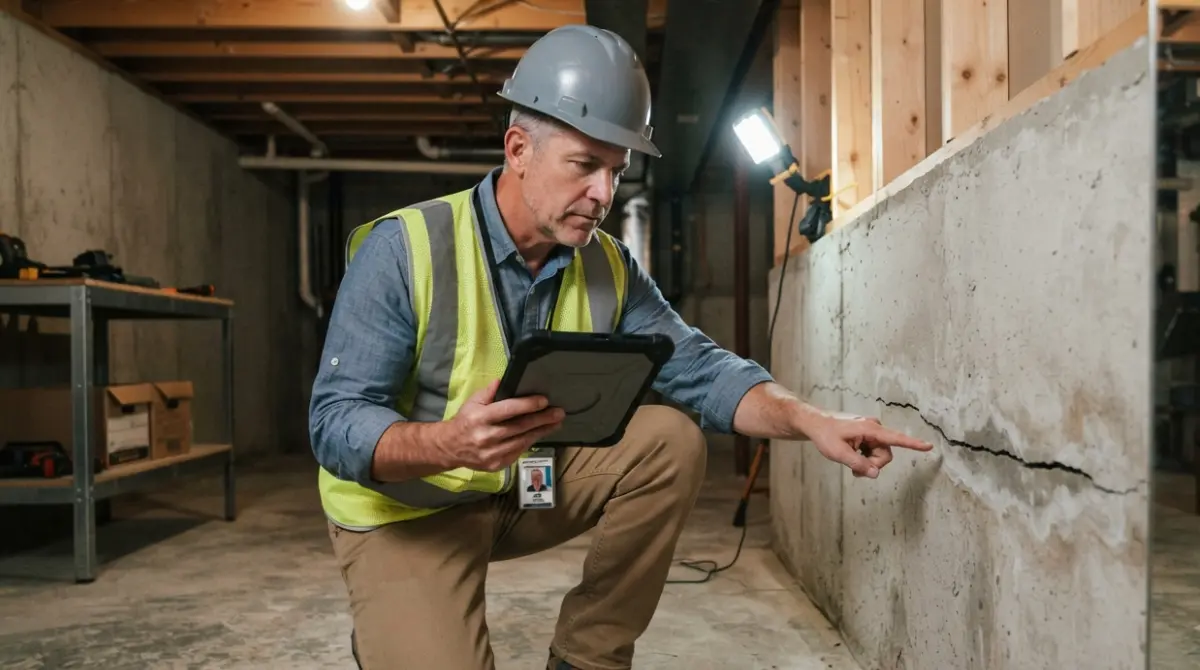
Red flags
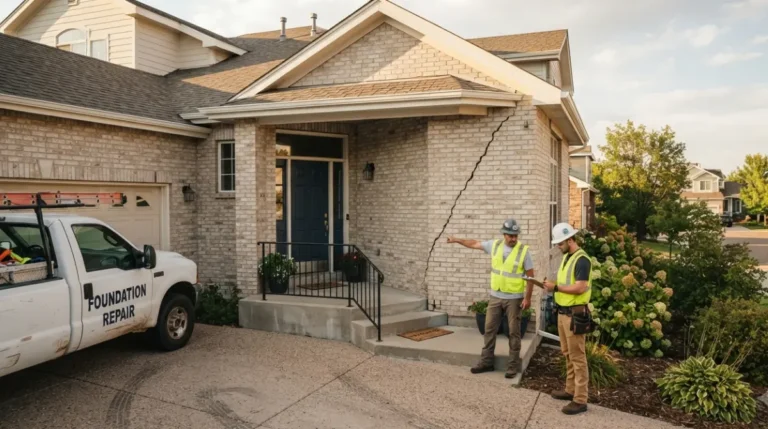
Call a licensed structural engineer promptly for inward bowing, a horizontal crack, stair-step cracking in block, or offset across a crack. The Corps of Engineers study links bowing and wall cracking to lateral pressure from soil, water, or frost.
Engineer first, contractor second
An independent engineer diagnoses the cause and writes the repair scope; a contractor then carries it out. For costs and call order, see what foundation repair costs and who to call first and bowing basement wall repair costs.
Why patching isn’t a fix
Sealing a crack can stop water, but not whatever moved the wall.
✅ Do This: Confirm your engineer holds a current PE license in your state, and ask whether they also sell repairs.
How to keep water and frost away from your foundation
Water is the one frost ingredient most homeowners can influence.
Water control before the ground freezes
Clear gutters, point downspouts well away from the house, and keep soil sloping away from walls. For slope fixes, see regrading around a foundation.
Why your local frost depth matters
The model residential code requires frost protection, for example by extending below a locally specified frost line; ask your building department for your number.
Insulation and frost-protected design
A 1994 HUD-sponsored study found insulation around a foundation can raise frost depth, allowing footings as shallow as 16 inches, and it described retrofits for existing heave problems. That’s engineering design, not a weekend project.
✅ Do This: Before changing grading or adding insulation, ask a licensed engineer or your building department what your site needs.
What frost damage repair costs and what insurance covers
Costs depend on what moved and why, so get the diagnosis before the quote.
Repair paths: seal, stabilize, or underpin
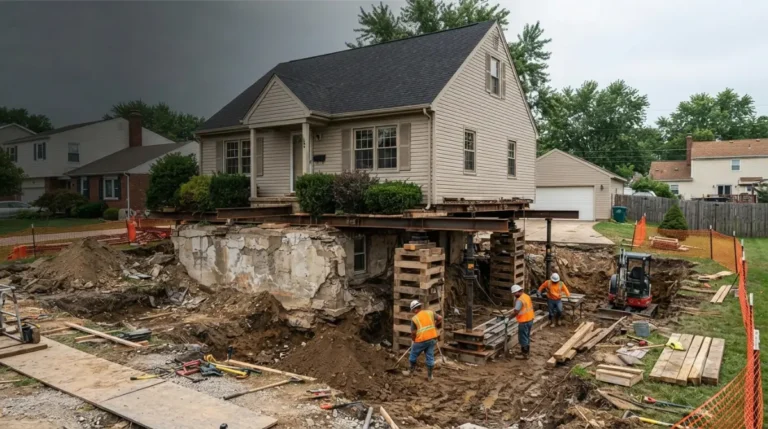
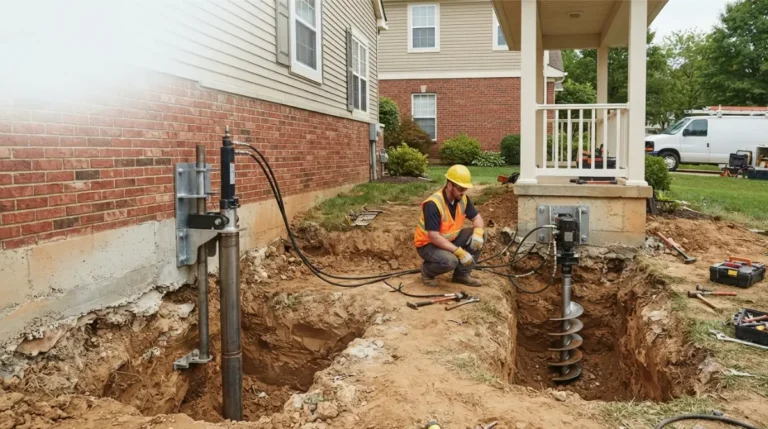
Repairs run from sealing a crack that only leaks to engineer-designed wall stabilization or underpinning, and our cost guide’s range runs from about $250 to $40,000 or more.
Why recurring heave needs a water fix too
A repair that ignores the water supply can leave the cause in place, so ask whether the plan covers drainage and grading.
Check your policy before you file
Foundation cracks from settling or soil movement are generally not covered by standard homeowners policies, but wording varies, so read yours.
✅ Do This: Ask your insurer in writing how your policy treats frost or ground movement, and keep the reply.
What a good engineer’s report should include
A useful report tells you what moved, why, and what to do about it.
What the evaluation should document
Look for documented crack locations, widths, and offsets, plus wall alignment, floor levels, and drainage and soil conditions around the home.
Seasonal or progressive movement
Ask whether the engineer sees signs of ongoing movement, and whether your crack log fits what they found.
Red flags in a repair proposal
Be cautious of a proposal with no written findings, or a scope that matches the company’s product rather than the diagnosis.
✅ Do This: Get the report in writing before you sign any repair contract.
Frost heave foundation FAQ
1. What causes frost heave?
Frost heave typically needs sustained freezing, frost-susceptible soil, and access to water; together they let ice lenses grow and lift the ground above them.
2. Can frost heave crack a foundation?
Yes. Frost heave can lift slabs and footings from below and may press on basement walls, either of which can crack them.
3. How do I know if cracks are from frost heave?
Frost heave clues include new or widening cracks after a freeze or thaw, but only an engineer can diagnose the cause.
4. Is a horizontal crack in winter serious?
A horizontal crack can signal lateral pressure on the wall, whether from frost or water, so have a licensed structural engineer evaluate it promptly.
5. Who do I call first for frost heave cracks?
For frost heave cracks with red flags, call an independent licensed structural engineer first; a repair contractor can then carry out the engineer’s written plan.
6. Does frost heave damage fix itself in spring?
Not reliably: when ice melts, frost heave leaves the soil settling and weaker, so a foundation can move again on the way down.
7. How deep is the frost line?
Your local building department can tell you; the model residential code requires foundation protection, for example by extending below the local frost line.
8. How do I prevent frost heave near my foundation?
To prevent frost heave, limit water near walls: keep gutters clear, downspouts discharging away, and soil sloping away from the foundation.
9. Does insurance cover frost heave?
Insurance for frost heave damage varies: standard policies generally exclude settling and soil movement, so read yours and ask your insurer in writing.
10. Can I repair frost heave cracks myself?
Sealing may stop water, but it won’t stop frost heave movement, so have an engineer diagnose the cause before any repair.
Before the ground freezes, start your crack log, clear gutters, and move downspouts away from walls. If a wall bows or a crack runs horizontally, call a licensed structural engineer first and get a written report. Frost isn’t always the cause, and the diagnosis keeps you from paying to fix the wrong thing.