Sagging Floors Over a Crawl Space? Find the Right Pro First

Sagging floors over a crawl space? Serious rot needs wood above roughly 30% moisture, and soil is the main source. Here’s how to find yours.
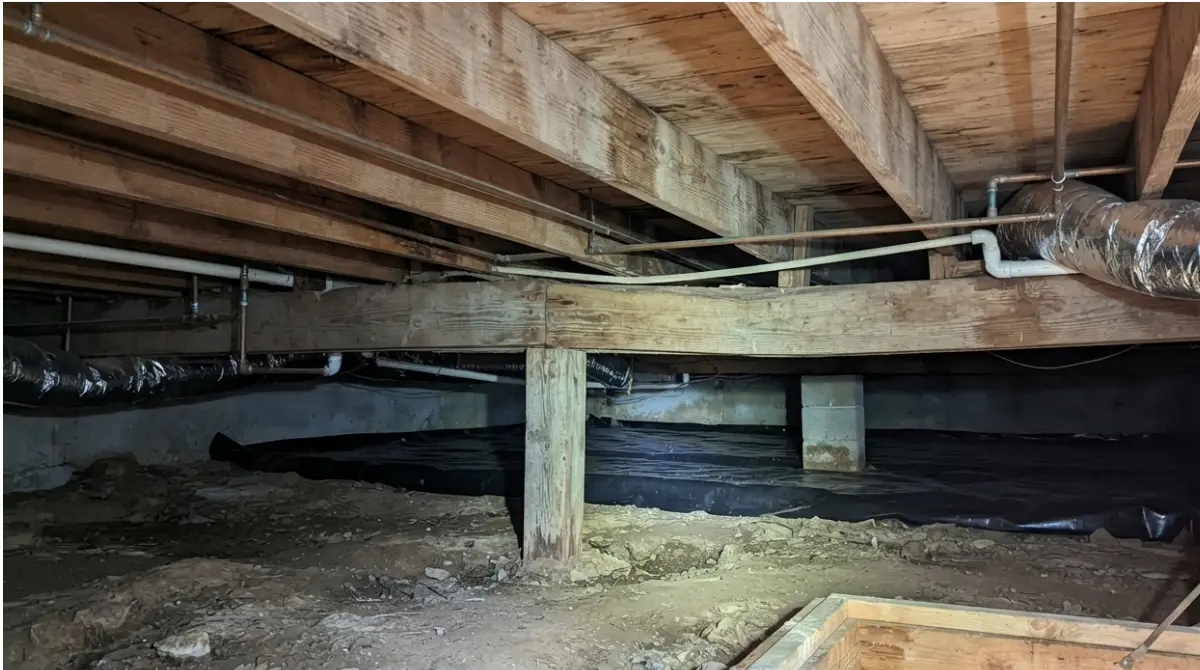
Table of Contents
Is a sagging floor over a crawl space an emergency?
A sagging floor over a crawl space is a symptom, and the cause underneath decides both the risk and the bill. Soft or dropping floor? Read the first list. Slow slope for years? Skip to the causes. Buying or selling? Jump to costs.
Call a pro soon if…
- Spongy, giving underfoot, or visibly worsening
- Doors and windows suddenly sticking
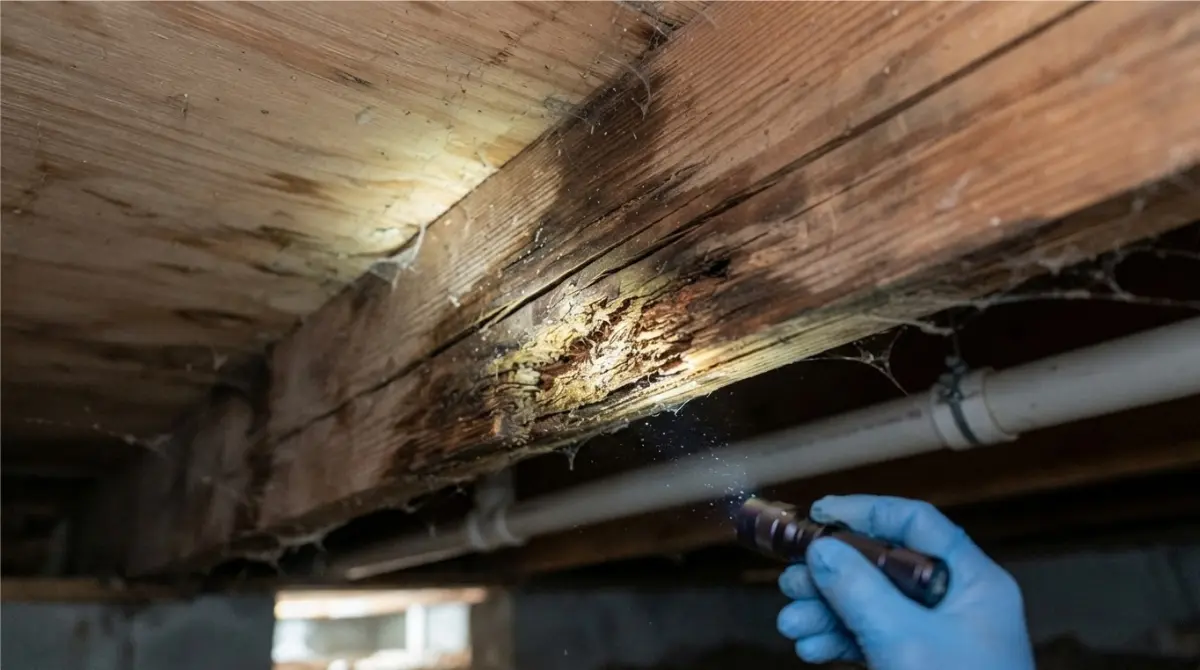
- Cracked, crumbly, or wet wood underneath
Have a licensed structural engineer or contractor look first, and keep heavy loads off the area.
Usually safe to monitor if…
Slight, unchanged for months, with no moisture, pests, or damaged wood.
ℹ️ Safety Note: Judging structural damage and any lifting, jacking, pier, or beam work under a home carries risk of injury and major damage. This guide is general information, not an engineering evaluation. Hire a licensed structural engineer or licensed contractor, and follow your local building code and permit requirements.
What causes floors to sag over a crawl space?
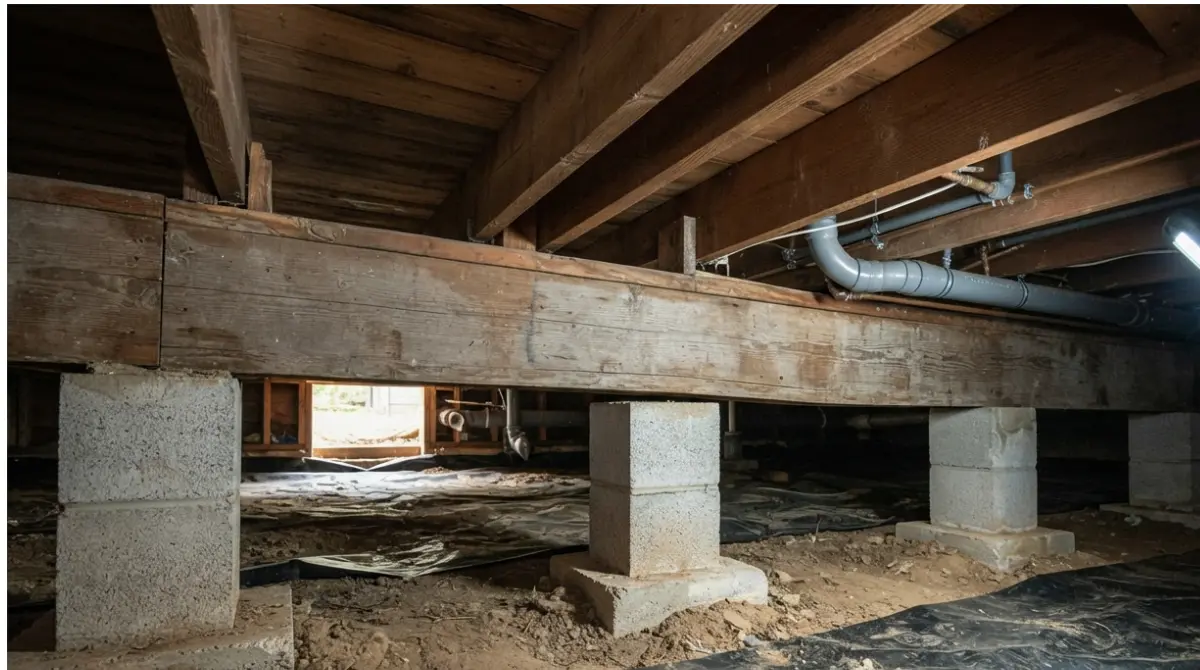
Floors sag when part of the support below stops carrying its share. The usual causes:
- Wet, rotting joists or girders
- Termite damage to framing
- Sunken piers or footings
- Wide support spacing or undersized framing
- Cut, notched, or overloaded joists
Moisture and wood rot
Wood rot needs wet wood, not just damp air. The USDA Forest Products Laboratory’s Wood Handbook chapter on decay puts serious decay above roughly 30% wood moisture content; air-dry wood near 20% or less has a safety margin. Over a crawl space, soil is the main moisture source.
Termites and other wood-destroying insects
Subterranean termites reach wood through mud tubes and leave a thin shell of sound wood, so a joist can look intact and still be weak. See how crawl space moisture and termites connect.
Sinking piers and weak supports under a floor
Joists rest on a girder, the girder on piers, and the piers on footings in the soil. When one link drops, everything above follows.
Sunken or shifted piers and footings
If soil under a footing washes out or compresses, the pier sinks and the girder sags. A gap between pier and girder is a red flag; see foundation problems versus normal settling.
Supports spaced too far apart
Piers set too far apart make the girder bow between them.
Cut, notched, or overloaded joists
Notches cut for pipes or ducts can weaken a joist, and heavy additions add load. Only an engineer can say if framing is undersized.
How to tell what’s causing your sagging floor
Match what you see to the likely cause:
| Symptom | Likely cause | Who to call |
|---|---|---|
| Soft, damp, crumbly wood | Moisture and rot | Contractor or engineer |
| Mud tubes; hollow-sounding wood | Termites | Licensed pest professional |
| Gap between pier and girder | Sunken pier | Structural engineer |
| Dip mid-house | Weak framing or spacing | Structural engineer |
| Slope at outside walls, sticking doors | Settlement | Structural engineer |
Rows 1–2 sourced (USDA, NC State Extension); others are rules of thumb.
Where the sag shows up (middle vs. edges)
As a rule of thumb, a middle dip often points to framing, and a slope near outside walls to settlement.
What to look for under the floor, without moving anything
Look from the access hatch only if the space is dry and safe. NC State Extension’s termite guide notes an empty mud tube doesn’t mean the termites are gone.
Simple checks from inside the house
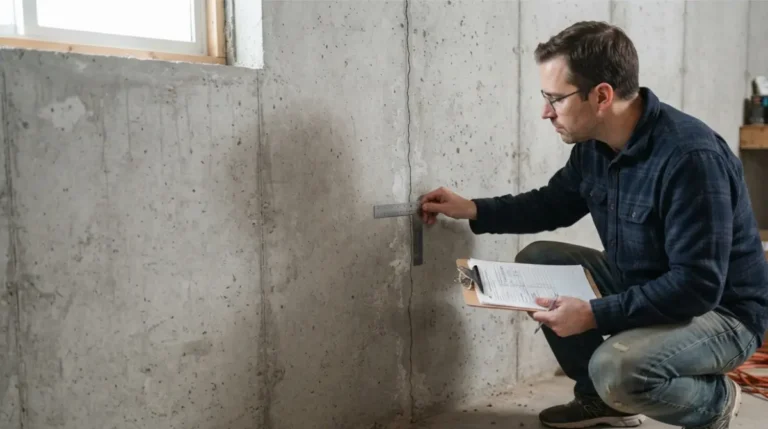
Rest a straight level on the dip, measure the gap, and repeat monthly. See sloping floors: foundation or not.
How to fix sagging floors over a crawl space
The right fix follows the cause, and only gutters and grading are homeowner jobs:
| Cause | Typical fix | Who |
|---|---|---|
| Moisture and rot | Remove water source, dry, replace rotted wood | Crawl space contractor |
| Termites | Treat colony, then repair wood | Pest professional, then contractor |
| Sunken pier | New footing or pier, then re-support | Foundation contractor, engineer |
| Wide spacing | Added posts or beams per engineer | Contractor and engineer |
| Damaged joists | Sister or replace | Contractor |
Fix the moisture or pest source first
The USDA chapter says to correct the moisture behind decay; then replacing weakened wood with dry lumber is all that’s needed. If a contractor proposes sealing the crawl space, ENERGY STAR’s guidance warns sealing can trap radon and combustion gases, so ask about testing.
Jacks, piers, and added support
Contractors lift beams with steel jacks or new piers on proper footings; a jack fixes the support, not the cause behind it.
Sistering or replacing damaged joists
Sistering fastens a new joist alongside a damaged one.
⚠️ Watch Out: Leave jacks and piers to licensed pros, and ask what will stop the support moving again.
Sagging floor repair cost and who to call first
Cost follows the cause and how long the problem went unaddressed; Angi’s 2026 data puts overall repair near $1,000 to $8,500:
| Cause | Range | Key detail |
|---|---|---|
| Water damage | $1,350–$6,275 | Mold work extra |
| Termite damage | $1,000–$10,000 | Treatment extra |
| Joist or post damage | $4,000–$12,000 | Per joists replaced |
| Foundation damage | $2,200–$8,000 | Lifting can top $20,000 |
Who to call first
Mud tubes mean a licensed pest professional first. For a growing sag, sunken piers, or a large quote, call an independent structural engineer; our foundation guide puts a report at roughly $300 to $1,000.
Permits and second opinions
Permit rules vary, so ask your local building department who pulls one. For the full ladder, see what foundation repairs cost and who to call first.
✅ Do This: Ask any contractor to name the cause in writing, and get multiple quotes.
Can you fix a sagging floor yourself? What’s safe to check
Lifting a floor, setting piers, and changing framing risk injury and damage, so leave them to licensed pros.
What you can safely check
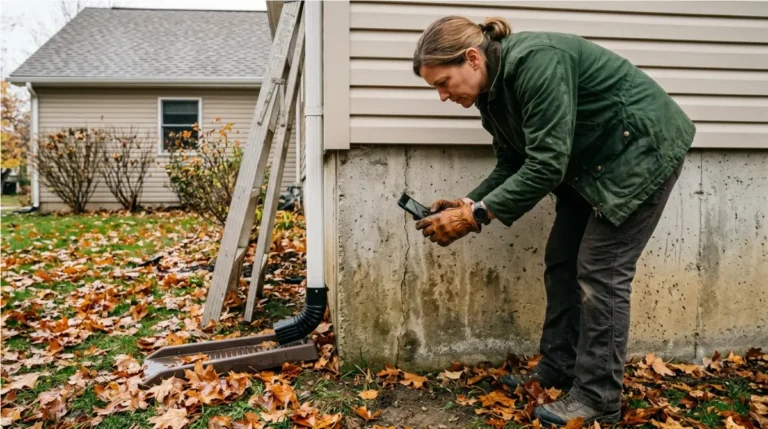
NC State Extension says you need a wood moisture meter to know if crawl space wood is too wet. Clear gutters and aim downspouts away from the house.
What not to do
Don’t jack the floor, move supports, cut joists, or stack heavy loads on the dip. Skip entering the crawl space if there’s standing water, exposed wiring, or any doubt.
✅ Do This: Ask a licensed pro for a written diagnosis, what will carry the load, and who pulls the permit.
Sagging floors over a crawl space: FAQ
1. Can crawl space moisture cause sagging floors?
Yes. Wood that stays wet, above roughly 30% moisture, can decay, so damp crawl space framing can lead to sagging floors.
2. Can termites cause sagging floors over a crawl space?
Yes. Termites can weaken framing from inside, leaving a thin shell of sound wood, so a joist behind sagging floors may look fine. Have a pest professional inspect.
3. Are sagging floors over a crawl space dangerous?
They can be. Sagging floors that feel spongy or worsen, or sit above cracked or wet wood, signal real risk. Have a licensed pro evaluate it.
4. How do I tell settlement from rot?
Soft, damp, crumbly wood points to rot; a gap between pier and girder may point to settlement.
5. Can sagging floors be fixed without replacing the floor?
Often, because repairs target the support below: fixing moisture, adding piers or beams, or sistering joists.
6. Do jack posts fix sagging floors permanently?
Only if the cause is fixed too. A jack can’t stop rot, termites, or a moving pier, so ask what prevents recurrence. Use a licensed contractor.
7. Can I fix sagging floors over a crawl space myself?
No for structural work. Lifting, piers, and framing changes risk injury; homeowners can photograph, measure, and manage drainage. Hire a licensed pro.
8. How much does it cost to fix sagging floors over a crawl space?
Angi’s 2026 data puts sagging floor repair near $1,000 to $8,500, with joist and beam work higher; the cause drives price.
9. Who should I call first for sagging floors?
Mud tubes mean a licensed pest professional first. For a growing sag or big quote, call an independent structural engineer.
10. Do I need a permit to repair sagging floors?
It varies by location. Ask your local building department whether the repair needs a permit and who pulls it.
Your next step for sagging floors over a crawl space
Your next step is measuring, not spending. Photograph the sag with a level in frame, note soft wood, mud tubes, or water, and recheck monthly. Then call the professional your clues point to: a pest professional for termite signs, or an independent structural engineer for a growing sag or large quote.