Do Sloping Floors Mean Foundation Trouble? Avoid a Costly Guess

Sloping floors with sticking doors? Wood swells and shrinks with seasonal humidity, so the doors may not point to your foundation. Here’s how to sort it.
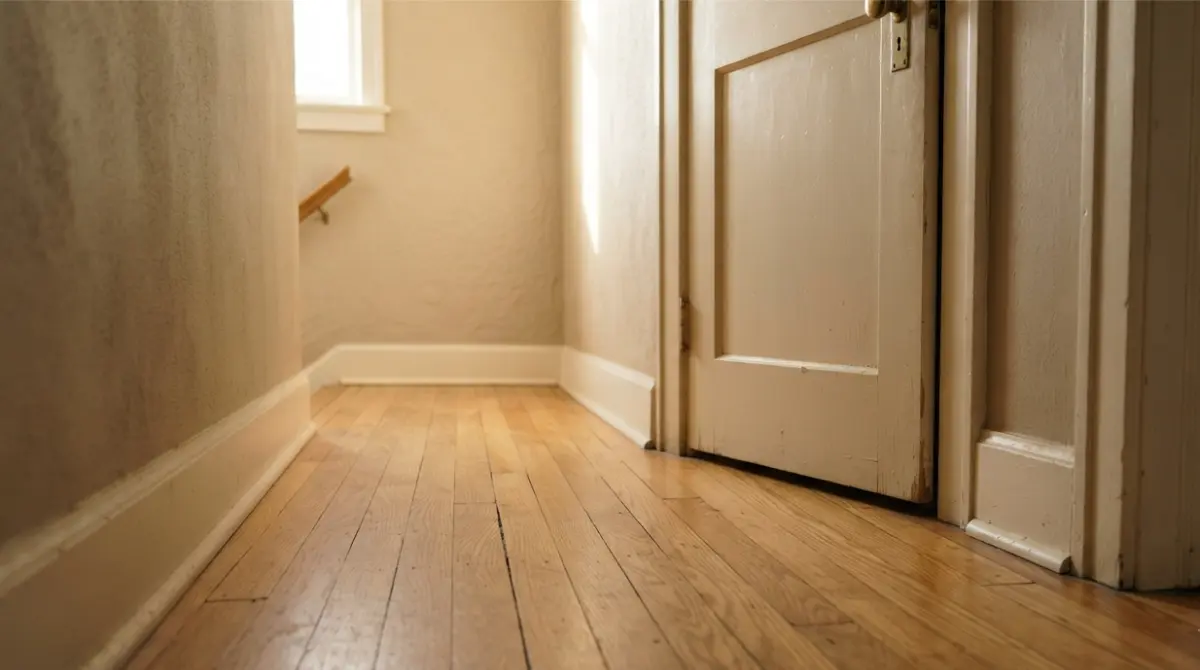
Table of Contents
Sloping floors and sticking doors: is it the foundation?
Sometimes, but not always: sloping floors and sticking doors together deserve attention, because the same movement can cause both. Each can also come from rotted floor framing, an old house that was never level, or a humid summer. This Old House lists sloping floors with sticking doors among combinations that make foundation settling a concern.
Find your situation:
- Doors stick only in summer? Go to the door section.
- Floor feels sloped or bouncy? Start with the cause table.
- Ready to measure? Jump to mapping your floor.
- Not sure who to call? See engineer versus foundation company.
Whichever applies, the goal is the same: find the cause before anyone sells you a fix.
ℹ️ Safety Note: Judging structural damage and any work on floors, supports, or foundations carries risk of injury and major damage. This article is general information, not an engineering evaluation. Hire a licensed structural engineer or licensed contractor, and follow local code and permit requirements.
What a sloping floor can and can’t tell you
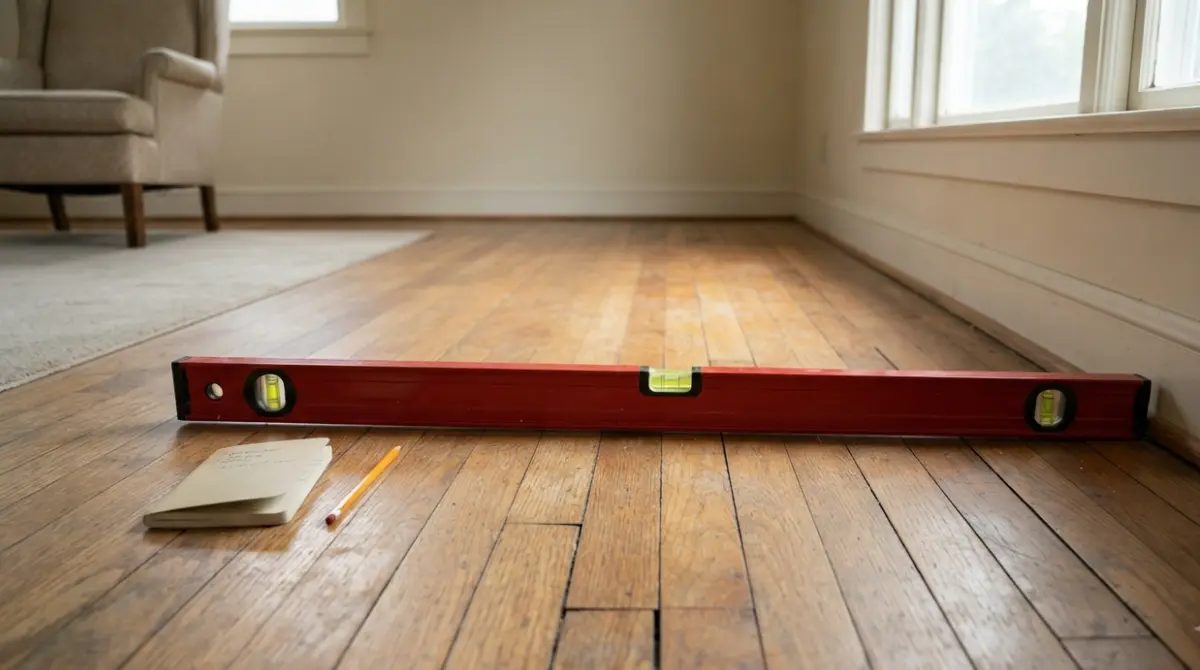
A sloping floor tells you the floor is out of level, not why.
Slope, sag or bounce: what you’re feeling
A slanting floor tilts across a room; a sagging floor dips in the middle. Contractor guides tie sags to weak supports, joists, or subfloor, and slopes to settlement or wall movement. A floor that bounces but stays level points to the floor system rather than the foundation.
Normal old-house settling vs active movement
Sources draw the line in different places, so watch whether the slope grows and whether cracks or gaps appear with it. Our guide on how normal settling differs from foundation problems covers the combinations. Clay soil adds seasonal movement, since expansive clay swells when wet and shrinks when dry, per Colorado State University Extension.
Why doors stick: humidity or foundation movement?
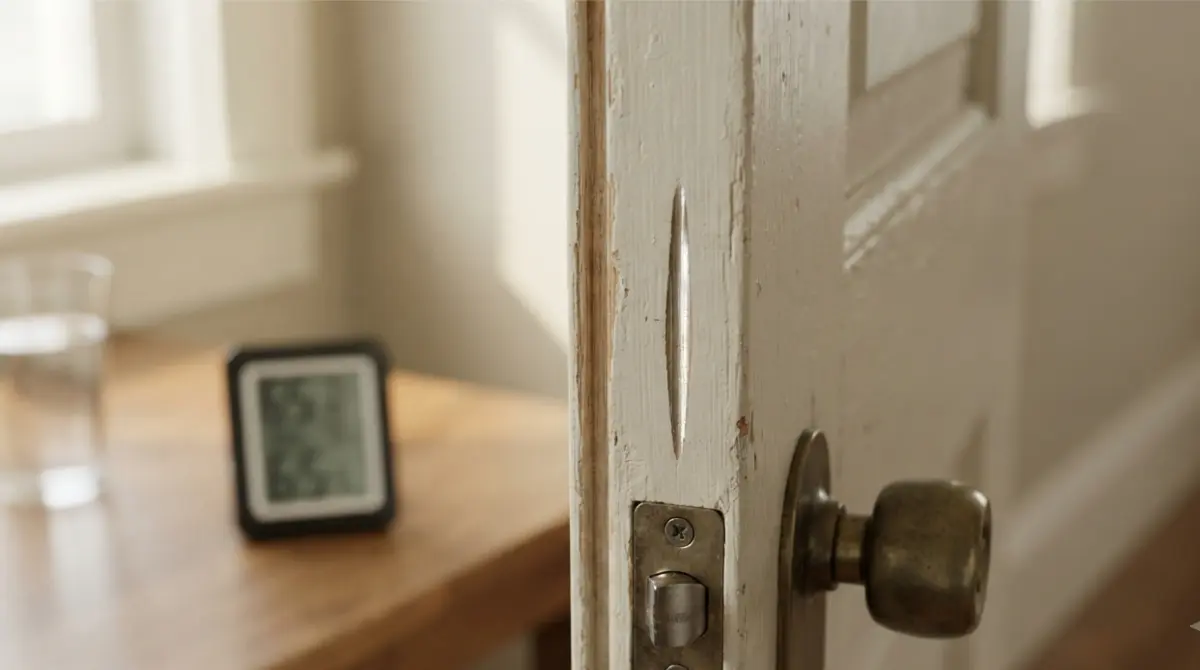
Doors stick for two different reasons.
Seasonal sticking points to humidity
Wood swells and shrinks with indoor humidity, so a door that sticks in humid months and eases in dry ones fits that pattern.
📊 Tested / Spec: The USDA Forest Products Laboratory’s Wood Handbook says wood in service faces seasonal humidity swings and changes size below roughly 30% moisture content.
Racked frames and cracks above doors
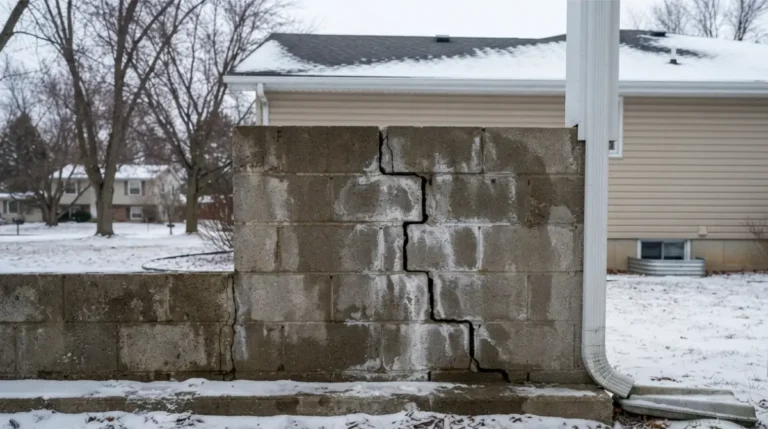
A door that binds in every season, with new cracks above its frame, points toward movement. The University of Texas at Arlington’s expansive-soil guide lists sticking doors and cracks above doors among soil-movement signs.
Door changes worth logging
Write down which doors stick and when:
- Sticks in humid months only: likely humidity.
- Sticks all year, with new cracks or gaps: have an engineer look.
Foundation, joists or old-house quirk: rule it out
Five causes to rule out, each with a different first call.
The five-cause rule-out table
| Cause | Clue | First call |
|---|---|---|
| Foundation or soil movement | Slope plus new cracks or gaps | Structural engineer |
| Crawl-space supports | Sag or bounce over a crawl space | Structural engineer |
| Rotted or termite-damaged joists | Soft wood, musty smell, mud tubes | Pest pro or engineer |
| Original construction | Slope unchanged since you moved in | Monitor, then engineer |
| Humidity | Doors and gaps change by season | Manage humidity |
When causes overlap
Causes overlap. In humid climates, vented crawl spaces can draw in moist outside air, which the Department of Energy ties to structural, mold, and pest problems. Soft or crumbly wood? See how to tell termite damage from water damage and wood rot.
How to map your floor level at home
A dated record shows whether your floor is changing.
The quick marble check (and its limits)
This Old House calls a marble test a quick check for a noticeably out-of-level floor. Roll one in several rooms.
A simple reading grid with a level
- Tape a grid of points on the floor.
- Read each point with a laser or hose water level; a 4-foot level shows only local slope.
- Sketch the room, write each reading on it, and photograph it with the date.
Log doors, gaps and season
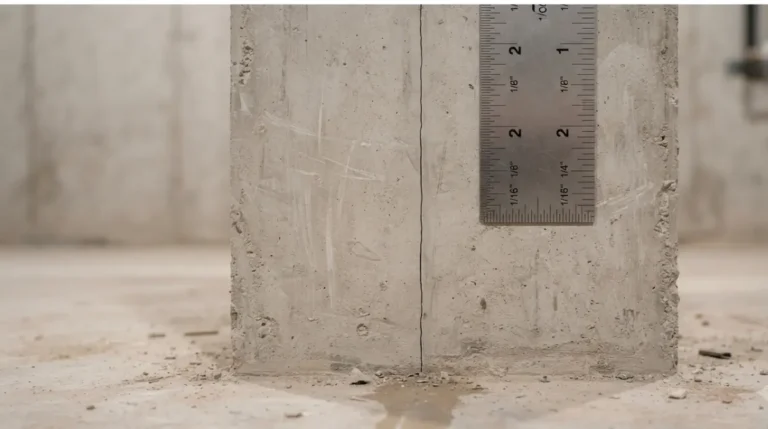
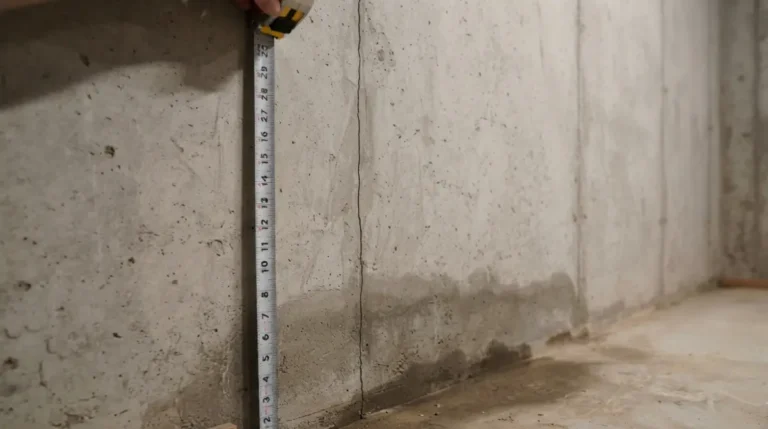
Add doors that stick, baseboard gaps, and the month. Our guide to measuring and logging a foundation crack shows the same habit.
✅ Do This: Look into a crawl space only from its access opening, then stop. A licensed structural engineer turns your log into a diagnosis.
Who to call for sloping floors: engineer or foundation company?
Call an independent structural engineer first when sloping floors come with sticking doors, new cracks, or growing gaps. Engineers diagnose without selling the repair.
Call an engineer first when…
Level Engineering, an engineering firm, advises an engineer before a repair company for uneven floors and sticking doors. A home sale or conflicting diagnoses also justify an independent report.
A repair company first is fine when…
A foundation company is a reasonable first call once the cause is known.
Buying, selling or renting
Renters should photograph the floor, keep the log, and tell the landlord. Costs are in our guide to who to call first and what a structural report costs.
✅ Do This: Ask what is causing the slope, whether it is still moving, and whether it needs repair, in writing.
What not to do before you know the cause
Diagnosis comes before any fix.
Don’t shim, jack or patch first
⚠️ Watch Out: Don’t shim, jack, or patch before an engineer sees the floor; those fixes can hide the movement that needs diagnosing, and piers, jacking, and wall work are licensed-professional jobs.
Fix water outside first
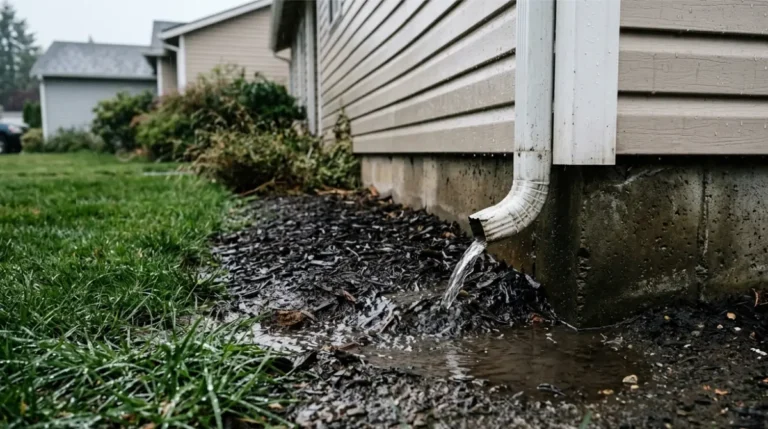
Keep soil moisture even near the house. The University of Texas at Arlington’s guide calls uniform soil moisture beside and under the foundation the single best step against expansive-soil movement. Start with how to regrade around your foundation, and call 811 before any digging. Sloped yards may need a pro.
Sloping floors and foundation questions, answered quickly
1. Do sloping floors mean foundation problems?
Sometimes. Sloping floors with sticking doors or new cracks raise foundation concern, but framing, supports, and humidity cause similar signs. Ask an engineer.
2. What causes floors to slope in older homes?
Sloping floors in older homes can trace to foundation settlement, weak crawl-space supports, rotted joists, original construction, or humidity. An engineer can tell which.
3. Do sticking doors mean foundation problems?
Not alone. Doors sticking only in humid months fit seasonal wood swelling; year-round binding with new cracks above the frame suggests foundation movement. Log it; call an engineer if it persists.
4. How much slope in a floor is normal?
Sources draw the line in different places, so no single number settles it. Watch whether sloping floors grow or bring new cracks and gaps. Log readings; share with an engineer.
5. How do I check if my floor is level?
Tape a grid on the floor, read each point with a laser or hose water level, and date the readings. Share the log with an engineer.
6. Can humidity make doors stick?
Yes. Wood swells and shrinks with seasonal humidity, so a door that sticks in humid months and eases in dry ones fits that pattern. If it persists year-round, call an engineer.
7. Can joists, not the foundation, make floors sag?
Yes. Contractor guides tie sagging floors to weak supports, joists, or subfloor, while sloping floors more often point to foundation settlement or wall movement. An engineer can confirm which.
8. Who do I call for sloping floors?
Call an independent structural engineer first when sloping floors come with sticking doors or new cracks; a foundation company suits a known cause. Confirm their license first.
9. Is it safe to live in a house with sloping floors?
Safety depends on the cause and whether sloping floors are growing or paired with new cracks, gaps, or sticking doors. Have an engineer evaluate it.
10. Can I fix sloping floors myself?
You can measure and log sloping floors yourself, but piers, jacking, and wall work are licensed-professional jobs. Start with an engineer’s diagnosis.
Your next step for sloping floors
Map the floor, log the doors, and note the month. If sloping floors come with sticking doors, new cracks, or growing gaps, book an independent structural engineer before anyone quotes a repair. Our Floor-Level Map and Door Log worksheet keeps your readings in one place; request it at hello@gladewick.com.