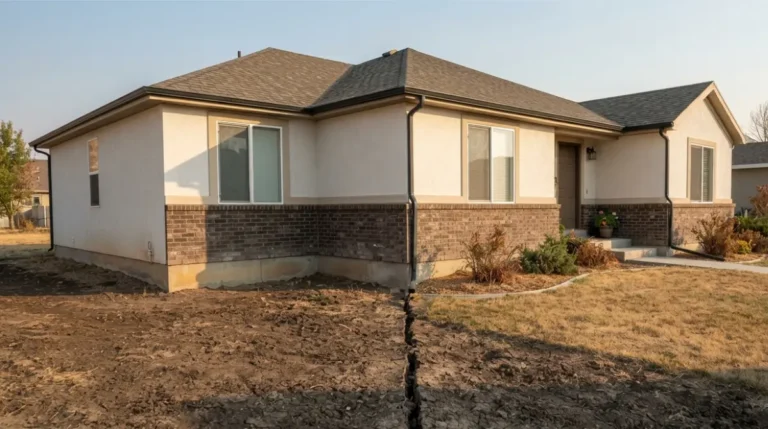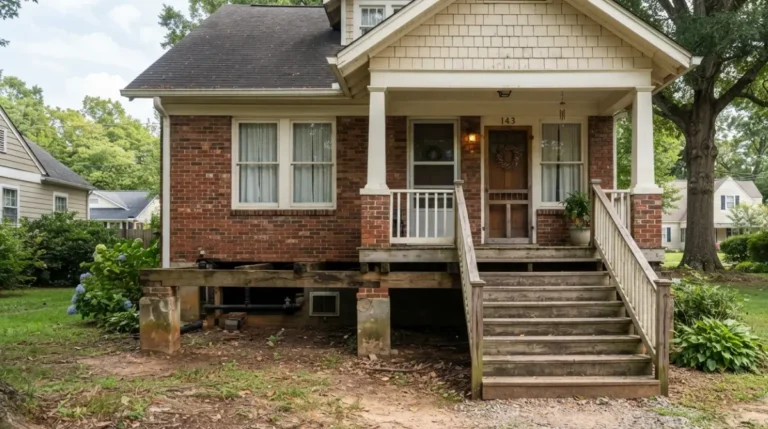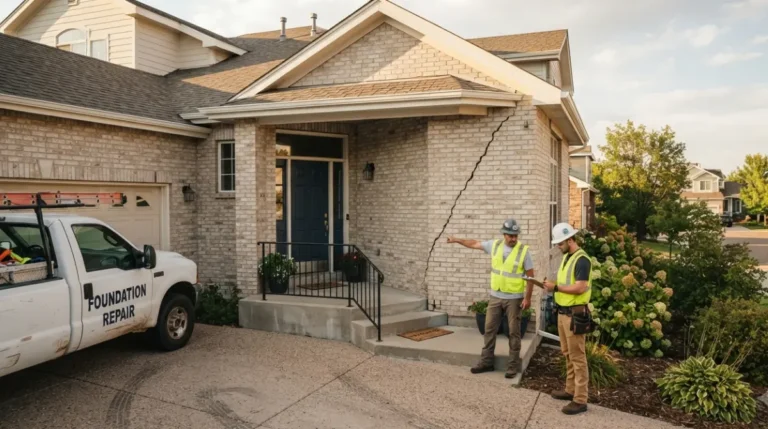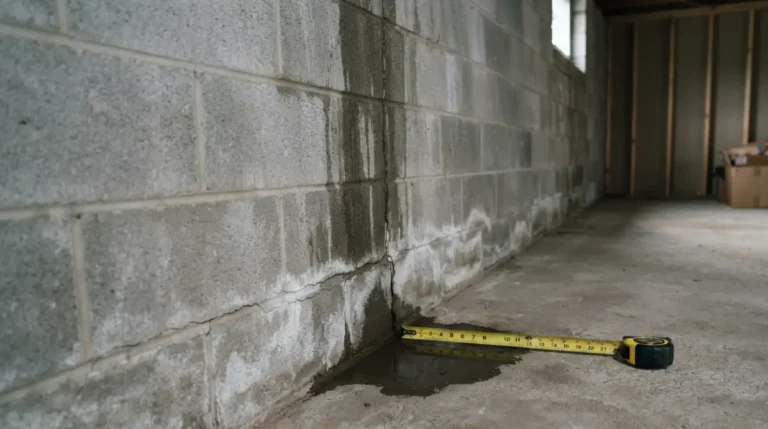
Fix a Foundation Crack Yourself, or Stop and Call an Engineer?

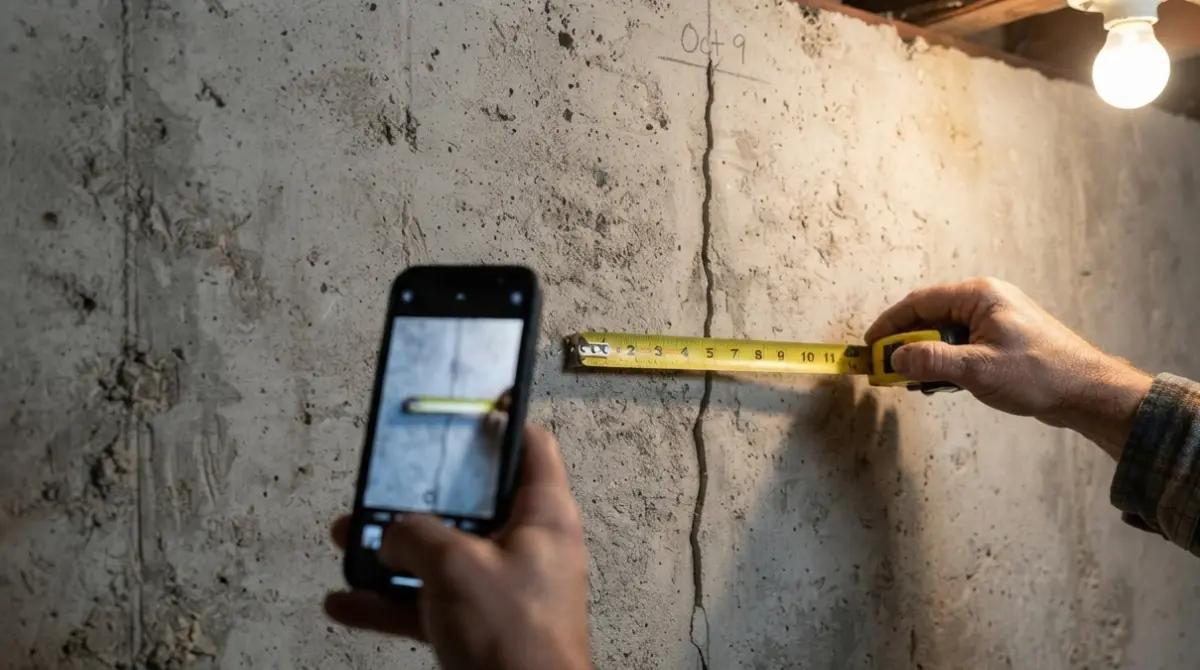
Fixing a foundation crack yourself starts with a pencil: Bob Vila’s routine is to mark, date, and recheck monthly to see if the crack is moving.
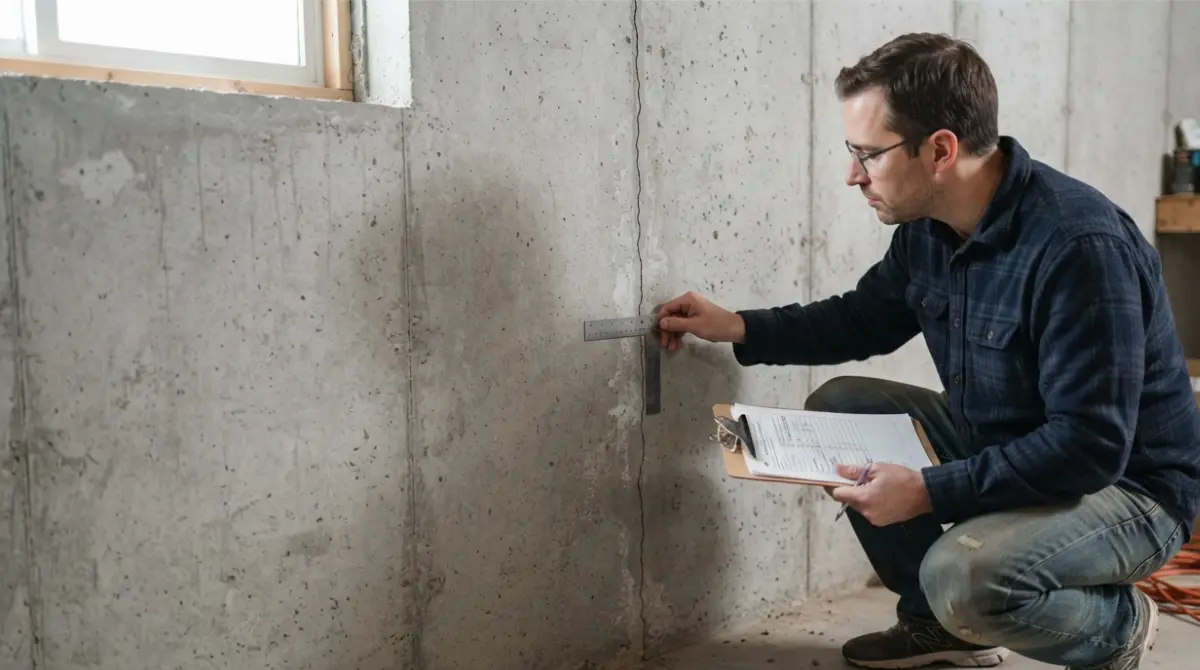
Table of Contents
Short answer: sometimes, if the crack passes a few checks
Sometimes. A narrow, stable, dry foundation crack in a poured wall can often be sealed at home. Wider, horizontal, or growing cracks, or bowing walls, need a structural engineer first, because a patch closes the opening without fixing the cause.
Find your situation:
- Hairline, no change: likely sealable after a monitoring period.
- Unsure: use the table below, then measure and watch it.
- Horizontal, stair-step, bowing, or leaking: skip the patch kit.
ℹ️ Safety Note: Foundation cracks can signal structural problems, and some repair products release fumes. This is general information, not engineering advice; for serious cracks, hire a licensed structural engineer and follow local code. Read every product’s safety data sheet.
Which foundation cracks are safe to DIY?
The sources disagree on width, so read this as a range.
| What you see | What the sources say | Key Detail |
|---|---|---|
| Hairline, under ⅛” | This Old House engineer: usually curing shrinkage | Monitor |
| ⅛” to ¼” | Same engineer: closer look. Bob Vila: seal if stable | Monitor first |
| Over ¼” | Both guides: professional inspection | Call a pro |
| Horizontal | Soil pressure pushing the wall inward | Structural engineer |
| Stair-step or diagonal | Wall bowing or uneven settling | Structural engineer |
Sources: This Old House (engineer Jim Graham, April 2026) and Bob Vila (September 2025). Not hands-on tested.
Bob Vila is more permissive: a crack up to ½ inch may only admit moisture, odors, and gases. That gap is why we suggest watching first. Our guide to foundation cracks by pattern shows each type.
How to monitor a crack before you patch it
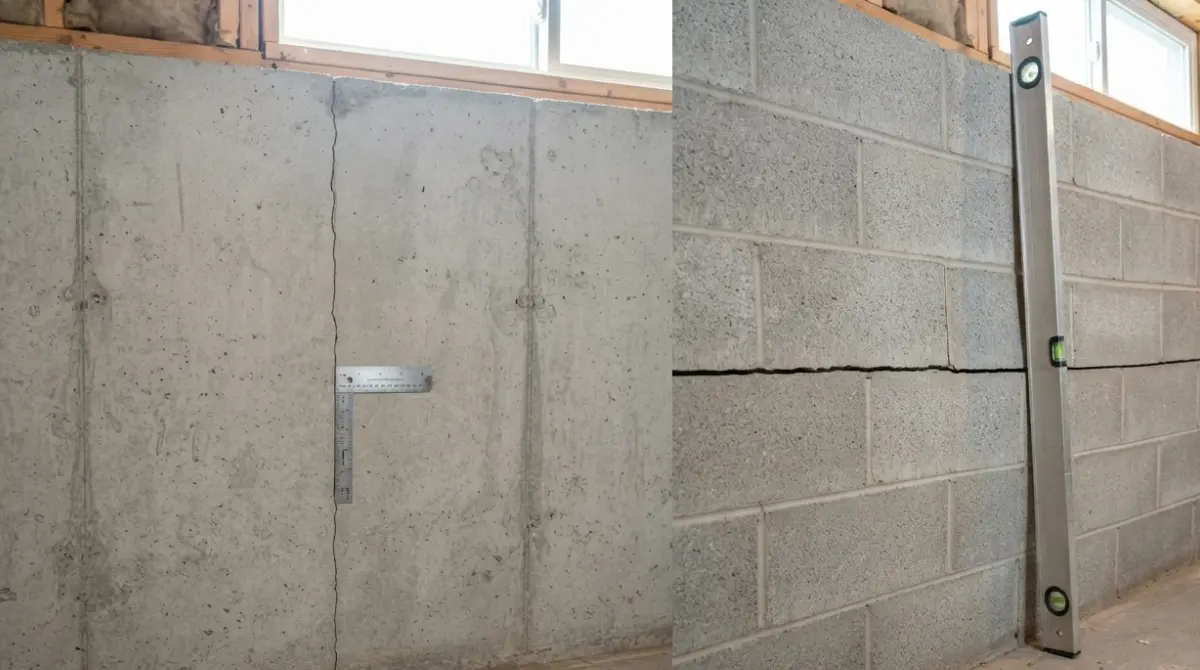
A growing crack is a poor patch candidate. Bob Vila’s guide suggests:
- Mark both ends of the crack with pencil and date each mark.
- Record its widest width, or photograph a tape measure beside it.
- Recheck monthly for several months.
- Hold a 6-foot level against the wall to check for bulging, a concern beside any crack.
If it hasn’t grown and no water seeps through, that guide treats it as stable. This Old House says cracks that appear suddenly or keep growing need professional evaluation.
✅ Do This: Start the log today: mark, date, photograph, and set a monthly reminder.
Caulk, grout or injection kit: what fills which crack
Kit sellers and contractors profit from your choice, so weigh their advice. Bob Vila suggests grout for stable cracks under ⅛ inch and concrete-compatible caulk from ⅛ to ¼ inch.
| Filler | Sellers say it suits | Key Detail |
|---|---|---|
| Polyurethane foam | Non-structural, leaking cracks | Contains isocyanate |
| Epoxy injection | Structural cracks, once movement stops | A contractor says it can re-crack if the wall moves |
📊 Tested / Spec: Bob Vila puts costs from under $50 (hairline) to over $8,000 (serious fix); This Old House, citing Angi, says $1.50 to $12 per linear foot for small-crack sealing. Published estimates, not our tests. See what foundation crack repair costs.
How a DIY crack repair works (and how to do it safely)
Bob Vila describes injection repair as cleaning the crack, setting injection fittings, and injecting until the crack is full. Follow your kit’s instructions over this article, because spacing, mixing, and cure times vary.
⚠️ Watch Out: Polyurethane foam kits contain isocyanate. One manufacturer’s safety data sheet (2022) calls for gloves, eye protection, and ventilation, and says people with respiratory or allergy problems must not be exposed. Read your product’s sheet first, and leave a bowing wall to an engineer.
When a patch hides the real problem
Sealing treats the opening, not the cause: This Old House says a crack that reappears after repair means the problem is unaddressed.
Water is a common culprit. This Old House says downspouts should run 5 to 10 feet from the foundation with soil sloping away; see our guide to regrading around your foundation. On seeping cracks, This Old House says seal professionally; Bob Vila says seal and divert the water.
Radon also enters through foundation cracks, and the EPA does not recommend sealing alone, since it hasn’t been shown to lower radon significantly or consistently, per its Consumer’s Guide to Radon Reduction.
✅ Do This: Test your home for radon; EPA recommends a qualified mitigation contractor at 4 pCi/L or higher.
Red flags: when to stop and call a structural engineer
Stop patching if you see:
- A horizontal crack, or any bowing or bulging wall
- A stair-step or diagonal crack
- A crack wider than ¼ inch, or cracks in several directions
- A crack that keeps growing or returns after repair
- Sticking doors or sloping floors
Start with an independent engineer, not a repair company: a certified foundation-repair specialist quoted by Bob Vila says commissioned salespeople tend to call almost every crack urgent. Our guide to who to call first for foundation problems covers both options.
✅ Do This: Hire a licensed structural engineer; bring your log and ask whether the crack is structural, still moving, and whether they sell repairs.
Fixing foundation cracks yourself: quick answers
1. Can I fix a foundation crack myself?
Sometimes. A narrow, stable, dry crack in a poured wall may be sealed at home; wider, horizontal, or growing cracks need an engineer.
2. What size crack can I fix myself?
One engineer flags ⅛-inch cracks for a closer look, and both guides send cracks over ¼ inch to a professional.
3. Is a horizontal crack ever DIY?
No. A horizontal crack signals soil pressure pushing the wall inward, so call a structural engineer before patching anything.
4. Epoxy or polyurethane for a foundation crack?
Sellers suggest polyurethane for leaking, non-structural cracks and epoxy for structural ones; a contractor warns rigid epoxy can re-crack if the wall moves.
5. How long should I monitor a foundation crack?
Check it monthly for several months; if it hasn’t grown and no water seeps through, Bob Vila’s guide treats it as stable.
6. Will sealing a crack stop radon?
No. EPA says sealing alone hasn’t been shown to lower radon significantly or consistently. Test your home; at 4 pCi/L or higher, hire a qualified mitigation contractor.
7. Will a crack patch last?
Not if the cause remains; This Old House says a crack that reappears after repair means the underlying problem is unaddressed.
8. What does DIY crack repair cost?
Bob Vila puts hairline repairs under $50 and serious fixes above $8,000; This Old House cites $1.50 to $12 per linear foot.
9. Is polyurethane foam safe indoors?
Kits contain isocyanate, so safety data sheets call for gloves, eye protection, and ventilation. Read your product’s sheet first.
10. Engineer or contractor first for foundation cracks?
An independent structural engineer; a specialist quoted by Bob Vila says commissioned repair salespeople tend to call almost every crack urgent.
Your next step
Mark your crack, date it, and measure its widest point today. If it stays narrow, stable, and dry for a few months, sealing may be a reasonable weekend job. If it trips any red flag, call an engineer, not a patch kit.