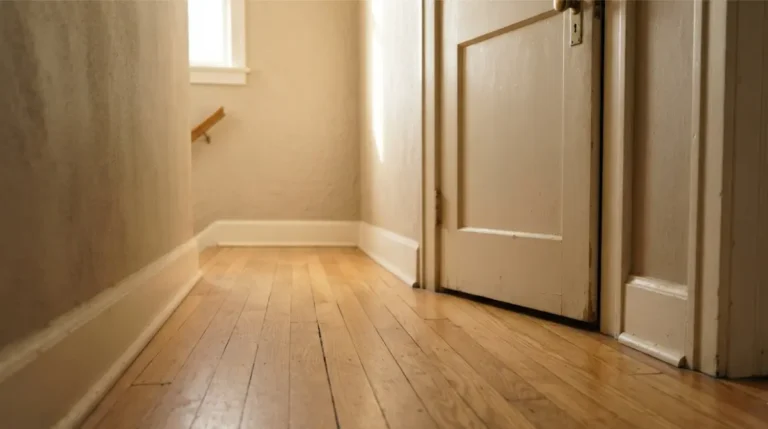
Smart Choices for Foundation Repair Before Selling

Foundation repair before selling is optional, but a C6 condition rating can stop a conventional loan. Here is how to choose your path.

Table of Contents
Should you fix a foundation before selling?
Foundation repair before selling is optional, but your choices are not unlimited. You can fix the problem, offer the buyer a credit, or sell without repairing it. The right path depends on who will buy and how they pay, not on the repair bid alone.
If an inspector just flagged a crack, get an engineer’s report before any contractor quote. If a buyer already found it, read the lender rules and credit limits below. If you plan to list as-is, remember that skipping the repair never means skipping the disclosure.
The sections below cover inspection, disclosure, lender rules, credit limits and price.
ℹ️ Safety Note: Foundation problems are structural, and disclosure and lending rules carry legal and financial stakes. This article is general information, not legal, lending or engineering advice. Before you decide, talk to a licensed real estate attorney or your listing agent, a loan officer, and a licensed structural engineer, and follow your state’s disclosure rules and local permit requirements.
Who should inspect a foundation before selling?
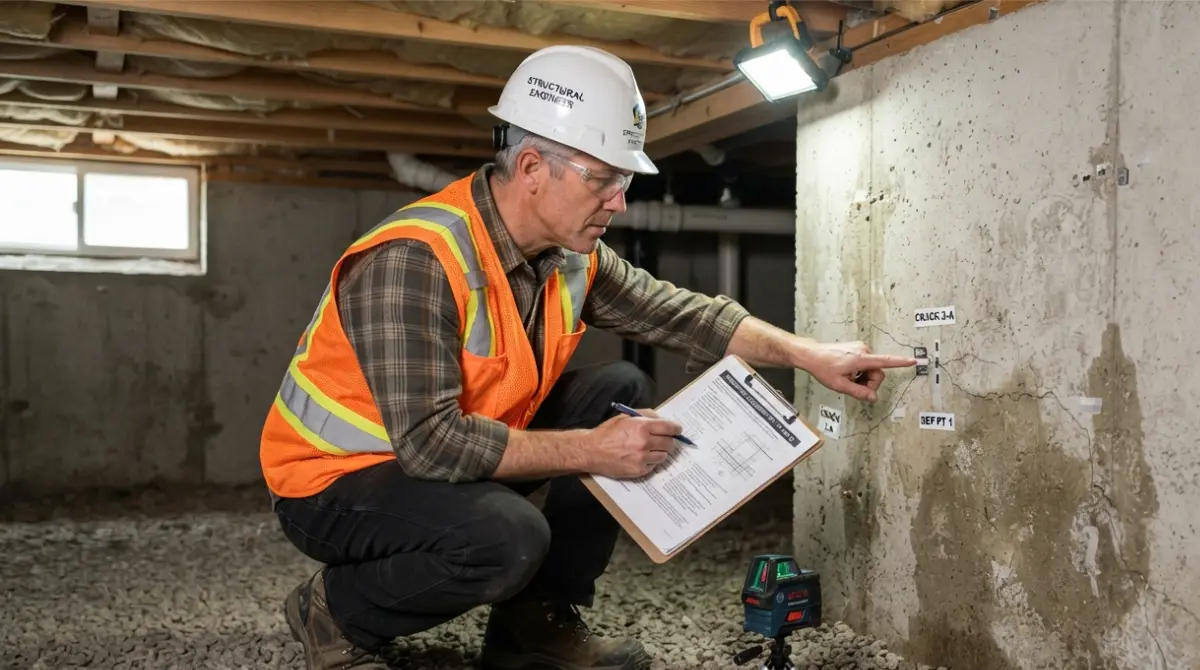
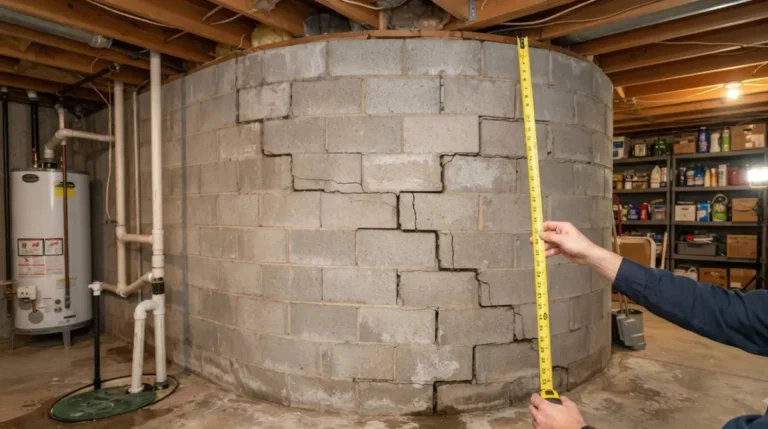
A licensed structural engineer diagnoses a foundation problem; a home inspector only flags it. A general inspection reports what is visible, and a contractor’s bid is a price for work, not an independent diagnosis. Get the diagnosis from someone who does not sell the repair.
- Home inspector: flags a crack or a sloping floor.
- Structural engineer: writes a report on cause and scope.
- Foundation contractor: quotes the work.
Costs and call order are in our foundation repair cost guide. To tell whether a crack matters, see signs of foundation problems vs normal settling.
✅ Do This: Hire a licensed structural engineer before collecting bids, and ask for a written report to hand buyers.
Do you have to disclose foundation problems?

Often yes. In many states, sellers must disclose known material defects, and listing a home as-is does not remove that duty. Rules vary by state; confirm yours with a real estate attorney.
Texas shows what a form can ask. Its seller’s disclosure notice under Property Code 5.008 asks about known foundation problems and previous structural repairs. A repaired problem can still belong on the form.
✅ Do This: Ask your attorney which disclosure form applies and whether a repaired defect must be listed.
Will a lender finance a house with foundation problems?
It depends on the buyer’s loan.
| Buyer’s financing | What happens to a foundation defect | Key detail |
|---|---|---|
| Conventional (Fannie Mae) | A C6 rating for safety, soundness or structural defects makes the loan ineligible until repaired to C5 | Minor conditions can stay as-is |
| FHA | Appraisers are expected to note observed structural defects | Lender decides |
| Cash | No lender approval step | Buyer’s inspection still drives price |
For abnormal settlement, Fannie Mae’s property condition guideline asks the lender for proof the condition was corrected, or a professional report showing no threat of structural damage.
✅ Do This: Ask a loan officer how the buyer’s loan treats a foundation defect, and share the engineer’s report early.
Fix, credit, or skip: how do the three options compare?
| Option | Your cost now | Buyer pool | Lender risk | Best when |
|---|---|---|---|---|
| Fix | Repair bill | Widest | Lowest | Buyers need loans |
| Credit | Credit at closing | Wide | Medium, capped | Scope is known |
| Skip | None, lower price | Narrow | Highest | Buyers are cash |
Credits are capped, and the buyer’s down payment sets the ceiling, not your repair bid. Fannie Mae’s interested party limits allow 3% above 90% loan-to-value, 6% from 75.01% to 90%, and 9% at 75% or less, never above the buyer’s closing costs.
| Hypothetical $400,000 price | Credit cap |
|---|---|
| 5% down | $12,000 |
| 10% down | $24,000 |
| 25% down | $36,000 |
For bid sizes, see foundation repair cost by scope.
✅ Do This: Ask a loan officer which credits count toward the cap.
How much does a foundation problem lower your sale price?
No single percentage holds across markets. The discount depends on how severe the problem is, how well it is documented, how your local market is moving, and who is buying.
An engineer’s report turns an open-ended worry into a defined scope, which gives buyers something specific to price. Because lenders may refuse an unrepaired structural defect, your realistic buyers are often cash buyers or buyers using renovation financing.
Ask your listing agent three things:
- Which recent nearby sales had foundation issues, repaired or not?
- How long did those homes sit on the market?
- Are investors active in my area?
What to do if you repair before listing
Repairing first makes sense when your likely buyers need a loan that will not close with an open structural defect. Make the work count at closing:
- Get a written scope from a licensed structural engineer.
- Ask your local building department whether a permit is required.
- Ask the contractor whether the warranty transfers to the buyer.
- Add the report, invoices, permit and warranty to your seller’s packet.
Never patch a crack to hide it, and disclose the repair anyway. For crack pricing, see foundation crack repair cost.
✅ Do This: Ask the licensed structural engineer to confirm the finished work in writing.
Frequently asked questions
1. Do I have to fix foundation problems before selling?
No. Foundation repair before selling is optional, but disclosure duties and the buyer’s loan can limit your choices. Compare fixing, a credit, or selling as-is.
2. Do you have to disclose foundation repair?
Often yes. Foundation repair before selling does not erase disclosure; known problems and past repairs may need reporting, and state rules vary. Ask an attorney.
3. Does as-is mean I can skip disclosure?
No. Skipping foundation repair before selling by listing as-is does not remove the duty to disclose known material defects in many states.
4. Will a bank finance a house with foundation problems?
It depends. Foundation repair before selling matters most when an appraiser flags an unrepaired structural defect; the buyer’s loan type decides what happens next.
5. How much does a foundation problem lower a home’s value?
No fixed percentage applies. Whether you do foundation repair before selling or not, the discount depends on severity, documentation, local market and buyer type.
6. Who should inspect a foundation before I list?
A licensed structural engineer diagnoses cause and scope; a home inspector only flags issues. Get that report first when weighing foundation repair before selling.
7. Can I offer the buyer a repair credit instead?
Often yes. A credit can replace foundation repair before selling, but conventional loan caps of 3% to 9% limit its size.
8. Who buys a house with foundation problems as-is?
Mostly cash buyers and renovation-financed buyers, since lenders may refuse unrepaired structural defects. Skipping foundation repair before selling usually narrows your buyer pool.
9. Is it worth repairing a foundation before listing?
It depends on the buyer’s loan. Foundation repair before selling makes most sense when buyers’ loans will not close with an open structural defect.
10. What documents should I give buyers?
Attach the engineer’s report, repair invoices, permits and any transferable warranty to show your foundation repair before selling was properly done.
Your next step before listing
Ask three questions: who is likely to buy, how will they pay, and what can you document? Start with an engineer’s report before any repair bid, because it shapes every option above. Skipping the repair never means skipping the disclosure.