
How to Hire a Bed Bug Exterminator and Avoid Costly Mistakes

A bed bug exterminator rarely finishes in one visit—most jobs need two to four treatments. Here’s what to budget and how to vet a company.
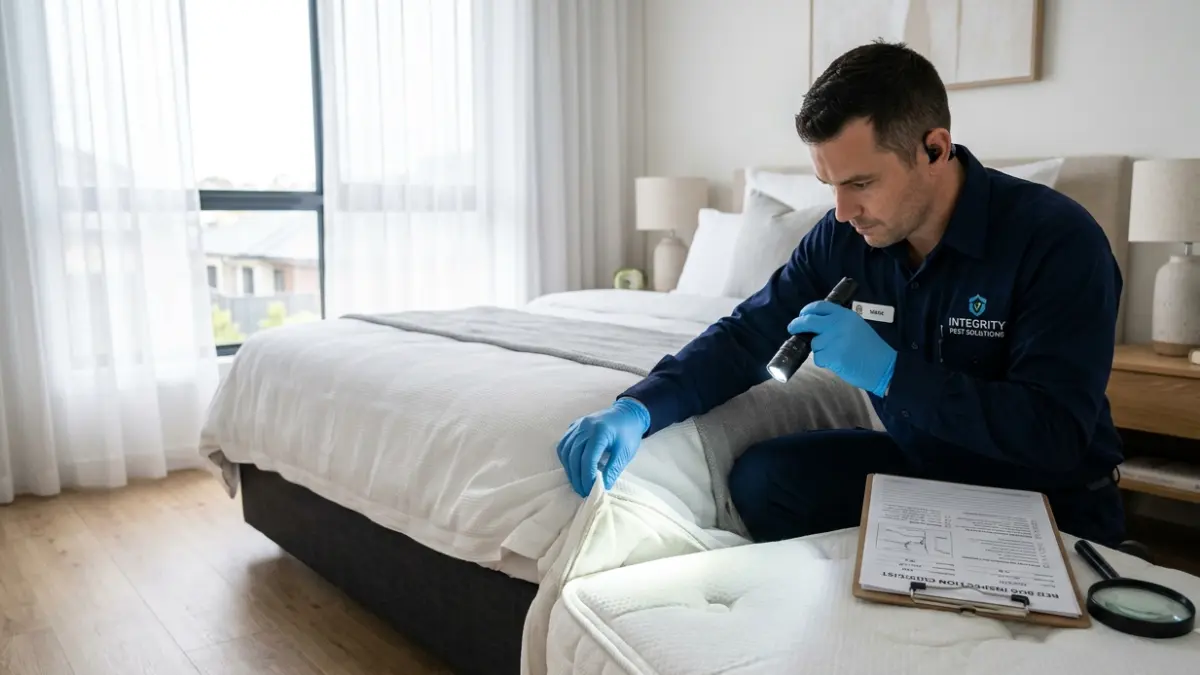
Table of Contents
Finding bed bugs is stressful, and deciding to bring in a professional is a reasonable response. This guide is built to help you hire well — not to funnel you to whichever company pays for the click.
If you already know you need a pro, skip ahead to vetting a company and the questions to ask. If you’re still weighing whether to handle it yourself, start with the DIY-versus-professional section. If money is your first worry, the cost breakdown is below. And if you have children or pets and you’re anxious about chemicals, the preparation and safety section covers what to expect and what to ask.
A good bed bug exterminator inspects before quoting, shows you a license, explains the method, and puts the warranty in writing. A bad one pressures you to decide today. Here’s how to tell them apart, what it should cost, and how to make the treatment actually work.
ℹ️ Safety Note: Professional bed bug treatment often uses commercial-grade pesticides, some of them restricted-use products that only a certified applicator may buy and apply. The information here is for hiring and evaluating a professional — it is not instructions for applying pesticides yourself. Always use a licensed pest control company, request the product labels and Safety Data Sheets, and follow all label directions and local regulations.
Do you really need a professional for bed bugs?
Not every bug in the bedroom demands a four-figure service call, but bed bugs are one of the harder household pests to beat alone. They breed quickly, hide in cracks a flashlight can’t reach, and their eggs survive many over-the-counter sprays.
Signs it’s time to call a professional
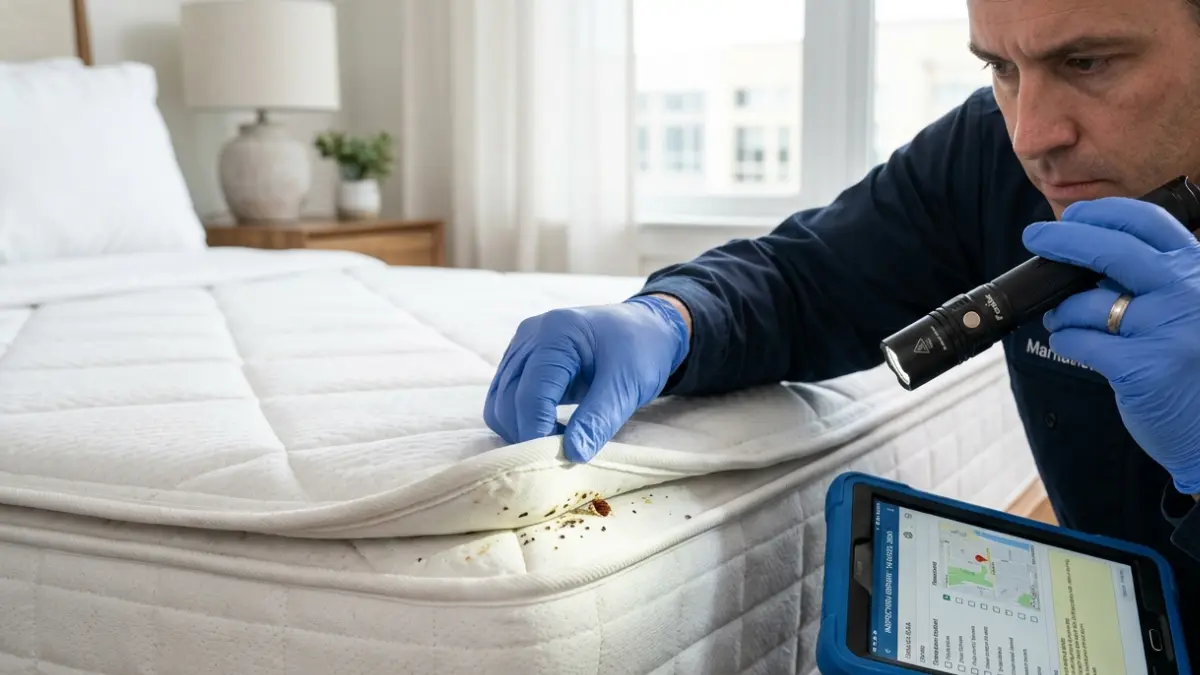
Call a pro when the evidence points past a stray insect. Warning signs that justify professional bed bug treatment include seeing live bugs in more than one spot, waking with clustered bites in lines, and finding rust-colored blood stains or dark specks on your mattress seams and box spring.
If you’ve already tried store sprays and the problem came back within a few weeks, that’s your signal too. Recurrence after DIY is the norm, not bad luck.
⚠️ Watch Out: Skip the bug bombs. DIY foggers are widely cited as a top cause of treatment failure — they scatter bed bugs deeper into wall voids and furniture instead of killing them, which makes the eventual professional job larger and more expensive.
When DIY might be enough (and its limits)
A single-room infestation caught early is the one scenario where a careful DIY approach can work. Mattress encasements, a good steamer, targeted vacuuming, and interceptor traps can knock down a small, contained problem — the full method is in our guide to getting rid of bed bugs yourself.
🔍 Why It Works: Bed bug eggs hatch about 6–9 days after they’re laid and are shielded from many contact insecticides. That’s why one spray rarely ends it — you have to keep killing newly hatched nymphs before they mature and lay again, which takes disciplined repeat treatment most homeowners can’t sustain.
The limit is spread. Once bugs reach multiple rooms, live inside furniture, or hide in outlets and baseboards, DIY odds drop sharply.
The multi-unit and renter exception
In apartments, treating one unit while neighbors go uninspected is a documented failure pattern — bugs simply move next door and return. If you rent, notify your landlord or property manager in writing early; in shared buildings, coordinated professional treatment across adjacent units is usually the only thing that works. Not sure you even have them yet? Confirm first with our walkthrough on the signs of bed bugs.
How much does a bed bug exterminator cost?
Professional bed bug treatment runs about $1,000 to $4,000 for a typical case, with a national average near $2,500 for a single treatment visit and roughly $1,500 to $5,000 to treat a whole home. The single most important thing to understand: that headline number reflects one visit, not a fully resolved infestation.
Cost by treatment method
Method drives price more than almost anything else. Here’s how the common professional approaches compare on cost.
| Treatment method | Typical cost | Best for |
|---|---|---|
| Chemical / insecticide | $200–$400 per room, ~$2–$5/sq ft | Standard infestations; usually 2–3 visits |
| Heat treatment | $400–$900 per room, ~$1–$3/sq ft | Cluttered or severe rooms; often one visit |
| Fumigation (tenting) | ~$4–$8/sq ft, from ~$2,000+ | Severe, whole-structure infestations |
| Inspection | $65–$200 (often a free visual check) | Confirming and scoping before treatment |
📊 Sourced figures: Cost ranges above reflect current market data compiled across major home-services pricing guides. A canine (dog) inspection typically runs $300–$600, and a post-treatment follow-up inspection about $75–$225. For a full line-item breakdown, see our bed bug treatment cost guide.
Cost by home size and severity
Because most pros price per room or per square foot, size and severity compound quickly. Most infestations need 2 to 4 treatments, and chemical programs in particular usually run two or three visits spaced about two weeks apart to catch newly hatched bugs. Knowing your treatment area helps you sanity-check a per-square-foot quote — our square footage calculator makes that quick.
The hidden costs quotes leave out
Two quotes can both say “$2,000” and cover completely different work. Beyond the treatment itself, budget for repeat-visit fees (~$415–$625 each), emergency or same-day service (adds $200–$500), and mattress encasements ($30–$80 per bed) for post-treatment monitoring.
💡 Pro Tip: Get three inspections, not just three prices. The real value isn’t the lowest number — it’s seeing how differently each company scopes the same job, which tells you who actually inspected versus who guessed.
What treatment methods will an exterminator use?
A reputable company recommends a method only after inspecting your home, and it should explain why. Understanding the options lets you judge whether the proposed plan fits your situation or just fits their equipment.
Heat treatment
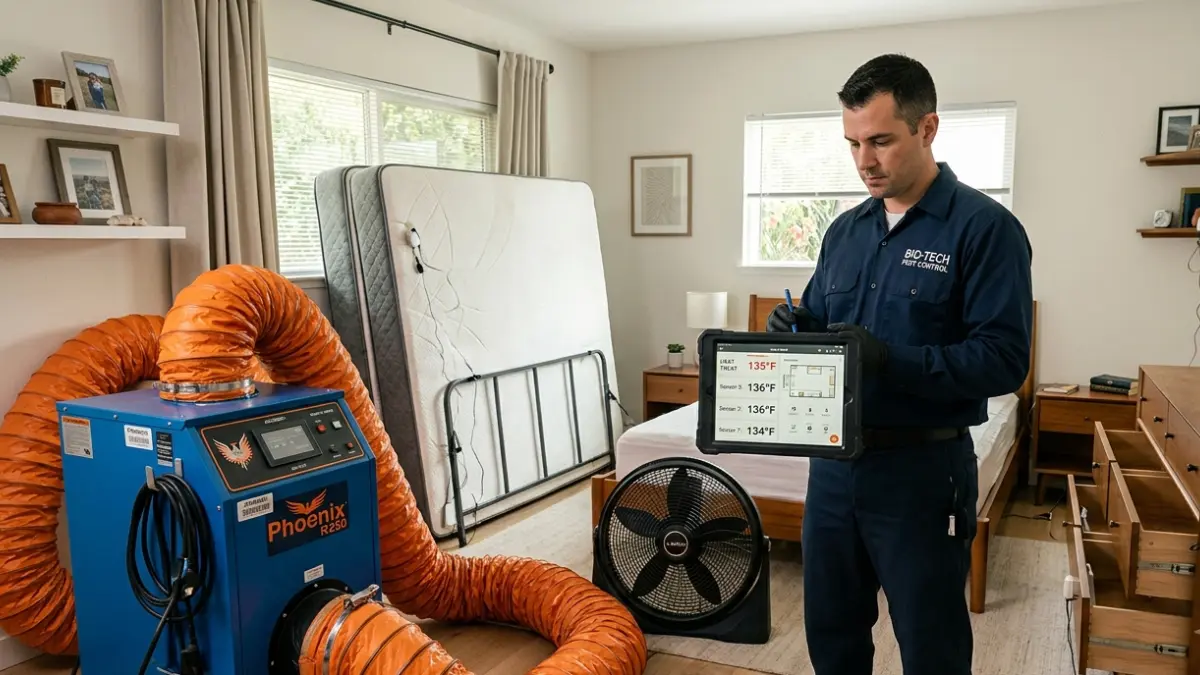
Heat treatment raises a room to roughly 120–130°F and holds it there, killing bed bugs at every life stage — including eggs — usually in a single visit, with no residual chemical left behind. It’s widely considered the gold standard, especially for cluttered rooms, though it offers no lasting protection against reintroduction. You can read more on whether heat actually kills bed bugs.
🔍 Why It Works: Bed bugs and their eggs have no resistance to heat the way they’ve developed resistance to chemicals. Once the whole room reaches lethal temperature and every harborage is heated through, there’s nowhere for them to survive — which is why a properly executed heat job can finish in one session.
Chemical (insecticide) treatment
Chemical programs — often built around Integrated Pest Management (IPM) — remain the most common approach, and typically require multiple visits because of that egg-hatch cycle. One important caveat: bed bugs have developed widespread resistance to pyrethroid insecticides, and simply applying more product isn’t the answer, as the National Pesticide Information Center explains. Our overview of what actually kills bed bugs covers the active ingredients in more detail.
Fumigation for severe infestations
Fumigation, or tenting, is reserved for severe, whole-structure cases. It requires vacating the property for several days and starts around $2,000, climbing far higher for large or multi-unit buildings.
Steam and freezing
Steam and freezing are localized, complementary tools rather than whole-room solutions. A pro may use them on mattresses, furniture seams, and baseboards alongside a primary method.
✅ Do This: Ask your licensed pest professional which method they recommend and why, and specifically how they account for pesticide resistance. Only a certified applicator may legally buy and apply restricted-use products, under EPA certification standards.
How to choose a reputable bed bug exterminator
This is where honesty beats marketing. The steps below help you separate a legitimate, licensed company from a pressure-seller.

Verify the license and insurance
Every legitimate pest control company must have at least one certified, licensed commercial pesticide applicator in the proper service category, and reliable applicators will show you their credentials without hesitation. Confirm they also carry general liability insurance and workers’ compensation, so you’re not exposed if a technician is injured or a treatment causes damage.
✅ Do This: Verify the applicator’s license with your state Department of Agriculture — it’s the office that issues and tracks them. The EPA’s tips for selecting a pest control service walk through exactly what to check.
Check reputation and references
Ask for references from recent bed-bug-specific jobs, and cross-check the company through the Better Business Bureau, your state Department of Agriculture, or your state Attorney General for pesticide-misuse complaints. A company with no bed bug references belongs at the bottom of your list.
Red flags that signal a bad company
Some behaviors reliably mark a company to avoid.
- Wants to bundle pest control into a package deal like general home repair or tree trimming.
- Pushes a special price only if you agree to treat immediately.
- Quotes a price without inspecting your home first.
- Guarantees it will kill every last bug and egg — no honest company promises that.
⚠️ Watch Out: High-pressure “decide today” tactics are the clearest warning sign. Most infestations can wait the few days it takes to gather estimates and verify a license — anyone insisting otherwise is selling urgency, not results.
Questions to ask before you hire (and how to read the quote)
Walk into the sales conversation with a script. The right questions to ask an exterminator protect you from vague promises and hidden scope.
Questions to ask a bed bug exterminator
- Are you licensed and insured, and can I see the applicator’s certification?
- What products will you use — by brand name and EPA registration number — and can I have the Safety Data Sheets?
- Do you follow an Integrated Pest Management approach?
- How many treatments and follow-up visits are included in this price?
- What does your warranty cover, and what voids it?
- Can you share references from recent bed bug jobs?
- Do you inspect before providing a firm quote?
What a legitimate quote includes
A real quote follows an actual inspection and spells out scope in writing: the method, the number of treatments and follow-ups, prep responsibilities, and the warranty terms. The EPA’s fact sheet on choosing a pest control company is a solid checklist to bring along.
Understanding the warranty (re-treat is not eradication)
Most warranties run 30 to 90 days — but read what that actually promises. A warranty is a re-treatment guarantee, meaning the company will treat again for free within the window; it is not a guarantee the bugs are gone.
⚠️ Watch Out: No one can honestly guarantee complete elimination, because bed bugs can be reintroduced and missed eggs can hatch. Get every warranty term in writing, including the fine-print conditions that void it, before you sign.
Preparing for treatment and what to expect
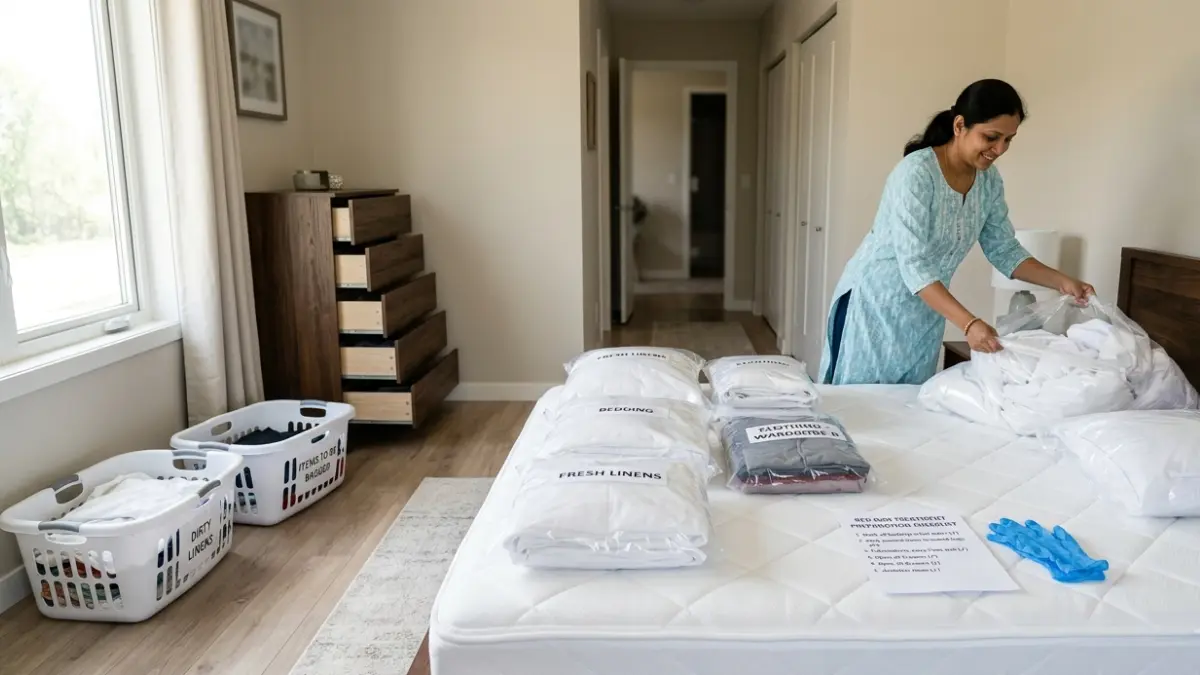
Your preparation directly affects whether the treatment works — poor prep is a documented cause of failure, because products can’t reach bugs hidden behind clutter and unmoved furniture.
How to prepare your home
Declutter the treatment area, launder all clothing and linens on high heat, and seal items in bags so you don’t spread bugs while you work. Your company should give you written prep instructions; follow them exactly.
Safety for children and pets
Chemical safety is non-negotiable with kids and pets in the home. Keep children and pets away from treated areas until sprays have fully dried, and remove or cover aquariums with the pump turned off.
✅ Do This: Ask your applicator two specific questions — for the product label and Safety Data Sheet, and exactly how long to keep children and pets off treated surfaces. All pesticides carry some risk to children and pets, and NPIC’s bed bug guidance is a free resource if you have questions.
Follow-up and confirming it worked
Expect follow-up visits over several weeks, with interceptor traps placed for monitoring. Once no new activity appears, the company documents a service history and calls it controlled — here’s how to know if the bed bugs are actually gone. For prevention afterward, our tested mattress encasement picks and best-performing interceptors are worth keeping in place.
Bed bug exterminator FAQ
1. How much does a bed bug exterminator cost?
A bed bug exterminator typically costs $1,000–$4,000, averaging around $2,500 for a single treatment visit, or $1,500–$5,000 for a whole home. Chemical treatment runs $200–$400 per room and heat $400–$900 per room. Remember that most infestations need two to four visits, so your total is usually higher than one quote.
2. Is it worth hiring a professional for bed bugs?
For anything beyond a small, single-room problem caught early, yes. Bed bugs breed fast, hide in unreachable cracks, and their eggs survive many store sprays, so DIY often fails and the infestation returns within weeks. A licensed bed bug exterminator brings heat equipment and commercial products that reach hidden colonies.
3. Can you get rid of bed bugs without an exterminator?
Sometimes, if the infestation is small and confined to one room. Encasements, steaming, vacuuming, and interceptors can work with disciplined repeat treatment. Once bugs spread to multiple rooms or inside walls and furniture, DIY odds drop sharply — at that point, call a professional rather than letting it grow.
4. How do I know if a pest control company is licensed?
Every company must have at least one certified, licensed commercial pesticide applicator, and a reputable one will show credentials on request. Verify the license through your state Department of Agriculture, which issues and tracks them. You can also check the Better Business Bureau or your state Attorney General for pesticide-misuse complaints.
5. What’s better for bed bugs, heat or chemical treatment?
Heat treatment kills bed bugs at all life stages, including eggs, usually in one visit and with no chemical residue, which is why it’s often called the gold standard. Chemical treatment costs less per visit but typically needs multiple visits and faces pyrethroid resistance. The right choice depends on your infestation’s severity and clutter.
6. How many treatments does it take to get rid of bed bugs?
Most infestations require two to four treatments. Chemical programs usually run two or three visits spaced about two weeks apart, because bed bug eggs hatch 6–9 days after being laid and survive many insecticides. Heat treatment can sometimes finish in a single visit, though follow-up monitoring is still standard.
7. Do bed bug exterminators guarantee results?
Not complete elimination — no honest company can. Typical warranties run 30 to 90 days and cover free re-treatment within that window, not a promise the bugs are gone, because they can be reintroduced or missed eggs can hatch. Get all warranty terms in writing before you sign.
8. Do exterminators charge for a bed bug inspection?
It varies. A basic visual inspection is often free, while a more thorough inspection typically costs $65–$200, and a canine (dog) inspection runs $300–$600. Many companies credit the inspection fee toward treatment if you hire them, so ask how that works when you schedule.
9. How do I prepare for a bed bug treatment?
Declutter the treatment area, launder all clothing and linens on high heat, and bag items to avoid spreading bugs. Follow the written prep instructions your company provides, since incomplete prep is a common reason treatments fail. Ask your bed bug exterminator ahead of time exactly what they need done before they arrive.
10. Are bed bug treatments safe for pets and children?
When applied by a licensed professional following label directions, they’re designed to be, but all pesticides carry some risk to children and pets. Keep them away from treated areas until sprays dry, and cover aquariums with the pump off. Always ask your applicator how long to keep kids and pets off treated surfaces.
The bottom line on hiring a bed bug exterminator
Hiring well comes down to three levers. Verify the license and insurance through your state Department of Agriculture, compare quotes on scope rather than just the lowest price, and read the warranty knowing it promises re-treatment, not a guarantee of eradication.
Get three inspections, insist that any company inspect before quoting, and walk away from anyone pressuring you to decide today. When you’re ready to map the whole process, our safe, step-by-step plan for getting rid of bed bugs ties it all together.
Related Articles
 Bed Bugs Treatment
How to Spot Bed Bug Eggs and Stop Them Hatching
June 24, 2026 Bed Bugs Treatment
How to Spot the Signs of Bed Bugs Before You Ever See One
June 23, 2026 Bed Bugs Treatment
What Kills Bed Bugs, and How to Use Each Method Safely
July 5, 2026 Bed Bugs Treatment
What Bed Bug Bites Look Like, and How to Be Sure
June 23, 2026 Bed Bugs Treatment
Clearing Bed Bugs From a Couch You Want to Keep
July 3, 2026 Bed Bugs Treatment
Are Bed Bugs Dangerous? The Health Risks People Overlook
June 26, 2026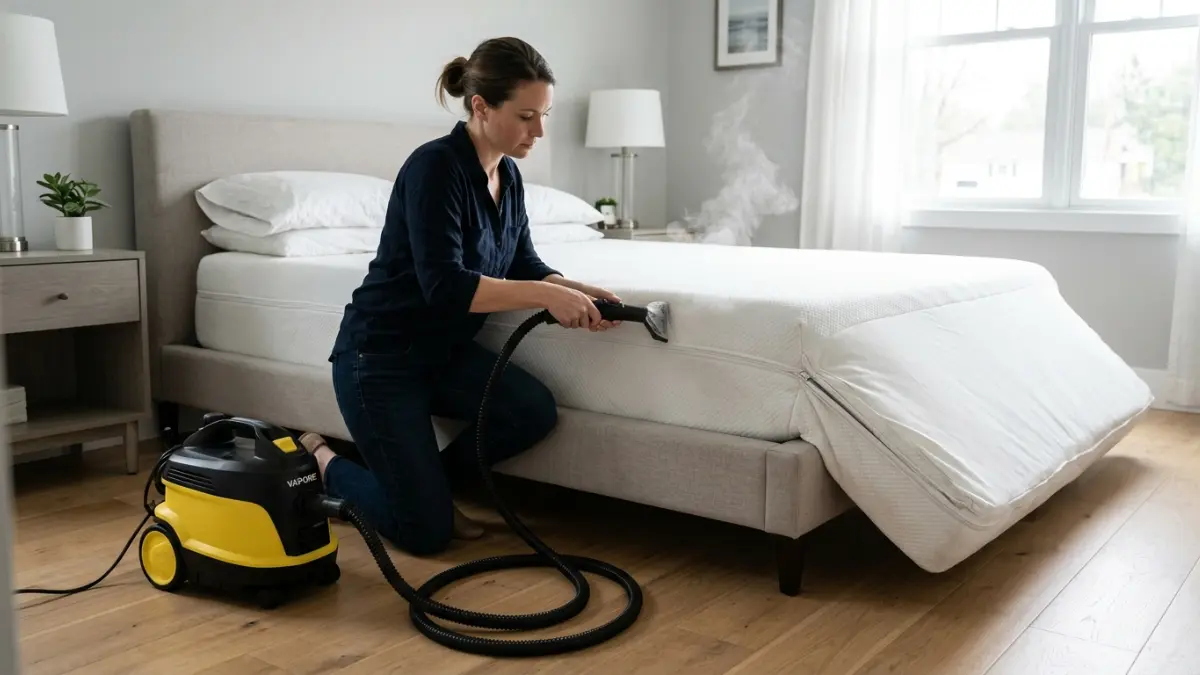 Bed Bugs Treatment
Choosing a Bed Bug Steamer That Gets Hot Enough
July 4, 2026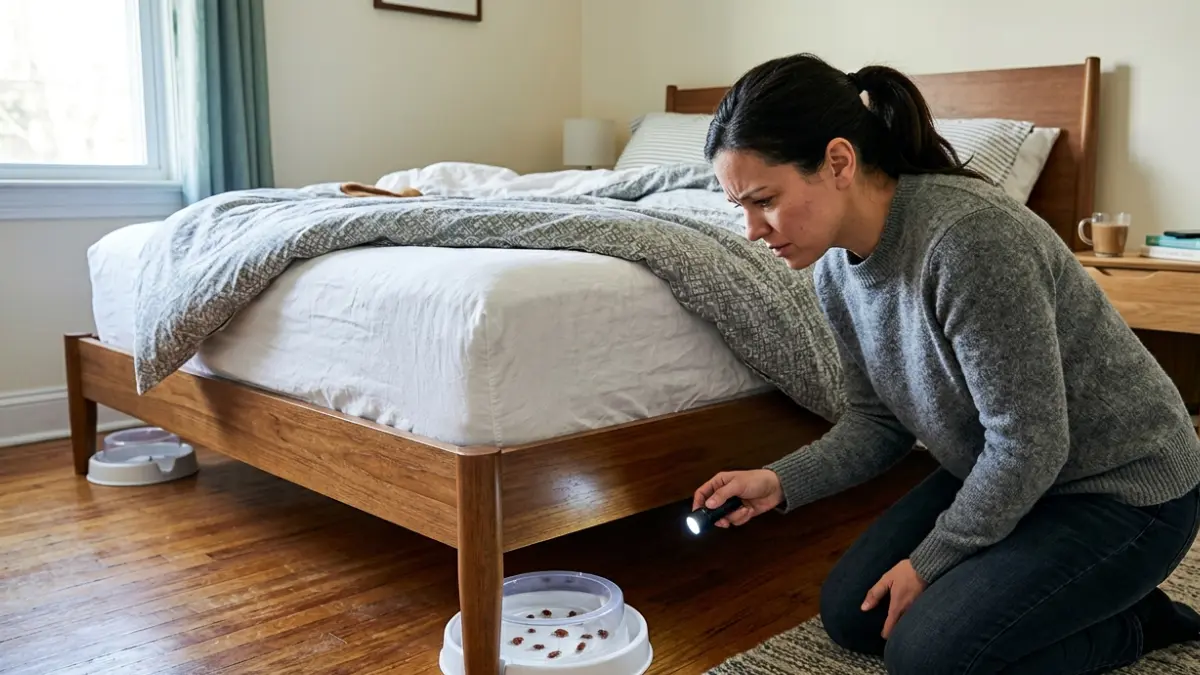 Bed Bugs Treatment
How the Right Bed Bug Interceptors Catch the Most Bugs
June 29, 2026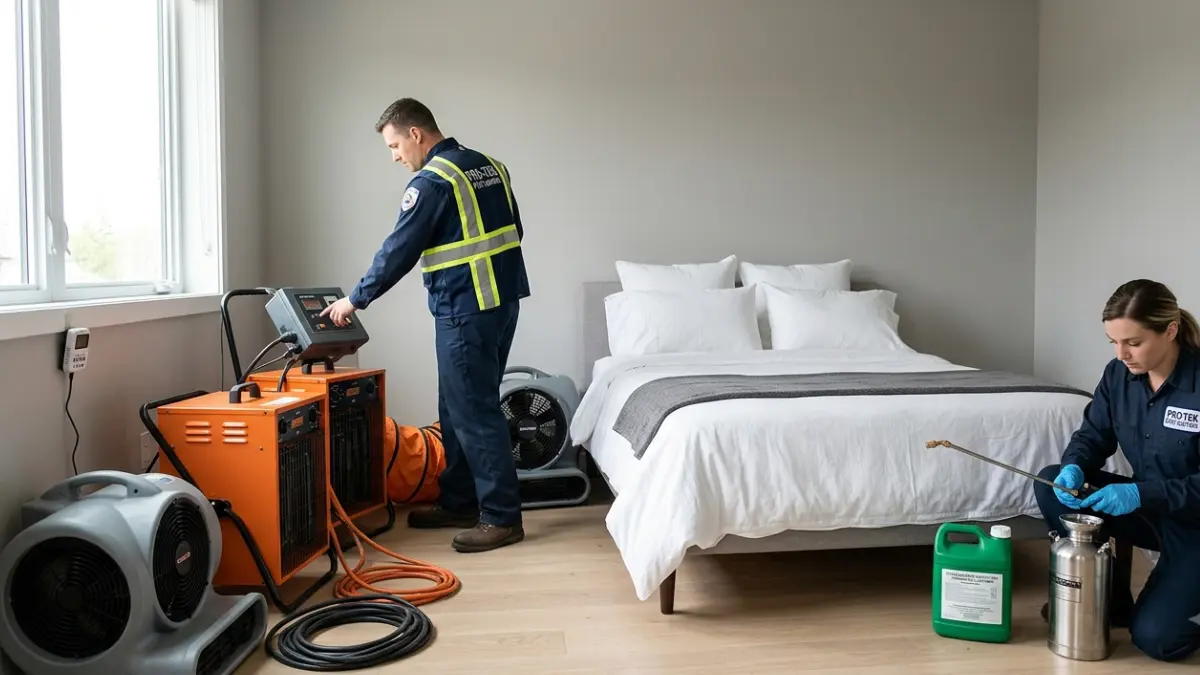 Bed Bugs Treatment