
Build the Right Bed Bug Treatment Kit for Your Home

A bed bug treatment kit is six tools working as a system—not a fogger or food-grade dust. Here’s what earns a spot, and what to skip.
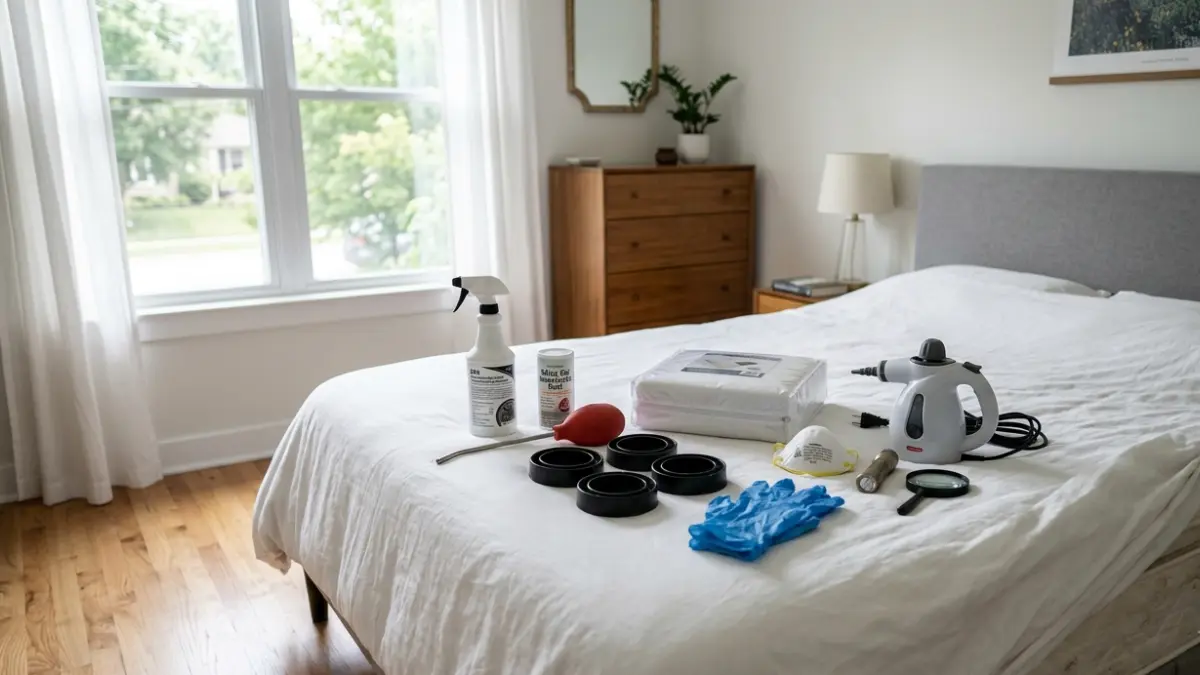
Table of Contents
What a bed bug kit really needs to include
Finding bed bugs sends most people straight to the store for a single can of spray — which is exactly why so many first attempts fail. A bed bug treatment kit is not one product. It is a small set of tools that detect, trap, and kill bed bugs at every stage, because no single item does all three jobs.
Where you start depends on your situation. If you have spotted only a bite or two and aren’t certain yet, begin with detection and our guide to what kills bed bugs; if the problem is confirmed and spreading, you need the full kit below; and if you share your home with children or pets, watch for the pet-and-child-safe picks flagged throughout. For the complete room-by-room process this kit fits inside, see our safe, step-by-step plan for getting rid of bed bugs.
Everything below is sourced to EPA guidance and university entomology research — and we tell you plainly what to buy and what to leave on the shelf.
ℹ️ Safety Note: Bed bug control involves pesticides that can be hazardous if misused. Always buy EPA-registered products labeled for bed bugs (look for the EPA Reg. No.), read and follow the full label, and keep children and pets away during application. This article is general information, not a substitute for the product label. For heavy or spreading infestations, hire a licensed pest-control professional.
The core components of a bed bug kit (and what each does)
A working kit mirrors what a professional does: it layers methods so that whatever one tool misses, another catches.
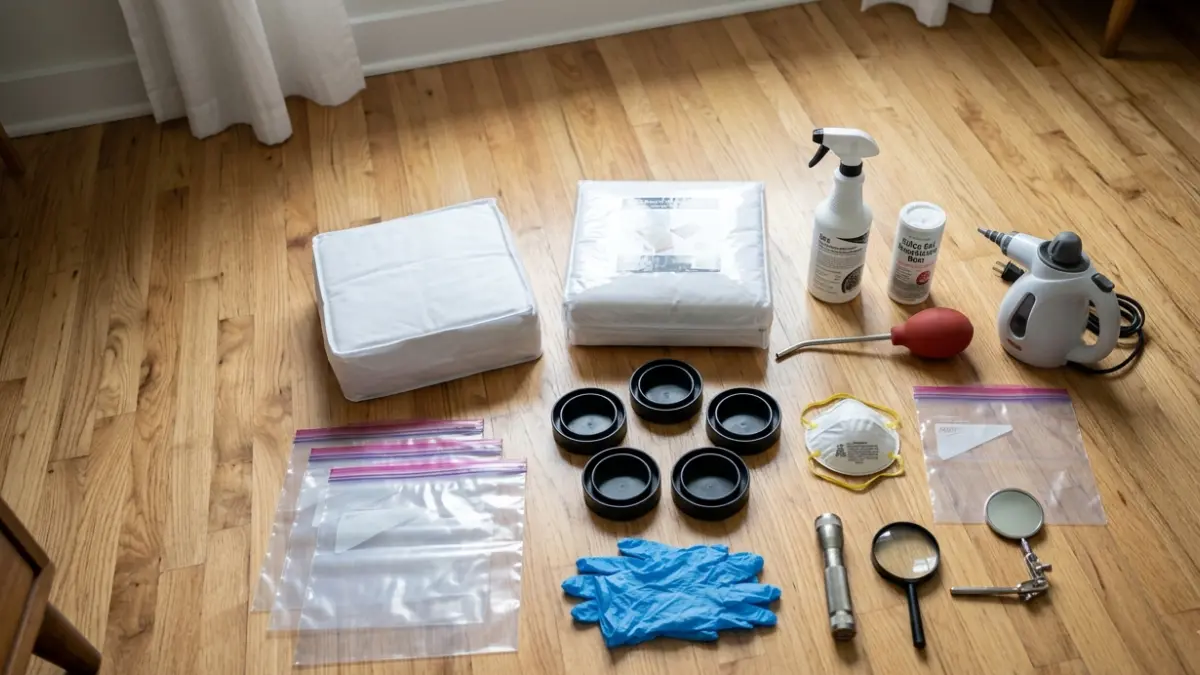
A complete bed bug treatment kit has six core parts:
- Mattress and box-spring encasements — seal bugs in or out and make inspection simple
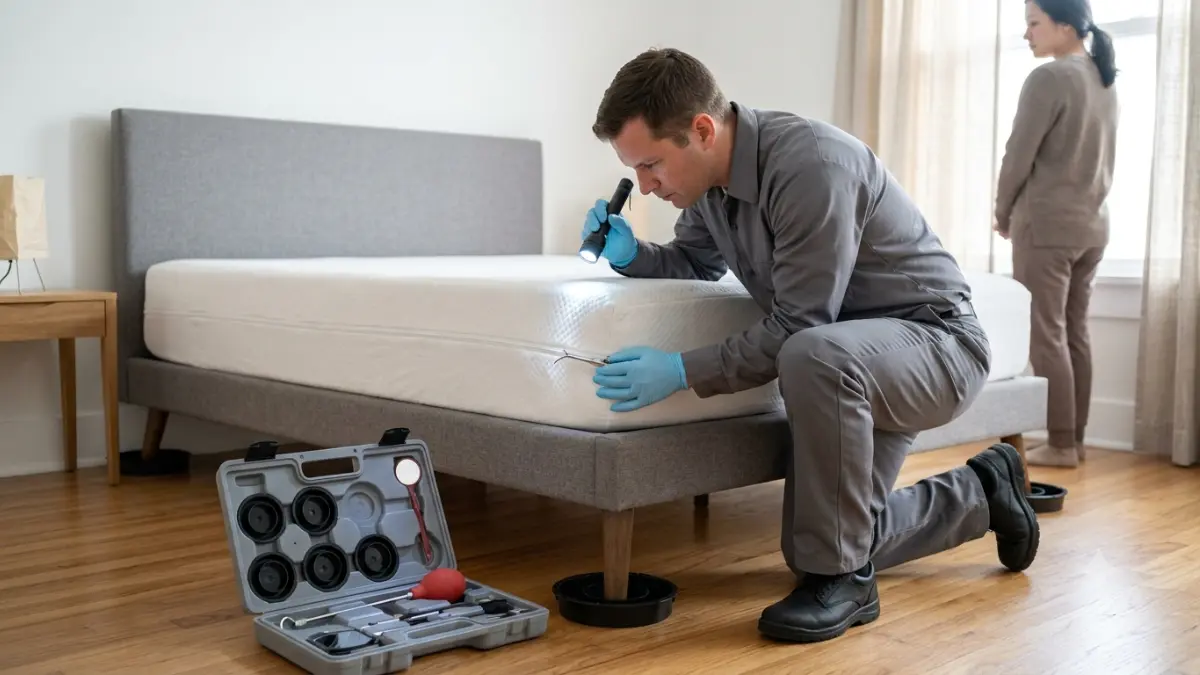
- Interceptors — passive traps under furniture legs that catch and monitor bugs
- Desiccant dust — an EPA-registered powder that dries bugs out in cracks and voids
- A contact and residual spray — kills bugs you reach and leaves a barrier behind
- Heat (a steamer or hot dryer) — reaches all life stages, including eggs
- A bulb duster — the applicator that places dust exactly where bugs hide
This layered approach is what the EPA’s do-it-yourself bed bug control steps call integrated pest management, and it is why a lone spray so often disappoints.
Detection and containment: encasements and interceptors
Encasements zip your mattress and box spring shut so trapped bugs can’t reach you, while interceptors sit under the legs and catch bugs traveling to or from the bed.
The killing tools: dust, spray, and heat
Desiccant dust and heat reach the cracks and life stages a spray misses, while a residual spray handles the surfaces you can reach.
The applicator and the follow-up
A bulb duster lays dust in a thin, controlled line, and re-inspection over the following weeks confirms nothing survived.
🔍 Why It Works: Bed bugs hide deep in seams, screw holes, and baseboards, and many populations now resist common spray chemicals. Detection tools find them, dust and heat reach where sprays can’t, and a residual barrier catches stragglers.
📊 Tested / Spec: The EPA has registered more than 300 products for bed bug control across seven chemical classes — most cleared for consumer use.
For the full self-treatment walkthrough, our guide on how to get rid of bed bugs yourself covers the order of operations.
What to buy for each part of the kit — and what it costs
A DIY bed bug kit typically runs $100 to $300, depending on how many components you buy and the size of your home. Here is the full kit, itemized:
| Component | Typical Cost | EPA Registration | Key Detail |
|---|---|---|---|
| Mattress + box-spring encasements | $25–60 / set | Not required (physical barrier) | Buy bed-bug-rated and tear-resistant; leave on ~1 year |
| Interceptors (4–8 pack) | $15–30 | Not required (pesticide-free device) | Research-validated for early detection |
| Desiccant dust (silica gel) | $10–20 | Required — check the EPA Reg. No. | Resistance-proof; needs a duster to apply |
| Bulb duster | $8–15 | Not required (applicator) | Places dust precisely in cracks and voids |
| Contact + residual spray | $10–25 | Required or 25(b)-exempt | Confirm the label lists bed bugs |
| Steamer | $40–150 | Not required (device) | Chemical-free; kills all stages on contact |
Typical U.S. retail ranges as of 2026; confirm current pricing and stock before buying. The “EPA Registration” column reflects the product category, not a specific brand.
Budget kit vs. complete kit
A budget kit — encasements, interceptors, dust, and a duster — is the resistance-proof, pet-and-child-safe core, and for a light, early infestation it is often enough. A complete kit adds a residual spray and a steamer for faster knockdown and egg-stage coverage.
How to verify a product before you buy
Any dust or spray you buy should be registered for this use, and a handful of plant-based products are exempt under the EPA’s 25(b) minimum-risk rule.
✅ Do This: Before you buy any dust or spray, find the EPA Reg. No. printed near the first-aid text on the label and confirm bed bugs are listed. If a product is a 25(b) minimum-risk product, it won’t carry a Reg. No. but should still name its active ingredients. Skip anything sold loose or from an unverified seller.
Dusts and sprays: how they work and how to use them safely
Does diatomaceous earth kill bed bugs? Yes — but only the right kind, applied the right way, and never as your whole plan.
Desiccant dusts: slow but resistance-proof
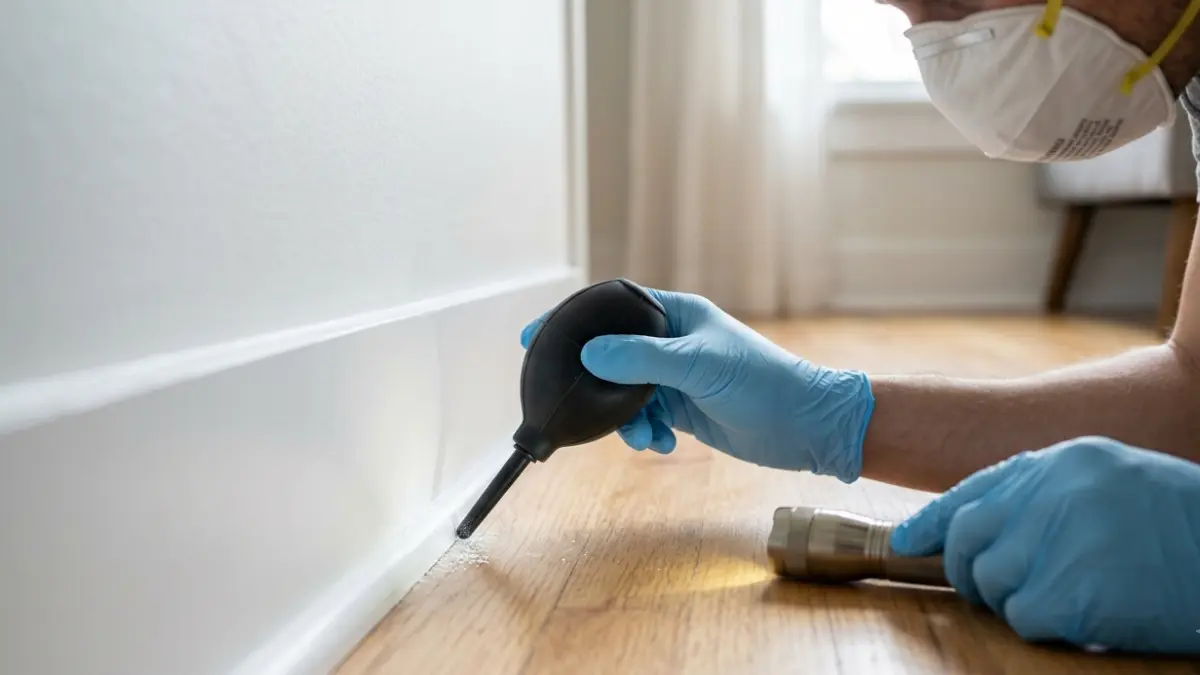
Desiccant dusts — diatomaceous earth and silica gel — kill by drying bugs out physically rather than chemically. Because the EPA’s overview of bed bug pesticide classes notes this is a physical process, bed bugs can’t develop resistance to it, and the dust keeps working for a long time when undisturbed. The trade-off is speed: dusts can take days to weeks.
🔍 Why It Works: A desiccant strips the waxy outer coating that seals moisture into a bed bug’s body. Once that layer is gone, the bug dehydrates and dies — and there is no biological workaround the way there is with spray chemicals.
The food-grade vs. EPA-registered warning
This is where most DIYers go wrong. The EPA is explicit that you should use only a registered desiccant labeled for bed bugs — not food-grade or pool-grade diatomaceous earth, which raises inhalation risk, and DE should be limited to cracks and crevices.
⚠️ Watch Out: Never broadcast food-grade or pool-grade DE across open floors or bedding. A registered silica-gel dust follows its own approved label (which may allow more than cracks and crevices), but wear a mask and gloves with any dust — silica particles irritate the lungs and eyes.

- Kills bed bugs and eggs with 13 oz of long-lasting Crosfire liquid concentrate insecticide.
- Includes CimeXa dust to reach bed bugs hiding in cracks and crevices.
- Crosfire liquid approved for direct mattress application for targeted bed bug elimination.
🛒 Our Pick — CimeXa Insecticide Dust: (We may earn a commission from this link, at no extra cost to you.) An EPA-registered, 100% amorphous silica-gel dust that kills bed bug adults and nymphs, including pyrethroid-resistant ones. It does not destroy eggs directly, so pair it with heat. For step-by-step application, see our guide to diatomaceous earth and dust for bed bugs.
Contact vs. residual sprays and the resistance problem
Most sprays use pyrethrins or pyrethroids, and the EPA notes many bed bug populations now resist them — which is why one spray so often fails and why combination or different-class products exist. Read the label, apply only where it lists, and never spray a surface the label excludes. For a chemical-free alternative, a bed bug steamer kills on contact, and our best bed bug spray guide covers specific residual picks.
✅ Do This: If your infestation covers more than one room, or anyone in the home has asthma or COPD, don’t dust heavily near living space yourself — have a licensed pest-control professional apply and verify the product and placement.
Encasements and interceptors: the non-chemical backbone
Do bed bug interceptors work? Yes — for detection and monitoring, they are among the most reliable tools in the kit, and they are completely pesticide-free.
Mattress and box-spring encasements: trap and detect
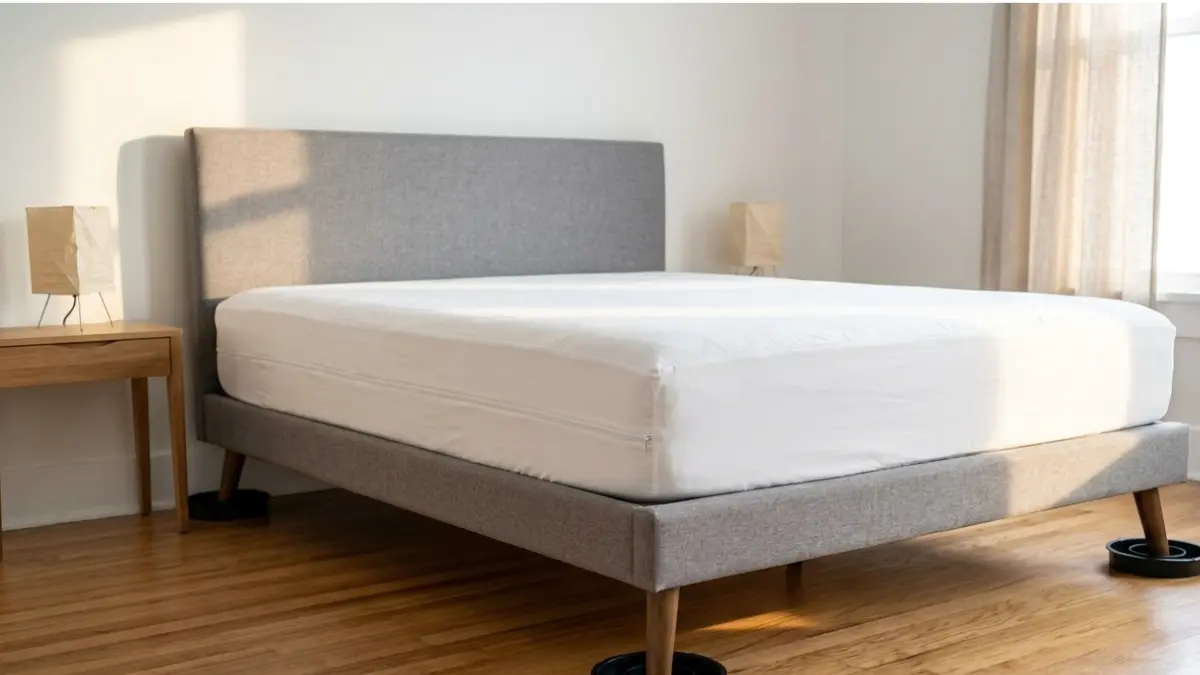
An encasement seals bugs inside your mattress or box spring so they can’t feed or escape, and its smooth surface makes any bug easy to spot. The EPA advises buying a product tested for bed bugs and strong enough to last a full year without tearing, then leaving it on. Our mattress encasement guide compares specific bed-bug-rated options.
Interceptors: the monitor the pros use
Placed under furniture legs, an interceptor catches bugs traveling to or from the bed in a slick-walled pitfall cup.
📊 Tested / Spec: Rutgers NJAES research on interceptor monitors found pitfall-style interceptors are more effective than visual inspection at detecting low-level infestations, and that they need to stay in place at least a week to catch bugs at very low numbers.
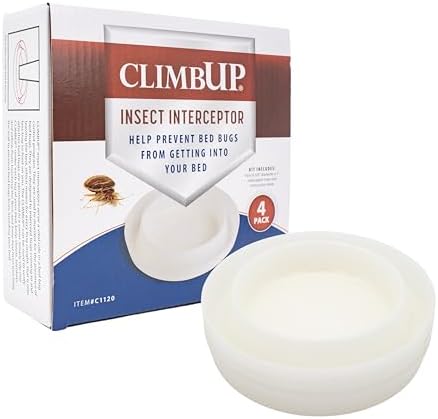
- BEDBUG MONITORING SYSTEM: Original system designed to monitor bedbug activity
- CLIMB BUT CAN’T ESCAPE: Bedbugs climb into the trap but are unable to climb out
- EASY VISIBILITY: Detects even low-level infestations with clear, visible results
🛒 Our Pick — Climbup Insect Interceptor: (We may earn a commission from this link, at no extra cost to you.) The passive, pesticide-free interceptor used in that university research, safe around children and pets. See which designs catch the most in our bed bug interceptor comparison.
How to set them up so they actually work
Pull the bed away from the wall, keep bedding off the floor, and unplug any cords bridging the bed and wall — otherwise bugs simply bypass the traps.
What to skip: foggers, food-grade dusts, and dangerous shortcuts
No — foggers and bug bombs are not an effective standalone treatment for bed bugs, and some popular shortcuts are genuinely dangerous.
Why foggers and bug bombs miss bed bugs
A fogger’s pesticide has to contact the bug to kill it, and the EPA’s guidance on foggers for bed bugs explains the mist doesn’t reach the cracks and crevices where bed bugs hide. Worse, the repellent action can drive bugs deeper into walls, and the flammable propellant has caused fires when too many cans are used at once. Our deep dive on why bug bombs fall short against bed bugs covers the evidence.
The unsafe shortcuts to avoid
⚠️ Watch Out: The EPA’s list of unsafe and illegal bed bug methods warns against several tempting shortcuts: rubbing alcohol (flammable, and it has started house fires), pesticides labeled for outdoor use applied indoors, unregistered gases like CO₂ or propane inside sealed bags, and applying any pesticide to your skin — none are registered for that, and you could poison yourself.
Broadcasting food-grade or pool-grade diatomaceous earth belongs on this list too, for the inhalation reasons covered above.
The label and legal rules that keep you safe
Buy only EPA-registered products labeled for bed bugs, from reliable sellers, and follow the label exactly.
✅ Do This: If you find yourself reaching for a fogger or planning to chemically saturate a whole home, treat that impulse as your signal to stop and call a licensed pest-control professional instead — that level of infestation is past what a DIY kit safely solves.
When a DIY kit is enough — and when to call a professional
Call a professional instead of relying on a kit when any of these are true:
- Live bugs return within two weeks of treatment
- The infestation has spread to more than one room
- You live in an apartment or shared building
- Anyone in the home is immunocompromised or has a respiratory condition
- Clutter makes thorough treatment impossible on your own
How long a kit takes and why re-treatment matters
The EPA is clear that treatment takes weeks to months and success depends on the infestation’s size, clutter, and whether neighbors cooperate — so expect to repeat steps rather than finish in one pass.
What professional treatment roughly costs
Professional treatment varies widely by market and method. Industry estimates put whole-home heat treatment around $1–$3 per square foot, with small apartments often near $300–$800 and whole houses ranging from about $1,500 into the thousands. Treat these as ballpark figures and get local quotes.
✅ Do This: Whether you finish with a kit or a pro, keep monitoring for a full year before declaring victory. Our guide on how to know if bed bugs are gone walks through confirmation, and when to throw away a mattress covers the discard decision.
Bed bug treatment kit: frequently asked questions
1. Do over-the-counter bed bug kits actually work?
For a light, early infestation caught in one room, a complete bed bug treatment kit can work when used as an integrated system. For heavy or spreading infestations, a DIY kit alone usually isn’t enough, and the EPA recommends bringing in a professional. Either way, plan for weeks of effort and repeat treatments.
2. What’s the best bed bug treatment kit?
The best kit is the complete multi-component set — encasements, interceptors, an EPA-registered dust, a residual spray, and heat — not any single product. Because bed bugs hide and resist chemicals, layering these tools is what covers every hiding place and life stage that one item would miss.
3. How much does a bed bug treatment kit cost?
A DIY bed bug treatment kit typically runs $100 to $300, depending on components and home size. A budget core of encasements, interceptors, dust, and a duster costs less; adding a residual spray and steamer raises the total. Professional treatment usually costs far more, from hundreds to several thousand dollars.
4. Does diatomaceous earth kill bed bugs?
Yes, but only EPA-registered diatomaceous earth labeled for bed bugs — not food-grade or pool-grade, which raises inhalation risk. It works by drying bugs out, so they can’t build resistance, but it acts slowly and must reach cracks and crevices. Wear a mask and gloves, and keep it out of open living areas.
5. Are bed bug foggers worth buying?
No. The EPA notes foggers can’t reach the cracks where bed bugs hide, may drive them deeper, and pose a fire risk from flammable propellant. Skip them for bed bugs and put that money toward dust, interceptors, and encasements instead. If you’re tempted to fog a whole home, call a professional.
6. Do mattress encasements get rid of bed bugs?
Encasements trap bugs inside your mattress and box spring and make inspection easy, but they aren’t a cure on their own. The EPA advises choosing a bed-bug-rated, tear-resistant product and leaving it on for about a year. Combine encasements with interceptors, dust, and heat for full control of an infestation.
7. Do bed bug interceptors work?
Yes — for early detection and monitoring, Rutgers research found interceptors more effective than visual inspection at catching low-level infestations. Place them under furniture legs, keep bedding off the floor, pull the bed from the wall, and leave them at least a week. They monitor and reduce bugs but won’t clear an infestation alone.
8. What kills bed bugs and their eggs?
No single product does it all. Heat — a steamer or a hot dryer cycle — reaches all life stages, including eggs, while an EPA-registered dust and residual spray handle bugs in cracks and on surfaces. Because dusts don’t destroy eggs directly, pairing them with heat is what breaks the reproduction cycle.
9. Is a DIY bed bug kit safe with kids and pets?
It can be, if you use EPA-registered products strictly per label and keep children and pets away during application. Non-chemical tools like encasements and interceptors are the safest components. For any dust or spray, follow the label, ventilate, and if anyone has asthma or COPD, have a professional apply it.
10. How long until a kit gets rid of bed bugs?
Expect weeks to months, not days. The EPA notes that timeline depends on the infestation’s size, clutter, and neighbor cooperation, and you’ll likely repeat treatments. Keep interceptors in place and re-inspect regularly, and continue monitoring for a full year before you’re confident the bed bugs are gone.
Your next step
Building the right bed bug treatment kit comes down to a simple idea: buy tools that detect, trap, and kill together, verify each product is EPA-registered before you spend, and skip the foggers and shortcuts that waste money or create real hazards. Start with the pet-and-child-safe core — encasements, interceptors, and a registered dust — then add a residual spray and heat if the problem is more than light.
For the complete process this kit plugs into, follow our safe, step-by-step plan for getting rid of bed bugs, and escalate to a licensed professional the moment the infestation outgrows what you can safely handle at home.
Related Articles
 Bed Bugs Treatment
How to Get Bed Bugs Out of a Mattress and Keep It
July 2, 2026 Bed Bugs Treatment
Are Bed Bugs Dangerous? The Health Risks People Overlook
June 26, 2026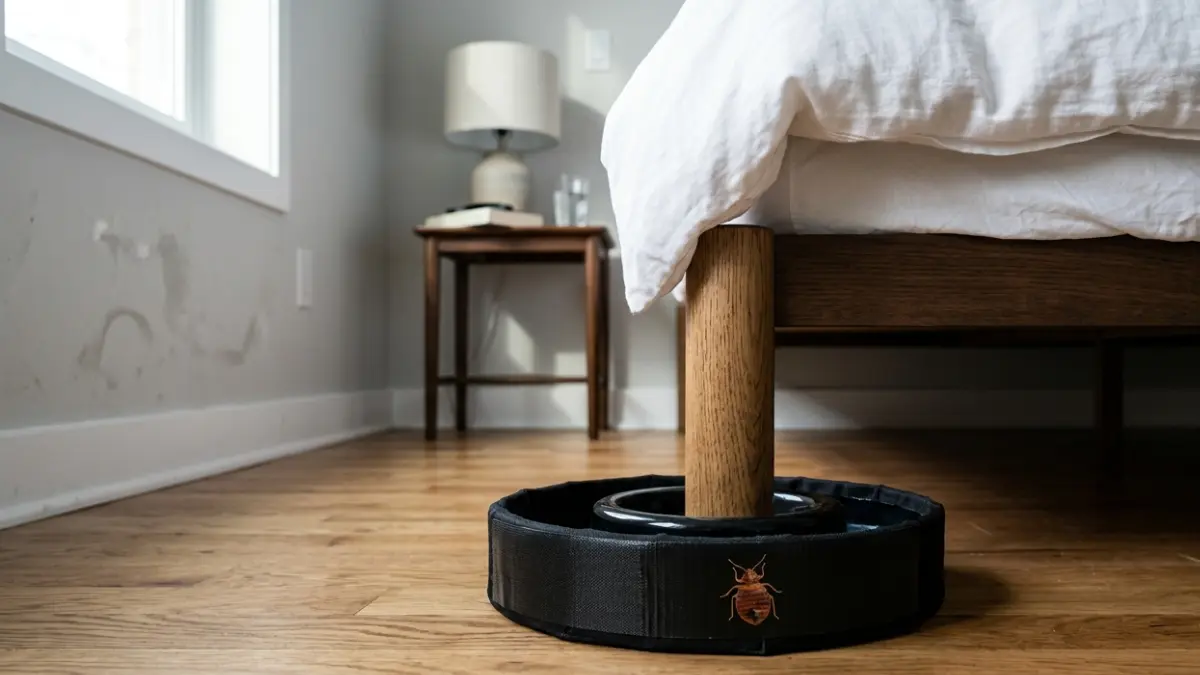 Bed Bugs Treatment
The Best Bed Bug Traps and Monitors, and How to Use Them
July 5, 2026 Bed Bugs Treatment
Bed Bugs in Your Apartment and Whether Your Landlord Is Right
July 13, 2026 Bed Bugs Treatment
Getting Rid of Bed Bugs at Home Without the Risk
June 20, 2026 Bed Bugs Treatment
How Do You Get Bed Bugs When Your Home Is Spotless?
June 26, 2026 Bed Bugs Treatment
What Do Bed Bugs Look Like at Every Stage?
June 20, 2026 Bed Bugs Treatment
How to Spot Bed Bug Eggs and Stop Them Hatching
June 24, 2026 Bed Bugs Treatment