
Are Bed Bugs Dangerous? The Health Risks People Overlook

Are bed bugs dangerous? The answer is more nuanced than ‘they carry disease’ — here’s what they actually do and who’s most at risk.

Table of Contents
Bed bugs are not known to spread disease to people — but that does not make them harmless. They can cause itchy and sometimes severe allergic reactions, secondary skin infections from scratching, real strain on sleep and mental health, and, in rare cases involving vulnerable people, anemia. So the honest answer to whether bed bugs are dangerous sits between two extremes: they are not the disease carriers many people fear, and they are not just a harmless nuisance.
How worried you should be depends on your situation. If you are a healthy adult with a few itchy bites, this is mostly an irritation to manage while you treat the problem. If you have a baby, an elderly relative, asthma, or a heavy long-running infestation in the home, there are specific risks worth taking seriously — and we will get to exactly what they are.
This guide covers what bed bugs actually do to your body, who faces the real risks, and when a bite is a reason to call a doctor.
ℹ️ Safety Note: This article is general information, not medical advice. Bed bug reactions vary from person to person. If you have a severe or spreading reaction, signs of skin infection, trouble breathing, or unexplained symptoms such as persistent fatigue, see a healthcare provider.
Do bed bugs spread disease?
The most common worry about bed bugs is whether they transmit disease, and the reassuring answer from health authorities is no. According to the CDC’s overview of bed bugs and health, bed bugs are not known to spread diseases to people. They bite and feed on blood, but they do not pass infections between the people they bite the way some other insects do.
What the research actually found
Researchers have studied this closely. Disease-causing organisms have been found in and on bed bugs, and lab studies have tested whether bed bugs could pass them along — yet there is still no evidence of real-world disease transmission from bed bugs to humans. The fear persists partly because bed bugs look like they should be dangerous, and partly because similar-looking bites can come from insects that do carry disease.
🔍 Why It Works: Whether an insect spreads disease depends on its specific biology, not just on the fact that it bites. Body lice transmit certain illnesses; closely related head lice generally do not. Bed bugs fall on the “does not transmit” side.
How bed bugs differ from mosquitoes and ticks
This distinction matters. Mosquitoes and ticks are known disease vectors — they spread illnesses like malaria, dengue, and Lyme disease. Bed bugs are not in that category, which is one way to tell apart bed bug bites from flea bites. And because how you get bed bugs has nothing to do with cleanliness, even a spotless home can have them.
The real risk for most people: bites and allergic reactions
For the vast majority of people, the genuine risk from bed bugs is the bites and how the body reacts to them. Reactions range widely. The EPA’s assessment of bed bugs as a public health pest notes they can run from no reaction at all, to an itchy welt, to — rarely — a severe whole-body allergic reaction.
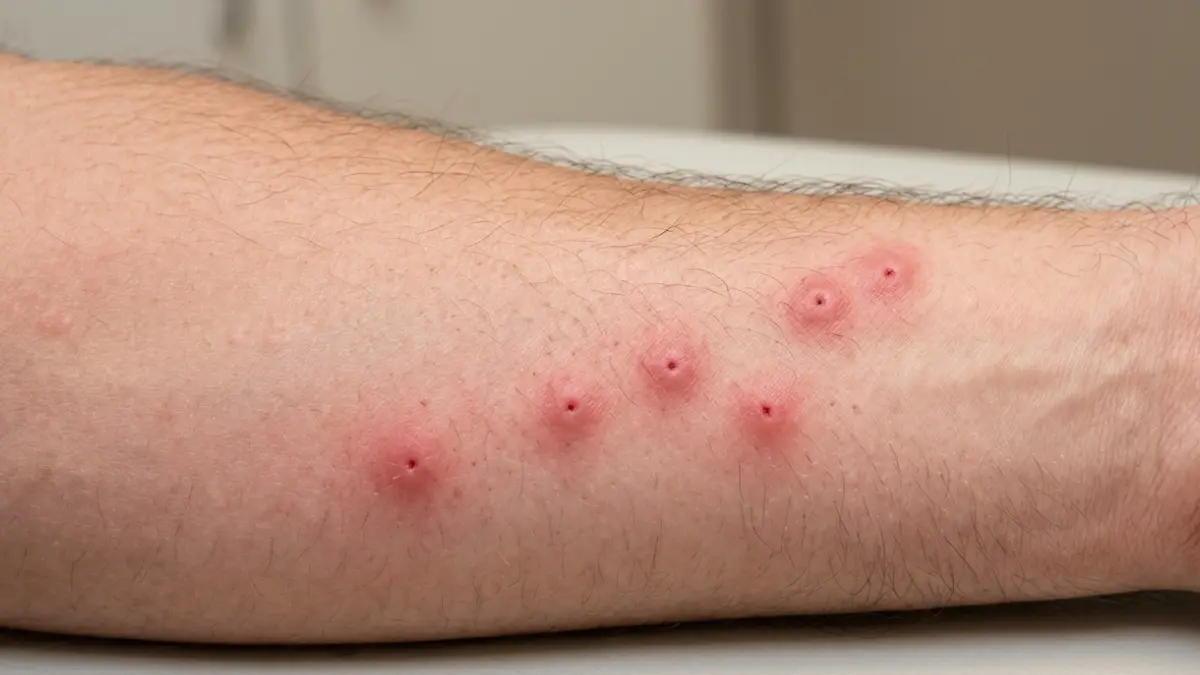
What a normal bite reaction looks like
Most bed bug bites appear as small, itchy, reddened bumps, often in a loose line or cluster, and many people don’t notice them until a day or more after being bitten. Some people barely react; others develop larger, more irritating welts. If you want to compare what you’re seeing, here’s a closer look at bed bug bites on skin. The itch is the main problem — and the main thing the itch leads to is scratching, which matters for the next section.
When an allergic reaction is serious
A small number of people have a strong allergic response. Signs of a severe, whole-body reaction — trouble breathing, swelling of the face, lips, or throat, dizziness, or a widespread rash — are a medical emergency and mean you should seek emergency care right away. For milder but bothersome reactions, the CDC advises speaking with your healthcare provider, who can recommend appropriate relief.
⚠️ Watch Out: Don’t assume a spreading reaction is “just bites.” A reaction that keeps worsening over hours, or that comes with breathing trouble, needs urgent medical attention — not a wait-and-see approach.
Can bed bug bites get infected?
The bites themselves are not infectious, but scratching them is where a real complication can start. Broken skin from heavy scratching can let bacteria in, and that can lead to a secondary skin infection.
How a scratched bite becomes infected
Scratching an itchy bite open creates a small wound. The EPA notes that bed bug bites can lead to secondary infections such as impetigo, ecthyma, and lymphangitis — all bacterial infections that take hold in or around broken skin. This is far more likely when bites are scratched raw than when they’re left alone to heal.
Signs you should see a doctor
Watch the bite, not just the itch. Increasing redness, warmth, swelling, pus, a red streak spreading from the bite, or fever can all signal infection, and any of these means you should see a doctor, who may need to treat it with prescription medication. Catching it early keeps a minor irritation from becoming something that needs real treatment.
✅ Do This: Keep bites clean and resist scratching — trimming nails or covering bites loosely can help. If a bite looks angrier or more swollen a few days in rather than better, have a healthcare provider look at it.
The hidden toll: sleep, mental health, and breathing
Some of the most real — and most overlooked — effects of bed bugs aren’t on your skin at all. Lost sleep, genuine anxiety, and even breathing problems are documented consequences of living with an infestation.

The mental-health and sleep toll
Bed bugs feed at night, and knowing they’re there can make rest hard to come by. The CDC and EPA both list insomnia and anxiety among the recognized effects of infestations. Research compiled by Ohio State University goes further: studies have found infestations strongly associated with anxiety and sleep disturbance, along with a pattern of PTSD-like symptoms — nightmares, hypervigilance, and avoidance — in people dealing with them. In severe cases, the distress has been linked to depression. If an infestation is taking a serious toll on your mental health, that is a real effect worth raising with a doctor or counselor — support is available.
Bed bugs, histamine, and asthma
There’s a lesser-known physical effect, too. Bed bugs release histamine — the same compound involved in allergic reactions — and it builds up in household dust. Research from Ohio State University on bed bugs and indoor histamine found histamine levels in infested homes far higher than in homes without bed bugs, and noted these levels can persist for months even after the bugs are gone. Because histamine can aggravate the airways, it may worsen asthma or respiratory symptoms in sensitive people.
📊 Sourced: In one study, histamine in bed bug–infested homes measured roughly 20 times higher than in homes without bed bugs, and stayed elevated after the bugs were removed.
Who’s most at risk: children, older adults, and severe infestations
For healthy adults, bed bugs are mostly a manageable nuisance. The risks rise — and can become genuinely serious — for people who are more vulnerable or who live with a heavy, long-running infestation.

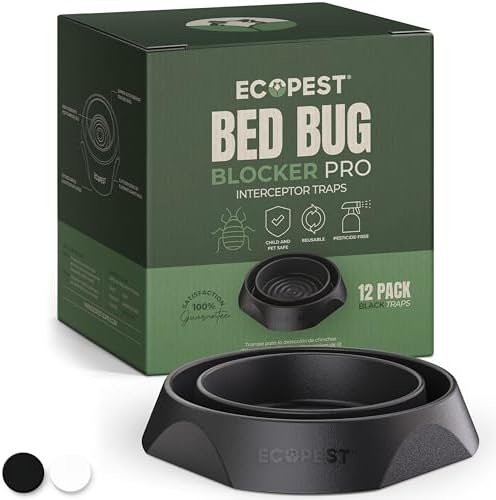
- SLEEP EASY WITH 24/7 BED BUG PROTECTION – Set it, forget it. Place one Bed Bug Blocker interceptor trap under each bed p…
- LAB-TESTED AND PROVEN TO TRAP BED BUGS – Tested by entomologists, trusted by the pros. Bed Bug Blocker interceptor traps…
- BED BUGS CLIMB IN BUT CANNOT CLIMB OUT – Simply place the traps under bed posts and furniture legs. Bed bugs cannot jump…
Higher-risk groups
Some people face more than an itchy night. Infants and young children, older adults, and people with weakened immune systems can react more strongly or be less able to deal with an infestation on their own. People who are bedridden or have limited mobility are especially exposed, because they can’t easily get away from a heavily infested sleeping area. Anyone with pre-existing asthma may also be more affected by the histamine issue above. Catching an infestation early keeps these risks low, so it helps to know the signs of bed bugs and how fast bed bugs spread.
When an infestation becomes a health concern (anemia)
In rare cases, a severe, prolonged infestation can cause anemia — a drop in healthy red blood cells from ongoing blood loss. Documented cases compiled by Ohio State University describe this almost entirely in elderly or vulnerable people with very heavy, long-standing infestations, sometimes with dangerously low iron levels and, notably, sometimes without obvious bite marks. It takes a major infestation over time to reach this point, which is exactly why a heavy infestation in a vulnerable person’s home should never be left to run.
⚠️ Watch Out: In an elderly or bedridden person living with a heavy infestation, unexplained fatigue, paleness, or breathlessness can be signs of anemia. Don’t dismiss them — have a doctor check, and mention the infestation.
What to do if you’re worried about bed bugs
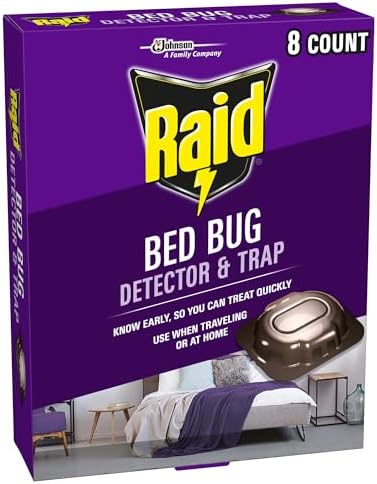
- Partially enclosed trap, designed with a see-through window
- Use when traveling or at home
- Indoor use

- 80% Cotton, 20% Polyester
- Imported
- WATERPROOF PROTECTION: Safeguard your mattress with our queen size mattress protector, perfect for keeping your bed dry …
If you’ve got bites and a knot in your stomach, the practical path is simple: manage the symptoms, then deal with the source.


- HIGH FREQUENCY DOUBLE TAP: Our bed vacuum features a powerful double tapping mechanism that delivers twice the force to …
- UV CLEANING: Utilizing powerful UV lights with deep penetration, the Bed Vacuum effectively destroys harmful substance, …
- 12000PA STRONG SUCTION: The mattress vacuum’s robust suction power reaches deep into fibers, effectively removing dust, …
Caring for bites and easing the worry
For most bites, the goal is to calm the itch and avoid scratching while they heal. Cool compresses and over-the-counter itch relief can help — follow the product label, or ask a pharmacist or doctor, especially for children. Just as important is your peace of mind: bed bugs are stressful, but they’re a solvable problem, not a reflection of anything you did wrong.
When to see a doctor — and how to end the infestation
See a healthcare provider if you have a severe or spreading reaction, signs of skin infection, breathing trouble, or unexplained fatigue in a vulnerable household member. Beyond symptoms, the real fix is ending the infestation — because the biggest danger bed bugs pose is usually a heavy one left to grow. Start by learning where bed bugs hide, then follow a safe, step-by-step plan to get rid of bed bugs.
✅ Do This: Treat the bites for comfort, but put your real energy into eliminating the infestation — that’s what actually removes the risk.
Bed bug danger FAQs
1. Are bed bugs dangerous to humans?
Bed bugs are not known to spread disease to people, so for most healthy adults they’re more of an itchy nuisance than a true danger. The real risks are allergic reactions, secondary skin infections from scratching, lost sleep, and anxiety. In rare cases involving heavy infestations and vulnerable people, they can contribute to anemia. Severe reactions warrant medical care.
2. Do bed bugs carry diseases?
No — health authorities including the CDC report that bed bugs are not known to transmit disease to people. Researchers have found pathogens in bed bugs and tested whether they could pass them on, but there’s no evidence of real-world disease transmission. This sets them apart from mosquitoes and ticks, which are known to spread illnesses through their bites.
3. Can bed bug bites make you sick?
Bed bug bites won’t give you an infectious disease, but they can affect you in other ways. Intense itching can disrupt sleep, the stress of an infestation can trigger anxiety, and scratched-open bites can develop bacterial skin infections. Rarely, severe infestations contribute to anemia. If bites worsen or you feel unwell, see a healthcare provider.
4. Can you get an infection from bed bug bites?
Yes, indirectly. The bite itself isn’t infectious, but scratching it open can let bacteria in and cause a secondary skin infection such as impetigo, ecthyma, or lymphangitis. Watch for spreading redness, warmth, pus, red streaking, or fever — these signal infection and mean you should see a doctor, who may prescribe treatment.
5. Can bed bugs cause anemia?
Rarely, and almost always in severe, long-running infestations affecting elderly or otherwise vulnerable people. Ongoing blood loss from heavy biting can lower healthy red blood cells, sometimes to dangerous levels and occasionally without obvious bites. It takes a major, prolonged infestation to reach this point. Unexplained fatigue or paleness in a vulnerable person warrants a doctor’s evaluation.
6. Can bed bugs trigger asthma or breathing problems?
They can for some people. Bed bugs release histamine that accumulates in household dust, and research has found much higher histamine levels in infested homes — levels that can linger for months after the bugs are gone. Because histamine can irritate the airways, it may worsen asthma or respiratory symptoms in sensitive individuals. Eliminating the infestation and cleaning thoroughly helps.
7. Are bed bugs dangerous to babies and young children?
Bed bugs don’t spread disease to children any more than to adults, but young children may react more strongly to bites and are more likely to scratch them, raising the risk of skin infection. Keep bites clean, discourage scratching, and ask a pediatrician before using any treatment. Watch for signs of infection and treat the infestation promptly.
8. Can bed bugs affect your mental health?
Yes. Living with bed bugs is genuinely stressful, and the CDC and EPA recognize anxiety and insomnia as common effects. Studies have also found PTSD-like symptoms — nightmares, hypervigilance, and avoidance — in people coping with infestations, and severe cases have been linked to depression. If it’s affecting your wellbeing, support from a doctor or counselor can help.
9. When should you see a doctor about bed bug bites?
See a healthcare provider if you have a severe or spreading allergic reaction, signs of skin infection (spreading redness, warmth, pus, red streaks, or fever), trouble breathing, or unexplained fatigue in a vulnerable household member. Most bites don’t need medical care and heal on their own, but these specific warning signs do warrant prompt attention.
10. Are bed bugs more dangerous than fleas or mosquitoes?
In terms of disease, no — bed bugs are not known to transmit illness, while mosquitoes and fleas can spread disease through their bites. What bed bugs do bring is intense itching, possible skin infection, lost sleep, anxiety, and rarely anemia. So they’re less of a disease threat than mosquitoes, but still a real problem worth eliminating quickly.
The bottom line on bed bug danger
So, are bed bugs dangerous? They’re not the disease carriers many people fear — health authorities are clear that bed bugs don’t spread illness to people. But they’re not harmless either: itchy and sometimes severe allergic reactions, secondary skin infections, a real toll on sleep and mental health, and — rarely, in vulnerable people — anemia or worsened breathing are all genuine risks.
For a healthy adult, this is usually a manageable irritation. For a baby, an older relative, or anyone with asthma or a heavy infestation, the risks deserve more attention. Either way, the smartest move is the same: don’t let an infestation grow. See a provider for the warning signs above, and tackle the source with a safe, step-by-step plan to get rid of bed bugs.
Related Articles
 Bed Bugs Treatment
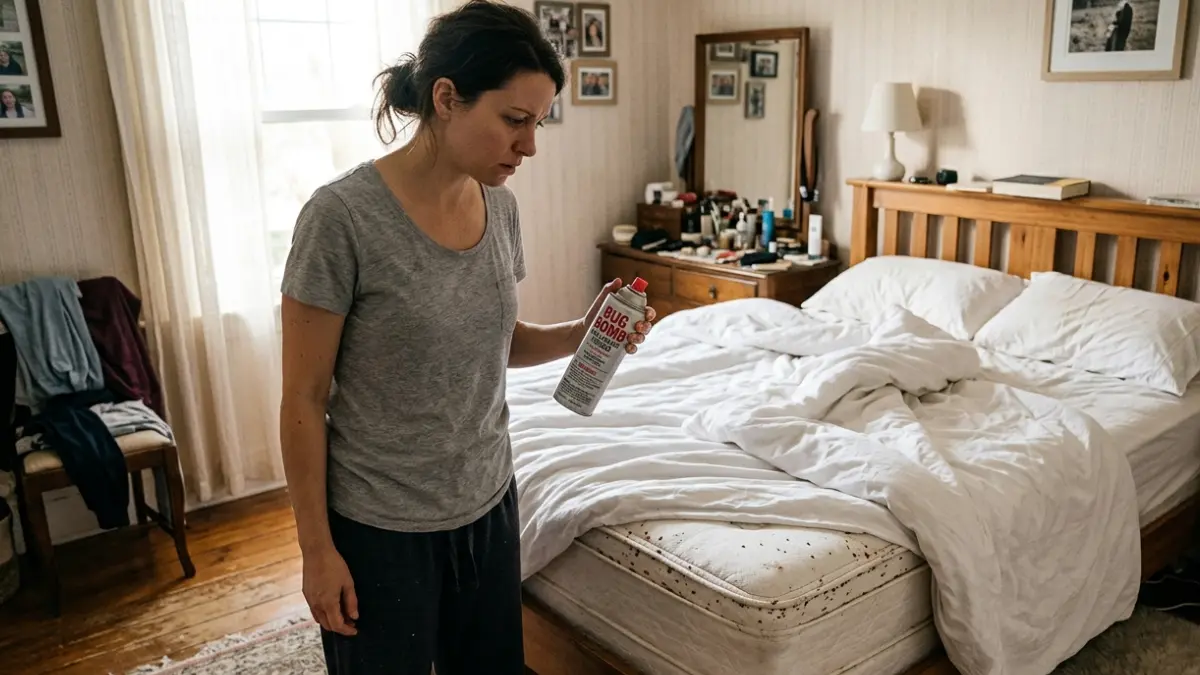
Why Bug Bombs Don’t Work on Bed Bugs (+ What Does)
July 2, 2026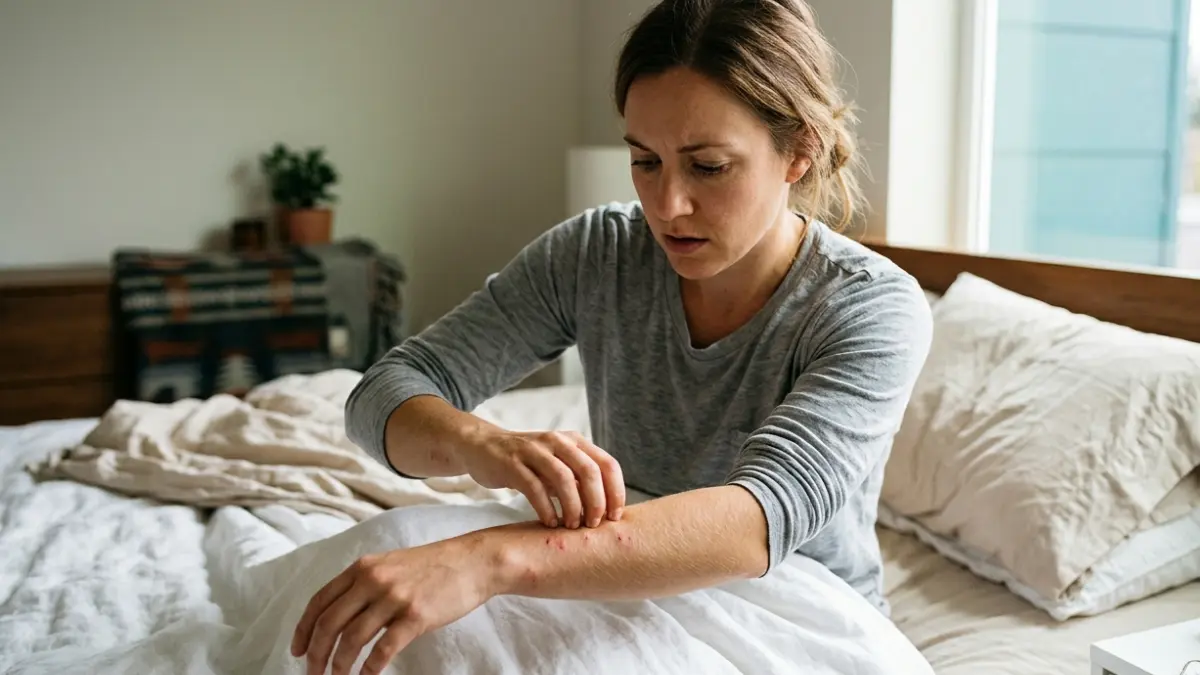 Bed Bugs Treatment
What Bed Bug Bites Look Like, and How to Be Sure
June 23, 2026 Bed Bugs Treatment
Build the Right Bed Bug Treatment Kit for Your Home
July 6, 2026 Bed Bugs Treatment
How to Spot Bed Bug Eggs and Stop Them Hatching
June 24, 2026 Bed Bugs Treatment
The True Cost of Bed Bug Treatment, by Method and Home Size
July 8, 2026 Bed Bugs Treatment
How Diatomaceous Earth Kills Bed Bugs and the Grade to Avoid
June 30, 2026 Bed Bugs Treatment
How to Know If Bed Bugs Are Gone and Stay Gone
June 29, 2026 Bed Bugs Treatment
How Bed Bug Heat Treatment Costs Compare to Chemical
July 8, 2026 Bed Bugs Treatment