
How to Spot Bed Bug Eggs and Stop Them Hatching

Bed bug eggs are the toughest stage to kill—1mm, cemented in place, and resistant to most sprays. Here’s how to spot them and what finishes them.
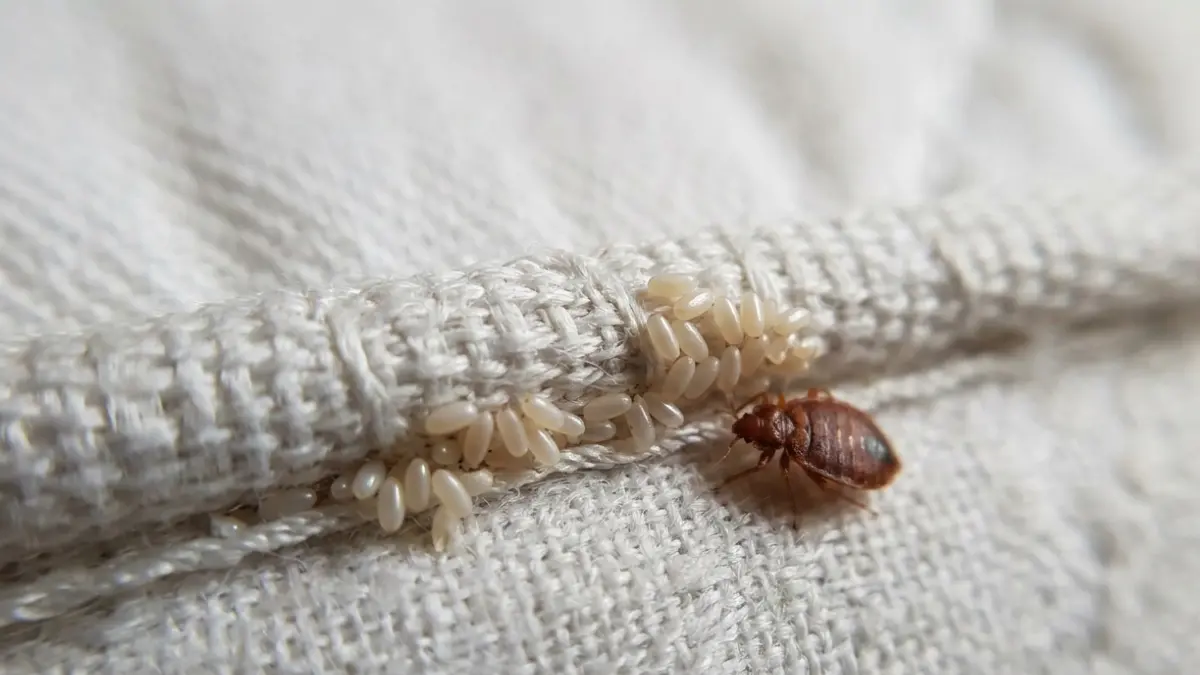
Table of Contents
Finding tiny, pale specks tucked into a mattress seam is unsettling — and if they turn out to be bed bug eggs, they’re the hardest stage of an infestation to kill. This guide is built for three readers. If you’ve spotted something and aren’t sure what it is, start with the identification section and rule eggs in or out. If you’ve already confirmed bed bugs and want them gone, skip ahead to the methods that actually destroy eggs. And if you sprayed once and the bugs came back, the section on why eggs survive treatment explains what went wrong.
Eggs are tougher than the bugs themselves: they resist most sprays, shrug off light heat, and are glued in place where vacuuming misses them. The good news is they’re beatable with the right method and one well-timed follow-up. Here’s how to find them, kill them, and stop them from hatching into your next infestation. For the full plan, see our safe 5-step plan to get rid of bed bugs.
ℹ️ Safety Note: Treating bed bugs can involve heat sources and pesticides, both of which carry risk if misused. The guidance here is for general understanding. Always read and follow the full label on any pesticide, use only products that list bed bugs on the label, and if the infestation is large, spreading, or in a shared building, hire a licensed pest control professional.
What bed bug eggs look like
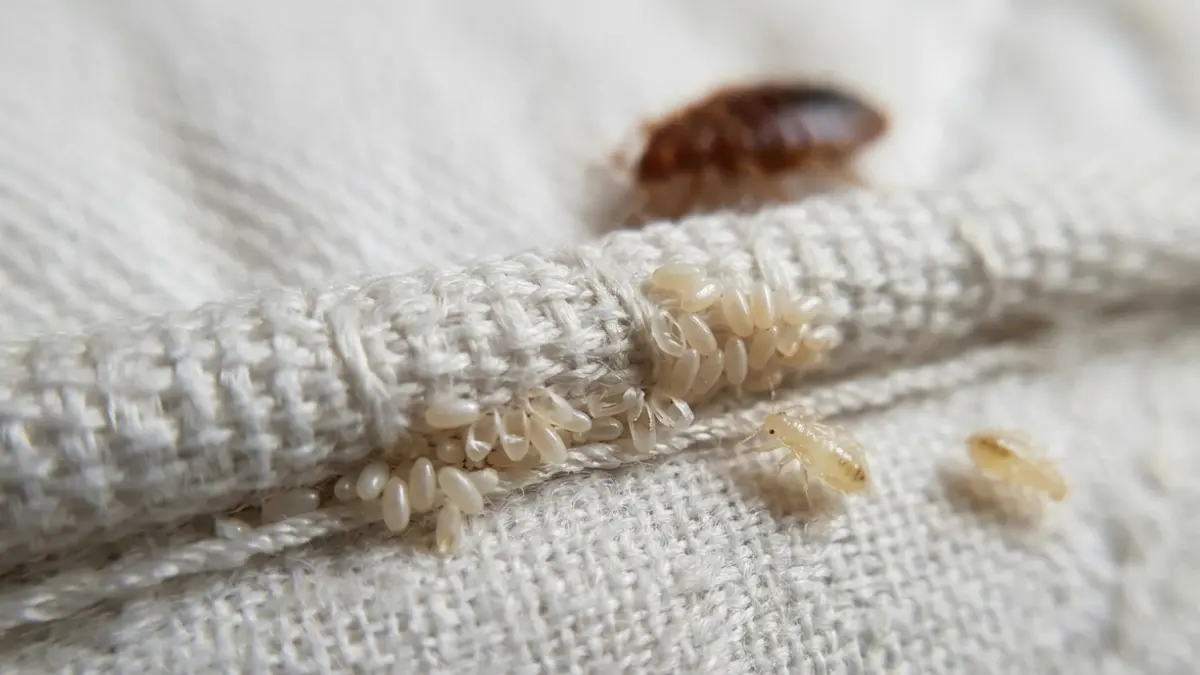
Bed bug eggs are pearly-white, oval, and about 1 millimeter long — roughly the size of a pinhead or a grain of salt. According to university extension entomologists, females cement each egg to a surface in cracks and crevices, which is why they don’t brush off like dust. Fresh eggs look slightly shiny and translucent; after a few days a tiny dark spot may appear inside as the nymph develops.
Size, shape, and color of a bed bug egg

- 4.3-Inch Shatterproof & Scratch-Resistant Magnifying Glass: Enjoy crystal-clear, distortion-free images with our 4.3-inc…
- 48 Ultra-Bright LEDs with 5 Lighting Modes: Featuring 48 ultra-bright LED lights and 5 adjustable lighting modes, this m…
- 10X, 20X & 45X Magnification for Precision Work: This multi-functional magnifier offers 10X primary magnification, plus …
At about 1 mm, eggs sit right at the edge of naked-eye visibility, so a flashlight and a magnifier help. They’re pearly white and elongated like a grain of rice, and they usually appear in clusters rather than singly — often 10 to 50 together in one protected seam or joint.
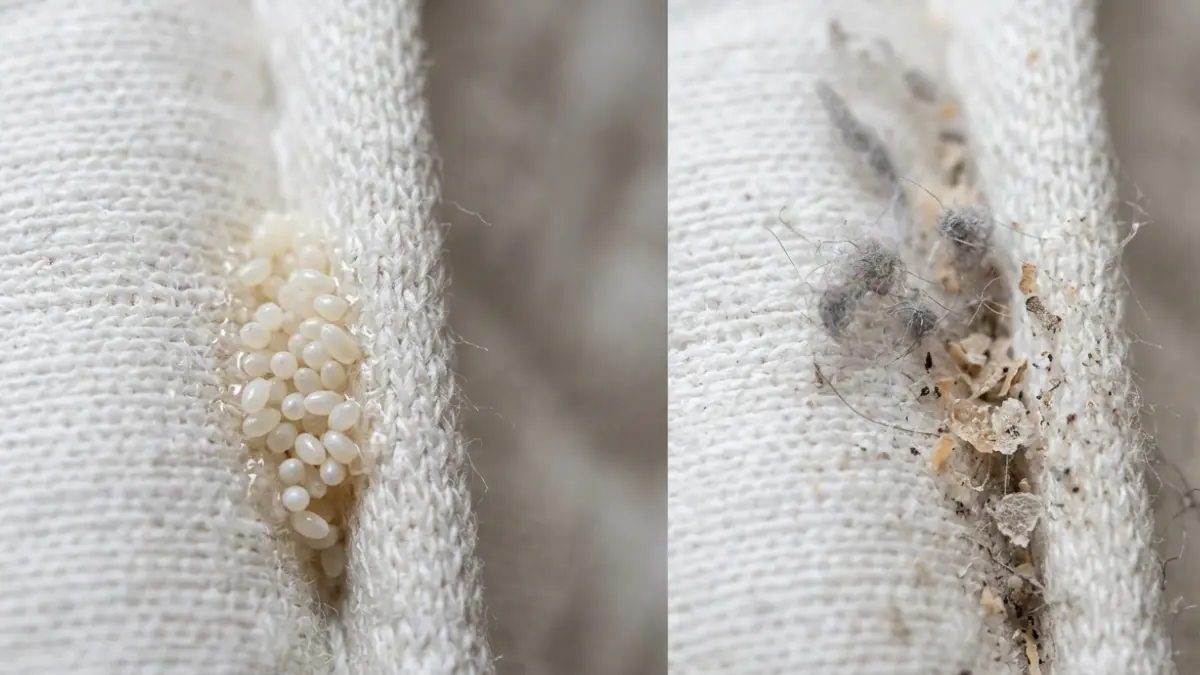
Bed bug eggs vs. lookalikes
The cemented-in-place detail is your best test. Lint, dust, and dander move when you blow on them or wipe the surface; eggs stay stuck because the female glues them down. If pale specks are firmly attached in a tight seam near where someone sleeps, treat them as suspect.
How to tell a live egg from a dead one
Live eggs are plump and pearly. Dead or already-hatched eggs look shriveled, collapsed, or yellowish-brown, and a hatched egg often leaves an empty translucent shell behind. If you’re not sure you’re dealing with bed bugs at all, compare against our guide to what bed bugs look like at every stage.
Where bed bugs lay their eggs
Bed bugs lay eggs in tight, protected spots close to where they feed — almost always within a few feet of the bed. Females favor cracks and crevices they can wedge into, which keeps eggs hidden and hard to reach.
The most common egg-laying spots include:
- Mattress and box-spring seams, tags, and piping
- The bed frame, headboard, and the joints where slats meet rails
- Cracks in walls, baseboards, and trim near the bed
- Inside nightstands, dresser joints, and the screw holes of furniture
Top egg-laying spots on and around the bed
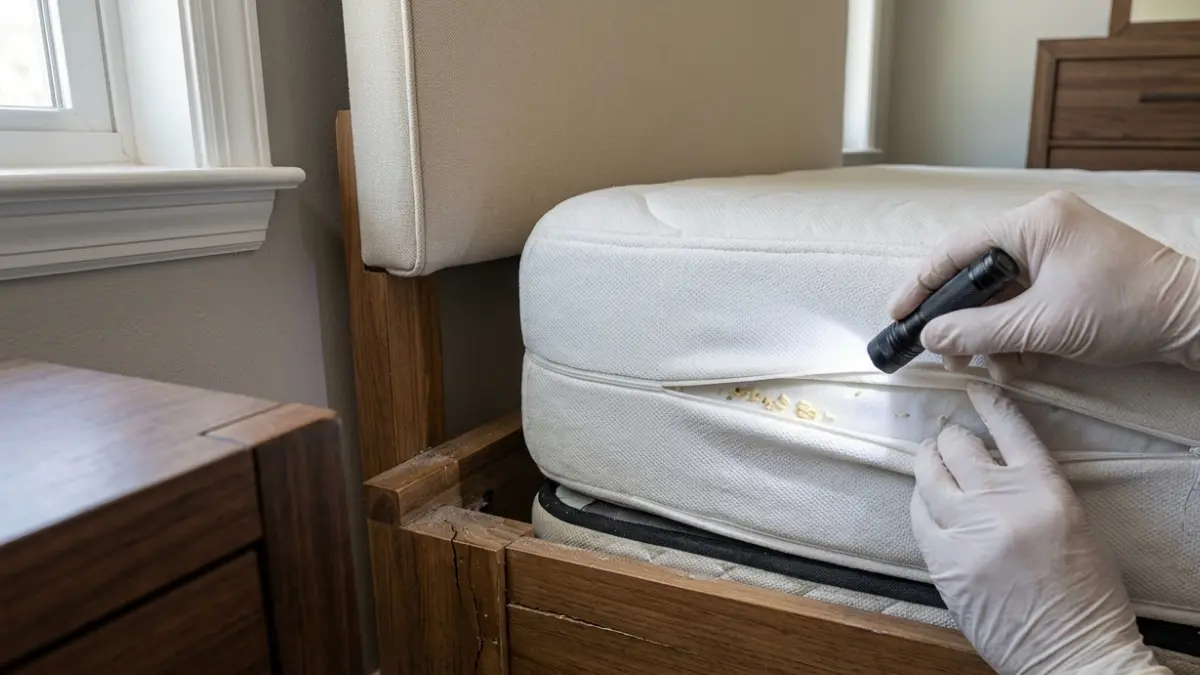
Start at the mattress and work outward. Peel back the fitted sheet and inspect every mattress seam and the underside of the piping, then check the box spring’s fabric edges and the frame’s inner corners. Eggs cluster where two surfaces meet and the bugs can stay undisturbed.

- [ ULTRA LONG RANGE – 3280 FT & ADJUSTABLE FOCUS ] The Esgreen ED2405B rechargeable flashlights high lumens is made of im…
- [ SINGLE 2 MODES HIGH/LOW – BRIGHTNESS ADJUSTABLE ] The Esgreen LED flashlight rechargeable USB C is single modes, only …
- [ MULTIFUNCTIONAL 2-IN-1 USB C CHARGING & DISCHARGING ] The super bright LED flashlight long range is built-in 2 USB int…
Easy-to-miss hiding places beyond the bedroom
Bed bugs travel, so eggs turn up in upholstered chairs, behind loose wallpaper, in luggage seams, and even inside outlet plates in a heavily infested room. If you’re also seeing shed skins or dark fecal spots, our guide to the early signs of bed bugs walks through the full checklist.
How fast bed bug eggs hatch and multiply
Bed bug eggs hatch in about 6 to 10 days under normal room conditions, which is exactly why your timing matters. A single female lays a few eggs a day and around 200 to 250 over her lifetime, so a small problem becomes a large one fast.
How long bed bug eggs take to hatch
At typical indoor temperatures, eggs hatch within roughly a week to ten days. Cooler conditions slow them; warmer conditions speed them up. Newly hatched nymphs are pale and nearly colorless, and they need a blood meal within a few days or they die.
Why one female turns into an infestation
The math is unforgiving. With each female laying hundreds of eggs and each generation maturing and breeding, an overlooked cluster can repopulate a room in weeks. This is the single biggest reason a one-and-done treatment fails: even if you kill every adult and nymph today, eggs you missed will hatch within days and restart the cycle. Plan from the start to treat, wait for survivors to hatch, then treat again.
How to kill bed bug eggs with heat, steam, and cold
Heat is the most reliable way to kill bed bug eggs at home, but there’s a catch — eggs are more heat-resistant than the bugs themselves. Research compiled by Cornell’s Integrated Pest Management program shows adults die at lower temperatures than eggs, which need sustained heat around 118°F or higher for full mortality, so aim for 122–125°F to be safe.
Here’s how the common methods compare:
| Method | Kills eggs? | What it takes | Key detail |
|---|---|---|---|
| Clothes dryer (high heat) | Yes | ~30 min on high; dry items first | Most reliable home method for fabrics |
| Steam | Yes, on contact | Slow, direct passes over seams and joints | Reaches cracks that sprays miss |
| Freezing | Yes | 0°F for at least 4 days; core must reach temp | Works if the freezer is cold enough |
| Hot-water wash alone | Unreliable | Must hold 140°F for 90 min | Many home water heaters run cooler |
| Sun / black-bag “solarization” | Unreliable | — | Bugs survive in cool spots; don’t rely on it |
Sources: Cornell IPM; university extension and Virginia state agriculture (Virginia Tech entomology) data.
📊 Spec: Bed bug eggs need sustained heat of about 118°F for full mortality and survive longer than adults at the same temperature, so professionals target 120–125°F. A home dryer on high heat typically reaches this range. Source: Cornell IPM; Virginia Dept. of Agriculture.
Heat: your clothes dryer is the most reliable home method
Toss infested bedding, clothes, and soft items into the clothes dryer on high heat for at least 30 minutes. Dry them first — washing beforehand doesn’t help and can add time. Don’t overpack the drum; items have to tumble and reach temperature.
Steam: for mattresses, seams, and baseboards
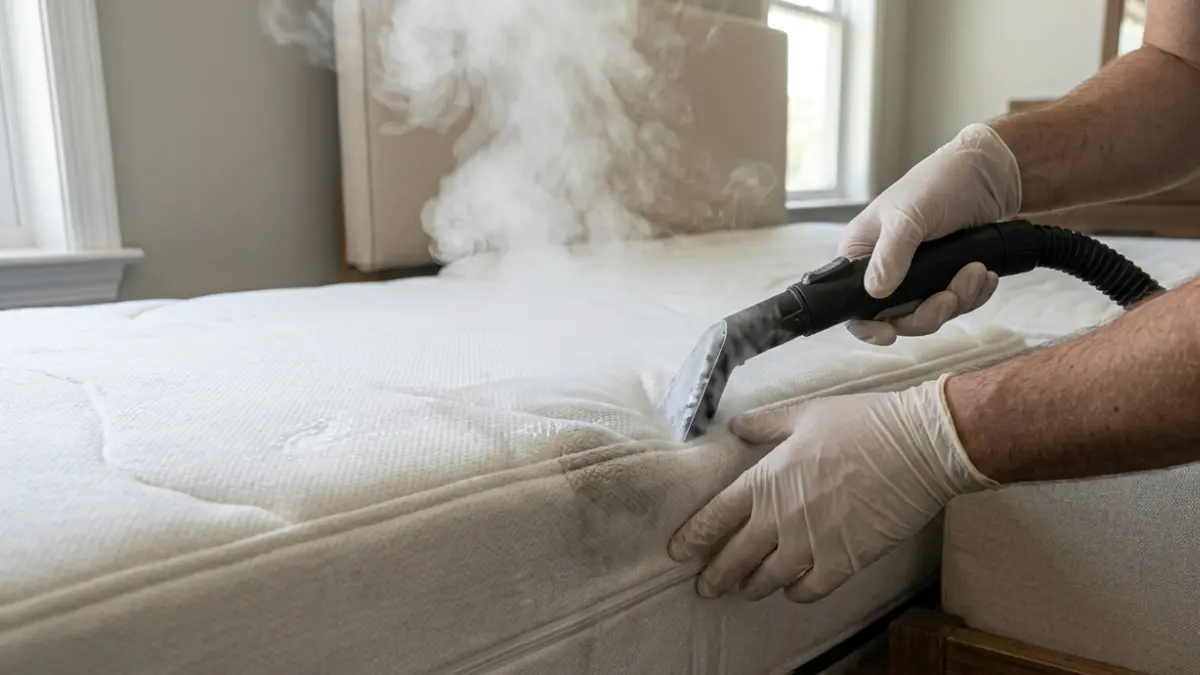
A steamer kills eggs on contact and reaches into mattress seams, baseboards, and furniture joints where eggs hide. Move the nozzle slowly so the heat penetrates rather than skims.

- 【9-in-1 Cleaning System for Multiple Surfaces】Equipped with 9 practical attachments, this ODSD steam cleaner for home ad…
- 【1.6L Transparent Tank for Longer Sessions】The large 1.6L water tank helps reduce frequent refilling during bigger clean…
- 【Long Hose & Power Cord for Better Reach】Clean farther without constantly relocating the main unit. This hand held steam…
Cold: freezing infested items
Freezing works for items you can’t heat, but it’s slow. Bag them and hold at 0°F for at least four days, making sure the cold reaches the center of the item, not just the surface.
Vacuum and seal
Vacuuming pulls up loose bugs and some eggs, but cemented eggs stay put. Vacuum thoroughly, seal and bin the bag outside, then follow with heat or steam on the surfaces themselves.

- Product Size: This 12inch length vacuum crevice tool with an inner diameter of 1.25 inches. The vacuum crevice tool atta…
- Widely applicable: This vacuum attachment crevice tool is perfect for cleaning such as keyboards, bookshelves, desks, de…
- Extra Long Crevice Tool: This crevice tool attachment design is effective to dust in small corner that is usually diffic…
🛒 Our Pick: A handheld garment or upholstery steamer with a concentrated nozzle and high, continuous steam is the most useful tool for treating seams and crevices. Look for hot (not just warm) output. We may earn a commission from links in this section, at no extra cost to you; this pick reflects how steam treatment works, not paid placement.
What about sprays, foggers, and pesticides?
Most bed bug sprays won’t kill the eggs, and foggers don’t work at all. The EPA’s do-it-yourself bed bug guidance is blunt about it: many pesticides don’t kill eggs, so treatment must be repeated after they hatch or the infestation continues.
Why most sprays don’t kill the eggs
The shell shields the nymph from many surface insecticides, and a growing number of bed bug populations resist the pyrethroid sprays sold for home use. Even an effective spray only kills the bugs it contacts, so missed eggs hatch within days. That’s why one application almost always fails.
Why you should skip bug bombs and foggers
Total-release foggers, or “bug bombs,” fail on two counts. The EPA explains that foggers don’t reach the cracks where bed bugs and eggs hide, and their propellants are flammable, with a real fire or explosion risk if misused.
Diatomaceous earth and desiccants
Drying agents like diatomaceous earth kill by dehydrating the bug, so bed bugs can’t build resistance to them. The catch is speed — they take weeks and don’t penetrate eggs, so they mainly catch nymphs after hatching. Use only food-grade product, applied as a light film in cracks per the label.
Using any pesticide safely — and when to call a pro
The National Pesticide Information Center advises using only products that name bed bugs on the label, never using outdoor pesticides indoors, and avoiding over-application, which scatters bugs and worsens the problem.
⚠️ Watch Out: Daily DIY spraying and “more is better” applications drive pesticide resistance and can push bugs into new rooms. If you’ve treated twice without progress, or the infestation is in a shared building, stop and call a licensed pest control professional. Ask whether they use heat or a documented integrated approach rather than fogger-only treatment, and how they’ll handle the follow-up after eggs hatch.
🛒 Our Pick: A zippered, bed-bug-proof mattress and box-spring encasement traps anything you missed inside and protects the mattress going forward — a low-cost step that extension programs and the EPA both recommend as part of a treatment plan. We may earn a commission from this link, at no extra cost to you.

- Full 360° Protection: Unlike fitted sheet-style protectors that leave sides exposed, our zippered encasement provides co…
- 100% Waterproof: Advanced barrier keeps accidents, sweat, and spills from penetrating, preserving your mattress in prist…
- Quiet & Breathable Comfort: Soft, noiseless cotton fabric ensures a restful sleep while preventing overheating.
Why bed bug eggs are so hard to kill — and the mistake that lets them survive
Bed bug eggs survive treatment for four specific reasons, and understanding them is the difference between clearing an infestation and fighting it for months:
- They’re heat-resistant, needing higher and longer heat than the bugs themselves.
- They’re cemented in place, so vacuuming and wiping miss many of them.
- They resist most sprays, because the shell protects the nymph inside.
- They’re tiny and camouflaged, so clusters get overlooked during cleanup.
The four reasons eggs survive
Together, these mean no single method — one spray, one vacuum pass, one wash — reliably ends an infestation. The fix is to combine methods (heat or steam plus thorough inspection and encasement) and to treat again 7 to 10 days later, after missed eggs have hatched but before the nymphs can breed.
When to call a professional
Call a licensed pest control professional if the infestation is widespread, keeps returning after two rounds of treatment, or is in an apartment or shared building where it can spread between units. If you’re also dealing with bites, our guide to bed bug bites on skin covers what to look for and how to treat them.
Bed bug eggs: frequently asked questions
1. What do bed bug eggs look like?
Bed bug eggs are pearly-white, oval, and about 1 millimeter long — similar to a grain of salt or rice. They look slightly shiny when fresh and are cemented to surfaces in tight cracks and seams, usually in clusters. After a few days, a small dark spot may appear inside as the developing nymph forms.
2. How big are bed bug eggs?
About 1 millimeter long, which puts them right at the edge of naked-eye visibility — roughly the size of a pinhead or a grain of salt. Because bed bug eggs are so small and pale, they blend into fabric seams and wood grain, so a flashlight and a magnifier make them much easier to find.
3. Can you see bed bug eggs with the naked eye?
Yes, but barely. At about 1 millimeter, bed bug eggs are visible if you know where and how to look, though their pale color and small size make them easy to miss. A bright flashlight held at an angle and a magnifying glass help, especially along mattress seams and furniture joints where eggs cluster.
4. Where do bed bugs lay their eggs?
In tight, protected spots close to where they feed, usually within a few feet of the bed. Common locations include mattress and box-spring seams, bed-frame joints, cracks in baseboards, and the screw holes and joints of nearby furniture. Bed bug eggs cluster where two surfaces meet and the bugs can stay hidden.
5. How long do bed bug eggs take to hatch?
Bed bug eggs hatch in about 6 to 10 days under normal indoor temperatures. Cooler conditions slow hatching and warmer conditions speed it up. Newly hatched nymphs are pale and need a blood meal within a few days. This roughly one-week window is why a timed follow-up treatment is essential.
6. Does putting items in the dryer kill bed bug eggs?
Yes. A clothes dryer on high heat for at least 30 minutes is the most reliable home method for killing bed bug eggs in fabrics. Dry the items first rather than washing them, and don’t overload the drum — everything has to tumble freely and reach a high enough temperature to kill the eggs.
7. What temperature kills bed bug eggs?
Bed bug eggs need sustained heat of about 118°F to reach full mortality, and they survive longer than adult bugs at the same temperature. To be safe, professionals target 120 to 125°F. A home dryer on high heat typically reaches this range, which is why drying is more dependable than washing.
8. Do bed bug sprays kill the eggs?
Usually not. Many insecticides don’t kill bed bug eggs, and some bed bug populations resist common pyrethroid sprays. Even an effective spray only kills the bugs it contacts, so missed eggs will hatch within days. Plan to treat again after the eggs hatch, and always use a product that lists bed bugs on the label.
9. Do bug bombs or foggers kill bed bug eggs?
No. Foggers don’t reach the cracks and crevices where bed bug eggs hide, so they don’t control an infestation, and their propellants are flammable, posing a fire or explosion risk. The EPA advises against relying on them. Heat, steam, and a planned follow-up treatment are far more effective.
10. How do you get rid of bed bug eggs for good?
Combine methods rather than relying on one. Use heat or steam on infested items and surfaces, vacuum and seal, encase the mattress, and treat again 7 to 10 days later to catch newly hatched nymphs. If the infestation is large or keeps returning, call a licensed pest control professional.
Putting it all together
Bed bug eggs are the toughest stage to beat, but they’re not unbeatable. Identify them by their pearly-white, cemented clusters, target them with heat or steam rather than sprays alone, and time a second treatment 7 to 10 days out to catch whatever hatched. Skip the foggers, encase your mattress, and stay patient — clearing eggs is about method and follow-through, not a single knockout blow.
For the complete step-by-step approach to clearing an infestation from start to finish, follow our safe 5-step plan to get rid of bed bugs. And if the problem is widespread or keeps returning, bring in a licensed pest control professional rather than fighting it alone.
Related Articles
 Bed Bugs Treatment
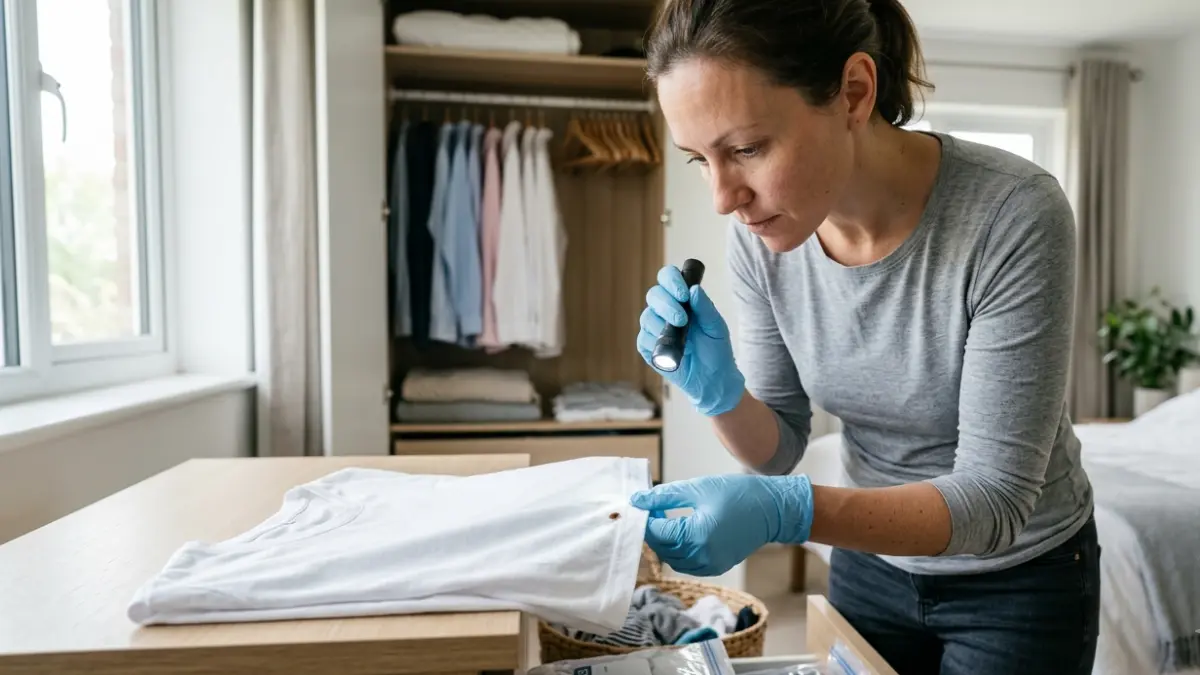
Getting Rid of Bed Bugs in Clothes, Step by Step
July 3, 2026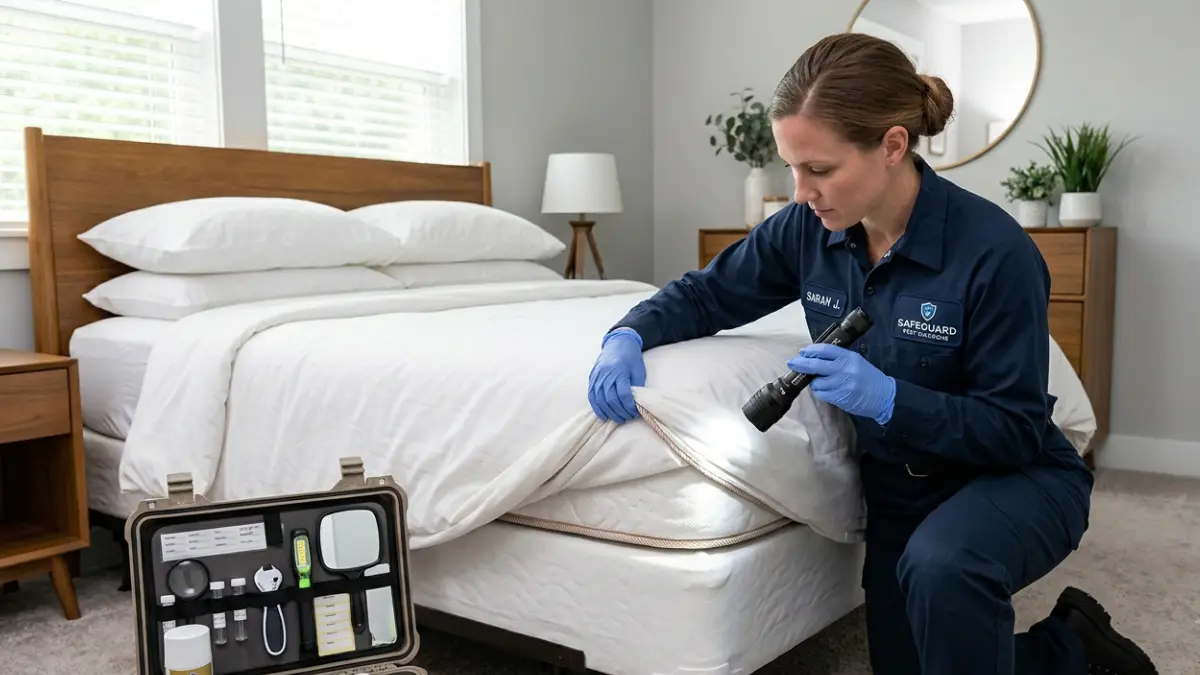 Bed Bugs Treatment
The True Cost of Bed Bug Treatment, by Method and Home Size
July 8, 2026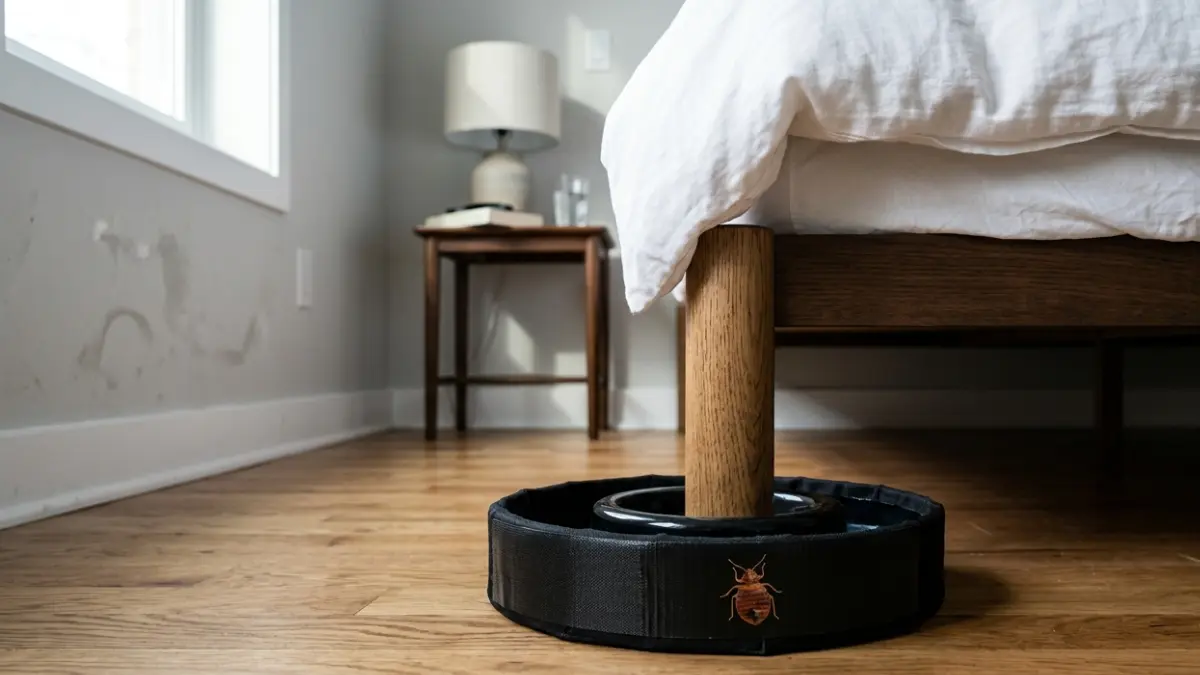 Bed Bugs Treatment
The Best Bed Bug Traps and Monitors, and How to Use Them
July 5, 2026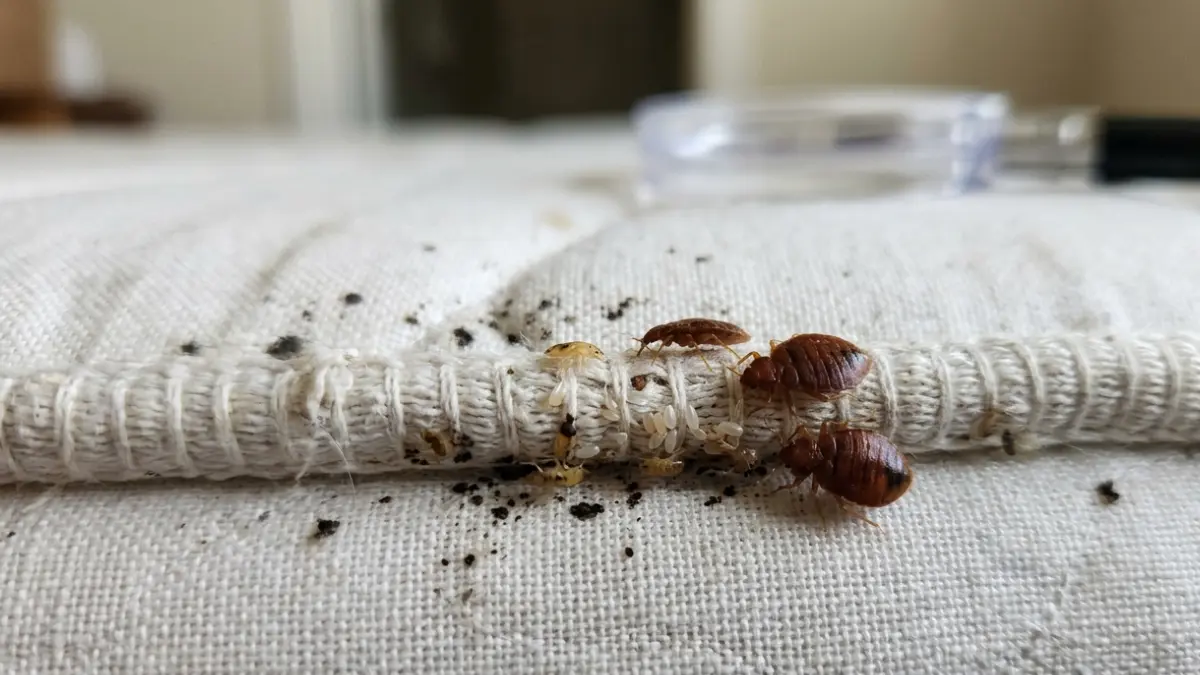 Bed Bugs Treatment
How Fast Bed Bugs Spread, and How to Get Ahead of It
June 25, 2026 Bed Bugs Treatment
Build the Right Bed Bug Treatment Kit for Your Home
July 6, 2026 Bed Bugs Treatment
Get Rid of Bed Bugs Yourself the Right Way at Home
June 30, 2026 Bed Bugs Treatment
What Do Bed Bugs Look Like at Every Stage?
June 20, 2026 Bed Bugs Treatment
Bed Bugs in Your Apartment and Whether Your Landlord Is Right
July 13, 2026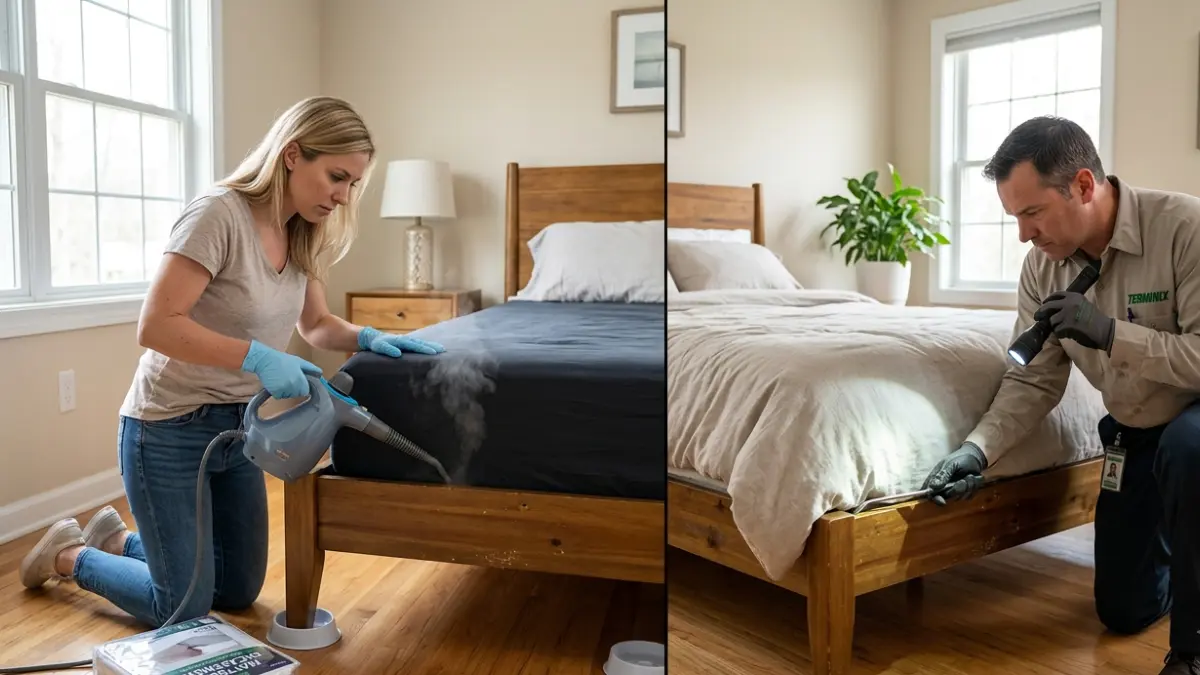 Bed Bugs Treatment