The overlooked gap that peppermint oil for mice can’t close

Peppermint oil for mice bothers a mouse; it doesn’t stop one. A mouse fits through a quarter inch, and no scent changes that. Here’s what does.
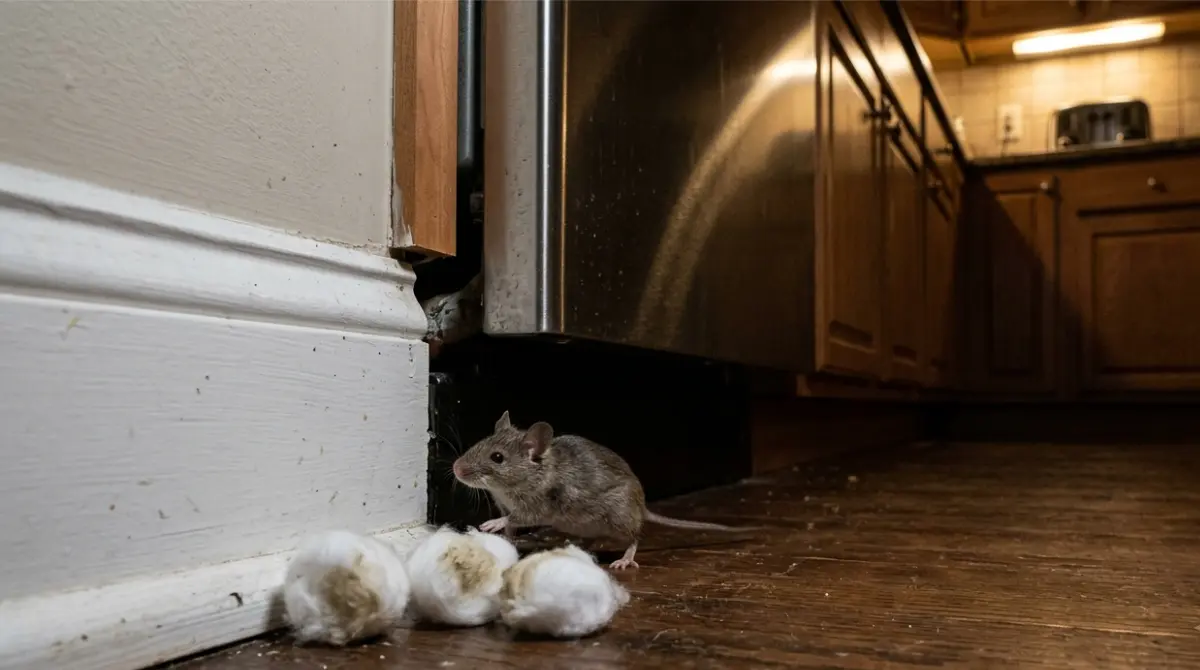
Table of Contents
Peppermint oil can make a mouse avoid a treated spot. It can’t clear a house, and it can’t close the gap they came through. That’s why the cotton balls didn’t work.
If you already have mice
Go straight to sealing and trapping. The quarter-inch gap behind your dishwasher is the problem, not the smell. With a cat, dog, or bird at home, read the pet section first.
If you’re trying to prevent them
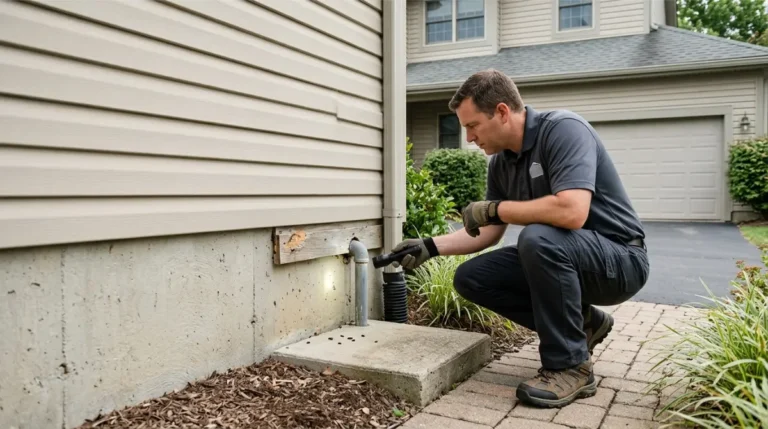
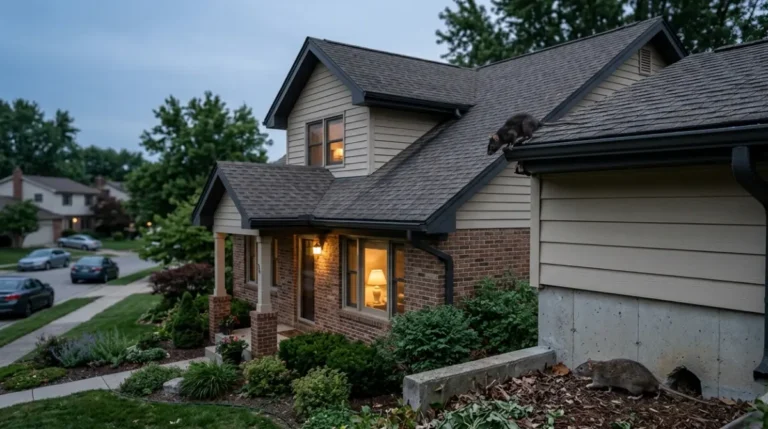
Same answer, earlier and cheaper. Walk your foundation before the first cold night.
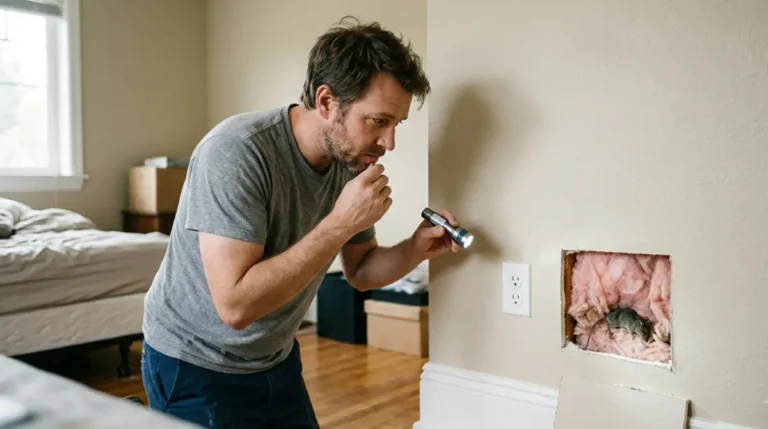
ℹ️ Safety Note: Droppings and nesting material can release airborne virus when stirred up, so contaminated areas need careful cleanup, not sweeping or vacuuming. For a persistent infestation, call a licensed pest management professional.
What peppermint oil actually does to a mouse
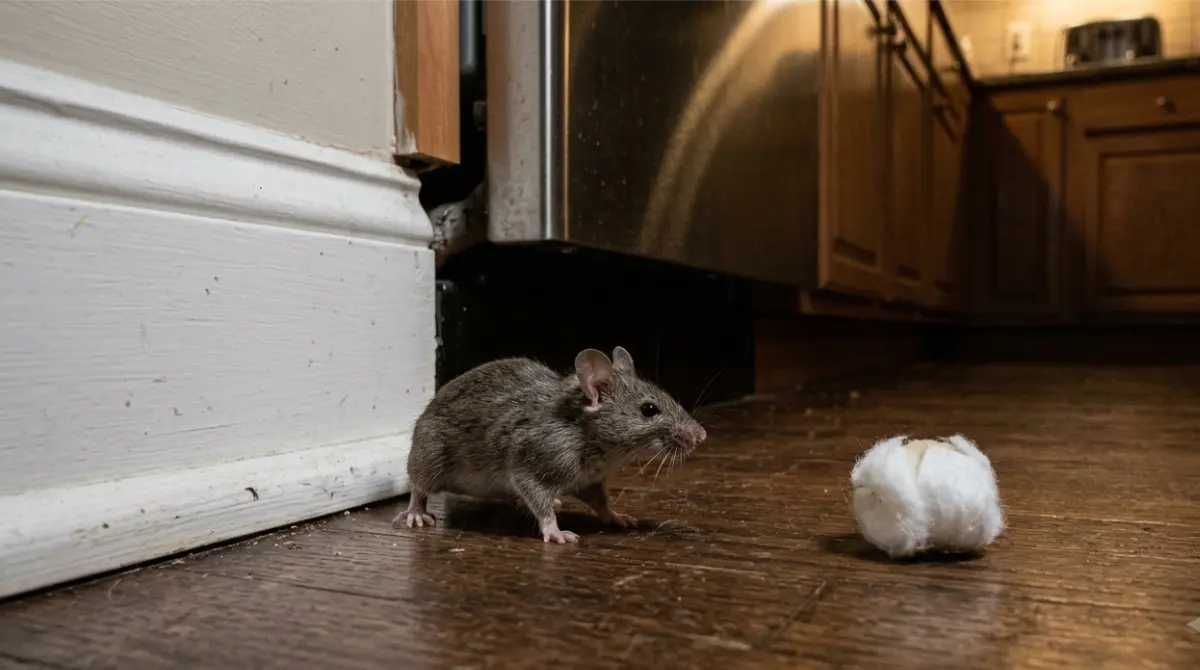
Peppermint oil can make a mouse avoid a treated area, but it doesn’t remove mice from a home or keep them out of one. The menthol in it reads as an irritating smell at close range. NC State Extension’s factsheet on managing structure-invading mice is blunt: repellents are not a reliable form of mouse management or prevention.
It’s an irritant, not a poison
Peppermint oil is not a rodenticide. It won’t kill mice or shrink a population already nesting in your walls.
It’s a smell, not a wall
A repellent discourages. A barrier prevents. Almost everything peppermint oil is asked to do online is barrier work.
🔍 Why It Works: Menthol irritates an animal that navigates by nose. It acts on the mouse standing in the scent, not the one in your wall.
Four reasons peppermint oil fails on mice
Peppermint oil fails on mice for four reasons:
- The scent disappears fast.
- A mouse with food, warmth, and a nest won’t leave over a smell.
- Scent can’t close a quarter-inch gap.
- It may work against traps you’ve already set.
The scent disappears
That same guidance notes highly volatile oils disappear quickly once introduced into the environment.
A settled mouse won’t leave
Mice nest in wall voids near heat and food. A smell in the next room doesn’t outweigh either.
It can’t close a gap
Scent doesn’t change geometry, which is why where mice get into a house matters more than what you spray.
It can work against your traps
Extension guidance also warns repellents may compromise the efficacy of deployed baits and traps. If your mouse trap isn’t working, the cotton balls beside it are a suspect.
What a peppermint mouse repellent can legally claim
Peppermint mouse repellents don’t have to prove they work. Peppermint oil sits on the EPA’s list of active ingredients allowed in minimum risk products, which exempts them from federal pesticide registration and its review.
Why they skip EPA registration
The exemption exists because the ingredients pose little risk, not because the products worked. That’s an absence of review, not a finding of failure.
What the label can’t say
Under the EPA’s conditions for minimum risk pesticides, an exempt label can’t tie a rodent claim to a specific disease. It can say it controls mice. It can’t say it controls mice that carry anything.
The pet risk nobody mentions with cotton balls
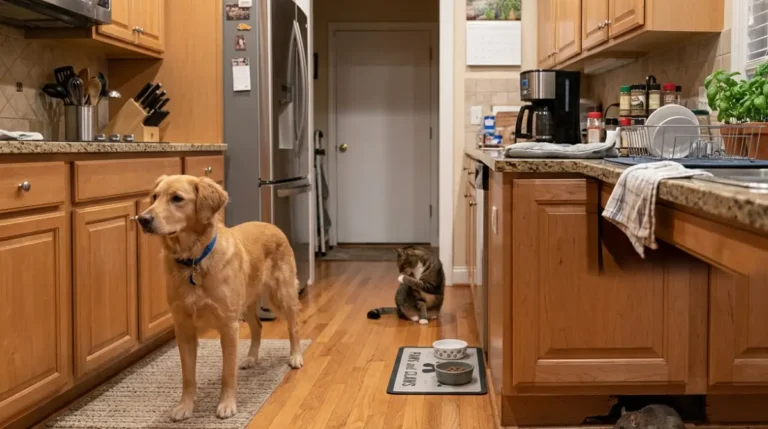
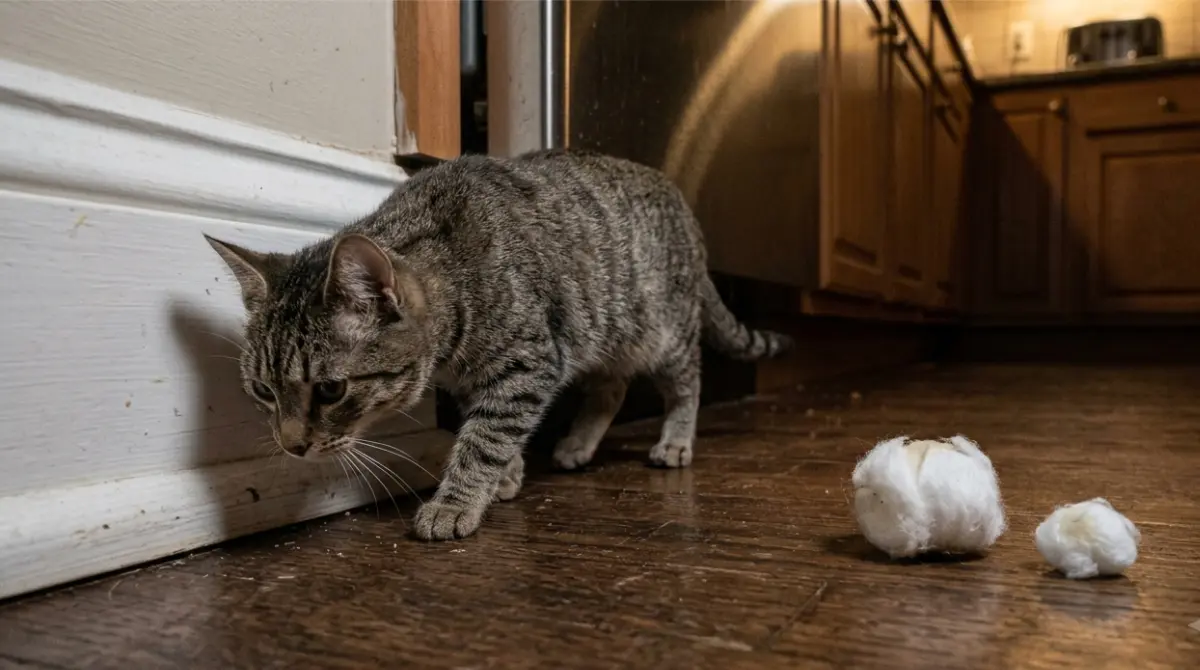
The usual method, cotton balls soaked in undiluted oil along the baseboards, puts concentrated essential oil at nose and paw height.
Cats, dogs, and concentrated oils
The ASPCA Animal Poison Control Center’s guidance on essential oils around pets is clear that concentrated oils can be dangerous. Animals that walk through oils or get them on their coat can develop unsteadiness on the feet, depression, and in severe cases low body temperature. Ingestion can cause vomiting and diarrhea.
Birds are a separate case
The ASPCA advises against running an essential oil diffuser in a home with birds at all; their respiratory tracts are very sensitive.
✅ Do This: If your pet has been exposed, call your veterinarian or the ASPCA Animal Poison Control Center at (888) 426-4435.
What actually keeps mice out: sealing the gaps
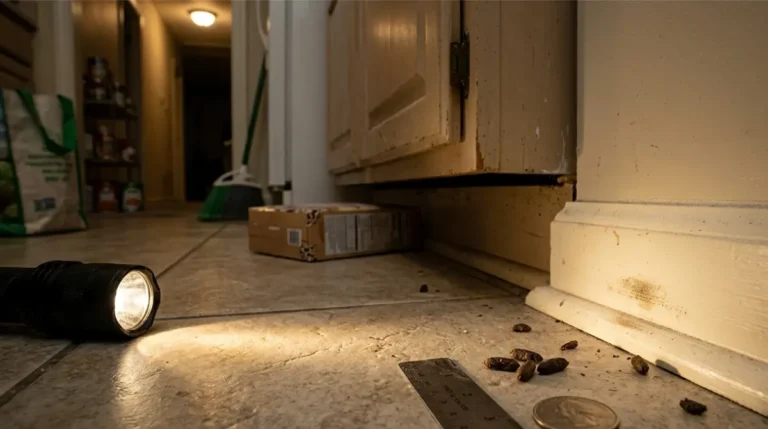
Mice fit through a hole a quarter inch across, six millimeters, about the width of a pencil. That measurement is why sealing beats scent.
Find the gaps first
The CDC’s guidance on sealing up gaps and holes points to pipes under sinks and water heaters, floor and dryer vents, door frames, and utility penetrations.
Match the material to the hole
- Small holes and pipe gaps: 00-grade steel wool or copper mesh, caulked over, since rodents push loose fill aside.
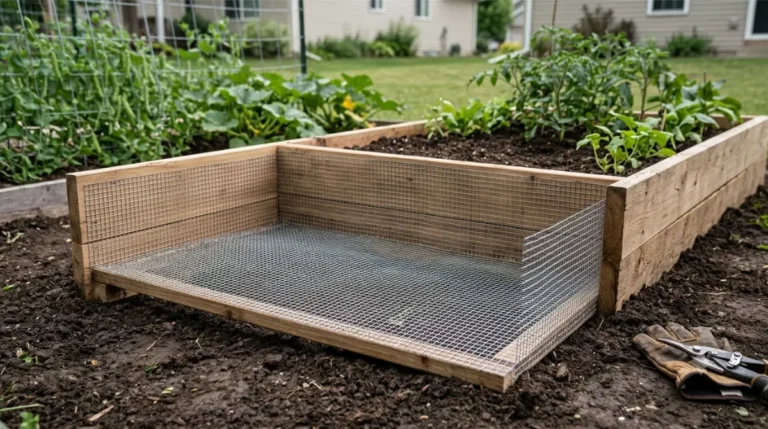
- Larger holes: lath screen, sheet metal, or hardware cloth, cut around pipes.
- Vents and crawl spaces: quarter-inch hardware cloth across the full opening.
- Exterior doors: a rodent-proof door sweep, not weather stripping, under a quarter inch clearance.
Sourced from CDC and NC State Extension; not tested by us. Sealing mouse entry points covers technique, and the full rodent-proofing walkthrough covers the order.
⚠️ Watch Out: The CDC lists spray foam to hold steel wool in place; NC State Extension says mice chew through expanding foam. Where reliable sources disagree, take the conservative option, and call a licensed pest management professional for anything you can’t reach.
Deal with the mice already inside
Sealing alone shuts whatever’s inside in with you. Set snap traps along walls where droppings appear; mouse trap placement and rules covers positioning. Check traps daily.
If you’ve already put peppermint oil down
Nothing here was wasted effort. You were looking at the right house, just the wrong variable.
Clear it out before you trap
Pick up the cotton balls and pouches before you set anything, especially where the traps go.
Then work in order
Seal, then trap, then clean up. Trapping without sealing makes room for the next mouse.
Peppermint oil for mice: quick answers
1. Does peppermint oil keep mice away?
It can push a mouse off a treated spot, but it won’t clear a house.
2. How long does peppermint oil last against mice?
Not long. Extension guidance notes highly volatile oils dissipate quickly once introduced into the environment.
3. How long does peppermint oil last against mice?
Not long. Extension guidance notes highly volatile oils dissipate quickly once introduced into the environment.
4. Does peppermint oil kill mice?
No. It’s a sensory irritant, not a rodenticide, and won’t shrink a population nesting indoors.
5. How much peppermint oil do you need for mice?
There’s no reviewed effective amount. These products skip EPA registration, so no agency evaluated any dose.
6. Will peppermint oil drive mice out of the walls?
No. Mice nest near heat and food, and a smell in the next room doesn’t outweigh either.
7. Is peppermint oil safe around cats and dogs?
Concentrated oils can be dangerous to pets, causing unsteadiness, depression, vomiting, or diarrhea. Contact your veterinarian or the ASPCA Animal Poison Control Center at (888) 426-4435.
8. Can peppermint oil interfere with mouse traps?
Extension guidance warns repellents may compromise the efficacy of deployed baits and traps. Clear them before trapping.
9. What size gap can a mouse fit through?
A quarter inch, or six millimeters, roughly the width of a pencil. Anything wider is an open door.
10. Do peppermint mouse repellents have to prove they work?
No. Peppermint oil sits on the EPA’s minimum risk list, exempting these products from efficacy review.
11. What actually gets rid of mice?
Sealing every quarter-inch gap, trapping what’s inside, and removing food sources, in that order.
Where to start today
Walk the outside of your house with a flashlight and something a quarter inch wide. Every gap you close stays closed; every cotton ball you place expires.