
Termite-resistant wood works only when you buy the right grade

Termite-resistant wood ratings apply to heartwood — and the density that supposedly makes tropical hardwoods tough isn’t what’s doing the work.
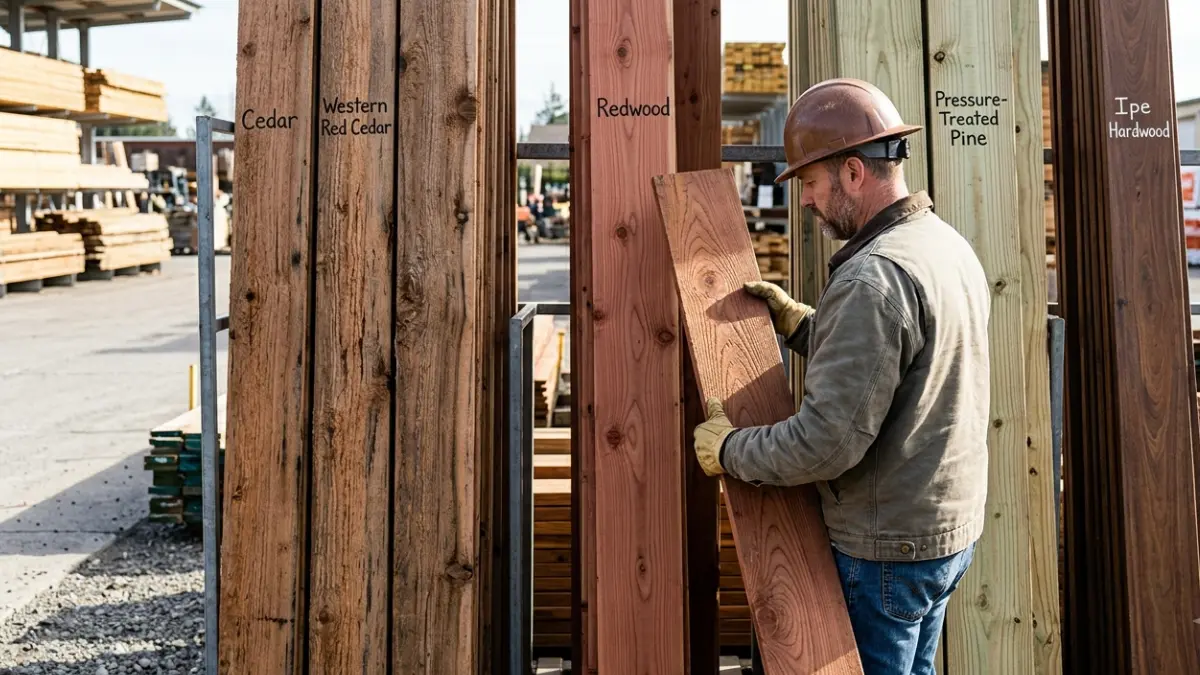
Table of Contents
The honest answer before you buy any lumber
No wood sold in the United States is termite-proof. Termite-resistant wood buys you time and odds, and that resistance lives in only one part of the tree — which is why species lists get you halfway and then stop.
The better question is which material belongs in which part of the structure. The board you walk on is rarely the board termites reach first.
If you’re building or replacing something
You need three things: a species or treatment rated for the exposure, the correct rating for each separate component, and confirmation from your building department that your jurisdiction accepts that method. Sections three through five cover them in that order.
If something is already being eaten
Material choice is a rebuild decision, not a treatment. Deal with the colony first — what termite treatment actually costs lays out the real options — then come back to spec the replacement.
Everything below traces to published durability research, the American Wood Protection Association’s treatment standards, or the residential code. Figures that couldn’t be verified against a reliable source aren’t here.
ℹ️ Safety Note: Deck framing, ledger boards, posts, and fence structures are load-bearing, and under-specifying them risks collapse and injury. Preservative-treated lumber also carries handling and fastener-compatibility requirements. Everything here is general guidance for understanding your options — hire a licensed contractor for structural work, and confirm the required termite-protection method with your local building department before you order materials.
Why “termite-resistant” never means termite-proof
Termites digest cellulose, the structural sugar in every board in your house. Species that resist them do it chemically, not physically.
What actually makes a wood durable
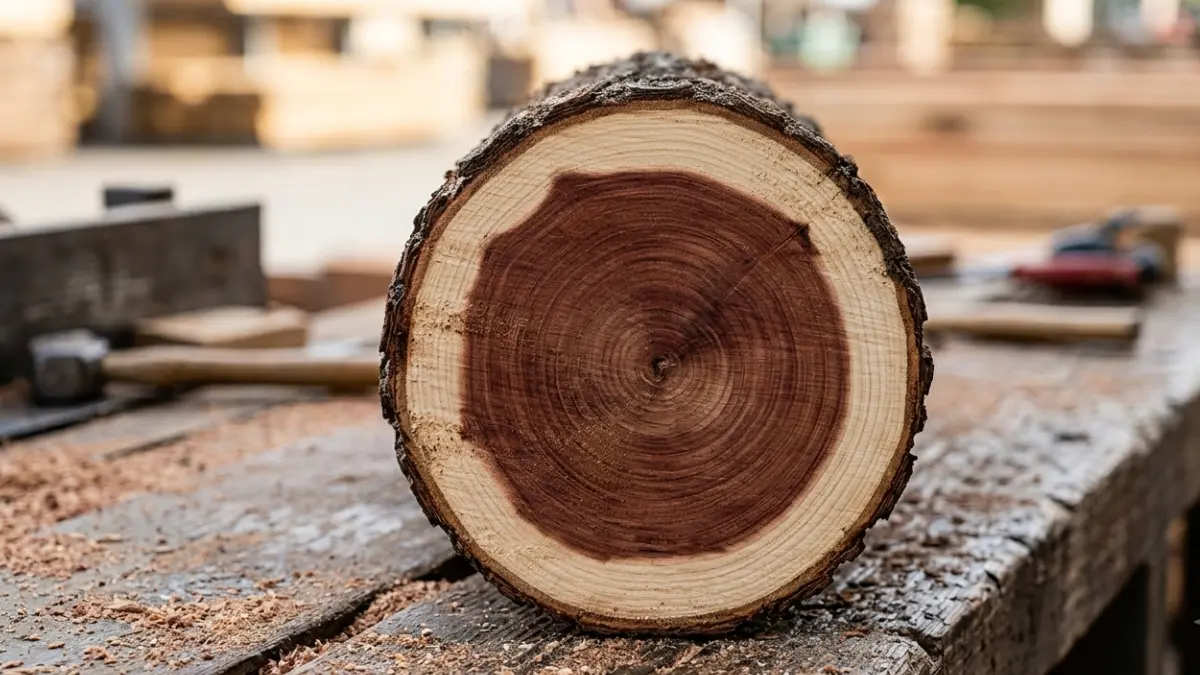
Resistance comes from extractive compounds laid down as living sapwood dies and converts to heartwood.

- HUMIDITY SENSOR: Our handy meter tool can quickly determine what level of remediation is needed to keep your family safe…
- WATER LEAK DETECTOR: Finding the moisture content in your wood or drywall is the first step in early prevention. Continu…
- MOISTURE READER: The mold test features large 0.3″ high digits in a backlit LCD for quick and easy detecting. Our mildew…
🔍 Why It Works: As storage cells in the inner sapwood die, stored sugars and starch convert into a range of toxic compounds that become part of the new heartwood. That chemistry — not density — does the work. Oregon State’s durability review states plainly that density doesn’t appreciably affect resistance, and that the durability of heavy tropical hardwoods reflects their high extractive content rather than their weight.
Heartwood vs sapwood — the distinction the lists skip
Published durability ratings apply to heartwood only. Sapwood of nearly all species has no natural durability at all.
Boards are milled from whole logs, so a plank sold as cedar can carry a pale sapwood stripe along one edge. That stripe is ordinary termite food.
The entry route matters too, and it differs by pest — subterranean and drywood termites reach wood in different ways.
A rating is not a guarantee
Resistance is relative. A species that resists one group of termites can be susceptible to another, and most published durability ratings were assembled from decay-fungi studies rather than termite trials.
Surface treatment changes none of this. Sealing or staining leaves the deterrent on the wood instead of in it.
Which woods actually resist termites — and which grade to buy
The naturally durable wood species with published backing are the heartwood of coast redwood, western redcedar, northern white cedar, eastern redcedar, Alaska-cedar, black locust, teak, and ipe.
What the durability ratings say
Oregon State’s published durability rating for the species uses a four-point scale and flags species with recorded termite resistance separately.
| Species (heartwood) | Rating | Termite-flagged | Key detail |
|---|---|---|---|
| Coast redwood | 1–3 | Yes | Wide range across studies |
| Western redcedar | 2 | — | Resistant, not top class |
| Northern white cedar | 1–2 | — | Regional availability |
| Black locust | 1–2 | — | Rarely sold as decking |
| Teak | 1–3 | — | Cost and sourcing questions |
| Ipe (lapacho group) | 1 | — | Highest rated, hardest to work |
| Southern pine, spruce | 4 | — | Nonresistant — treat or don’t use |
Scale: 1 = very resistant, 4 = nonresistant. Sourced from the Oregon State checklist; ratings reflect decay studies more than termite trials.
Old-growth ratings, second-growth boards
Heartwood from virgin stands is generally more durable than heartwood from second-growth stands, and nearly all commercial supply is now second-growth.
⚠️ Watch Out: The durability reputation of redwood and cypress was built on old-growth timber. The board on today’s rack is a different product with the same trade name.
What “cedar” means at the lumberyard
Ask for a heart grade by name, and look at the board edge before you buy. Mixed-grain stock with visible sapwood carries none of the rating you’re paying for.
How to read a pressure-treated end tag
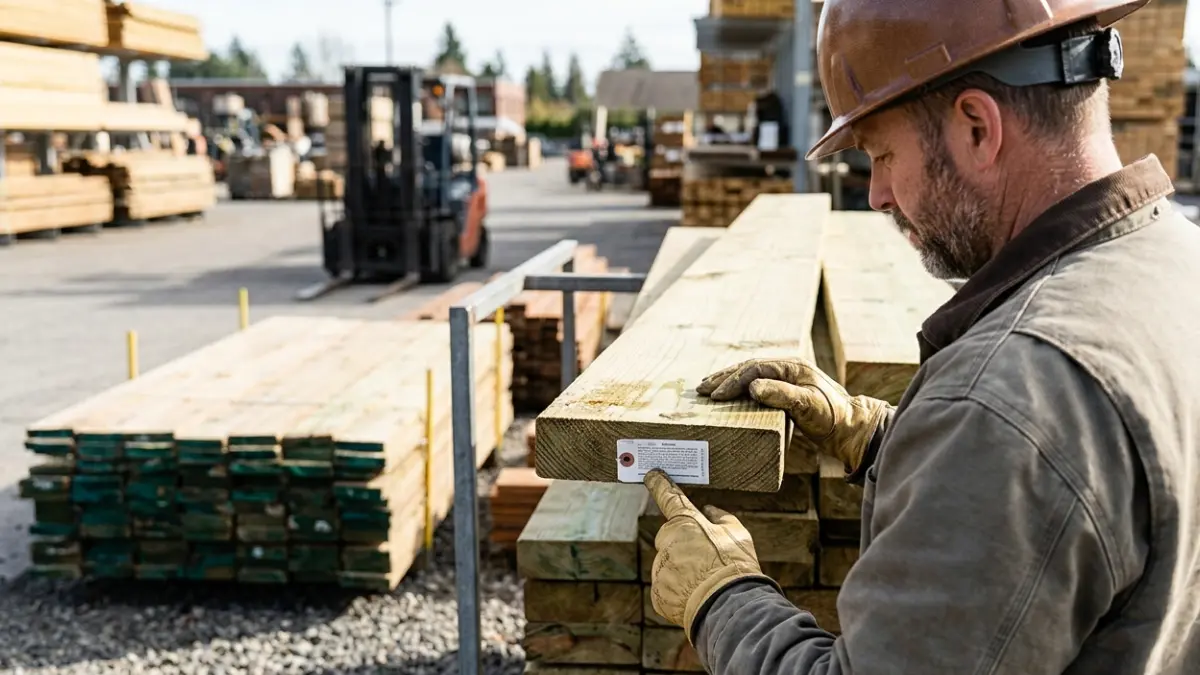
The tag stapled to the end of every treated board looks like industry code, and it takes about ten seconds to read once someone shows you where to look.
The five things on the tag
The AWPA Use Category system specifies what a compliant end tag carries: the standard (AWPA U1), the Use Category, the preservative name or code, the retention figure, and the inspection agency logo.
| Use Category | Where it belongs | Not rated for |
|---|---|---|
| UC1 / UC2 | Interior dry / interior damp | Any exterior exposure |
| UC3B | Exterior above ground | Soil or near-grade contact |
| UC4A | General ground contact | Critical structural burial |
| UC4B | Critical structural ground contact | Marine exposure |
Use Category definitions per AWPA Standard U1.
- Three cutting spurs for faster, cleaner holes, less breakout and extended drilling life
- Full screw-point tip allows bit to self-feed for ease of drilling
- Shorter overall length for drilling in tight spaces. Ideal for holes up to 2″ deep
Preservatives and what they mean
Common codes include copper azole (CA-C), micronized copper azole (MCA), and inorganic boron (SBX). Retention is the amount held in the wood and varies by preservative, so the number alone means nothing without its code.
Boron is the one to watch. Borate treatment is standardised for interior use categories and must be protected from weather — useful for framing, wrong for anything exposed. Borate treatment for framing lumber covers where it fits and where it doesn’t.
Every cut you make un-treats the wood
Preservative penetrates from the outside in. Cut a board, notch it, or drill it, and you expose untreated interior — which is why field cuts must be retreated under AWPA Standard M4.
✅ Do This: Keep an end-cut preservative on site and treat every cut, notch, and bored hole before the piece goes in. A buried, untreated post end is the most common self-inflicted failure on a fence.

- EPA-registered, insecticidal exterior wood preservative prevents attacks from termites and other wood boring insects whi…
- Transparent, natural green color
- Designed to protect exterior untreated or pressure-treated wood in below ground, ground contact, fresh water contact, or…
Termite-resistant material, part by part
This is where the species question finally becomes answerable, because different components face different exposures. What follows describes what the standards cover — not a spec to build from.
| Component | What the standards address | Options | Key detail |
|---|---|---|---|
| Deck boards | Weather exposure, above ground | Durable heartwood, UC3B treated, composite | Least likely part to be attacked |
| Joists and beams | Above-ground exposure; near-grade conditions | UC3B, or UC4A in near-grade conditions | Where the exposure actually is |
| Posts and anything in soil | Ground contact | UC4A or higher | Field cuts must be retreated |
| Ledger board | Connection to the house frame | Treated, flashed, detailed | Highest-consequence connection |
| Fence posts | Ground contact | UC4A, durable heartwood | Fails at and just below grade |
| Rails and pickets | Above ground | UC3B, durable heartwood | Low structural consequence |
Use Categories per AWPA U1. Requirements vary by jurisdiction — confirm with your building department.

- Solid forged carbon steel head and extra long socket for additional strength
- Hammer finish powder-coated head fro improved resistance to rust
- Weatherproofed hardwood shaft for greater durability
Above ground is not always above ground
Standard deck joists and beams treated to above-ground retentions remain code-compliant. Ground-contact retentions are directed at components in near-grade conditions — roughly within six inches of finished grade, over permeable material, with poor ventilation, or where debris collects.
That distinction matters both ways. Treating everything as ground contact wastes money; treating a near-grade joist as ordinary above-ground invites the failure the category exists to prevent.
The ledger is the part that reaches your house
A deck ledger bolts to the house frame, which makes it the one component that hands termites a bridge from an outdoor structure into the building. Flashing, detailing, and fastener selection matter as much as the treatment level.
The residential code lists several accepted approaches. The residential code’s accepted termite-control methods include treated wood, naturally durable termite-resistant wood, termiticide, baiting, physical barriers, and steel framing.

- Manufactured in china
- Easy to use
- Highly durable
✅ Do This: Before ordering, ask your building department which control method your jurisdiction requires and whether a treatment certificate is needed at inspection. Have a licensed general contractor confirm the specification for any load-bearing member.
Do termites eat composite decking?
Termites don’t feed on composite decking the way they feed on lumber. Capped cellular PVC contains no wood fibre at all, and wood-plastic composite encases wood flour in thermoplastic.
What the testing shows
USDA Forest Products Laboratory testing of composite deck boards compared several wood-plastic formulations against untreated softwood and found the composites far less damaged, with much higher termite mortality.
The substructure trap
Here’s the part the marketing skips: composite boards sit on a wood frame. Joists, beams, posts, and the ledger are all still lumber, and they’re the components closest to the soil.
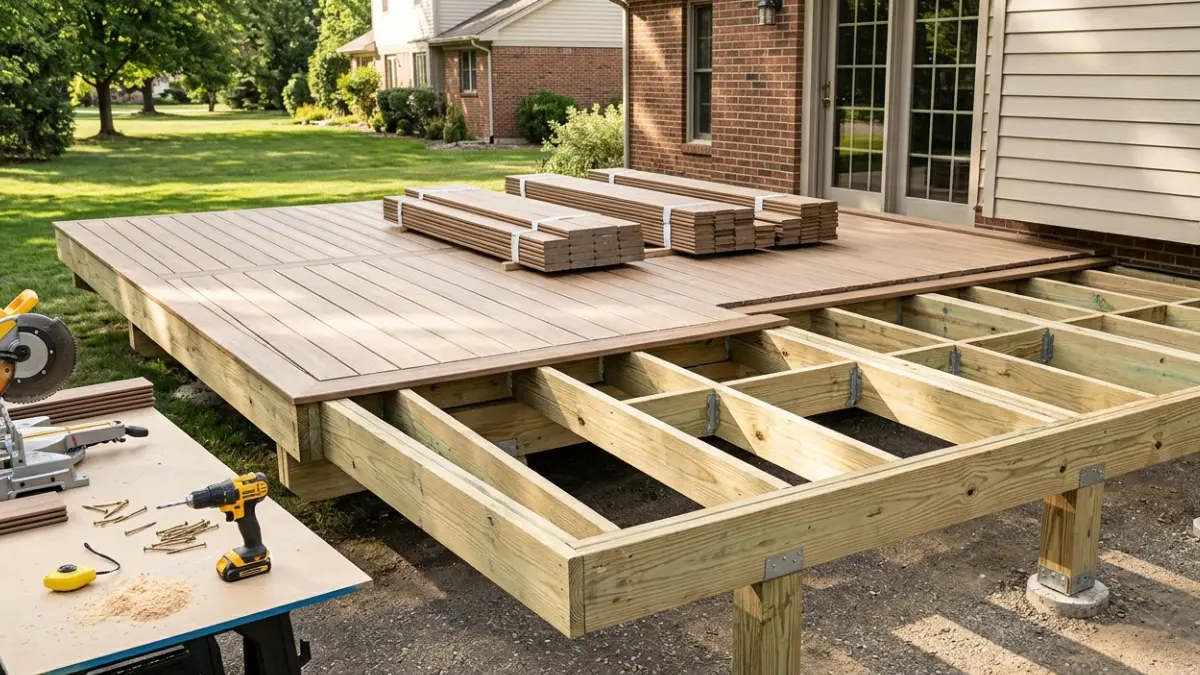
Choosing composite changes the surface you walk on. It does not make the deck termite-proof, and it doesn’t change a single requirement in the table above.
When material choice isn’t the answer
Termite-protection requirements apply where the code identifies a risk, and jurisdictions amend the model code — sometimes considerably.
Where local code goes further
Hawaii is the clearest example. Hawaii’s amended building code requires all structural lumber installed above ground to be preservative-treated, and requires soil treatment by a licensed operator or an approved barrier where framing sits on slab or foundation.
That is a regional requirement, not a national one. Your jurisdiction is the binding authority, and this article isn’t it. Where hybrid Formosan colonies are spreading covers one region under rising pressure.
If you suspect the damage is already there
Don’t probe structural members to find out. Telling termite damage from rot covers the visual differences, and the early signs worth checking for covers what to look for without dismantling anything.
✅ Do This: Call a licensed pest control operator for a confirmed diagnosis, and ask two things: are they licensed in your state, and will they put the findings in writing before quoting treatment.
Termite-resistant wood: common questions
1. What is the most termite-resistant wood?
Ipe carries the highest published durability rating of the commonly sold species, followed by redwood, teak, and the cedars. Every one of those ratings applies to heartwood only. No termite-resistant wood is termite-proof, and resistance to one termite group doesn’t guarantee resistance to another.
2. Is pressure-treated wood termite proof?
No. Treated lumber is rated to a service condition, not to immunity. The Use Category on the end tag tells you what exposure the board was treated for — above ground, ground contact, or critical structural — and nothing about it promises a board will never be attacked.
3. Do termites eat cedar?
They eat cedar sapwood readily. Cedar heartwood carries a genuine durability rating, but sapwood of nearly all species has no natural durability, and boards sold simply as “cedar” often contain both. Buying a heart grade and inspecting the board edge is what makes the rating apply to what you actually installed.
4. Do termites eat composite decking?
Not meaningfully. Capped PVC contains no wood fibre, and USDA testing found wood-plastic composites far less damaged than untreated softwood. The catch is that composite deck boards sit on a pressure-treated wood frame, so the joists, beams, posts, and ledger still need the right specification.
5. Do deck joists need ground-contact treated lumber?
It depends on one thing: proximity to grade. Joists and beams treated to above-ground retentions remain code-compliant in ordinary conditions, but ground-contact retentions apply in near-grade conditions — roughly within six inches of finished grade, over permeable material, or with poor ventilation. Confirm the requirement with your building department.
6. What wood should fence posts be in a termite area?
Fence posts are in ground contact, so they need ground-contact-rated treated lumber or durable heartwood. The failure point is at and just below grade. Any cut end going into the soil must be retreated with an end-cut preservative under AWPA Standard M4.
7. Is ipe or teak worth the cost for termite resistance?
Their durability ratings are real and among the highest published. Whether that justifies the price is a budget and sourcing decision, not a technical one, and both raise supply questions worth asking your supplier. A correctly specified treated frame with a durable heartwood surface achieves protection for less.
8. Does borate-treated lumber work outdoors?
Not in exposed applications. Inorganic boron is standardised for interior use categories and has to be protected from weather, which makes it useful for framing lumber inside a structure and wrong for decks, fences, or anything rained on. Check the Use Category on the end tag before you buy.
9. Does building code require termite-resistant wood?
It’s one of several accepted methods, not a universal requirement. The residential code lists treated wood, naturally durable termite-resistant wood, termiticide, baiting, physical barriers, and steel framing as control methods where the code identifies termite risk. Jurisdictions amend this, so confirm with your building department.
10. Can staining or sealing wood stop termites?
No. The deterrent in termite-resistant wood is chemistry inside the heartwood, and a surface finish sits on the outside. Stains and sealers manage moisture and appearance, which is worth doing for other reasons, but they don’t change how palatable the wood underneath is.
What to do before you order
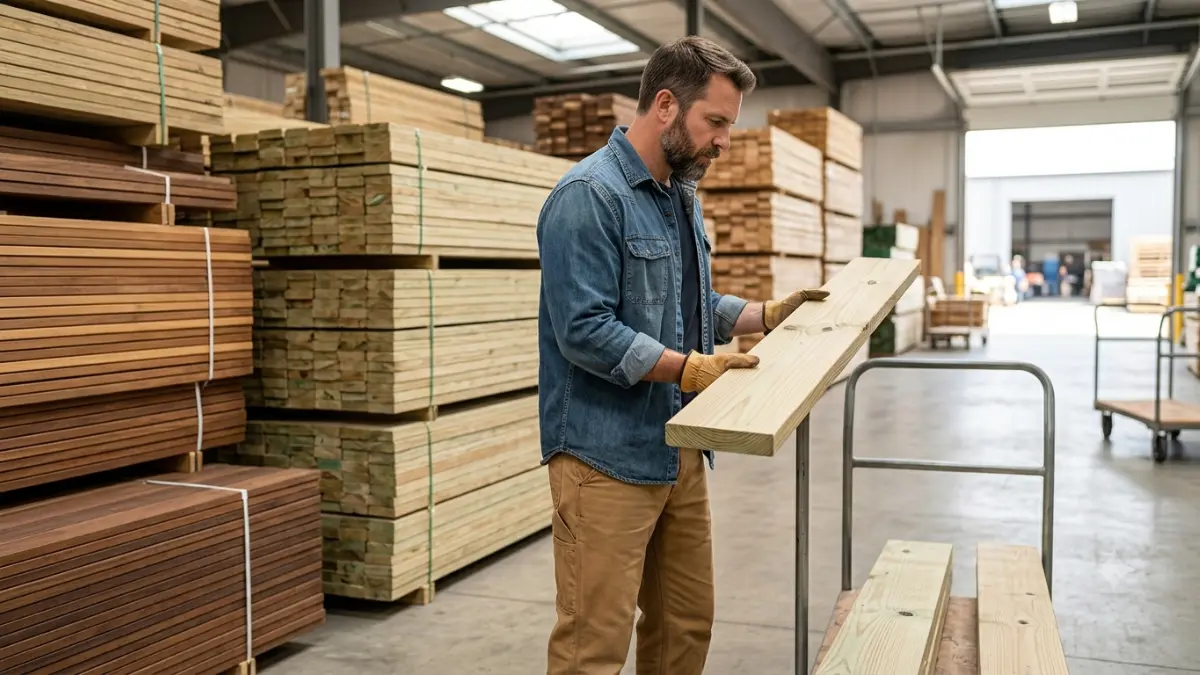
Three things carry most of the value here. Durability lives in heartwood, so buy a heart grade and look at the board edge.
Specify by component rather than by species, because the deck surface and the buried post face completely different exposures. And confirm two facts before the order goes in: the Use Category with your supplier, and the required control method with your building department.
For the treatment side of the problem — what works, what it costs, and what the quotes should say — start with the full picture on termite treatment and cost.
Related Articles
 Termite Treatment
The common termite prevention list is really three lists
August 1, 2026 Termite Treatment
What termite stakes actually do, and the mistake buyers make
July 24, 2026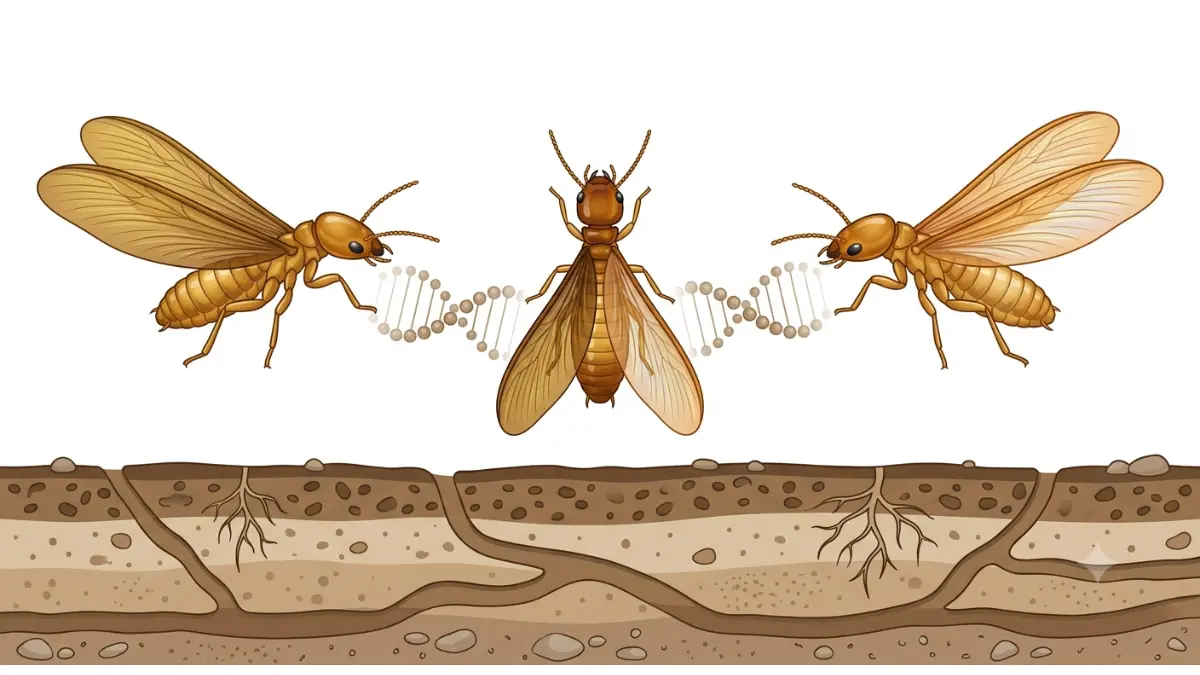 Termite Treatment
What the New Formosan Termite Hybrid Means for Florida
July 20, 2026 Termite Treatment
The real limits of the best termite treatment you can buy
July 24, 2026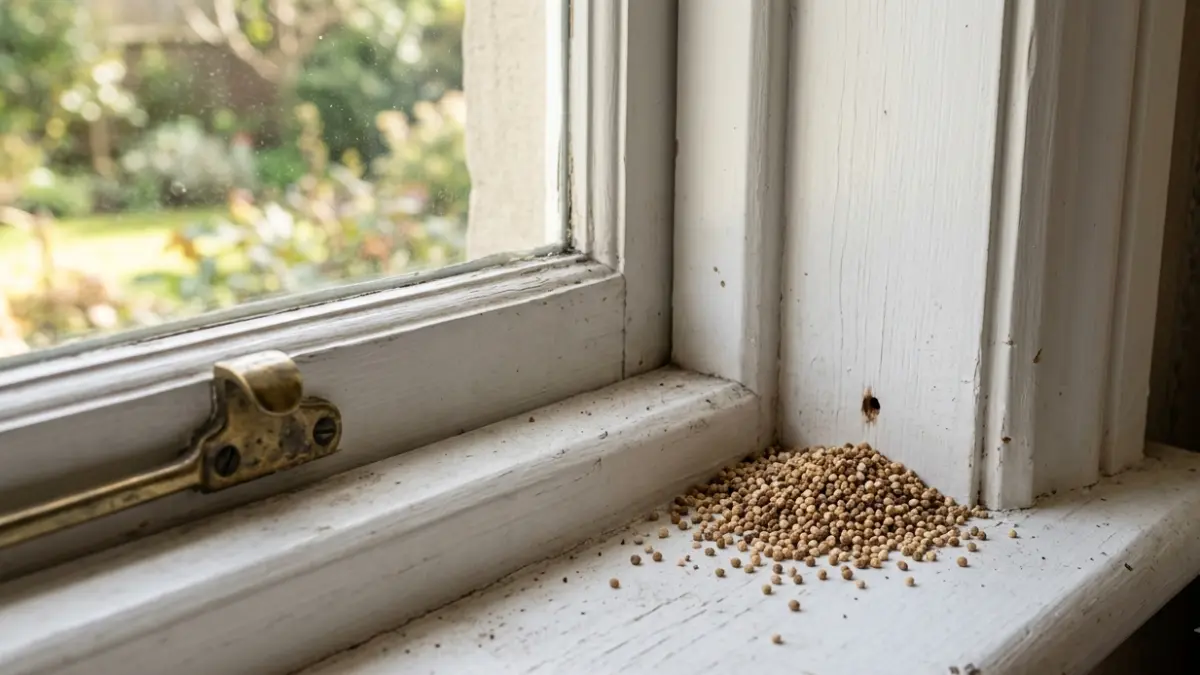 Termite Treatment
How to Identify Termite Frass and Drywood Droppings
July 15, 2026 Termite Treatment
Buying a house with termite damage hinges on one overlooked line
July 30, 2026 Termite Treatment
Borate termite treatment offers real protection within limits
July 25, 2026 Termite Treatment
The overlooked clauses in a termite bond that cost you later
July 27, 2026 Termite Treatment