
Subterranean vs Drywood Termites and the Real Cost to Fix Each

Subterranean vs drywood termites look similar but live differently. See the mud-tube and frass tells, and why the fix and cost differ for each.
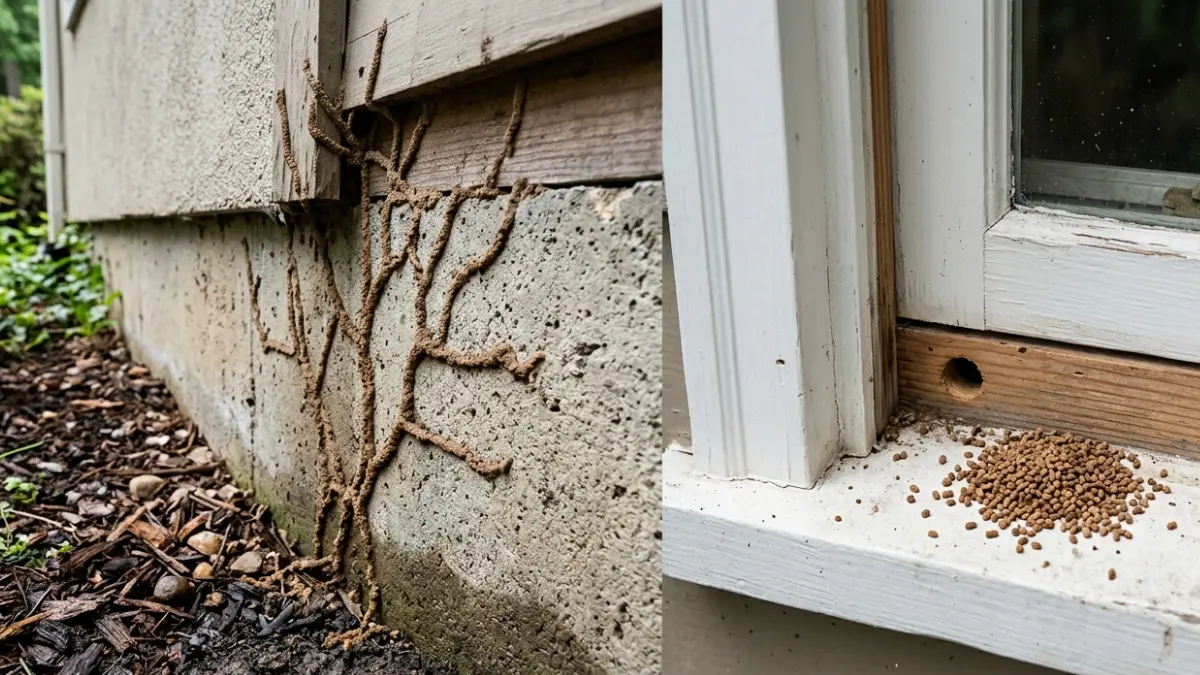
Table of Contents
You found something — a thin line of dried mud on your foundation, a small pile of what looks like sand under a windowsill, or two pest-control quotes that don’t agree. The fix, and the price, depend entirely on which termite you have. Start with what’s in front of you:
- A mud tube on the foundation or in the crawl space → likely subterranean termites. Start below.
- Small, hard pellets like sand or coffee grounds → likely drywood termites. Start below too.
- Two quotes that don’t match → skip to what each fix costs and the upsell red flags.
- You rent → photograph it, note the date, and tell your landlord in writing today. Treat nothing yourself.
This won’t teach you to apply pesticides — that’s a licensed pro’s job. It tells you which fix is right and what it should honestly cost.
ℹ️ Safety Note: Termite treatment involves restricted pesticides, whole-structure fumigation, and structural-integrity judgments. This is general understanding only. For any actual treatment, hire a licensed pest-control professional and follow the label and your local code.
How to tell subterranean and drywood termites apart
- Package Includes: Comes with a 2.05″ round mirror and a 3.94″ x 1.96″ rectangular mirror, Both provide sharp views into …
- Durable Stainless Steel Build: Made of stainless steel and glass for clear, distortion-free reflection, The rod resists …
- Adjustable Reach: The round mirror extends from 9.6″ to 28″, while the rectangular mirror extends from 11″ to 30.5″, Per…
The fastest way to tell subterranean vs drywood termites apart is one question: does the colony need contact with soil? Subterranean termites live in the ground and travel up to your wood; drywood termites live entirely inside the wood. That single difference drives every sign you’ll see.
| Feature | Subterranean | Drywood | Key detail |
|---|---|---|---|
| Colony location | In the soil, underground | Inside dry wood, no soil contact | The deciding factor |
| Telltale sign | Mud tubes (dirt tunnels) | Frass (six-sided pellets) | What you’ll spot |
| Moisture need | High — needs ground contact | Very low — survives dry wood | Why locations differ |
| Where to look | Foundation, crawl space, slab | Attic, eaves, furniture | Where to check first |
Sources: UC IPM drywood and subterranean termite guidelines.
The one factor that decides it: soil contact
Subterranean termites can’t survive long without moisture, so they build mud tubes to bridge soil to framing. Drywood termites set up inside the wood directly. Not sure it’s a termite at all? Our full signs-of-termites guide covers every clue.
Signs you can see: mud tubes vs. frass
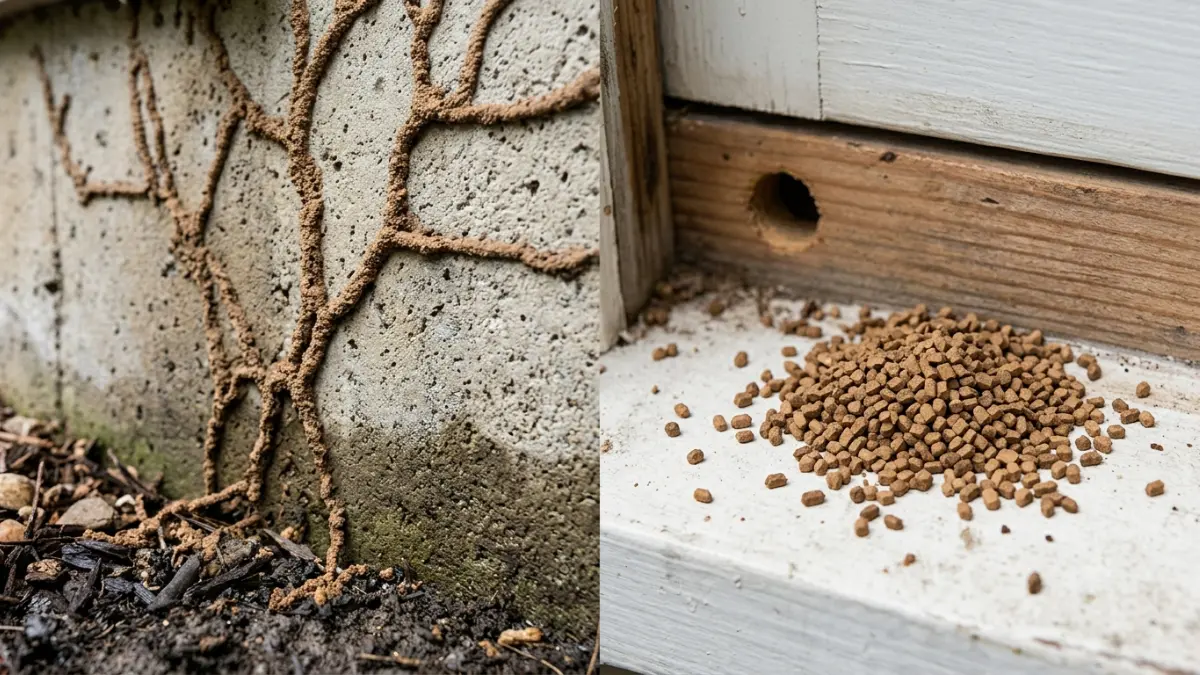
A mud tube up concrete is close to a signature for subterranean activity. Drywood termites push frass — small, hard, six-sided droppings — out through tiny “kick-out holes,” leaving little piles below. Here’s what drywood frass looks like up close.
Swarmers: easy to mistake for flying ants
Both species release winged swarmers that resemble flying ants; telling termite swarmers from flying ants sorts it out. Mud tubes point to subterranean and frass to drywood — but treat both as strong signals, not proof, and let an inspection confirm.
Why the difference matters: soil vs. wood

- MEASURES: 9 different measurements (humidity, dew point, vapor pressure).
- RANGE: -20 to 167°F recalls 20 reading pairs, large backlit LCD.
- ALERTS: Settable high and low alarms for RH, relative moisture level and absolute moisture level and field calibratable …
Where the colony lives decides how you fix it — which is why a treatment that works on one does little to the other.
Subterranean lives in the soil
A subterranean colony nests in the ground, at or below soil level. It forages up through mud tubes and returns to the soil for moisture. Spotted tubes? Check whether those mud tubes are still active.
🔍 Why It Works: Subterranean termites dry out without soil moisture, so they build mud tubes as humid highways from the ground to your wood. Cut off the soil connection and you cut off the colony — the logic behind soil and bait treatments.
Drywood lives inside the wood
A drywood colony lives sealed inside the wood it eats, with no ground link and little need for moisture. The whole colony — far smaller than a subterranean one — can sit inside a single beam, furniture, or run of framing.
Why this changes the fix
Subterranean colonies are underground and out of reach, so you treat the soil or bait them; drywood colonies are inside the wood, so you treat the wood or tent the structure. Stained or crumbling wood also gets mistaken for termite work, so telling termite damage from water damage or rot is worth a look first.
The fix: how each type is actually treated
Matching the treatment to the species is the whole game — the wrong method wastes money and leaves the colony alive.
Fixing subterranean: soil barriers and bait
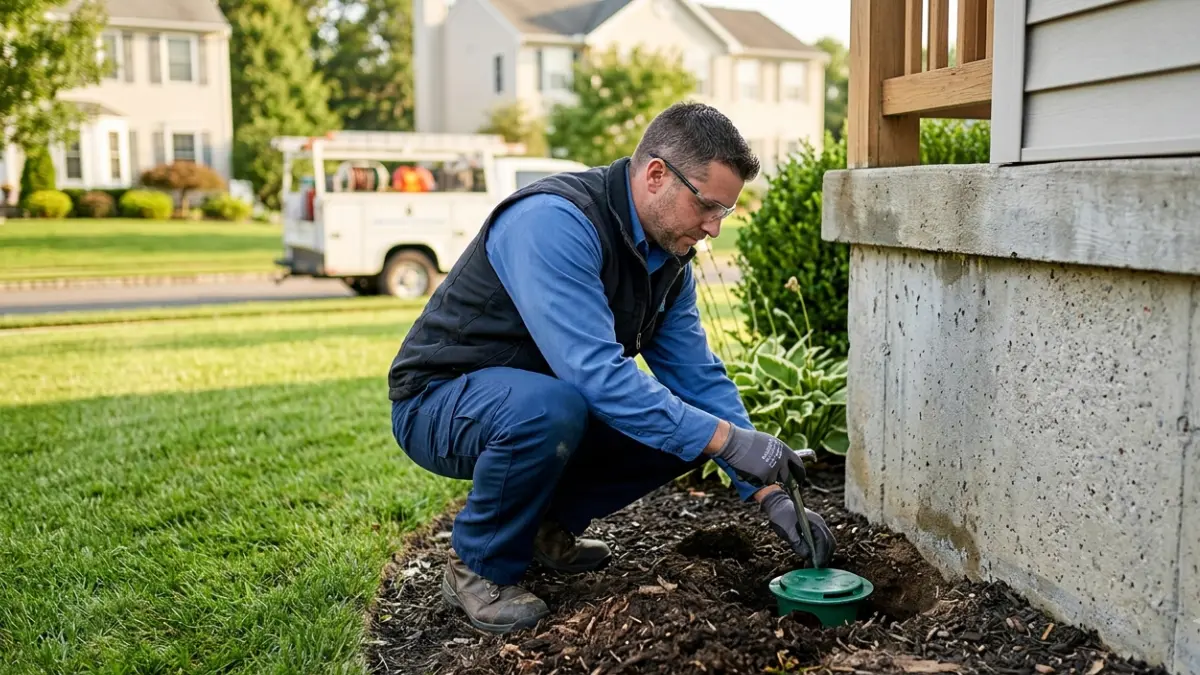
Subterranean termites are treated at the soil, not the structure — either a liquid termiticide barrier around and under the foundation, or an in-ground bait station system the colony feeds on and carries back underground. UC IPM’s guidance on subterranean termite control explains that control relies on soil-applied insecticides, shelter-tube treatment, or bait, because the colony sits out of reach below ground.
Fixing drywood: fumigation, heat, or spot
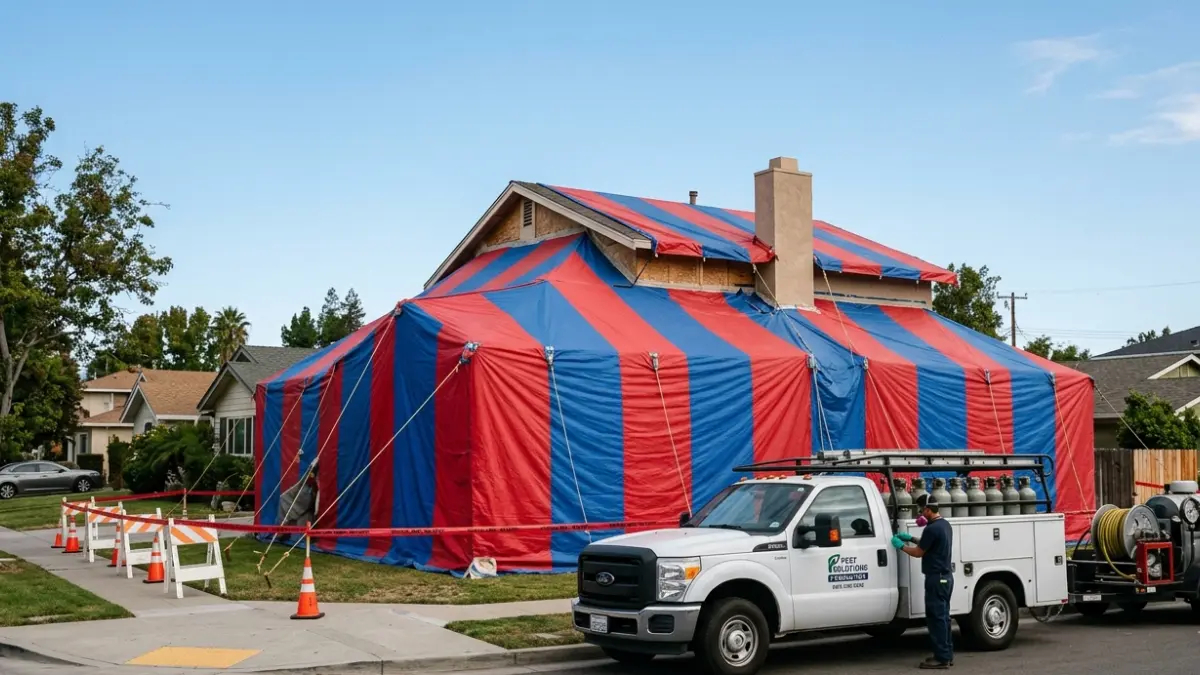
Drywood termites are treated in the wood. A widespread infestation usually calls for whole-structure fumigation with sulfuryl fluoride, which tents the home and reaches hidden galleries; a small confirmed pocket may get a localized (spot) or heat treatment instead. UC IPM’s drywood termite guidelines note that fumigation treats all infestations at once with high efficacy when correctly applied, requires occupants, pets, and plants to vacate for several days, and — like heat — leaves no residual protection against reinfestation.
Why fumigation does nothing for subterranean
Here’s the fact that protects your wallet: fumigation and heat can’t control subterranean termites, because the colony sits underground where the gas or heat never reaches.
⚠️ Watch Out: A fumigation quote for confirmed subterranean termites — or any quote that won’t name the species in writing — is your cue to stop and get a second opinion. The method has to match the pest.
What each fix really costs (no sales pitch)
What you’ll pay comes down to a chain: the species picks the method, and the method plus your home picks the price.
What drives the price
For subterranean treatment, price tracks the linear feet of your foundation and your foundation type — a slab needing concrete drilling costs more than an open crawl space. For drywood fumigation, price tracks the volume of the structure tented. Spot and heat cost less because they cover less.
| Fix | Typical range | Best for |
|---|---|---|
| Subterranean liquid barrier | ~$500–$3,000+ | An immediate soil barrier |
| Subterranean bait system | ~$800–$3,500 + monitoring | Colony elimination over time |
| Drywood spot / heat | ~$200–$1,500 | Small, confined infestations |
| Drywood fumigation | ~$1,200–$4,000+ | Widespread or hidden drywood |
| Professional inspection | ~$75–$200 (sometimes free) | Confirming the species |
Ranges are indicative and vary widely by region, home size, and severity. For the full breakdown, see our complete termite treatment cost guide.
💡 Pro Tip: Compare the same method for the same confirmed species. A subterranean bait quote and a drywood fumigation quote aren’t comparable, and lining up mismatched bids is exactly where people overpay.
What a quote should NOT include
Two honest points the sales page won’t lead with. A treatment quote covers killing the termites, not repairing wood they already damaged — get a separate repair estimate. And standard homeowners insurance (HO-3 and HO-5) generally excludes termite damage as a maintenance issue, so a termite bond or warranty is the realistic financial protection.
Which one do you likely have? Region and risk
Geography stacks the odds before you look for a sign.
Where each is common
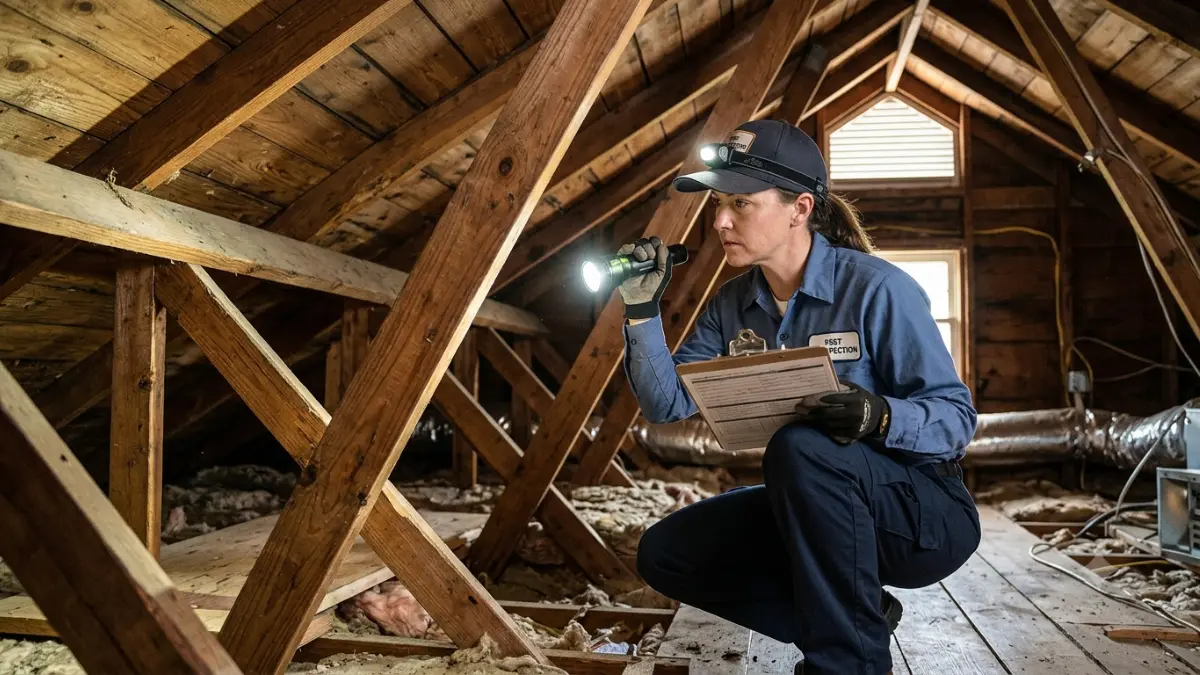
The EPA notes the native subterranean termite is the most common type across most of the U.S., with the smaller drywood termite and the invasive Formosan termite less common. Subterranean termites are the default risk almost everywhere and cause the most structural damage nationwide. Drywood termites concentrate in warm regions — Florida, the Gulf Coast, coastal California, Hawaii, and the coastal Southeast.
Can a house have both?
Yes. One home can host subterranean termites in soil-contact areas and drywood termites in the attic or eaves at once — one more reason to confirm the species rather than assume.
Swarm season
You’re most likely to see swarmers during swarm season: subterranean tend to swarm in spring, often after rain; drywood often swarm later, in late summer or fall. Timing varies, so a swarm is a prompt to inspect, not a diagnosis.
Getting a correct diagnosis and avoiding an upsell
- MULTI-SENSORY VOLTAGE ALARMS: Never miss a live wire in noisy environments. This detector features tactile vibration, a …
- DUAL SENSITIVITY MODES: Tackle any electrical task with confidence. Switch from the standard 90-1000V AC range to the hi…
- POCKET-SIZED AND RUGGED: Measuring just 6.4 x 1.15 x 1 inches and weighing around 2 ounces, this lightweight pen tester …
Every dollar spent wisely starts with getting the species named correctly, in writing.
Get the species named on the report
Insist the inspection or WDO report state the species — subterranean or drywood — in writing. Method, price, and warranty all depend on that line, and a quote that skips it isn’t one you can evaluate.
Red flags a quote is wrong
- Fumigation proposed for confirmed subterranean termites (it can’t reach them).
- No species named, or no written scope and warranty.
- Damage repair bundled into treatment with no separate, itemized estimate.
- High-pressure “sign today” tactics, or a quote with no real inspection behind it.
What you can and can’t do yourself
Prevention is fair game. The National Pesticide Information Center’s prevention guidance points to moisture control — fixing leaks, improving drainage, and keeping soil and firewood away from wood-to-structure contact. Treating an active structural infestation, though, is a licensed-pro job, not DIY.
Frequently asked questions
1. How can I tell if I have subterranean or drywood termites?
Look at the sign. Subterranean vs drywood termites split on soil contact: subterranean build mud tubes from the ground to your wood; drywood push small six-sided pellets (frass) out of the wood. An inspection confirms which you have.
2. Do drywood termites need contact with soil?
No. Drywood termites live entirely inside dry wood and need almost no moisture, so they require no soil contact. Subterranean termites are the opposite — they live in the ground and build mud tubes to reach your framing.
3. Which is more destructive, and which is more common?
Subterranean termites are the most common type across most of the U.S. and cause the most structural damage nationwide. Drywood termites are less common, mostly in warmer coastal and southern regions. A large subterranean colony usually does more, faster.
4. Does fumigation work on subterranean termites?
No. Fumigation and heat can’t control subterranean termites, because the colony lives underground, out of reach. Subterranean termites are treated at the soil with a liquid barrier or in-ground bait. A fumigation quote for confirmed subterranean is a red flag.
5. Can one house have both types?
Yes. A home can have subterranean termites in soil-contact areas and drywood termites in the attic or furniture at once. They need different treatments, so confirming both matters — one reason to get a professional inspection rather than assume.
6. How much does it cost to treat each?
It varies widely by region, home size, foundation type, and severity, so treat any figure as a ballpark. Subterranean liquid or bait and drywood spot treatments sit lower; whole-structure drywood fumigation runs higher. See our full termite treatment cost guide before budgeting.
7. Are mud tubes always subterranean, and is frass always drywood?
They’re strong signals, not proof. Mud tubes are close to a signature for subterranean termites, and six-sided frass pellets for drywood. But look-alikes happen, so a professional inspection is the reliable way to confirm the species before you pay.
8. Does homeowners insurance cover termite damage?
Usually not. Standard policies (HO-3 and HO-5) generally treat termite damage as a preventable maintenance issue and exclude it. The realistic protection is a termite bond or warranty, which typically covers retreatment if termites return. Read the terms carefully first.
9. Can I treat termites myself?
For prevention, yes — reducing moisture, fixing leaks, improving drainage, and keeping wood and firewood off soil-to-structure contact. Treating an active structural infestation is not DIY; soil barriers and fumigation require a licensed applicator. Suspect an active infestation? Hire a licensed pro.
The bottom line
The whole difference between subterranean vs drywood termites comes down to where the colony lives: subterranean in the soil, so you treat the soil or bait the colony; drywood inside the wood, so you treat the wood or tent the structure. That one fact decides both the fix and the price.
So the money move is simple: get the species confirmed in writing, make sure the method matches it, and check the cost against our full breakdown of real termite treatment costs. Do that, and you’ll pay for the right fix — and only the right fix.
Related Articles
 Termite Treatment
The overlooked question behind who pays for a termite letter
July 30, 2026 Termite Treatment
The real work starts where the termite risk map stops
August 5, 2026 Termite Treatment
The real limits of the best termite treatment you can buy
July 24, 2026 Termite Treatment
The real test with termites in rental property is who caused it
August 5, 2026 Termite Treatment
5 Treatments, 3 Real Costs, No Sales Pitch
July 14, 2026 Termite Treatment
Buying a house with termite damage hinges on one overlooked line
July 30, 2026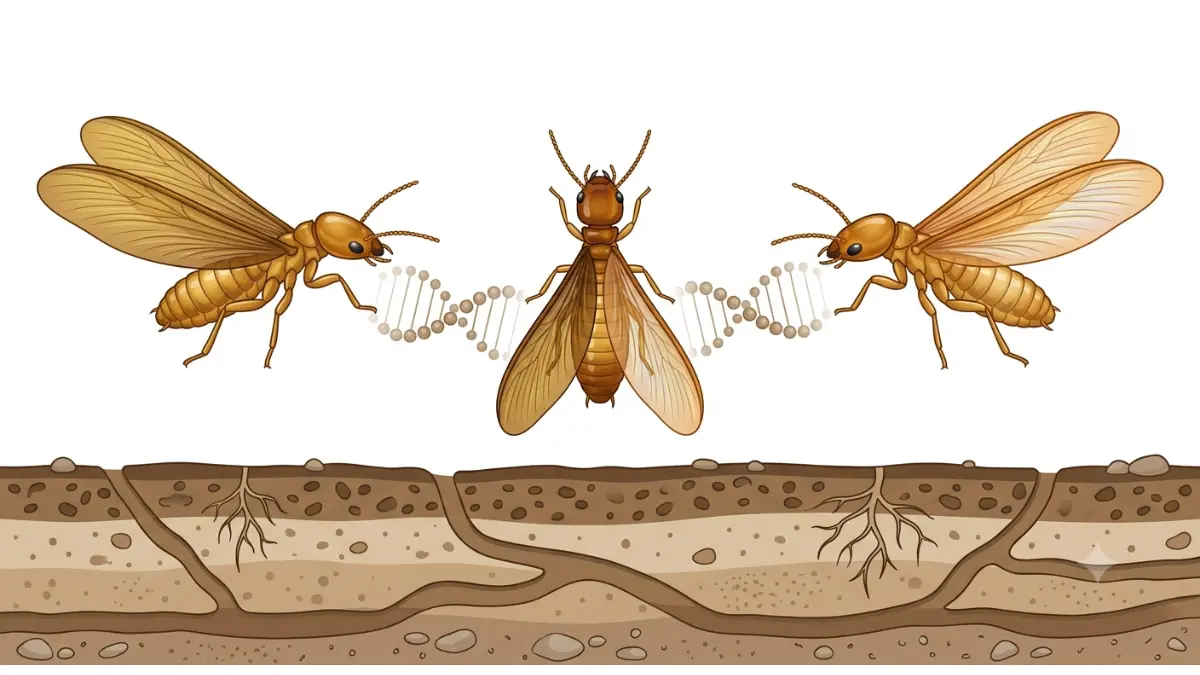 Termite Treatment
What the New Formosan Termite Hybrid Means for Florida
July 20, 2026 Termite Treatment
Borate termite treatment offers real protection within limits
July 25, 2026 Termite Treatment