
The right way to tell mice vs rats apart tonight
Mice vs rats gets settled by a ruler, not a glance. Mouse droppings run 1/8 inch, Norway rat droppings 3/4 — and size alone will fool you on a young rat.
Research-checked home guides for US homeowners
Questions? hello@gladewick.com
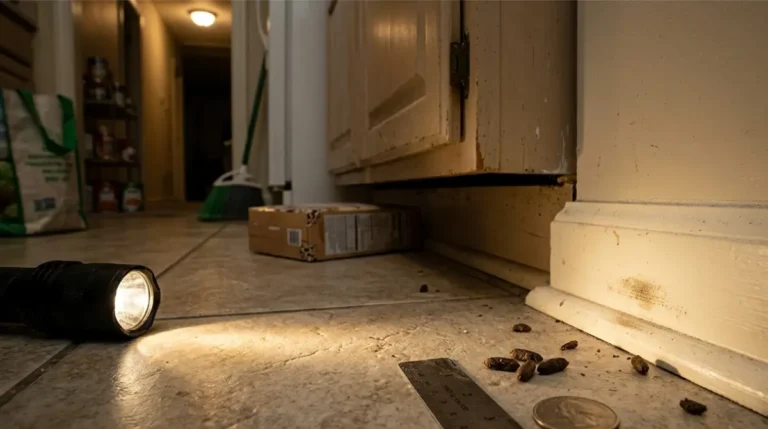
Mice vs rats gets settled by a ruler, not a glance. Mouse droppings run 1/8 inch, Norway rat droppings 3/4 — and size alone will fool you on a young rat.
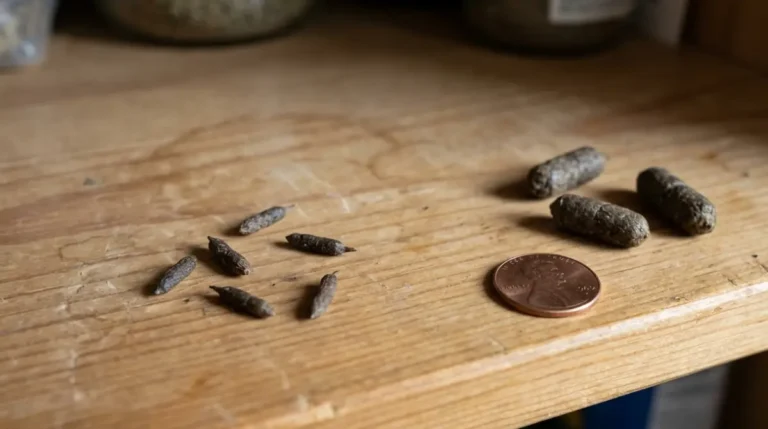
Rodent droppings identification comes down to a ruler — or a penny, which is exactly 0.75 inch wide. Here’s what size, shape, and age really tell you.
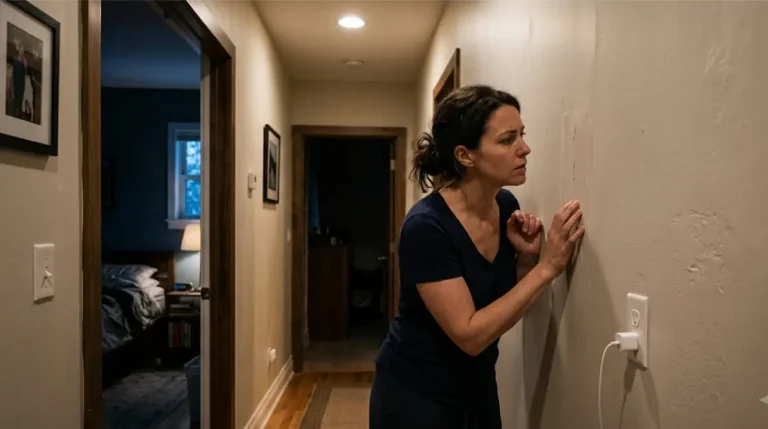
Scratching in the walls at night is usually a rodent — but flying squirrels, bats and the house itself all make the same sound after dark.
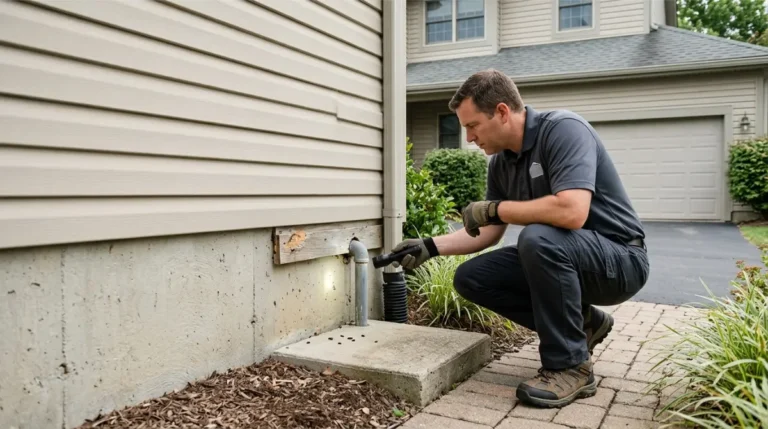
Rodent proofing starts with a material choice: extension research lists foam, vinyl and wood as ineffective against mice. Then there’s the legal half.

Termites in a rental? Florida’s extermination duty names wood-destroying organisms, then exempts the single-family homes and duplexes most renters live in.
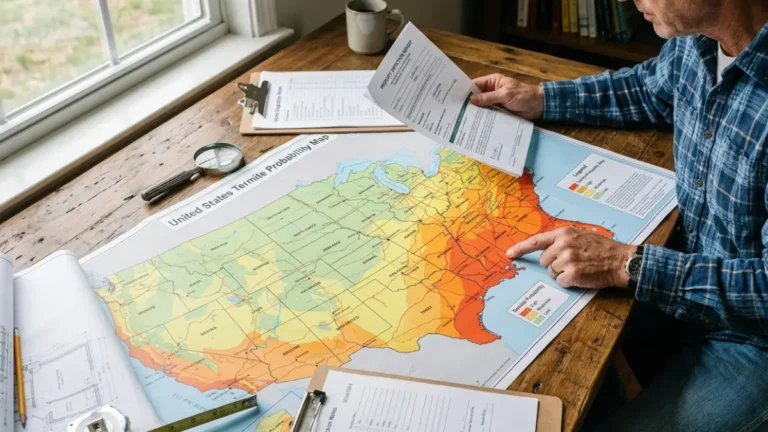
The termite risk map covers subterranean termites only, and USDA puts them in every state but Alaska. A pale band is a regional average, not your address.
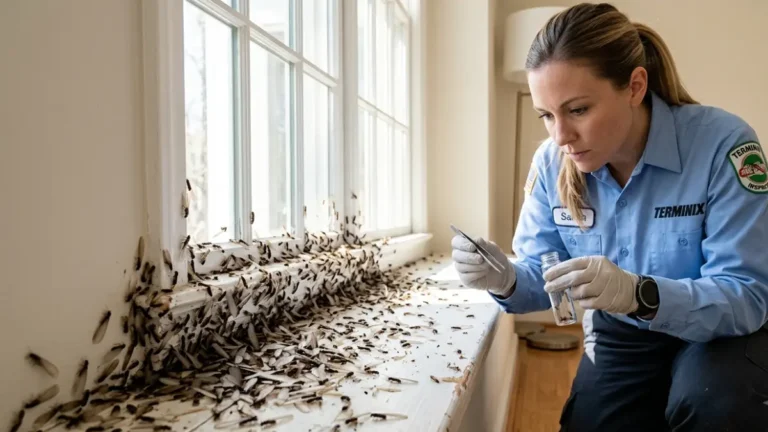
Termites swarm on warm days after rain — yet two extension programs report winter flights inside heated structures. The species flying decides the month.
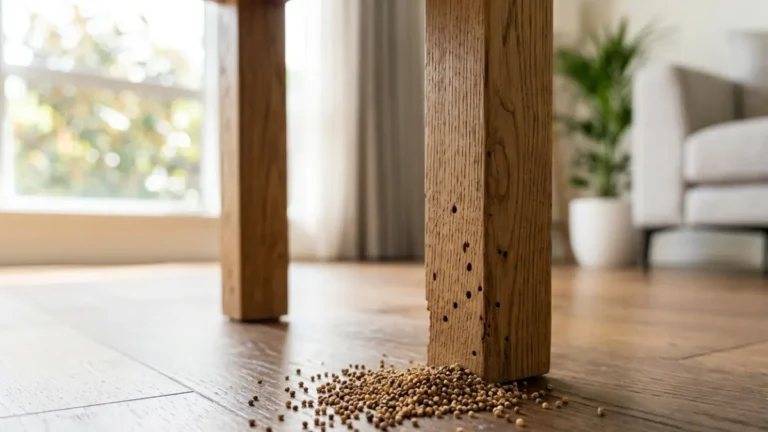
Termites in furniture: three extension documents publish three cold protocols, and none matches the freezer number circulating online.
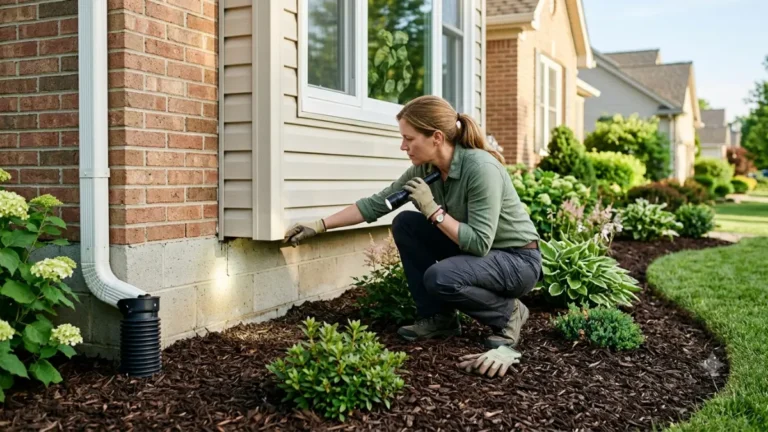
Termite prevention has a ceiling, and the inspection form used in federally backed home sales states it: any structure can be attacked.
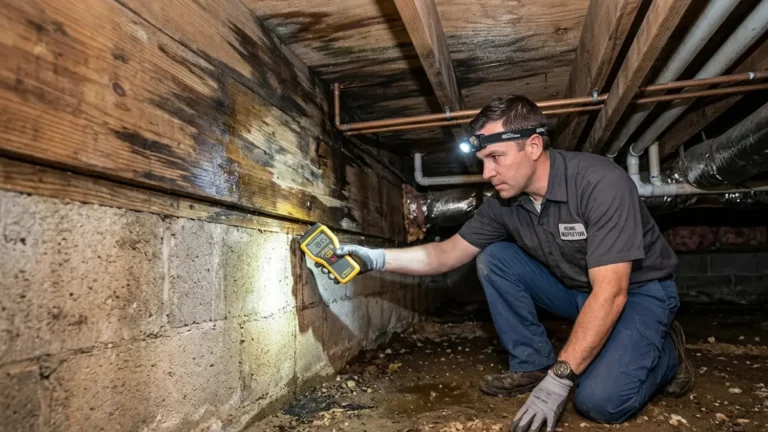
Crawl space moisture readings need context: South Carolina reports 20% as excessive, but serious decay needs wood above about 30%.
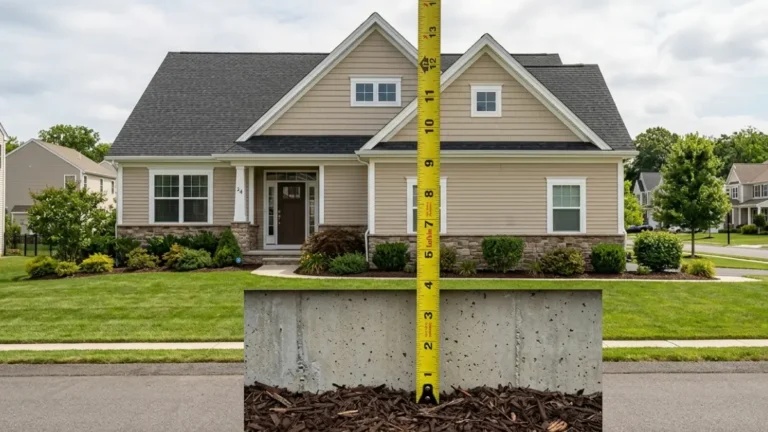
Wood to soil clearance is a sight line, not a barrier. Six inches doesn’t stop a termite — it’s the smallest gap where a mud tube has to show itself.
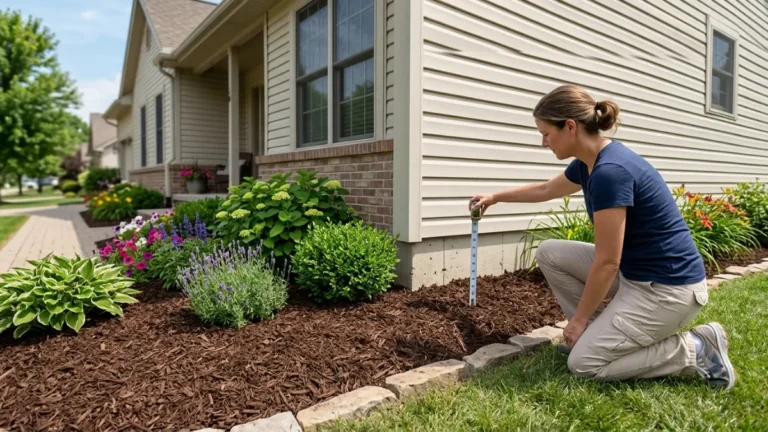
Does mulch attract termites, or is the gravel swap worse? The clearance that matters is measured from the top of the mulch, not the wall.