
The Smart Way to Prevent Bed Bugs at Home

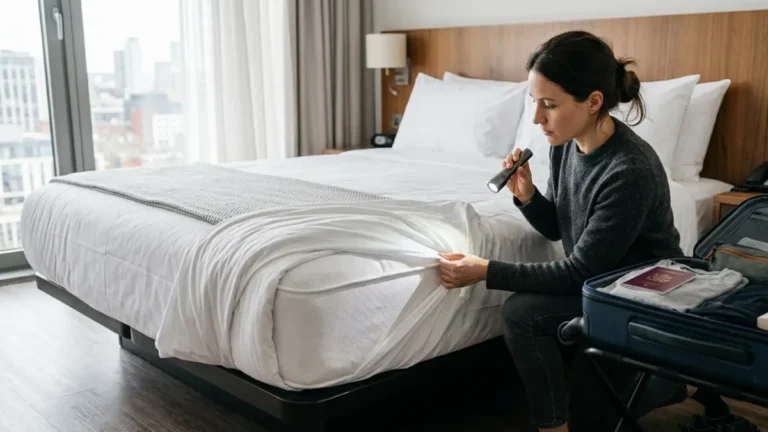
Preventing bed bugs isn’t about a clean house—it’s about blocking how they get in. Inspect hotels, encase your mattress, and set traps to catch them early.
Research-checked home guides for US homeowners
Questions? hello@gladewick.com
 BySameer Patel
Last Updated:
Preventing bed bugs isn’t about a clean house—it’s about blocking how they get in. Inspect hotels, encase your mattress, and set traps to catch them early.
 BySameer Patel
Last Updated:
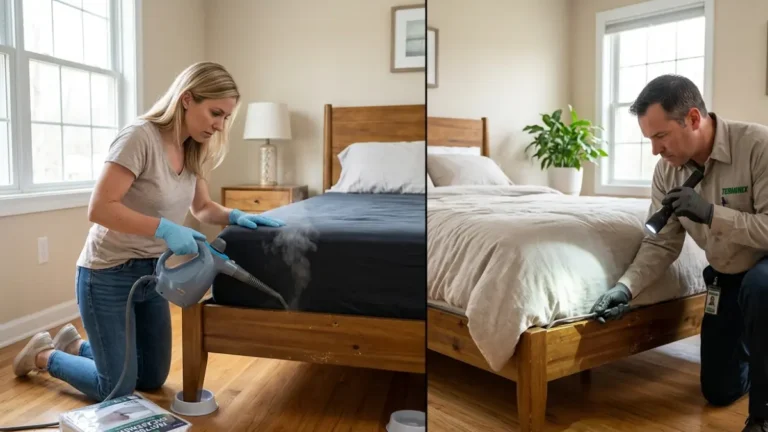
DIY or professional bed bug treatment? A minor, single-room case is often a DIY job, but once bugs spread or DIY fails twice, a licensed pro is the fix.
 BySameer Patel
Last Updated:
Bed bug treatment cost usually runs $1,000 to $4,000 across heat, chemical, and fumigation — plus the inspection and follow-up fees most quotes leave out.
 BySameer Patel
Last Updated:
A bed bug treatment kit is six tools working as a system—not a fogger or food-grade dust. Here’s what earns a spot, and what to skip.
 BySameer Patel
Last Updated:
What kills bed bugs comes down to three methods — and only heat kills the eggs, at about 122°F. See how DE, sprays and heat compare.
 BySameer Patel
Last Updated:
Bed bug traps work best when left in place about a week — see which interceptors research backs, how to place them, and when to call a pro.
 BySameer Patel
Last Updated:
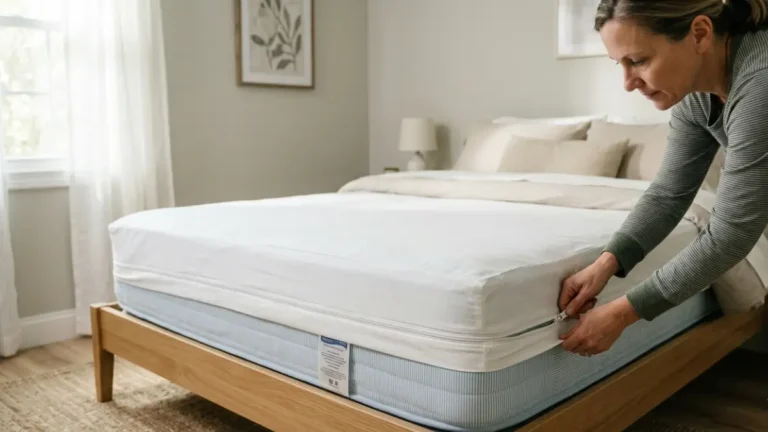
Not every bed bug encasement actually seals — the zipper end is where most fail. See 5 that pass, plus how to install one so trapped bugs can’t escape.
 BySameer Patel
Last Updated:
Bed bugs in clothes don’t mean the trash—heat kills them and their eggs, freezing saves what heat can’t, and sealed storage helps keep them from returning.
 BySameer Patel
Last Updated:
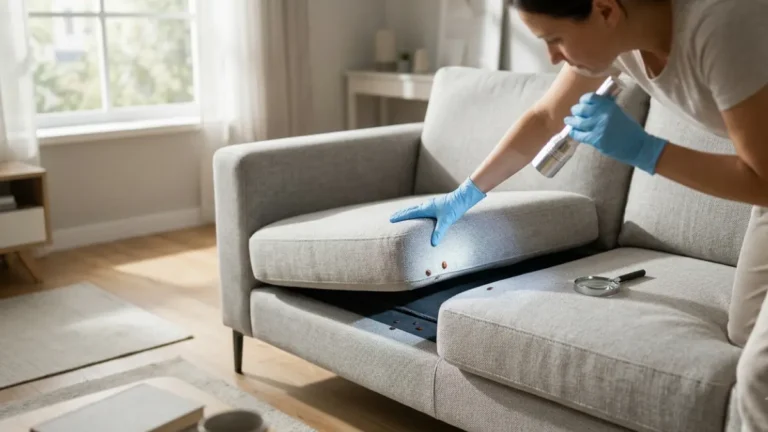
Bed bugs in a couch are almost always treatable—you rarely have to toss the sofa. Here’s how to confirm, contain, and clear them the safe way.
 BySameer Patel
Last Updated:
Bug bombs and bed bugs don’t mix: foggers never reach the cracks where they hide, and can scatter them. Here’s what works instead.
 BySameer Patel
Last Updated:
The best bed bug spray is only half the fix — even strong ones cleared bugs from just ~22% of homes in field trials. See what actually works.
 BySameer Patel
Last Updated:
Heat kills bed bugs at every stage—but 120°F is a floor, not a guarantee. Eggs survive in cracks the heat never reaches. Here’s what actually clears them.