
The Smart Way to Choose and Use a Bed Bug Spray

The best bed bug spray is only half the fix — even strong ones cleared bugs from just ~22% of homes in field trials. See what actually works.
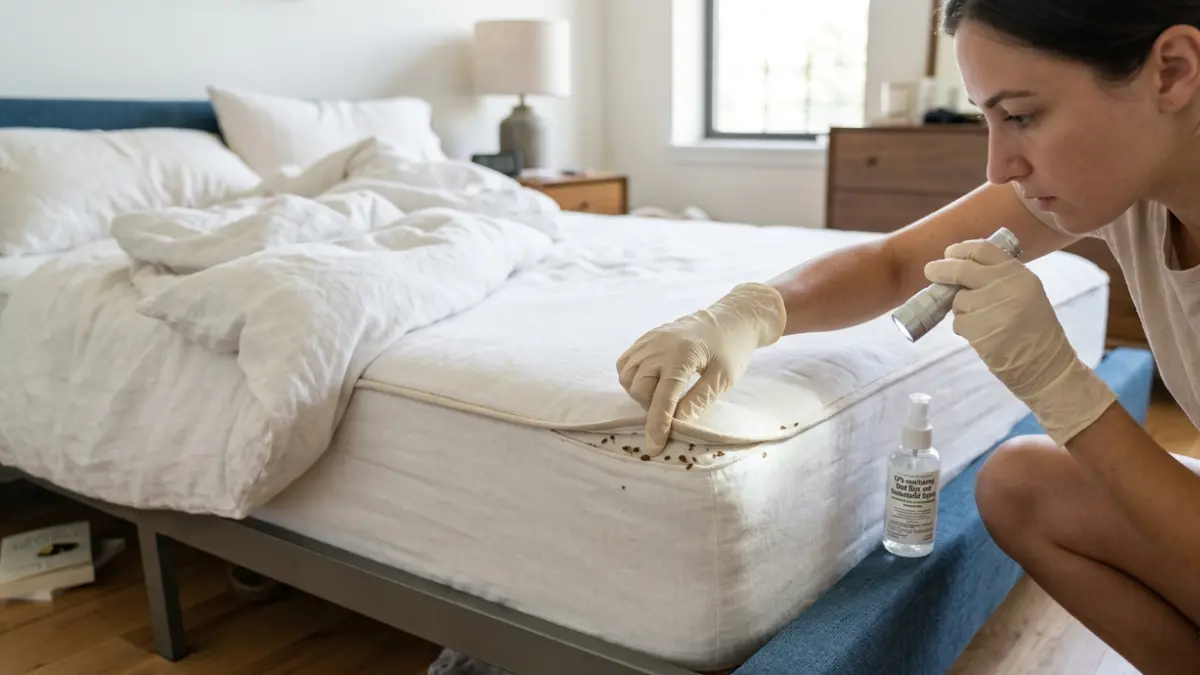
Table of Contents
Finding bites, spotting a live bug on a mattress seam, or seeing rusty specks on your sheets — whatever brought you here, you want the best bed bug spray and you want it to work. Here’s the honest starting point most roundups skip: the cheap spray you’re about to grab may barely dent your problem, because most bed bugs today resist it.
Where you are shapes what you need. If you’re not yet sure you have them, start with the signs of bed bugs before buying anything. If you’ve confirmed them and want the fastest effective pick, jump to the comparison below — and if you have kids or pets, the safety section matters most for you.
One more truth up front: a spray is one tool, not the whole cure. Used well, the right product is a real weapon; used as your only move, even good sprays usually fall short. Sprays are one part of the full safe 5-step plan to get rid of bed bugs.
ℹ️ Safety Note: Bed bug sprays are EPA-registered pesticides. The label directions are the law — read and follow them exactly. This article is general guidance, not a substitute for a licensed pest management professional. Never use a product indoors that isn’t labeled for indoor use, never use outdoor or garden pesticides inside, and never over-apply.
How bed bug sprays work — and why the active ingredient decides everything
The single most useful thing you can learn as a buyer is that a spray’s active ingredient — not its price or packaging — decides whether it works.
Contact kill, residual, and the eggs
Some sprays kill only on direct contact, meaning the bug has to be hit while it’s out. Others leave a residual that keeps killing for days as bugs cross treated surfaces. A third question matters just as much: whether the product kills eggs, since a spray that spares the eggs leaves the next generation to hatch.
The chemical classes that matter (and the resistance problem)
The EPA groups registered bed bug products into seven chemical classes, plus a narrow-use pest strip. The ones you’ll meet most are pyrethroids and pyrethrins, and here’s the catch: many bed bug populations have grown resistant to them, so identical-looking pyrethroid sprays can fail on resistant bugs.
🔍 Why It Works: Neonicotinoids and combination products kill through a different mode of action than pyrethroids, so bed bugs that shrug off a pyrethroid spray stay vulnerable to them. Desiccants like diatomaceous earth work physically by drying the bug out, which means bed bugs can’t develop resistance to them at all — but they’re for cracks and crevices only.
Products vary in how well they kill bed bug eggs, so re-treatment is almost always part of the plan. You can browse the full EPA list through the EPA’s overview of bed bug pesticide classes.
The best bed bug sprays, compared by what the evidence shows
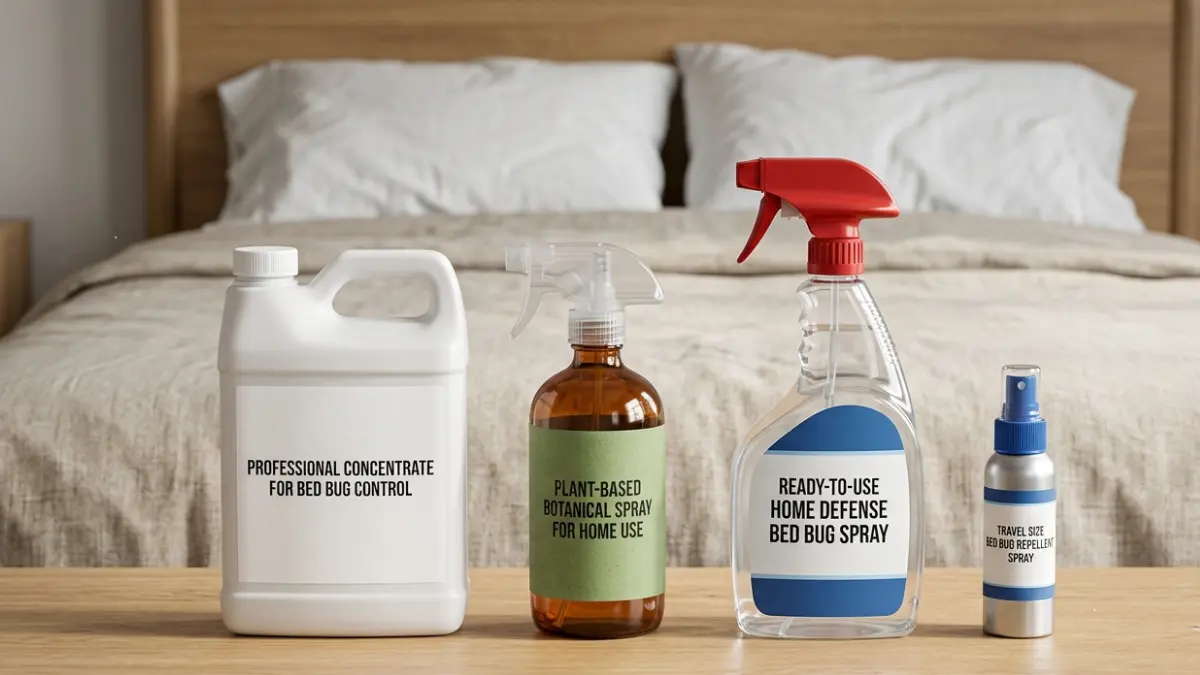
Rather than star ratings we didn’t earn in a lab, here are picks matched to real situations, each with its honest catch, grounded in EPA registration and published university research.
Best evidence-backed pick for resistant infestations
For bugs that resist pyrethroids, a combination product pairs two chemical classes. Temprid FX (imidacloprid plus beta-cyfluthrin) and Crossfire (clothianidin plus metofluthrin) are professional-grade concentrates developed to handle resistant populations in university studies.
- REMOVES ODORS: Deep cleans and removes odors from sealed hard floors
- STREAK-FREE: The fast-drying formula tackles tough messes to reveal a clean, streak-free finish on your floors without a…
- MULTI-SURFACE : Formulated to clean area rugs and all sealed hard floors including hardwood, tile, marble and laminate.
🛒 Our Pick — combination concentrate: Best for confirmed, resistant infestations. These are pro-grade and need careful, label-directed mixing — they’re best used by, or with guidance from, a licensed applicator. (We may earn a commission, at no extra cost to you.)
Best plant-based pick for homes with kids and pets
EcoRaider (also sold as EcoVenger) uses 1% geraniol and 1% cedar extract. In Rutgers testing it outperformed the plant-based field by a wide margin.

- HIGHLY EFFECTIVE, PLANT-POWERED BED BUG KILLER: EcoVenger Bed Bug Killer uses a patented blend of botanical insecticidal…
- USDA FIELD-TESTED & PROVEN: Vetted through the USDA IR4 PHP Program and field-tested by research entomologists. Recommen…
- KILLS ALL STAGES, INCLUDING RESISTANT BED BUGS: This formula kills bed bug adults and nymphs on contact with 100% effica…
📊 Sourced: In Rutgers lab testing of 11 non-synthetic products, only two topped 90% bed bug nymph kill on direct spray, and EcoRaider alone killed about 87% of eggs — most others barely affected eggs (Rutgers NJAES FS1251).
Best widely available consumer spray (with a caveat)

- KILLS BEDBUGS IN JUST 5 MINUTES: Fast-acting formula kills bed bugs at all life stages—including eggs—within 5 minutes o…
- LONG-LASTING RESIDUAL PROTECTION: Provides up to 30 days of continued protection, helping prevent re-infestation with fe…
- ODORLESS AND NON-STAINING: Water-based solution is safe for use on mattresses, furniture, and fabrics—dries clear withou…
Ready-to-use consumer sprays from brands like Harris, Ortho, and Hot Shot are easy to find and inexpensive, but most are pyrethroid-based — so on resistant bugs they may underperform. Always read the label to confirm the active ingredient.
Best for travel and spot use
TSA-size travel sprays let you treat luggage and hotel bedding on the go; keep one packed if you travel often.
| Product & type | Active ingredient (class) | Kills eggs? | Best for | Key caveat |
|---|---|---|---|---|
| Combination concentrate (e.g., Temprid FX, Crossfire) | Neonicotinoid + pyrethroid | Varies — check label | Resistant infestations | Pro-grade; careful mixing; $$$ |
| Plant-based (EcoRaider / EcoVenger) | Geraniol + cedar extract | Yes (~87% direct, per testing) | Homes with kids/pets | Lower residual on fabric; $$ |
| Consumer pyrethroid (Harris, Ortho, Hot Shot) | Pyrethroid | Varies — check label | Easy availability, budget | May fail on resistant bugs; $ |
| Travel/spot spray | Varies — check label | Varies | Luggage, hotels | Small volume; spot use only |
Sourced note: active ingredients per peer-reviewed efficacy research; kill data per Rutgers NJAES. Confirm each product’s current price, availability, and EPA registration before buying — find registered products through the EPA’s bed bug product search tool. How we chose: these picks reflect EPA registration and published research, not our own lab testing.
How to use bed bug spray so it actually works (and stays safe)
Buying the right bottle is half the job; spraying the right places, safely, is the other half.
Read the label first — it overrides any website
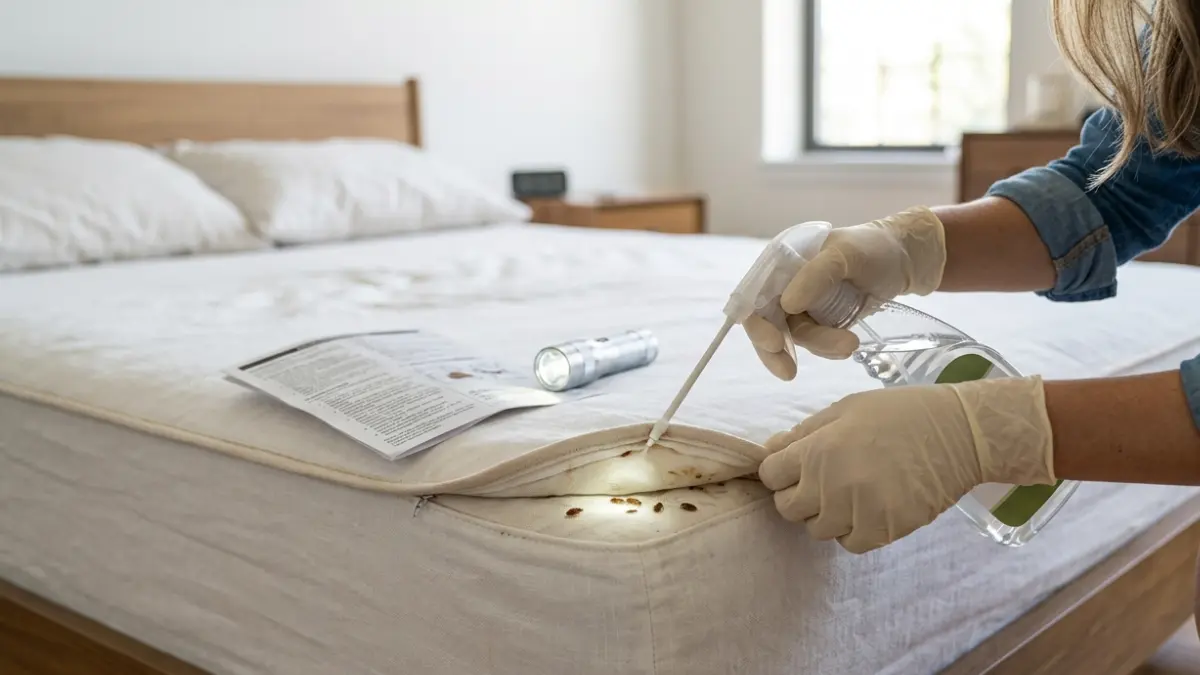
The label tells you where you may spray, how much, how often, and when it’s safe to re-enter — and it’s legally binding. No article, including this one, replaces it.
Treat where bed bugs hide — not open surfaces
Bed bugs shelter in cracks and crevices: mattress seams, bed-frame joints, baseboards, and furniture folds. Treat those harborage points, not broad open surfaces the spray can’t corner them on, and see where bed bugs hide for the full map.
⚠️ Watch Out: Never spray liquid into electrical outlets, never soak a mattress, and never bring an outdoor or garden pesticide indoors. Over-application isn’t stronger — it’s how people poison their own homes.
Coverage beats volume
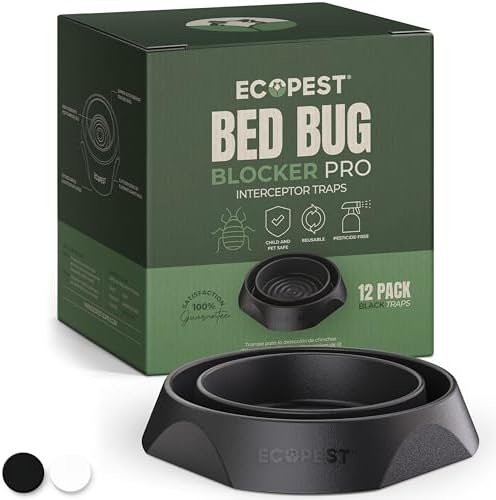
- SLEEP EASY WITH 24/7 BED BUG PROTECTION – Set it, forget it. Place one Bed Bug Blocker interceptor trap under each bed p…
- LAB-TESTED AND PROVEN TO TRAP BED BUGS – Tested by entomologists, trusted by the pros. Bed Bug Blocker interceptor traps…
- BED BUGS CLIMB IN BUT CANNOT CLIMB OUT – Simply place the traps under bed posts and furniture legs. Bed bugs cannot jump…
Careful, thorough coverage of hiding spots kills more bugs than drenching one area. Pair spraying with bed bug interceptors under the bed legs so you can track whether it’s working.
✅ Do This: Read the full product label before you spray, treat every seam and crevice you can reach, and let treated areas dry completely — following the label’s re-entry time — before kids or pets return.
What sprays can’t do: foggers, myths, and why bugs come back
If you’ve sprayed and the bugs are still winning, the problem usually isn’t you — it’s a wrong tool or a hidden bug.
Foggers and “bug bombs”: ineffective and a fire risk
Skip the foggers. The EPA is clear that a fogger won’t kill bed bugs the mist can’t reach, and bed bugs hide deep where it doesn’t penetrate.
📊 Sourced: An Ohio State University study found total-release foggers essentially ineffective against bed bugs; Rutgers documented one resident setting off nine foggers in a single studio — a serious fire and explosion risk that still failed (Rutgers NJAES FS1251; EPA guidance on bed bug foggers).
Homemade sprays, mothballs, and dryer sheets
Extension research finds homemade mixes are usually less safe than commercial products and rarely work, and there’s no evidence mothballs or dryer sheets prevent or kill bed bugs. See Rutgers’ review of what works and what wastes money before spending on gimmicks.
Why bed bugs survive spraying
Two reasons: most field populations resist pyrethroids, and a spray only kills what it touches. When bugs spread past the bedroom — worth understanding via how fast bed bugs spread — add heat treatment, which reaches where sprays can’t.
Keeping kids and pets safe when you spray for bed bugs
Registered products used exactly as labeled are generally safe — the danger is misuse, and it’s a documented one.

The real risk is misuse, not registered products
Poisonings tend to trace back to outdoor pesticides used indoors, or to over-application. Pesticide poisoning from bed bug treatment is well-recorded.
📊 Sourced: The CDC identified 111 illnesses linked to bed bug insecticide use across seven states from 2003–2010, including one death; pyrethroids or pyrethrins were involved in 89% of cases, including the fatality (CDC’s report on bed bug insecticide illnesses).
Rules that keep your family safe
Use only indoor-labeled products, follow the label exactly, and keep children and pets off treated surfaces until they dry per the label. Because pets are small, they often show poisoning signs first — treat a sick pet after spraying as an early warning. Knowing whether bed bugs are dangerous also helps you weigh risks calmly.
⚠️ Watch Out: Symptoms of pesticide exposure include headache, nausea, vomiting, dizziness, and tremors. If anyone — person or pet — develops these after spraying, act immediately.
✅ Do This: If you suspect exposure, leave the area and call Poison Control at 1-800-222-1222 (US); for a pet, contact your veterinarian. When in doubt, choose a lower-tox product or hire a licensed pro.
When to stop DIY spraying and bring in a professional
Calling in help isn’t a failure — it’s often the smartest, safest move.
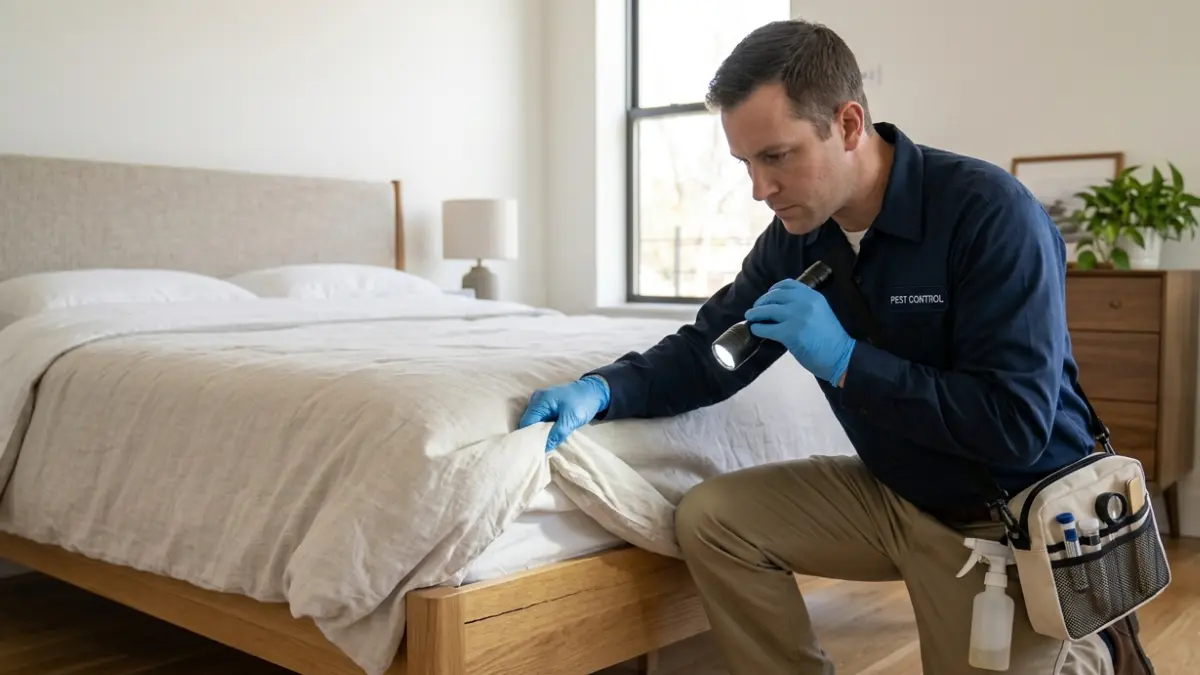
Signs DIY spraying isn’t enough
Escalate if bites keep recurring, the infestation spreads beyond one room, or weeks of correct spraying make no dent.
📊 Sourced: In Rutgers field trials, even combination sprays paired with other methods eliminated bed bugs from only about 22% of treated apartments — evidence that established infestations usually need a professional, integrated approach (Rutgers NJAES field study).
What a licensed professional does that a spray can’t
A licensed pest professional combines targeted products, heat, and monitoring in an integrated program, and can reach infestations a consumer spray never will. Once treatment is done, confirm success before you relax — know when bed bugs are gone walks through it.
✅ Do This: Verify any exterminator’s licensing through your state agriculture department or local extension office before hiring, and ask which methods they’ll combine beyond spraying.
Bed bug spray FAQs
1. Do bed bug sprays actually work?
Yes, but with limits. A good bed bug spray kills on contact and some leave a residual, yet most bed bugs now resist common pyrethroid sprays, and a spray only works where it reaches. In Rutgers field trials, even strong combination sprays plus other methods cleared bugs from only about 22% of treated units. Use spray as part of a plan, not your only move.
2. What is the most effective bed bug spray?
For pyrethroid-resistant infestations, the EPA points to combination products that pair a pyrethroid with a different class, like a neonicotinoid. Among plant-based options, EcoRaider stood out in university testing. The most effective bed bug spray for you depends on your situation and household — check the comparison above, then confirm the current product and label before buying.
3. Does bed bug spray kill the eggs?
Many don’t reliably. Bed bug eggs have a protective shell that resists a lot of sprays, which is why re-treatment matters as eggs hatch. In Rutgers testing, EcoRaider killed about 87% of eggs on direct spray while most other plant-based products barely touched them. Check the label to confirm a product is rated to kill bed bug eggs.
4. Do foggers or bug bombs kill bed bugs?
No — not as your main control. The EPA warns foggers won’t kill bed bugs the mist can’t reach, and bed bugs hide deep in cracks and crevices. An Ohio State study found them essentially ineffective, and using several at once risks fire or explosion. Skip the bug bomb; treat harborage directly and consider heat or a professional instead.
5. Is bed bug spray safe for pets and children?
EPA-registered products used exactly as the label directs are generally safe, but misuse is where harm happens. Never use outdoor pesticides indoors or over-apply, and keep kids and pets off treated surfaces until they dry as the label states. Pets often show poisoning signs first. If anyone develops symptoms after spraying, call Poison Control at 1-800-222-1222.
6. Why do bed bugs keep coming back after I spray?
Two reasons. Most bed bugs resist common pyrethroid sprays, so a cheap product may barely affect them; and a spray only kills what it contacts, so bugs hiding where you didn’t treat survive. Rotate to a different chemical class, treat every crack and crevice, and add non-chemical methods. If they persist, call a licensed pro.
7. Can I make a homemade bed bug spray?
It’s not worth it. University extension sources note homemade mixes are usually less safe than commercial products and rarely effective against bed bugs, and DIY sprays like rubbing alcohol are also flammable. Stick with an EPA-registered product labeled for indoor bed bug use, follow the label exactly, and add proven steps like heat and encasements.
8. How often should I reapply bed bug spray?
Only as often as the product label directs — the label is the law, and over-applying is dangerous, not more effective. Most treatments need repeating over several weeks because eggs keep hatching, but the interval depends on your specific product. Follow its instructions, and if repeated correct use isn’t working, call a professional.
9. Is natural or chemical bed bug spray better?
Both can work. The plant-based bed bug spray EcoRaider performed strongly on direct contact and eggs in Rutgers testing, making it a solid lower-tox choice for homes with kids and pets. Conventional combination sprays add stronger residual action for resistant infestations. Your best pick depends on severity and household — match the product to your situation and read the label.
10. When should I just call an exterminator?
Call a licensed pest professional if bites keep recurring, the problem spreads beyond one room, or weeks of correct DIY spraying make no dent. Even combination sprays plus other methods cleared bugs from only about 22% of units in field trials, so heavy infestations often need professional IPM. Verify licensing through your state agriculture department or extension office.
The short version — and your next step
Buying rule: pick an EPA-registered product matched to your situation, and for resistant bugs choose a combination spray rather than a cheap pyrethroid that resistance may defeat. Safety rule: the label is the law — never use outdoor products indoors, never over-apply, and keep kids and pets off treated surfaces until dry.
Plan rule: a spray is one tool, and even good ones rarely finish the job alone. Pair the right product with monitoring, heat where needed, and a professional if the infestation is established. Ready to put it all together? Follow the complete safe 5-step plan to get rid of bed bugs.
Related Articles
 Bed Bugs Treatment
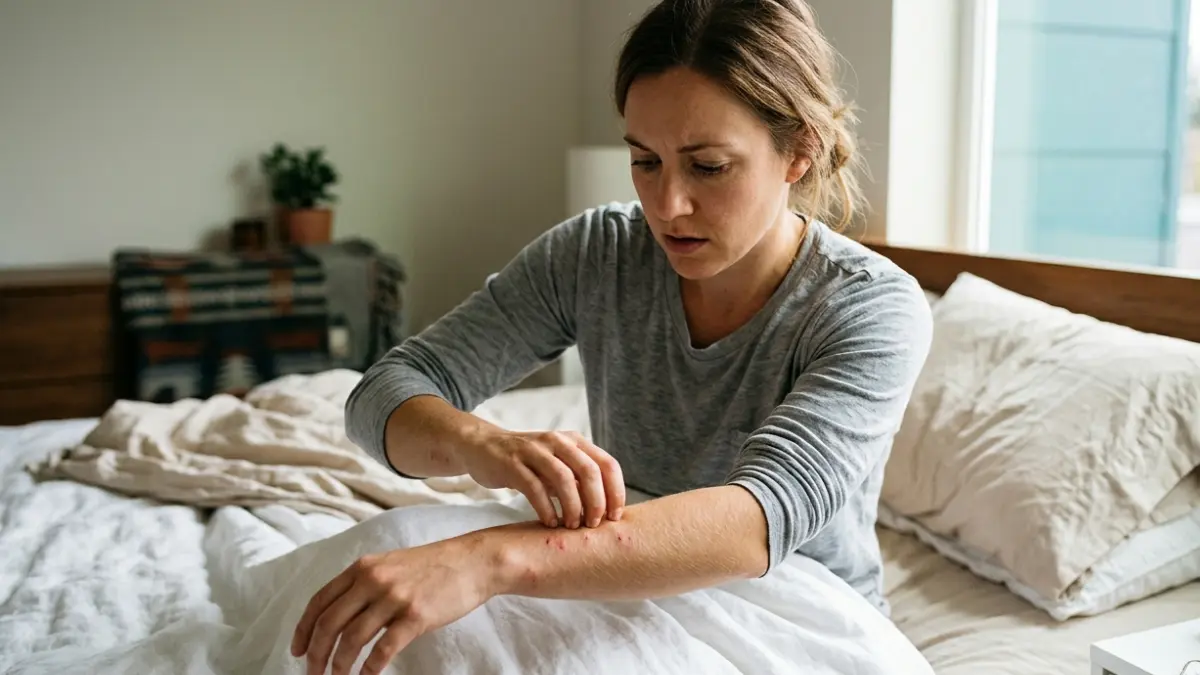
What Bed Bug Bites Look Like, and How to Be Sure
June 23, 2026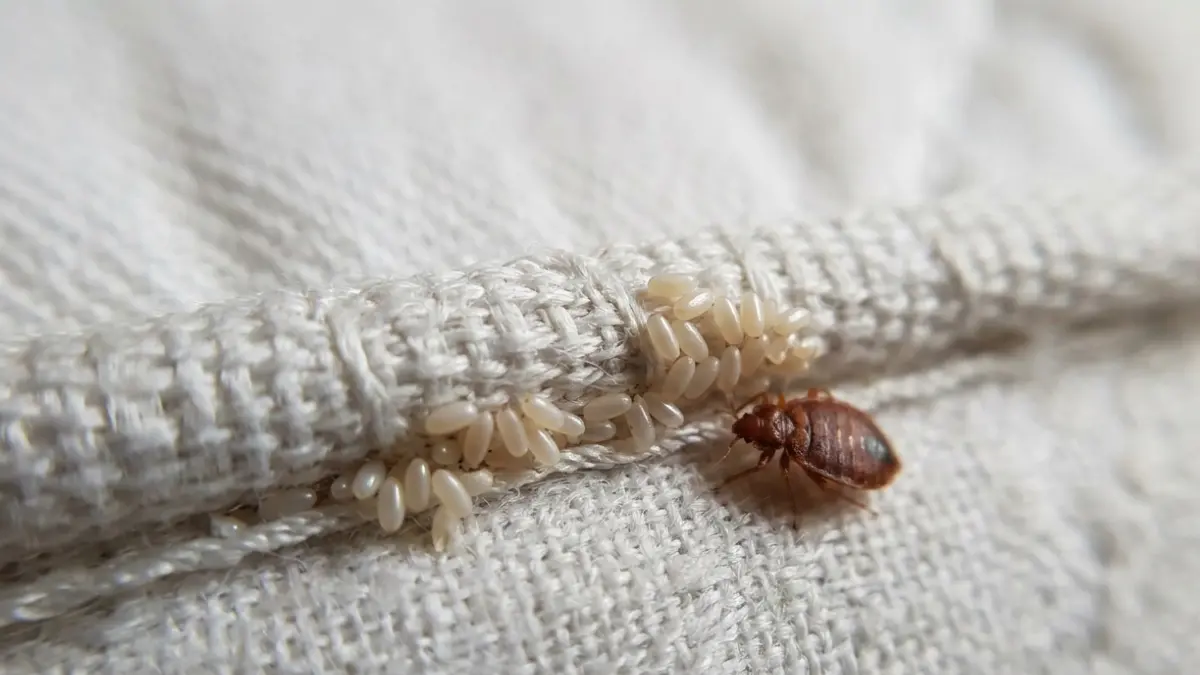 Bed Bugs Treatment
How to Spot Bed Bug Eggs and Stop Them Hatching
June 24, 2026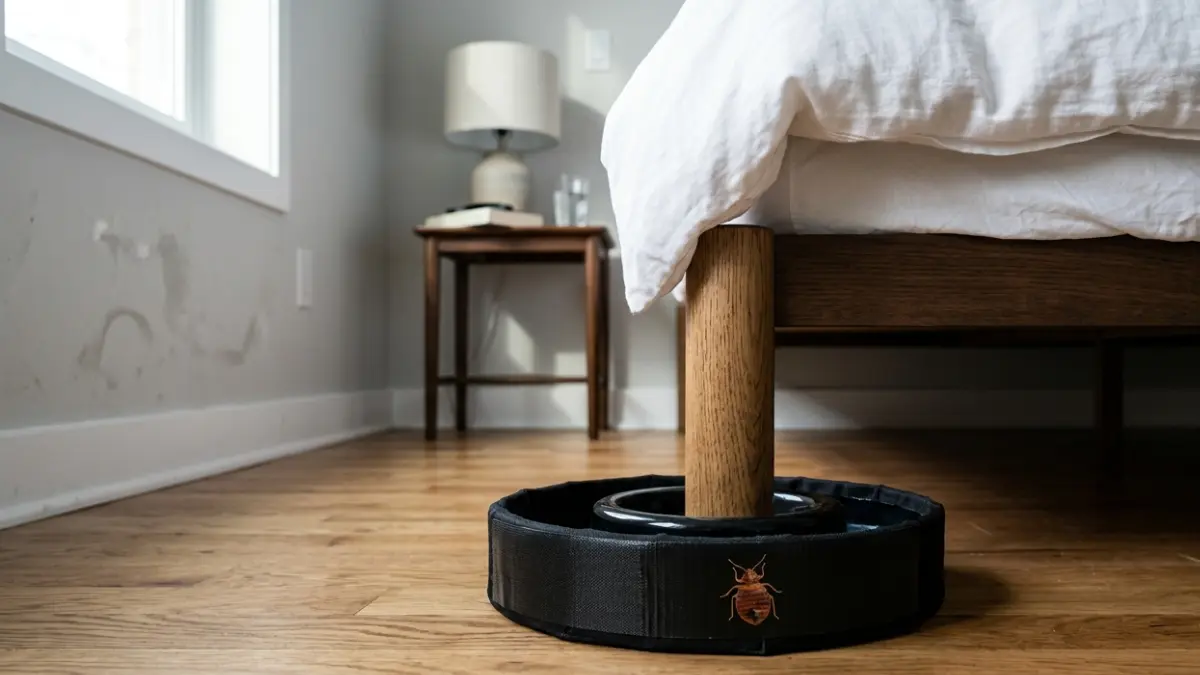 Bed Bugs Treatment
The Best Bed Bug Traps and Monitors, and How to Use Them
July 5, 2026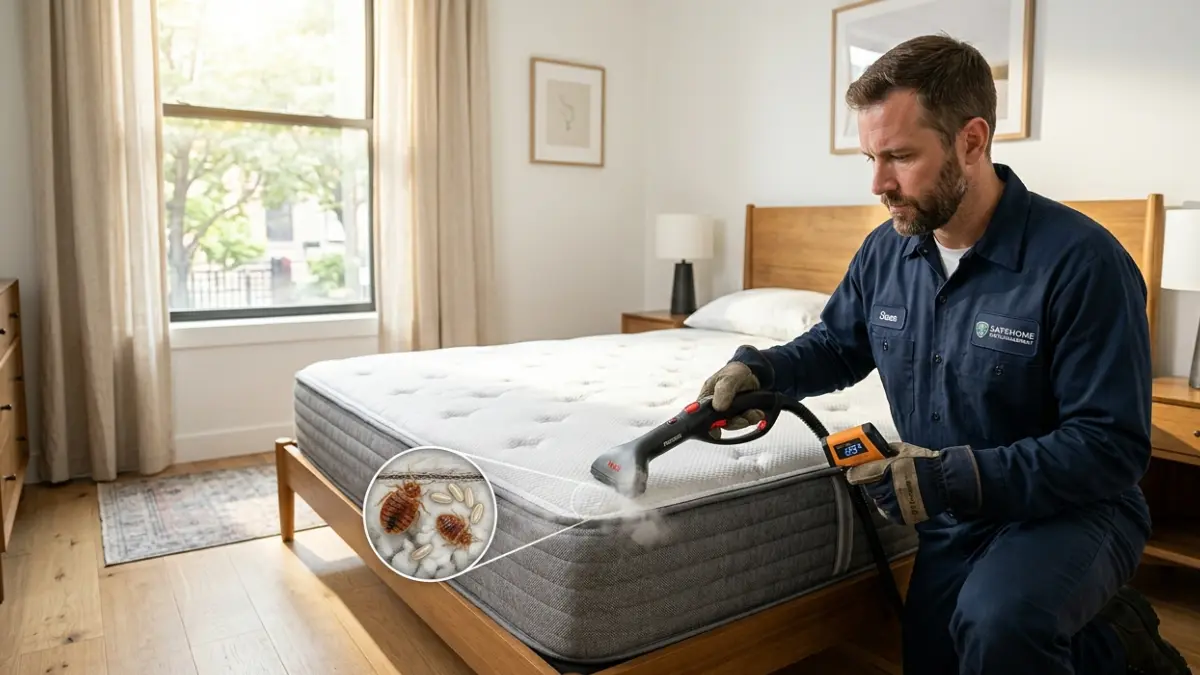 Bed Bugs Treatment
How Heat Kills Bed Bugs, and Where It Falls Short
July 1, 2026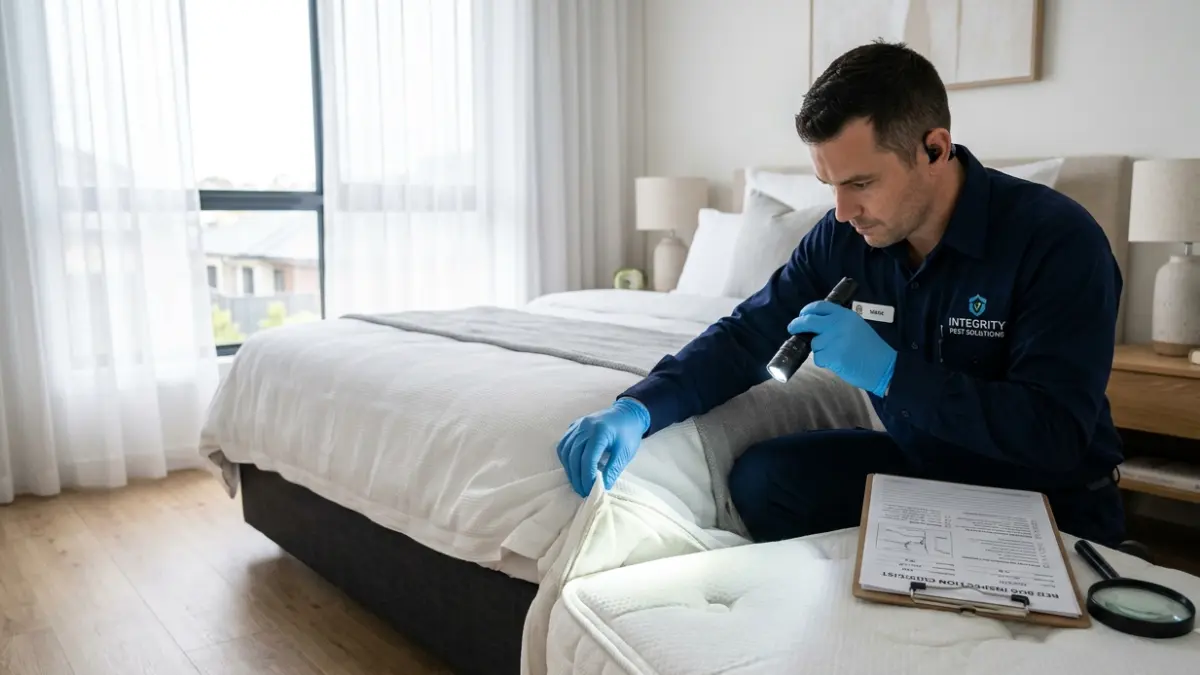 Bed Bugs Treatment
How to Hire a Bed Bug Exterminator and Avoid Costly Mistakes
July 9, 2026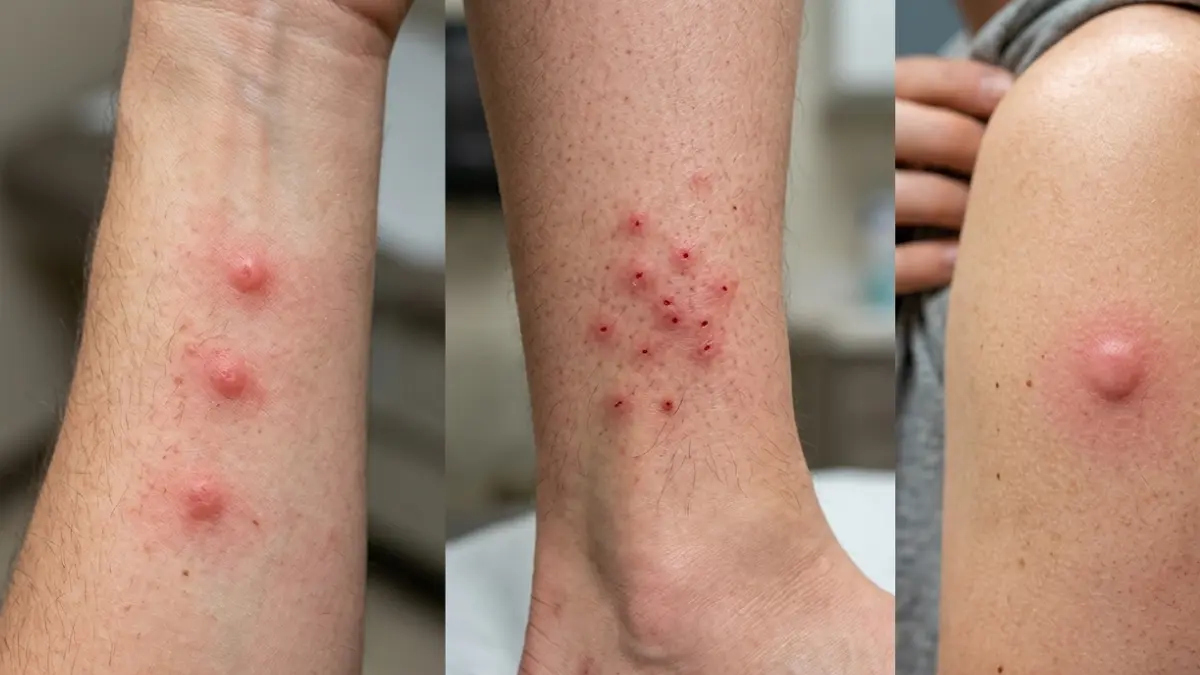 Bed Bugs Treatment
An Easy Way to Tell Bed Bug Bites From Flea and Mosquito Bites
June 24, 2026 Bed Bugs Treatment
How Long Can Bed Bugs Live Without Feeding? 20–400 Days
June 27, 2026 Bed Bugs Treatment
Build the Right Bed Bug Treatment Kit for Your Home
July 6, 2026 Bed Bugs Treatment