
How Long Can Bed Bugs Live Without Feeding? 20–400 Days

How long do bed bugs last without feeding? Months at room temperature, over a year in the cold — so you can’t simply wait them out.
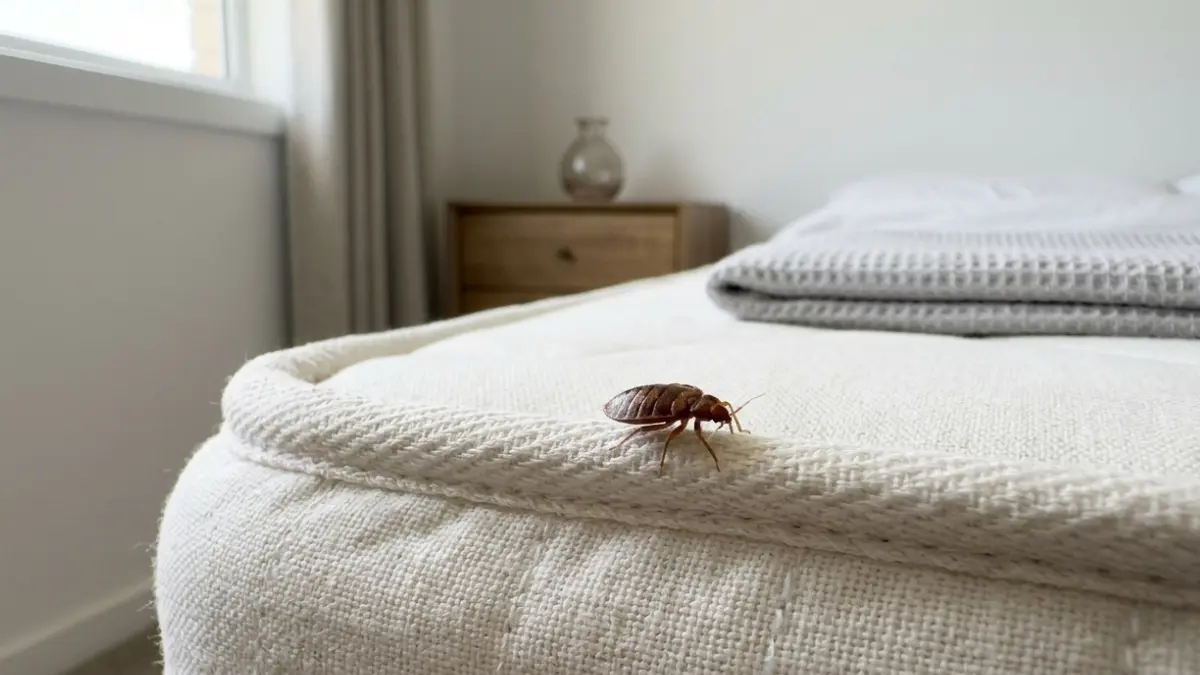
Table of Contents
Found bed bugs and wondering if you can just wait them out? Here’s the short answer: a bed bug can survive roughly 20 to 400 days without feeding, depending on temperature and life stage. That enormous range is the reason “leave the room empty for a while” almost never works on its own.
Where you go next depends on your situation:
- Mid-infestation and weighing your options? The real numbers are in the next two sections, and the honest verdict on starving them out is further down.
- Moving in, traveling, or worried about a second-hand couch? Jump to how vacancy and cold change the math — and how bed bugs get into a home in the first place.
- Just want to understand the biology? Start with temperature and life stage below.
You’ll get the real numbers, a quick-reference table you can trust, and a straight answer on whether waiting works — all sourced to entomology and public-health authorities, not guesswork.
How long bed bugs survive without feeding
A bed bug can survive anywhere from about 20 to 400 days without a blood meal, according to the University of California’s IPM bed bug guidance. Where a given bug falls inside that range comes down to two things: temperature and its life stage.
The short answer: 20 to 400 days
In a normal, heated home, adult bed bugs typically last on the order of a few months without feeding. In cool conditions that stretches dramatically — adults have survived more than 400 days in the laboratory at low temperatures. Younger bugs die far faster, which we’ll cover next.
Why the range is so wide
Bed bugs are cold-blooded, so their metabolism rises and falls with the temperature around them. Warmer means faster energy burn and shorter survival; cooler means a slower burn and longer survival. Humidity plays a smaller supporting role.
Survival vs. lifespan — they’re different
Two numbers get mixed up constantly. A bed bug’s total lifespan can reach a year or more with regular meals, but how long it survives without feeding is a separate question. When a host is available adults feed roughly every five to seven days — cut that off, and the survival clock above takes over.
How temperature changes the math
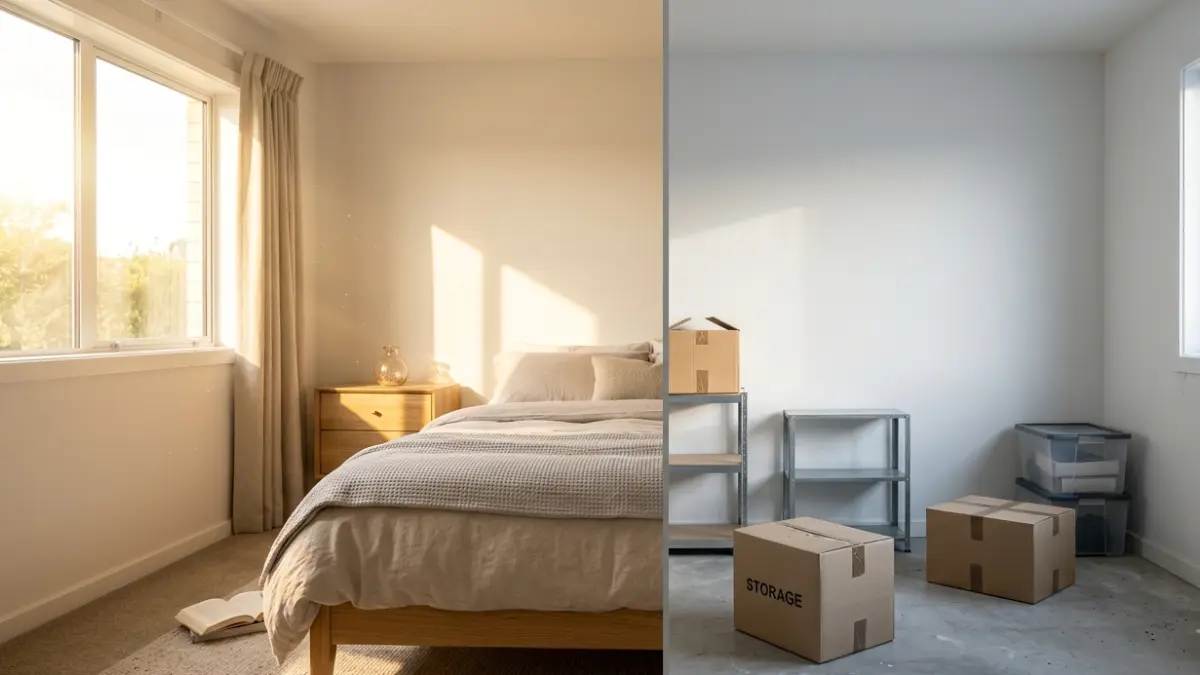
Temperature is the single biggest lever on how long bed bugs last without a meal. The gap between a heated bedroom and an unheated storage unit can be the difference between a few weeks and well over a year.
At room temperature (about 70–75°F)
At typical indoor room temperature, a bed bug can survive up to roughly three months without feeding, per the National Pesticide Information Center. That’s long enough for an apartment to sit empty and still have live bugs waiting when the next tenant unpacks.
In cold conditions
Cold doesn’t kill bed bugs quickly — it does the opposite. As the temperature drops, the bug’s metabolism slows, it burns its reserves more slowly, and survival can extend past a year.
🔍 Why It Works: Because bed bugs are cold-blooded, cold doesn’t starve them faster — it slows everything down. Their bodies spend stored energy at a crawl, letting them outlast an empty, chilly room far longer than most people expect.
Do bed bugs hibernate?
Not exactly. Bed bugs enter a dormant state that’s often described as diapause-like — a metabolic slowdown rather than true hibernation. It’s the same adaptation that carries them through lean stretches when no host is around.
Why age matters: nymphs vs. adults
A bed bug’s age shapes its survival as much as temperature does. The whole population doesn’t share one number — newly hatched bugs and mature adults are on very different clocks.
Newly hatched nymphs die first
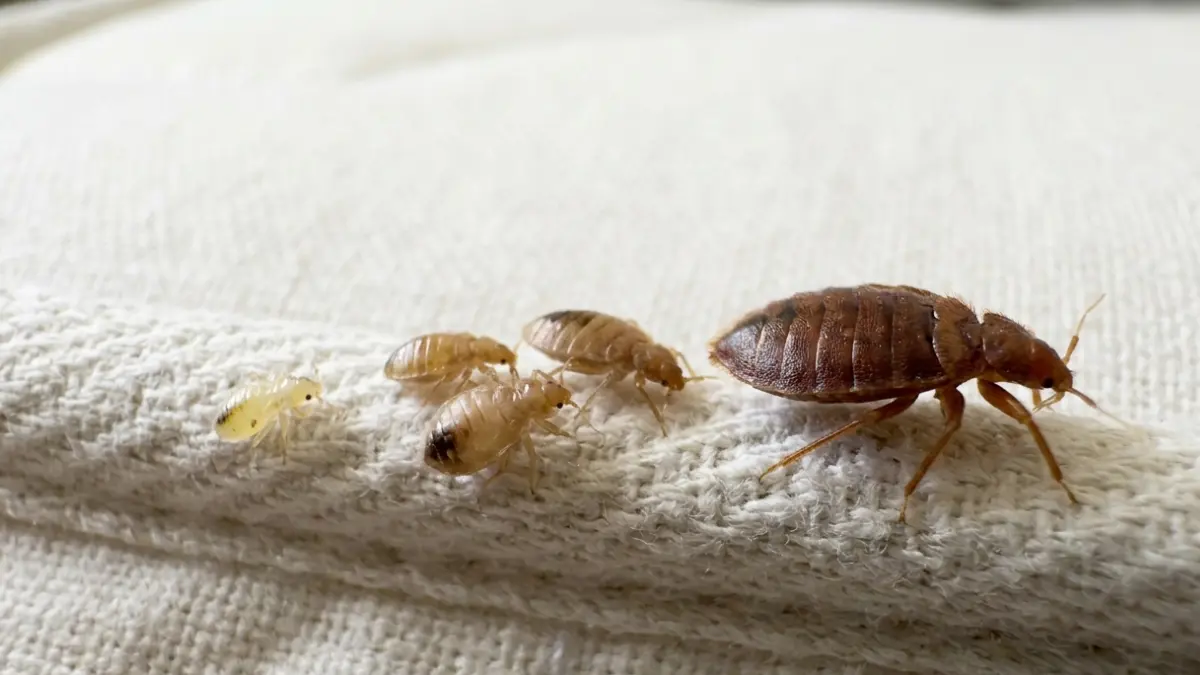
The youngest nymphs are the most fragile. They carry the smallest energy reserves, so they’re the first to starve when no host is available, generally lasting only a matter of weeks. Each of the five nymph stages needs a blood meal before it can molt to the next.
Older nymphs and adults last longest
As nymphs grow and feed, they bank more reserves and become much more resilient. Older nymphs outlast younger ones, and adults can live over a year without feeding, according to Penn State Extension’s bed bug guide. Adults are the stage most likely to be lurking in an “empty” space.
What this means for an infestation
A mixed-age infestation has staggered survival times, so some bugs die within weeks while others persist for months. Finding a few dead young bugs doesn’t mean it’s over. If you’re unsure what you’re seeing, what bed bugs look like at each stage helps you tell nymphs from adults.
Bed bug survival without feeding: a quick reference
Here’s the scattered research pulled into one place. Bed bug survival without feeding depends on both temperature and life stage, so this table pairs them:
| Life stage | Warm room (~70–75°F) | Cool conditions (~50–60°F) |
|---|---|---|
| Newly hatched nymph | Weeks — shortest of any stage | Longer, but still the most vulnerable |
| Older nymph | Longer than young nymphs, less than adults | Extended; outlasts younger nymphs |
| Adult | About 2–3 months | 400+ days (a year or more) |
Compiled from UC IPM, the National Pesticide Information Center, Penn State Extension, and the EPA. Only the adult figures are reported as hard numbers by these sources; where the authorities describe nymph survival qualitatively, the table does too, rather than inventing a precise figure.
How to read this table
Aim for your likely worst case, not your best case. In a heated home you’re usually in the warm-room column; in a garage, storage unit, or vacant winter property, the cool-conditions column is closer to reality.
Sources behind these numbers
The overall 20-to-400-day span and the laboratory figures come from UC IPM, the room-temperature figure from the National Pesticide Information Center, and the “over a year” adult survival from Penn State Extension. None of these cells reflect in-house testing — this is sourced synthesis, presented honestly.
Eggs, reproduction, and why infestations outlast you
Even if some adults starve, an infestation has a backup: eggs already laid and survivors ready to breed. This is the biological reason waiting rarely finishes the job.
How long do bed bug eggs survive?
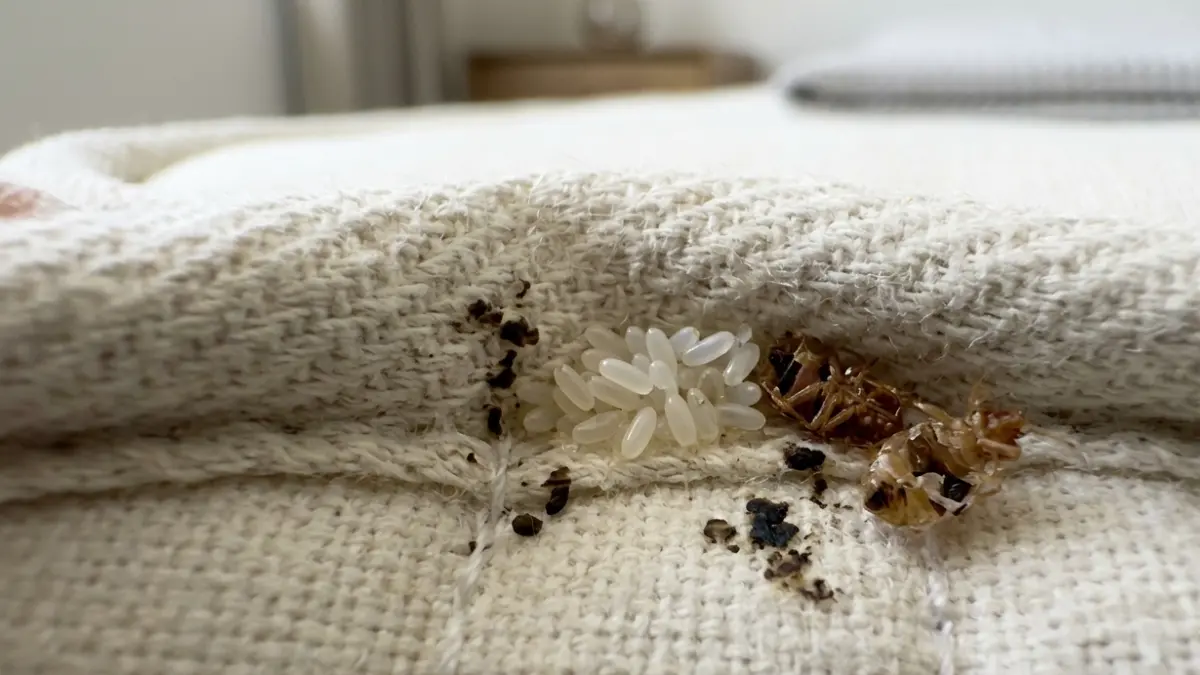
Bed bug eggs are glued into cracks and crevices and typically hatch within about 6 to 10 days. Starving the adults does nothing to those eggs — they hatch on their own schedule, as we cover in how bed bug eggs develop.
Reproduction needs blood — but eggs are already laid
A female needs a blood meal to produce eggs, and both sexes must feed at least once every 14 days to keep mating and laying, per the EPA’s bed bug fact page. So cutting off the food supply does slow reproduction — but only after the current batch of eggs has hatched.
Why a “vacant” space can re-infest
Bed bugs tuck deep into seams, frames, and walls — exactly where bed bugs hide out of sight. A space that looks empty can still hold dormant adults and unhatched eggs that revive the moment a host returns.
Can you starve bed bugs out of your home?

- Bed Bug Mattress Encasement Sealed on All Six Sides: The nylon zipper closure glides around three sides and tucks under …
- Jersey Knit Mattress Encasement, Soft and Quiet: The knitted polyester face feels more like a soft T-shirt than plastic,…
- Waterproof Mattress Cover for Spills and Night Accidents: A waterproof layer sealed beneath the knit helps keep sweat, s…
No — you generally cannot reliably starve bed bugs out of your home, and the survival numbers explain why. Adults can last months to over a year, eggs keep hatching, and any returning host restarts feeding.
The honest answer: not reliably
To truly starve them out, you’d need the space completely host-free, at the right temperature, for well over a year. Even then, a single missed egg pocket or an adjacent infested unit can undo all of it. Waiting is slower, less certain, and riskier than treatment, because the infestation can spread while you wait.

- Kills bed bugs and their eggs on contact
- Kills bed bugs on surfaces for up to 4 weeks
- Foam expands into hard to reach indoor places, and is easy to see where you sprayed
How long can bed bugs live in an empty house?
In a heated, empty house, expect live adults for at least a couple of months; in cool conditions, a year or more. That’s far longer than most people are willing — or able — to leave a home unused.
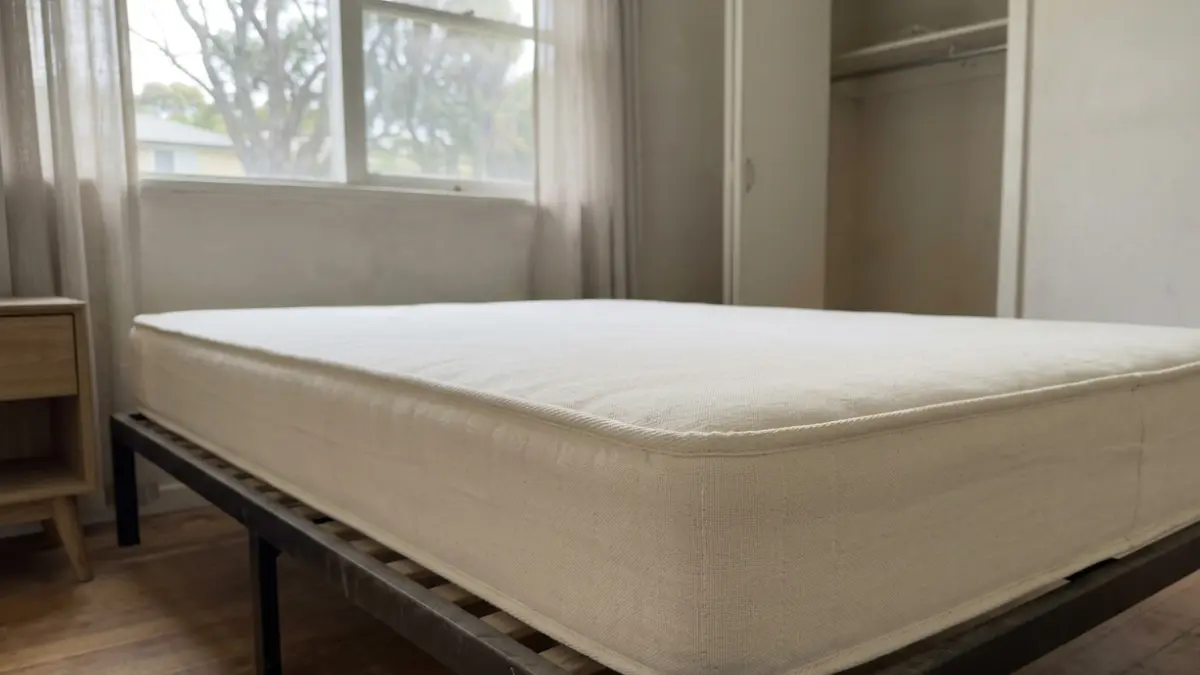
What to do instead (contain, monitor, treat)
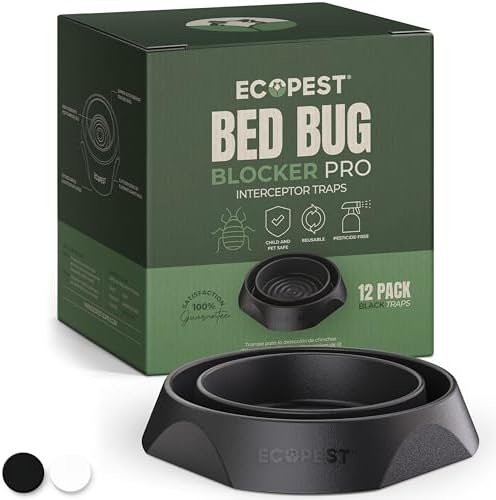
- SLEEP EASY WITH 24/7 BED BUG PROTECTION – Set it, forget it. Place one Bed Bug Blocker interceptor trap under each bed p…
- LAB-TESTED AND PROVEN TO TRAP BED BUGS – Tested by entomologists, trusted by the pros. Bed Bug Blocker interceptor traps…
- BED BUGS CLIMB IN BUT CANNOT CLIMB OUT – Simply place the traps under bed posts and furniture legs. Bed bugs cannot jump…
Don’t rely on waiting. Contain the problem and keep monitoring while you treat, following a real plan — our safe 5-step plan to get rid of bed bugs walks through each step.
✅ Do This: Keep checking for activity instead of assuming the bugs have starved — learn to spot the signs of bed bugs, and for a heavy or spreading infestation, bring in a licensed pest control professional.
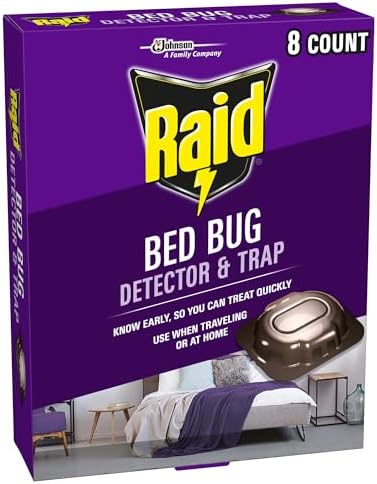
- Partially enclosed trap, designed with a see-through window
- Use when traveling or at home
- Indoor use
Frequently asked questions
1. How long can bed bugs live without feeding?
Bed bugs can live without feeding for roughly 20 to 400 days, depending on temperature and life stage. At normal room temperature adults usually last a few months, while in cool conditions they can survive over a year — though newly hatched nymphs die within weeks. That wide range is why starving them out rarely works.
2. Can you starve bed bugs out by leaving home?
Not reliably — because bed bugs survive without feeding for months, and over a year in cool conditions, leaving home empty almost never starves them out on its own. Eggs keep hatching while you’re gone, and survivors resume feeding the moment you return. The dependable fix is real treatment, not waiting it out.
3. How long can bed bugs live in an empty house?
In a heated, empty house, live adult bed bugs can persist at least two to three months without feeding, and in cooler conditions — an unheated unit or winter storage — a year or more. A vacant space that looks clean isn’t necessarily bug-free. Monitor before assuming it’s clear.
4. How long do baby bed bugs live without feeding?
Baby bed bugs, called nymphs, survive without feeding for far less time than adults — generally a matter of weeks. The youngest, newly hatched nymphs are the most vulnerable because they hold the smallest energy reserves. Each nymph stage needs a blood meal to molt, so without a host the youngest die first.
5. How long can bed bugs survive without feeding at room temperature?
At typical room temperature, around 70–75°F, a bed bug can survive up to about three months without feeding. Warmer temperatures speed up their metabolism and shorten survival, while cooler ones extend it well beyond that. This is why an empty, climate-controlled room can still harbor live bed bugs months later.
6. Can bed bugs really survive a whole year without feeding?
Yes, but mainly adults in cool conditions — they’ve survived more than 400 days without feeding in the laboratory at low temperatures, and over a year is documented. It’s the worst case, not the everyday one. In a normal heated home, survival without feeding is usually just a few months.
7. How often do bed bugs need to feed?
When a host is available, adult bed bugs feed roughly every five to seven days, though they can go far longer between meals when food is scarce. To keep mating and laying eggs, both males and females must feed at least once every 14 days. Feeding picks up in active infestations.
8. How long do bed bug eggs survive in an empty home?
Bed bug eggs typically hatch within about 6 to 10 days, whether or not the adults have a host, so starving the adults doesn’t stop eggs already laid from hatching on schedule. That’s a key reason a “vacant” home can re-infest. New nymphs emerge even after some adults have died.
9. Should I wait bed bugs out instead of treating?
No — because bed bugs survive without feeding for months, and over a year in cool conditions, waiting only lets the infestation entrench and spread instead of ending it. The reliable fix is prompt treatment, not patience. For the separate question of health risks, see whether bed bugs are dangerous.
The bottom line
Bed bugs can survive without feeding for about 20 to 400 days — a few months in a warm home, and over a year in cool conditions. The youngest nymphs die within weeks, but adults endure, and eggs keep hatching on their own schedule. That combination is exactly why waiting them out almost never works on its own.
So don’t count on starvation to solve this. Contain the problem, keep monitoring for activity, and start a real treatment plan — our safe 5-step plan to get rid of bed bugs is the dependable path forward.
Related Articles
 Bed Bugs Treatment
Bed Bugs in Your Apartment and Whether Your Landlord Is Right
July 13, 2026 Bed Bugs Treatment
Get Rid of Bed Bugs Yourself the Right Way at Home
June 30, 2026 Bed Bugs Treatment
How to Check for Bed Bugs the Right Way
June 27, 2026 Bed Bugs Treatment
Where Bed Bugs Hide When the Mattress Looks Clean
June 25, 2026 Bed Bugs Treatment
Check Your Hotel Room for Bed Bugs Before You Unpack
July 10, 2026 Bed Bugs Treatment
Choosing DIY or Professional Bed Bug Treatment the Smart Way
July 9, 2026 Bed Bugs Treatment
How to Know If Bed Bugs Are Gone and Stay Gone
June 29, 2026 Bed Bugs Treatment
The Right Mattress Encasement for Bed Bugs, and How to Use It
July 4, 2026 Bed Bugs Treatment