The rat poison rules most homeowners overlook

Rat poison rules vary sharply by state — six now restrict it beyond federal limits, with Maine’s taking effect June 16, 2026. Here’s what’s still legal
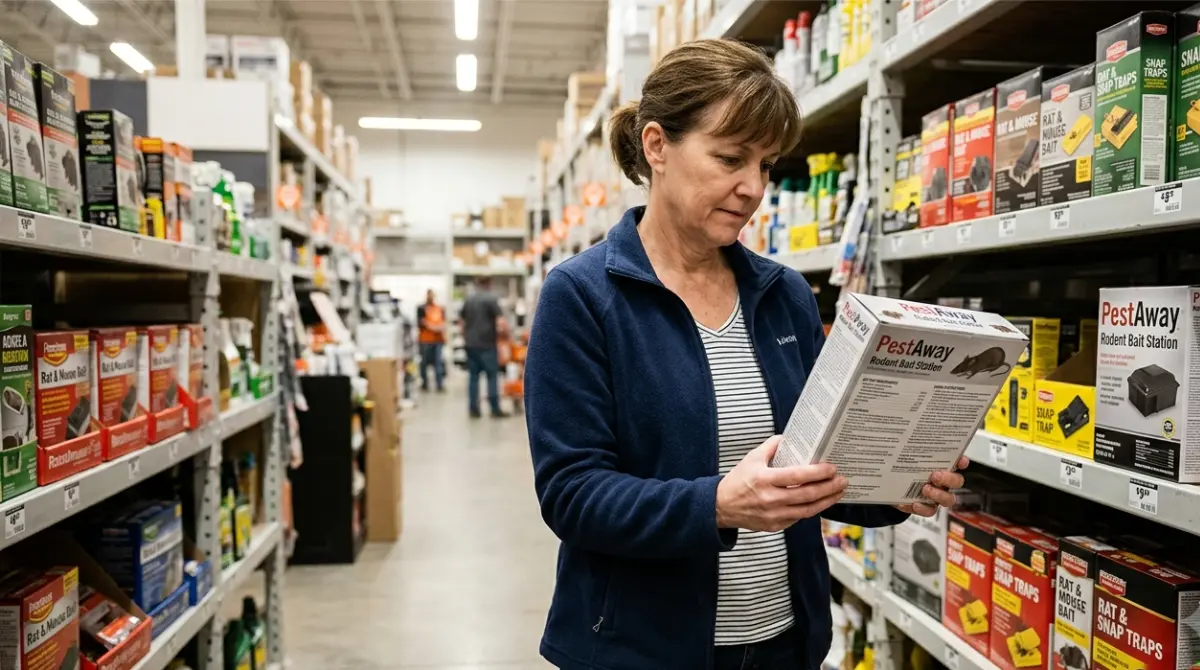
Table of Contents
Rat poison is still legal to buy in most of the country — but six states have gone past federal rules, and two of them changed in June 2026.
Find yourself here:
- California, Connecticut, Maine, Rhode Island, South Carolina or Vermont? The state table below has your rule and its effective date.
- Anywhere else? Federal limits still shape what’s on the shelf. Start with the next section.
- Dog or a small child at home? The safety section covers what most guides skip.
- Just want the rodents gone? Skip to the alternatives.
One thing worth knowing before you buy: the strongest baits left consumer shelves more than a decade ago, and what replaced them is not automatically safer indoors.
ℹ️ Safety Note: Rodenticides are poisons regulated at both federal and state level, and the rules change. This article is general information, not legal advice — confirm your state’s current rule with your state pesticide agency before buying, and always follow the product label. If a child or pet may have swallowed bait, call Poison Control at 1-800-222-1222 or the ASPCA Animal Poison Control Center at 888-426-4435 immediately, and bring the packaging.
What federal law already took off the shelves
Most of what people remember buying disappeared before any state legislature acted.
Four second-generation anticoagulant compounds — brodifacoum, bromadiolone, difenacoum and difethialone — are no longer registered for consumer products. Under EPA’s restrictions on rodenticide products, they are registered only for the commercial and structural pest control markets. A licensed professional can still place them in your home; you cannot buy them yourself.
First-generation vs. second-generation, plainly
The split is about persistence. Second-generation compounds are more likely to kill after a single night’s feeding and remain in animal tissues longer than first-generation ones, which is why they carry greater risk to species that eat the bait once or eat a poisoned rodent.
Why d-CON changed
EPA reached an agreement with the manufacturer to cancel 12 d-CON products; production stopped December 31, 2014 and distribution to retailers ended March 31, 2015. The brand still exists — it was reformulated.
🔍 Why It Works: Secondary poisoning is the whole reason for these rules. A rodent that eats bait stays alive for days, and a hawk, fox or dog that eats it absorbs a concentrated dose.
What you can still buy almost anywhere
The active ingredient panel on the box matters far more than the brand name on the front.
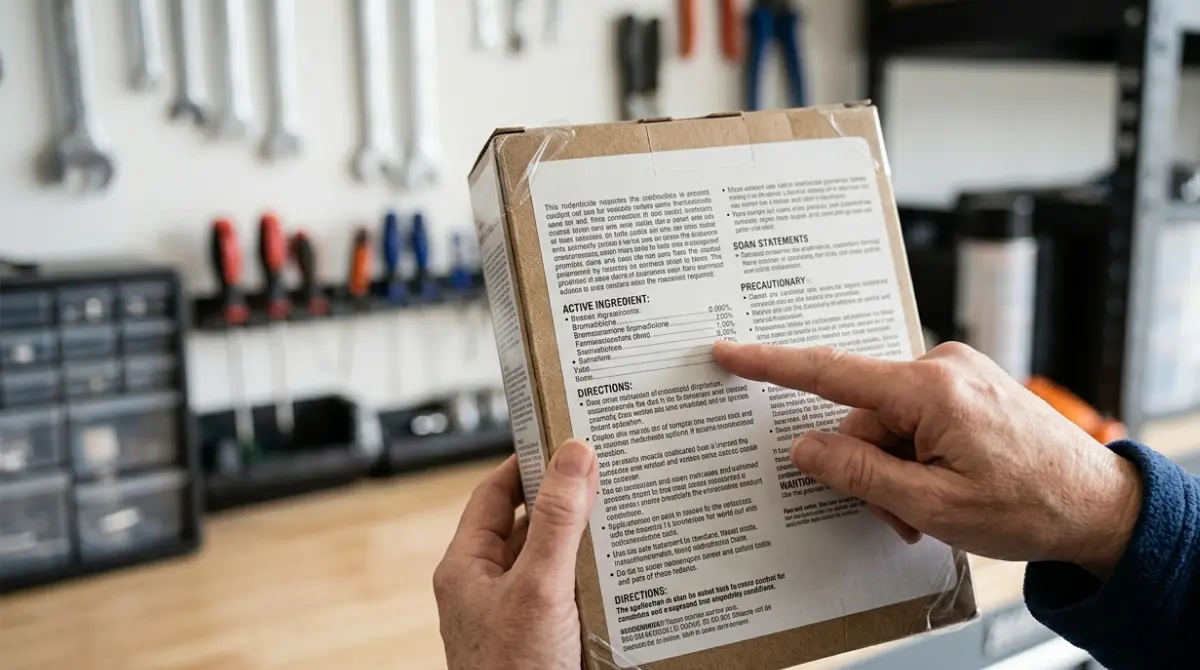
University of California extension identifies bromethalin, cholecalciferol and zinc phosphide as the toxic bait options available to residents. Some first-generation anticoagulant products also remain on consumer shelves outside the restricted states.
Packaging is federally fixed. Consumer bait must be sold as a block or paste packaged with an EPA-approved bait station, pellet-form products are banned, and consumer products may contain no more than one pound of bait.
Bait choice also depends on your rodent species — worth confirming whether you’re dealing with mice or rats before you buy anything.
✅ Do This: Turn the box over and read the active-ingredient line before you buy. That one habit outlasts every product reformulation and every law change on this page.
The states that went further, and when
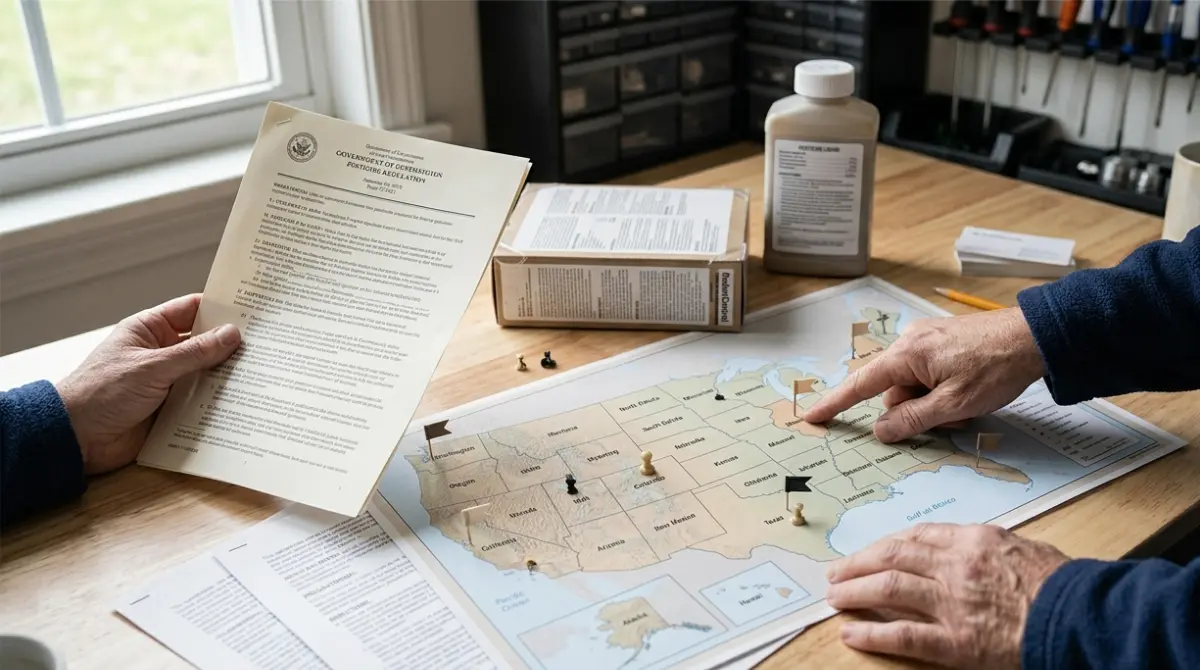
Six states now restrict rodenticides beyond the federal floor. Each rule is different, and the dates matter.
| State | What’s restricted | Effective | Key detail: who can still buy |
|---|---|---|---|
| California | All anticoagulants — SGARs plus diphacinone, chlorophacinone, warfarin | Phased 2020 → Jan 1, 2025 | Licensed applicators only, with public-health and agricultural exemptions |
| Connecticut | SGAR purchase requires a state license | Jan 1, 2026 | Licensed purchasers and certified applicators |
| Maine | Four SGARs reclassified as state Restricted Use | June 16, 2026 | Licensed applicators only; general-use dealers may not sell |
| Rhode Island | First-generation sales end, then second-generation, then both | Mar 1, 2027 → Jan 1, 2028 → Jan 1, 2029 | Licensed commercial applicators, plus public-health and agricultural uses |
| South Carolina | Four SGARs as state Restricted Use, extended indefinitely | Feb 1, 2025 | Certified applicators, through licensed dealers only |
| Vermont | SGARs classified Class A restricted use | July 1, 2024 | Certified applicators; not sold to the general public |
Sourced from state pesticide agencies and legislative records; confirmed September 2026.
How to check your state in two minutes
Search your state’s name plus “pesticide control board” or “department of agriculture pesticide.” Ask one question: is this active ingredient classified restricted-use here, and can an unlicensed resident buy it? That method still works when this table is out of date.
What to do with bait that’s now restricted
Don’t bin it or flush it. Follow the disposal instructions on the label and use your state’s household hazardous waste collection.
⚠️ Watch Out: Ordering online does not get you around a state rule. When Maine’s Board of Pesticides Control acted, online retailers had to stop shipping the restricted chemicals to Maine residential addresses, and Maine’s restrictions took effect June 16, 2026. Buying restricted product into a restricted state can carry real penalties — California’s law allows civil penalties up to $25,000 per day per violation.
South Carolina’s route is worth noting because it came from a regulator rather than a legislature: Clemson’s Department of Pesticide Regulation restricted SGARs after research showed the chemicals were affecting non-target wildlife, and has extended the restriction indefinitely — see Clemson’s SGAR guidance for dealers and applicators.
Legal doesn’t mean safe around kids and pets
Here’s what almost no guide on this topic tells you: the products that remain legal are, in one important respect, harder to treat.
Anticoagulant poisoning has an antidote — vitamin K1. Bromethalin does not. The ASPCA’s Animal Poison Control Center notes there is no antidote or truly effective treatment for bromethalin, and cholecalciferol is similarly difficult to manage. As restrictions pushed anticoagulants off consumer shelves, bromethalin took their place.
📊 Sourced: The 2024 National Poison Data System report recorded 1,748 single-substance bromethalin exposures, 1,142 of them in children aged five or younger.
EPA has described rodenticides as the most frequent reason for pesticide-related health-facility visits among children under six.
The National Pesticide Information Center’s rodenticide guidance recommends prevention, sanitation and exclusion before any bait.
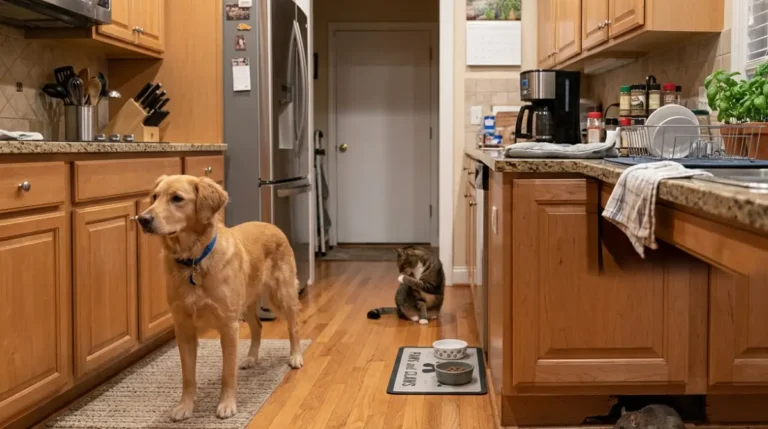
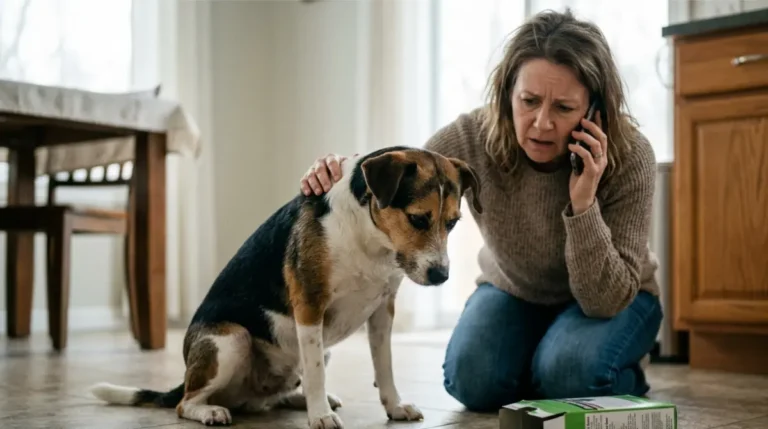
⚠️ Watch Out: If a child or pet may have eaten bait, call Poison Control at 1-800-222-1222 or the ASPCA Animal Poison Control Center at 888-426-4435 right away. Take the packaging with you — the active ingredient determines the treatment, and bait blocks look nearly identical across brands.
What works when bait isn’t an option
If you’re in a restricted state, renting, or sharing your home with a dog, you have better options than bait anyway.
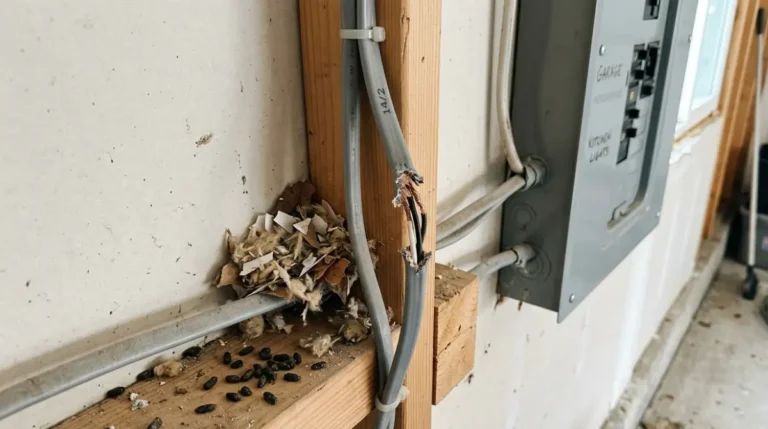
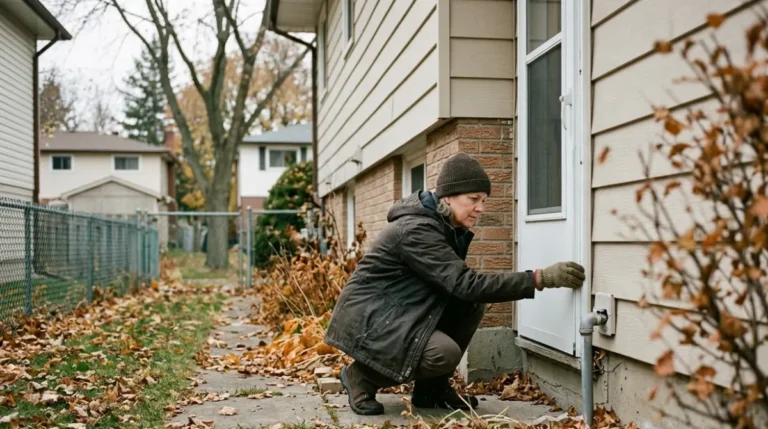
Start with exclusion. Rodents need a gap, and closing it solves the problem permanently rather than repeatedly — our guide to sealing the gaps rodents actually use covers the entry points people miss.
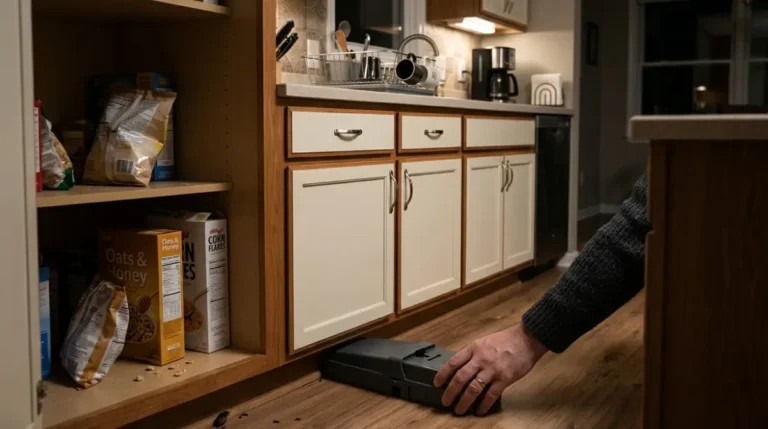
Then trap. Enclosed snap traps work fast and let you confirm results, and placement matters more than the trap itself. Skip ultrasonic repellers — the evidence doesn’t support them.
Renters: you usually can’t legally treat a unit you don’t own. Document the activity with dates and photos, and put the request to your landlord in writing.
🛒 Our Pick: For sealing, look for copper mesh plus ¼-inch galvanized hardware cloth; for trapping, covered snap traps that shield the mechanism from pets. These are category recommendations, not tested picks.
✅ Do This: For an infestation inside walls or a structure, hire a licensed pest control applicator. Ask two questions: are you licensed in this state, and what’s your exclusion plan before any bait goes down?
Where these rules are heading
This is a moving target, and pretending otherwise would date this page fast.
At the federal level, EPA is expected to release an amended proposed interim decision and a final interim decision in 2026, which would finalize label and mitigation changes across the rodenticide group. Massachusetts, New York and Vermont all have pending legislation that would go further than current rules — pending, not law.
Rat poison laws: quick answers
1. Is rat poison legal in all 50 states?
Rat poison is legal in most states, but six restrict it further than federal rules, and the restrictions differ by state.
2. Which rat poisons can homeowners still buy?
Bromethalin, cholecalciferol and zinc phosphide baits remain available to residents, sold as blocks or paste in an approved bait station.
3. Is rat poison illegal in California?
All anticoagulant rat poisons are restricted to licensed applicators in California, leaving only non-anticoagulant baits for residents.
4. Why was d-CON taken off shelves?
EPA cancelled 12 d-CON products; production stopped in December 2014 and retailer distribution ended in March 2015. The brand was reformulated.
5. Can I buy rat poison online if my state restricts it?
No. In restricted states, online retailers must stop shipping the restricted chemicals to residential addresses there.
6. Do I need a license to buy rat poison?
In the six restricted states, buying restricted rat poison requires a state applicator or purchaser license. Elsewhere, no license is needed.
7. Is there an antidote if my pet eats rat bait?
Anticoagulants have a vitamin K1 antidote; bromethalin has none. Call your vet or ASPCA Animal Poison Control at 888-426-4435 immediately.
8. Is Tomcat still legal in restricted states?
Products using bromethalin fall outside the SGAR restrictions in those states, so they generally remain available to consumers.
9. Are bait stations required by law?
Yes. Consumer rat poison must be sold as a block or paste packaged with an EPA-approved bait station; pellet form is banned.
10. What do I do with rat poison that’s now restricted?
Follow the disposal instructions on the label and use your state’s household hazardous waste collection. Don’t put it in household trash.
Before you buy anything
Check your state first, then read the active-ingredient panel — those two steps prevent almost every mistake on this page.
Then seal before you bait. Rodents come back to an open gap no matter what you put down, and closing it is the only fix that holds.