
How long does termite treatment take, from fast results to months

How long termite treatment takes depends on which clock you mean — one California field study measured 367 days just for bait stations to be found.
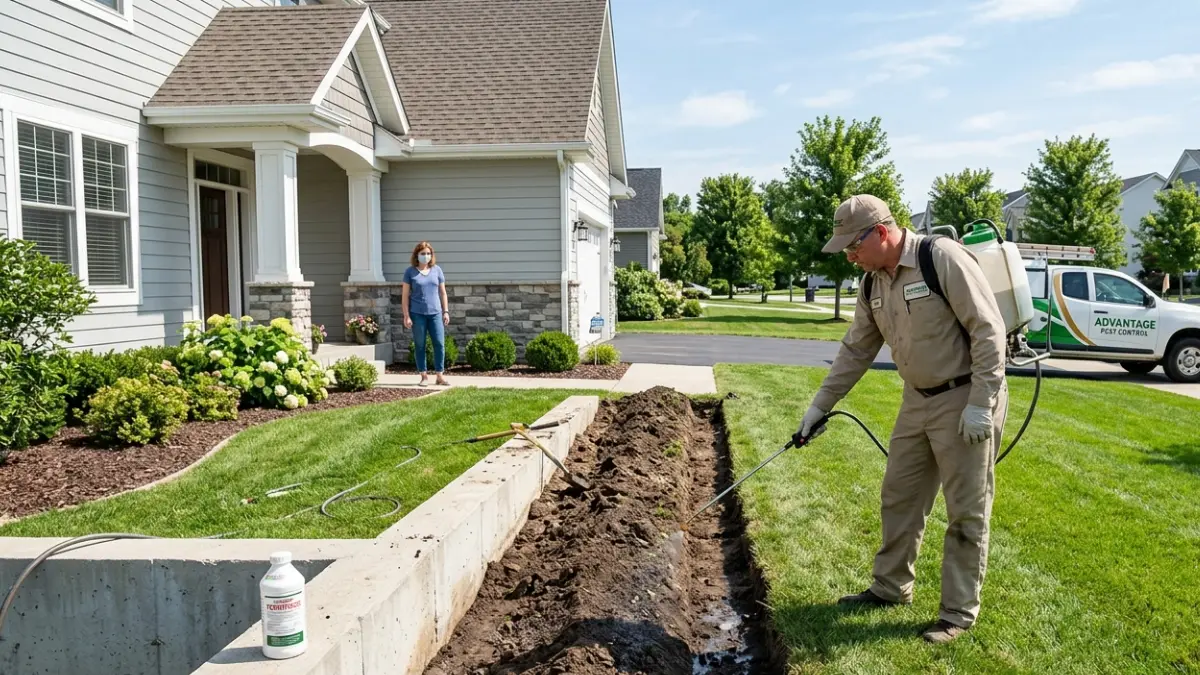
Table of Contents
Termite treatment day usually runs a few hours to a full working day. The termites keep dying for weeks or months after the crew leaves, and the colony itself can take longer still.
That gap is why the timelines you have been quoted contradict each other. Three separate clocks are running, and most answers online blend them into one number.
Start where you are:
- Treatment is done and you still see termites — skip to when termites start dying, then to what is normal afterward.
- You are choosing between bait and liquid — the colony section sets each option’s published claim against what field research measured.
- You are booking the appointment — the next section covers what treatment day involves.
Which clock applies depends first on species, because subterranean and drywood termites are treated on completely different schedules. If you are still pricing the job, our pillar covers what each termite treatment actually costs.
| Clock | What it measures | Typical range | Key detail |
|---|---|---|---|
| 1. Treatment day | Time the crew is on site | Hours to a full working day; several days if the house is tented | You leave the house only for fumigation or heat |
| 2. Termites dying | When termites stop feeding on your home | Days to weeks for liquids; several days for fumigant gas; weeks after feeding for bait | Set by the product class, not by your infestation |
| 3. Colony elimination | When the colony itself is gone | Months, and for baits sometimes a year or longer | The slowest clock, and the one rarely written into a quote |
Ranges drawn from the extension and research sources cited below. Treatment-day duration is described qualitatively because no reliable authority publishes a verified crew-hours figure.
Gladewick has not performed a termite treatment, and nothing here is presented as first-hand testing.
ℹ️ Safety Note: Termiticides are EPA-registered pesticides and many are highly toxic, which is why application in almost all cases requires a state-licensed pest control professional. Nothing here is a treatment guide. Re-entry timing is set by the product label and your applicator’s written instruction, and a fumigated home may be re-entered only after the certified fumigator’s clearance testing — never on a timeline you read online.
How long the treatment itself actually takes
The visible work is the shortest part of the process, and it looks completely different depending on what you bought.
Liquid barrier treatment
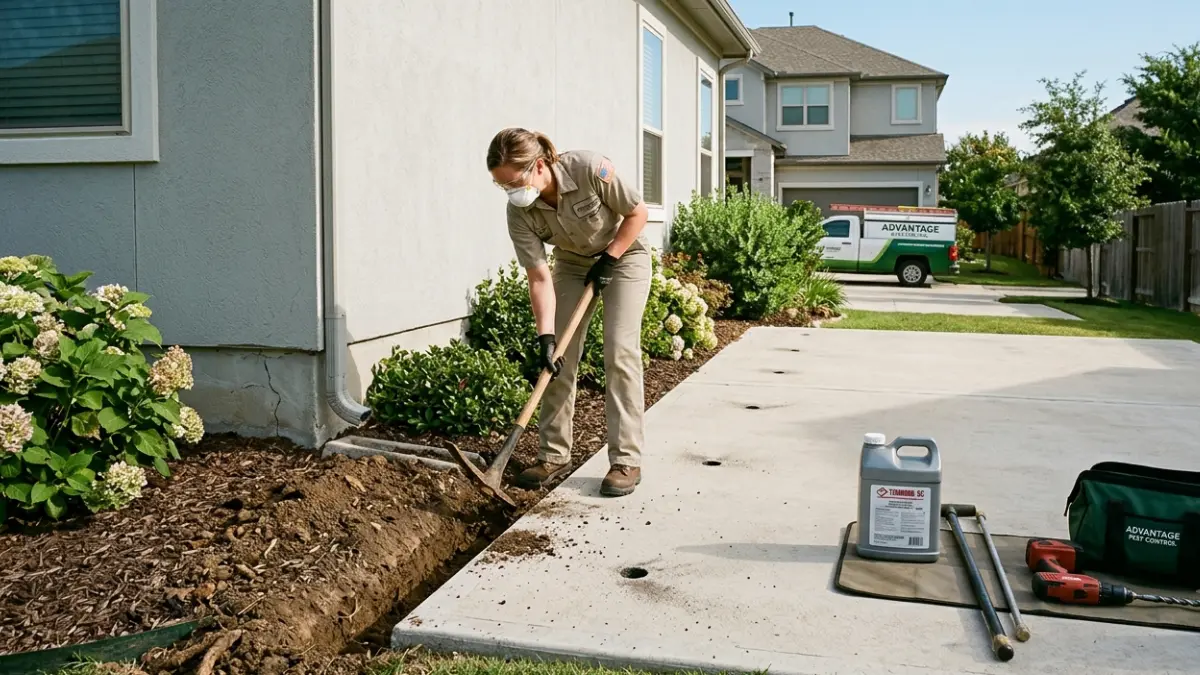
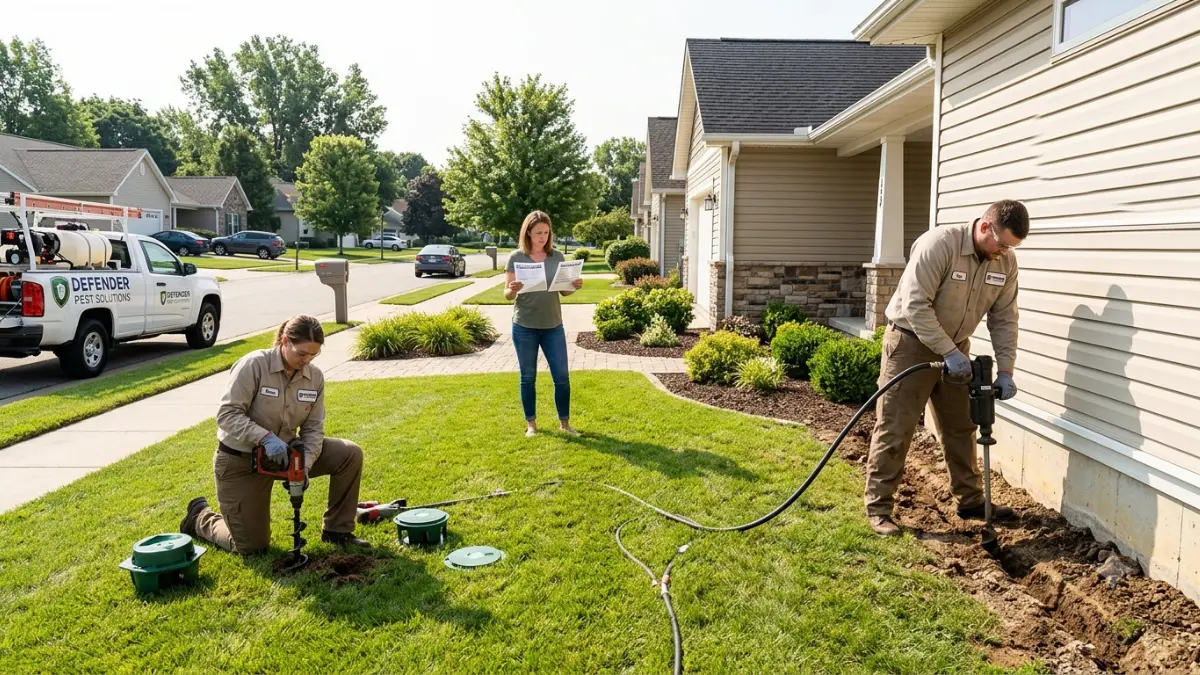
A liquid termiticide job means trenching soil along the foundation, drilling through adjacent slabs and porches, and injecting product into the ground. University of Kentucky extension notes that a typical treatment may involve hundreds of gallons applied along the foundation, beneath slabs and within foundation walls.
That is a perimeter-wide excavation and drilling job, which is why it is normally scheduled as a whole-day visit rather than a quick call-out. No extension service or agency publishes a verified crew-hours figure, so treat any specific hour count you are given as that company’s scheduling estimate rather than an industry standard.
Bait station installation
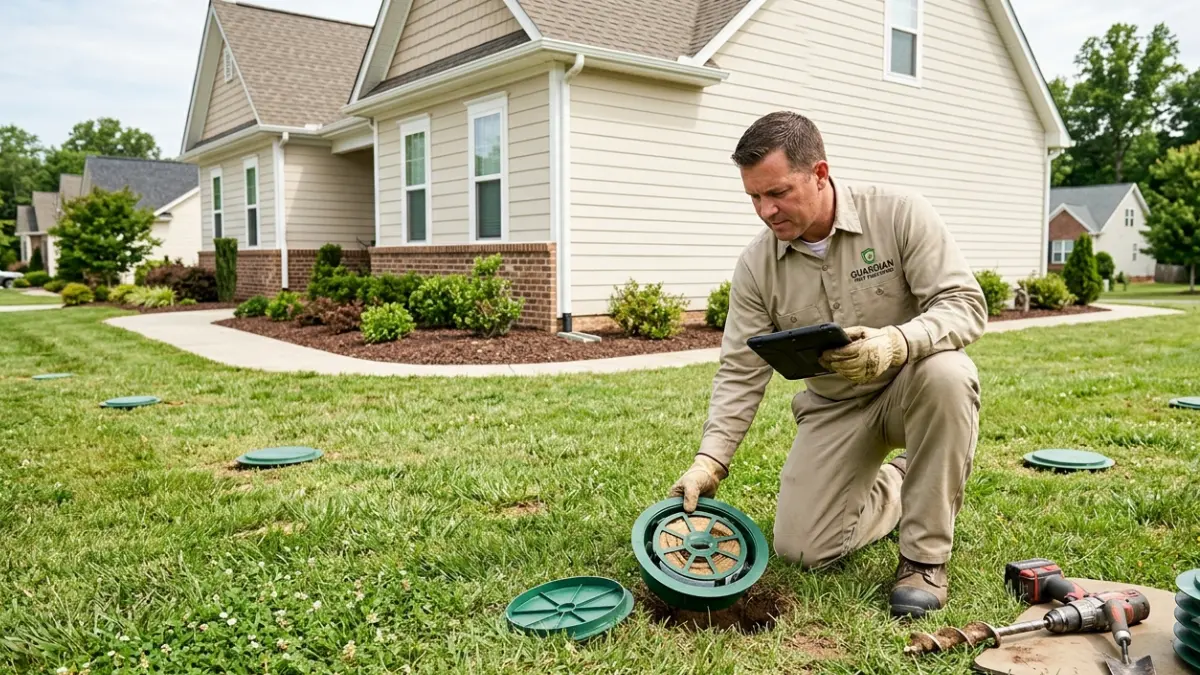
Bait work is lighter on the day. Stations go into augered holes around the perimeter, typically spaced 10 to 15 feet apart and set about 1 to 2 feet out from the foundation, and the technician usually does not need to come indoors at all.
Fumigation and heat
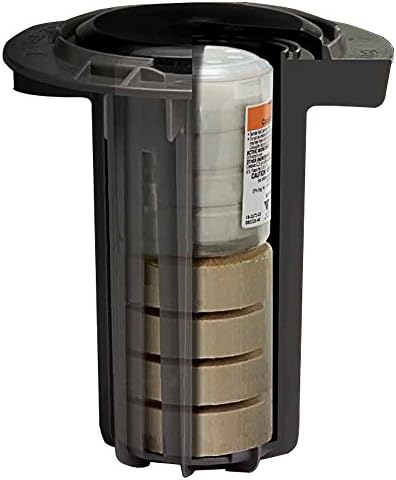
- Includes one CASE of TBS systems: 10 x Advance Termite Inspection Cartdrdge (TIC), 10 x TBS station, 10 x wood block for…
- This bait system functions as a DETECTION tool, and does NOT contain termiticides. Install first to detect if termites a…
- After termites are detected, replace with Trelona cartridges that work with these stations. Trelona is a termiticde by t…
Whole-structure work is the outlier. The University of California’s pest note on drywood termites states that occupants, pets and plants must vacate for several days while the structure is fumigated and then aerated, with the exact span depending on structure volume and gas amount. Whole-structure heat treatment is the faster alternative, requiring the building be empty for hours rather than days.
Your calendar starts before the tent does, so check what you have to do before the tent goes up.
⚠️ Watch Out: Do not set your own re-entry time. For liquids, the product label and your applicator’s written instruction govern when children and pets can return; for fumigation, re-entry is permitted only after the certified fumigator completes clearance testing with a fumigant detection device.
When termites actually start dying
This is the question most people are actually asking, and the answer is set by the chemistry in your contract.
Non-repellent liquid termiticides
Current soil products — fipronil (Termidor, Taurus), imidacloprid (Premise) and chlorantraniliprole (Altriset) — are non-repellent, meaning termites cannot detect the treated soil and are killed while tunnelling into it. The University of Kentucky’s extension guidance for homeowners notes these products are usually more reliable at controlling an infestation on the first attempt than the older repellent chemistry.
🔍 Why It Works: Subterranean termites feeding inside your walls have to return to the soil for moisture. A treated soil barrier cuts that route, so extension guidance notes that termites already inside the building generally die off as well — not because the chemical reached them indoors, but because they can no longer get back down.
If you are comparing the two market leaders directly, see how Sentricon and Termidor compare.
Bait systems and the molting delay
Bait is slow on purpose. Extension guidance on baiting explains that termites die within weeks of ingesting bait, as they attempt to molt, and that the delay is deliberate: a fast kill would leave dead termites piling up near stations, causing the rest of the colony to avoid them.
Fumigant gas and whole-structure heat
Fumigation is the fastest kill on this page. The University of California reports that sulfuryl fluoride kills drywood termites within several days, and that monitored fumigation — with gas monitoring lines installed inside — has the highest success rate.
📊 Spec (sourced): Whole-structure heat treatment requires all wood in the structure to reach a minimum of 120°F, held for at least 33 minutes. Source: UC IPM Pest Notes: Drywood Termites, UC ANR Publication 7440.
Colony elimination: the clock nobody puts on the quote
Individual termites dying and the colony being gone are different events, and the distance between them is where the marketing lives.
What the manufacturers claim
BASF states that its fipronil product Termidor SC is 100% effective at controlling termites in three months or less. That is the manufacturer’s published claim, and it describes control of the termites attacking a structure.
What field research measured
Baiting has a different published picture. University of Kentucky extension guidance on how termite baits work states that weeks or months may pass before termites find below-ground stations and distribute bait to nest mates, that the elimination process can take several months or longer, and that some feeding and damage may occur before the bait takes effect. UC IPM puts the outer edge further out, noting bait systems may take several months or even years and require constant monitoring.
Measured field data goes further still. In a final research report to the California Structural Pest Control Board covering 2018 to 2022, Dr. Andrew Sutherland of UC Cooperative Extension reported an average bait interception time of 367 days across 180 research stations, with only three stations hit within 60 days and ten within 120 days.
| Source | What it says | What it measures | Key detail |
|---|---|---|---|
| BASF (manufacturer) | Control in three months or less | Control of attacking termites | The company’s own published claim |
| UK Entfact-639, rev. 3/26 | Weeks or months to find bait, months more to control | Discovery plus colony decline | Extension guidance, not a measurement |
| UC IPM | Several months, sometimes years | Time to control the problem | Requires ongoing monitoring |
| CA Structural Pest Control Board, 2018–2022 | 367-day average interception | Time until termites first fed on bait | California climate and clay soils |
Claims and measurements compared as published. The 367-day figure was measured in California’s Mediterranean climate on western subterranean termites, and the report attributes the long interception partly to that climate — it is not a national average.
Why bait timelines swing by season
The same study found stations installed at the start of winter were intercepted roughly 100 days sooner than summer installs, 194 days against 296.
Read fairly, this is not evidence that baiting fails. Across the 15 participating homes, none became infested during the two-year evaluation, and no colony collected from a bait station was ever detected again. Baiting worked — slowly. For the wider trade-offs, see how bait systems and liquid barriers actually differ.
Six things that move your date
Two homes with identical contracts can land months apart, and these are the variables that separate them.
Season and soil conditions
Soil moisture drives everything, because it drives whether termites forage near the surface. Kentucky extension guidance reports bait discovery is greatest from spring through fall in temperate climates, poor when ground is frozen, snow-covered or saturated, and reduced during drought when termites forage deeper for water.
California’s measured result ran the other way, with winter installs intercepted fastest. Both findings point at the same mechanism rather than a calendar month, which is why no honest national “best month to install” answer exists.
Species and colony size
Colony size varies enormously. Extension guidance describes mature subterranean colonies of hundreds of thousands to millions of individuals occupying up to half an acre, alongside smaller colonies with a foraging footprint no bigger than a bedroom — and notes the responsible colony may sit in a neighbour’s yard rather than yours.
Drywood colonies are different again: usually fewer than 1,000 individuals, widely dispersed, and years in the making. If you are in the Gulf South, Formosan termites change the calculation on colony size and damage speed.
Structure and access
Construction features move dates too. Wells, cisterns, plenums, sub-slab heating ducts, drainage systems and inaccessible crawl spaces all complicate liquid treatment, and extension guidance notes baiting is sometimes the only feasible option in those homes.
💡 Pro Tip: Kentucky extension is blunt about barrier reality — the intent is a continuous, impenetrable chemical barrier, but that is hard to achieve in practice, and treatments fail where termites find an untreated gap.
Still seeing termites? What’s normal and what isn’t
Yes, in several situations this is expected — and one of them means the treatment is working exactly as designed.
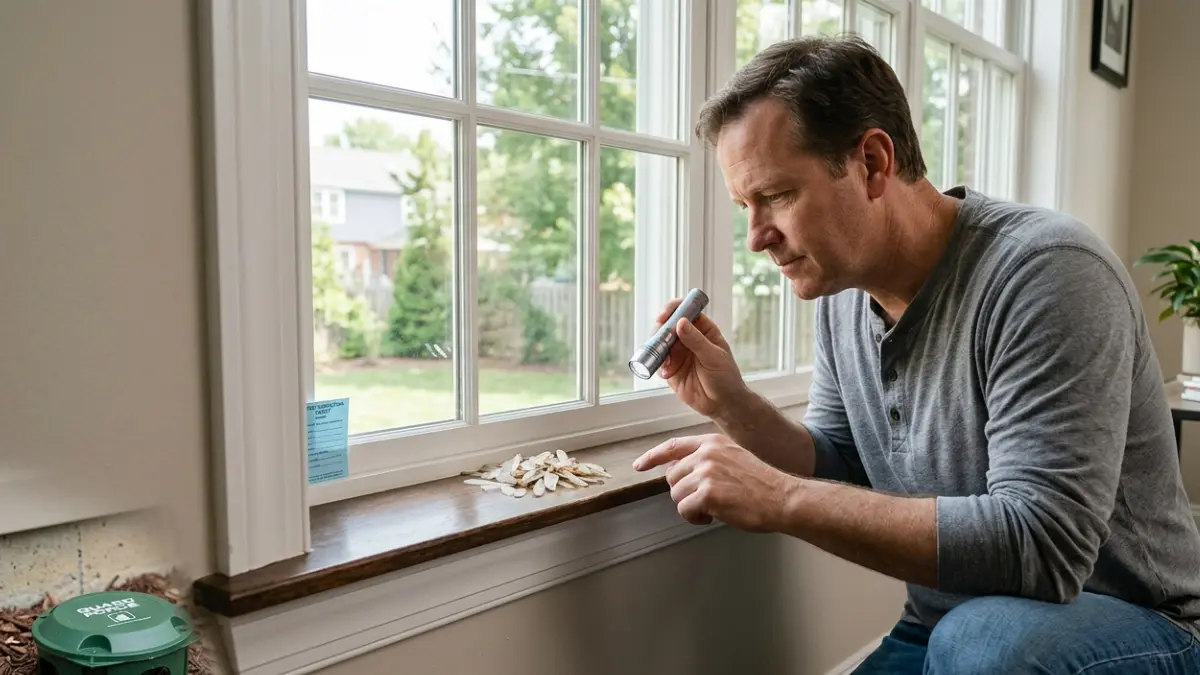
Swarmers after treatment
Winged termites indoors are alarming and mostly harmless in themselves. Extension guidance confirms swarmers emerging inside cannot damage wood and live only about a day, and that a broom or vacuum handles them. For identification and response, see winged termites showing up inside.

- 95658-chn-1
- 🔋 【Rechargeable Battery & Fast Charging】The electric vacuum cleaner features a built-in 4000mAh battery with a fast-char…
- ⚡【Powerful Air Duster and Vacuum Cleaner 2 in 1】Our vacuum cleaner features dual functions: it can vacuum or blow. You c…
Mud tubes that look active

- Ultra Bright COB Work Lights: COB chip on board technology increases lumen-output per square inch, providing bright floo…
- 5 Working Modes: High Brightness, Medium Brightness, Front Light, Red Warning, Strobe Red, ideal for outdoor, car repair…
- USB Rechargeable: Built in rechargeable battery, rechargeable by USB port, included usb cable
An empty mud tube proves nothing on its own. Termites routinely abandon sections of tube while foraging elsewhere in the structure, so a vacant one does not mean the infestation has stopped — see whether a mud tube is still active.
When it’s a gap, not a failure
Here is the fact worth writing down. Kentucky extension states that if termites swarm and continue to infest a structure the year after treatment, that points to an untreated gap in the barrier rather than the termiticide breaking down — all liquid termiticides are expected to control termites for at least five years when applied to label.
✅ Do This: Call your licensed operator when you see a specific condition, not on a fixed day count: renewed swarming indoors the following season, fresh mud tubes rebuilt after you cleared them, or new damage. Ask them to apply the retreatment clause — most firms retreat affected areas at no additional charge while the warranty and annual renewal are maintained.
What to ask before you sign, and what to verify after
The leverage is in questions that force a dated, checkable answer instead of a reassurance.

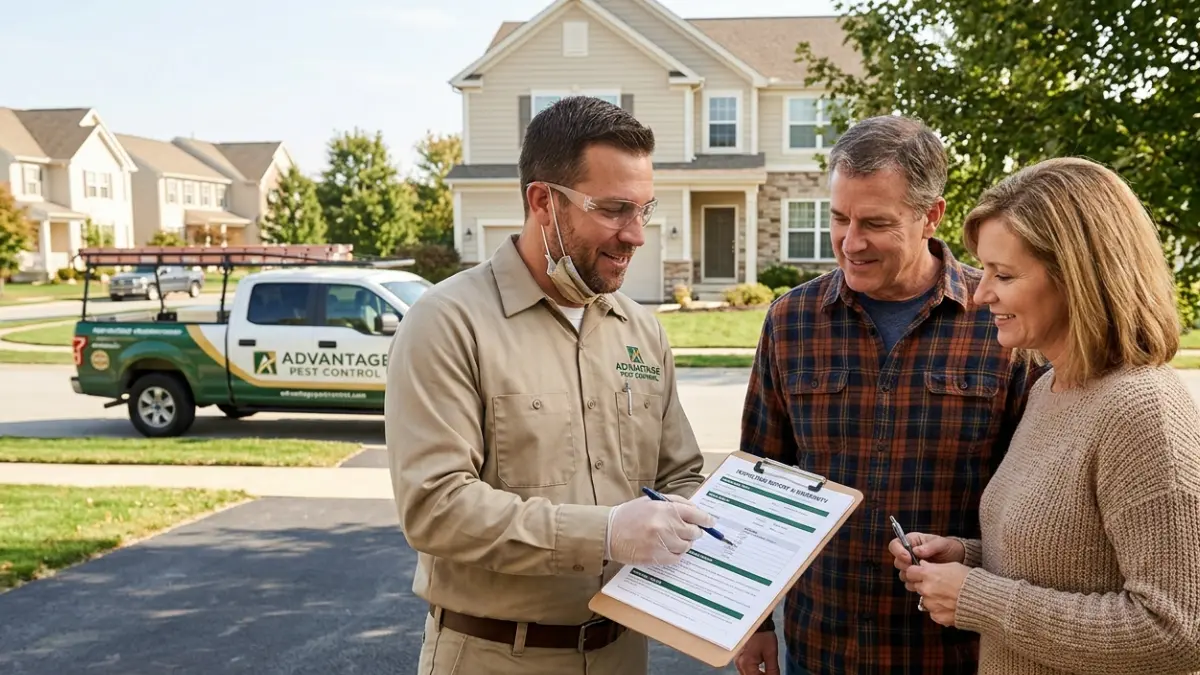
Questions that pin down your timeline
- Which product are you applying, and what is the active ingredient?
- Does your warranty measure activity ceasing, or colony elimination?
- For baits: how often are stations checked, and what happens if none are hit after twelve months?
- What are the written retreatment terms, and what does the annual renewal cost?
- What should I report to you before my next scheduled visit?
Safety and licensing checks
The EPA’s consumer guidance on termite treatments states firms offering termite services must be licensed by your state, and that you should ask to see the licence and contact your state pesticide regulator with any concerns. It also notes many termiticides are highly toxic, making label compliance critical.
You are not on a clock here. Kentucky extension advises taking your time, since termites damage wood slowly and an extra day, week or month to decide is generally inconsequential — and warns against firms applying pressure with specials or scare tactics. Get inspections from more than one company. If retail products are tempting, read what DIY termite products can and can’t do first.
✅ Do This: Verify three things with your state-licensed structural pest control operator before work starts — their current state licence number, the product label for what they intend to apply, and written re-entry instructions for your household and pets.
Termite treatment timelines: common questions
1. How long does it take for termites to die after treatment?
It depends on the product class. With non-repellent liquid termiticides, termites tunnelling into treated soil are killed, and those already inside typically die off once cut off from soil moisture. Fumigant gas kills drywood termites within several days. Bait kills at the termite’s next molt, weeks after it feeds.
2. Does termite treatment work immediately?
No treatment on this page is instant. Liquid barriers begin killing termites that contact treated soil, but the termites inside your home die off over the following period as they lose access to soil moisture. Bait is slow by design, and fumigation needs several days for the gas to do its work and then be aerated out.
3. How long do termite bait stations take to work?
Two stages: termites must first find the station, then die at their next molt. Finding it is the slow part — a California study for the state Structural Pest Control Board measured a 367-day average interception time, though that reflects California’s climate and clay soils and is not a national figure. Extension guidance describes weeks or months for discovery, then months more for control.
4. Do baits or liquids work faster?
Liquids. Kentucky extension states that non-repellent liquid products are usually more reliable at controlling an infestation on the first attempt, while baits are relatively slow-acting because termites must locate the stations underground first. That is why homeowners with a severe infestation or a pending property sale often choose a liquid, alone or alongside baits.
5. Is it normal to see termites after termite treatment?
Often, yes. Swarmers indoors cannot damage wood and live only about a day. An empty mud tube does not prove the infestation stopped, since termites abandon sections while foraging elsewhere. What is not routine is renewed swarming and infestation the following year, which points to an untreated gap in the barrier.
6. Why am I seeing swarmers after treatment?
Swarming is a dispersal behaviour, not a sign the chemical failed. Extension guidance confirms winged termites emerging indoors are incapable of damaging wood and live for roughly a day, and can be removed with a broom or vacuum. If swarming recurs the following season alongside continued infestation, contact your licensed operator about the retreatment clause.
7. How long do I have to stay out of the house?
That is set by your product label and your applicator’s written instruction, not by any general timeline. For fumigation, the University of California states occupants, pets and plants vacate for several days while the structure is fumigated and aerated, and re-entry is permitted only after the certified fumigator’s clearance testing. Ask for those instructions in writing before treatment day.
8. How long does termite treatment last?
All liquid termiticides are expected to control termites for at least five years when applied according to label directions, though duration varies with the product, the thoroughness of application, your region and local termite pressure. Bait systems work differently — they leave no residual chemical in the soil, so protection depends on keeping stations in place and monitored.
9. When should I call the company back?
Call on a condition, not a date: renewed swarming indoors the following season, fresh mud tubes rebuilt after you cleared them, or new damage. Most firms will return and retreat affected areas at no additional charge while your warranty and annual renewal are maintained. Ask which of those conditions their agreement recognises before you sign it.
10. Why do companies quote completely different timelines?
Because they are quoting different clocks, and different products. A manufacturer’s control claim, a bait system’s interception time and a colony elimination date are three different measurements. Season, soil moisture, species, colony size and your home’s construction all move the date further, which is why one national number does not exist.
What to do with your date
Write down which clock applies to you, then mark the checkpoint that goes with it.
If you had a liquid treatment, the colony clock runs into months, and renewed swarming next season — not this month’s activity — is your escalation signal. If you have baits in the ground, the honest expectation is months of monitoring before elimination, and your operator should be telling you when stations are hit.
Either way, ask your licensed operator which clock your warranty measures. If you are still deciding, the full treatment and cost comparison covers what each option costs against what it delivers.
Related Articles
 Termite Treatment
Sentricon vs Termidor and How to Choose Without the Sales Spin
July 21, 2026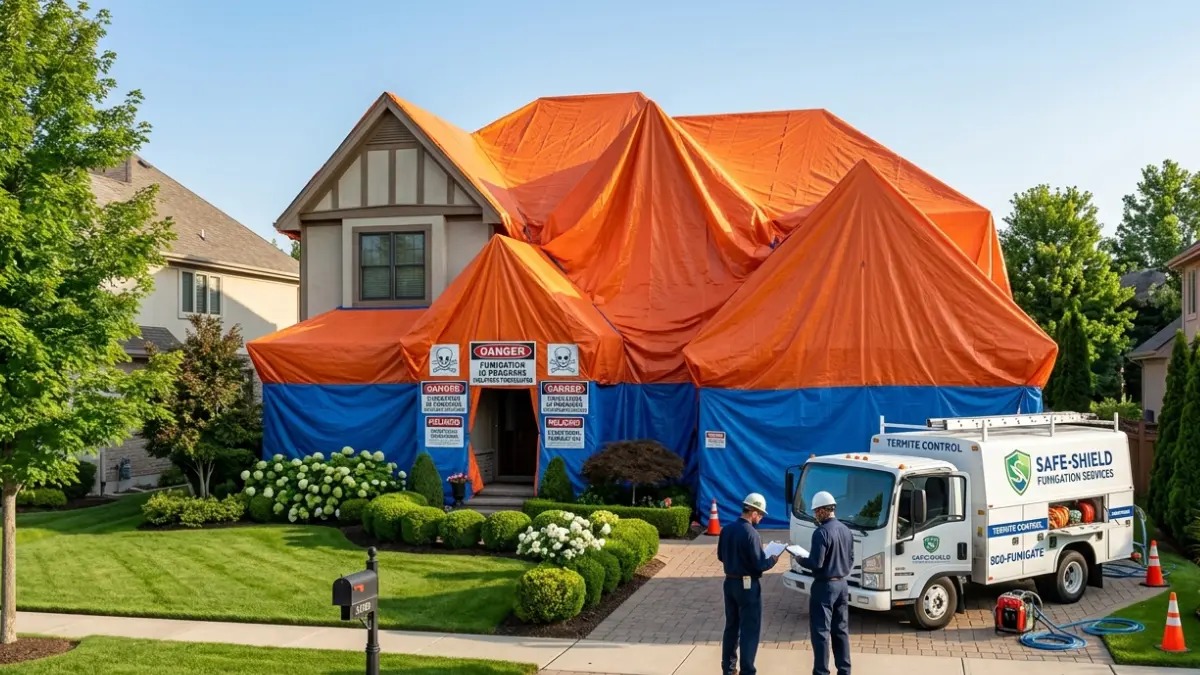 Termite Treatment
How to Prepare for Termite Fumigation and Avoid Costly Risks
July 21, 2026 Termite Treatment
Does mulch attract termites, and what most advice overlooks
July 31, 2026 Termite Treatment
Termite damage repair cost rests on one costly missing step
July 27, 2026 Termite Treatment
The right wood to soil clearance depends on your foundation
July 31, 2026 Termite Treatment
What Orange Oil Can and Can’t Do About Termites
July 22, 2026 Termite Treatment
The overlooked clauses in a termite bond that cost you later
July 27, 2026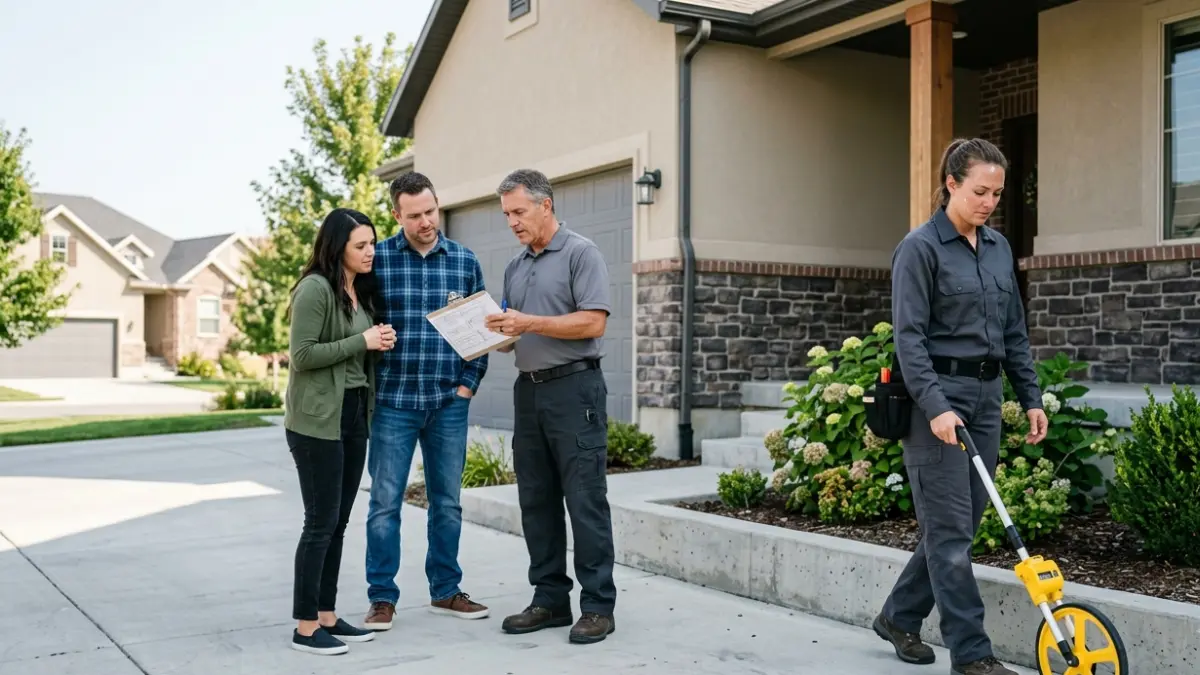 Termite Treatment
Termite treatment cost gaps come down to one hidden number
July 26, 2026 Termite Treatment