
Seal Mouse Entry Points Without the Mistake Most People Make

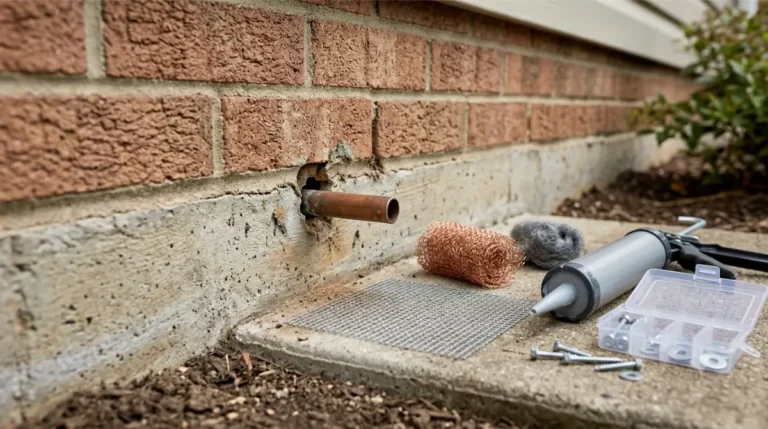
Sealing mouse entry points is a 1/4-inch problem, and the material you pack
in decides whether the hole is still shut a year from now.
Research-checked home guides for US homeowners
Questions? hello@gladewick.com
 BySameer Patel
Last Updated:
Sealing mouse entry points is a 1/4-inch problem, and the material you pack
in decides whether the hole is still shut a year from now.
 BySameer Patel
Last Updated:
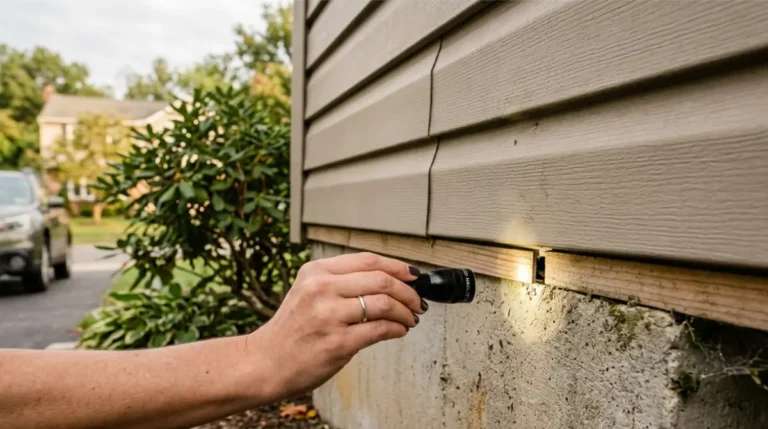
Mice get into a house through openings over a quarter inch — and the
twelve that matter are mostly structural, not the visible hole you’re
picturing.
 BySameer Patel
Last Updated:
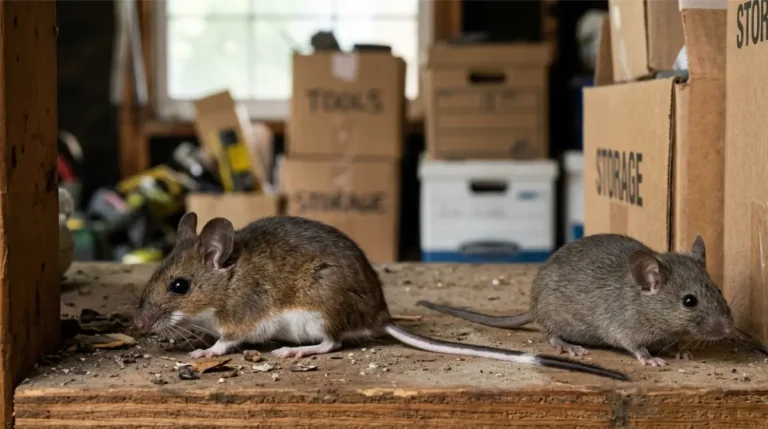
Deer mouse vs house mouse comes down to the tail — but CDC’s cleanup
steps are identical for both. What changes is how far you have to escalate.
 BySameer Patel
Last Updated:
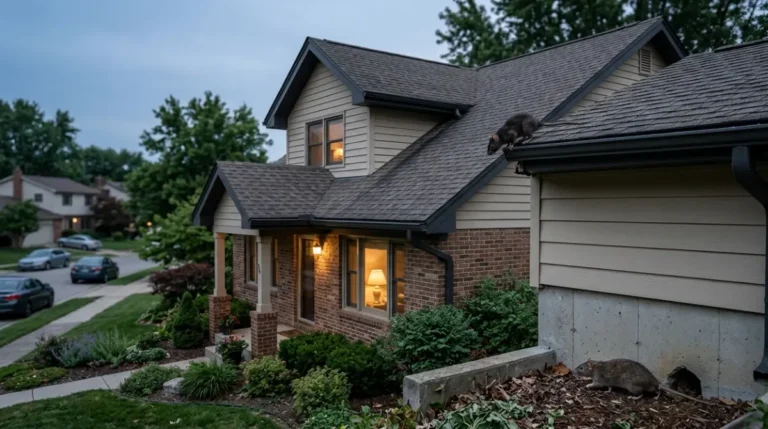
Roof rats vs Norway rats split the house between them: one works above the roofline,
one works the foundation. The ½-inch door gap belongs to both.
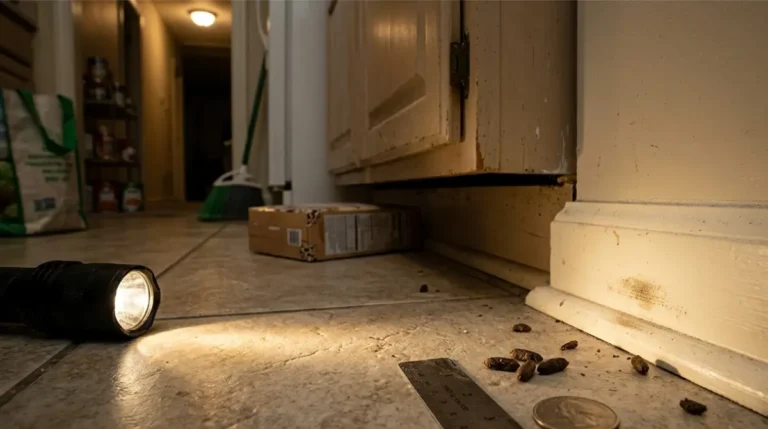 BySameer Patel
Last Updated:
Mice vs rats gets settled by a ruler, not a glance. Mouse droppings run 1/8 inch, Norway rat droppings 3/4 — and size alone will fool you on a young rat.
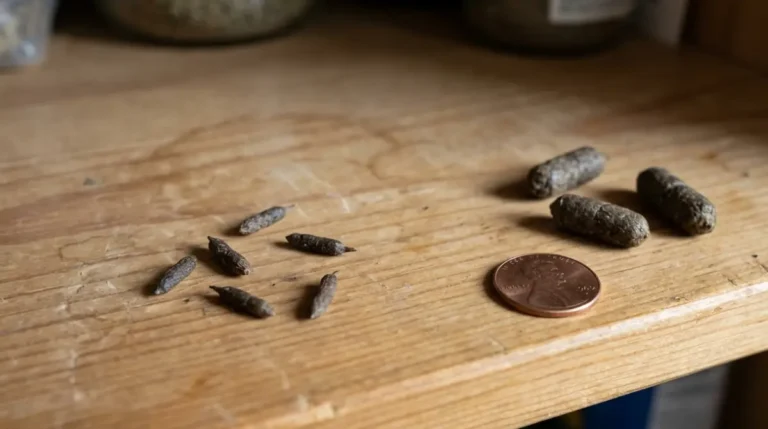 BySameer Patel
Last Updated:
Rodent droppings identification comes down to a ruler — or a penny, which is exactly 0.75 inch wide. Here’s what size, shape, and age really tell you.
 BySameer Patel
Last Updated:
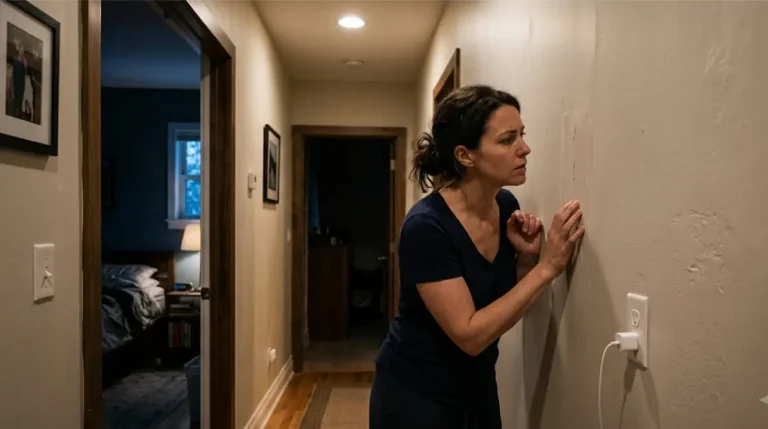
Scratching in the walls at night is usually a rodent — but flying squirrels, bats and the house itself all make the same sound after dark.
 BySameer Patel
Last Updated:
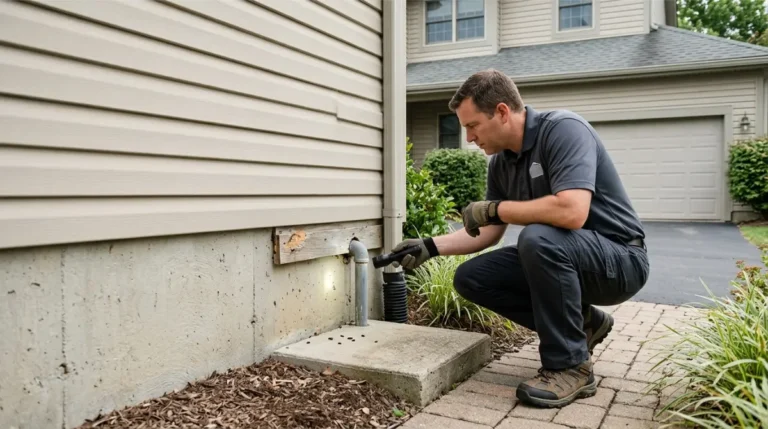
Rodent proofing starts with a material choice: extension research lists foam, vinyl and wood as ineffective against mice. Then there’s the legal half.
 BySameer Patel
Last Updated:
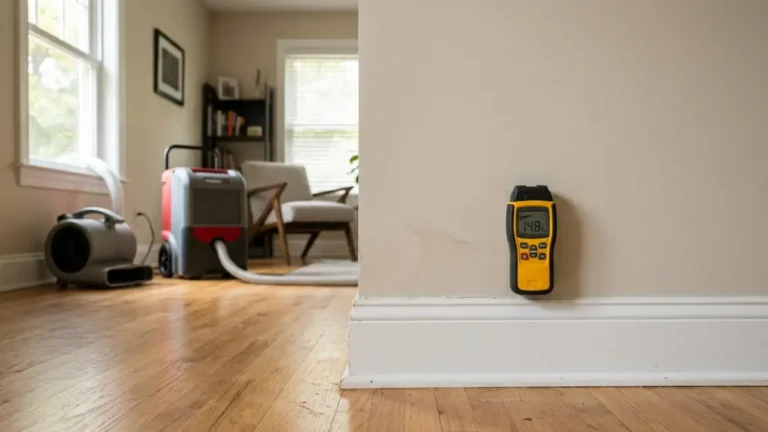
Dry standard water damage readings above 30% are qualitative only, per the USDA. That covers most genuinely wet material a homeowner would check.
 BySameer Patel
Last Updated:
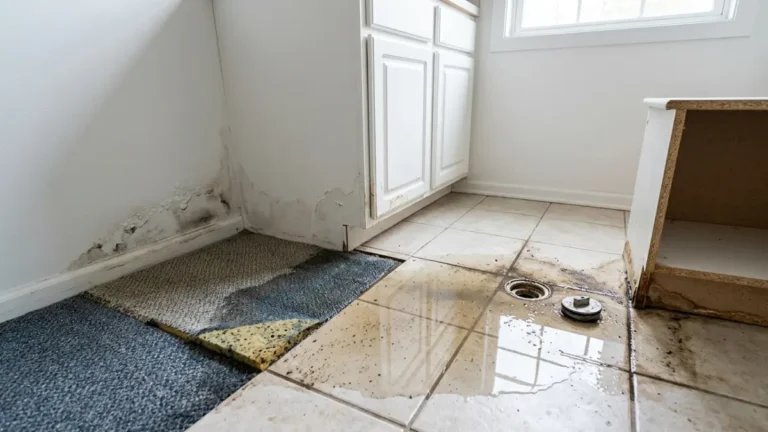
Sewage backup cleanup has no drying shortcut. The EPA table that lets drywall stay says in its own footnote that it applies to clean water only.
 BySameer Patel
Last Updated:
Wind-driven rain can be Category 3 water — but the standard’s own wording says one word decides it, and the storm’s name is not that word.
 BySameer Patel
Last Updated:
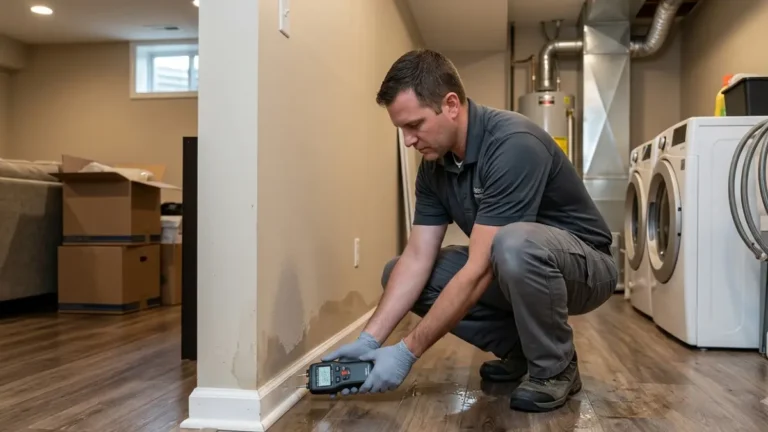
Water damage categories aren’t a severity scale — they set the order of the work. At two of the three, cleaning comes before drying, not after.