
Sump Pump Radon Starts at an Open Pit, and Here’s the Real Fix
Sump pump radon problems start at an open pit. EPA rates sump-hole suction at 50–99% typical reduction; here’s what a sealed lid can and can’t do.
Research-checked home guides for US homeowners
Questions? hello@gladewick.com
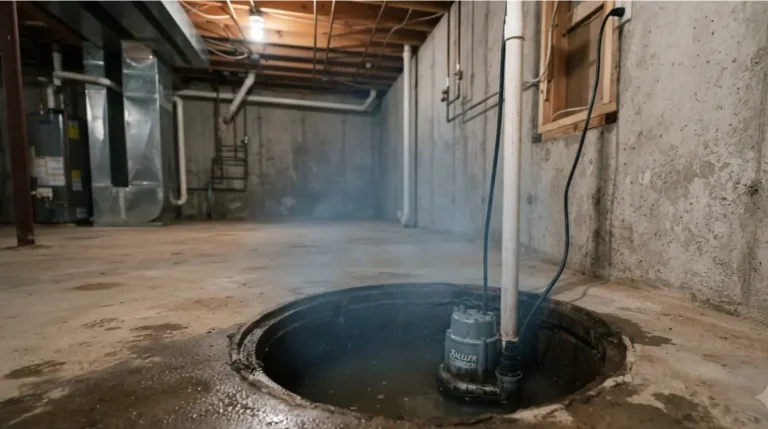
Sump pump radon problems start at an open pit. EPA rates sump-hole suction at 50–99% typical reduction; here’s what a sealed lid can and can’t do.
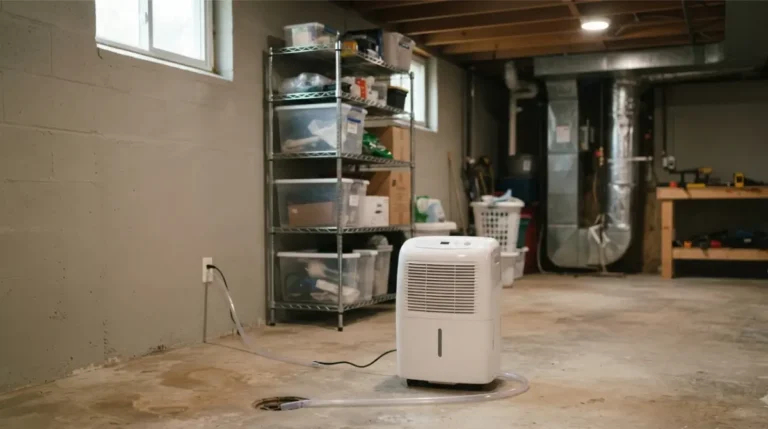
Basement dehumidifier shopping starts with the model number: millions of older units were recalled for fire risk. Here’s how to check yours, then shop.
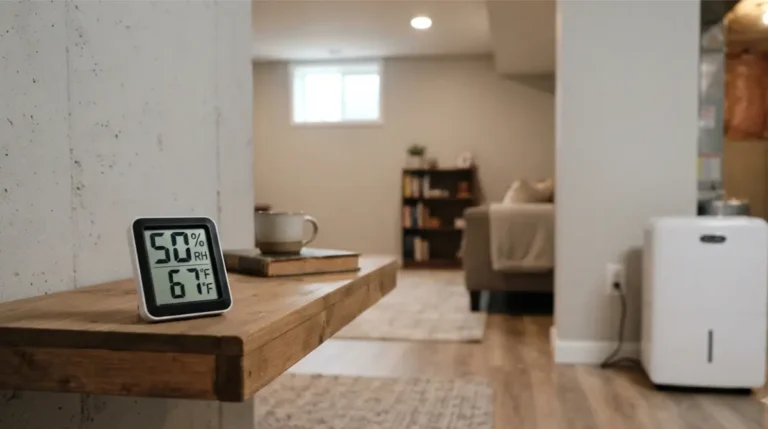
Basement humidity reads higher than upstairs because cool air holds less moisture. Here’s the 30–50% target and why winter calls for less.
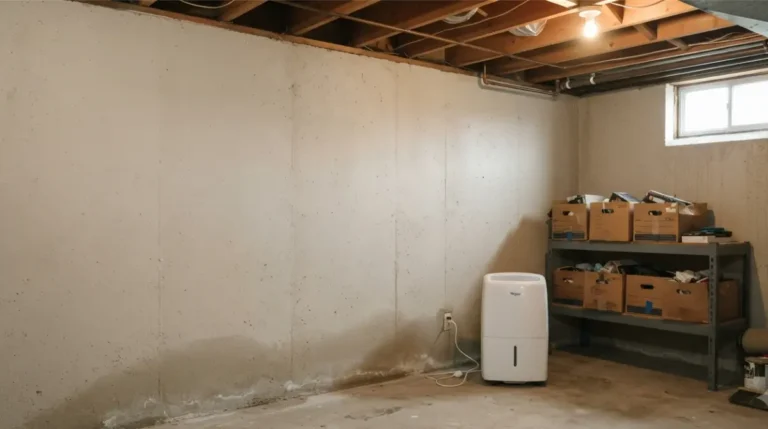
Musty basement smell? Damp materials dried within 24–48 hours usually won’t grow mold. Here’s how to find what’s staying wet.
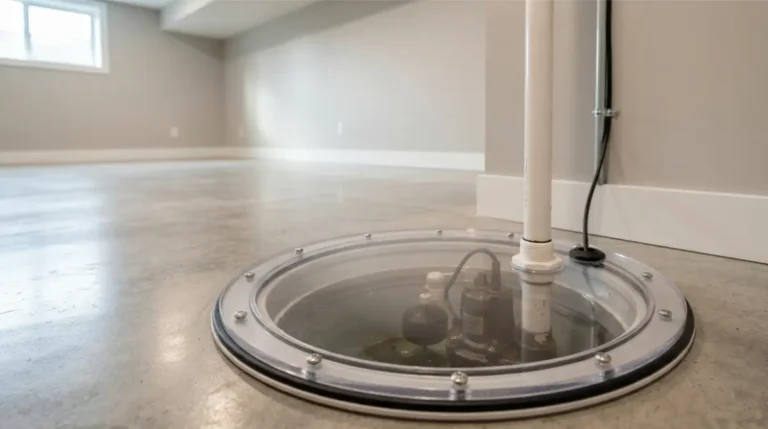
Radon sump pump covers differ more than they look: pedestal pumps need a high-rise lid, and floor water needs a trapped drain. Find the one that fits.
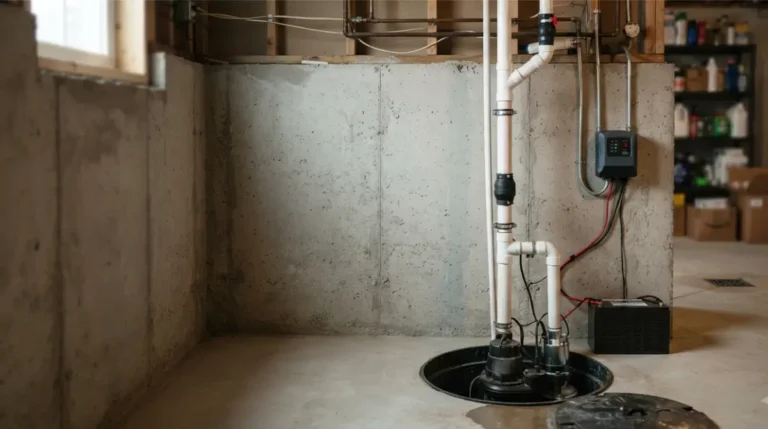
Battery backup sump pump ratings can mislead: one drops from 3,500 GPH to 2,200 GPH at a 10-ft lift. Compare backups by what they really pump.
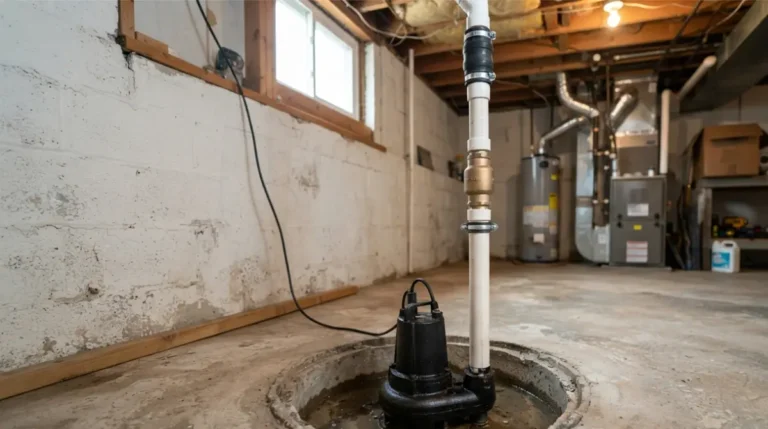
The best sump pump is only half the decision. Before you buy, see which models CPSC recalled for fire or shock risk, and how to read your date code.
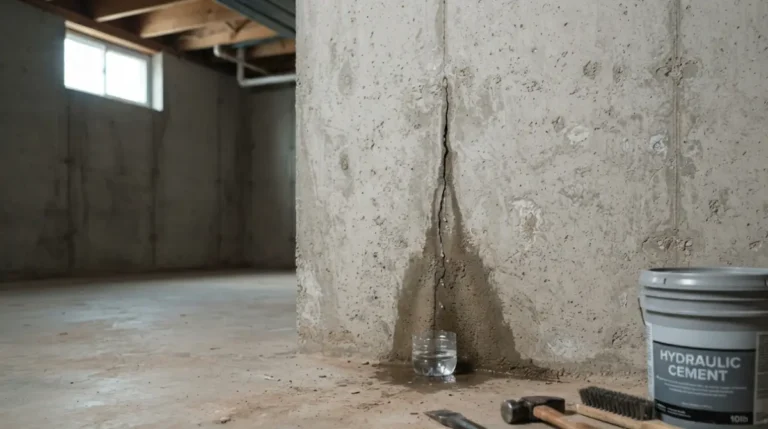
Sealing a basement wall crack starts before you mix: rule out horizontal, offset, or 1/4-inch-plus cracks, then undercut, press top-down, and hold.
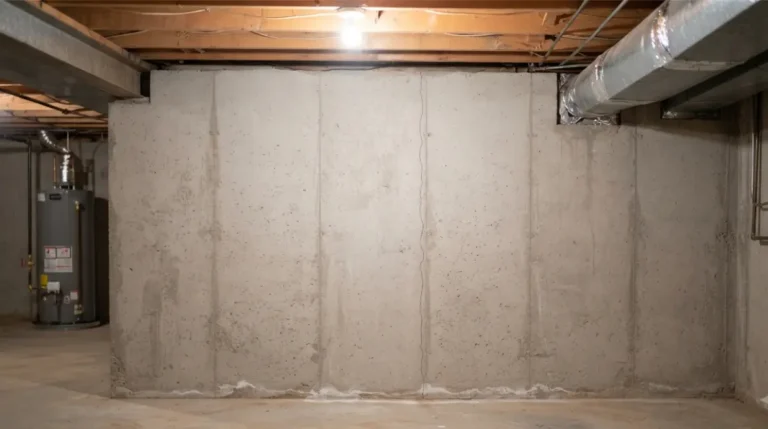
Basement wall crack structural or harmless? Its direction tells you whether to monitor or call an engineer, and why sealing alone isn’t enough for radon.
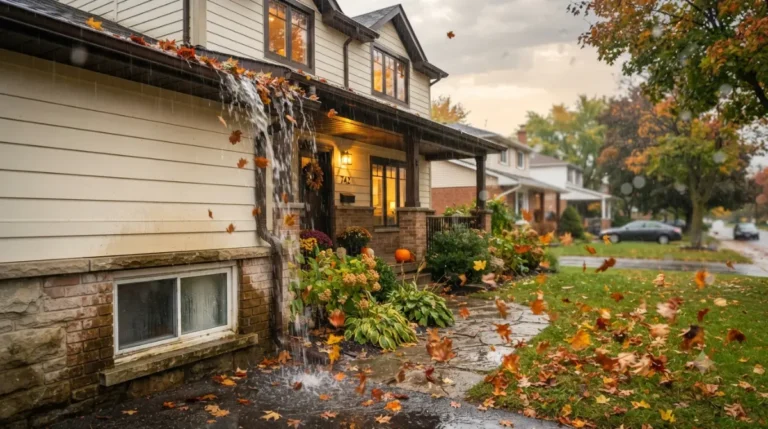
Gutter maintenance matters because one inch of rain on a 1,000 sq ft roof sheds about 623 gallons—here’s where that water should go.
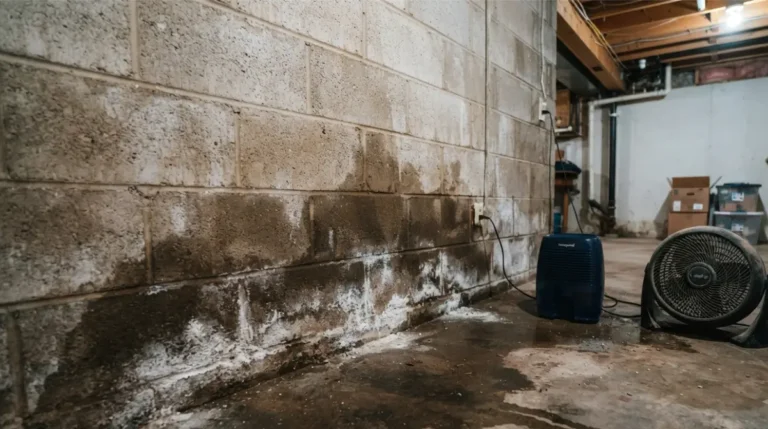
Regrading around your foundation starts with a string line: if the soil falls less than 6 inches over 10 feet, here’s how to fix it safely.
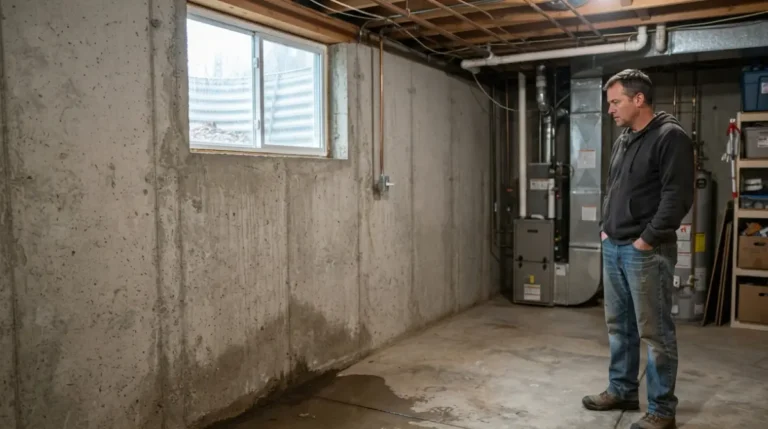
Basement waterproofing starts outside: a 1-inch rain drops about 1,250 gallons on a 2,000-sq-ft roof. Here’s what to fix yourself and what to hire out.