
Smart Steps When Frost Heave Foundation Cracks Appear
Frost heave foundation damage can hide behind lookalike cracks. One study found frost-driven wall pressure may be uncommon, so what else is pushing?
Research-checked home guides for US homeowners
Questions? hello@gladewick.com
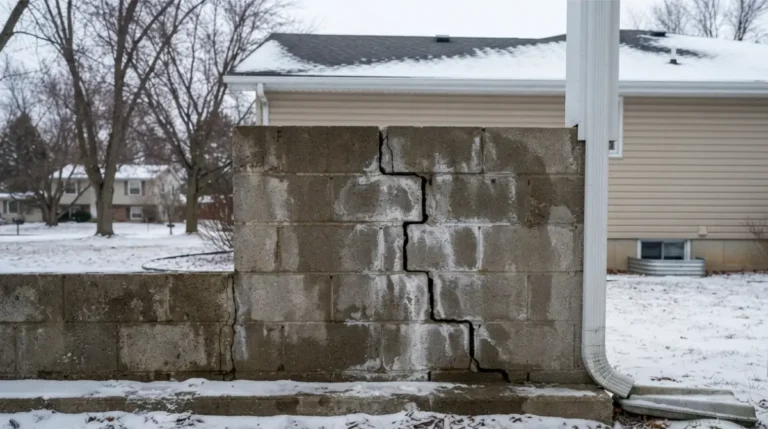
Frost heave foundation damage can hide behind lookalike cracks. One study found frost-driven wall pressure may be uncommon, so what else is pushing?
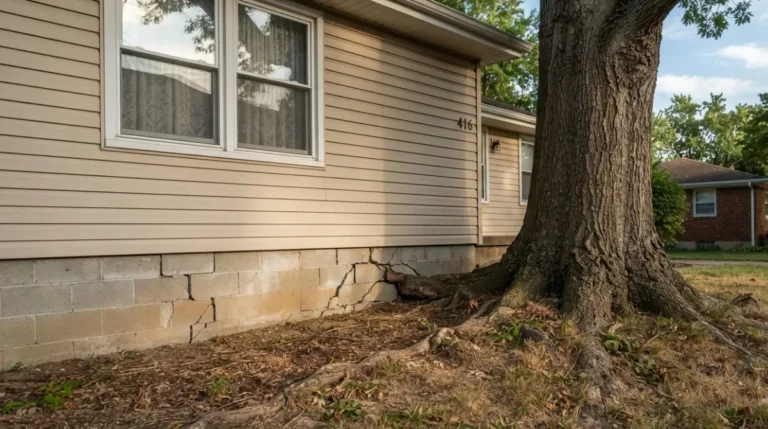
Trees near foundation walls: roots can reach 1.5 times the crown diameter or more. Which distance rule fits your yard, and why do they disagree?
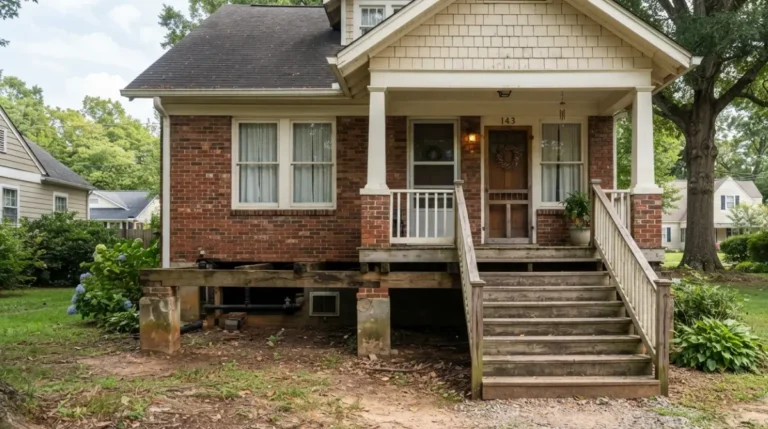
Pier and beam foundation problems can hide in the crawl space: EPA says humidity should stay below 60%, ideally 30–50%. Here’s how to check yours.
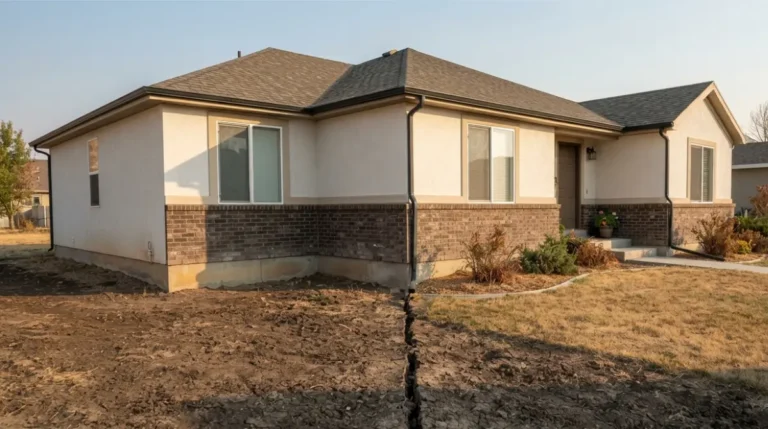
Foundation cracks in drought often trace to shrinking clay. Spot the soil gap at your wall, then rate your clay before you turn on a hose.
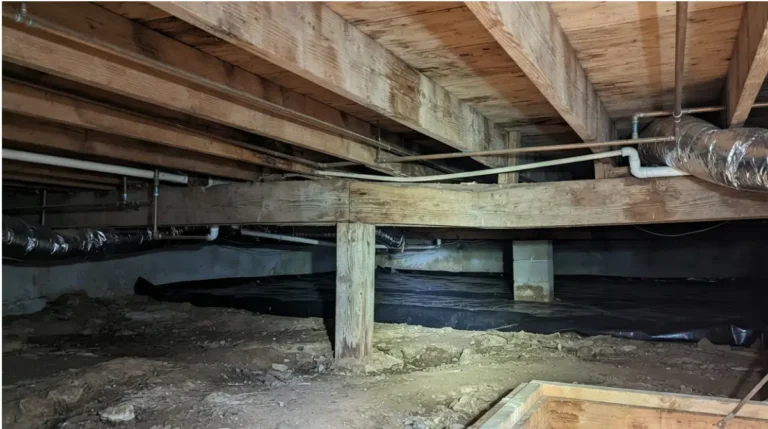
Sagging floors over a crawl space? Serious rot needs wood above roughly 30% moisture, and soil is the main source. Here’s how to find yours.
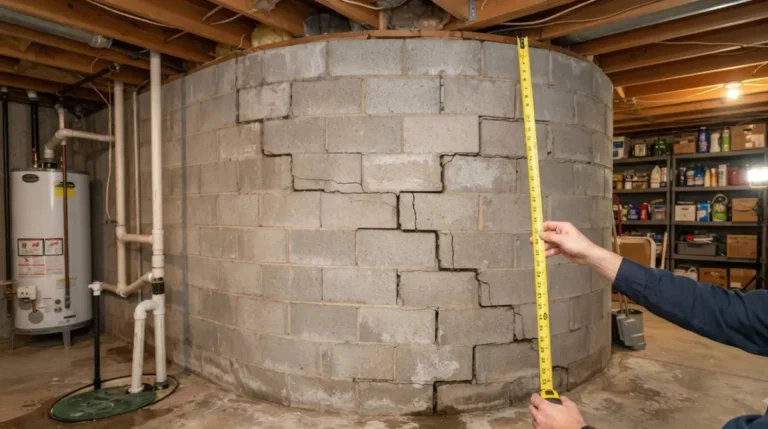
Bowing basement walls may be fixable, but Angi and HomeGuide disagree on which bow depth suits anchors. See where the cost guides split.
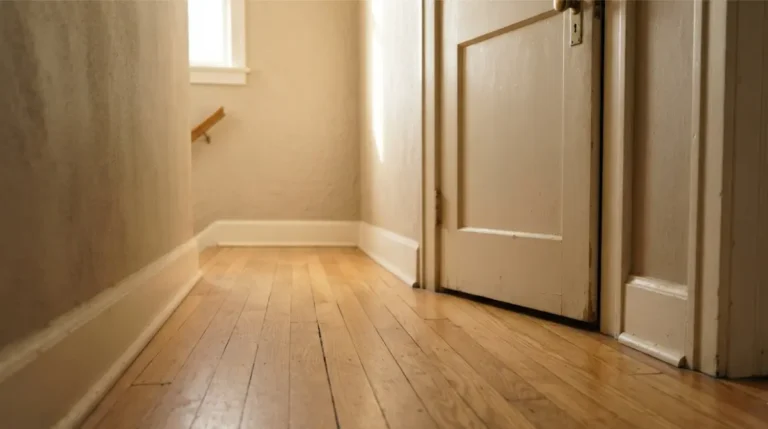
Sloping floors with sticking doors? Wood swells and shrinks with seasonal humidity, so the doors may not point to your foundation. Here’s how to sort it.
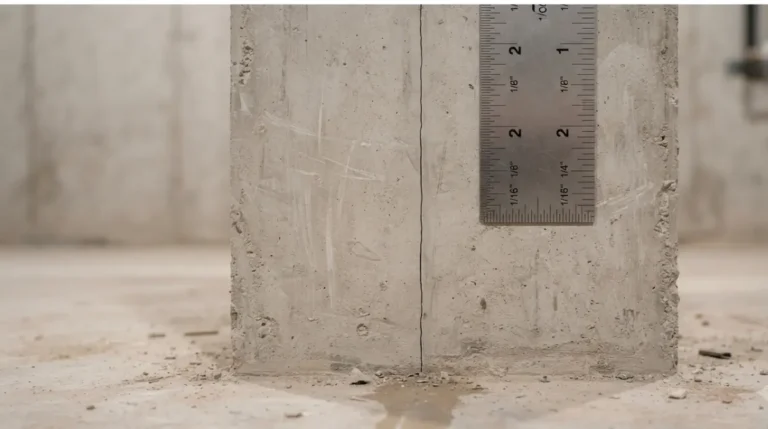
New home foundation cracks: an FHA/VA warranty needs written notice within one year, so measure and photograph early. Here’s the order to follow.
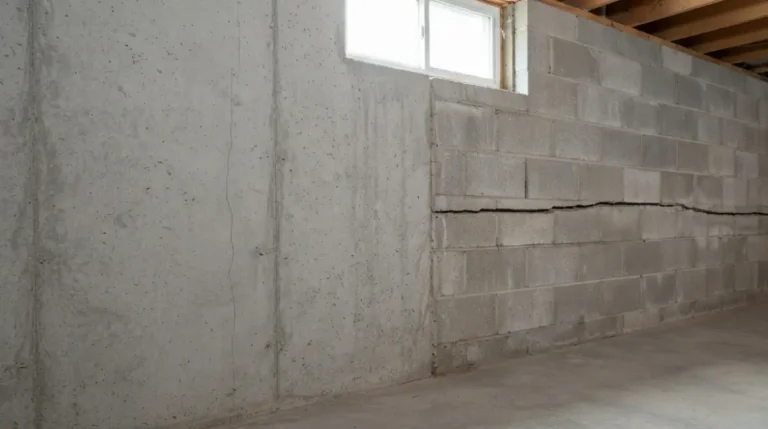
Foundation crack width is not a coin test: a nickel is just 0.077 inch thick, well under 1/8. Here’s how to measure it and what to do next.
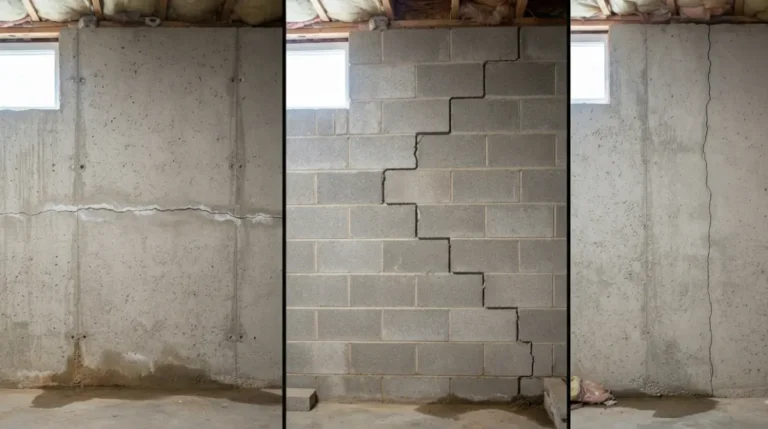
Foundation cracks can let radon in, and only a test shows your level. See how to read each pattern and when an engineer should look.
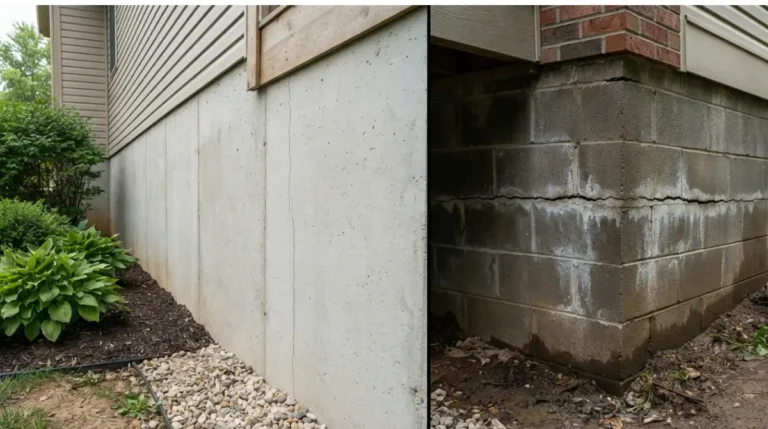
Signs of foundation problems show up in combinations, not single cracks: horizontal with bowing, one side higher, doors and floors changing.
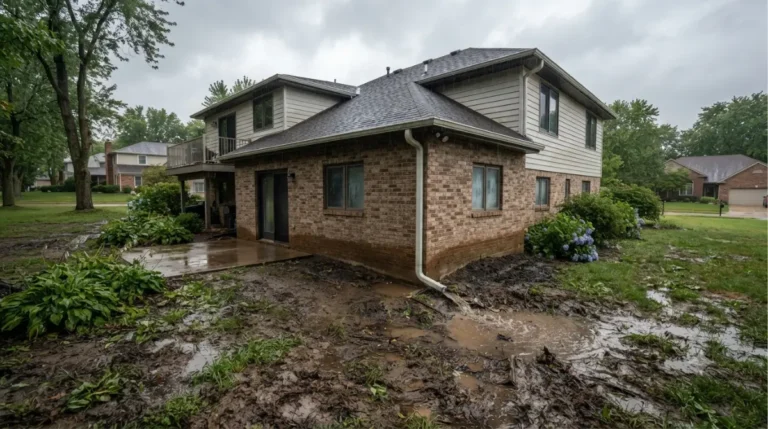
Clay soil basement waterproofing starts with roof water: 1 inch of rain on a 2,000 sq ft roof drops 1,250 gallons. Here’s where it should go.