Bed bug heat treatment cost vs chemical, visit by visit

Whole-room heat for bed bugs runs 6 to 8 hours and leaves no residual protection. Line it up against a spray plan before you sign either quote.
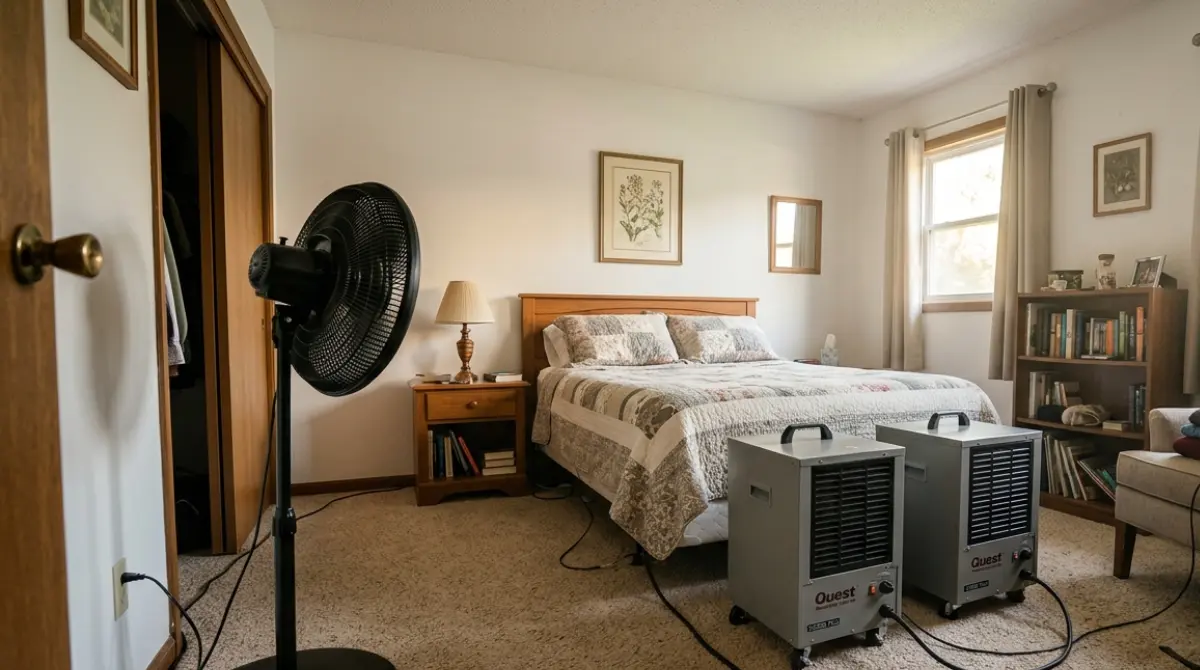
Table of Contents
Whole-home heat usually costs more per visit than an insecticide treatment, while insecticide programs usually need more visits, so the cheaper option is the plan with the lower total once every visit is counted. Before you compare prices, ask each company how many visits its quote covers and what it does if bed bugs turn up afterward.
If you only need typical prices for one room or a whole house, bed bug treatment costs by room and home size is the better place to start.
Why one heat visit can cost less than several spray visits
In a 2015 national survey of pest management companies, insecticide-based bed bug programs needed a median of 2.6 services, against 1.3 for heat-based programs (Ramos et al., Journal of Economic Entomology). Heat’s higher visit price can still produce the lower total, because the spray program keeps adding visits. Price the whole plan for each method before you compare them.
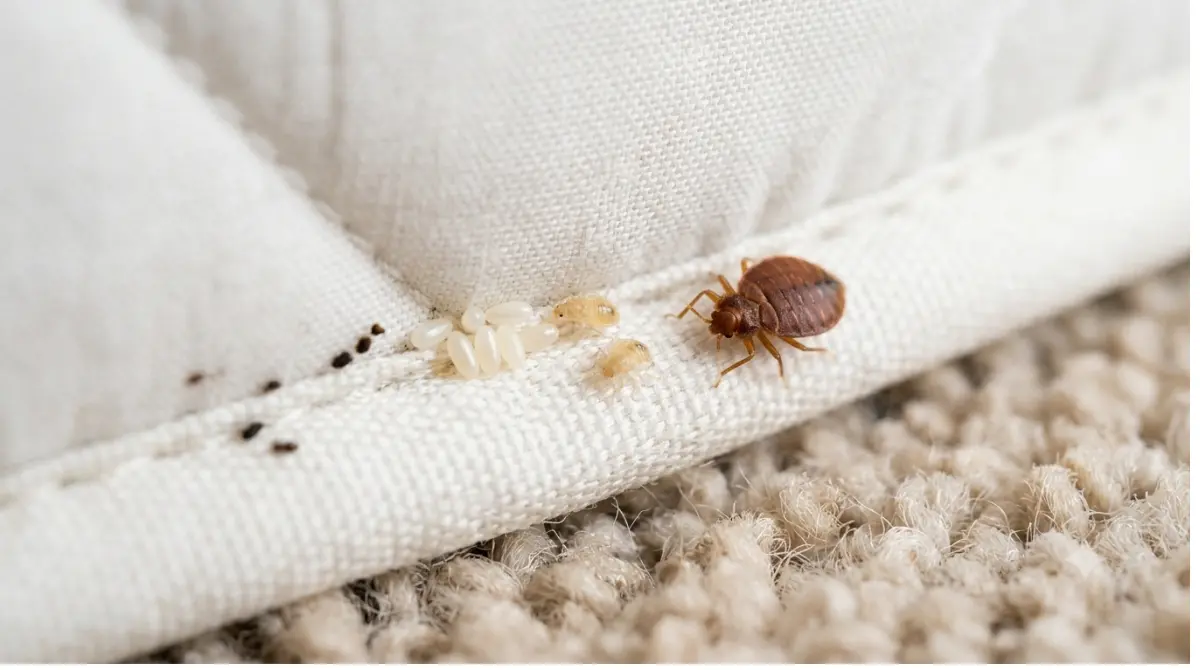
The gap starts with eggs. Many pesticides do not kill bed bug eggs, so a chemical treatment has to be repeated after the eggs hatch (EPA on why treatments fail). Heat that reaches every hiding spot kills all life stages, eggs included (Using Heat to Kill Bed Bugs, Virginia Tech). The temperatures and exposure times behind that are laid out in how heat kills bed bugs and their eggs.
Neither method promises a single visit. EPA tells anyone hiring help to prepare for multiple visits, because very few infestations are controlled with one treatment (EPA hiring guidance). Even the heat figure sits above one.
What you pay for on heat day
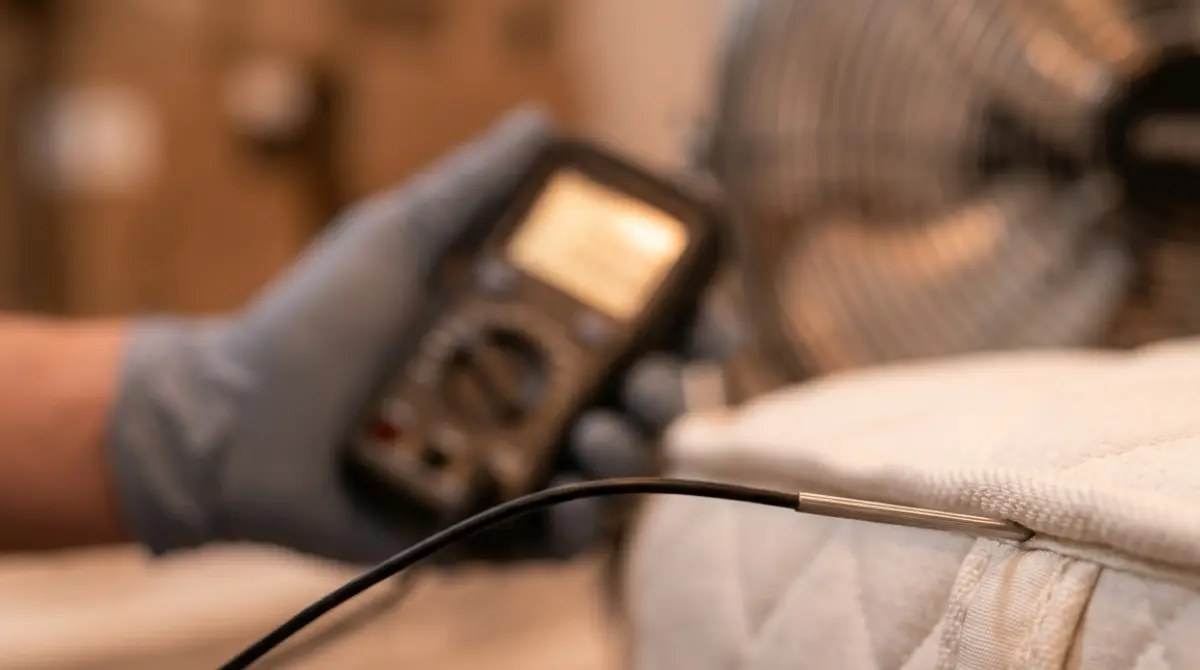
Whole-room heat is expensive because it is a long, monitored job: 6 to 8 hours from setup to takedown, room air near 135°F, sensors tucked into cracks and hard-to-reach places, and heating that continues for 60 minutes or more after every sensor reaches about 113°F (Virginia Tech’s heat fact sheet).
That sheet, which EPA still links from its safety guidance, put whole-room heat at $1,200 or more, depending on the size of the area and the time needed to reach temperature. It carries no date, so read the figure as a starting point and let written local quotes set your number. No agency or extension source behind this article gives a per-square-foot rate for bed bug heat.
Some older, remodeled buildings have construction features that act as heat sinks. For those, the recommended add-on is a conventional insecticide in the cold spots where bed bugs could shelter, so a heat quote may carry it as a separate line.
How the crew monitors the job matters too. A 2025 field study of three whole-home heat systems in low-income housing found that no system killed every test bug in every replicate, and that technician entries per hour were the factor most tied to success (Todd et al., International Conference on Urban Pests).
Heat also has two practical advantages inside the house. You usually do not bag or remove your belongings, and room air near 135°F will not typically damage electronic equipment (Virginia Tech). Clearing clutter before treatment does not mean throwing your things away either (Dini Miller, Virginia Tech, EPA Bed Bug Summit). What heat cannot do is leave protection behind: once the room cools, bed bugs carried in later can start a new infestation (EPA’s notes on heat and bed bugs).
Safety: Whole-room heat relies on industrial heaters and remote sensors because the room’s air temperature does not show whether the inside of a crack or a piece of furniture has reached a lethal level. Heat-sensitive belongings can melt and need another treatment. Residents can use heat from a clothes dryer or a portable heat chamber (EPA bed bug safety page).
Repeat visits drive the chemical bill
Resistance is the first thing that stretches a spray program. Pyrethrins and pyrethroids are the most common bed bug compounds, and some populations have become resistant to them; switching to a different chemical class can help (EPA guide to bed bug pesticides). More than 300 products in seven chemical classes are registered against bed bugs, a few of them for trained professionals only.
Missed resting spots, untreated adjacent rooms or apartments, application below label rates and follow-ups that come too late are all listed causes of failed pesticide treatments (EPA on treatment failures).
Chemical programs do offer something heat does not. Some products keep working after the visit: desiccants such as diatomaceous earth kill through a physical action that bed bugs cannot become resistant to, and their effect is long-lasting (EPA pesticide classes). The trade-off is your time, since preparation for each round includes laundering and cleaning (EPA hiring page).
A fogger cannot replace those visits. The pesticide has to touch the bugs and fog does not reach the cracks where they hide, so EPA says foggers should not be the sole control (EPA fogger guidance).
Heat and chemical side by side
Lined up on the points that change the final bill, the two plans compare like this.
| Point | Whole-room heat | Insecticide program |
|---|---|---|
| Median services, 2015 survey | 1.3 | 2.6 |
| Eggs | Killed once heat reaches every life stage | Many products leave eggs alive, so treatment repeats after hatching |
| Protection afterward | None once the room cools | Some products keep working; desiccants last |
| Time on treatment day | 6 to 8 hours, setup to takedown | Set by each product label’s re-entry instructions |
| Your belongings | Usually not bagged or removed; heat-sensitive items need another method | Laundering and cleaning before treatment |
| Weak spot | Heat sinks in older buildings | Resistance in some populations |
| Published price | $1,200 or more, undated Virginia Tech figure | No agency figure; multiply the quoted visit price by the visits needed |
Sources: survey medians from Ramos et al.; heat details from Using Heat to Kill Bed Bugs; eggs, resistance, residual effect, re-entry and prep from EPA’s pages on treatment failures, pesticides, safety and hiring.
Is chemical treatment ever the cheaper choice?
Bed bugs caught early in a single bedroom are the case to price carefully before assuming heat wins. Heat is priced on the area treated and the time to reach temperature, and low-level infestations can be eliminated affordably with do-it-yourself and combined methods (Changlu Wang, EPA Bed Bug Summit).
Heat gains ground as the problem grows. Whole-home infestations, rooms too cluttered to prepare for repeated spraying, and households that cannot leave and re-prep several times all point toward the plan with fewer visits.
Older, remodeled buildings change the math in the other direction, so price heat with the cold-spot insecticide included.
In apartments and condos the scope can widen for either method, since failing to treat adjoining units is another listed cause of treatment failure.
For renters: Who arranges and pays for treatment depends on your lease and your state’s landlord-tenant law. Read who handles bed bugs in a rental before you book anything yourself.
Two quotes on one page
Ask both companies for written answers to the same lines, then set them side by side.
| Line on the quote | Heat quote | Chemical quote |
|---|---|---|
| Visits included | Heat day plus any follow-up inspection | Every visit, spaced for egg hatch |
| Products used | Any insecticide added for cold spots | Chemical classes, and a switch plan if bugs persist |
| Rooms covered | Treated rooms and any adjoining ones | Treated rooms and any adjoining rooms or units |
| Monitoring | Number of sensors and how often a technician checks them | Re-entry time for each product |
| Your prep | Items to remove, including heat-sensitive belongings | Laundering and cleaning before each visit |
| If bugs return | Retreatment terms and their time limit | Retreatment terms and visits included |
| Certification | Applicator certification for any insecticide used | Applicator certification for each technician |
Sources: EPA’s advice on hiring a professional, EPA guide to bed bug pesticides, Todd et al..
Add each plan up the same way. For the chemical plan, multiply the per-visit price by the number of visits the company expects, then add any inspection fees. For heat, add the heat price, any cold-spot insecticide and the follow-up inspection. The lower total is the cheaper plan once the retreatment terms are comparable.
Retreatment promises cover whatever the signed contract says, so read the exclusions and time limit before you sign. Vetting the company itself is covered in how to hire a bed bug exterminator.
Get two written quotes that count every visit
Taking a day or two to collect a second quote is reasonable. EPA does advise bringing a professional in early, because trying to treat the problem yourself first could help it spread (EPA’s advice on bringing in a professional).
When you call each company, ask:
- How many visits does this price include, and when is each one scheduled?
- For heat, will you add an insecticide in cold spots, and is it priced separately?
- How will you confirm the bed bugs are gone?
- What is the state certification number of the applicator treating my home?
State pesticide regulatory agencies certify applicators, and many require certification for anyone applying pesticides commercially, so your state’s agency is where to check that number (EPA on applicator certification). After treatment, the signs that bed bugs are gone tell you what to watch for, and the full plan for getting rid of bed bugs covers the steps around it.