Smart Fixes for Bowing Basement Walls, and What They Cost

Bowing basement walls may be fixable, but Angi and HomeGuide disagree on which bow depth suits anchors. See where the cost guides split.
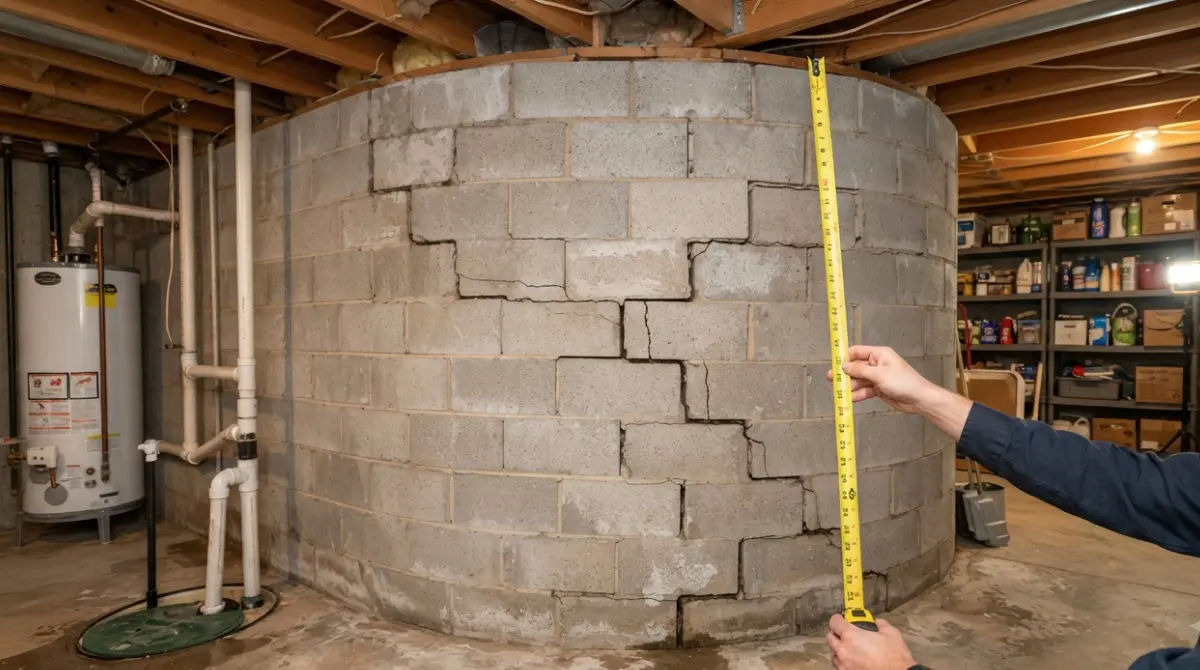
Table of Contents
Can a bowing basement wall be fixed, and what does it cost?
Short answer: usually, but a pro decides
Yes, usually. A bowing basement wall can often be stabilized with straps, anchors or tiebacks, and a licensed structural engineer helps decide whether yours can be repaired or must be rebuilt. Angi’s 2026 data puts the national average repair at $4,500, with most homeowners paying $500 to $10,000.
Angi says walls bowed past about 6 inches will likely need replacing instead.
Start here: find your situation
Match your situation to a starting point:
- Just noticed a curve or crack? Measure it below, then call an engineer.
- Holding a quote? Check it against the cost table below.
- Buying or selling? Get an independent engineer’s report first.
ℹ️ Safety Note: Judging a bowing wall, and any bracing, digging or jacking near a foundation, carries risk of injury and major damage. This is general information, not an engineering evaluation. Hire a licensed structural engineer or contractor and follow local code and permit rules. If the wall is moving fast or water is entering, leave the area and call a professional.
Why basement walls bow inward and how to measure yours
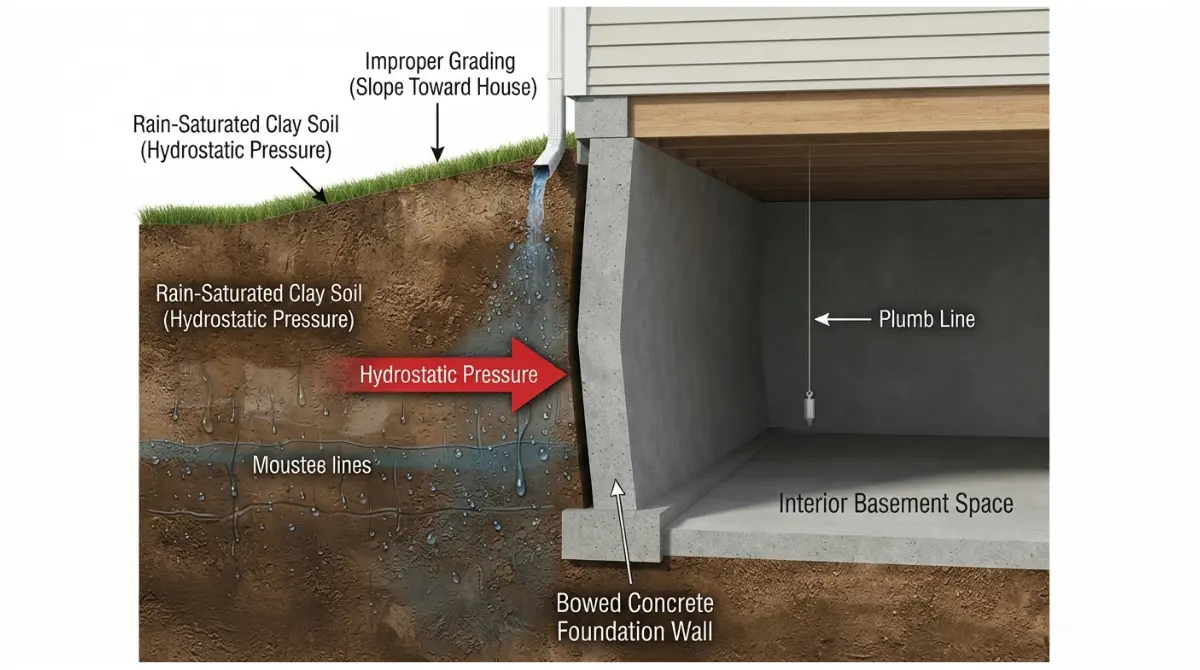
Pressure from outside the wall pushes it inward over time.
What pushes the wall in
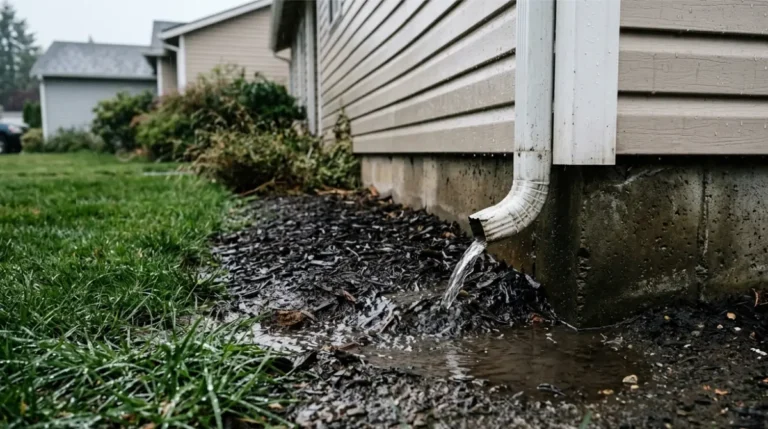
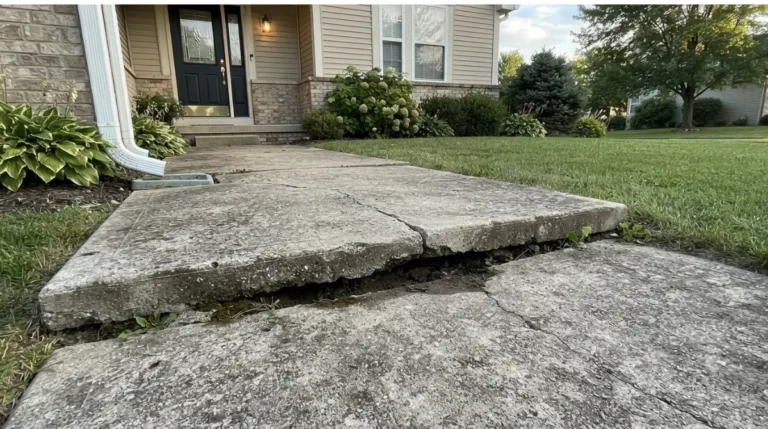
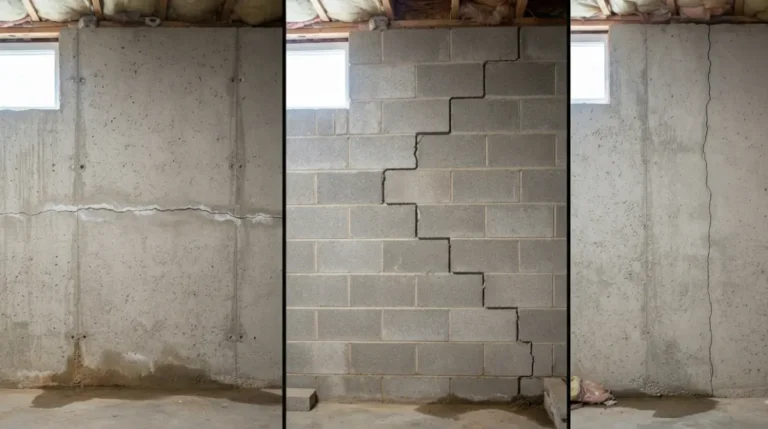
Saturated soil expands and presses on foundation walls, which can cause horizontal cracks, bowing or leaks, according to This Old House. Minnesota Extension adds that level or inward-sloping ground sends water toward the basement.
🔍 Why It Works: Angi calls the sideways force of water-saturated soil hydrostatic pressure.
Know your wall type
Poured, block and stone walls call for different repairs, so ask your engineer to name yours.
How to measure and log the bow
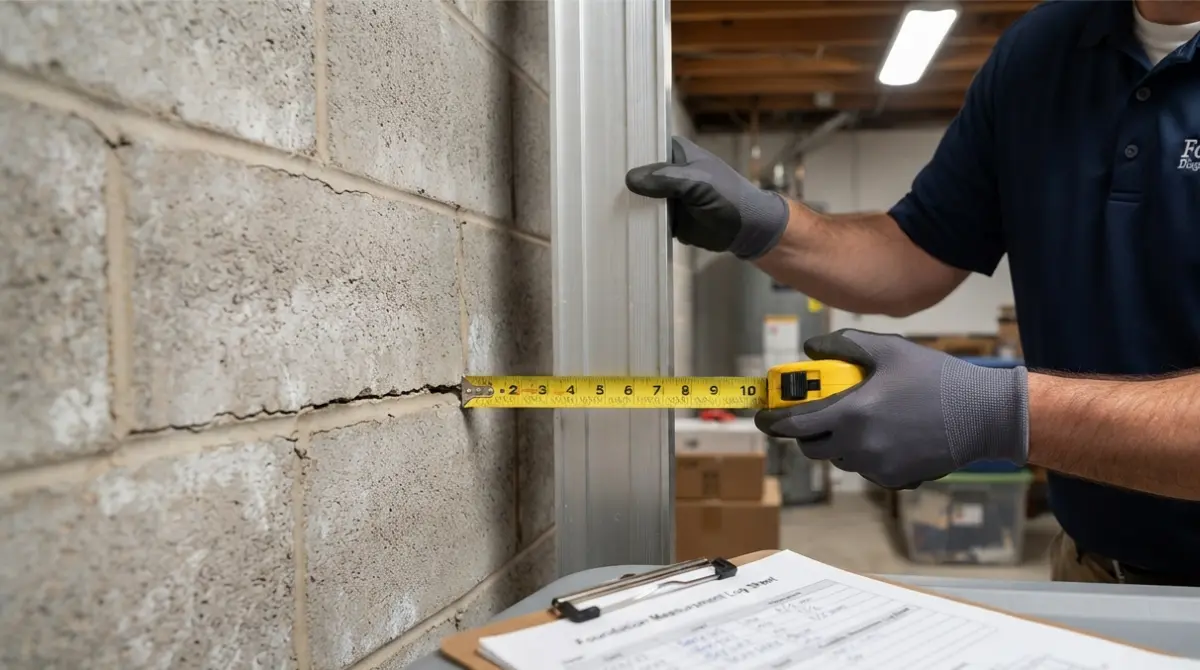
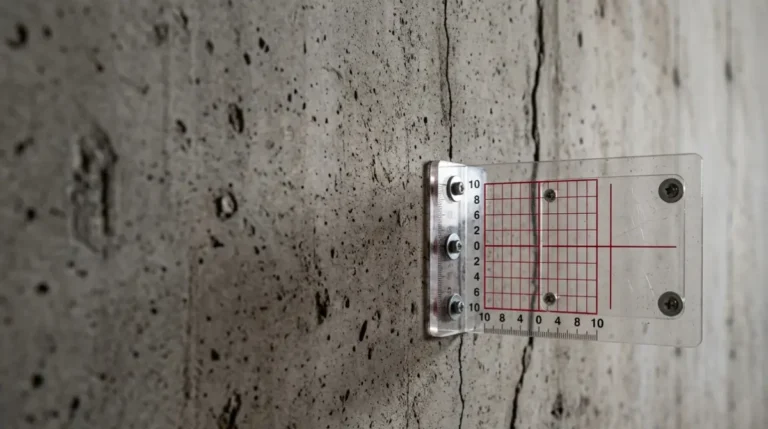
Hold a long straightedge or taut string against the wall, measure the gap at its deepest point, and note the date. Recheck after heavy rain and every few months.
✅ Do This: Book a licensed structural engineer for any bowing or horizontal crack, and bring your log. Ask for the measured bow, the cause, and whether to stabilize or rebuild.
Bowing wall repair options: what each fix actually does
Each fix holds or moves the wall differently, and Angi and HomeGuide disagree on which bow depth suits anchors.
| Method | Best for (Angi) | Best for (HomeGuide) |
|---|---|---|
| Steel or carbon fiber straps | Under 2 inches | Mild to moderate bowing |
| Wall anchors | Over 2 inches | Under 2 inches |
| Helical tiebacks | When straps or anchors fall short | 2 inches or more |
| Wall straightening | Returning the wall upright | Significant bowing |
Carbon fiber and steel straps
Straps install on the basement side, and Angi says they may be your only option in dense soil.
Wall anchors and helical tiebacks
Both need outside room for an excavator, and Angi says bracing mostly stops further bowing rather than straightening.
Straightening and I-beams
Wall straightening excavates and jacks the wall back, then adds straps. Some contractors also install interior steel I-beams, but neither source prices them.
Bowing basement wall repair cost by method
Costs below are for one 20-foot wall and come from marketplace estimates, not quotes.
Cost for a 20-foot wall, by method
| Method | Angi (Oct. 2026) | HomeGuide (Oct. 2025) |
|---|---|---|
| Wall anchors | $1,600–$2,800 | $1,600–$3,000 |
| Steel or carbon fiber straps | $1,700–$5,000 | $1,700–$5,600 |
| Helical tiebacks | $6,000–$7,200 | $6,000–$7,200 |
| Wall straightening | $6,800–$11,000 | $6,800–$11,000 |
📊 Tested / Spec: Sourced from HomeGuide and Angi, not tested by us.
Why the totals differ
Whole-job ranges differ: Angi says $500 to $10,000, while HomeGuide says $1,600 to $11,000. Our foundation repair guide lists $4,000 to $12,000, noting bowing repairs usually belong to a larger plan with drainage or soil work.
What else goes on the bill
Angi puts a structural engineer’s report at $250 to $500 and permits at $100 to $2,000, and installing drainage adds $2,000 to $7,000.
What changes your quote, and who to call first
Wall length, bow depth and outside access drive most of the price.
Wall length, bow depth and access
Angi says bracing can fix almost any wall bowed under 2 inches; 2 to 4 inches costs more, and tight outside access limits options.
Engineer first, then bids on the same scope
For a bowing wall, start with an independent structural engineer, then give the report to several contractors so each bids on the same scope. Our guide to who to call first covers engineer fees and quote checks.
Permits and written quotes
Angi says most repairs need a permit, so ask each bidder in writing who pulls it.
✅ Do This: Confirm the engineer’s license in your state, and ask whether they also sell repairs.
Fix the water so the wall stops moving
Fixing water helps prevent more bowing, but it doesn’t straighten a wall that has already moved.
Grading, gutters and downspouts
The 2021 International Residential Code calls for ground to fall at least 6 inches in the first 10 feet from the foundation, with drains or swales where barriers prevent it. Your town may use a different edition.
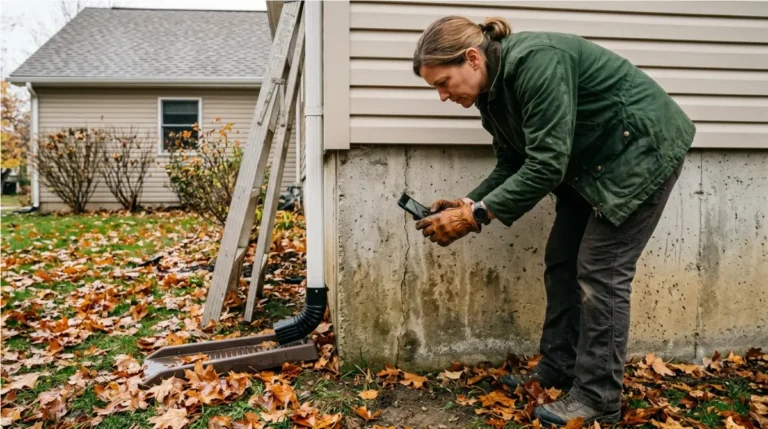
Keep gutters clear and downspouts discharging away from the wall, and see how to regrade around your foundation.
Drains, and call 811 before you dig
Have a licensed contractor install any drain, and see what an interior French drain costs for a price check. Call 811 before anyone digs near the foundation.
When a bowing wall is urgent, and what not to do
HomeGuide calls a bowed basement wall a safety risk, and Angi says it needs immediate repair, which can head off costlier damage.
Signs to act on now
If your log shows the bow growing, or water is entering, call your engineer right away.
What not to do
⚠️ Watch Out: Don’t patch over cracks, brace the wall yourself, dig beside it, or buy a DIY repair kit. Angi warns that improper installation can crack walls, and structural work belongs with licensed pros.
Don’t count on insurance: standard policies usually exclude soil-pressure or settling damage; see when homeowners insurance covers basement water.
Bowing basement wall questions, answered quickly
1. Can a bowing basement wall be fixed?
Usually. Bracing or straightening can stabilize a bowing basement wall, though Angi says walls bowed past about 6 inches will likely need replacing.
2. How much does bowing basement wall repair cost?
Bowing basement wall repair averages $4,500 nationally per Angi; a 20-foot wall runs about $1,600 to $11,000 by method.
3. Is a bowing basement wall dangerous?
Yes, HomeGuide calls a bowing basement wall a safety risk, and Angi says it needs immediate repair. Call an independent structural engineer.
4. How much bowing is too much?
Any bowing needs a professional. Angi says under 2 inches can usually be braced, 2 to 4 costs more, and past 6 likely means replacement.
5. Can carbon fiber straps straighten a bowed wall?
Carbon fiber straps mostly stop further bowing, per Angi, while wall straightening, which uses excavation and jacks, aims to restore the wall.
6. Will a bowing basement wall get worse if I wait?
Angi says prompt repair of a bowing basement wall can head off costlier damage, so waiting is a risk. Ask your engineer how soon.
7. Do I need an engineer first?
For a bowing basement wall, yes: start with an independent structural engineer, then have contractors bid on the same scope.
8. Does homeowners insurance cover a bowing basement wall?
Standard homeowners policies usually exclude soil-pressure or settling damage, so a bowing basement wall is often not covered. Read your own policy.
9. Can I repair a bowing basement wall myself?
No. Angi says repairing a bowing basement wall isn’t a DIY job, and improper installation can crack walls. Hire a licensed pro.
10. How do I stop a bowing wall from getting worse?
Fixing water helps prevent more bowing: keep gutters clear, downspouts discharging away, and ground falling at least 6 inches in 10 feet.
Your next step for a bowing basement wall
A bowing wall is serious, but it’s usually repairable once someone qualified has measured it. Measure the bow, write down the date, and book an independent structural engineer if the wall is bowing or cracking horizontally. Collect bids on the engineer’s scope, ask each bidder who pulls the permit, and fix the water around your house.