
Mold in Your Air Ducts Is Treatable — Here’s the Proven Path

Mold in air ducts isn’t just a ventilation problem — it’s a whole-home one. The difference between a $30 fix and a $3,000 bill starts with a 20-min inspection.

Table of Contents
That musty smell from your vents isn’t normal
That smell — damp, stale, like a basement that’s been shut for a season — hits every time the air conditioner starts. Your instinct that something is wrong is worth acting on.
Mold in air ducts is more common than most homeowners realize, and the HVAC system turns a localized contamination problem into a whole-home one. Every time the blower runs, it distributes mold spores through every room simultaneously.
Why air ducts are a prime mold environment
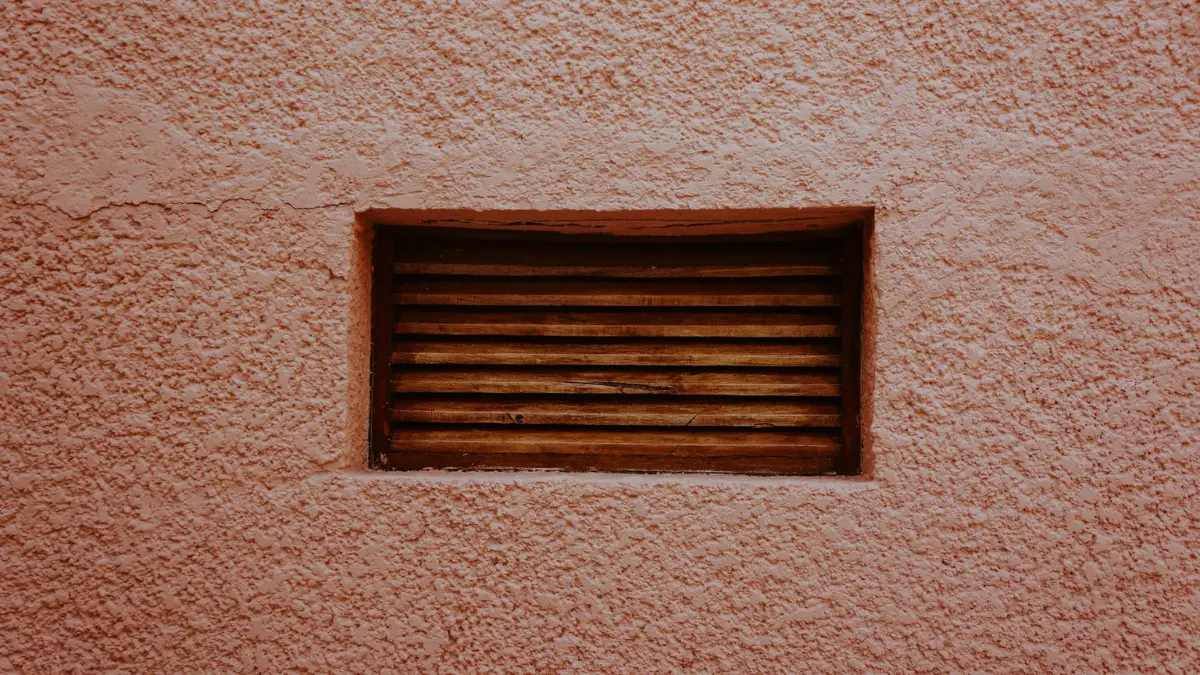
Ductwork gives mold exactly what it needs: persistent darkness and intermittent moisture. Condensation forms on metal duct surfaces when warm humid air contacts cooler metal — especially during summer cooling season — and even a thin, recurring film of water is enough for a colony to establish and spread.
What this guide covers
This article walks you through identifying mold by sight and smell, performing a safe self-inspection, choosing the right response level based on what you find, and building a prevention plan that keeps the problem from returning.
How to recognize mold in your air ducts
Mold in air ducts typically appears as fuzzy or slimy irregular patches in dark gray, green, brown, or black — most often spotted first on or around vent covers and register openings.
Visual signs: what mold looks like in vents and ducts
Look for discoloration clustered at vent cover corners and on the wall surface within two inches of the register. Inside an accessible duct section, growth often appears as a thin dark film rather than raised texture — and the visible area near the opening is frequently smaller than the colony deeper in the run.
The smell test: what mold in HVAC systems smells like
The musty smell from vents that duct mold produces is damp and earthy — most homeowners describe it as wet cardboard, old basement, or soil after rain. The diagnostic signal: the odor peaks the moment the blower starts and fades as air circulates, returning with the next startup cycle.
Mold vs. dust and debris: how to tell the difference
Dust coats a vent grille uniformly in gray-brown and lifts away cleanly with a damp cloth. Mold growth clusters in irregular darker patches with a slightly slimy or raised texture, concentrated near moisture-prone corners, and leaves a greenish or black stain that resists the cloth.
Behavioral clues: allergy flares and air quality changes
Sneezing, eye irritation, and congestion that worsen when the HVAC system runs and ease when windows are open are behavioral indicators worth taking seriously. If the growth on your vents is dark green-black with a slimy surface — consistent with how black mold presents across different surface types — treat it as a priority situation from the start.
How to inspect your air ducts for mold yourself
To check your air ducts for mold, start by turning off the HVAC system completely at the thermostat — then gather your supplies before touching a single vent cover.
What you’ll need before you start
Estimated time: 20–30 minutes. Difficulty: Beginner. Tools: a flexible-neck flashlight, nitrile gloves, an N95 mask, and paper towels.

- cloth
- Made in the USA and Imported
- NIOSH APPROVED for at least 95 percent filtration efficiency against certain non-oil based particles

Adding a surface mold test kit ($10–$30 at most hardware stores) is worth the cost — it confirms contamination objectively and can spare you a $150–$200 professional inspection call.
⚠️ Warning: Always wear an N95 mask and nitrile gloves before removing any vent cover. Lifting a cover over an active mold colony releases a concentrated burst of spores directly at face height — respiratory protection is not optional.
Step-by-step: inspecting accessible vents and registers

- 【Super Bright & 3 Light Modes】The flexible led work light produces a powerful 1000lm of brightness (6500K). Designed wit…
- 【Flexible Gooseneck】The magnetic flashlight features a 360° flexible gooseneck, allowing you to easily adjust the angle …
- 【Strong Magnetic Base】The gooseneck work light features a strong magnetic base that securely attaches to metal surfaces,…
- Remove accessible vent covers and examine the back surface under a flashlight for dark patches, fuzzy growth, or slimy discoloration.
- Shine the flashlight 12–18 inches into the duct opening at an angle — not just straight ahead — to illuminate the metal side walls where growth concentrates.
- Inspect return air vents first; their larger openings accumulate more airborne debris and moisture than supply registers.
- Note the location, approximate size, and color of anything suspicious before replacing the cover.
Using a mold test kit for confirmation
Swab a suspicious area with the kit applicator and follow the included instructions. A confirmed positive result within 48 hours gives you a documented baseline — useful when requesting contractor quotes and when discussing coverage with your insurer.
What to do with your findings
Growth on a single vent cover with no spread may be a surface issue. Multiple affected registers, or growth visible beyond 12 inches inside the duct, indicates a system-level problem — review the complete mold remediation diagnostic process before deciding how to proceed.
Should you clean it yourself or call a pro?
Not all duct mold findings require the same response. This mold severity triage system converts your inspection results into one clear action level.
| Severity Level | What It Looks Like | Your Next Action |
|---|---|---|
| Level 1 — Monitor | Faint staining on 1–2 vent covers; no odor; no spread | Clean covers; upgrade filter; recheck in 30 days |
| Level 2 — DIY | Visible growth on accessible surfaces; under 10 sq ft total | Follow the DIY mold removal process |
| Level 3 — Pro Required | Growth inside duct runs; multiple zones affected; or black mold | Hire a licensed mold remediation company |
Level 1 — Monitor: small surface mold on accessible vents
Faint discoloration on one vent cover with no odor and no visible spread is a monitor situation — not an emergency. Clean the cover with an antimicrobial solution, replace the air filter, and recheck in 30 days before escalating your response.
Level 2 — DIY remediation: contained mold on reachable surfaces
Visible mold growth on surfaces you can physically access — the vent cover or the first 12 inches of duct — can be addressed with the right protective equipment and technique. Keep the work area isolated with plastic sheeting and never run the HVAC system while remediation is active.
Level 3 — Call a professional: when DIY is unsafe or insufficient
Growth deeper in the duct run or confirmed black mold (Stachybotrys chartarum) requires licensed equipment and trained expertise. An HVAC remediation specialist has the tools to access and treat sections that are physically unreachable from any register opening.
The non-negotiable situations: when pros are always required
⚠️ Warning: Always hire a certified professional when your household includes anyone immunocompromised, elderly, or under age 5 — or when visible mold coverage exceeds 10 square feet, which is the EPA’s mold remediation threshold for mandatory professional intervention. These situations are not judgment calls.
Why mold in air ducts is a real health risk
Mold in air ducts is dangerous because the HVAC system actively circulates spores through every room — unlike surface mold, which stays localized until disturbed. The delivery mechanism is the problem.
Common mold species found in HVAC systems
Cladosporium and Aspergillus are the most common mold species found in residential ductwork and produce respiratory irritants at moderate exposure levels. Stachybotrys chartarum (black mold) is less common but produces mycotoxins that cause serious health effects even at lower concentrations.
Health symptoms linked to duct mold exposure
Per the CDC’s mold and health resource, mold spore exposure commonly produces nasal stuffiness, eye irritation, wheezing, and skin reactions. Symptoms accumulate with repeated exposure and tend to be more pronounced in humid conditions or after extended periods of HVAC operation.
Who is most at risk in the household
Children, elderly adults, and anyone with asthma or a compromised immune system carry the highest health risk. Duct mold also accelerates indoor air quality deterioration in adjacent moisture-prone areas — including basement walls and floors and bathroom grout and caulk — by continuously delivering spores to those surfaces.
When to see a doctor (not just fix the ducts)
ℹ️ Disclaimer: Persistent respiratory symptoms, worsening asthma, or unexplained fatigue that correlates with HVAC operation warrants a physician visit — independent of addressing the duct mold itself. This article provides no medical advice. Consult a licensed physician for any health concerns.

What mold removal from air ducts actually costs
Mold removal from air ducts typically costs $700–$3,000 for professional remediation, depending on duct material, total linear footage, and whether the evaporator coil requires treatment.
| Scenario | Approach | Estimated Cost |
|---|---|---|
| Surface vent cleaning only | DIY | $20–$60 |
| Professional vent + accessible duct cleaning | Pro | $300–$700 |
| Full HVAC mold remediation | Pro | $700–$2,000 |
| Severe contamination / full system replacement | Pro | $2,000–$5,000+ |
Cost estimates sourced from NADCA industry benchmarks. Verify all figures with local contractor quotes.
DIY cost breakdown: what you’ll spend doing it yourself
For surface vent mold, DIY remediation supplies — antimicrobial cleaner, nitrile gloves, an N95 mask, and a replacement filter — run $20–$60 total. Equipment costs for accessing deeper duct sections quickly approach what a professional charges for equivalent work.
What affects the price
Duct material (sheet metal vs. flexible plastic), total linear footage, and confirmed mold species are the three biggest cost variables. Black mold remediation typically runs 30–50% higher than other species due to mandatory containment procedures and specialized disposal requirements.
Does homeowners insurance cover duct mold removal?
Coverage depends on the cause of the mold — damage from a sudden covered event like a burst pipe is often included, while deferred maintenance mold is routinely excluded. Review what homeowners insurance typically covers for mold remediation before assuming coverage, and get a room-by-room cost breakdown to set a realistic budget before calling contractors.
How to prevent mold from coming back in your ducts
The most effective fix for recurring duct mold is also the most overlooked: control the moisture that makes growth possible in the first place.
Control humidity: the single most effective prevention step
- 【Multi Function】Accurate hygrometer digital thermometer displays high and low temperature & humidity;At the same time, r…
- 【Easy to Use and Install】This indoor room thermometer features a kickstand and hanging hole, can be placed in vertical o…
- 【12/24 Hour, °F/°C Selector】12/24 hour display switching function; ℃ /℉ switching function. Measuring Temperature Range:…
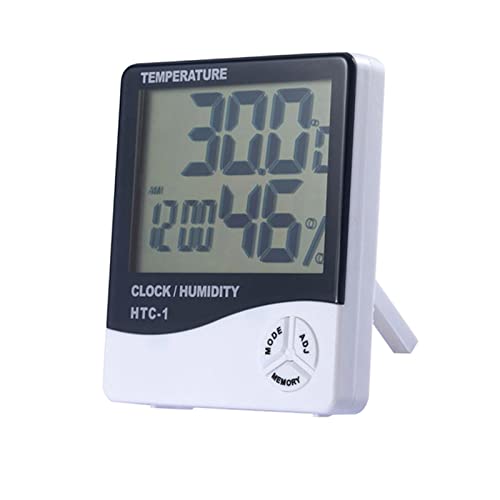
Keep indoor humidity between 30–50% — the EPA’s recommended range for inhibiting residential mold growth. A dehumidifier running in humid seasons maintains this range without constant manual adjustment and is the single highest-impact tool a homeowner can add.
Filter upgrades: why MERV rating matters for mold
A MERV-13 air filter captures the particle sizes that carry most mold spores and should be replaced every 60–90 days during active HVAC seasons. MERV-8 or lower is insufficient for spore capture in any system that has had confirmed active mold.
Scheduled maintenance: what to do and when
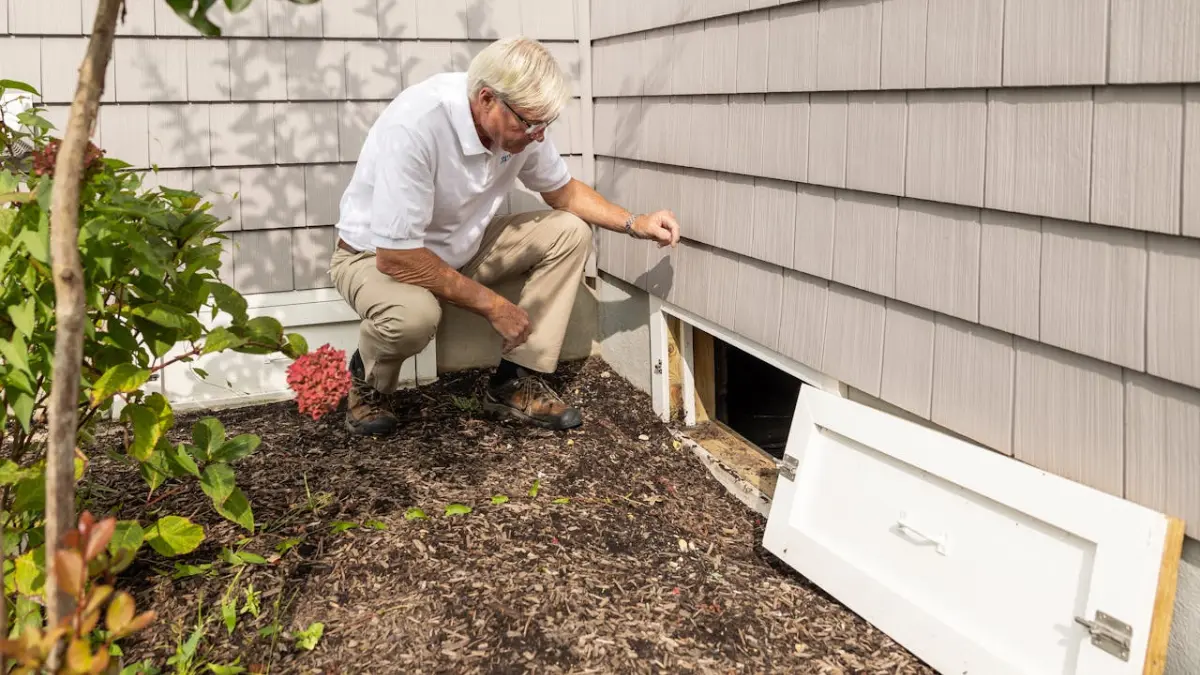
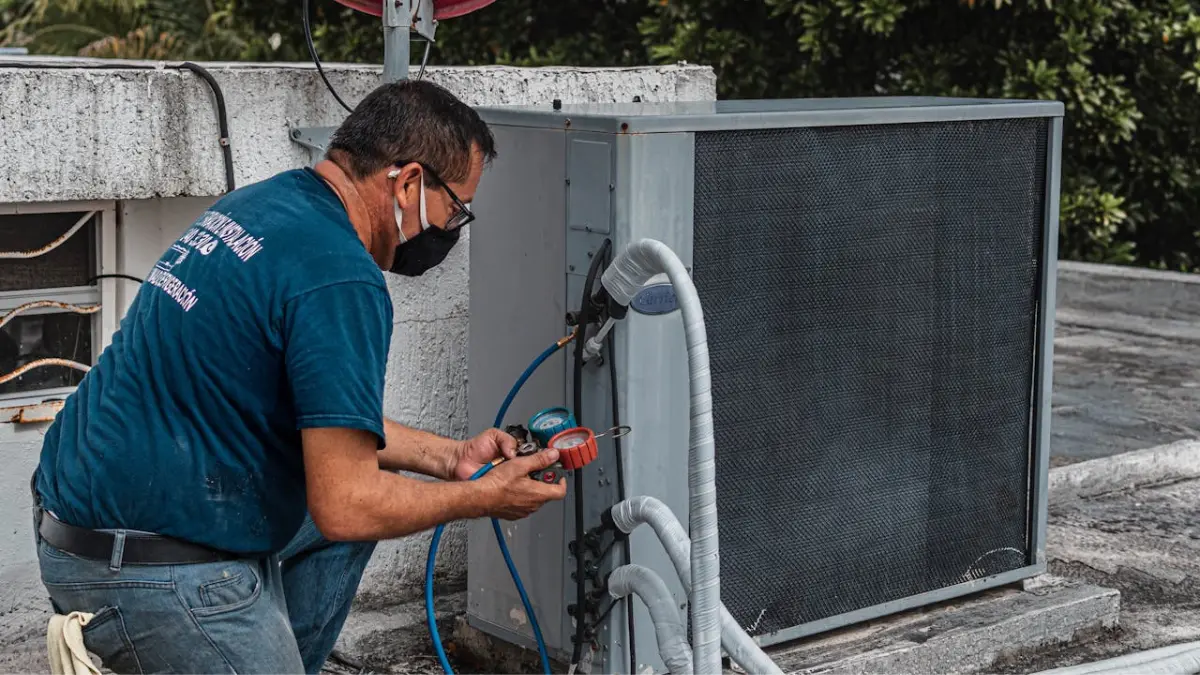
Schedule a licensed HVAC inspection each fall and spring to catch condensation problems before they seed a new colony. Mold in adjacent high-moisture areas — including attic spaces and crawl spaces — continuously re-seeds ductwork contamination and must be addressed as part of a whole-home moisture strategy.
UV light systems: do they actually work?
UV-C systems installed near the evaporator coil do inhibit mold growth on coil surfaces — but only with correct placement and sufficient contact time. A properly installed UV system is a useful complement to moisture control, not a substitute for fixing the humidity conditions that cause mold in the first place.
You now have a complete action plan: identify, triage, remediate, and prevent. For a full diagnostic framework covering every area of your home, start with the complete mold remediation guide.
Frequently asked questions about mold in air ducts
1. What does mold in air ducts look like?
Mold in air ducts typically appears as fuzzy or slimy irregular patches in dark gray, green, brown, or black on vent covers and inside register openings. It often concentrates at grille corners and the first few inches of duct wall. The visible area at the opening is frequently smaller than the colony behind it.
2. How do I know if my HVAC system has mold?
The most reliable signs of mold in an HVAC system are a persistent musty odor that peaks at blower startup, visible dark patches on vent covers, and household allergy symptoms that worsen when the system runs. A surface mold test kit ($10–$30) can confirm contamination before you spend money on a professional inspection.
3. Is mold in air ducts dangerous?
Mold in air ducts is dangerous because the HVAC system actively distributes spores to every room rather than containing them to one surface. Exposure commonly causes nasal congestion, eye irritation, and wheezing, with more serious health effects for children, elderly adults, and immunocompromised individuals. Address it promptly.
4. Can I clean mold from air ducts myself?
You can address Level 1 and Level 2 mold — surface contamination on vent covers or within 12 inches of an accessible register — with proper protective equipment and antimicrobial cleaner. Mold deeper in the duct system, black mold, or any growth exceeding 10 square feet requires a licensed professional per EPA guidelines.
5. What causes mold to grow in air ducts?
Mold in air ducts is caused by moisture — specifically, condensation that forms on duct surfaces when warm humid air contacts cooler metal. Contributing factors include high indoor humidity above 50%, poorly insulated ducts, a dirty evaporator coil, and restricted airflow that allows moisture to sit on duct walls between cycles.
6. How much does professional duct mold removal cost?
Professional mold removal from air ducts typically costs $700–$2,000 for standard remediation and can reach $5,000 or more for severe contamination requiring full system replacement. Cost varies by duct material, total linear footage, and mold species — black mold remediation runs 30–50% higher due to required containment procedures.
7. What does mold smell like in air vents?
Mold in air vents produces a damp, earthy odor most homeowners describe as wet cardboard, old basement, or soil after rain. The distinguishing characteristic is timing: the smell is strongest when the blower first starts and fades gradually as air circulates. If the odor returns every startup cycle, mold is a likely cause.
8. How do I prevent mold from growing in my air ducts?
Prevent mold in air ducts by keeping indoor humidity between 30–50% year-round, upgrading to a MERV-13 air filter and replacing it every 60–90 days, scheduling HVAC inspections each spring and fall, and addressing moisture sources in adjacent areas like crawl spaces and attics that continuously re-seed duct contamination.
9. Should I run my AC if there is mold in the ducts?
Do not run your AC if you have confirmed or strongly suspected mold in the ducts. Operating the system actively spreads spores to every room and increases total household exposure. Turn the system off, complete your inspection, determine your severity level, and either remediate or schedule professional service before restarting.
10. How long does air duct mold remediation take?
A professional HVAC mold remediation typically takes one to two days for a standard single-family home. More extensive contamination — particularly growth that has spread to the evaporator coil or flexible duct sections behind walls — can extend the timeline to three to five days, including drying and post-remediation testing.
11. Does homeowners insurance cover mold in air ducts?
Homeowners insurance may cover duct mold removal if the mold resulted from a sudden, covered peril — such as a burst pipe or storm-related water intrusion. Mold caused by long-term humidity issues or deferred HVAC maintenance is almost always excluded. Review your policy’s mold endorsement before assuming coverage applies.
12. What kind of mold grows in air ducts?
The most common mold species found in residential air ducts are Cladosporium and Aspergillus, both of which produce respiratory irritants. Stachybotrys chartarum — commonly called black mold — is less frequent but more serious, producing mycotoxins that cause health effects at lower exposure levels. A mold test kit identifies the type present.
13. How do professionals test for mold in HVAC systems?
Professionals test for HVAC mold using air sampling — capturing a measured air volume on a spore trap cartridge and sending it to a lab for analysis — and surface sampling via swab or tape lift on suspect areas. A certified mold inspector (CMI) interprets results against baseline outdoor spore counts for an accurate assessment.
14. Can mold in air ducts make you sick?
Yes, mold in air ducts can make you sick. The HVAC system circulates spores continuously, producing cumulative respiratory exposure that causes nasal stuffiness, wheezing, eye irritation, and in sensitive individuals, more serious reactions. Symptoms typically worsen over time with ongoing exposure and improve noticeably when the contamination is removed.
15. How often should air ducts be professionally cleaned?
The National Air Duct Cleaners Association recommends professional duct cleaning when contamination — mold, vermin, or significant debris — is confirmed, or when visual inspection shows buildup affecting airflow. Absent contamination, most residential systems do not require cleaning on a fixed schedule; annual HVAC inspections catch developing problems before they require full remediation.
16. What is the black stuff in my air vents?
The black material on air vents is most commonly one of three things: mold, a concentration of airborne soot or dust particles, or oxidation from metal moisture exposure. Mold appears in irregular clusters with a slightly raised or slimy texture; dust and soot coat the grille uniformly. A damp white cloth test and a mold test kit confirm which you’re dealing with.
17. Does UV light kill mold in air ducts?
UV-C light systems installed near the evaporator coil do inhibit mold growth on coil surfaces, but effectiveness depends entirely on placement and contact time. A UV system is a useful complement to humidity control and filter upgrades — not a standalone solution. Improper installation produces minimal benefit regardless of bulb wattage.
Related Articles
 Mold Remediation
How Your Dehumidifier Prevents Mold Without Killing It
June 9, 2026 Mold Remediation
Found Mold in Carpet? Here’s Exactly What to Do First
May 25, 2026 Mold Remediation
Here’s When Homeowners Insurance Covers Mold Remediation
May 12, 2026 Mold Remediation
Your Child’s Mold Exposure Symptoms Explained by Age
May 28, 2026 Mold Remediation
What a Mold Inspection Really Costs for Your Home
June 2, 2026 Mold Remediation
Here’s How to Remove Mold from Drywall Without It Coming Back
May 22, 2026 Mold Remediation
Here’s Exactly When DIY Mold Removal Is the Right Call
May 8, 2026 Mold Remediation
Understanding Landlord Mold Responsibility in Your Rental
May 31, 2026 Mold Remediation