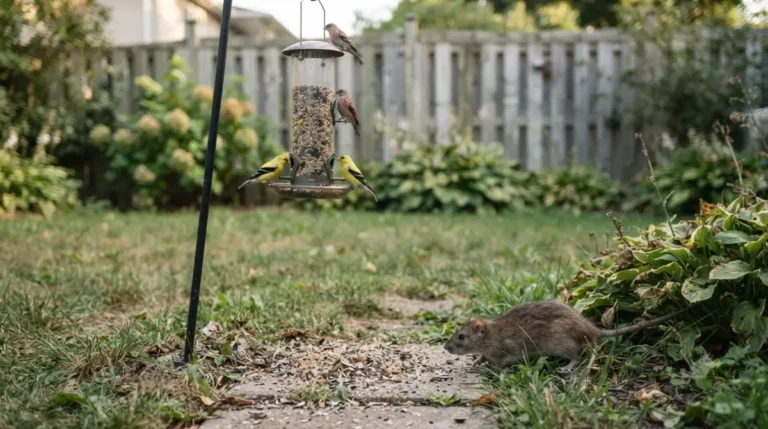
Does Homeowners Insurance Cover Rodent Damage? A Costly Gap

Homeowners insurance excludes rodent damage by name, but the sentence right
after that clause is why fire and water claims still get paid.
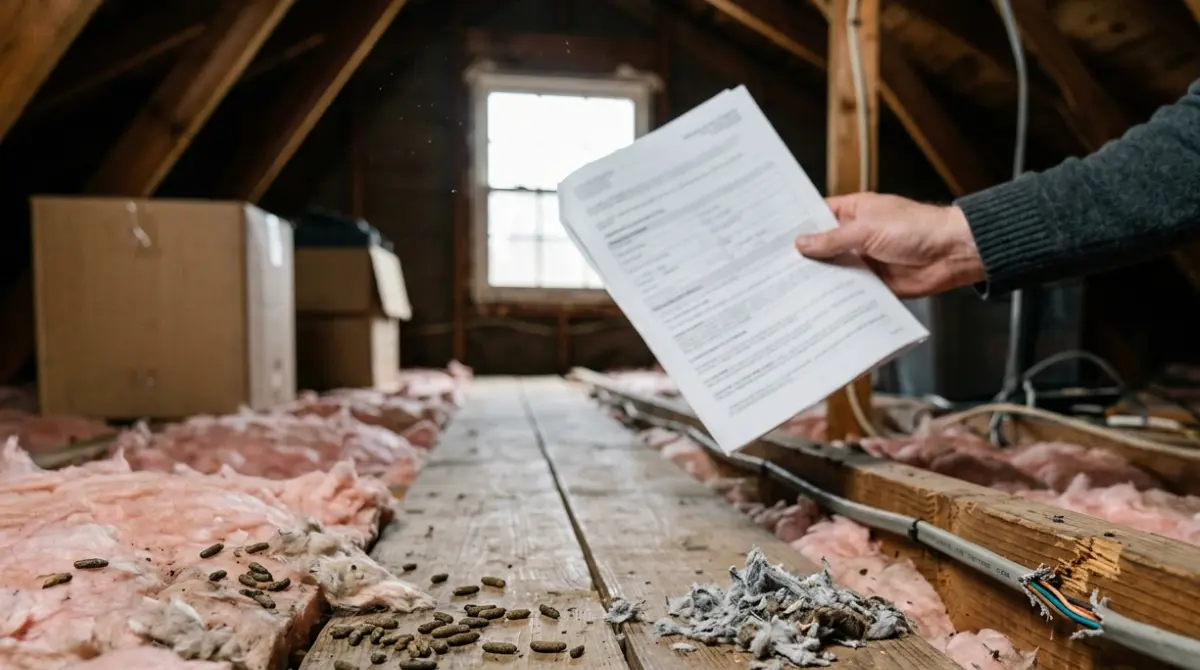
Table of Contents
No. A standard HO-3 homeowners policy excludes rodent damage by name, in one paragraph of its Perils Insured Against section. The exception matters: when a covered loss such as fire or a burst pipe follows the chewing, the damage that follows is usually paid.
Where you are decides what to read first.
- Damage found, nothing filed: the chewing and droppings are yours, and the cost table sizes the bill.
- Claim already denied: the denial is probably right, but you still have options below.
- Not sure you have rodents: confirm first, because scratching in the walls at night has several causes.
ℹ️ Safety Note: This explains how the standard form is written, not what your policy covers, which turns on your edition, endorsements and state. Do not handle chewed wiring, and do not sweep or vacuum dry droppings.
The exact clause that excludes rodent damage
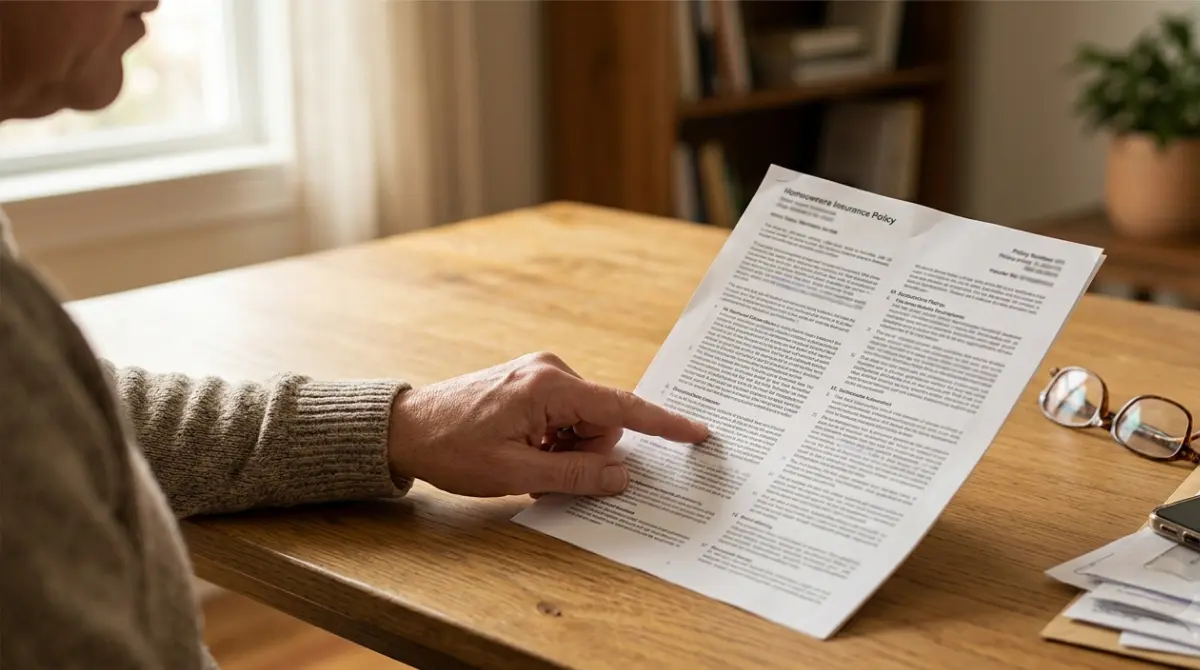
Insurers call this a maintenance problem, but the refusal is not an adjuster’s judgment call. It is printed in the contract.
Where the exclusion lives
In the 2011 edition of the standard Homeowners 3 policy form filed with state regulators, subparagraph A.2.c.(6)(g) removes loss caused by birds, rodents or insects from dwelling coverage.
The clause most articles miss
The next subparagraph, (h), is broader: nesting, infestation and waste discharge by any animals. That is why attic decontamination goes unpaid even when the culprit is not a rodent, and why termite damage is refused from the same list. An older edition read “birds, vermin, rodents, or insects” and had no nesting clause, so check an older sample of the form against your edition date.
Why your belongings differ
Personal property is written on a named-peril basis, and chewing is not listed. A gnawed sofa is not excluded so much as never covered.
What your policy still pays for after rodent damage
The exclusion kills the chewed component. It does not always kill the claim.
| The loss | Paid? | Governing provision |
|---|---|---|
| Chewed wiring, pipes, insulation, framing | No | A.2.c.(6)(g) |
| Droppings and nesting contamination | No | A.2.c.(6)(h), any animal |
| Trapping, removal, exterminator | No | No coverage grant exists |
| Fire starting in chewed wiring | Usually | Ensuing-loss sentence closing A.2 |
| Water damage after a chewed pipe | Usually | Exception to c.(6), tear-out included |
| Abrupt collapse from hidden vermin damage | Sometimes | Collapse coverage E.8, if unknown beforehand |
Sourced from the ISO Homeowners 3 – Special Form (HO 00 03 05 11). Your edition may differ.
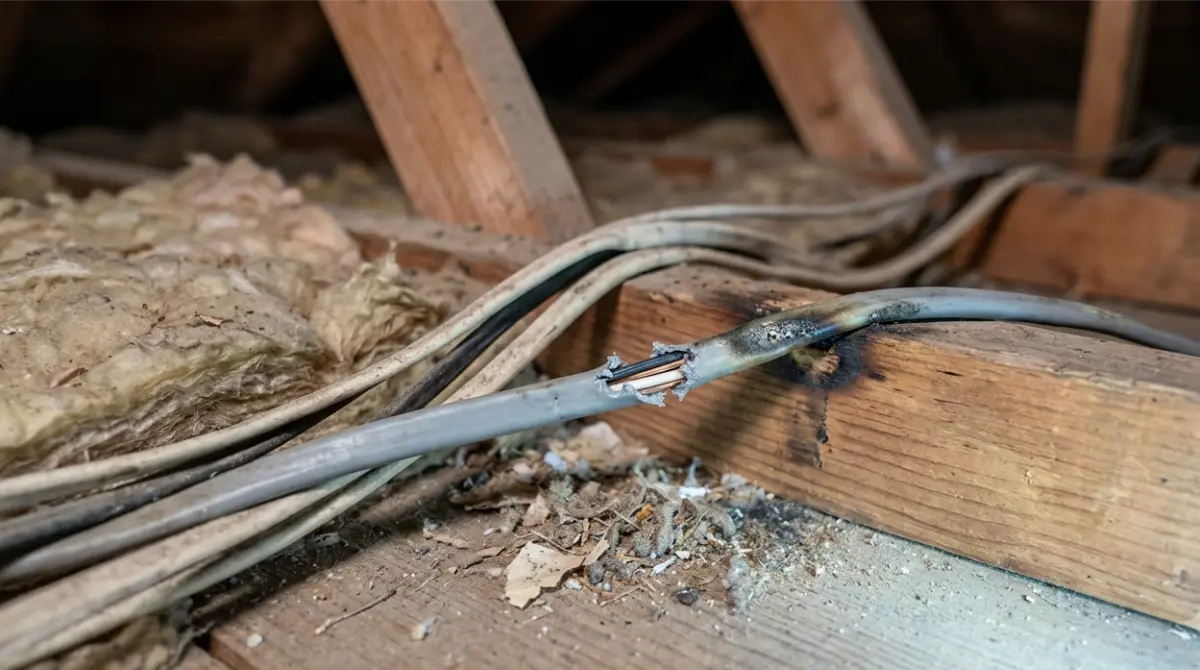
Fire that starts in chewed wiring
🔍 Why It Works: That exclusion block closes with a sentence covering ensuing loss where nothing else blocks it. Fire is an insured peril, so it is a separate covered event that happened to start at an excluded cause. The burnt structure is paid; the wire is not.
Mice chewing electrical wires is the common route here.
Water from a chewed pipe
The form covers accidental discharge from plumbing on the premises, including tearing out material needed to reach the pipe. It does not cover the pipe itself.
What still defeats a claim
Neglect and inadequate maintenance stay excluded. An insurer showing you knew and did nothing will argue the loss was not accidental.
What you will pay for yourself

- EASY TO USE: Simplify trapping with mouse traps indoor for home – you can set and release with one click! These humane m…
- USE AROUND FAMILY: Designed as mouse traps humane and free from chemicals, these humane mouse traps indoor for home can …
- QUICK AND HUMANE: Featuring a powerful high-impact kill bar, our mice traps indoor deliver a swift, humane catch for eff…

- Kills Mice Effectively: Tomcat Mouse Killer Child & Dog Resistant, Disposable Stations use bait blocks to tackle your mo…
- Tamper-Resistant Design: Our child- and dog-resistant mouse bait stations are also resistant to weather so you can use i…
- Clear Lid for Easy Monitoring: Know when it’s time to replace your station by easily checking bait through the clear lid
Everything in the “No” rows comes out of pocket, and the largest number surprises most people.
| The work | Typical range | Key detail |
|---|---|---|
| Trapping and removal | $150–$600 | Varies by species and attic access |
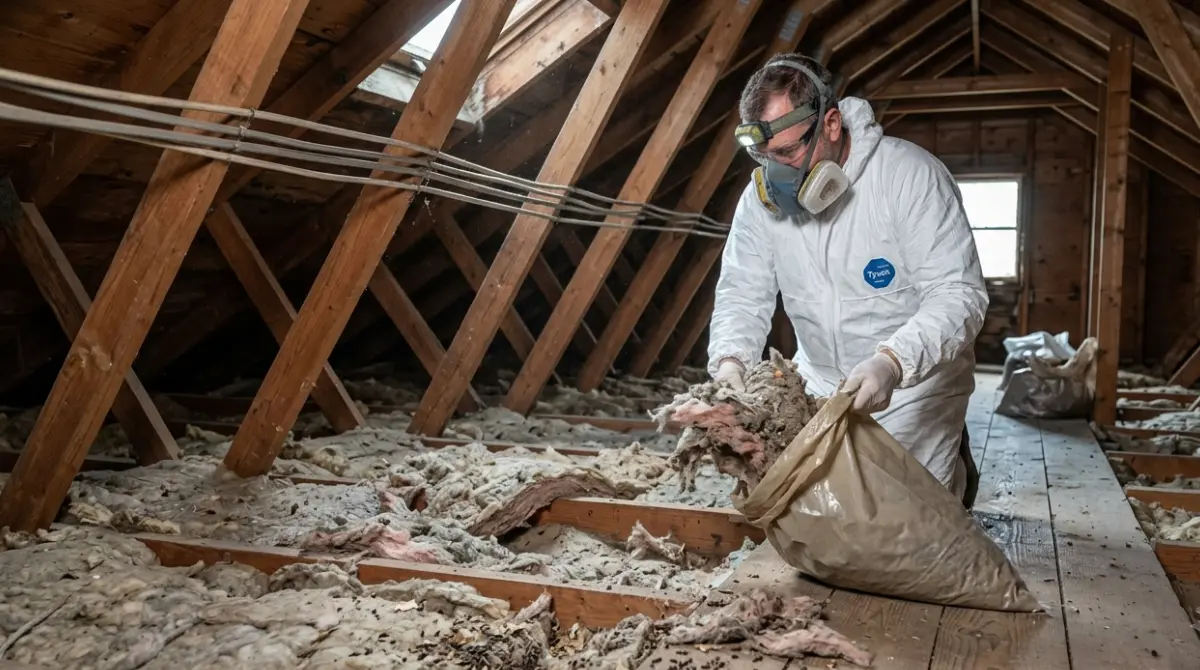
| Cleanup and decontamination | $600–$1,000+ | An add-on, not included in insulation pricing |
| Attic insulation removal | $1–$2 per sq ft | Priced by area, so measure first |
| Full remove, sanitise, replace | $3,200–$12,000 | Attic size and contamination drive the spread |
Third-party estimate ranges from home-services cost aggregators, September 2026, not our measurements. The sources disagree, so treat them as a bracket and get three local quotes.
⚠️ Watch Out: A deductible of $1,000 to $2,500 is common, and the excluded work often lands in the same bracket. Price the repair before you call the carrier.
Replacing contaminated attic insulation covers when the old layer can stay.
Should you file a claim at all?
This is the one real decision, and for most rodent losses the answer is no.
When filing is worth it
File when a covered loss followed the chewing. A fire, or water damage with tear-out behind it, produces a claim large enough to clear a deductible.
When it costs more than it pays
Skip it when the whole loss is the excluded part and the repair sits near your deductible. A claim paying nothing can still appear in your claim history.
If your claim was denied
Ask for the denial in writing with the provision cited, then read that provision yourself.
📊 Spec: In the 2011 form, appraisal gives each side 20 days to name an appraiser, who then choose an umpire. Sworn proof of loss is due within 60 days of request, and suit must begin within two years. State law changes these periods.
✅ Do This: Appraisal settles the amount of loss, not whether coverage applies, so it cannot overturn an exclusion. If the handling looks improper, file a complaint with your state insurance department at no cost.
How to check your own policy in five minutes
Editions change and states add their own forms, so the durable skill is finding the paragraph yourself.
- Open your declarations page and find the form number and edition date, printed as something like HO 00 03 followed by four digits.
- Open the policy form and go to Section I – Perils Insured Against.
- Under Coverage A and B, find the list of losses the insurer does not insure, then work down to subparagraph c.(6).
- Read the sentence closing that block, about ensuing loss. That sentence pays a fire or water claim.
What to ask your agent
- Which form edition and which state endorsements are attached to my policy?
- Does any endorsement change the ensuing-loss wording?
- Do you offer anything covering pest or animal damage on this form?
Some carriers offer limited endorsements, and availability varies enough that only your agent can answer. A state regulator’s plain-language guide to home policy coverages explains how the standard coverages fit together.
Two things to handle before you clean anything up

- cloth
- Made in the USA and Imported
- NIOSH APPROVED for at least 95 percent filtration efficiency against certain non-oil based particles
Coverage is the slower problem. These two are immediate.
Chewed wiring is a fire hazard

- Voltbeat technology and continuous self test so you always know it is working
- Upon detection, tip glows
- Non-contact voltage detection from 90 to 1000 V ac
Exposed conductors behind insulation can arc without tripping a breaker. Leave the circuit alone until it is inspected.
Do not sweep or vacuum droppings
Dry droppings and nesting material can carry pathogens that go airborne when disturbed. The CDC’s guidance on rodent-borne illness sets out the precautions, including ventilating first and wetting material down.
✅ Do This: Call a licensed electrician for chewed or heat-damaged wiring, and ask whether the circuits need replacement rather than a splice, and whether the work needs a permit. Use a restoration contractor for droppings across insulation.
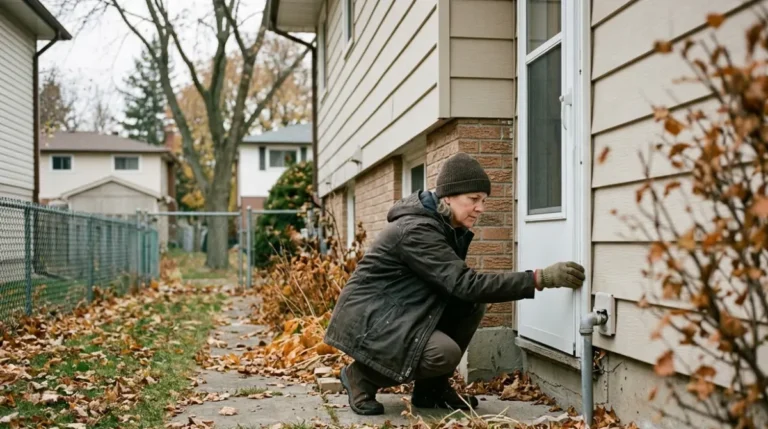
Then rodent-proof the gaps that let them in, which prevents a second uninsured bill.
Common questions about rodent damage and home insurance
1. Does homeowners insurance cover rat damage?
No. Rats fall under the same rodent exclusion as mice, so chewing, nesting and contamination go unpaid.
2. Does insurance cover squirrel damage to a house?
Squirrels are rodents, so their chewing is excluded and their nesting falls under the separate animal clause.
3. Will insurance pay for a fire caused by rodents chewing wires?
Usually yes. Fire is a covered peril, so fire damage is paid while the chewed wiring stays excluded. Have wiring inspected by a licensed electrician.
4. Does home insurance cover attic insulation damaged by mice?
No. Contaminated insulation is excluded as nesting and waste damage, usually making it the largest out-of-pocket cost.
5. Does homeowners insurance pay for an exterminator?
No. The standard form contains no coverage grant for trapping, removal or pest control.
6. Why don’t insurers cover rodent damage?
Because the policy excludes it by name and treats it as gradual, preventable damage rather than a sudden accidental loss.
7. Can I add rodent coverage to my homeowners policy?
Sometimes. Some carriers offer limited endorsements, and availability varies enough that only your own agent can confirm.
8. Should I file a claim for rodent damage?
Only if a covered loss such as fire or water damage followed. Otherwise the repair usually sits near your deductible.
9. What can I do if my rodent damage claim is denied?
Request the denial in writing with the provision cited, use appraisal for amount disputes, and complain to your state department.
10. Does renters insurance cover rodent damage?
No. Renters contents are named-peril, chewing is not listed, and the building is the landlord’s responsibility.
The short version
The exclusion is real, it sits in one paragraph, and you can find it in your policy today. What it does not touch is the fire, water or collapse that follows. Start with your declarations page and the edition printed on it.