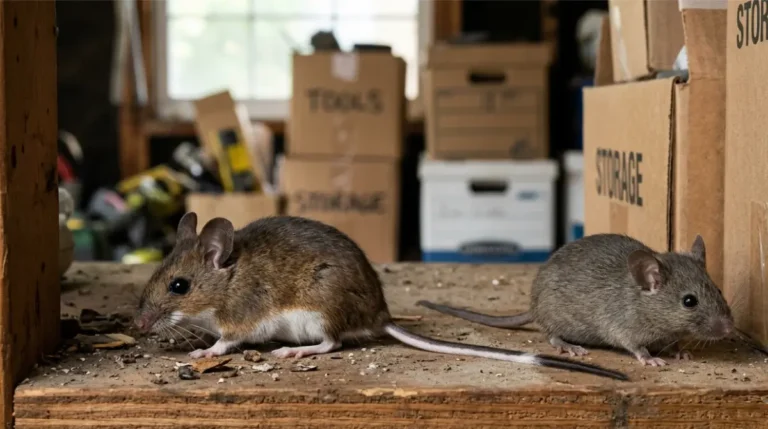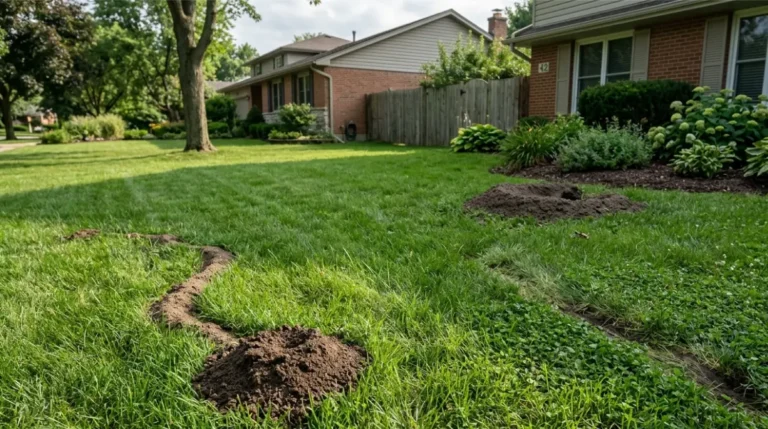
Choosing the best rat trap for the right spot, indoors or out

Best rat trap picks are half the job. Research in dirt crawlspaces put capture rates at 19% along the wall-burrow line and 3% on open floor
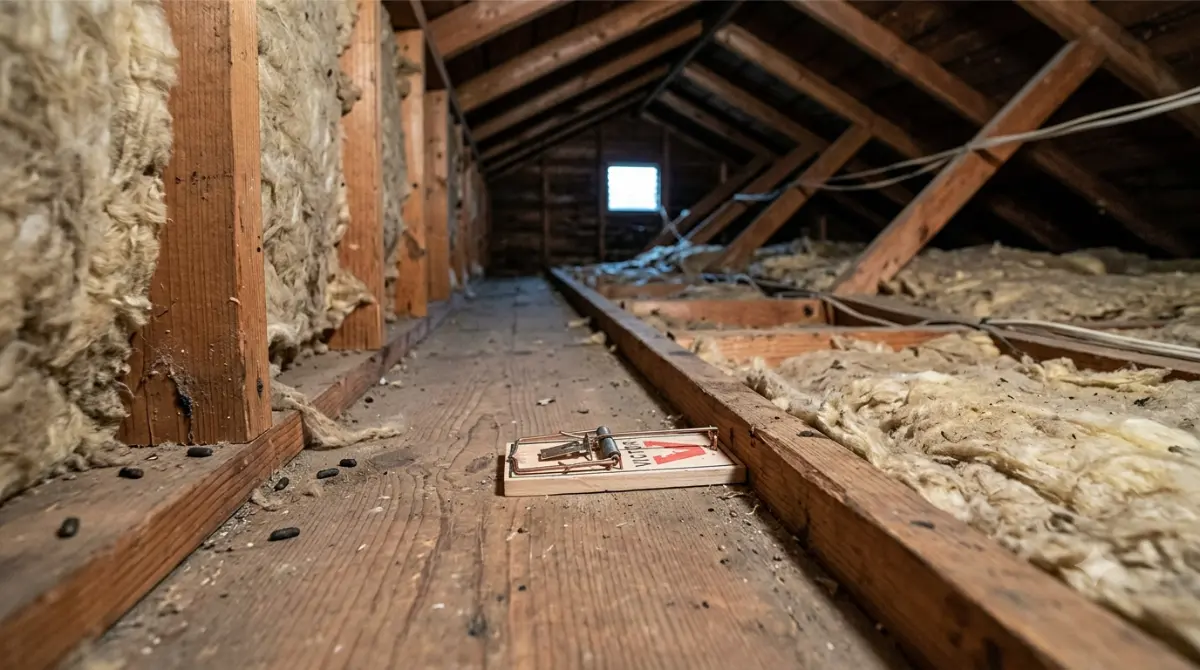
Table of Contents
Most rat trap guides hand you a product list and stop there. Placement decides the outcome more than the brand does, and it changes with the part of your property the rats are using.
Route yourself:
- Attic: likely roof rats, so traps go up, not on the floor.
- Crawlspace: a dirt floor changes where traps belong entirely.
- Yard or shed: burrows and housings matter more than brand.
- Not sure what’s up there yet: start with what scratching in the walls at night usually means.
All four routes land in Section 4, which is the part of this page worth reading twice. Every pick below traces to CDC guidance, university extension research, or a 2026 peer-reviewed trapping study.
ℹ️ Safety Note: Rats carry disease in their urine, droppings and nesting material, rat traps can injure fingers and pets, and rodenticides poison non-target animals. The guidance here is general. If the infestation is heavy, if a rodent has died somewhere you cannot reach, or if anyone in the household is pregnant or immunocompromised, hire a licensed pest control operator and follow your local ordinances on trap types.
The traps worth buying, and which spot each one suits
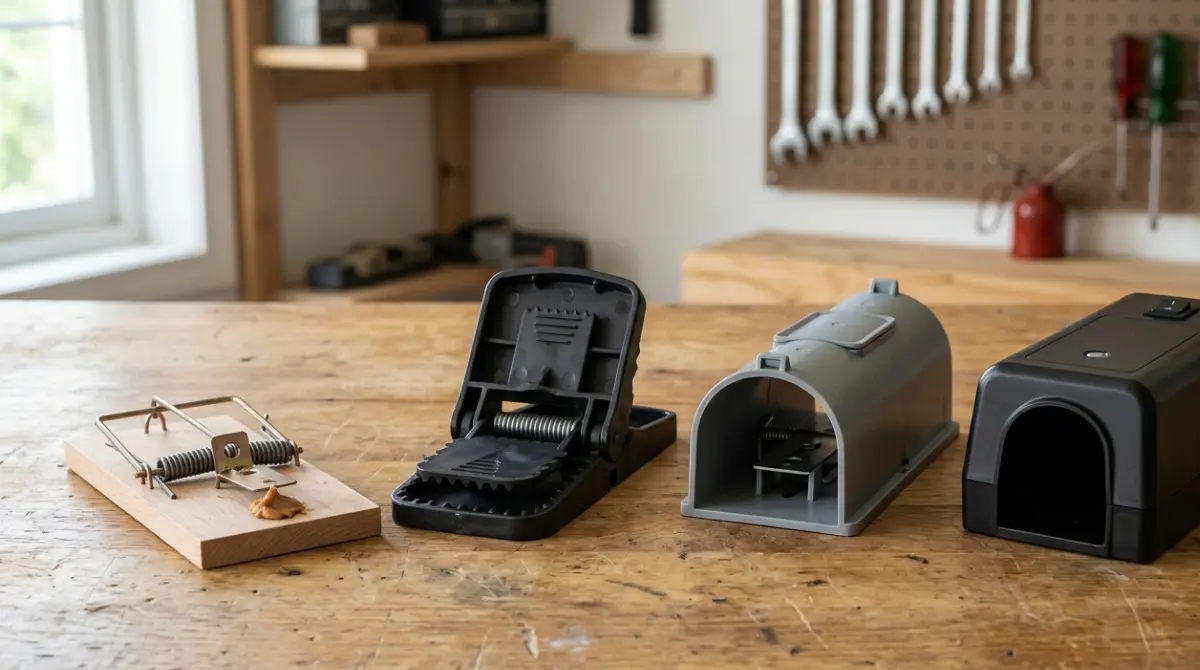
For most homes the right first purchase is a rat-size snap trap, bought in multiples rather than ones and twos. The CDC recommends traditional snap traps for reducing rodent populations around the home, and advises against glue traps and live traps.
| Trap type | Best for | Key detail | Cost tier |
|---|---|---|---|
| Wood snap trap | Attics, crawlspaces, garages, in numbers | Cheapest per trap; the bar can catch a finger | Lowest |
| Plastic snap trap, wide trigger | Setting one-handed in tight spaces | Easier to set and empty, reusable | Low |
| Covered or tunnel snap trap | Households with pets or children | Kill bar sits inside a housing | Medium |
| Enclosed electronic trap | Anyone who will not handle a visible kill | Batteries, daily checks, prebaiting still needed | Highest |
| Live cage trap | Rarely the right answer | CDC advises against it; relocation is restricted in many states | Low |
Sourced from CDC rodent-control guidance and UC IPM Pest Notes: Rats. Cost tiers are relative, not quoted prices.
We check the CPSC recall list before naming a product, and none of the trap types above carried an active listing when we checked in September 2026.
🛒 Our Pick — Victor rat-size snap trap (buy six or more): Researchers used this trap as their benchmark in the 2026 New York City study cited below, chosen for its capture efficiency with rats. We may earn a commission from this link, at no extra cost to you.
🛒 Our Pick — Enclosed electronic rat trap: Worth the higher cost only if handling a kill is the thing stopping you from trapping at all. It still needs prebaiting and daily checks. We may earn a commission from this link, at no extra cost to you.
Snap, electronic, or covered: what actually changes
Two variables decide whether you catch anything, and neither is the brand.
Why a mouse trap won’t catch a rat
UC IPM puts it flatly: you will not catch a rat with a mouse trap, and you will not catch a mouse with a rat trap. Choosing the wrong size is the most common mistake people make before they have even identified the animal. Confirm which one you have by telling roof rats from Norway rats before you buy.
Around pets and children
The CDC’s guidance is to keep traps and bait out of reach of children and pets. A covered or tunnel-style trap does that structurally rather than by hoping the placement holds.
How many traps to set
Set enough to bring the population down quickly instead of adding one at a time, covering every active runway you can find at once.
🔍 Why It Works: Rats are neophobic, meaning they avoid unfamiliar objects. UC IPM’s advice is to prebait, leaving traps baited but unset for a couple of days until the bait has been taken several times. Skip that step and you tend to catch juveniles while the breeding adults keep their distance. See the CDC’s rodent trapping guidance for the method in full.
Where to put rat traps in an attic, crawlspace, or yard
In a crawlspace, set traps where the wall meets a burrow opening, not out on the open floor. That single change matters more than anything else on this page, and the numbers behind it are specific.
📊 Sourced: In a 2026 Rutgers study published in Animals, researchers ran 500 trap nights in New York City apartment basements and crawlspaces over five nights in late November and December. In dirt-floored crawlspaces, capture success reached 19% at wall-burrow points and 13% at burrow entrances, against 3% on open floor. In concrete basements the order flipped: 57% against vertical structures such as pipes and pillars, 48% on the floor. These are winter figures from apartment buildings, not a year-round single-family baseline.
Attics
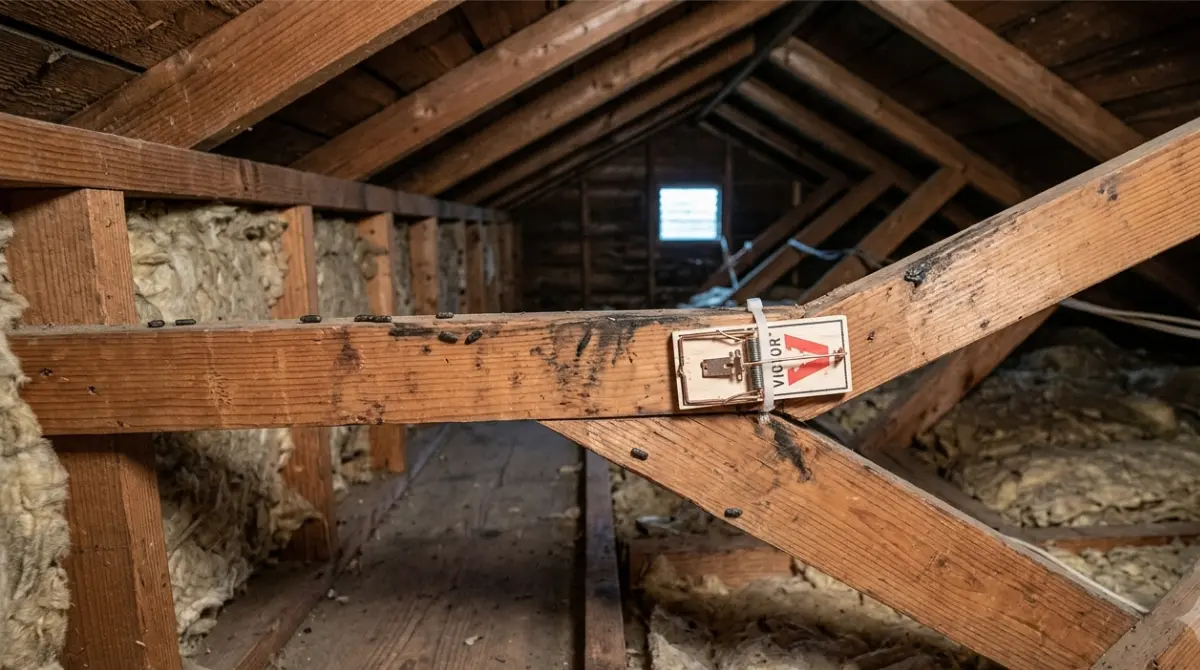
Roof rats travel high, so placement follows them. UC IPM’s guidance is to set traps in off-the-ground positions: ledges, shelves, pipes, overhead beams and rafter runs, rather than out on the insulation.
Crawlspaces
Work the perimeter where the wall meets soil, and set at burrow mouths. Open floor is the least productive ground in a dirt crawlspace, which is exactly where most people put their first trap.
Yards and sheds
Follow burrows along fence lines and foundations, and read the droppings and other signs to find the routes. Outdoors, traps belong inside a tamper-resistant housing so pets and wildlife cannot reach them.
⚠️ Watch Out: Attics and crawlspaces bring their own hazards before any rat does. Loose wiring, unstable joists, insulation and confined-space air are all reasons to stop. If you cannot reach a placement point safely, that placement is a job for a licensed pest control operator, not a stretch off a ladder.
For the species-by-species detail, see the University of California’s rat management guidance.
Glue traps, live traps, and poison: what to know first
Three common purchases cause most of the trouble, and one of them may not be legal where you live.
What the CDC says about glue traps
The CDC advises against glue traps and live traps, because a trapped rodent panics and urinates, which raises your chance of getting sick. UC IPM adds that glue boards should never be used outdoors, where non-target wildlife gets stuck to them.
Where they are already restricted
As of early 2026 no US state has a statewide ban, but a short list of California cities does, including West Hollywood, whose prohibition took effect on May 31, 2024, and Ojai. In England, glue traps have been unlawful since July 31, 2024 without a licence from Natural England. Check your own city’s ordinance before buying, because this list has been moving every year.
Poison, and why the strongest baits are not sold to you
The EPA no longer registers second-generation anticoagulants for consumer products, and consumer bait must be block or paste inside an approved station. A poisoned rat also dies where it chooses, which in an attic means inside a wall. Sealing the gaps matters more than any of this, which is what rodent-proofing your house, and the rules most people overlook covers.
✅ Do This: If you are hiring out, ask a licensed pest control operator three things: which active ingredient they intend to use, whether stations are tamper-resistant, and what their plan is for retrieving carcasses. Read the EPA’s restrictions on consumer rodenticides first so you can tell whether the answers hold up.
Baiting, checking, and clearing up afterwards
This is the part people quit at, and it is more ordinary than it looks.
What to bait with
The CDC’s method is a small amount of chunky peanut butter on the bait pan, with the trap on the floor against the wall. A small amount matters, since a heaped pedal lets a rat feed around the trigger.
How often to check
Daily. In a warm attic or garage a catch you leave for three days becomes a much worse job than the one you avoided.
Handling and clean-up
Wear gloves, then wet the rodent, droppings and nesting material down with disinfectant or a bleach solution before touching anything.
⚠️ Watch Out: Never sweep or vacuum dry droppings or nesting material. Doing so puts particles into the air you are breathing, which is the exposure route the CDC’s guidance on cleaning up after rodents is built to prevent. Ventilate the space first, and see our rodent clean-up walkthrough for the full sequence.
If your traps aren’t catching anything
Bait gone, trap unsprung, three nights running. That is a familiar failure and it usually has one of three causes, none of which is a faulty trap.
- You skipped prebaiting. Rats avoid new objects, so the first few nights are for getting them comfortable, not for catching.
- The trap is the wrong size. A mouse trap under a rat is a feeding station.
- The placement is wrong for the surface. On dirt, move to the wall-burrow line. On concrete, work vertical runs.
💡 Pro Tip: In the 2026 Rutgers study, capture success fell from 44% on the first night to 15% by the third, then rebounded to 63% after traps were removed for twelve days. Short bursts of trapping may work better than leaving traps out indefinitely, though the researchers describe this as a pattern worth testing rather than a rule.
Rat trap questions, answered
1. What is the best bait for a rat trap?
A small amount of chunky peanut butter on the bait pan, per CDC guidance. Too much lets rats feed around the trigger.
2. Do rat traps work better than poison?
Traps let you remove the carcass. Poisoned rats die inside walls and voids, and the strongest baits are not sold to consumers.
3. Are glue traps legal?
No US state bans them, but several California cities do, and England requires a licence. Check your city’s ordinance before buying one.
4. Will a mouse trap catch a rat?
No. UC IPM is direct about this: trap size must match the species, or you are simply feeding the animal.
5. Where do rat traps go in an attic?
Off the ground, on beams, pipes, ledges and rafter runs, because roof rats travel high rather than across the floor.
6. How long before I catch anything?
Expect a couple of nights of prebaiting with traps unset first. Setting on night one usually costs you the adults.
7. Can I release a rat I caught alive?
Often not. Several states restrict moving trapped animals, and rats are non-native. Check your state wildlife agency before you transport anything.
8. Are electronic rat traps worth it?
Only if handling a visible kill is stopping you from trapping. They cost more and still need prebaiting and daily checks.
9. How do I dispose of a dead rat?
Gloves on, wet it down with disinfectant before touching, and never sweep or vacuum the area. Follow the CDC’s clean-up sequence in full.
10. How many rat traps should I set?
Enough to cover every active runway at once. Adding one trap at a time teaches rats to avoid them.
What to do next
Buy rat-size traps in multiples, prebait for a couple of nights, then set them where the surface tells you to: high in an attic, along the wall-burrow line in a crawlspace, at burrows in the yard. Trapping clears the rats you have. Closing the gaps they came through is what stops the next ones.