
Where Termite Heat Treatment Goes Wrong, and When to Use It

Termite heat treatment kills drywood termites at 120°F but can’t reach a subterranean colony in the soil. Here’s where it works, and where it fails.
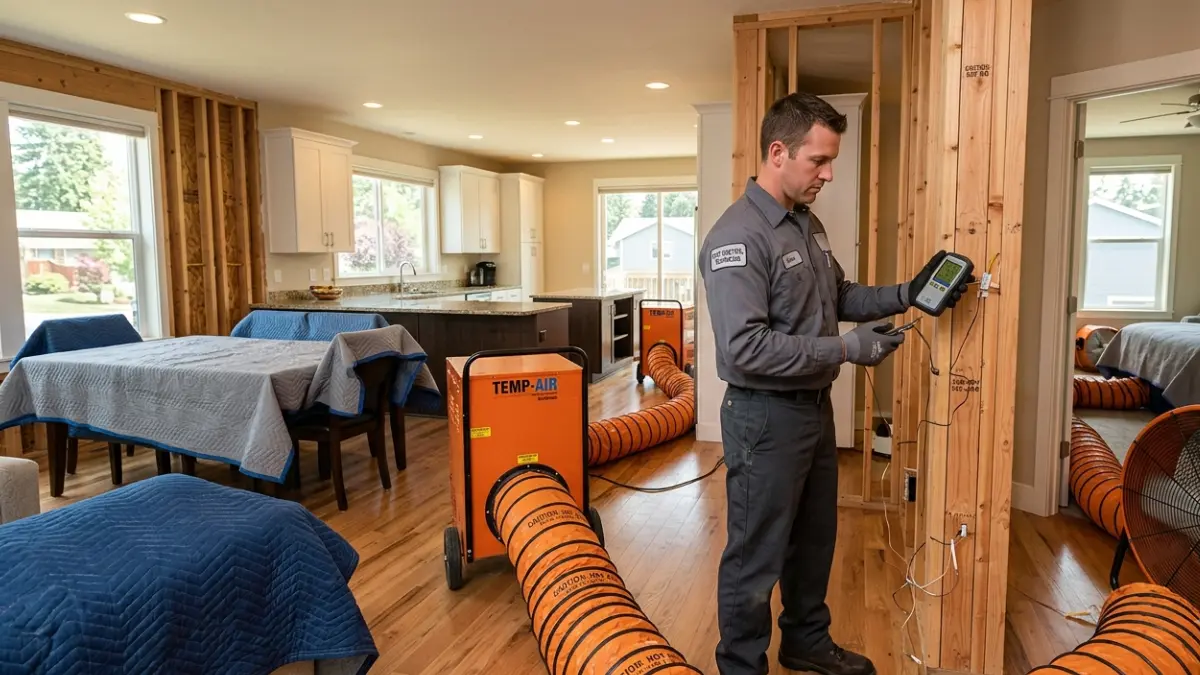
Table of Contents
Heat treatment sounds almost too good to be true: no chemicals, no gas, no moving out, back home the same day. For the right termite problem it genuinely works. For the wrong one, homeowners spend $2,000 to $6,000 and still have termites.
This guide covers that gap — the four predictable ways termite heat treatment fails, and where it’s the smartest choice on the table. Read on based on where you are:
- You’ve been quoted for heat treatment — the species question below decides most of it.
- Your termites came back after a heat job — the reinfestation section explains why.
- You’re comparing heat against fumigation — the cost-and-limits section puts them side by side.
- You’re chemical-averse and heat appeals for that reason — you’ll find where it fits, honestly.
One thing decides more than any other: which termite you actually have. Confirm that first, and most of the failures below disappear.
ℹ️ Safety Note: Termite treatment is a major expense that protects your home’s structure, and whole-structure heat treatment is a job for licensed professionals — not a DIY project. Nothing here is a treatment to attempt yourself. Before choosing any method, get a professional wood-destroying organism (WDO) inspection to confirm the species, and hire a licensed pest control operator.
What heat treatment actually does to termites
- Note: This product is for industrial use only. It is not for human use
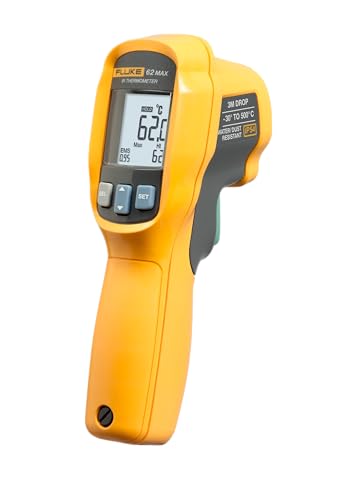
- Infrared thermometer for non-contact surface temperature measurement for use in monitoring electrical, mechanical, HVAC,…
- Measures temperature from 30 to 500 degrees C (-22 to 932 degrees F) with an accuracy of or 1.5 degree C or or 1.5 perce…
Heat treatment kills termites by raising the temperature inside the wood itself to a lethal level — not just warming the air in the room.
The temperature that kills termites
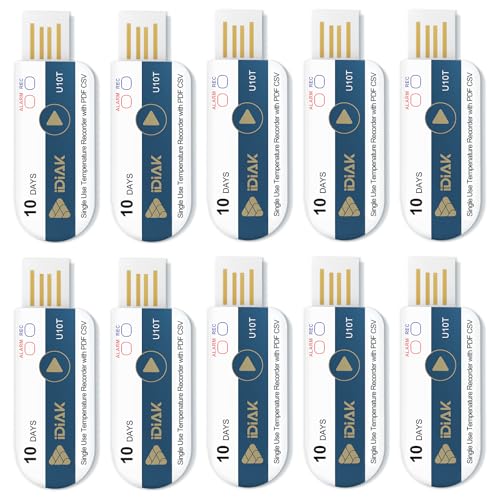
- [Accurate Thermometer Recording]:Our USB U10T temperature data logger has a wide measurement range of -22℉~158℉ (-30°C~+…
- [PDF/CSV/Calibration Certificate Report]: In order to make it easier for customers to analyze the data, we provide PDF a…
- [Easy to Operate]:Press and hold the button for 5s, when the red and blue lights are always on for 3s it means that the …
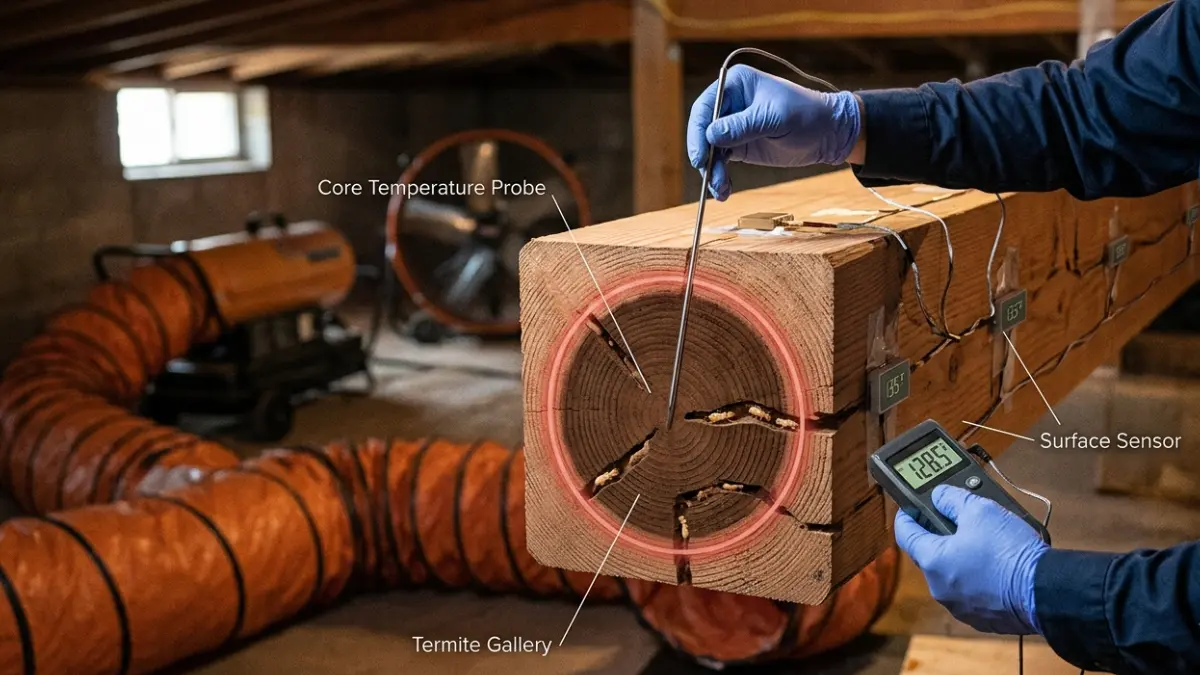
The University of California’s guidance is specific: the process has to heat all the wood in the structure to a minimum of 120°F and hold it there for at least 33 minutes, measured at the wood core rather than the surrounding air. Operators run air temperatures higher, over several hours, to be sure the core reaches that threshold everywhere. See the University of California’s drywood termite guidelines for the full protocol.
Why wood core temperature is the whole game
Here is the catch behind every failure below. Wood is a poor conductor of heat, so the air in a room can reach 130°F while the center of a beam — where termites shelter inside their galleries — stays well under lethal. Anywhere the core doesn’t hold 120°F long enough, the termites there survive. That gap between air temperature and wood core temperature is exactly where heat treatment fails.
Failure #1: The cold spots heat can’t reach
Even a well-run whole-structure job can leave live termites behind in spots that never get hot enough.
What a “heat sink” is
Researchers call these cold spots heat sinks — parts of a structure that resist heating because they are dense, insulated, or buried behind layers: wall voids packed with insulation, wood against concrete or masonry, plumbing chases, framing behind tile. Research from the University of California, Riverside urban entomology lab identifies these structural heat sinks as a main challenge to clearing a whole-structure infestation.
Why bigger, more finished homes are riskier
The more finished a home, the more places heat struggles to penetrate. UC IPM notes plainly that for newer heat equipment, the ability to clear all infestations from large structures with many layers of wall coverings still is not clear. “Whole-structure” describes the goal, not a guarantee — so ask any operator how they monitor wood-core temperature in hard-to-heat areas, since probes placed in the coldest, most shielded spots are what separate a thorough job from one that misses pockets.
For an isolated infestation in accessible wood, localized options such as orange oil can target a known gallery directly — though they carry their own detection limits, covered below.
Failure #2: Wrong termite, wrong tool
The most expensive failure happens before the equipment arrives: paying to heat a house for termites that don’t live in the house.
Drywood vs subterranean: the difference that decides everything
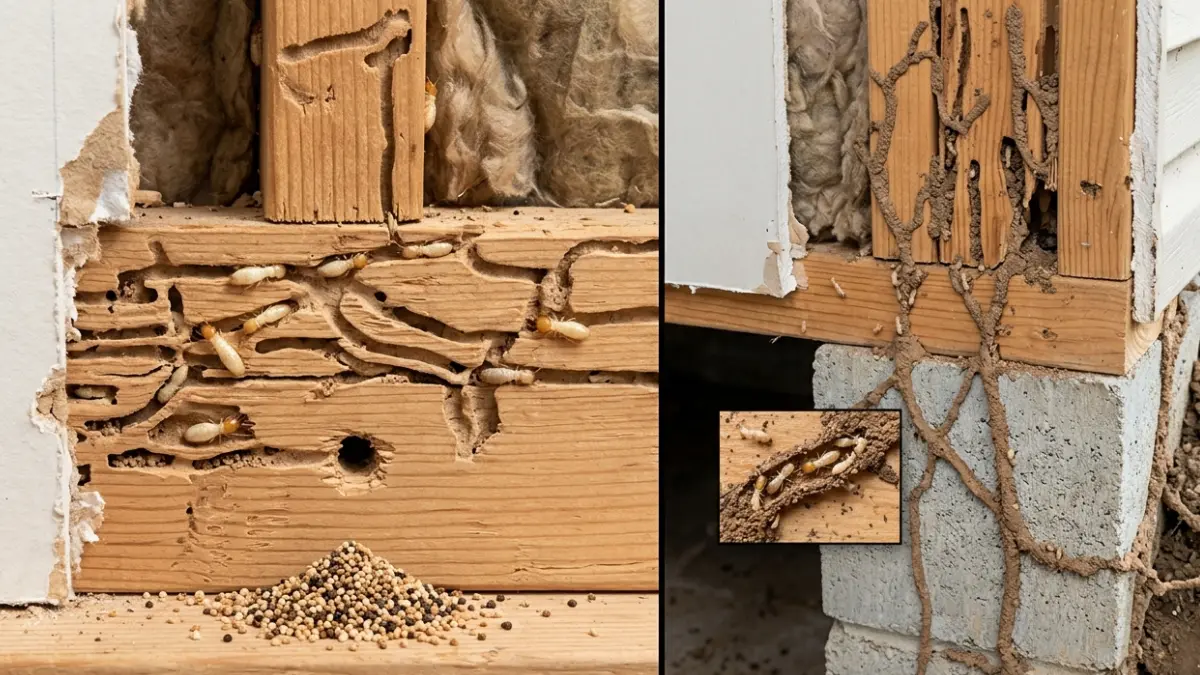
Heat treatment is a drywood termite tool. Drywood termites live entirely inside wood, need no soil contact, and don’t build mud tubes. Subterranean termites are different animals — they nest in the soil and travel up into the structure to feed. UC IPM’s subterranean termite guidance treats heat as suited to drywood termites, while subterranean control relies on soil and barrier methods; how the two differ walks through it.
The clearest species tells point in opposite directions: mud tubes on foundations or walls mean subterranean, while frass — tiny sand-grain pellets — means drywood.
Why heat can’t touch a subterranean colony
Heat treats the wood in the structure, but a subterranean colony lives in the ground, often with most of its population outside the walls entirely.
🔍 Why It Works: You can heat every board in the house to 120°F and the subterranean colony in the soil never feels it. The workers killed inside get replaced from a nest the heat never reached.
So with subterranean termites, heat isn’t a weaker option — it is the wrong tool. Those infestations are treated with liquid soil barriers or bait systems, not heat or tenting.
| Your situation | Is heat the right tool? | Why |
|---|---|---|
| Confirmed drywood, widespread in accessible wood | Yes | Whole-structure heat or fumigation both fit |
| Confirmed drywood, isolated to one area | Sometimes | Localized treatment may be enough and cost less |
| Subterranean (mud tubes present) | No | Colony is in the soil; needs a barrier or bait |
| Species not yet confirmed | Not yet | Inspect and identify before deciding |
| Dampwood termites | Usually no | Fix the moisture source first |
Based on UC IPM drywood and subterranean termite guidance.
⚠️ Watch Out: This is the costliest mistake in termite treatment — paying $2,000–$6,000 to heat a structure when the colony is in the soil. The infestation continues, and so does the damage.
✅ Do This: Before accepting any heat-treatment quote, get a licensed inspector to confirm the species in writing. Mud tubes mean subterranean — ask specifically why heat is being recommended, because for soil-nesting termites it usually shouldn’t be.
Failure #3: Nothing stops them coming back
A successful heat treatment kills the termites there on the day — and does nothing to stop new ones.
Why “it worked” and “you’re protected” aren’t the same
Heat leaves no residual behind. UC IPM’s drywood guidance is explicit that heat treatments, like fumigants, have no residual effect, which is why preventive chemicals are often applied afterward for long-term protection. Chemical soil barriers and baits keep working for years because they leave an active ingredient in place; heat is a one-time event — pure kill, zero prevention. Once the house cools, it is as open to a new infestation as before.
What actually gives long-term protection
What actually gives long-term protection

Preventing the next infestation is a separate job from killing the current one: correct conducive conditions like moisture and wood-to-soil contact, schedule follow-up inspections, and add a preventive treatment after the heat job.

- 1. Professional-Grade Multi-Surface Bonding — Bonds instantly to primed, painted, bare metal, plastic, glass, ceramic, w…
- 2. Fast Skinning & Paint-Ready in 30 Minutes — Skins over rapidly without sagging or slumping, ready for topcoat applica…
- 3. Extreme Durability: Heat, UV, Tear & Stretch Resistant — Withstands extreme temperatures from -60°F to 500°F, plus UV…
💡 Pro Tip: Watching for swarmers appearing indoors is one of the earliest signs a new infestation has started. Against ongoing subterranean pressure, comparing systems like Sentricon and Termidor is a better use of money than repeat heat treatments.
Failure #4: Collateral damage, access, and the cost trade-off
Beyond whether heat kills the termites, practical limits catch homeowners on treatment day.
What heat can damage
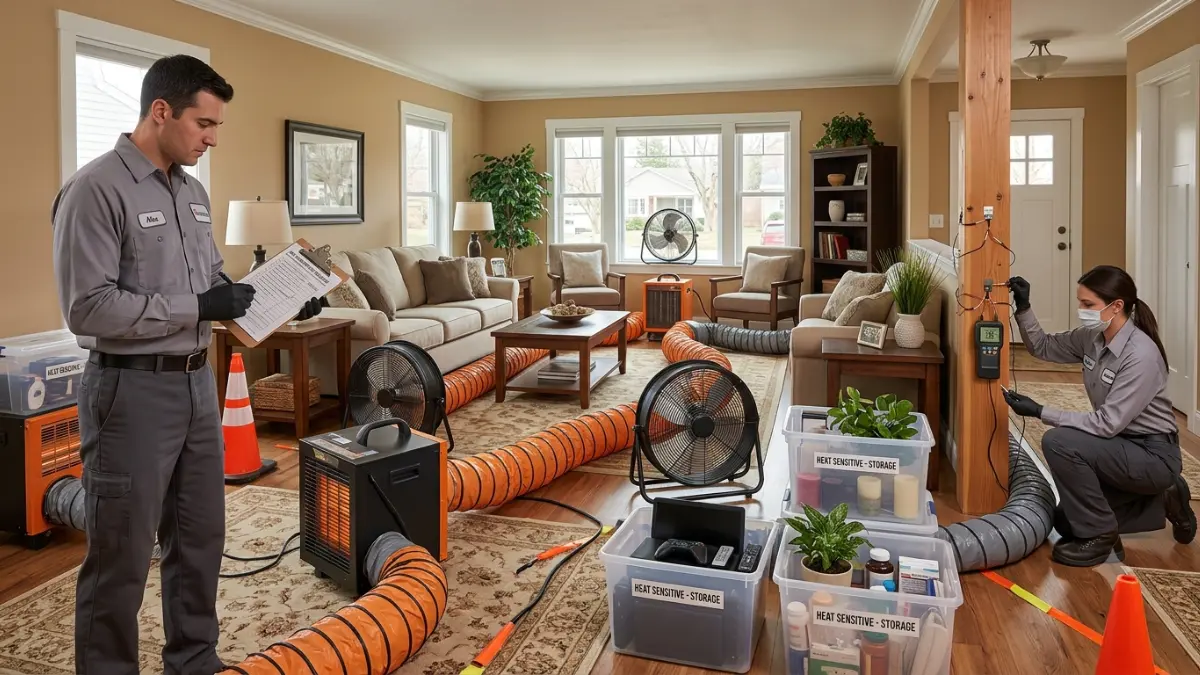
Raising a whole house to 120–140°F isn’t free of consequences. UC IPM flags damage to heat-sensitive items — plastics such as electrical outlet covers, and cable wiring, among them. Electronics, candles, medications, and some finishes usually have to be removed or protected first, so a good operator provides a written preparation list ahead of the day.
The detection limit on localized jobs
Spot treatments avoid heating the whole house but trade one limit for another: they only work on infestations you can find and reach. Extension guidance notes non-chemical spot treatments are limited by the operator’s ability to identify and reach all the infested wood — miss a hidden gallery, and it survives.
Heat vs fumigation: the honest cost math
For confirmed, widespread drywood termites, heat and tent fumigation are the two whole-structure options.
| Factor | Heat treatment | Tent fumigation |
|---|---|---|
| Chemicals | None | Sulfuryl fluoride gas |
| Typical cost | ~$1–$3 / sq ft (≈$2,000–$6,000 for 2,000 sq ft) | ~$1–$4 / sq ft (≈$2,000–$8,000) |
| Move-out | Same day, no overnight | 2–3 days |
| Residual protection | None | None |
| Main weakness | Heat sinks / cold spots | Requires vacating; tarp handling |
| Best for | Chemical-averse households; accessible drywood | Widespread or hidden drywood infestations |
Cost figures are 2026 market ranges from home-services pricing guides; confirm with local quotes, since they shift by region and market.
To estimate your own cost, start with your home’s size using the square footage calculator, then apply the range above. If fumigation is on your shortlist, what tent fumigation involves covers the preparation.
When heat treatment is the right call (and how to vet the pro)
After four failure modes, here is the honest other side: for the right problem, heat treatment is a genuinely good choice.
The situations where heat wins
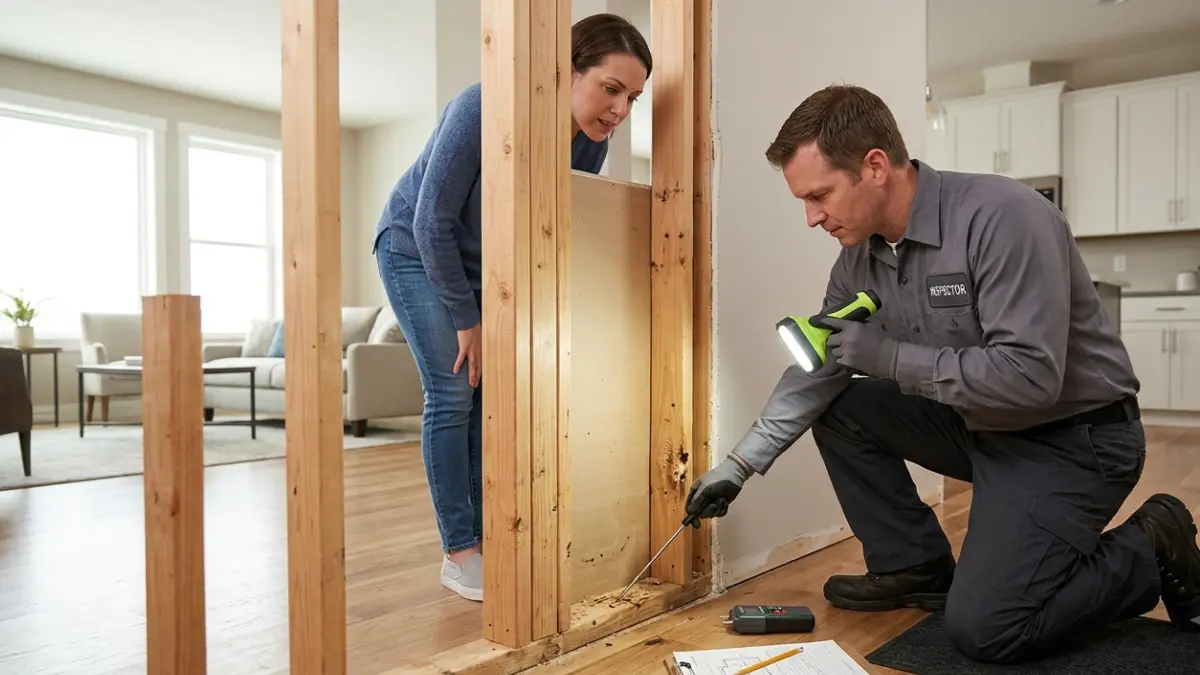
Heat makes the most sense when the species is confirmed drywood, the infestation is widespread enough to justify a whole-structure job, the wood is reasonably accessible, and the household wants to avoid chemicals or can’t easily vacate for days. In those conditions it’s finished in a day with nothing toxic left behind.
Questions to ask before you sign
A good heat job and a wasted one can look identical in the quote. These questions separate them:
- Has the species been confirmed by a WDO inspection — and is it drywood?
- How will you monitor wood-core temperature in hard-to-heat areas?
- Which items need to be removed or protected from the heat?
- What preventive step do you recommend afterward, since heat leaves no residual?
- What does the warranty cover, and for how long?
✅ Do This: Get a professional WDO inspection to confirm the species before choosing any method, and hire a licensed pest control operator experienced in thermal treatment. If you’re not sure what you’re dealing with, learn the signs of an active termite infestation first.
Termite heat treatment: common questions
1. Does heat treatment work on subterranean termites?
No. Termite heat treatment targets drywood termites living in the structure’s wood. Subterranean termites nest in the soil and travel up through mud tubes to feed, so heating the house never reaches the colony that keeps them coming. If you see mud tubes, get a professional inspection and ask about soil-barrier or bait treatments instead.
2. What temperature kills termites?
Termites die when the wood they live in reaches a lethal temperature, not just the surrounding air. UC IPM’s drywood guidelines set the target at a minimum of 120°F held for at least 33 minutes, measured at the wood core. In practice, operators run higher air temperatures over several hours to reach that threshold throughout the structure.
3. Can termites come back after heat treatment?
Yes. Heat treatment kills the termites present on the day but leaves no residual protection, so afterward the house is as open to a new infestation as it was before. Preventing reinfestation is a separate step — fix moisture and wood-to-soil contact, schedule inspections, and consider a preventive treatment applied after the heat job.
4. Does heat treatment kill all the termites in a house?
Not always. Cold spots called heat sinks — dense, insulated, or shielded areas — can stay below the lethal 120°F while the rest of the house reaches it, letting termites in those pockets survive the treatment. Larger, more finished homes carry more of this risk, and temperature probes placed in hard-to-heat areas are what reduce it.
5. Is heat treatment better than fumigation?
It depends on three things. Heat uses no chemicals and lets you return the same day but struggles with heat sinks; fumigation reaches hidden wood better but requires vacating for two to three days. Costs are similar, and neither leaves residual protection behind. For confirmed, widespread drywood termites, both are valid whole-structure options worth quoting.
6. How much does termite heat treatment cost?
Whole-structure heat treatment runs roughly $1 to $3 per square foot, or about $2,000 to $6,000 for a 2,000-square-foot home, based on 2026 pricing guides. Tent fumigation is similar at $1 to $4 per square foot. These are market estimates that shift by region and market, so confirm the number with local quotes before you budget for the job.
7. Does heat treatment damage electronics or your home?
It can. Raising a house to 120–140°F puts heat-sensitive items at risk — UC IPM specifically flags plastics like outlet covers and cable wiring. Electronics, candles, medications, and some finishes usually need to be removed or protected before treatment. A good operator gives you a written preparation list so nothing valuable is left in the heat.
8. Do I need to leave my house during heat treatment?
Usually only for the day. A main advantage over fumigation is that most jobs finish in several hours with no overnight move-out required, which is a large part of heat treatment’s appeal. Your operator will confirm the timing and tell you when it is safe to return, once temperatures have normalized.
9. How do I know if heat treatment is right for my home?
Start with the species: heat fits confirmed drywood infestations in accessible wood, especially for chemical-averse households. It is the wrong choice for subterranean termites living in the soil. If the species isn’t confirmed, don’t decide yet — get a professional WDO inspection first, then match the method to what you actually have.
The honest takeaway
Heat treatment is a precise tool for a specific problem: confirmed, accessible, whole-structure drywood infestations, handled by an operator who monitors wood-core temperature and knows what to protect. It fails in four predictable ways — the wrong species, cold spots the heat can’t reach, no protection against the next infestation, and heat-sensitive limits on the day.
Every one traces back to a single decision made too early: choosing a method before confirming which termite you have. Get a WDO inspection, identify the species, and match the treatment to it.
For the full picture, see how heat compares to all five termite treatments and their real costs.
Related Articles
 Termite Treatment
The real test with termites in rental property is who caused it
August 5, 2026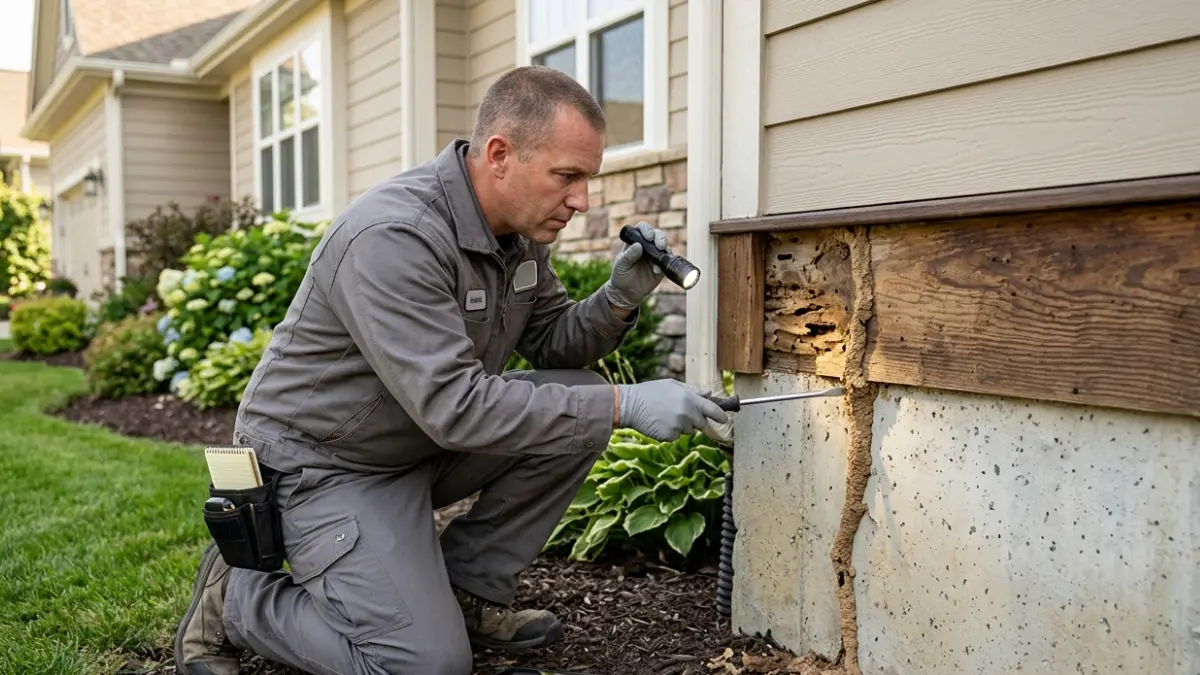 Termite Treatment
Can You DIY Termite Treatment? An Honest Answer
July 23, 2026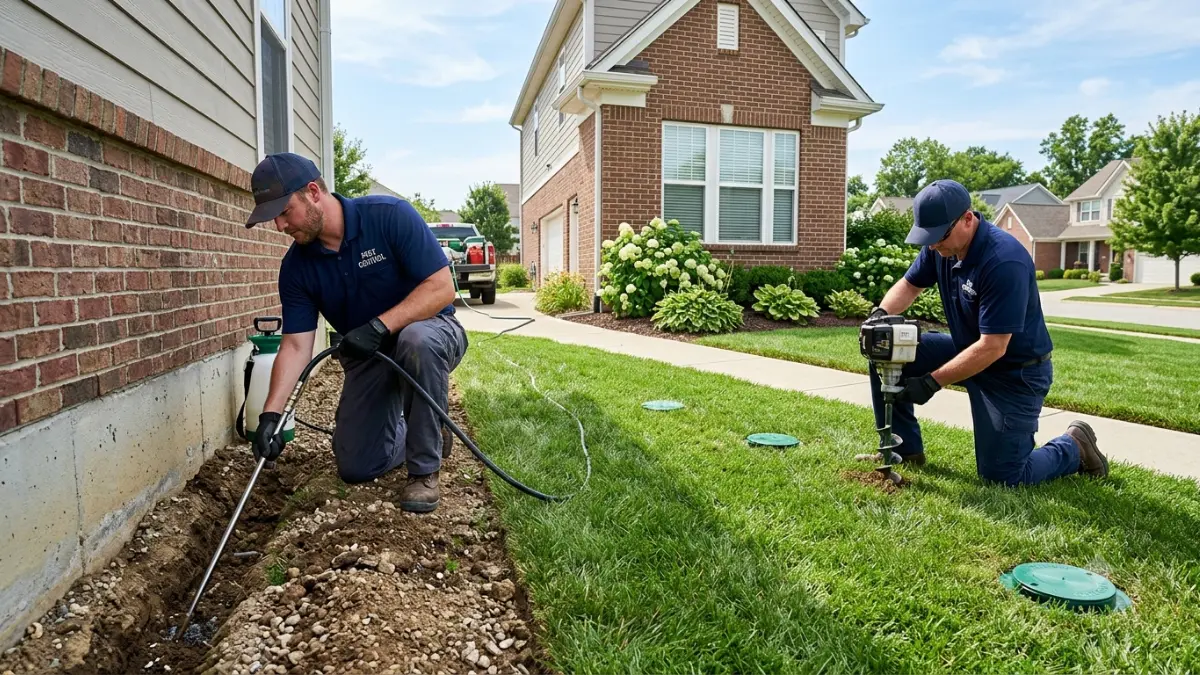 Termite Treatment
How Termite Bait vs Liquid Treatment Compares
July 20, 2026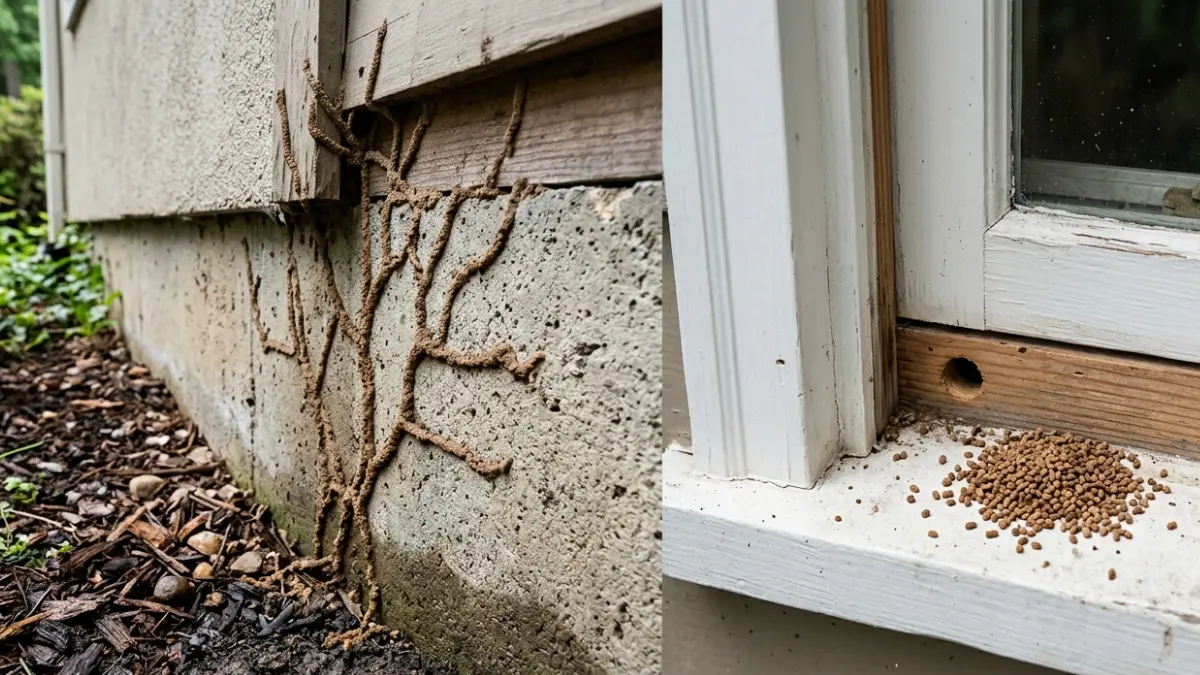 Termite Treatment
Subterranean vs Drywood Termites and the Real Cost to Fix Each
July 18, 2026 Termite Treatment
Does insurance cover termite damage, and why claims fail
July 29, 2026 Termite Treatment
Sentricon vs Termidor and How to Choose Without the Sales Spin
July 21, 2026 Termite Treatment
Termite treatment cost gaps come down to one hidden number
July 26, 2026 Termite Treatment
Termite-resistant wood works only when you buy the right grade
July 25, 2026 Termite Treatment