
What Orange Oil Can and Can’t Do About Termites

Orange oil for termites looks like a cheap no-tent fix. But the best study found it kills just 81% of drywood termites, and survivors restart the colony.
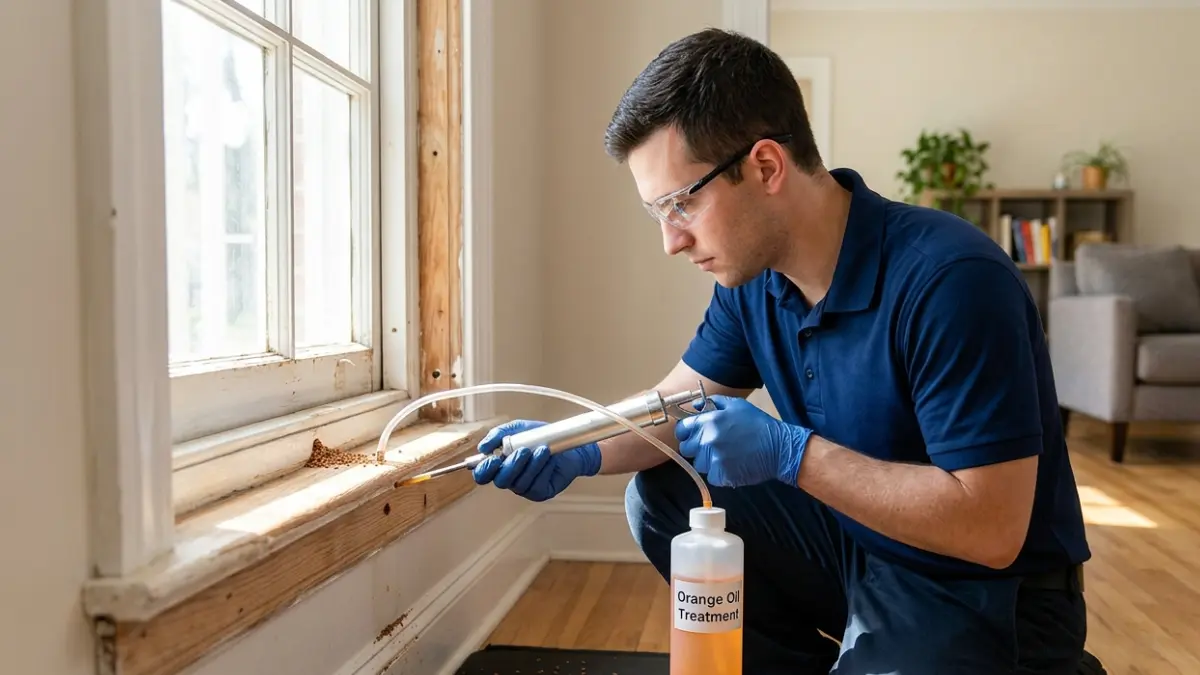
Table of Contents
If a pest company just quoted you orange oil as a cheaper, no-tent alternative to fumigation, you’re right to pause before signing. It does kill drywood termites — but a California-funded study found it eliminated only about 81% of them under the best possible lab conditions, and far fewer in realistic use.
This piece routes you three ways. If you’re weighing an orange-oil quote against a tent, start with the 81% section. If you’re not certain whether you have drywood or subterranean termites, jump to that section first, because it decides whether orange oil can work at all. And if your real worry is pets or chemical exposure, the safety section has the specifics.
We sell no termite treatment, so there’s no tent or bottle we’re steering you toward. For the wider view, our rundown of every termite treatment and what each really costs compares all five options side by side; if you’re not even sure termites are the problem, start with the signs you actually have termites.
ℹ️ Safety Note: Termite decisions carry structural and financial stakes, and orange oil is a pesticide. The information here is for general understanding, not a substitute for an in-person inspection. Get a licensed pest control operator to inspect and treat, and verify their license at the California Structural Pest Control Board. Orange oil’s active ingredient is an eye and skin irritant, is combustible when applied to wood, and can be toxic to cats — keep pets and children away during and after treatment until the area is dry and ventilated.
What orange oil is and how it kills termites
Orange oil is not juice — it’s an extract pressed from citrus peel, and its active ingredient is d-limonene. D-limonene is cold-pressed or steam-extracted from the peels of oranges, lemons, and other citrus, and technical grades can run as high as 95% purity. The professional product used in termite research, XT-2000, is about 92% d-limonene.
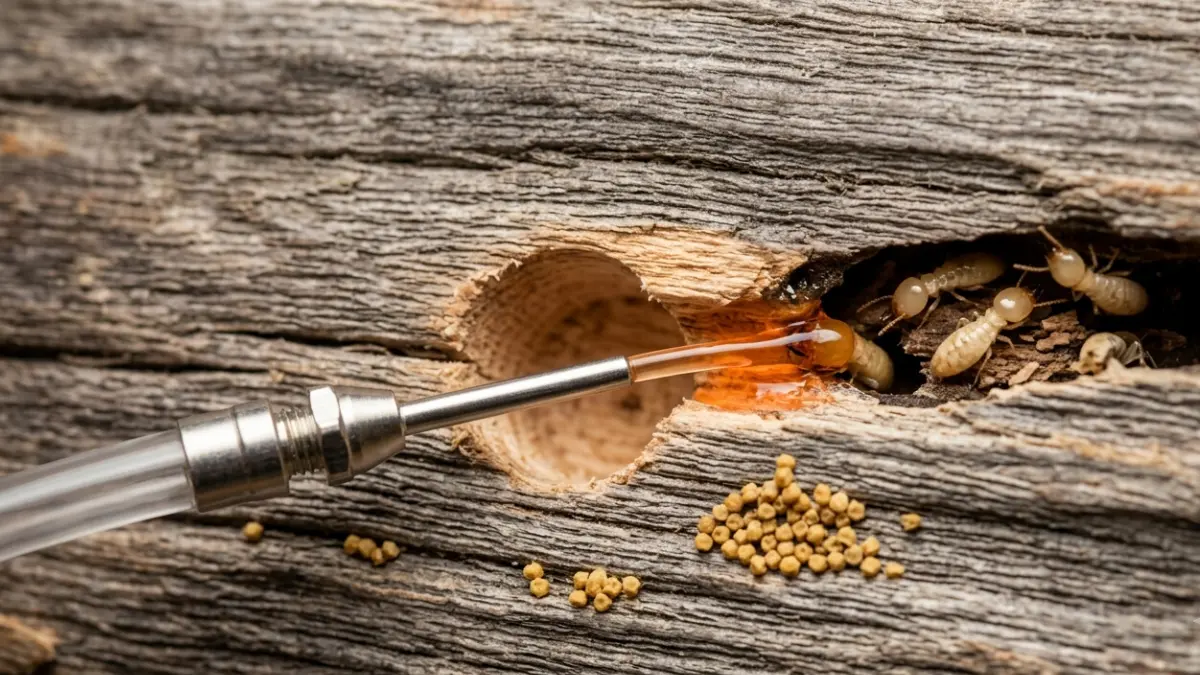
🔍 Why It Works: D-limonene softens the waxy coating on an insect’s exoskeleton and clogs the spiracles it breathes through, which suffocates the insect. That happens only where the oil physically touches the termite.
The catch is that this is a contact treatment with almost no staying power. In the University of California lab work, fresh orange oil was toxic to drywood termites, but the deposits lost their contact activity within 24 to 48 hours, and their vapor activity was gone within about a day.
📊 Tested / Spec: On wood aged 60 days after treatment, orange-oil-treated boards showed lower termite mortality than untreated controls — the residue had effectively stopped working. Source: California Structural Pest Control Board / UC evaluation, 2009.
That decay is why orange oil offers no future protection, and why it only makes sense for termites living inside accessible wood.
The 81% problem: what the research actually found
The number in this article’s premise comes from research funded by the California Structural Pest Control Board and carried out by University of California entomologists — a state regulator and a public university, not a company selling a competing service. That independence is exactly why it’s worth reading closely.
Here’s the part the marketing leaves out. When infested boards were drilled and injected at 5-inch intervals — a thorough, best-case pattern — orange oil killed 81% of the termites. But in the researchers’ own board test using realistic 18-inch drill spacing, about the most a technician would practically drill, orange oil killed only roughly 51% of the worker termites. So 81% is the ceiling, not the typical result.
| Scenario | Orange oil kill rate | Key detail |
|---|---|---|
| Best-case lab (5-in. drilling) | ~81% | Thorough, impractical spacing |
| Realistic (18-in. drilling) | ~51% workers | About the max a technician drills |
| Vendor field claims | 97–100% | Company-reported, different conditions |
Kill rates from the California SPCB / UC 2009 evaluation; vendor figures are company-reported.
Even 81% leaves a breeding population, and roughly 90–95% of a home’s wood framing sits hidden behind drywall, insulation, and stucco — orange oil never reaches galleries a technician can’t find and drill. Worse, termites avoid feeding on treated wood, so survivors don’t pick up a lethal dose from the residue.
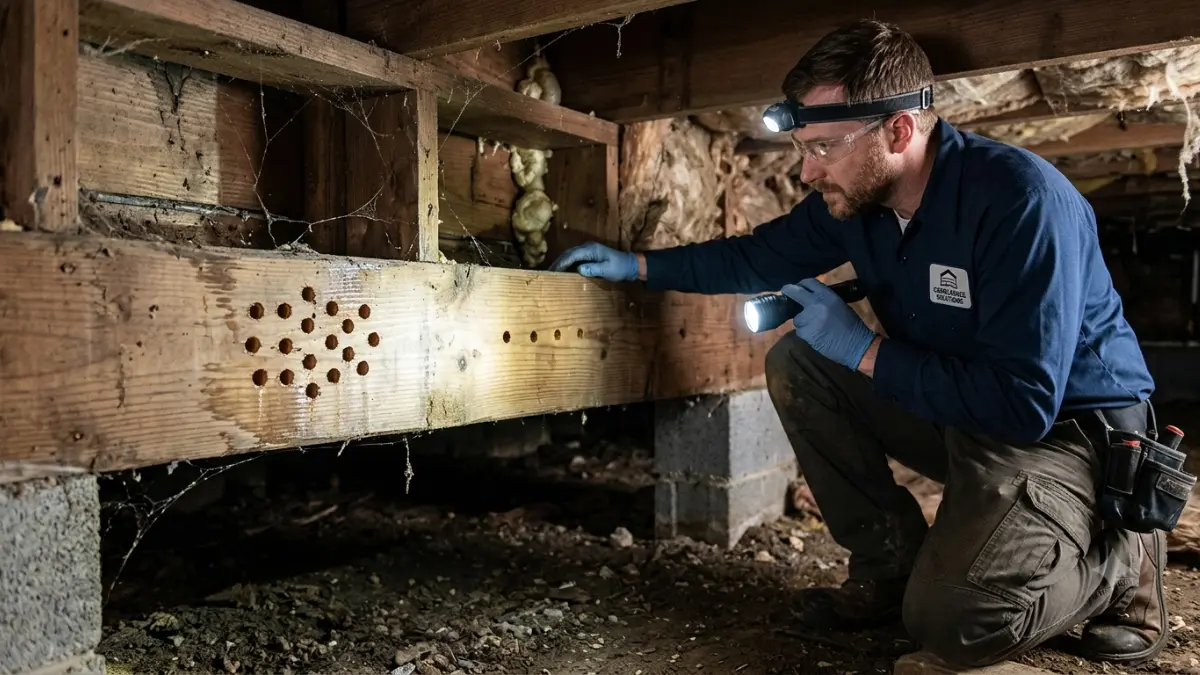
⚠️ Watch Out: Be skeptical of any company selling orange oil as equal to a tent. Orange-oil vendors do cite field results in the 97–100% range, but those come from different conditions and interested parties; California’s own pest board has cautioned that orange oil is a localized tool, not an alternative to whole-structure treatment.
Read the state’s California-funded evaluation of localized drywood treatments yourself, or the UC research on heat and essential oils against drywood termites, if you want the primary sources.
Drywood vs. subterranean: will orange oil even work for you?
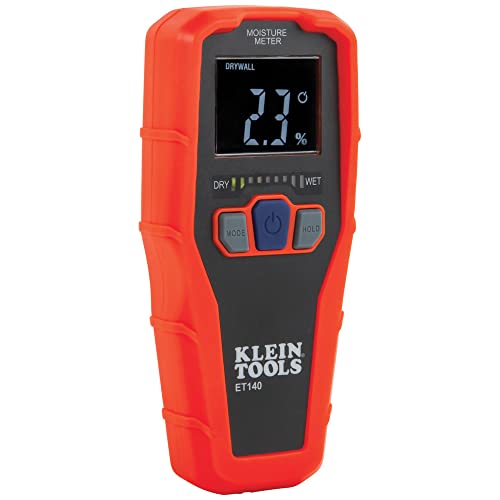
- WATER LEAK DETECTOR detects relative moisture content from leaks and flooding
- PINLESS MOISTURE METER measures relative moisture content in building materials
- NONDESRUCTIVE DETECTION up to 3/4-Inch deep using Electromagnetic field (EMF) technology
Before cost or safety, one question decides everything: which termite is eating your house. Drywood termites live entirely inside dry wood, so orange oil injected into their galleries can reach them. In the western United States, the species behind most of these infestations is Incisitermes minor, the western drywood termite.
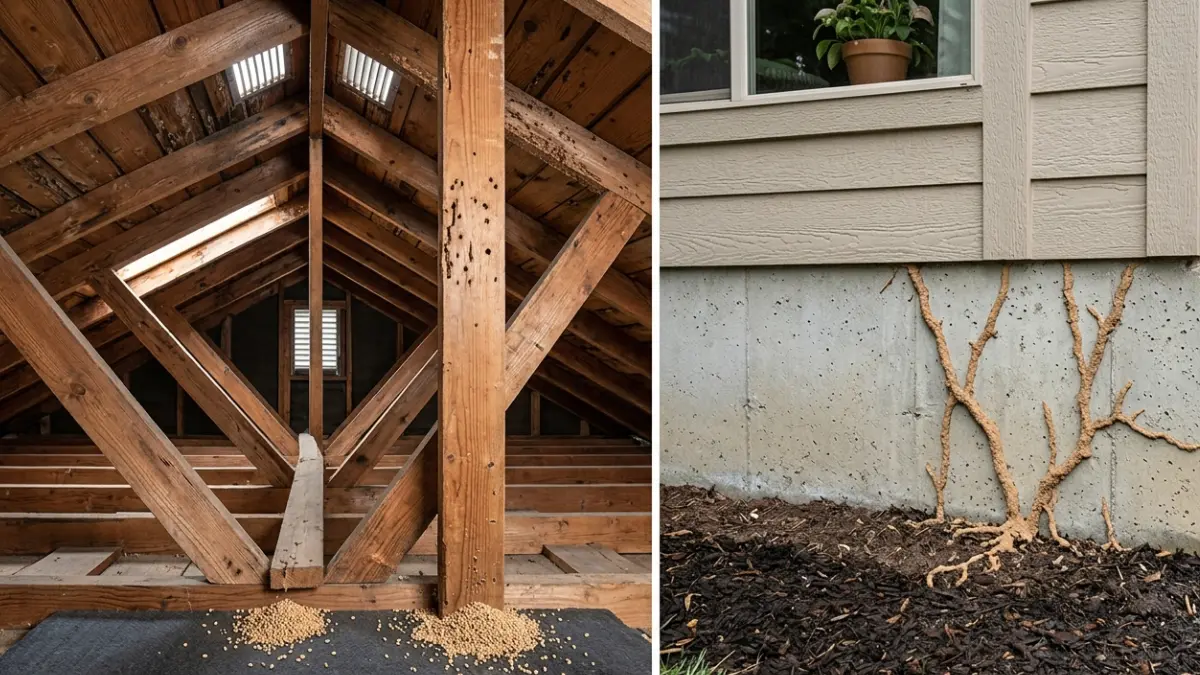
Subterranean termites are a different problem. They live in the soil and only forage up into wood, so orange oil can’t touch the soil colony — it’s simply the wrong tool. Orange oil is far less effective against subterranean termites because they live in the ground and come up only to feed.
| Termite type | Where it lives | Telltale sign | Can orange oil reach it? |
|---|---|---|---|
| Drywood | Inside dry wood | Pellet-like frass piles | Yes, if the gallery is accessible |
| Subterranean | In the soil | Mud tubes on foundations | No |
General biology per University of California guidance.
To tell them apart, look for the signs: subterranean termites build mud tubes, while drywood termites push out hard, pellet-like droppings. Our guides on how to tell drywood from subterranean termites and the pellet-like frass drywood termites leave behind walk through the visual cues, and mud tubes as a subterranean calling card covers the other side.
✅ Do This: Have a licensed inspector confirm the species before you choose any treatment. If it turns out to be subterranean, orange oil is off the table — compare Sentricon bait versus Termidor for subterranean colonies instead.
What orange oil costs — and when a tent is cheaper
Orange oil looks cheaper on a small quote, and for a genuinely contained job it can be. Localized spot treatment typically runs about $400–$900, while whole-house fumigation runs roughly $1,500–$4,000 or more, at around $1.50–$4.00 per square foot. A termite inspection (WDO report) usually costs about $100–$150.
The counterintuitive truth is where buyers get caught. Because orange oil is priced per treated area and localized spot treatments often need multiple return visits when technicians miss hidden colonies, a widespread job can cost as much as — or more than — a single fumigation.
| Factor | Orange oil (spot) | Whole-house fumigation |
|---|---|---|
| Typical cost | ~$400–$900 | ~$1,500–$4,000+ |
| Coverage | Only accessible galleries | Entire structure |
| Residual protection | None | None (kills existing only) |
| Best for | Small, contained drywood spots | Widespread or hidden infestations |
Typical 2026 U.S. market ranges; drywood and orange oil skew to California and coastal areas, and prices vary by region and severity.
A few cost realities that don’t show up on the first quote: a tile roof can add $800–$1,500 to a fumigation because tiles must be removed and replaced around the tarp. Neither method prevents a future infestation, so a warranty matters more than the sticker price. Our guide to preparing for a whole-house fumigation covers what that process involves, and the pillar breaks down how orange oil compares with every other treatment on cost.
Is orange oil safe? Pets, flammability, and DIY
“Natural” does not mean risk-free, and the pet question is the one buyers most often miss. Cats can be poisoned by insecticidal products containing d-limonene, with signs including drooling, muscle tremors, unsteadiness, low body temperature, and depression.
The honest nuance matters here. In a controlled study, cats treated at the label-recommended concentration of a d-limonene product showed no signs of toxicosis; symptoms appeared only at five to fifteen times the recommended concentration. The risk is real but concentration-dependent, so the sensible move is simply keeping cats away from treated areas until everything is dry and ventilated.
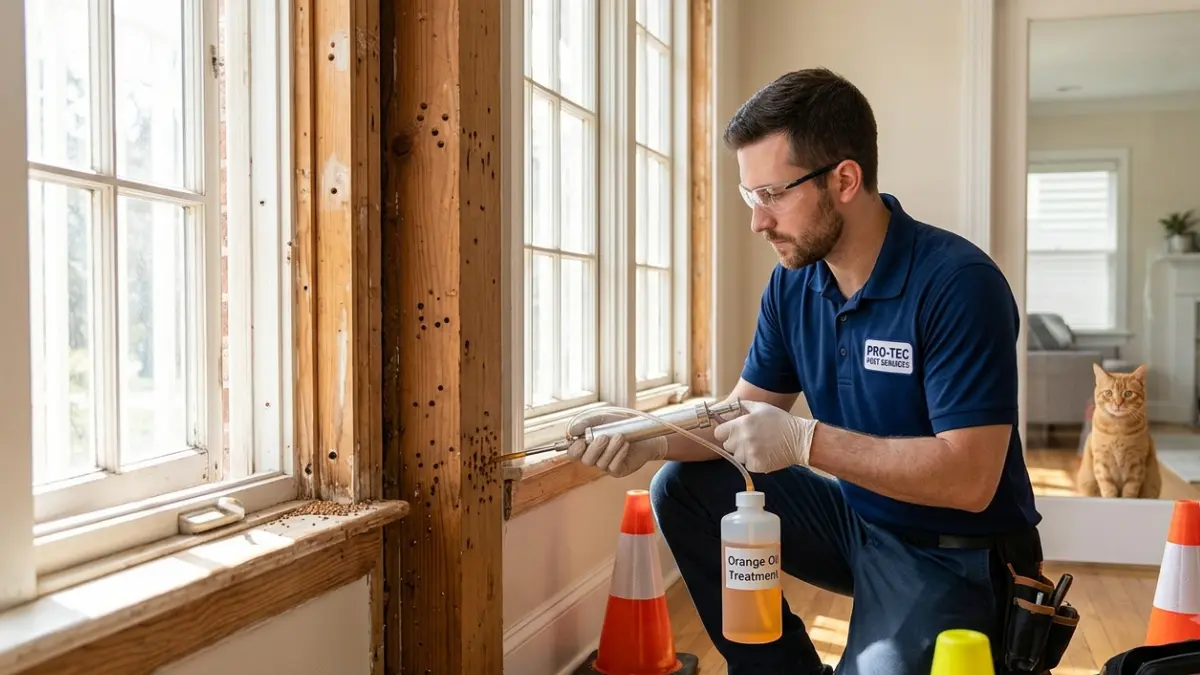
For people, orange oil is an eye and skin irritant, and swallowing it causes vomiting. It’s also a combustible citrus oil, and its product label carries flammability precautions.


⚠️ Watch Out: The effective professional product, XT-2000, is a restricted-use product applied by licensed technicians. Consumer orange-oil sprays are far weaker and can’t reach galleries, so DIY on a structural pest risks leaving an active infestation quietly eating your home.
✅ Do This: Hire a licensed pest control operator and verify the license at the California Structural Pest Control Board. If a pet drools or trembles after any exposure, call your vet or ASPCA Animal Poison Control right away — the ASPCA’s guidance on essential oils around pets has the contact details.
The honest verdict: when orange oil makes sense
Orange oil is a real tool with a narrow lane, not a gimmick and not a miracle. It’s a reasonable choice when your infestation is small, localized, and in wood a technician can actually reach, and when you can’t or won’t vacate for a tent — as long as you accept it may need repeat visits and gives no future protection.
It’s the wrong call when the infestation is widespread or hidden, when you have subterranean termites, or when you want whole-structure certainty. In those cases, fumigation for drywood, or the right soil treatment for subterranean, is the tool that finishes the job.

Work through it in order: identify the species, gauge how widespread it is, judge whether the infested wood is accessible, factor in occupants and pets, then weigh cost. Before you sign anything, get at least two quotes from licensed operators, and ask each one exactly which wood they’ll treat and what they’ll do about areas they can’t reach.
💡 Pro Tip: The same UC research found that borate dusts and certain foams killed drywood termites more reliably than orange oil as localized treatments. That’s a sourced finding worth raising with your operator, not a personal anecdote — ask how those options compare for your situation.
Orange oil for termites: frequently asked questions
1. Does orange oil really kill termites?
Yes, orange oil kills termites on contact through d-limonene, which breaks down their exoskeleton. But it only works where it directly touches them, and it has almost no residual effect, so it can’t protect a whole structure or reach termites it doesn’t physically contact.
2. Is orange oil as effective as fumigation?
No. In a California-funded UC study, orange oil killed about 81% of drywood termites in a best-case lab setup and closer to 51% with realistic drilling, while fumigation reaches the entire structure. Orange oil is a localized spot treatment, not a whole-home solution.
3. Does orange oil work on subterranean termites?
No. Orange oil only reaches termites living inside wood, so it works on drywood termites but not subterranean termites, which live in the soil. If you have subterranean termites, look at soil treatments or bait systems instead, and confirm the species with a licensed inspector.
4. How long does orange oil last in the wood?
Not long. In the UC lab work, orange oil lost its contact activity within 24 to 48 hours and its vapor activity within about a day, and aged deposits killed no better than untreated wood. It provides no lasting or preventive protection against future termites.
5. Is orange oil safe for cats and pets?
Products containing d-limonene can poison cats, causing drooling, tremors, unsteadiness, and low body temperature, though studies show this is concentration-dependent. Keep cats and other pets away from treated areas until dry and ventilated, and call your vet or ASPCA Poison Control if a pet shows symptoms.
6. How much does orange oil termite treatment cost?
Localized orange-oil spot treatment typically runs about $400–$900, versus roughly $1,500–$4,000+ for whole-house fumigation. Because orange oil is priced per area and often needs return visits, a widespread job can cost as much as a single tent. Prices vary by region and severity.
7. Can I apply orange oil for termites myself?
Realistically, no. The effective professional product, XT-2000, is restricted-use and applied by licensed technicians, while consumer sprays are far weaker and can’t reach galleries. DIY on a structural pest risks leaving an active infestation, so hire a licensed operator for termite work.
8. Does orange oil prevent future termite infestations?
No. Orange oil has essentially no residual effect once it dries, so it can’t stop a new infestation. It only kills termites present in the wood at the time of treatment, which is why neither orange oil nor fumigation provides ongoing protection against reinfestation.
9. What does the “81%” actually mean?
It’s the share of drywood termites orange oil killed in a California-funded UC study under best-case lab conditions, with drill holes every 5 inches. With realistic 18-inch drilling, the figure dropped to about 51% of workers. Survivors can restart a colony, which is the core problem.
10. How many orange oil treatments will I need?
It depends on how contained the infestation is. A small, fully accessible drywood spot may need one visit, but because technicians often miss hidden colonies, widespread infestations frequently require multiple return visits. If wood is inaccessible, orange oil may not resolve it at all, and fumigation becomes the surer route.
The bottom line on orange oil for termites
Orange oil is a real but limited tool: effective on accessible drywood termites as a spot treatment, useless against subterranean termites, and no substitute for whole-structure fumigation when an infestation is widespread or hidden. The roughly 81% best-case kill rate — and closer to 51% in realistic use — is exactly why survivors can regroup.
Your next step is straightforward. Get an in-person inspection from a licensed operator, collect at least two quotes, verify each license at the California Structural Pest Control Board, and use our comparison of all five treatment options and their real costs to decide with the full picture in front of you.
Related Articles
 Termite Treatment
The overlooked question behind who pays for a termite letter
July 30, 2026 Termite Treatment
Termite damage repair cost rests on one costly missing step
July 27, 2026 Termite Treatment
The overlooked clauses in a termite bond that cost you later
July 27, 2026 Termite Treatment
Termite inspection cost hinges on one commonly missed limit
July 26, 2026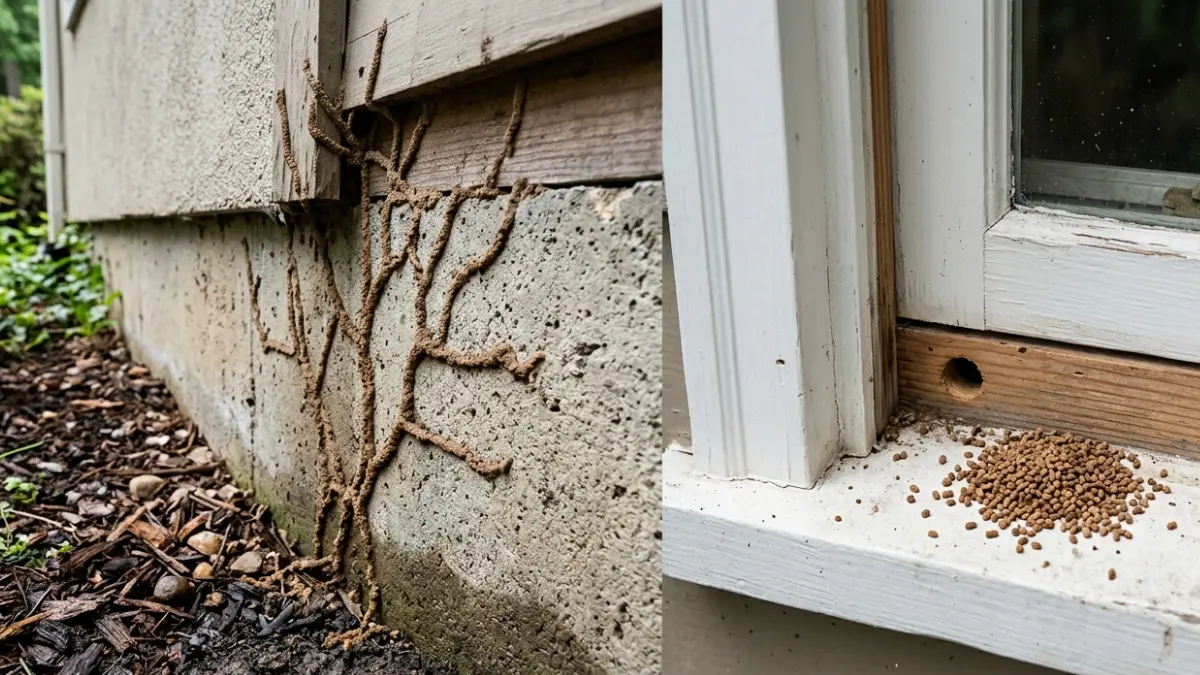 Termite Treatment
Subterranean vs Drywood Termites and the Real Cost to Fix Each
July 18, 2026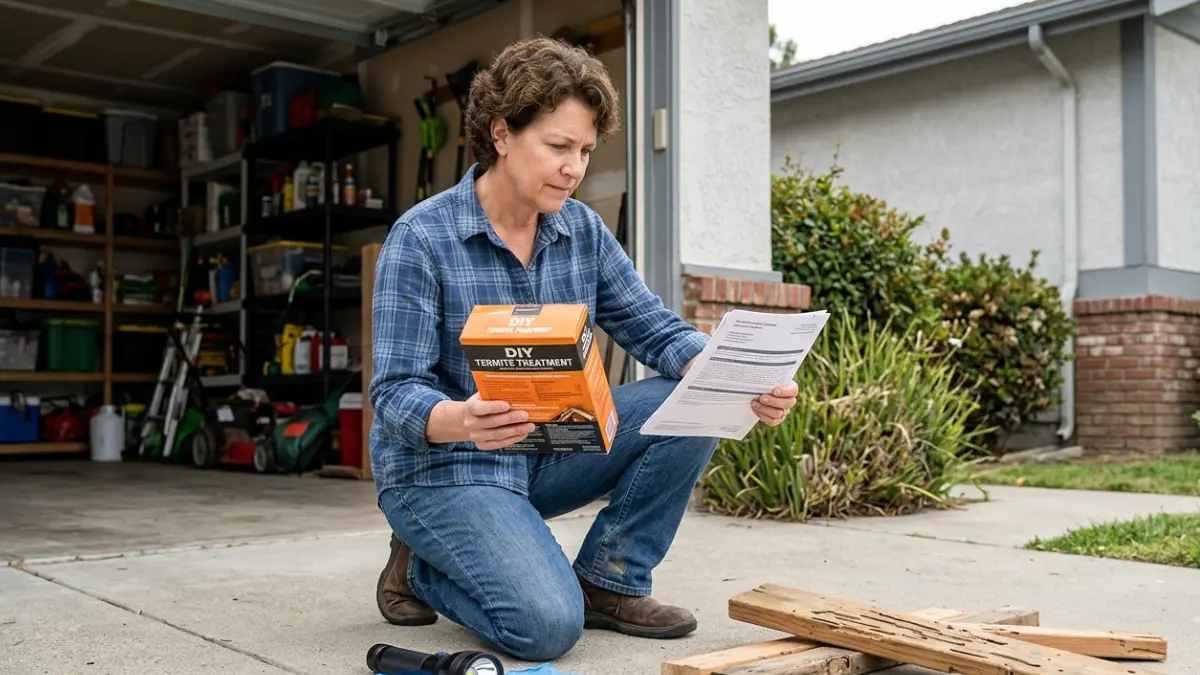 Termite Treatment
The real limits of the best termite treatment you can buy
July 24, 2026 Termite Treatment
Buying a house with termite damage hinges on one overlooked line
July 30, 2026 Termite Treatment
Does insurance cover termite damage, and why claims fail
July 29, 2026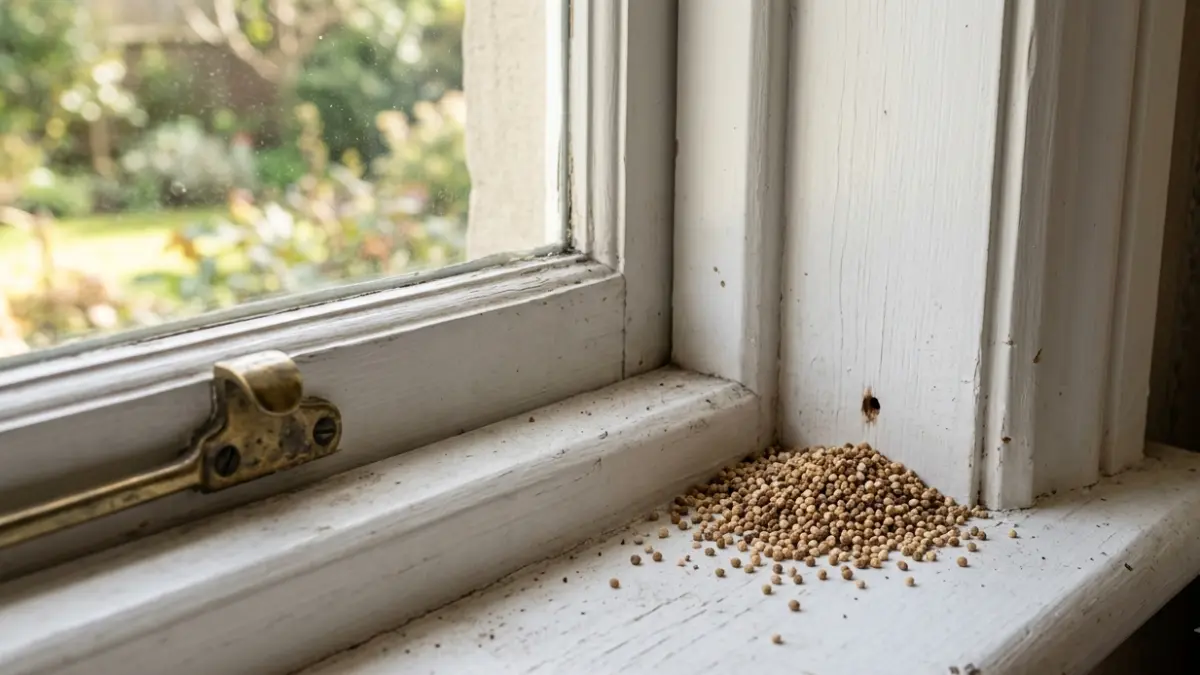 Termite Treatment