The Smart Way to Choose Between Ducted and Ductless HVAC

Ductless or ducted HVAC? In a DOE field study, adding one ductless head to leaky-duct homes cut median cooling energy 37%. See which homes fit each system.

Table of Contents
Ducted or ductless: the short answer for your house
Neither wins everywhere; your ductwork decides it. If your home already has ducts in good shape, a ducted system is usually the cheaper install. If it has none, a ductless mini-split usually makes more sense.
The one-paragraph verdict
Ducts that leak or run through a hot attic waste energy, which tilts the math toward ductless. Homes with some of both problems often do best with a mix.
Find your situation
- Ducts in good shape: start with costs.
- Radiators or baseboards, no ducts: jump to the fit matrix.
- Adding a room or converting a garage: see additions in the matrix.
- One room that’s always too hot: read the hybrid option.
- Still comparing system types: start with the main types of HVAC systems.
ℹ️ Safety Note: Ducted and ductless systems run on high-voltage wiring and pressurized refrigerant. Many new systems also use mildly flammable A2L refrigerants. This guide is for general understanding; hire a licensed HVAC contractor, get required permits and follow local code.
How ducted and ductless systems move air differently
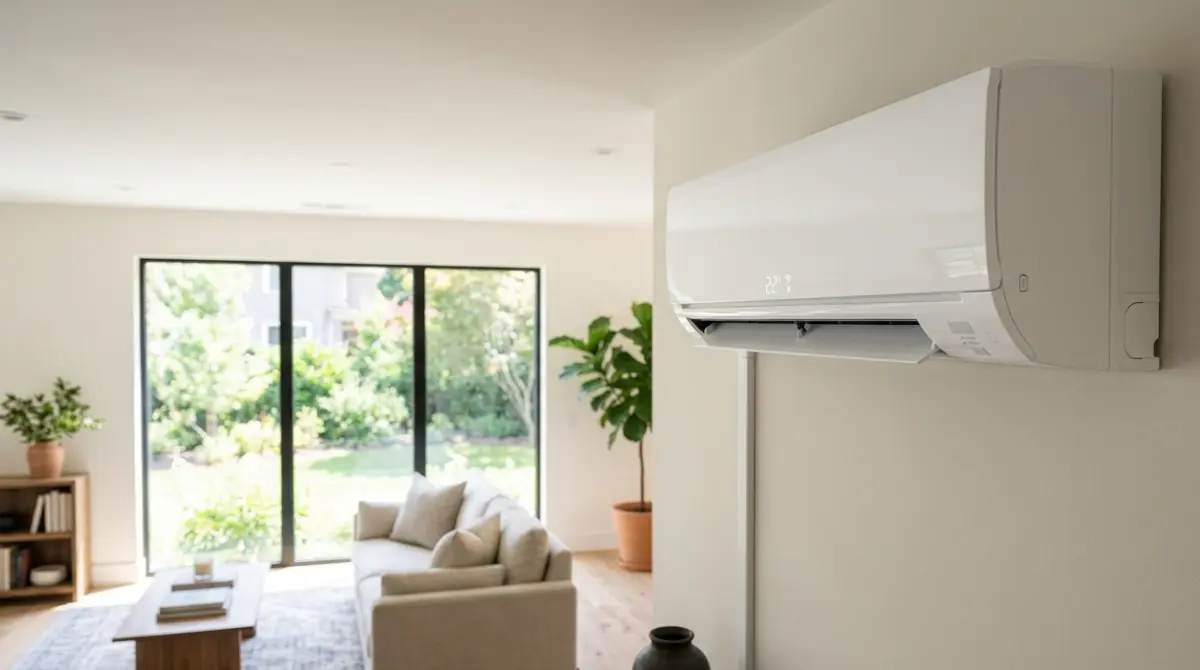
Both are split systems: an outdoor unit linked to indoor equipment by refrigerant lines. What differs is how air reaches your rooms.
| Central ducted | Ductless mini-split | Ducted mini-split | |
|---|---|---|---|
| Indoor equipment | Furnace or air handler | Head on wall or ceiling | Slim hidden air handler |
| Air delivery | Ducts to every room | Straight into the room | Short ducts to a few vents |
| What you see | Vents only | The indoor head | Vents only |
| Key detail | Depends on duct condition | Each zone has its own thermostat | Hides equipment, adds some duct |
Central ducted systems
One air handler pushes air through a network of supply ducts and back through return grilles.
Ductless mini-splits
According to DOE’s guide to ductless minisplit heat pumps, a conduit carries power, refrigerant tubing and a condensate drain. It usually needs only about a three-inch hole through the wall. The outdoor unit can sit up to 50 feet away.
Ducted mini-splits: the middle option
A concealed indoor unit sits in a ceiling or attic and feeds a few vents through short duct runs. Mitsubishi markets these for short-run ductwork.
Which uses less energy? It depends on your ducts
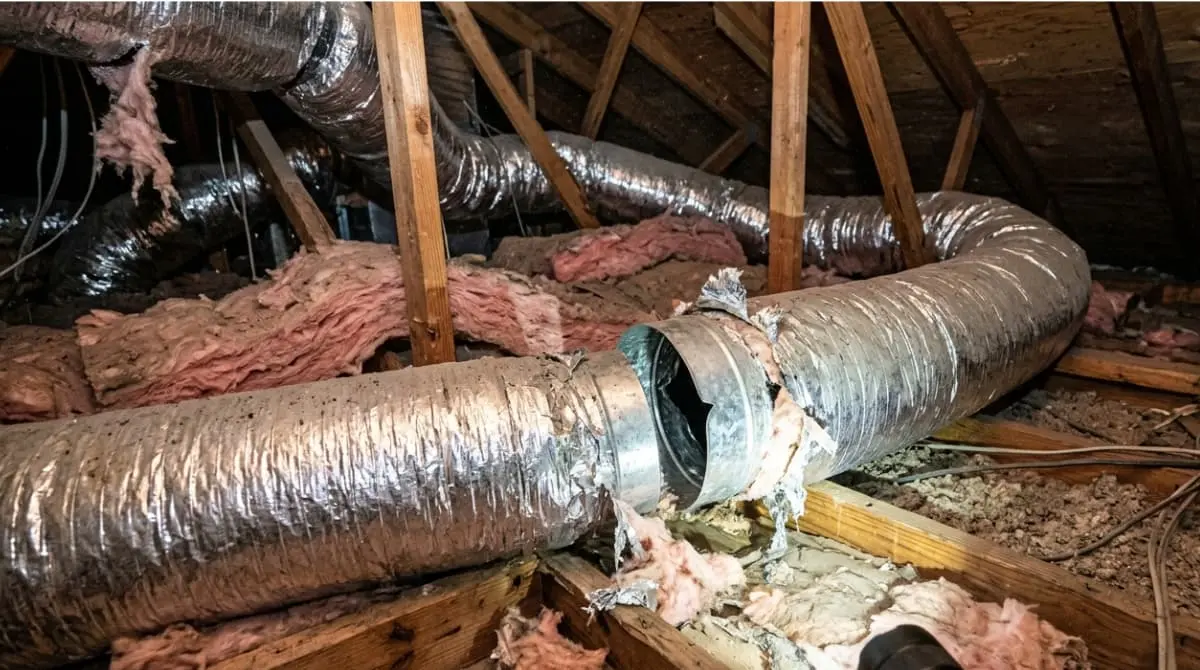
In a typical house, about 20 to 30 percent of the air moving through ducts is lost to leaks, holes and poor connections, according to ENERGY STAR’s duct sealing guidance.
How much air ducts lose
DOE says duct losses can exceed 30% of heating and cooling energy, especially when ducts run through an unconditioned attic.
🔍 Why It Works: Air that leaks into an attic or crawlspace has already been heated or cooled. You pay for it, but it never reaches a room.
SEER2 ranges compared
📊 Spec: DOE puts ducted heat pumps at about 15.2 to 25 SEER2. It puts ductless minisplits at 15.2 to 35.
When a ducted system closes the gap
Ducts inside your living space that are well sealed lose far less. Before replacing anything, consider sealing the duct leaks you can reach.
Vendor claims like “30% cheaper to run” don’t come from government sources. Ask each contractor for a running-cost estimate at your actual utility rates.
What ducted vs ductless costs to install
Your existing ducts drive the price more than the equipment does.
| Option | Published average installed cost | Key detail |
|---|---|---|
| Ducted split system | About $8,000 | Reuses sound ducts |
| Ductless mini-split | About $3,500 per indoor unit | Each room or zone needs a head |
| Adding new ductwork | Roughly doubles the project | Why no-duct homes often go ductless |
Published averages
DOE says mini-splits generally cost more than central systems, not counting ductwork. Local labor rates can move any of these numbers.
The per-room math
Three ductless heads at about $3,500 each comes to roughly $10,500. That compares with about $8,000 for a ducted split that reuses sound ducts. For a single room, one head avoids the duct work that roughly doubles a ducted project.
Which system fits your house? Match by home type
Match your house to a row, then price that option first.
| Your house | Price this first | Why |
|---|---|---|
| Radiators or baseboards, no ducts | Ductless mini-split | No ducts to reuse |
| Sound ducts inside living space | Ducted system | Lowest upfront cost |
| Leaky ducts in attic or crawlspace | Quote both | Losses can top 30% |
| Addition, ADU or garage | Single-zone mini-split | No duct extension |
| Ducts plus one problem room | Keep central, add one head | Hybrid |
Older homes with radiators or boilers
DOE calls minisplits a strong retrofit for homes heated by hot water, radiant panels or space heaters.
Homes with existing ducts
If the ducts are sealed and inside your living space, reusing them is usually cheapest.
Additions, ADUs and garages
One single-zone head avoids extending ductwork into the new space.
Ducts plus one problem room (hybrid)
A DOE Building America field study added one mini-split to central systems in six leaky-duct Florida homes. Median cooling energy dropped 37%. Heating energy dropped 59%, with the larger savings in homes that used electric resistance heat. It’s one hot-humid study, not a guarantee.
Comfort, looks, noise and air filtration trade-offs
Price and efficiency aside, you’ll live with these daily.
Visible heads vs. hidden vents
DOE notes indoor heads run about seven inches deep and lack the built-in look of central systems. Ducted mini-splits avoid that.
Room-by-room control
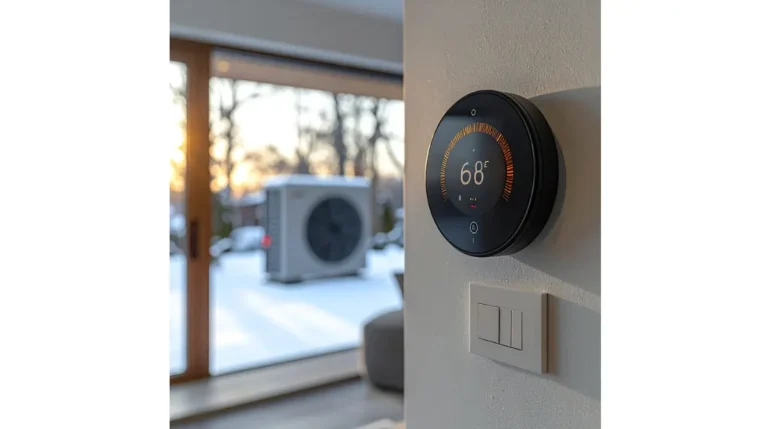
Each ductless zone has its own thermostat, so empty rooms don’t need conditioning.
Filtration and humidity
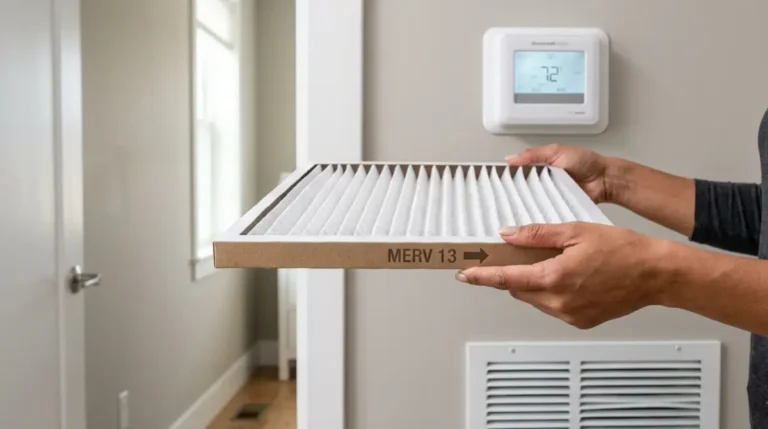
Ducted systems pull return air through one central filter. Ductless heads use their own filters, so check each manufacturer’s specs. Oversized units short-cycle and leave rooms clammy, so insist on a Manual J load calculation.
Upkeep each system needs
Clean head filters or change the central filter on the manufacturer’s schedule. Keep the outdoor unit clear, and leave wiring and refrigerant to pros.
Installation, DIY kits and what a pro must handle
Either system needs high-voltage wiring and refrigerant work.
Why refrigerant and wiring need a pro
Under EPA’s Section 608 technician certification rules, anyone who attaches gauges to a system or adds or removes refrigerant must be certified. Kits marketed for DIY install still involve high-voltage wiring and these refrigerant rules.
⚠️ Watch Out: Wiring mistakes can cause shock or fire, and mishandled refrigerant can leak. A botched install may also void the manufacturer’s warranty.
Questions to ask before you sign
- Will you provide a written load calculation?
- Which refrigerant does this equipment use?
- Are your technicians Section 608 certified?
- Who pulls the permit?
✅ Do This: Hire a licensed HVAC contractor. Before signing, check an HVAC contractor’s credentials with your state licensing board.
Common questions about ductless vs ducted HVAC
1. Is ductless better than ducted HVAC?
Ductless HVAC suits homes without ducts or with leaky attic ducts; ducted HVAC usually costs less where sound ducts already exist.
2. Are mini-splits cheaper to run than central air?
Mini-splits avoid duct losses, which ENERGY STAR puts at 20–30% of air in a typical house; actual running costs depend on local rates.
3. Is a ductless mini-split cheaper to install than central air?
A ductless mini-split averages about $3,500 per indoor unit, per Angi; central air reusing sound ducts averages about $8,000 for a split system.
4. What is a ducted mini-split?
A ducted mini-split hides a slim indoor air handler in a ceiling or attic and sends air through short duct runs to vents.
5. Can mini-splits replace central air in a whole house?
Yes, multi-zone mini-splits can condition a whole house, but each zone needs its own indoor unit, so costs climb with every zone.
6. How much energy do ducts waste?
ENERGY STAR says typical ducts lose about 20 to 30 percent of their air; DOE says losses can exceed 30% of conditioning energy in attics.
7. Do mini-splits work in homes with radiators?
Yes. DOE calls ductless mini-splits a strong retrofit option for homes heated by hot-water radiators, radiant panels or space heaters.
8. Can I install a mini-split myself?
Mini-split installation involves high-voltage wiring, and EPA requires Section 608 certification for anyone adding or removing refrigerant. Hire a licensed HVAC contractor and get the required permit.
9. Do ductless systems filter air as well as ducted ones?
Ductless heads use their own filters, while ducted systems pull return air through one central filter; check each manufacturer’s filter specs.
10. Can I use both ducted and ductless systems?
Yes. In a DOE study of six Florida homes, adding one ductless head to central systems cut median cooling energy 37%.
Your next step before you get quotes
Start with your ducts: where they run and whether they leak. Then ask every contractor for a written load calculation, and price both a ducted and a ductless option at your actual utility rates.