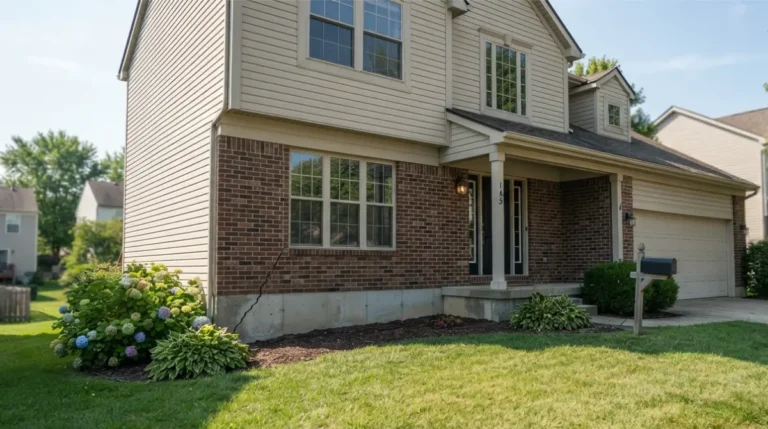
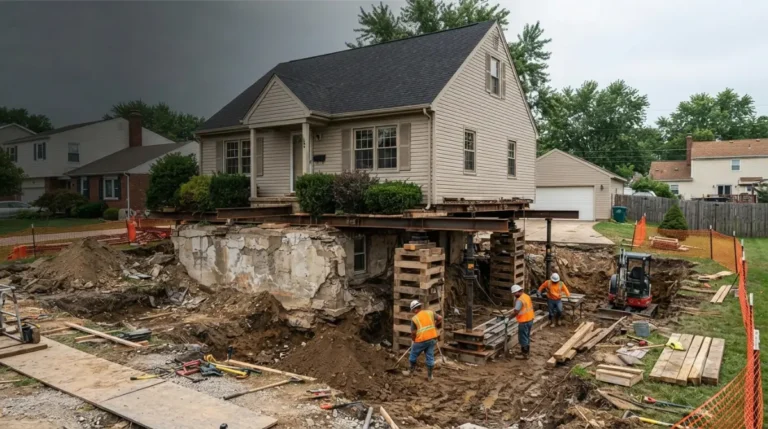
Which Common Pier and Beam Foundation Problems Do You Have?

Pier and beam foundation problems can hide in the crawl space: EPA says humidity should stay below 60%, ideally 30–50%. Here’s how to check yours.
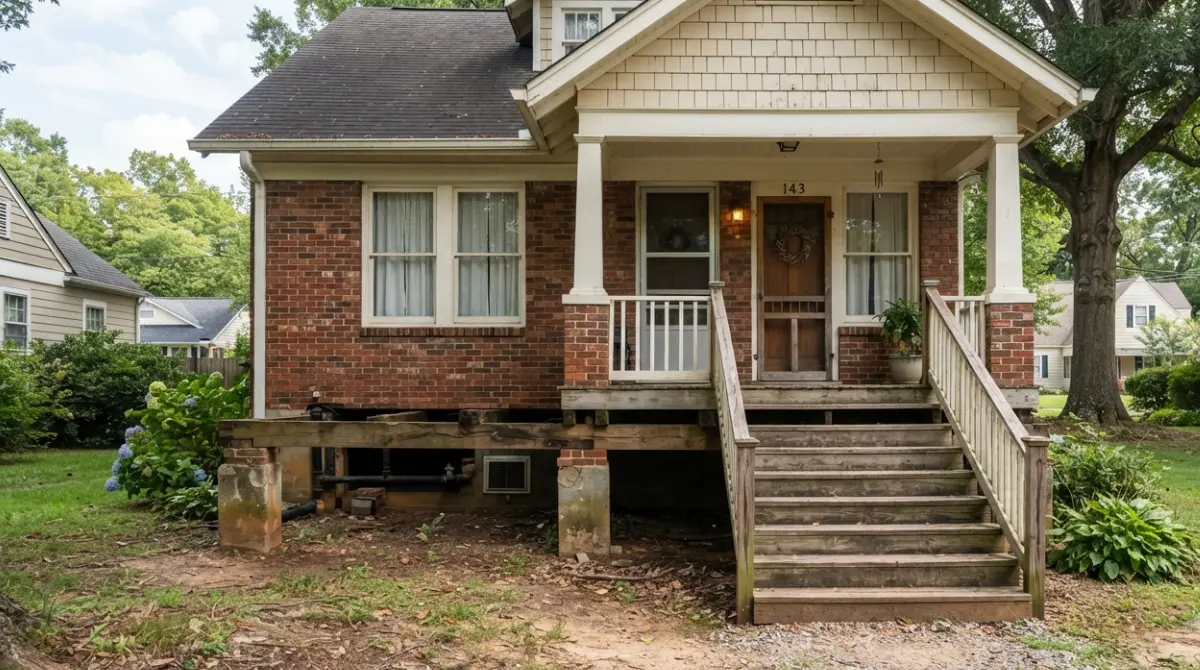
Table of Contents
Is it the piers, the floor, or the crawl space?
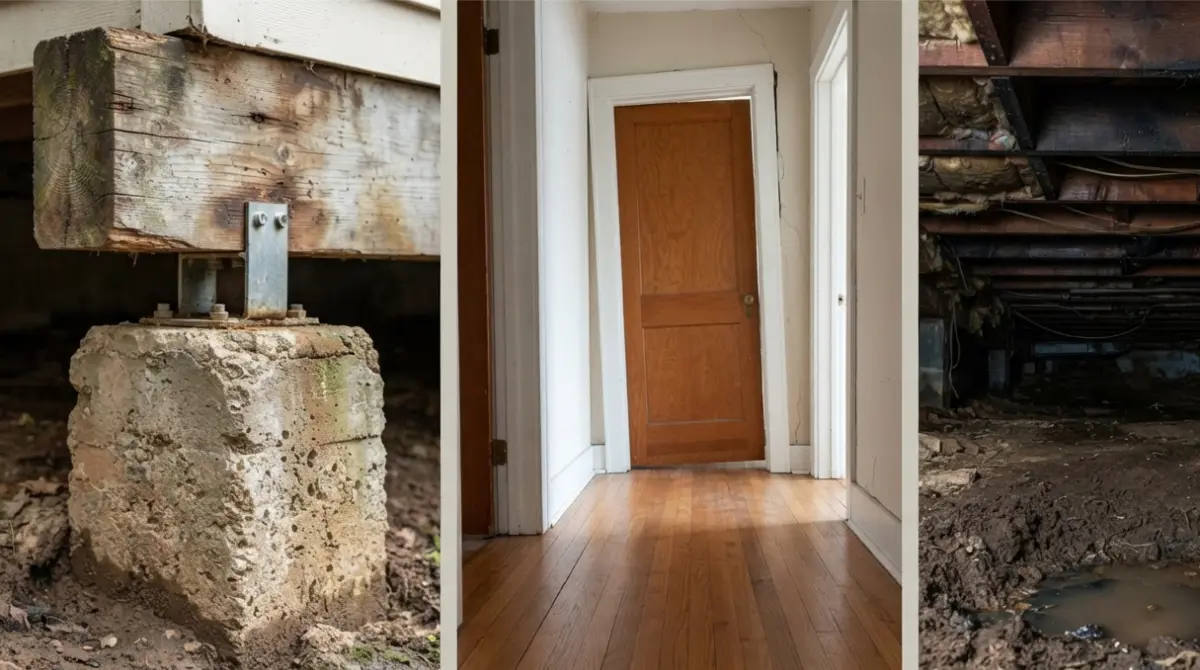
Pier and beam foundation problems rarely announce themselves with one dramatic crack. They show up as a floor that slopes, a door that sticks, or a damp smell from below.
Start with what you’re noticing
- Sloping or bouncy floors: go to the signs section.
- Musty air or damp wood: jump to the moisture section.
- Mud tubes or soft wood: read the termite section.
- A repair quote in hand: skip to costs.
Why raised foundations fail differently
Your house sits on piers and wood beams above a crawl space, so wood, water and soil all matter. Gladewick sells no repairs, so this guide stays on diagnosis.
ℹ️ Safety Note: Structural, moisture and pest problems can injure people and damage homes, and crawl spaces add confined-space, electrical and mold risks. This guide is general information, not engineering advice. If you’re unsure, hire a licensed professional and follow your local building code and permit rules.
The three ways pier and beam foundations fail
A pier and beam foundation holds your house on concrete piers and wood beams above a crawl space. It can fail in three separate ways, and each calls for a different fix.
Piers and soil: settling and shifting
Soil movement can make piers sink or lean, and contractors name uneven settling as one of the most common issues. Angi reports that center piers are the likeliest to settle.
Beams, joists and shims: sag and bounce
Beams, joists or shims can sag or slip even when the piers are fine. That’s why a sloping floor doesn’t automatically mean a sinking foundation.
Moisture and pests: rot, mold, termites
A damp crawl space weakens the wood above it, and extra moisture also raises termite risk.
Signs of pier and beam foundation problems
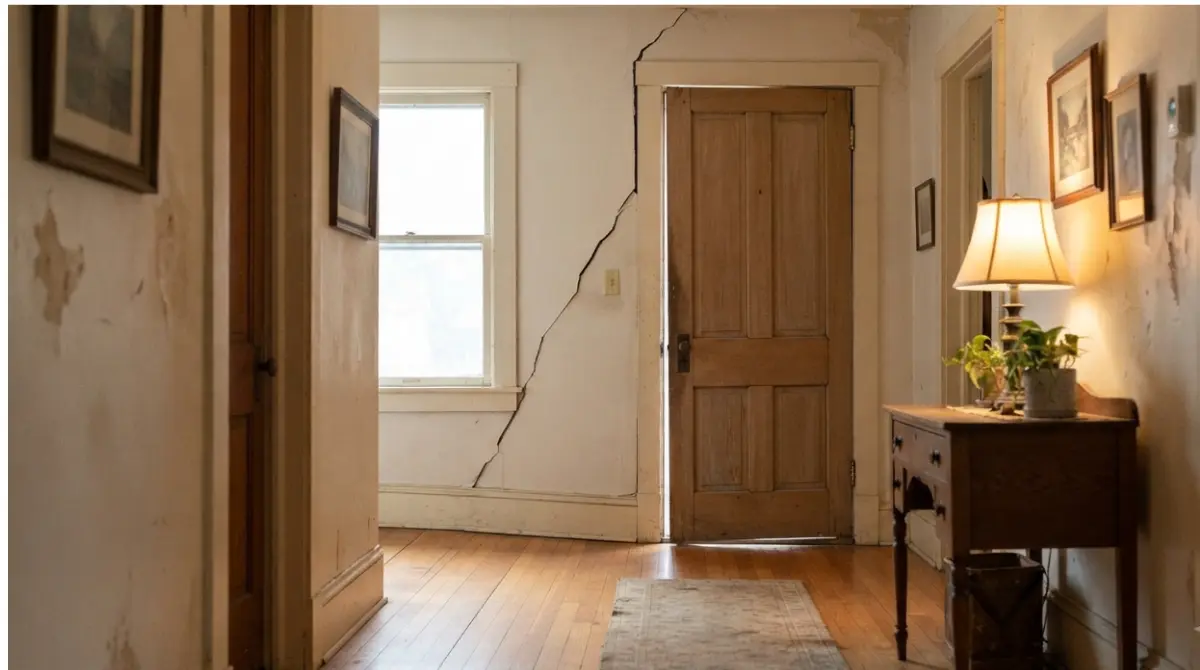
Contractor guides list sloping or bouncy floors, sticking doors, and moisture or damaged wood in the crawl space as common signs.
| Symptom | Likely cause | Call first |
|---|---|---|
| Sloping floor | Settled pier or sagging beam | Structural engineer |
| Sagging floor | Weak joists or beam support | Foundation contractor |
| Musty smell | Crawl space moisture | Home inspector |
| Mud tubes | Termites | Licensed pest pro |
Signs you can see from inside the house
Diagonal cracks at door or window corners are commonly flagged as settlement; wall cracks by pattern explains them.
Signs in the crawl space
EPA’s mold guidance says indoor humidity should stay under 60%, ideally 30–50%, and high-humidity crawl spaces commonly hide mold.
Things that look scary but usually aren’t
One contractor notes cosmetic flaws in the concrete perimeter beam alone rarely mean foundation trouble.
✅ Do This: Date-stamp photos of each symptom and ask any contractor for a written level survey and cause.
Crawl space moisture, mold and rot: what the numbers say
Serious wood rot needs moisture content above roughly 30%, per the USDA Forest Products Laboratory.
Humid air versus liquid water
🔍 Why It Works: Humid air can support mold but not significant decay. Liquid water, condensation or wet ground soaks wood past the threshold, and 20% or below leaves a safety margin.
Vents, vapor barriers and the code
The 2024 International Residential Code calls for 1 square foot of vent per 150 square feet of crawl space, or 1 per 1,500 with a Class I ground vapor retarder and cross-ventilation. Local adoption varies.
Why a damp crawl space becomes a floor problem
Wet joists can rot. EPA says crawl space moisture can reach the living space through cracks, and a thermo-hygrometer, generally under $50, shows your humidity.
✅ Do This: For standing water, active mold or soft wood, call a home inspector or moisture specialist and ask them to find the water source; for mold, see crawl space mold removal costs.
Termite damage under the house
Mud shelter tubes on foundation walls, support piers or plumbing are usually a sure sign of infestation, per Mississippi State University Extension.
Mud tubes on piers and walls
Beyond the tubes themselves:
- Damaged timbers with tunnels holding dried dirt.
- Live termites in damaged wood, which confirm an active infestation.
What to do if you find them
Destroying tubes doesn’t stop termites, and the extension recommends a professional inspection even when no live ones appear.
✅ Do This: Hire a licensed pest control professional, ask for written findings on active termites and wood damage, and compare treatment options. See crawl space termites and moisture.
Pier and beam foundation repair costs
Angi’s pier and beam repair cost guide, updated September 2026, puts repairs at $800 to $25,000, with a national average near $10,000 and most homeowners paying $6,000 to $14,000.
Typical cost by repair type
| Repair | Typical cost per Angi | Key detail |
|---|---|---|
| Reshimming | $1,200–$4,000 | Corrects minor settling |
| Adding a pier | $800–$4,000 each | Extra support |
| Beam replacement | $400–$1,200 each | No excavation needed |
| Replacing a pier | $2,000–$6,000 each | Excavation and jacking |
| Waterproofing | $3,000–$20,000 | Sealant to full drainage |
Why sources disagree
Forbes Home’s 2024 guide put the average near $9,500; Angi says soil, home size, access and moisture work move the price.
What a quote should include
Ask for written scope, the number of piers or beams, who pulls permits, and the cause. National figures aren’t a quote for your house.
Who to call first, and what not to DIY
Call a structural engineer when you can’t tell whether the foundation moved; EPA advises one when moisture may have damaged structural integrity. Licensed foundation contractors handle repairs, licensed pest professionals termites, and home inspectors moisture. You don’t have to guess: foundation repair costs and who to call first maps the options.
Safe to do yourself vs leave to a pro
Safe: looking from the access opening, taking dated photos, checking humidity, and keeping gutters and grading draining away from the house.
⚠️ Watch Out: Shimming, jacking, pier or beam work and termite treatment can cause injury or damage if done wrong; hire licensed pros.
Pier and beam foundation problems: quick answers
1. What are the signs of pier and beam foundation problems?
Sloping or bouncy floors, sticking doors, and damp or damaged crawl space wood are common pier and beam foundation problems.
2. How much does pier and beam foundation repair cost?
Angi reports $800 to $25,000, averaging about $10,000; pier and beam foundation repair cost depends on soil, access and moisture work.
3. What causes pier and beam foundation problems?
Soil movement, sagging framing, crawl space moisture and termites commonly cause pier and beam foundation problems, each needing its own diagnosis.
4. Why are floors sagging or bouncy in a pier and beam house?
Beams, joists or shims can sag or slip even when piers are fine, so a sagging pier and beam floor isn’t always settlement. Have a licensed professional check it.
5. What humidity should a crawl space have?
EPA’s guidance says indoor humidity should stay below 60%, ideally 30–50%, and high-humidity crawl spaces commonly hide mold. Call a home inspector for standing water or active mold.
6. What causes wood rot in a crawl space?
Serious rot needs wood moisture above roughly 30%, per USDA, which takes liquid water, condensation or wet ground rather than humid air alone.
7. How do I know if I have termites in my crawl space?
Mud tubes climbing crawl space piers, walls or plumbing are usually a sure sign of termites, and Mississippi State Extension urges a professional inspection.
8. How much ventilation does a crawl space need?
The 2024 IRC calls for 1 square foot of vent per 150 square feet, or per 1,500 with a ground vapor retarder; local rules vary.
9. Do I need a structural engineer or a foundation contractor?
A structural engineer is the first call when you’re unsure the foundation moved; licensed contractors then handle the repairs.
10. Can I fix pier and beam problems myself?
Shimming, jacking, pier or beam work and termite treatment belong to licensed pros; looking from the access opening and taking photos is fine. Get independent written quotes first.
Your next step
Start with what you can safely observe: date-stamped photos of floors, doors and cracks, plus a humidity reading. Then get an independent evaluation and several written quotes before agreeing to repairs, and take your time comparing them. Pier and beam foundation problems fall into three families, each with a different fix.