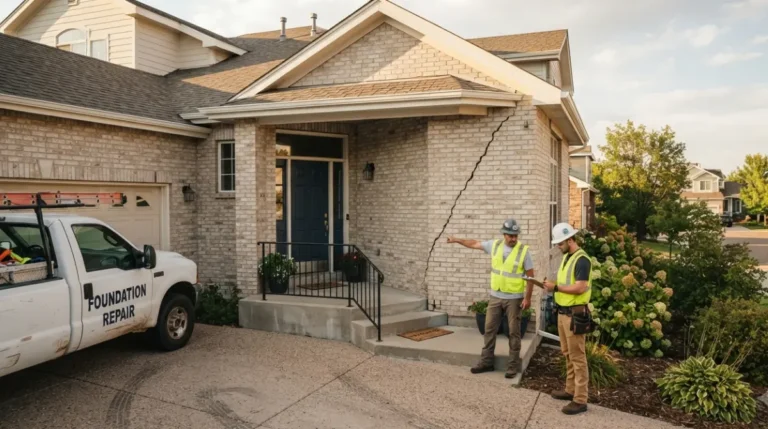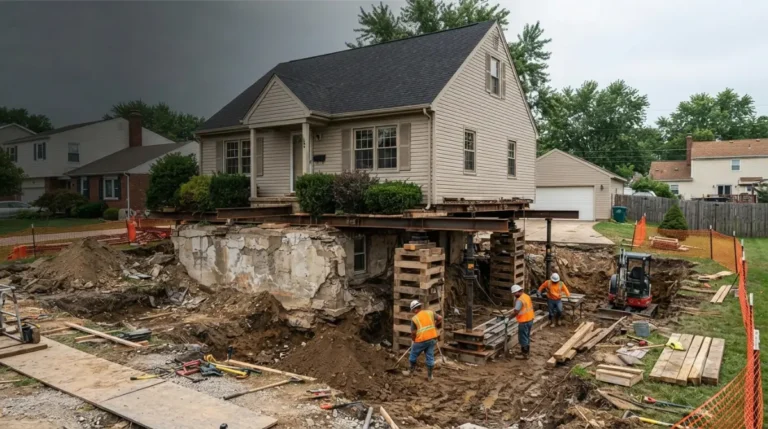
A Smart Way to Read Foundation Crack Width and Act on It

Foundation crack width is not a coin test: a nickel is just 0.077 inch thick, well under 1/8. Here’s how to measure it and what to do next.
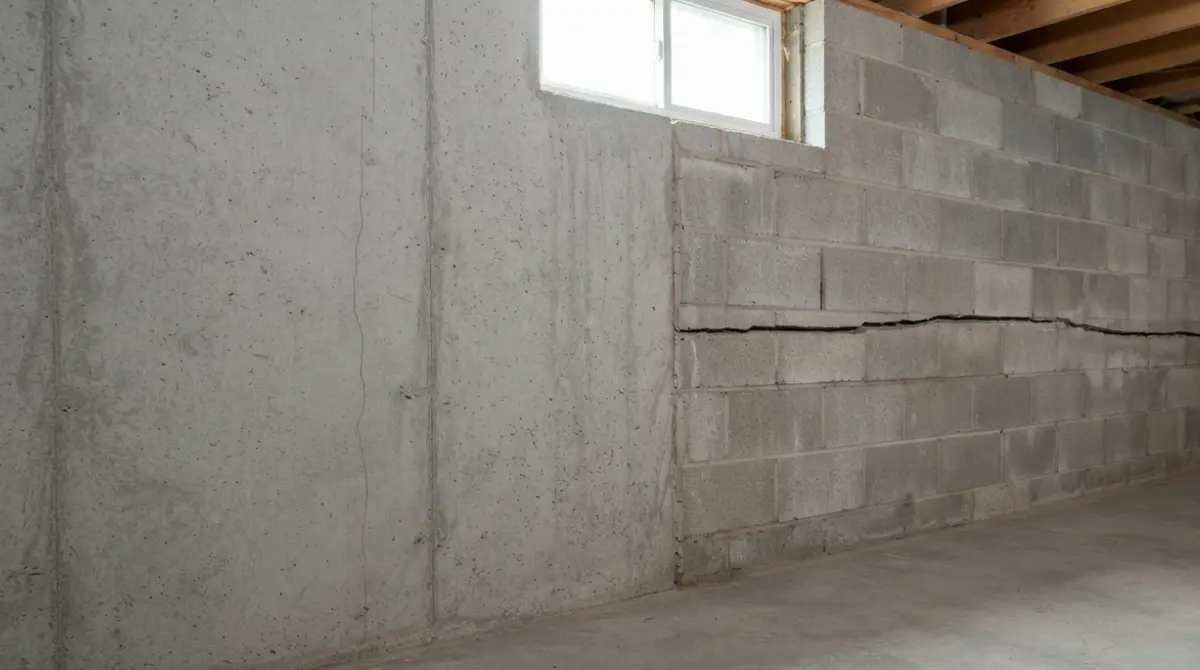
Table of Contents
Is a 1/8 or 1/4 inch foundation crack serious?
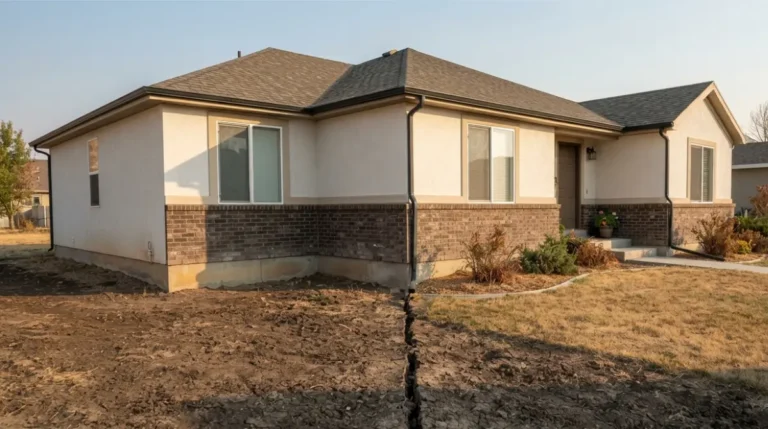
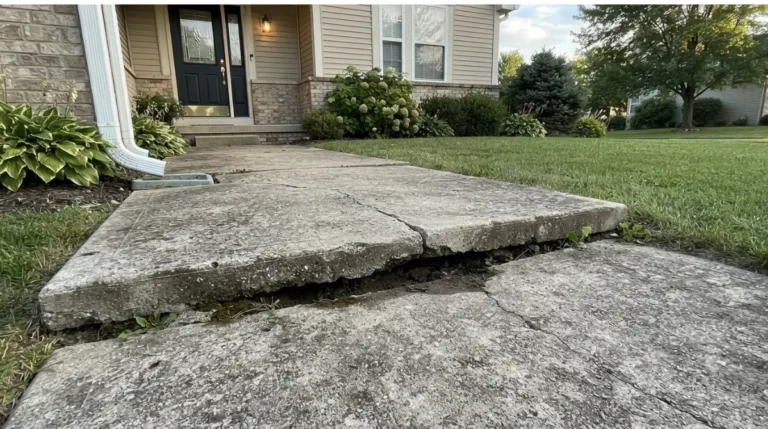
A foundation crack of about 1/8 inch deserves a closer look, and one about 1/4 inch or wider deserves a structural engineer, according to common rules of thumb. Sources disagree on both numbers. A crack of any width that runs horizontally, sits offset, keeps growing, or leaks moves up the list.
The short answer by width
Under 1/8 inch: log it. About 1/8 to 1/4 inch: log it and have a professional look. About 1/4 inch or more: call an independent engineer.
Why width is only part of the answer
Start with what you see:
- Thin, dry, vertical crack: measure it next, then log it.
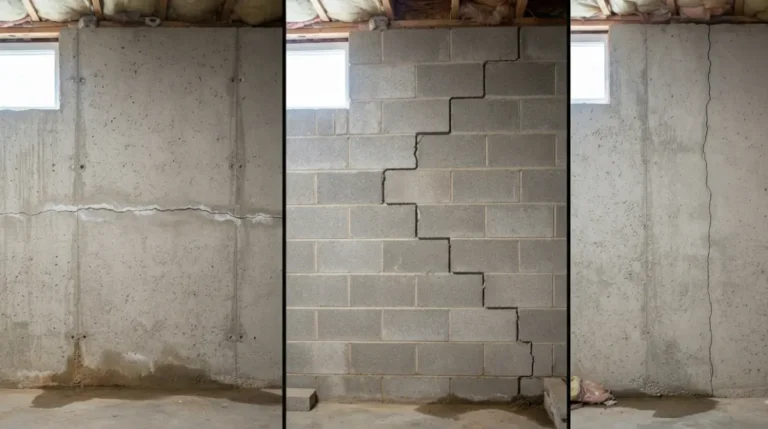
- Horizontal, stair-step, offset or bowing: jump to shape and call an engineer.
- Damp crack of any width: water and radon can use it.
ℹ️ Safety Note: Judging structural damage and sealing active cracks carry risk of injury and major damage. This article is general information, not an engineering evaluation. Hire a licensed structural engineer, and follow local code and permit requirements.
What a 1/8 inch and 1/4 inch crack look like
Concrete and block foundations usually develop some cracks, says University of Minnesota Extension, so width tells you how much attention this one needs.
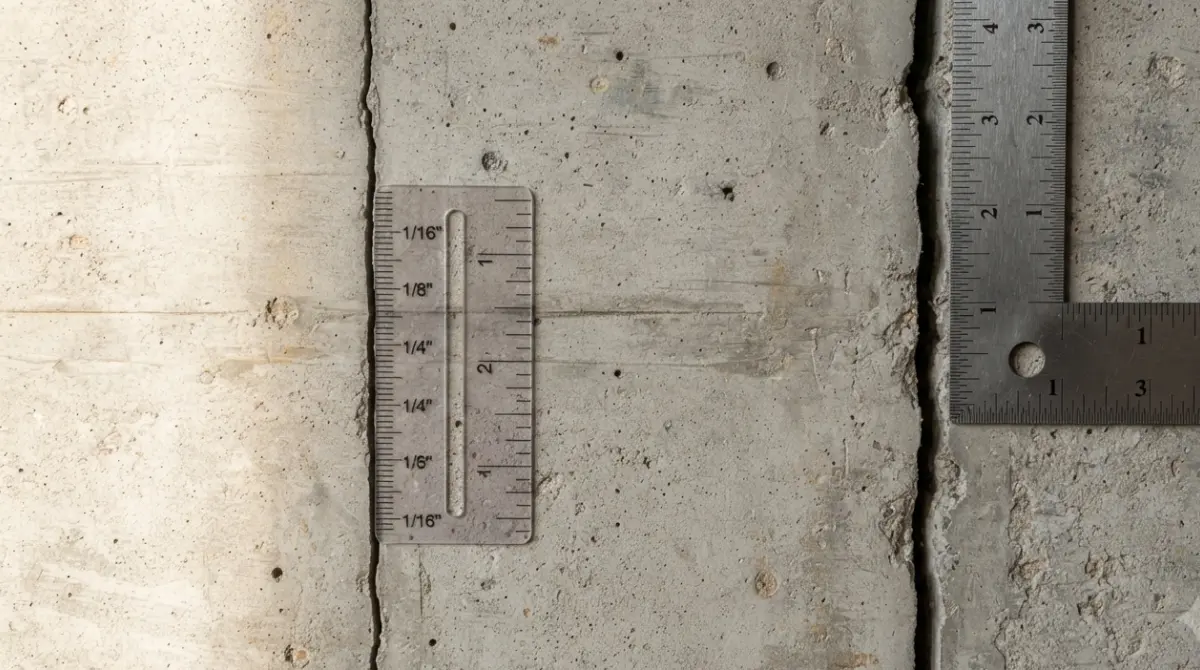
True-size widths: 1/16, 1/8 and 1/4 inch
| Width | Millimeters (rounded) | Everyday reference |
|---|---|---|
| 1/16 inch | 1.6 mm | Between a dime and a nickel |
| 1/8 inch | 3.2 mm | About a dime plus a nickel, stacked |
| 1/4 inch | 6.4 mm | A 1/4-inch drill bit |
Why coin comparisons mislead
📊 Tested / Spec: The U.S. Mint lists a nickel at 0.077 inch thick and a dime at 0.053 inch. A crack that only just admits a nickel’s edge is about 0.077 inch wide, well under 1/8 inch (0.125 inch).
How to measure foundation crack width
Measure the same way every time, or the numbers mean little.
Tools that read 1/8 inch, and ones that don’t
A ruler, calipers or crack comparator card reads 1/8 inch.
📊 Tested / Spec: FEMA’s rescue training lists thickness gauges of .004 to .025 inch, which covers hairline widths only.
💡 Pro Tip: FEMA also describes taping two rulers across a crack and drawing one line over both. If the crack changes width, the line no longer lines up.
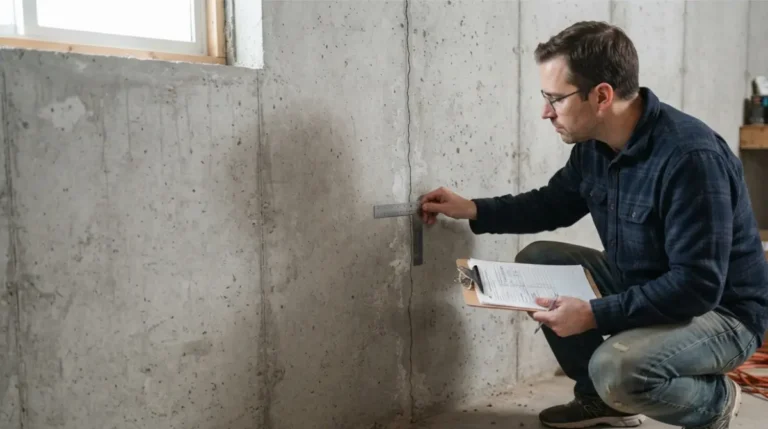
Where and how to measure
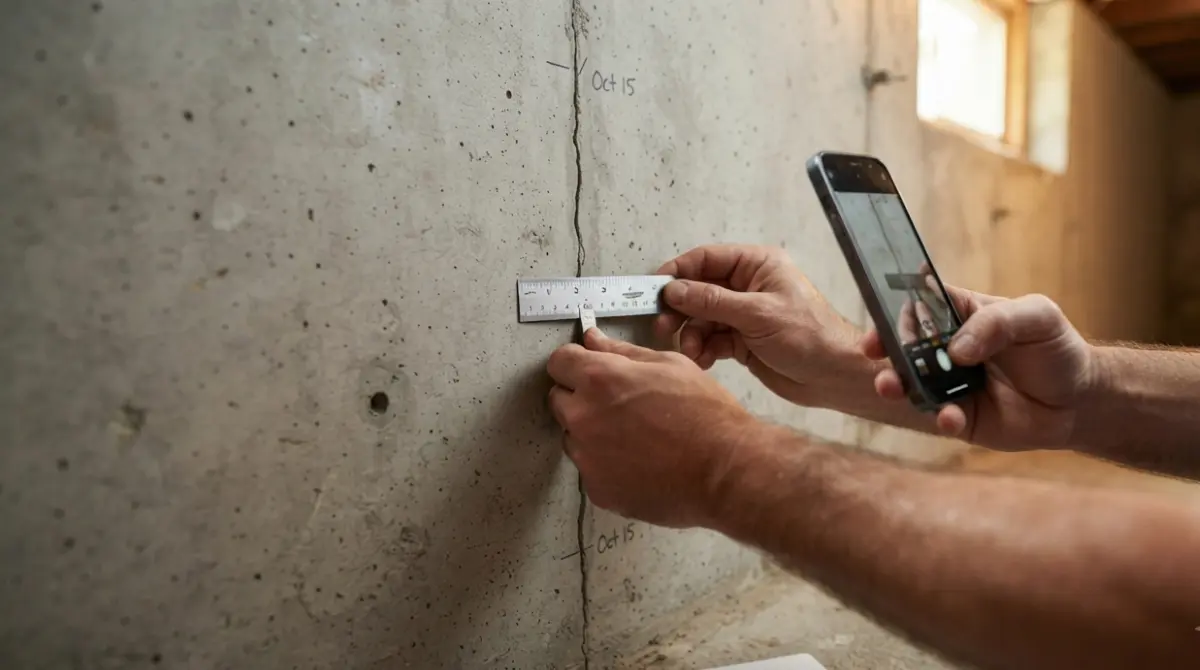
- Measure straight across the widest point.
- Repeat at two more points and write them down.
- Mark both ends with dated pencil lines.
- Photograph it beside a ruler from the same spot.
How to log changes
Note the season with each reading; FEMA says temperature can change crack width.
Foundation crack width chart: what to do at each size
Width sets your starting point, and shape or movement can override it.
The width chart
| Width | What to do | Source |
|---|---|---|
| Under 1/8 inch | Measure and log; seal if it leaks | Angi |
| 1/8 to 1/4 inch | Log it; have a professional look | Angi |
| 1/4 inch or more | Independent structural engineer | This Old House |
| Any width, plus a red flag | Engineer first | Angi, This Old House |
These bands are our cautious summary, not a code.
Why sources draw the line in different places
Even “hairline” runs from about 1/16 to 1/8 inch depending on the guide. The American Concrete Institute’s reinforced-concrete crack-width guide lists 0.012 inch for humidity and soil exposure, about a tenth of 1/8 inch, but it targets durability, and ACI calls its values an imperfect indicator.
✅ Do This: At or past 1/4 inch, hire a licensed structural engineer, confirm the license, and ask whether the firm also sells repairs.
When crack width doesn’t matter: direction, offset, water
Some cracks jump the queue at any width.
Horizontal, stair-step and offset cracks
A horizontal crack usually means soil or water pressure is pushing the wall inward, says a structural engineer quoted by This Old House. Stair-step cracks in block walls and cracks where one side sits out of line are also warning signs. See how to tell if a basement wall crack is structural.
Narrow cracks that leak
Even a narrow crack matters when it leaks. University of Missouri Extension says water finds a small crack and can widen it, and the EPA’s radon guide lists wall and floor cracks as radon entry routes.
✅ Do This: Test for radon, and call a licensed structural engineer about any horizontal, offset or growing crack.
What to do about a foundation crack this week
Your plan depends on whether the crack is stable, leaking or moving.
Monitor: when a stable crack just needs a log
Stable, dry cracks with no movement and no other symptoms are often cosmetic, says This Old House.
Seal: stable cracks only
Sealing a stable crack can keep water out, but it doesn’t fix the pressure behind the wall. University of Missouri Extension calls silicone caulk temporary relief for hairline cracks.
Start with regrading around your foundation, then see sealing a basement wall crack with hydraulic cement.
⚠️ Watch Out: Don’t patch a horizontal, offset or growing crack before an engineer sees it; sealing can hide movement.
Call: what to bring to the engineer
Bring your dated log and photos, and see what a crack repair or engineer visit costs and who to call first.
Signs to stop measuring and call a pro now
Logging is for stable cracks; these signs, drawn from This Old House and our foundation repair guide, mean stop and call.
Signs that change the timeline
- A crack that is widening or spreading.
- Doors or windows that suddenly stop working.
- Gaps that keep growing.
- Water entering through any part of the foundation.
- A horizontal crack or a wall that bows inward.
Who to call first
Call a licensed structural engineer first, then compare repair quotes against the report.
✅ Do This: Ask the engineer whether the crack is active, what is causing it, and whether it needs repair. Get answers in writing.
Foundation crack width questions, answered quickly
1. Is a 1/8 inch foundation crack serious?
Often not if it is dry, stable and not offset, but 1/8 inch is where many guides recommend a closer look.
2. Is a 1/4 inch foundation crack serious?
It can be. This Old House lists a crack wider than 1/4 inch as a sign of a structural crack. Call a licensed structural engineer.
3. How wide of a foundation crack is a problem?
Rules of thumb flag about 1/8 inch for a closer look and about 1/4 inch for an engineer, and sources disagree. Horizontal, offset, growing or leaking cracks need an engineer.
4. How do you measure foundation crack width?
Measure the crack width straight across its widest point with a ruler, calipers or comparator card, repeat at two more points, and log each reading.
5. What is a hairline foundation crack?
A very thin foundation crack; guides put the cutoff anywhere from about 1/16 to 1/8 inch, so measure yours.
6. Do narrow vertical foundation cracks need repair?
Stable, dry vertical foundation cracks are often cosmetic and need only monitoring; leaking or growing ones need a professional. Have an engineer see a growing one first.
7. Can a foundation crack under 1/8 inch leak?
Yes. Water can find even a small foundation crack and widen it, and radon can enter through cracks in walls and floors. Test for radon.
8. How often should I measure a foundation crack?
Measure a foundation crack every three to six months, more often if water appears or new cracks form.
9. Should I call an engineer or a foundation company for a 1/4 inch crack?
Call an independent structural engineer first when a foundation crack is horizontal, bowing, growing or about 1/4 inch or wider, then compare repair quotes.
10. Can I seal a foundation crack myself?
Only a stable, dry, non-structural foundation crack is a reasonable homeowner job; sealing an active crack can hide movement. Get an engineer’s view on horizontal, growing or leaking cracks first.
Your next step for a foundation crack
Measure your crack today, photograph it beside a ruler, and start a dated log. If it is horizontal, offset, growing, leaking, or about 1/4 inch or wider, call a licensed structural engineer before you seal anything. If it is narrow and stable, keep logging and fix the water outside first.