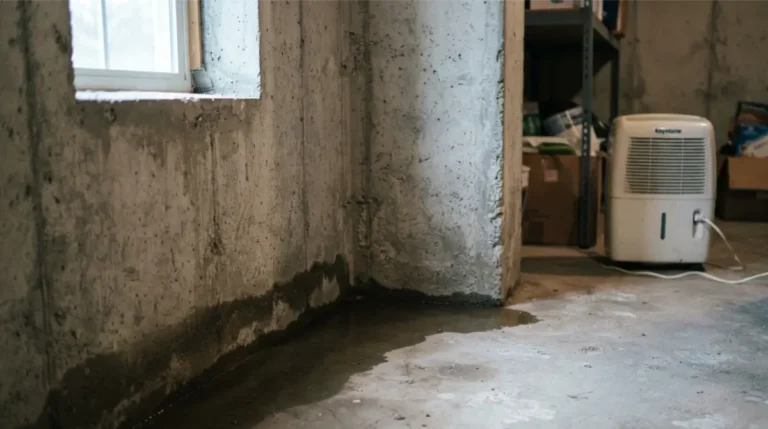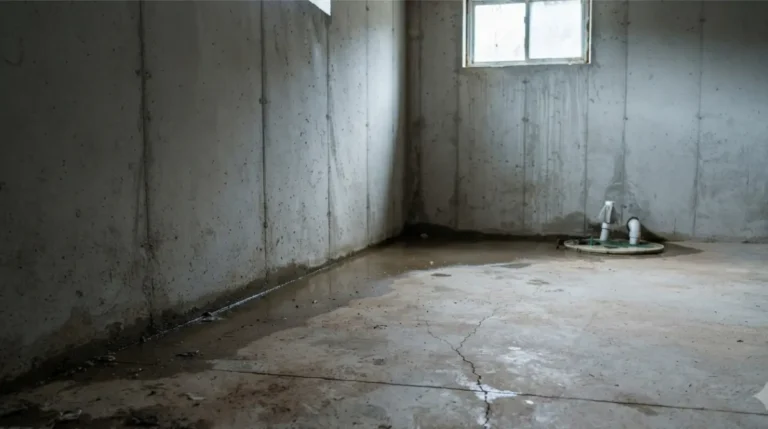
Does Waterproofing Paint Work, or Is It the Wrong Fix?

Even waterproofing paint rated for 15 psi isn’t a leak fix. A 24–48 hour plastic-sheet test shows if your wall needs paint, a dehumidifier, or a pro.
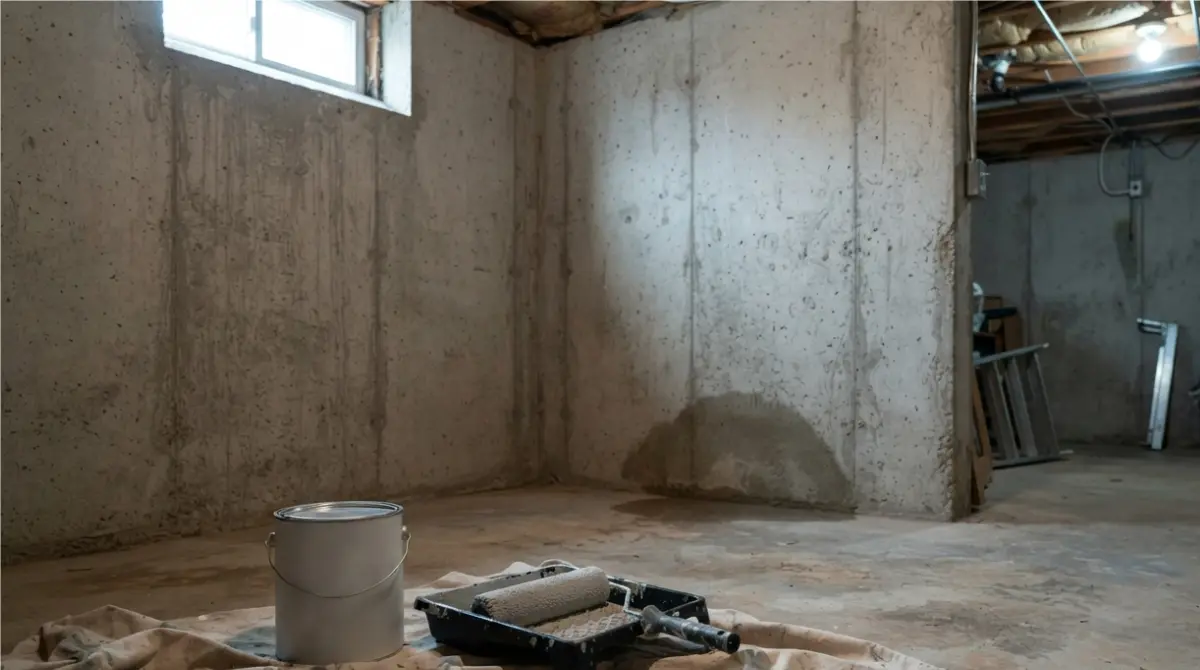
Table of Contents
Does waterproofing paint work? The short answer
Waterproofing paint works on basement walls that are damp, not on walls that leak. It can slow moisture wicking through porous concrete or block. But no interior coating replaces drainage when groundwater is pushing against the foundation.
Find your situation first:
- Damp patches or white powder, but no drips: run the test in Section 3, then compare products.
- Water trickles in or pools after rain: skip to the section on when paint is the wrong fix.
- Musty smell, but the walls look dry: you may have condensation, which paint won’t touch.
Where paint helps
Paint helps with minor, even dampness on bare, uncracked masonry, confirmed by a simple test.
Where it fails
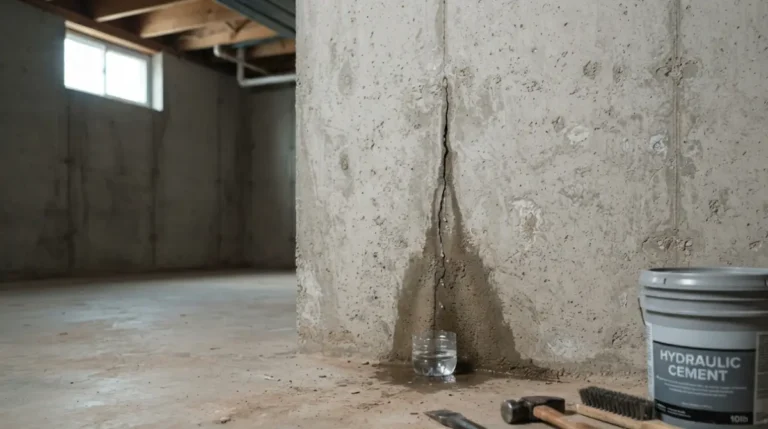
Paint fails against active seepage through cracks, water at the floor-wall joint, and walls under groundwater pressure.
What waterproofing paint actually does to concrete
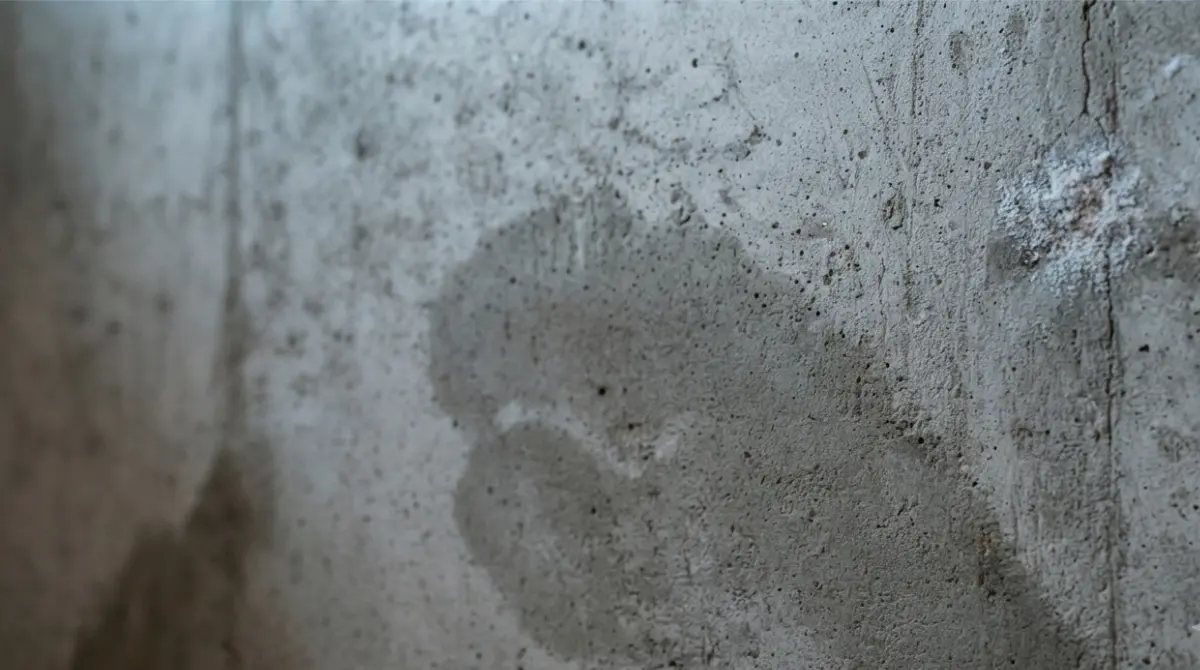
Concrete and block are porous, so water moves through them in two different ways.
Hydrostatic pressure vs capillary dampness
Capillary action wicks moisture through the concrete’s pores from damp soil, with no crack required. Hydrostatic pressure is different. It happens when saturated soil pushes water against the wall and forces it through cracks, joints, and pores.
🔍 Why It Works: Paint seals the pores at the surface. When water keeps pushing from behind, it can form bubbles under the paint film and lift it off the wall.
What a 15-psi rating means
📊 Spec: DRYLOK Extreme’s product data reports that it resists 15 psi under ASTM D-7088 testing. The manufacturer says that’s roughly equal to the pressure of a 33-foot column of water.
That rating comes from lab testing on properly prepared masonry. The manufacturer’s warranty also excludes cracked structural surfaces.
Seepage or condensation? Run this test before you buy paint
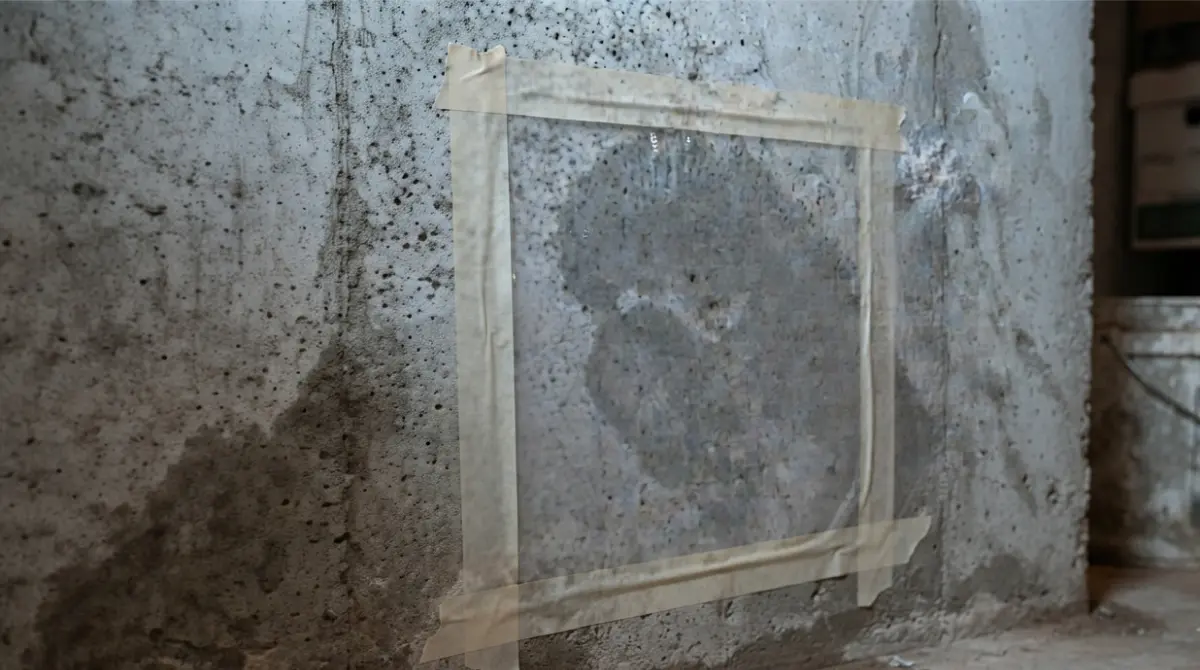
Wet basement walls usually come from one of two sources, and paint only addresses one of them.
The plastic-sheet test, step by step
- Cut a piece of plastic sheeting about one foot square.
- Tape it flat over the damp spot, sealing all four edges.
- Leave it in place for 24 to 48 hours.
- Peel it off and check which side is wet.
Reading the result
- Wet on the room side: this is condensation, a humidity problem that paint won’t fix.
- Wet on the wall side: moisture is moving through the masonry itself.
- Wet on both sides: you have both problems at once.
Our full guide to the condensation vs. seepage test covers the edge cases. Before you buy anything, check outside the house too. The University of Minnesota Extension notes that gutters, downspout extensions, and grading solve many basement water problems. It also says that interior coatings without drainage generally don’t solve the problem long term.
✅ Do This: Run the test after heavy rain, when seepage shows most clearly.
Where waterproofing paint holds and where it fails
Paint does a narrow job, so match it to the condition you actually confirmed with the test.
Conditions it handles
- Even dampness on bare, uncracked masonry, where the sheet test showed moisture on the wall side.
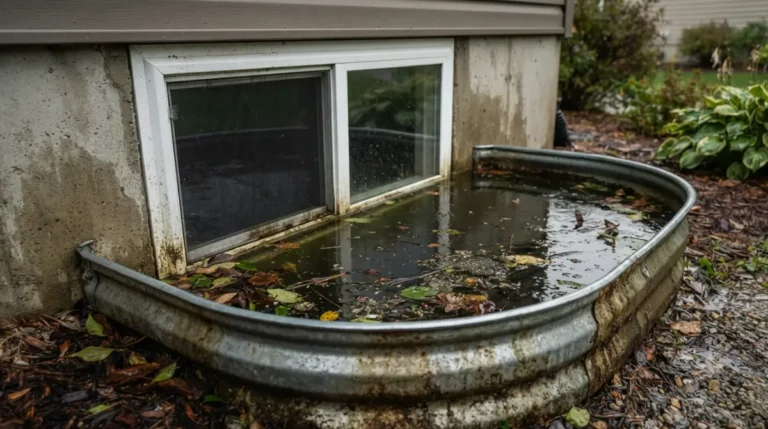
- Walls where the gutters, downspouts, and grading are already fixed, but a little dampness remains.
Conditions that defeat it
- Efflorescence that keeps coming back. This white, chalky residue shows that water is moving through the wall, so find the source first.
- Water coming in through cracks or at the floor-wall joint after rain.
- Walls that bow inward. That’s a structural concern, not a coating job.
Some waterproofing contractors say paint typically fails within six months to two years. Treat that as a claim from companies that sell the alternative. Gladewick has not tested it, and we report it only as their claim.
Choosing a waterproofer and what one wall costs
Once the sheet test points to dampness coming through the wall, the product you pick and how you prep the wall decide how well paint performs.
Latex vs oil-based
Latex-based waterproofers, such as DRYLOK Extreme, clean up with soap and water. Oil-based versions also exist. If you consider one, read the label’s ventilation and respirator instructions before buying.
Prep that decides whether it sticks
The manufacturer allows application on slightly damp masonry. It says results are best on a dry, clean, wire-brushed surface that is free of oil, grease, and old paint. Coverage varies with application method, surface texture, and porosity, and our Paint Calculator gives you a starting estimate.
When paint is the wrong fix and who to call instead
Some basement moisture signs point past paint to problems that need a professional.
Active leaks, bowing walls, and mold
Water running through cracks, walls bowing inward, and visible mold growth all need a diagnosis before any coating goes on. Our guide to telling whether a basement wall crack is structural helps you sort out how urgent your situation is.
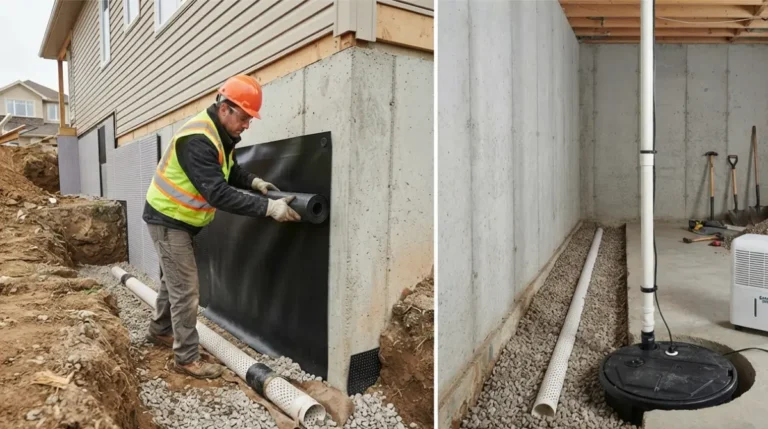
✅ Do This: Call a licensed foundation or waterproofing contractor. For bowing walls, call a structural engineer. Ask them to name the water source and itemize the fix, and use our guide to what a real waterproofing quote should itemize to check what they send you.
Old paint, lead, and radon
In homes built before 1978, removing old coatings can create lead dust. EPA’s lead-safe guidance for DIYers recommends hiring a lead-safe certified contractor for that work.
Some waterproofers also advertise radon reduction. EPA has said that sealing alone hasn’t been shown to lower radon significantly or consistently. Test your home first. If the result is 4 pCi/L or higher, EPA’s radon reduction guide recommends hiring a qualified mitigation contractor.
How long it lasts and what the warranty excludes
How long a waterproofing coat lasts depends on the prep work and on how much water sits behind the wall.
Reading the warranty fine print
DRYLOK Extreme carries a 15-year transferable warranty. It only applies when the product is applied according to directions on properly prepared, bare masonry. The warranty excludes failures caused by improper application, inadequate prep, or cracked structural surfaces.
Recoating and humidity control
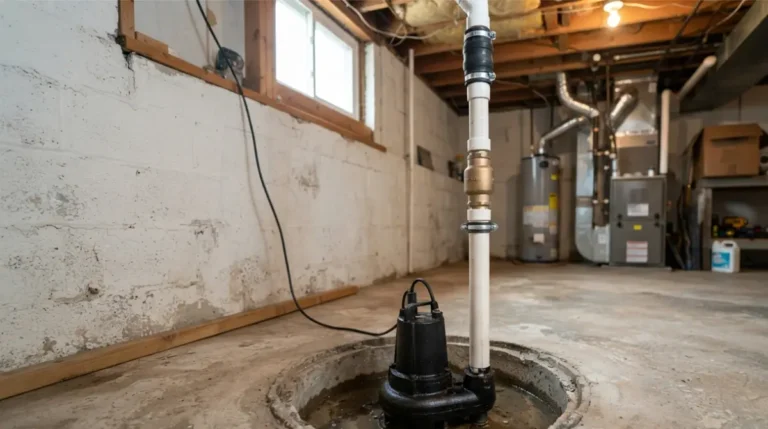
A failed, peeling coat generally has to be removed before a fresh one will bond. In the meantime, keep basement humidity in check: EPA’s mold and moisture guide advises keeping indoor humidity below 60 percent, ideally between 30 and 50 percent. If water keeps coming back, compare interior French drain costs.
Frequently asked questions
1. Does waterproofing paint work on basement walls?
Waterproofing paint can reduce dampness moving through porous masonry. It won’t stop active leaks, seepage through cracks, or groundwater pressure.
2. How long does waterproofing paint last?
DRYLOK Extreme’s warranty runs 15 years, but it only covers properly prepared bare masonry and excludes cracked structural surfaces.
3. Can you put waterproofing paint on a damp wall?
DRYLOK allows its waterproofing paint on slightly damp masonry, but says results are best on a dry, clean, wire-brushed surface.
4. Is waterproofing paint bad for basements?
Waterproofing paint backfires when it covers active seepage. Water pushing from behind can bubble the paint film and lift it off the wall.
5. Will waterproofing paint fix condensation?
No. If the plastic-sheet test shows moisture on the room side, you need humidity control, not waterproofing paint.
6. Can you use waterproofing paint over efflorescence?
Efflorescence shows that water is moving through the wall. Find that source before applying waterproofing paint, and wire-brush loose material off first.
7. Does waterproofing paint stop mold?
Waterproofing paint doesn’t treat mold. Visible mold needs a diagnosis before any coating goes on, and humidity should stay below 60 percent. For visible growth, call a qualified mold professional.
8. Does waterproofing paint reduce radon?
Some products advertise radon reduction, but EPA has said sealing alone hasn’t lowered radon significantly or consistently. Test your home, and if the result is 4 pCi/L or higher, hire a qualified mitigator.
9. How much waterproofing paint do I need?
Coverage varies with application method, surface texture, and porosity. Start with your wall’s measurements and the coverage rate on the label.
10. Can I put waterproofing paint over old basement paint?
DRYLOK’s prep calls for bare masonry that is free of existing paint before you apply its waterproofing paint. In pre-1978 homes, removing old coatings can create lead dust, so hire a lead-safe certified contractor.
Before you buy a gallon
Waterproofing paint earns its place only on damp, uncracked masonry, and only after the drainage outside is handled. This weekend, tape up a plastic sheet, check your gutters and downspouts, and read the result before you spend anything. If the wall is truly just damp, a properly prepped coat is reasonable. If water is moving through cracks or joints, put that budget toward a real diagnosis instead.