Found mice chewing electrical wires? Work in this order

Mice chewing electrical wires rarely travel more than 30 feet from the nest — so that’s your search radius, not the whole house.
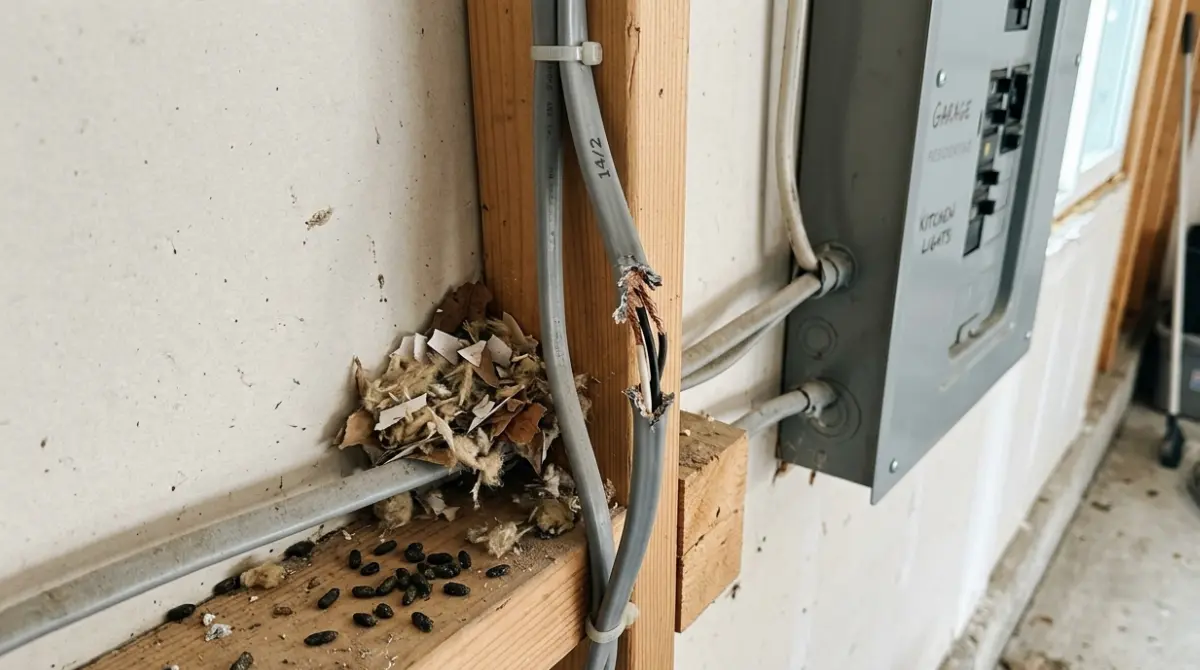
Table of Contents
Switch off the circuit at your breaker panel, keep people and pets clear of the damaged run, and book a licensed electrician.
Marks, but everything works? Book the inspection this week.
Burning smell, scorching, warm cover plate? That’s tonight.
Only heard scratching? Start with the signs.
Renting? Skip to who pays.
Kill the circuit, not just the switch
If you can’t tell which breaker feeds that run, shut off the main and let the electrician trace it.
Don’t clean up around it yet
Droppings sit where the damage is. The CDC’s cleanup guidance says not to sweep or vacuum them; wet-cleaning droppings safely keeps particles out of the air.
ℹ️ Safety Note: Damaged wiring carries shock and fire risk; droppings and nesting material carry disease risk. This is general understanding, not an inspection of your home. Hire a licensed electrician, and follow local code and permit rules — adoption varies by state.
Why a mouse goes for the wire, and where it will be
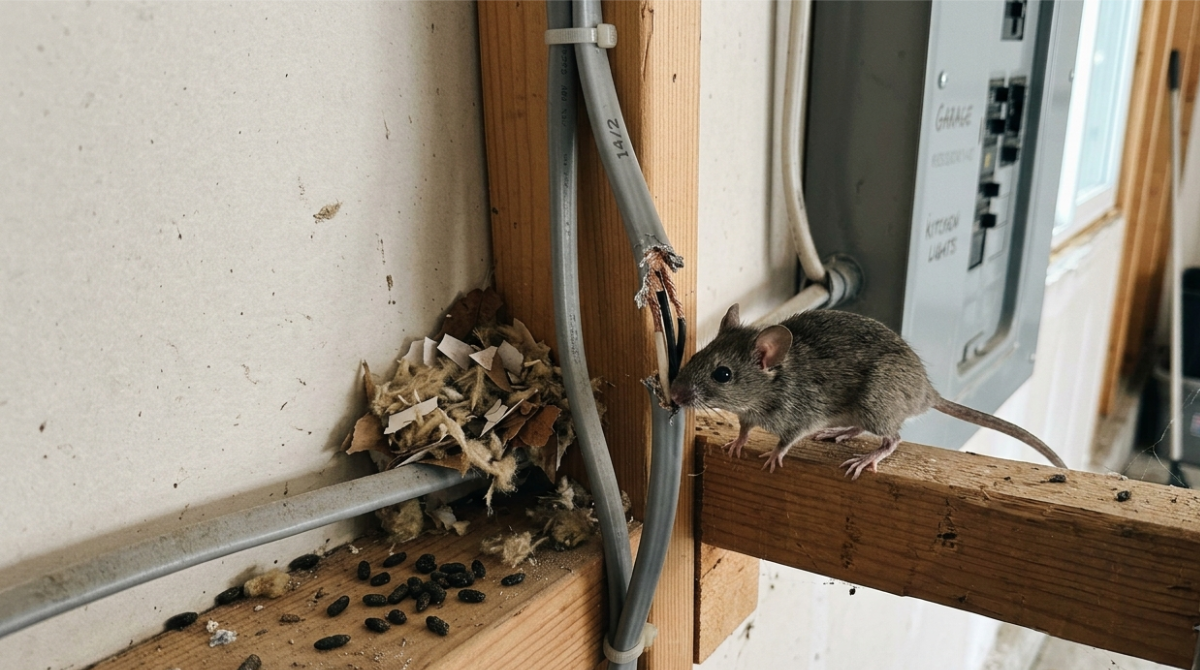
The useful question isn’t why mice chew cable. It’s where yours did.
It isn’t the taste, it’s the teeth
Rodent incisors grow continuously, so gnawing is maintenance, not appetite. UC IPM’s Pest Notes on the house mouse records the result: mice gnaw electrical wires and gas lines, and chew appliance cords as well as wires in walls.
The 30-foot rule that narrows the search
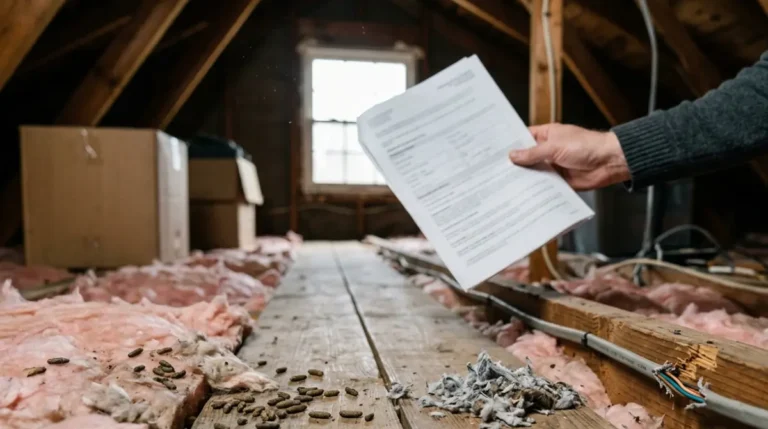
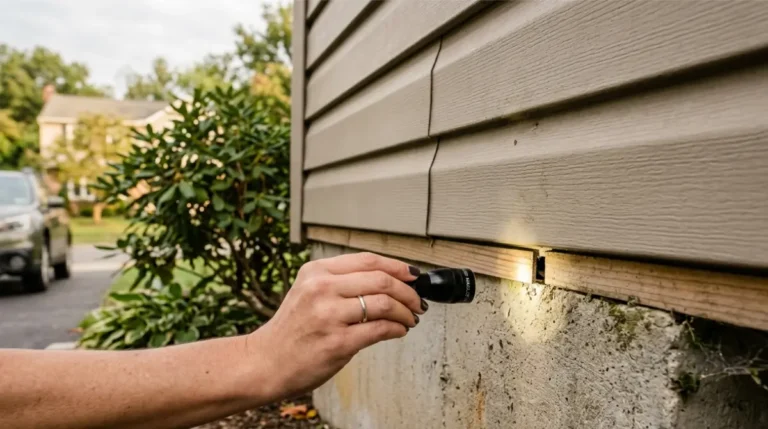
House mice seldom venture more than 30 feet from their nest. That turns a whole-house worry into a search radius: attic runs, crawl spaces, wall voids near pipe penetrations, cords behind appliances. They pass under quarter-inch gaps, so the cable’s entry hole is often one of the entry points most people walk past.
The signs that say a mouse has reached your wiring
Two questions get tangled here, and separating them saves a wasted call.
What points to rodents specifically
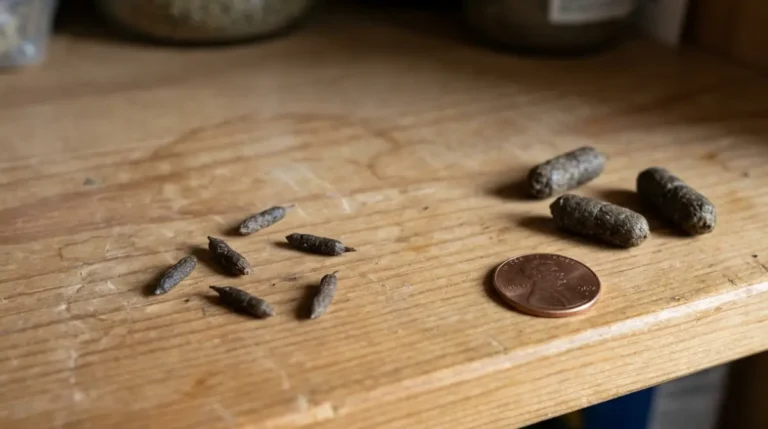
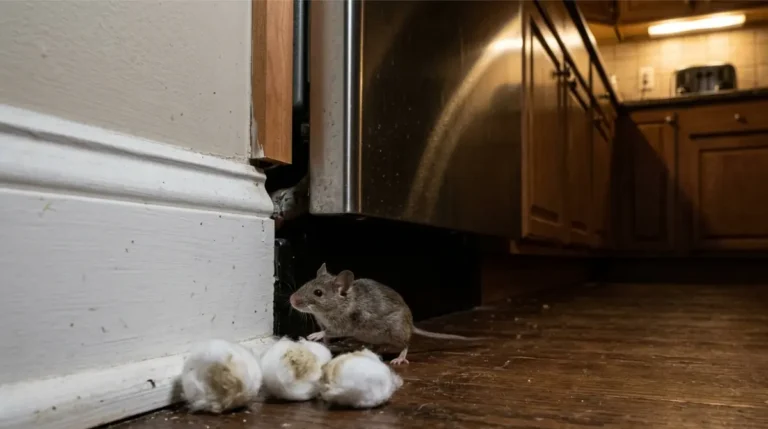
Fresh gnaw marks, droppings, shredded fibrous nests and a musky odour are what extension guidance lists for house mice, along with chewed appliance cords. These appear before anything electrical does, which is why scratching in the walls at night is worth acting on.
What points to an electrical fault, whatever caused it
Flickering lights and nuisance breaker trips are repeated everywhere as rodent symptoms. They aren’t. They justify an inspection whatever caused them, but they don’t tell you a mouse is responsible.
⚠️ Watch Out: A breaker that hasn’t tripped is not an all-clear. CPSC states that typical fuses and breakers do not respond to early arcing in home wiring, and that by the time one opens the circuit, a fire may already have begun.
What the fire risk actually is, and where the 25% figure came from
You’ve probably met the claim that rodents cause a quarter of house fires of unknown origin. It doesn’t hold up.
What the extension guidance actually says
UC IPM’s wording is careful: many fires of unknown origin are believed to be caused by rodents gnawing wires. Believed. No percentage, no dataset.
Where the percentage traces back to
It traces to an Entomological Society of America training slide hosted by Texas A&M Extension, citing no study. Asked for data behind the claim, the London Fire Brigade said in 2021 that it holds no category for rodent-related electrical fires, and that percentages can’t be drawn from its records.
📊 Spec: NFPA research found faulty wiring in concealed spaces dangerous because it can burn a long time before detection — over two in five wiring-equipment fires start where they’re unlikely to be spotted quickly. Source: NFPA, Home Electrical Fires, 2012–2016 data.
The percentage is unsupported. The fire risk isn’t, and mice chew in exactly those spaces.
What a proper repair looks like, and what won’t pass
Why tape and a twist isn’t a repair
The National Electrical Code requires connections to sit inside an approved enclosure that stays reachable after the wall closes. A splice buried behind drywall is a defect that resurfaces during a claim or a sale. You can read the code free.
What an AFCI does and doesn’t cover
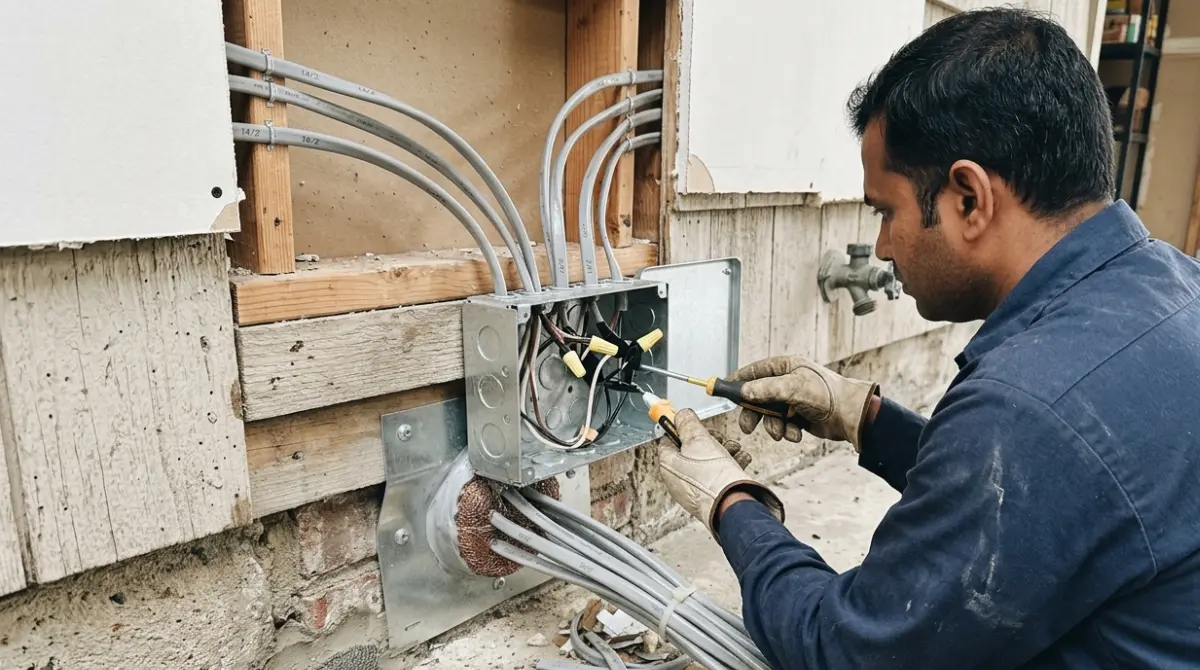
CPSC describes arc fault circuit interrupters as protection against fires from unsafe wiring, distinct from GFCIs, which address shock. An AFCI breaker doesn’t repair damaged cable — it sits behind a proper repair, never instead of one.
✅ Do This: CPSC says a qualified electrician should install AFCIs and you shouldn’t attempt it, because panels stay live even with the mains off. Ask yours: accessible box or new cable, and does this need a permit here?
What this costs, and why your insurer probably won’t pay
Why we’re not publishing a repair figure
The cost ranges online carry no methodology, and the real number turns on run length, access, and whether new cable must be pulled. We haven’t priced a job like this, so we’re not adding another figure to that pile. Get three itemised quotes.
The exclusion homeowners find out about too late
The standard homeowners policy form excludes damage caused by vermin and rodents. If a rodent-started fire follows, the fire damage may be covered while the chewed cable stays excluded. Read your policy’s exclusions, and photograph the damage before anything is repaired.
Keeping them off the wire next time
Close the route before you protect the wire
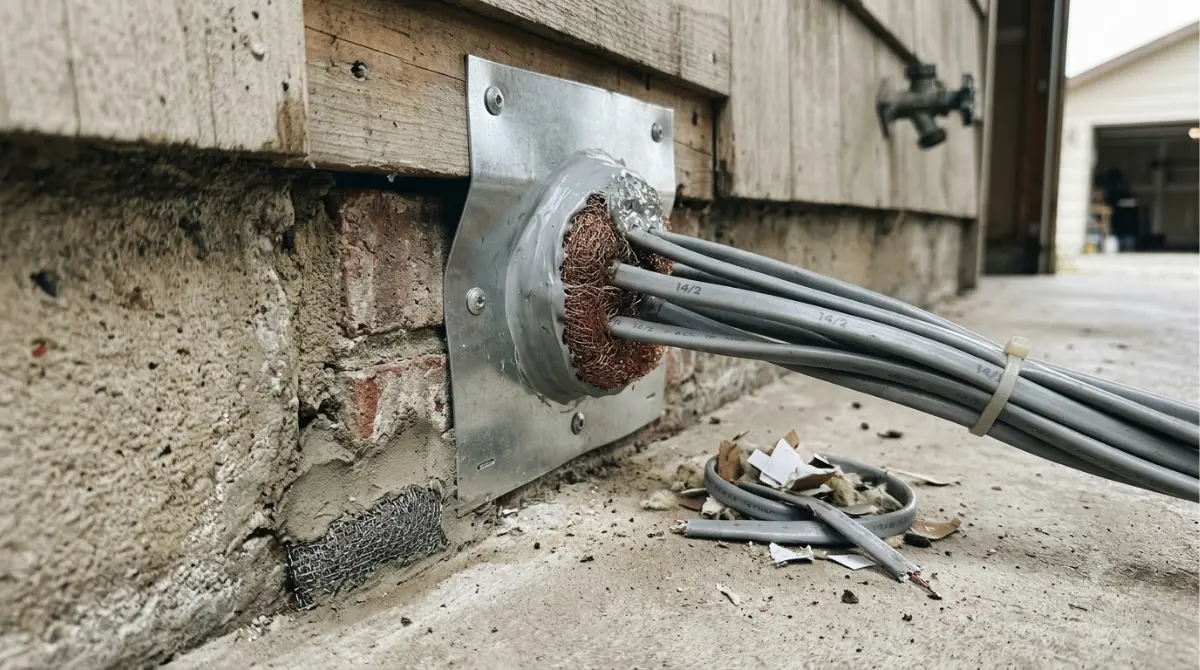
Exclusion is, in UC IPM’s assessment, the most successful and permanent form of house mouse control. Foam, vinyl, plastic screening and wood don’t hold; metal or concrete does. So sealing the penetration properly beats armouring the cable, and the rodent-proofing rules, including what’s legal where you live come first.
🛒 Our Pick: Stainless steel wool fill fabric, packed into the penetration and backed with metal or mortar. Chosen on the sourced material guidance above, not on testing — we haven’t run any.
What the evidence says about tapes and repellers
UC IPM finds little evidence that sound, magnetic or vibrational devices drive established mice out. Capsaicin deterrent tape has no authority backing we could find. Retro-fitting conduit is electrician work.
Chewed wiring questions people actually ask
1. Can mice chewing electrical wires start a fire?
Damaged wiring is a real ignition hazard, and concealed-space fires burn longest before detection. Have an electrician inspect it.
2. How do I know if mice chewed my wiring?
Gnaw marks, droppings, shredded nesting material and a musky odour point to rodents. Chewed appliance cords count too.
3. What should I do first?
Switch that circuit off at the panel, keep people and pets away, then book a licensed electrician.
4. Can I wrap the wire in electrical tape?
No. Connections must sit inside an approved, accessible enclosure. Leave the repair to a licensed electrician.
5. Does insurance cover mice chewing wires?
The standard policy form excludes vermin and rodent damage. A resulting fire may be covered; the cable usually isn’t.
6. Where do mice usually chew wires?
Within about 30 feet of the nest — attic runs, crawl spaces, wall voids near penetrations, cords behind appliances.
7. Do rodents cause 25% of unexplained fires?
No. The figure traces to a training slide citing no study, and fire services record no such category.
8. Do ultrasonic repellers stop mice chewing?
No. UC IPM finds little evidence that sound, magnetic or vibrational devices drive established mice out.
9. Should I vacuum the droppings?
No. CDC guidance says not to sweep or vacuum rodent droppings or nesting material. Wet-clean instead.
10. Will an AFCI protect me from a chewed wire?
An AFCI adds protection against arcing faults but doesn’t repair damage. Have a qualified electrician handle both.
Your next step
The circuit stays off and the electrician gets booked. Everything else is sequencing.
The one thing to verify: get the repair location and method in writing, and confirm whether your jurisdiction requires a permit and inspection. A hidden splice only surfaces when it costs you most.