The Common Causes of a Scratching Noise in Walls at Night

Scratching in the walls at night is usually a rodent — but flying squirrels, bats and the house itself all make the same sound after dark.
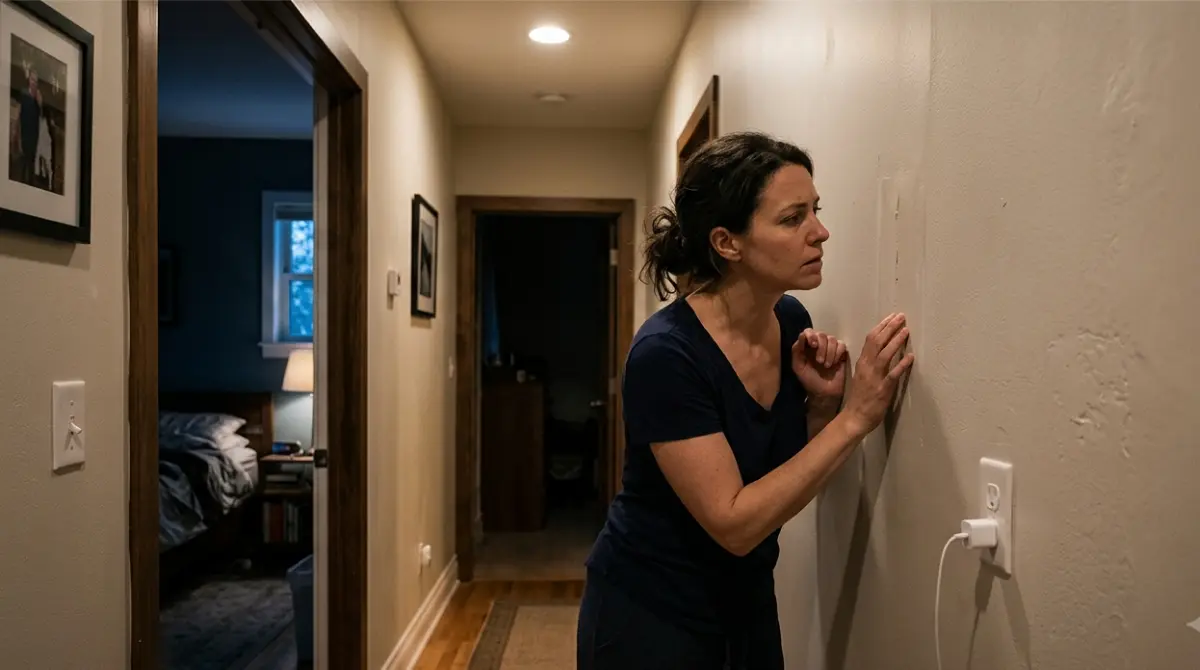
Table of Contents
It’s the third night running. The house goes quiet, the lights go off, and something starts working away inside the wall.
Most pages answer this with “mice” and stop. Often it is. But the texture of the sound, the hour you hear it, and where it sits in the structure narrow things much further — and some causes aren’t animals at all.
Heard it for the first time tonight? Start with the next section.
Already sure it’s rodents and want to know whether it matters? Skip to what it costs you.
Hearing flapping rather than scurrying? Read the bats section before you do anything else.
Renting? The last section is written for you.
ℹ️ Safety Note: This topic carries four real hazards — disease exposure from rodent droppings, urine and nesting material; rabies risk in any encounter involving a bat; poisoning risk to children, pets and wildlife from rodent baits; and falls or confined-space risk from inspecting at height, in an attic, or in a crawl space. What follows is for working out what you’re hearing. Don’t seal, bait, trap, or work at the roofline on the strength of it. Hire a licensed pest control operator, or a licensed wildlife control operator for bats, squirrels and raccoons. For any possible bat contact, call your local health department or a healthcare provider.
What the sound itself is telling you
A scratching noise in walls at night usually means an animal is moving or gnawing inside a wall cavity. Three things narrow it fast: what the sound is like, what hour it starts, and where in the structure it sits.
Texture
Fine, rapid scurrying is a small animal travelling. Slow, rhythmic rasping is gnawing — an animal working its teeth on something. Soft fluttering is neither, and matters most.
Timing
Note the clock, not just “at night.” Activity that starts shortly after dark and returns before dawn points somewhere quite different from activity spread across the whole night.
Location
A stud bay behind a bedroom wall, a ceiling joist run, and a soffit at the roofline are three separate problems. Name the spot before you name the animal.
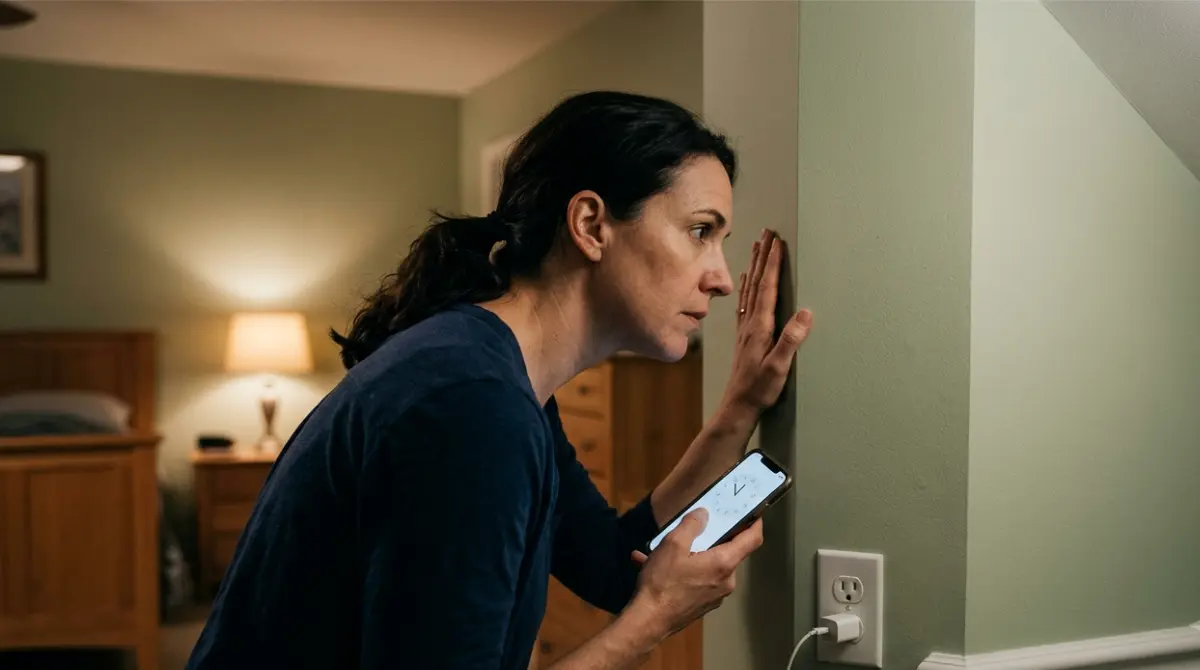
🔍 Why It Works: You hear this at night because the animals most likely to be inside are nocturnal, and because a quiet house drops the background noise far enough for movement inside a cavity to carry through drywall. The activity often isn’t new. Your ability to hear it is.
The five things it’s most likely to be
The standard rule of thumb is that night noise means rodents and day noise means squirrels. It’s roughly right, and it has one exception that catches people out.
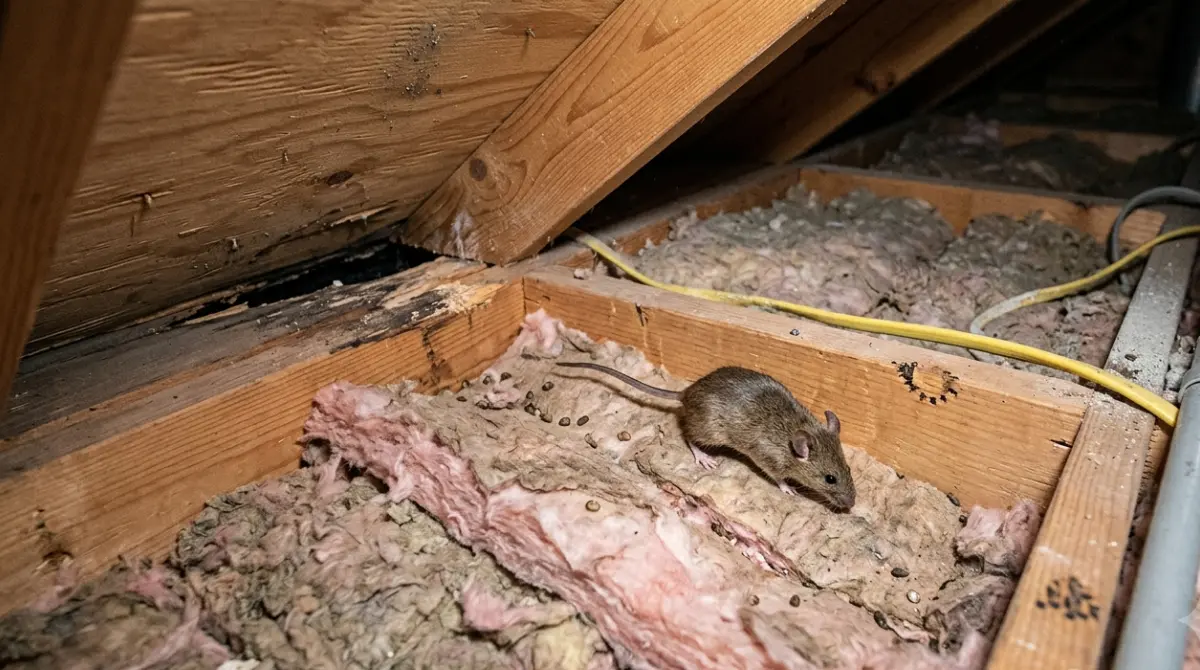
| Sound | When you hear it | Key detail |
|---|---|---|
| Light scurrying, fine gnawing | Across the night | House mice — get in through gaps around ¼ inch |
| Heavier scurrying, dragging | Across the night | Rats — same routes, more weight behind the sound |
| Scampering, rolling, thumps | Dawn and daylight | Grey and fox squirrels — active by day |
| Scurrying shortly after dark, again before dawn | Night | Flying squirrels — nocturnal, and they roost in groups |
| Light scratching, faint fluttering | Dusk to dawn | Bats — read the next section first |
Sourced from NC State Extension and University of Nebraska–Lincoln Extension. No hands-on testing was performed for this table.
The squirrel exception
Flying squirrels are nocturnal, unlike other tree squirrels, and they den in colonies. Nebraska Extension’s guidance on tree squirrel damage notes that homeowners often hear scurrying in the ceiling shortly after dark and again before dawn — the signature that separates them from mice.
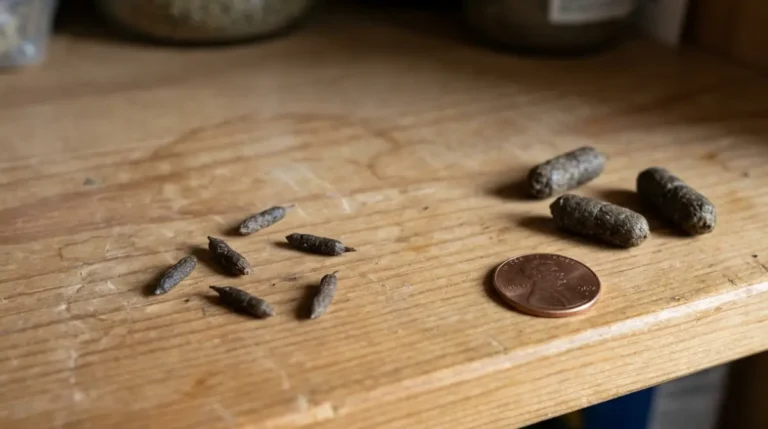
If you’ve found no droppings
Nothing in your living space rules out nothing in a cavity you haven’t opened. NC State Extension’s guidance on structure-invading mice puts adult mouse entry at gaps of about ¼ inch, which is most of the openings in an average house.
When it isn’t an animal at all
Worth knowing before you pay anyone: every page currently ranking above this one is published by a company that sells pest removal. None of them will tell you this part.
The building itself
Framing and ductwork expand and contract as the house cools at night, which produces ticking, creaking and popping on a schedule that can look convincingly like a routine. Water moving through pipes does something similar.
Outside the wall
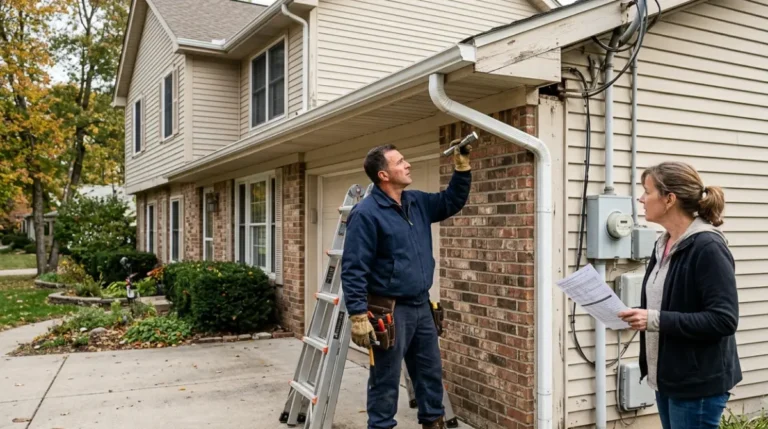
A branch against siding in wind scrapes. A loose vent louvre rattles. Both read as “inside” through a wall, and both are free to fix.
✅ Do This: Check for the outside causes in daylight, from the ground. Walk the wall you’re hearing and look for anything touching the siding. Don’t go up a ladder at night to investigate a noise.
If it’s bats, the rules are different
This is the one branch where acting on instinct can go badly wrong, and it’s the branch the competing pages give a single line to.
What it sounds like
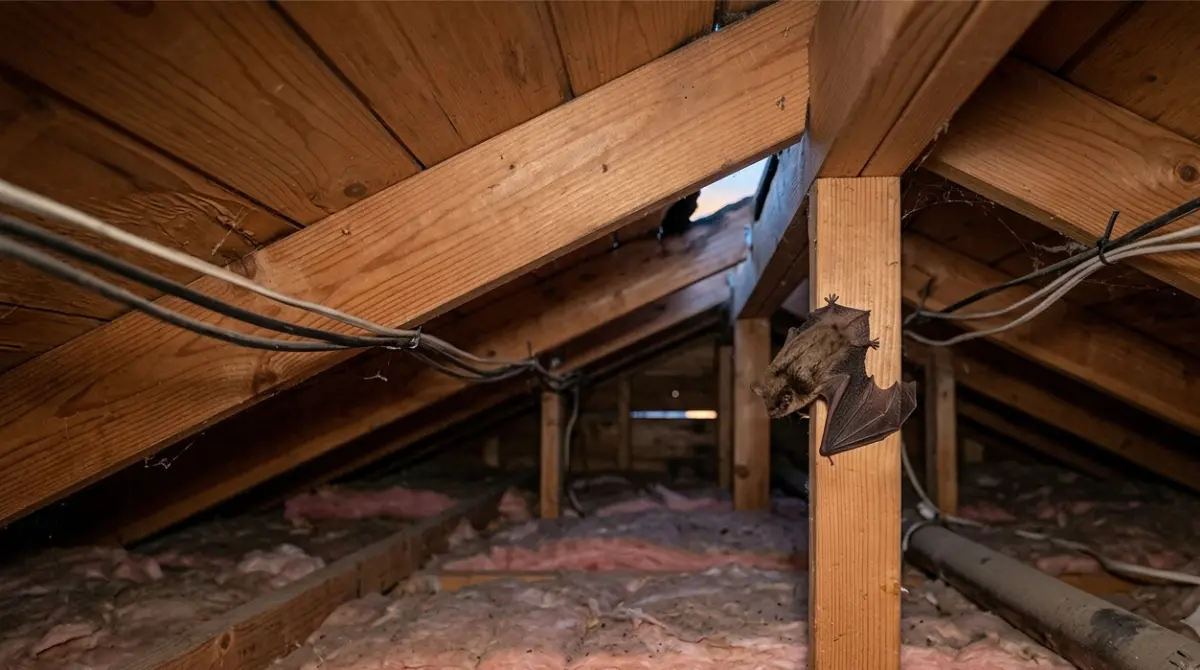
Lighter than a rodent — scratching without the gnawing, sometimes faint fluttering, concentrated around dusk and again before dawn. The CDC notes that bats get in through openings as small as ¼ inch, the same threshold as mice.
Why a bat indoors is treated differently
Bat bites can be small enough that you don’t know you were bitten, which is why the CDC’s guidance on bats and rabies says to speak to a medical professional about any possible contact rather than judging it yourself.
✅ Do This: If a bat has been inside a room where someone was asleep, or with a young child or anyone who can’t reliably say whether contact happened, call your local health department or a healthcare provider — that assessment isn’t one to make at home. Don’t handle, release, or chase the animal. For a suspected roost, use a licensed wildlife control operator and ask whether they’re licensed for bat exclusion in your state and use one-way devices.
Why the month matters
📊 Spec: Penn State Extension’s timing guidance for excluding bats sets out a calendar: seal January to April, before bats return; May to August, watch for entrances but do not seal; install one-way doors August to October; seal again November to December. Pups are flightless until around mid-July. Source: Penn State Extension. CDC gives the same caution in softer terms.
Seal in the wrong month and you trap flightless young inside a wall. Some species are protected, and some states restrict exclusion by date — check your state wildlife agency, because this varies.
What it costs you if you leave it
The health side, in proportion
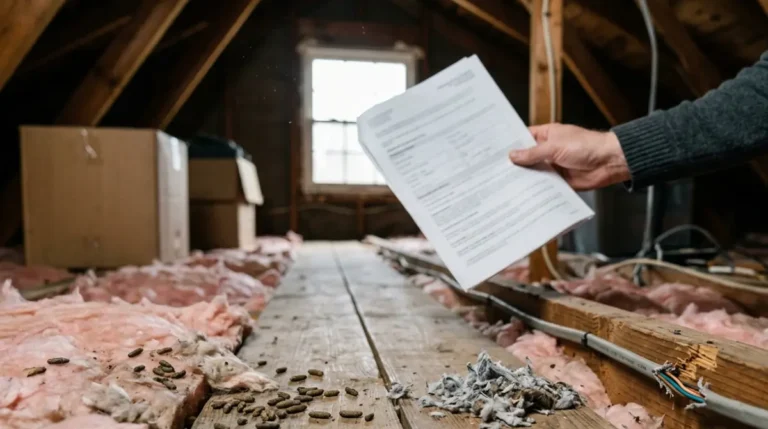
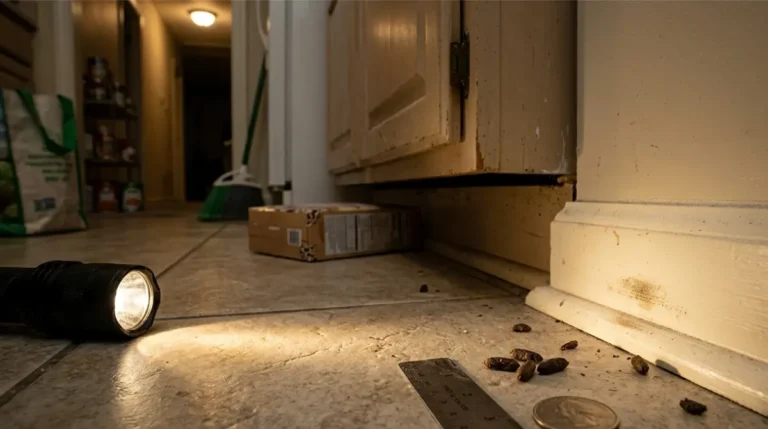
Droppings, urine and nesting material are the exposure route, not the noise. The CDC’s cleanup guidance is that you don’t sweep or vacuum any of it, because dry methods put particles into the air you’re breathing. Wet cleaning, gloves, and the protective gear that job actually needs come first.
The wiring question, and the number everyone repeats
⚠️ Watch Out: You’ll see it stated everywhere that rodents cause 20–25% of house fires of undetermined origin. We went looking for where that came from. It appears in pest-industry marketing, an insurance-trade commentary piece, and boilerplate in patent filings for rodent-resistant cable — none citing a fire-service dataset. We couldn’t trace a primary source, so we won’t repeat it as fact.
The underlying concern is real without it. Rodents gnaw continuously, and cable in a wall cavity is among the things they gnaw. If you find damaged wiring, that’s a licensed electrician’s job, not yours.
What to do tonight, and what to do this week
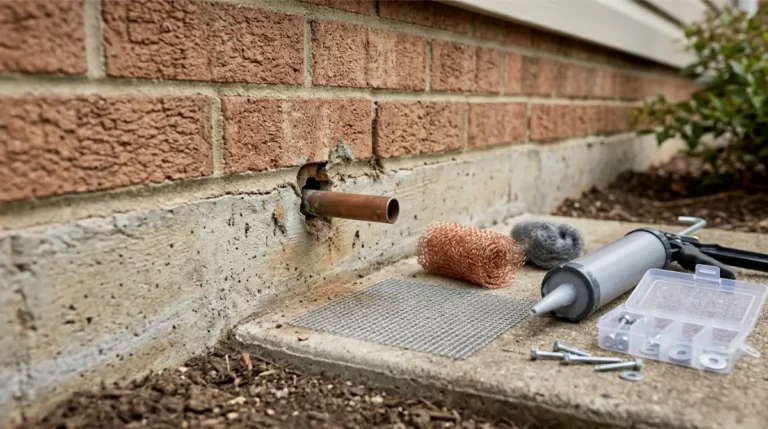
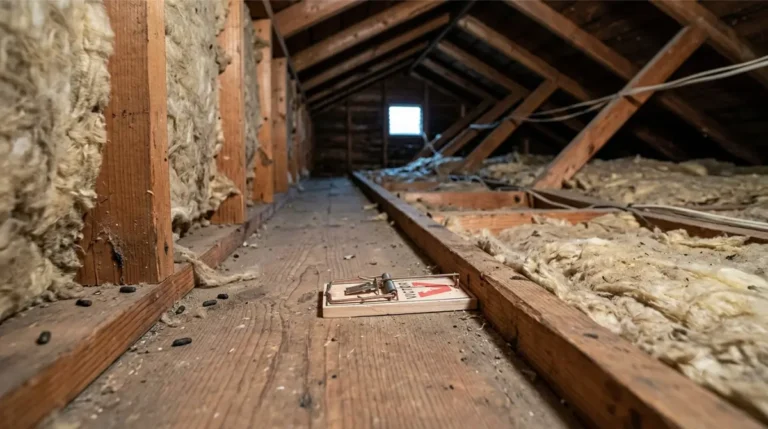
Don’t seal anything yet. Sealing before you know what’s in there, and whether it’s out, is how you end up with a dead animal in a closed cavity.
Tonight
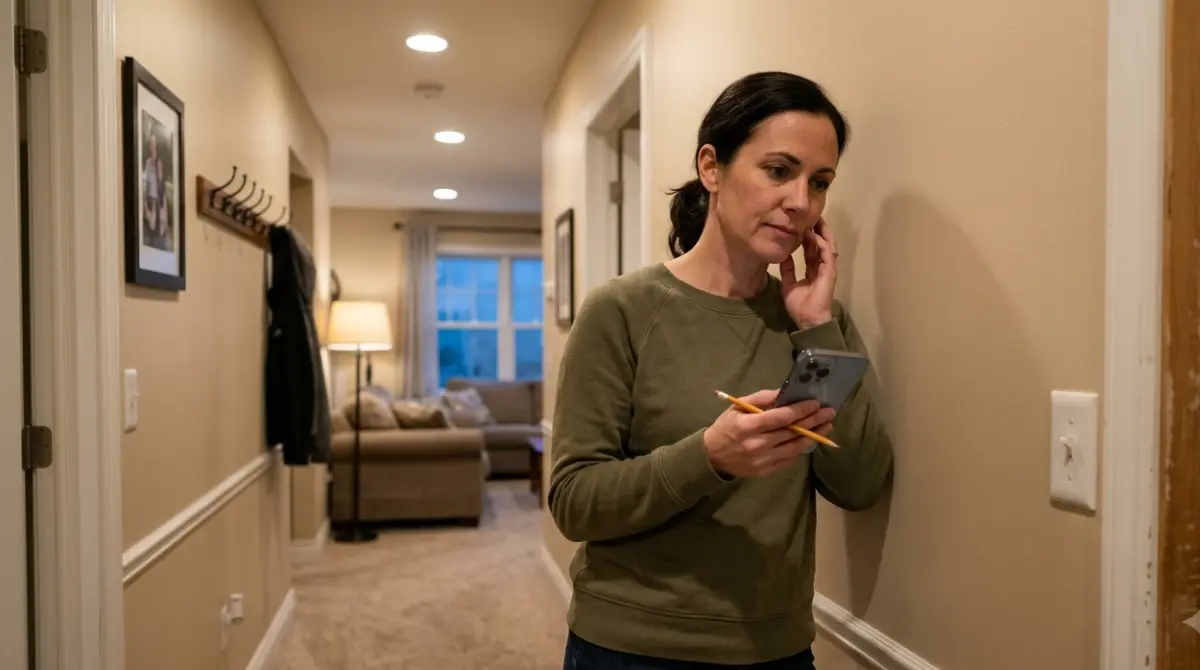
Write down three things: which wall, what time it started, what the sound was like. It’s the first thing any competent operator will ask you.
This week
Match the animal to the right professional — a pest control operator for rodents, a wildlife control operator for bats, squirrels and raccoons. Then move on to closing the gaps they’re getting in through, and what to ask before you sign with a pest control company.
Renting? Don’t seal or treat anything yourself — most leases don’t allow it, and doing so can shift the liability onto you. Report it in writing, and the escalation path when a landlord won’t act works the same way here.
Questions people ask about noises in the walls
1. What causes a scratching noise in walls at night?
Usually an animal moving or gnawing in a wall cavity. Texture, hour and location narrow it much further than “mice.”
2. Is it mice or rats in my wall?
Both are active across the night. Rats put more weight behind the sound; mice scurry lighter and gnaw finer.
3. Do squirrels make noise at night?
Grey and fox squirrels are day-active. Flying squirrels are nocturnal, heard shortly after dark and again before dawn.
4. What does a bat in the wall sound like?
Lighter scratching than a rodent, sometimes faint fluttering, concentrated at dusk and dawn. If a bat has been in a room with anyone sleeping, call your local health department.
5. Can the noise be something other than an animal?
Yes. Framing and ductwork tick as the house cools, and branches or loose vent louvres scrape from outside.
6. Why do I only hear it at night?
The animals most likely to be inside are nocturnal, and a quiet house lets cavity noise carry through drywall.
7. Is scratching in the walls dangerous?
The risk sits in droppings and nesting material, not the noise, plus gnawed wiring. Follow CDC cleanup guidance and call an electrician for damaged cable.
8. Should I call an exterminator or wildlife control?
Pest control operators for rodents. Licensed wildlife control operators for bats, squirrels and raccoons — different licensing, different methods.
9. I hear scratching but found no droppings. What does that mean?
Very little. Nothing visible in your living space doesn’t rule out activity in a cavity you haven’t opened.
10. Will the noise stop on its own?
It can go quiet without the cause being resolved — animals move within a structure. Silence isn’t confirmation.
Your next step
Before you call anyone, spend three nights writing down the wall, the hour and the sound. It costs nothing and it’s the exact information an operator needs to quote you properly.
The one thing to get right first: don’t seal until you know what’s inside and whether it’s out — and if there’s any chance it’s bats, the month you do it changes what’s safe and what’s legal.