
Your Real Mold Remediation Cost Room by Room

Mold remediation cost depends entirely on which room you’re treating — bathrooms run $500, HVAC systems top $10,000. Get the real numbers here.
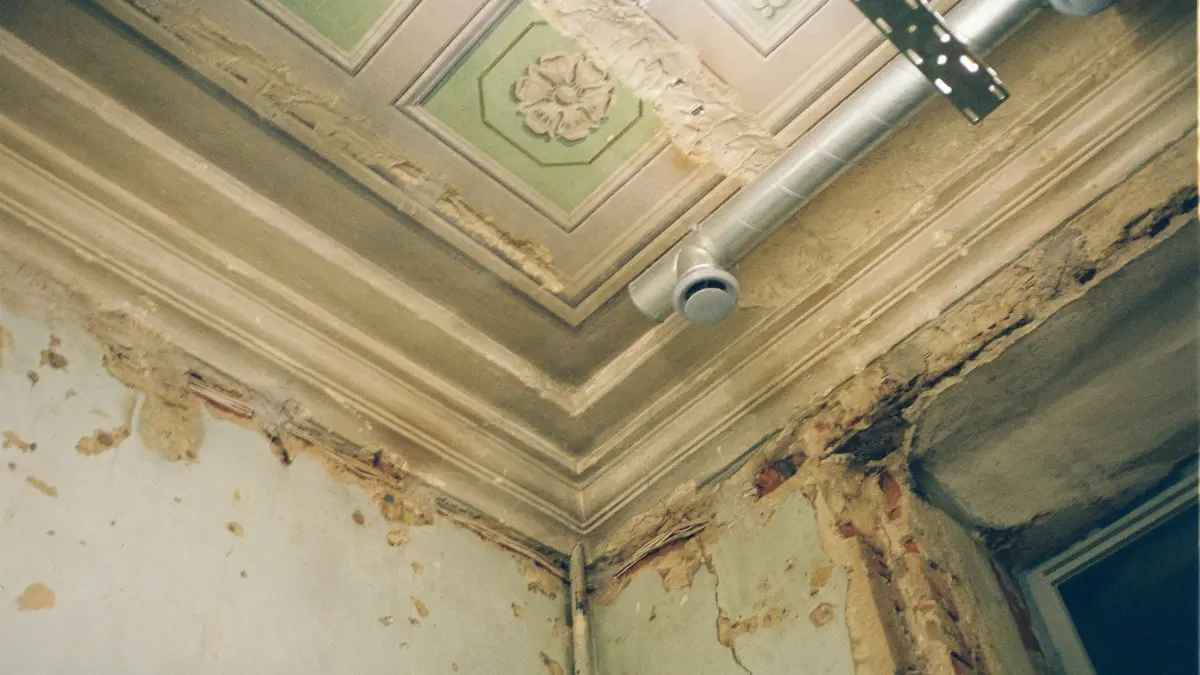
Mold remediation costs between $1,500 and $3,500 for most US homeowners — but that number can fall to $500 for a small bathroom patch or climb past $10,000 for a basement or attic with mold damage that has spread into structural materials.
That range is useless without context.
Room type, square footage, and mold species drive nearly every dollar of the difference. This guide breaks each variable down room by room so you know exactly where your situation falls before a contractor ever walks through your door.
Every figure here reflects current US national averages. Regional labor rates, mold extent, and structural complications can all shift your final cost estimate — which is why each room section also tells you what pushes costs toward the higher end.
Managing home improvement costs starts with knowing which projects carry the most financial risk. Mold remediation consistently ranks near the top.

- cloth
- Made in the USA and Imported
- NIOSH APPROVED for at least 95 percent filtration efficiency against certain non-oil based particles
What affects the cost of mold remediation
Several variables determine your mold remediation cost — and understanding them is the fastest way to judge whether a contractor quote is fair or inflated:
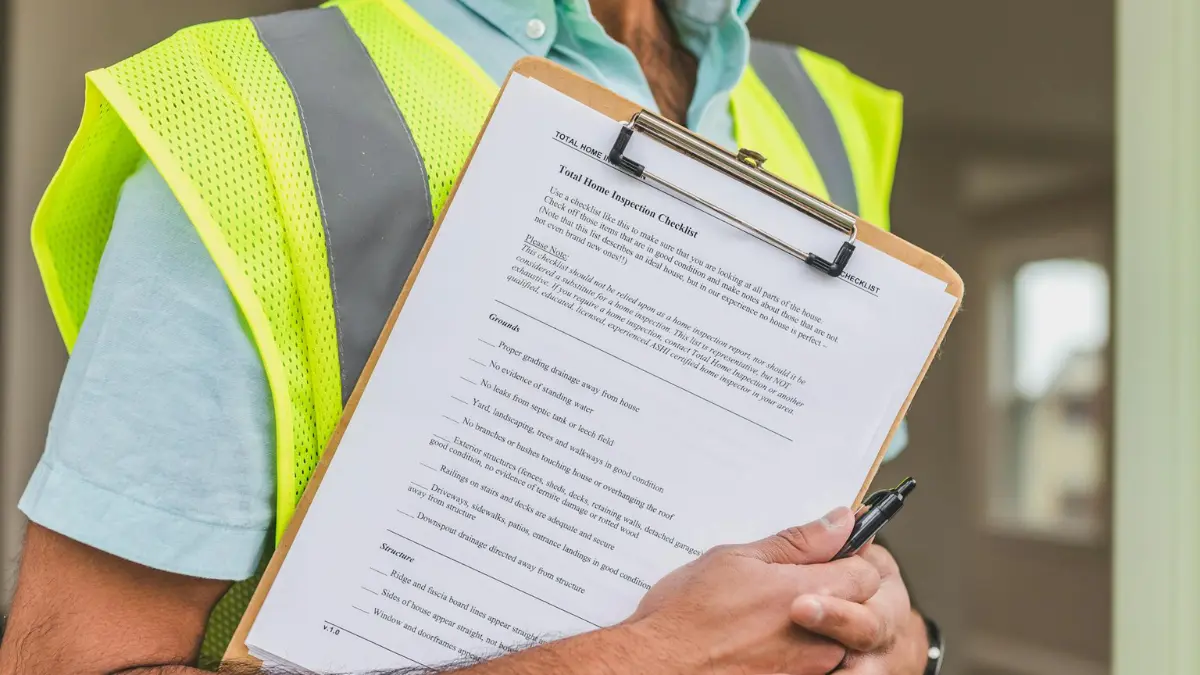
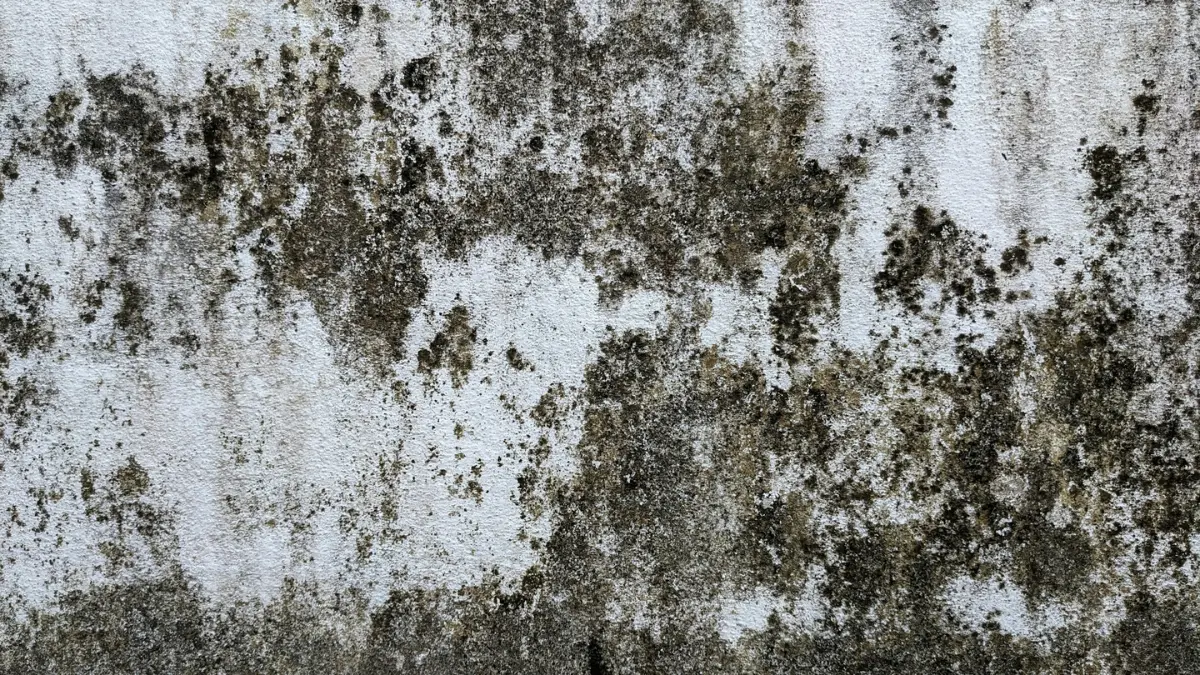
- Size of the affected area: Surface mold covering fewer than 10 square feet is a small job. Mold that has migrated into drywall, subflooring, or insulation multiplies both containment requirements and labor hours — and the per-square-foot cost rarely decreases as the job gets larger.
- Location in your home: Accessible surfaces like bathroom tile cost significantly less to treat than mold inside wall cavities, behind cabinetry, or in a crawl space that requires specialized access equipment.
- Mold type and severity: Surface molds on non-porous materials respond to standard antimicrobial treatment. Structural mold, or confirmed black mold, demands more intensive containment protocols and mandatory post-clearance verification.
- Regional labor rates: Remediation in high-humidity Southern states and coastal markets typically runs 20–30% above the national average.
- Post-remediation clearance testing: Adds $150–$400 to the final bill — and skipping it is the single most common reason homeowners pay for remediation twice.
According to the EPA’s mold cleanup guidance for homeowners, any mold-affected area exceeding 10 square feet warrants a licensed professional rather than a DIY approach.
A home mold test kit ($20–$45) can confirm you’re actually dealing with mold before spending on a contractor visit. For identifying what you’re looking at, our guide to identifying mold early covers the signs most homeowners miss until costs are already climbing.
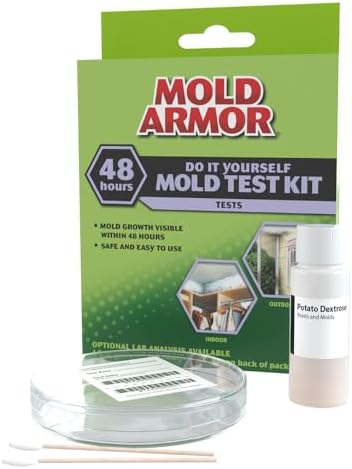
- FIND MOLD FAST: This MOLD ARMOR Do It Yourself home mold test safely and easily tests for the presence of mold with visi…
- FOR INDOOR AND OUTDOOR TESTING: The Do It Yourself Mold Test Kit can be used for indoor or outdoor mold testing. Tests i…
- THREE TESTING METHODS: (1) Indoor Air Quality Test Method (2) Air Conditioning & Heating Sample Method (3) Surface Sampl…
Mold remediation cost by room
Your room determines your cost more than almost any other factor — here is what each space in a typical US home runs for professional mold remediation:
| Room | Average Cost | Typical Area | DIY Possible? |
|---|---|---|---|
| Bathroom | $500–$1,500 | 10–50 sq. ft. | Small surface mold only |
| Kitchen | $500–$3,000 | 10–100 sq. ft. | Small surface mold only |
| Bedroom / Living Area | $500–$2,000 | 10–50 sq. ft. | Small surface mold only |
| Basement | $1,500–$4,000 | 100–300 sq. ft. | Rarely |
| Attic | $1,500–$7,000 | 200–500 sq. ft. | No |
| Crawl Space | $1,500–$5,000 | Varies | No |
| HVAC System | $3,000–$10,000 | Full system | No |
US national contractor averages, 2024–2025. Regional rates vary significantly.
ℹ️ Disclaimer: Always get a minimum of three quotes from IICRC-certified contractors before committing. Costs vary by region, mold extent, and structural conditions specific to your home.
Bathroom mold removal cost
Bathroom mold removal typically costs $500 to $1,500 for surface mold on tile and grout. Cost jumps when mold has reached the cement board or wall cavity behind shower walls — expect $200–$800 in drywall repair added to the remediation invoice, which is the line item most homeowners don’t see coming until the wall is opened.
Basement mold remediation cost
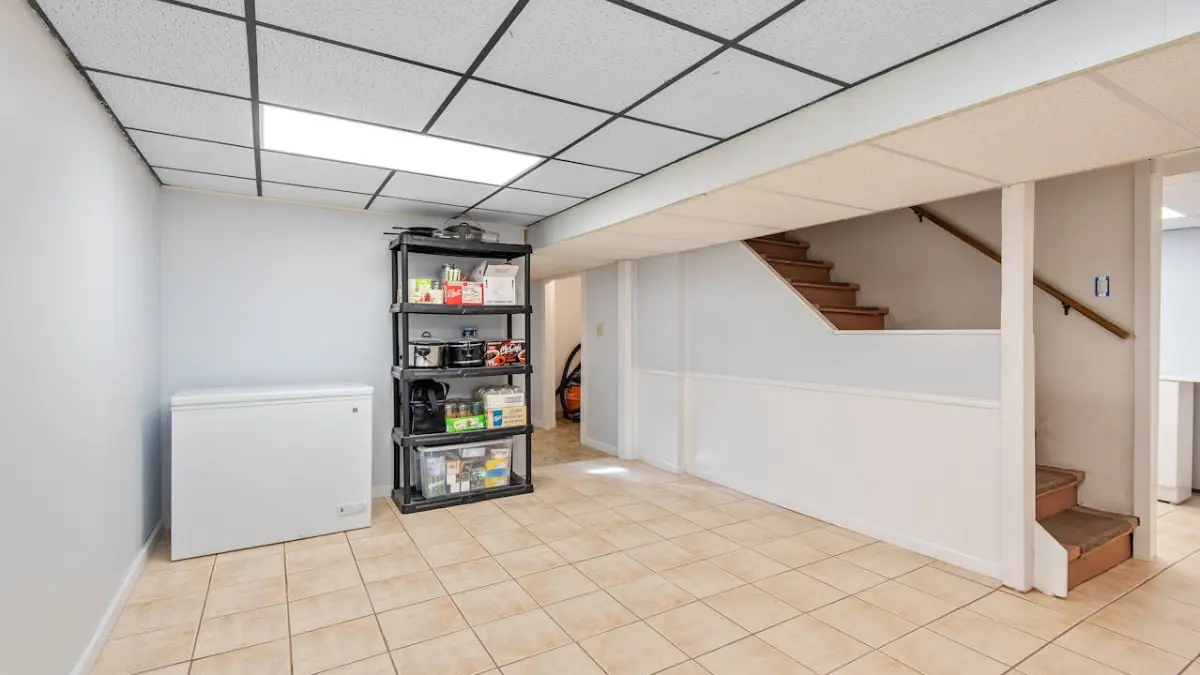
Basement mold remediation averages $1,500 to $4,000 — more than any other living space — because basements combine high humidity, organic food sources (wood framing, drywall), and limited airflow. Fixing the underlying basement moisture problems permanently is the only way to prevent mold from returning after remediation.
Attic mold remediation cost
Attic remediation runs $1,500 to $7,000 — the widest range of any room — because attic mold frequently requires insulation removal, which adds $1 to $2 per square foot on top of standard remediation costs. The ridge vent area and the space around the attic hatch are where inspectors find the highest mold concentrations in the overwhelming majority of attic jobs.
Kitchen, crawl space, and HVAC costs
Kitchen mold averages $500 to $3,000 and most commonly originates under the sink or behind the refrigerator — both accessible locations that keep labor costs lower. HVAC mold remediation reaches $3,000 to $10,000 because mold inside ductwork distributes spores throughout every room in the home before the source is ever identified, requiring full system inspection and treatment.
📌 Pinterest: The room cost table above is the pinnable reference graphic for this article (@gladewick). Save it before requesting contractor quotes or filing an insurance claim.
What professional mold remediation includes
A licensed mold remediation contractor — one following IICRC Standard S520 — will walk through these five steps before declaring the job complete, and understanding them beforehand (as covered in our guide to mold testing and inspection) helps you verify you’re getting a complete scope of work:

- Inspection and testing — The contractor maps the full extent of mold growth, collects air and surface samples, and identifies the species involved. Legitimate contractors provide a written remediation protocol at this stage, before any physical work begins.
- Containment — Polyethylene sheeting and negative air pressure barriers isolate the affected area from clean spaces. This prevents mold spores from migrating to unaffected rooms during removal — a step that cut-rate operators routinely skip.
- HEPA air filtration — Industrial air scrubbers with HEPA filters run continuously throughout the job, capturing airborne spores that containment barriers alone cannot catch.
- Removal and antimicrobial treatment — Mold-affected materials are removed and treated with EPA-registered antimicrobials. Porous materials that cannot be fully cleaned — drywall, insulation, certain wood substrates — are bagged and discarded, not just treated in place.
- Post-remediation clearance testing — An independent inspector verifies that airborne spore levels have returned to pre-remediation baseline. This step is what separates a finished, defensible job from a contractor simply handing back the keys.
💡 Expert Note: Clearance testing must be performed by a third party — never the same company that did the removal. An independent clearance result is the only one that holds up to scrutiny if mold recurs or you sell the home.
DIY vs. professional mold removal: making the call
DIY mold removal is safe only for small, contained surface mold — typically less than 10 square feet on non-porous materials like tile, sealed concrete, or glass — using an N95 respirator, chemical-resistant gloves, and an EPA-registered mold cleaner. Any mold that has penetrated porous materials, exceeded 10 square feet, or found its way inside walls or ductwork requires a licensed professional, full stop.
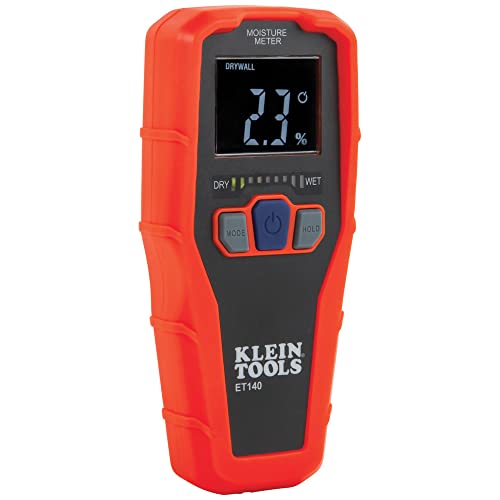
- WATER LEAK DETECTOR detects relative moisture content from leaks and flooding
- PINLESS MOISTURE METER measures relative moisture content in building materials
- NONDESRUCTIVE DETECTION up to 3/4-Inch deep using Electromagnetic field (EMF) technology
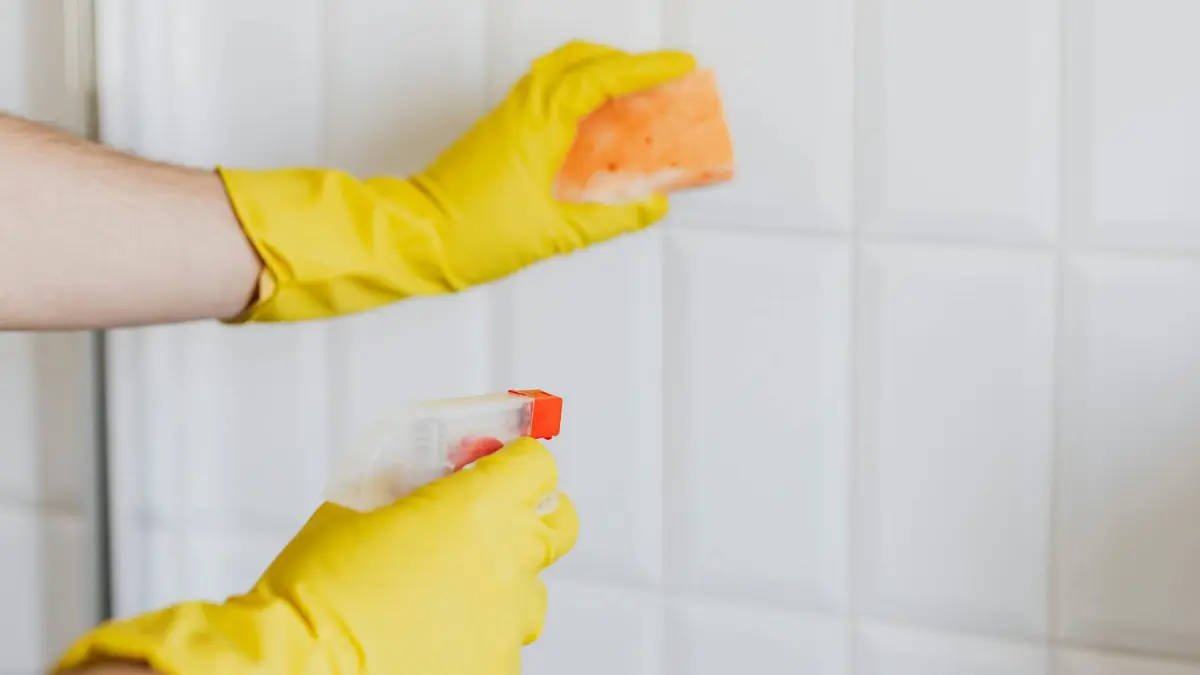
When DIY mold removal is safe
The table below is the fastest way to check your situation before spending money either direction:
| Factor | DIY Safe ✓ | Hire a Professional ✗ |
|---|---|---|
| Affected area | Under 10 sq. ft. | 10 sq. ft. or more |
| Material type | Non-porous (tile, glass, sealed concrete) | Porous (drywall, wood, insulation) |
| Mold location | Visible surface only | Inside walls, under flooring, in HVAC |
| Moisture source | Identified and fixed | Unknown or still active |
| Household health | No respiratory conditions present | Asthma, allergies, or immune suppression present |
For a confirmed small surface job, a mold test kit ($20–$45) and an N95 respirator rated for mold are the two purchases that separate a safe DIY attempt from a problem that lands back at a contractor six months later.
When to always hire a professional
Hire a licensed contractor without attempting DIY if mold covers more than 10 square feet, if it has reached structural materials like drywall or subflooring, or if the moisture source hasn’t been positively identified and repaired.
⚠️ Warning: If anyone in your household has asthma, a diagnosed mold allergy, or a compromised immune system, do not attempt DIY mold removal regardless of the affected area size. Disturbing mold releases spores; inhaling them during removal is the highest-risk moment in the entire process.
How mold type changes what you pay
Not all mold costs the same to remediate — and the species involved is one of the few variables that can push a mid-range job into high-cost territory with no change in the affected square footage.
Surface molds vs. structural molds
Surface molds like Cladosporium and Penicillium grow on non-porous materials and respond to standard antimicrobial cleaning. Structural mold — mold that has penetrated drywall paper, wood framing, or subfloor sheathing — requires those materials to be physically removed, which immediately increases both labor time and disposal costs.
| Mold Category | Common Species | Cost Premium | DIY Possible? |
|---|---|---|---|
| Surface mold | Cladosporium, Penicillium | Baseline | Small jobs only |
| Structural mold | Aspergillus, Chaetomium | +25–40% | No |
| Black mold | Stachybotrys chartarum | +30–50% | No |
Black mold and the cost premium
Black mold (Stachybotrys chartarum) removal costs 30 to 50% more than standard remediation — typically $2,500 to $6,000 or higher — because the containment, filtration, and clearance protocol is significantly more intensive than for common surface molds.
⚠️ Warning: Visual identification is not a reliable way to confirm black mold. Dark mold is not always Stachybotrys, and Stachybotrys is not always visibly black. According to the CDC’s information on mold in the environment, professional air quality testing is the only accurate method of species identification. A species-identification test kit ($40–$70) can provide preliminary results before a contractor visit.
What to do before you call a contractor
Getting three quotes is not enough by itself — getting three informed quotes is what protects you financially and ensures the job actually gets done right.
Before calling anyone, do these five things:
- Document the affected area. Photograph every visible mold location and measure the square footage. This prevents scope creep and gives you a reference point if the contractor’s findings differ significantly from what you saw.
- Check your homeowners insurance policy. Call your insurer before remediation begins — not after. Some policies cover mold from sudden water events; most exclude gradual moisture damage. Get any coverage confirmation in writing.
- Identify and fix the moisture source. No contractor can permanently solve a mold problem the moisture source is still feeding. The remediation quote should address cause and symptoms, not symptoms alone.
- Request IICRC certification from every contractor. Any legitimate professional can provide their certification number on request. A company that hesitates is a company to pass on.
- Ask for clearance testing in writing. This single question separates contractors who are confident in their work from those who would rather not be held accountable to a result.
- WATER LEAK DETECTOR detects relative moisture content from leaks and flooding
- PINLESS MOISTURE METER measures relative moisture content in building materials
- NONDESRUCTIVE DETECTION up to 3/4-Inch deep using Electromagnetic field (EMF) technology
After remediation, a HEPA air purifier ($100–$300) in the treated room maintains air quality long-term. Applying a mold-resistant primer to repainted surfaces before your topcoat adds another layer of protection for pennies per square foot compared to remediation costs.
For a complete breakdown of what mold remediation fits into across your overall budget, our home improvement cost guide covers the full range of high-priority home maintenance projects and what to plan for financially.
Frequently asked questions about mold remediation cost
1. How much does mold remediation cost on average?
Mold remediation costs between $1,500 and $3,500 for most US homeowners. Prices range from $500 for small bathroom surface mold to more than $10,000 for large basement or attic jobs where mold has penetrated structural materials. Room type, square footage, and mold species are the three variables that move the number most.
2. What is the most expensive room to remediate for mold?
HVAC mold remediation is the most expensive at $3,000 to $10,000, because mold inside ductwork spreads spores through every room and requires full system treatment. Attics are a close second at $1,500 to $7,000, primarily because remediation often requires insulation removal, which adds significant cost per square foot.
3. Can I remove mold myself?
DIY mold removal is safe for surface mold under 10 square feet on non-porous materials — use an N95 respirator, gloves, and an EPA-registered cleaner. Any mold removal involving porous materials, more than 10 square feet, or mold inside walls, flooring, or HVAC requires a licensed professional regardless of how accessible the area appears.
4. Does homeowners insurance cover mold remediation?
Coverage depends on the cause of the moisture. Most policies cover mold resulting from a sudden event — such as a burst pipe — but exclude mold from gradual buildup or deferred maintenance. Contact your insurer before remediation begins and ask specifically about mold endorsements; get any coverage confirmation in writing before work starts.
5. How long does mold remediation take?
Small single-room jobs take one to two days. Medium-scale remediation — a full basement or multiple-room spread — runs three to five days. Large jobs such as full attic treatment with insulation removal can take up to two weeks. Post-remediation clearance testing adds one to three additional days after physical work is complete.
6. What is included in mold remediation?
Professional mold remediation includes inspection and testing, containment barriers, continuous HEPA air filtration, removal of mold-damaged materials, antimicrobial surface treatment, and post-clearance testing by an independent inspector. A thorough contractor also addresses the underlying moisture source — remediation without fixing that cause is a temporary solution that rarely holds.
7. How much does black mold removal cost?
Black mold (Stachybotrys chartarum) removal costs 30 to 50% more than standard remediation — typically $2,500 to $6,000 or higher. The premium reflects more intensive containment, longer air filtration requirements, and mandatory post-clearance verification. Species cannot be reliably confirmed by appearance alone; professional air quality testing is required.
8. Is mold remediation worth it?
Yes. Untreated mold causes progressive structural damage, decreases property value, and creates disclosure obligations during a home sale. The cost of remediation is nearly always lower than the cost of delayed treatment — mold that has reached load-bearing framing or HVAC components is exponentially more expensive to address than mold caught early.
9. What causes mold to grow in homes?
Mold requires moisture, oxygen, and an organic food source such as drywall or wood. Common causes include roof leaks, plumbing leaks, indoor humidity above 60%, condensation on pipes and windows, inadequate bathroom exhaust ventilation, and flooding. Eliminating the active moisture source before or during remediation is the only step that prevents recurrence.
10. How do I know if I need professional mold remediation?
Hire a professional if the affected area exceeds 10 square feet, if mold is inside walls, under flooring, or in HVAC ductwork, if floodwater or sewage was involved, or if anyone in your household has asthma, a mold allergy, or a compromised immune system. When in doubt, a mold inspection ($200–$600) answers the question definitively.
11. What is the difference between mold removal and mold remediation?
Mold removal is the physical elimination of visible mold. Mold remediation is a broader process that includes removal plus containment, HEPA air filtration, antimicrobial treatment, moisture source correction, and post-clearance testing. Removal alone without the full remediation protocol almost always results in recurrence within months.
12. How much does mold remediation cost per square foot?
Standard surface mold remediation averages $10 to $25 per square foot. Structural mold involving drywall removal, insulation replacement, or HVAC treatment runs $30 to $50 or more per square foot. The per-square-foot cost is the single most useful reality check when comparing contractor quotes — wide variation warrants explanation.
13. Should I leave my home during mold remediation?
For small, well-contained jobs, leaving is not always required — ask your contractor directly. For large-scale remediation involving significant containment, negative air pressure systems, or HVAC treatment, leaving during active work hours is strongly recommended, especially for children, pets, and anyone with respiratory conditions or immune system vulnerabilities.
14. How do I prevent mold from coming back after remediation?
Fix the moisture source before remediation ends. Keep indoor humidity below 50% using a dehumidifier. Run exhaust fans in bathrooms and kitchens during and after use. Inspect your roof and plumbing annually. Apply mold-resistant primer to all treated and repainted surfaces. In basements and crawl spaces, a dehumidifier is the single most effective long-term investment.
15. What does the mold remediation process involve?
Professional remediation follows five stages: inspection and testing, containment of the affected area, continuous HEPA air filtration, removal and antimicrobial treatment of mold-damaged materials, and post-remediation clearance testing by an independent inspector. A reputable contractor provides a written protocol covering all five stages before any physical work begins.
16. Does mold remediation have a smell?
Yes. Antimicrobial cleaning agents produce a sharp chemical odor during remediation, and disturbing the mold itself releases its characteristic musty smell before it is removed. Both odors typically dissipate within 24 to 72 hours after work is complete, the area is sealed, and air filtration equipment has run through a full clearance cycle.
17. How much does attic mold remediation cost?
Attic mold remediation averages $1,500 to $7,000 — one of the widest ranges of any room. The spread reflects whether insulation must be removed (adding $1 to $2 per square foot) and whether the moisture source — typically a roof leak or blocked ridge vent — has been repaired before remediation begins. Skipping the source repair guarantees recurrence.
Related Articles
 Mold Remediation
How Your Dehumidifier Prevents Mold Without Killing It
June 9, 2026 Mold Remediation
The Mold Removal Safety Gear That Keeps You Protected
June 5, 2026 Mold Remediation
Here’s What Your Tenant Rights for Mold Actually Are
May 30, 2026 Mold Remediation
Basement Mold Is Treatable — Here’s the Proven Method
May 15, 2026 Mold Remediation
Here’s How Post Mold Remediation Testing Confirms It Worked
June 3, 2026 Mold Remediation
Your Child’s Mold Exposure Symptoms Explained by Age
May 28, 2026 Mold Remediation
Why Your Mold Keeps Returning and How to Prevent It
June 15, 2026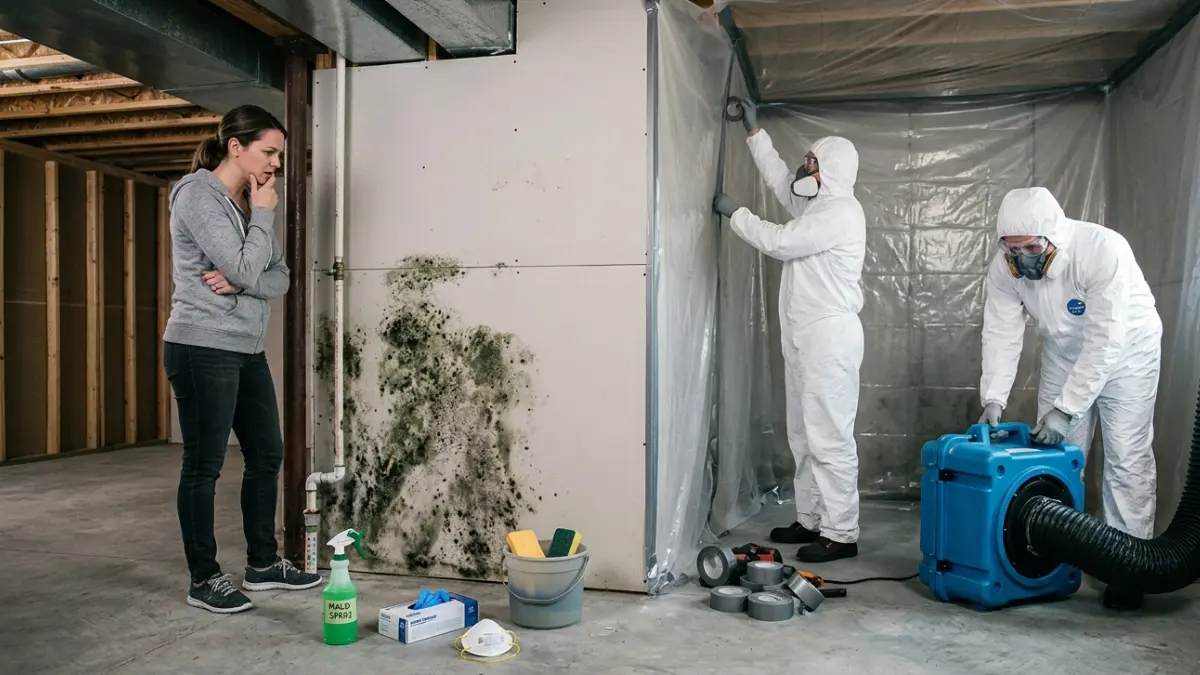 Mold Remediation
What DIY Mold Removal Really Costs—and When to Call a Pro
June 18, 2026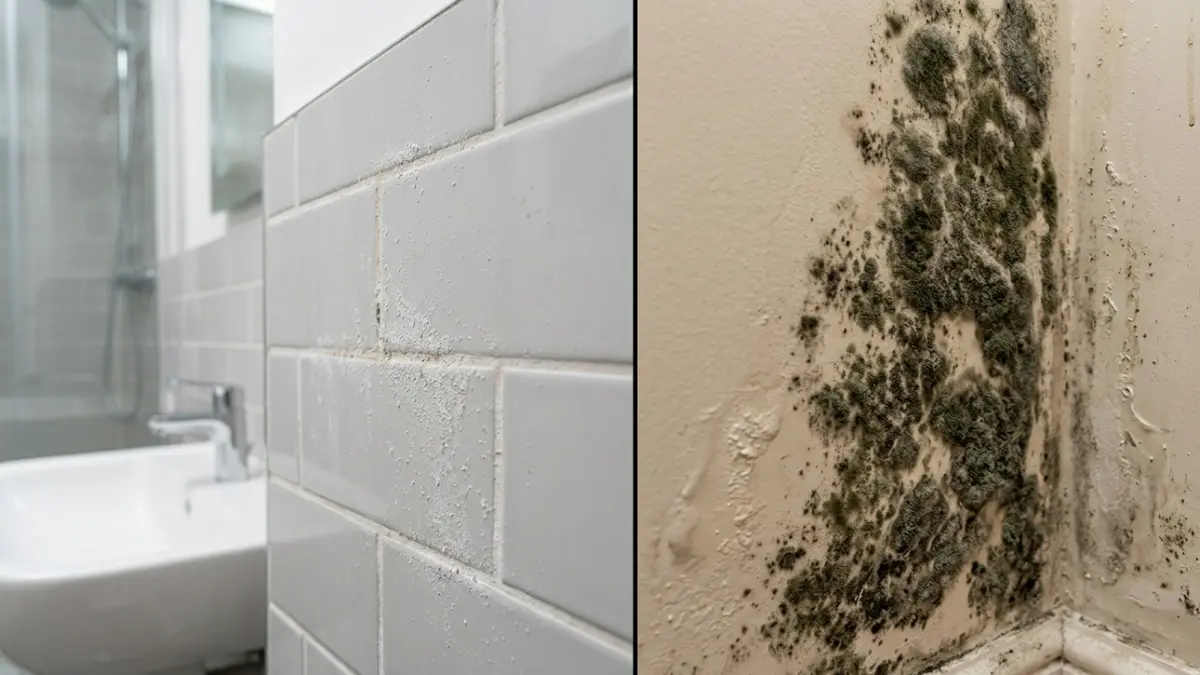 Mold Remediation