
Sentricon vs Termidor and How to Choose Without the Sales Spin

Sentricon vs Termidor from a neutral source: how a bait system and a liquid barrier differ on speed, 10-year cost, and colony control.
Table of Contents
You have two quotes on your kitchen table. One company wants to install Sentricon bait stations around your home. The other wants to pump Termidor into the soil along your foundation.
Both say theirs is the better choice, and both are trying to earn your business. Here is what makes this comparison different: Gladewick sells neither product, installs neither system, and earns nothing if you pick one over the other. That lets us lay out the real trade-offs without a thumb on the scale.
Two quick paths before we start. If you already have active termites, your decision hinges on speed and whether the colony actually gets eliminated. If you are treating a home with no current activity as prevention, cost over ten years matters most, and the numbers below will do much of the deciding for you.
Either way, the right method depends on your termite species, your foundation, and your budget structure, not on which system a salesperson happens to be certified to install. For the bigger money picture, see our full termite treatment cost breakdown.
ℹ️ Safety Note: Termite control uses EPA-registered pesticides and protects a major structural investment. Everything here is general information, not a treatment plan or a do-it-yourself application guide. Termite identification and treatment belong with a licensed pest management professional working from the product label and your local code. Get a professional inspection before you choose a method.
How Sentricon and Termidor actually work
The two systems do not just differ in price; they attack termites in fundamentally different ways, and that difference drives everything else.
Sentricon: a colony-elimination bait system
- Includes one CASE of TBS systems: 10 x Advance Termite Inspection Cartdrdge (TIC), 10 x TBS station, 10 x wood block for…
- This bait system functions as a DETECTION tool, and does NOT contain termiticides. Install first to detect if termites a…
- After termites are detected, replace with Trelona cartridges that work with these stations. Trelona is a termiticde by t…
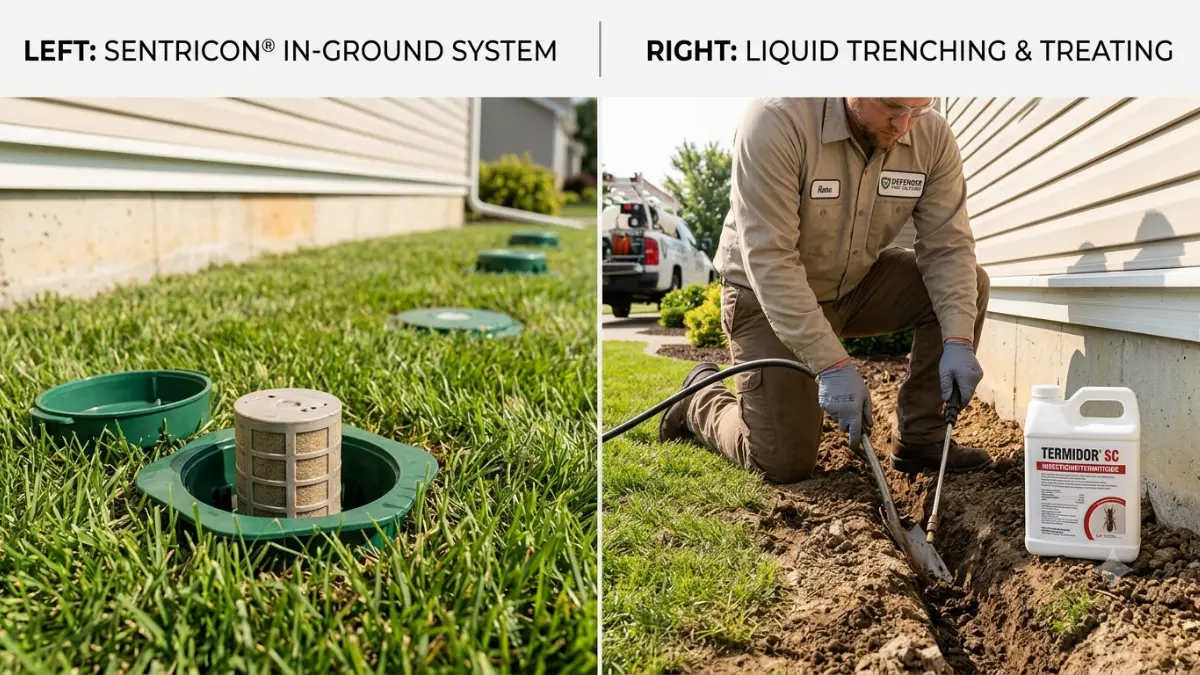
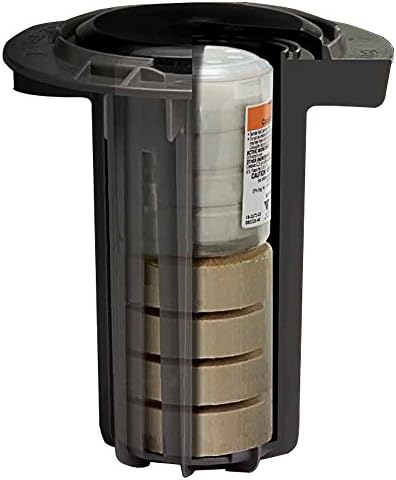
Sentricon Always Active places in-ground bait stations around your home’s perimeter, spaced roughly every 10 linear feet and set flush with the soil. Each station holds a cellulose bait laced with noviflumuron, an insect growth regulator. Foraging worker termites find the bait, feed on it, and share it through the colony by mouth-to-mouth feeding.
🔍 Why It Works: Noviflumuron blocks a termite’s ability to molt, the process of shedding and regrowing its outer shell. Termites molt constantly as they develop, so once enough workers have fed on the bait, they die trying to molt and the colony collapses over a period of months. The system was developed by Corteva (originally Dow) and has been in use since 1995.
Because it needs no trench and no drilling, installation is minimally invasive. The trade-off is time and ongoing monitoring visits.
Termidor: a non-repellent liquid barrier
Termidor takes the opposite approach. A technician trenches, and often drills through slabs, to apply a liquid termiticide into the soil around and beneath the foundation, creating a continuous treated zone.
Its active ingredient, fipronil, is non-repellent, which means termites cannot detect it and walk straight through, picking up a lethal dose and carrying it back to nestmates. According to the National Pesticide Information Center, fipronil kills insects on contact or ingestion by disrupting the insect nervous system. For how these two categories compare in general, see our breakdown of bait versus liquid treatment.
Sentricon vs Termidor: side by side
Here is the head-to-head on the things buyers actually weigh.
| System | Speed | Longevity | Invasiveness | Best for |
|---|---|---|---|---|
| Sentricon (bait) | Colony collapse over months | Ongoing; needs annual monitoring and rebaiting | No trench or drilling | Whole-colony elimination with minimal disruption |
| Termidor (liquid) | Kills on contact; activity drops within weeks | About 5–10 years in soil | Trenching plus drilling | Fast knockdown, active infestations, low upkeep |
Ranges reflect university extension guidance and multiple 2026 pricing guides; actual results vary by home, soil, and installer.
Which works faster?
Termidor. Because fipronil kills on contact and spreads through the colony’s own food-sharing, a liquid barrier typically reduces visible activity within weeks. Sentricon is slower by design, since termites first have to find the stations, feed, and pass the bait around.
Which lasts longer?
A liquid barrier commonly lasts about 5 to 10 years in the soil before it may need renewal. Sentricon protects for as long as the stations are monitored and rebaited, which is why it carries an ongoing service commitment. The Mississippi State University Extension notes that because baits are slow-acting, they are often paired with a liquid treatment when there is an active infestation.
What Sentricon and Termidor really cost in 2026
Cost is where the two systems separate most, and it is the piece almost no installer shows you neutrally.
The honest headline: over a full ten years, a liquid barrier is usually cheaper, because it front-loads the cost and then asks little of you. A bait system carries a lower single-visit price but a higher decade-long total, because the monitoring contract never stops.
| System | Typical upfront (2026) | Typical annual | ~10-year total | Best for |
|---|---|---|---|---|
| Termidor (liquid) | ~$500–$1,500 | Optional inspection or bond, ~$150–$300 | ~$1,000–$3,000 | Lower lifetime cost, prevention |
| Sentricon (bait) | ~$1,500–$3,500 | ~$200–$600 monitoring | ~$5,000–$7,500 | Colony elimination, no drilling |
Figures aggregated from multiple 2026 termite-pricing guides. Cost varies with home size, foundation type, region, and company; national chains typically quote at the higher end. Always get two or three quotes.
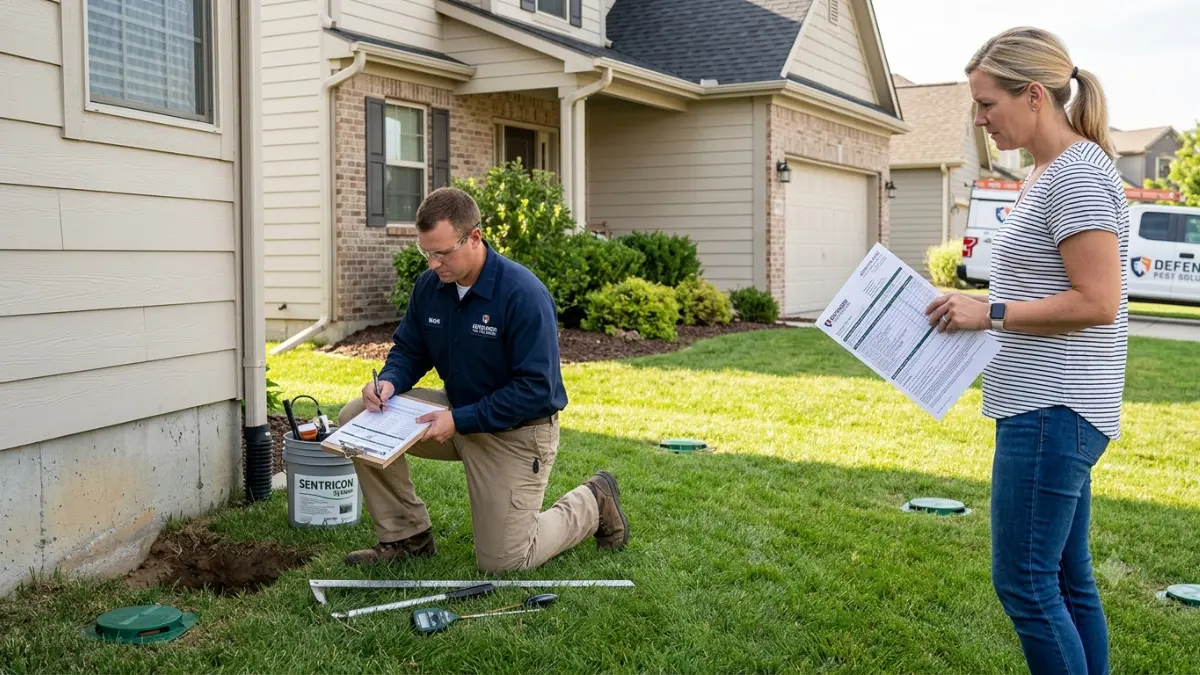
📊 Spec: In 2026, liquid barrier treatments commonly run about $3–$20 per linear foot ($500–$1,500 for many homes), while a Sentricon installation runs about $1,500–$3,500 plus $200–$600 a year, for a ten-year total near $5,000–$7,500. (Sourced from multiple 2026 pricing guides; verify locally.)
Upfront and annual costs
Sentricon’s install price is fairly consistent nationally, because only certified installers can put it in, so there is less room to shop the quote. Liquid pricing swings more, since it is charged per linear foot of foundation and any company can do it. Knowing your home’s footprint helps you sanity-check a per-linear-foot quote; our square footage calculator can help you estimate it.
The 10-year total
⚠️ Watch Out: Do not judge these on the sticker price alone. Sentricon’s “no chemicals trenched into your yard” pitch is appealing, but the annual monitoring contract is the real cost driver, and over ten years it usually makes the bait system the pricier choice. Compare lifetime cost, not day-one cost.
Which one is right for your situation?
The better system depends on a handful of specifics about your home and your termites, not on a universal winner.
Active infestation vs prevention
For an active infestation, the fast knockdown of a liquid barrier is often preferred, sometimes alongside a bait system for long-term colony control. For prevention on a home with no current activity, either approach works, and the decision usually comes down to cost and how much disruption you will tolerate.
💡 Pro Tip: University extension guidance points out that with an active infestation, baits are frequently paired with a liquid spot-treatment, so the fast treatment knocks activity down while the bait works on the colony. “Which one” can sometimes honestly be “both.”
Site and household factors
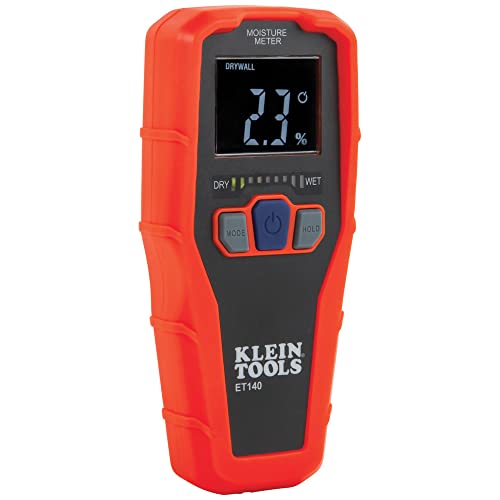
- WATER LEAK DETECTOR detects relative moisture content from leaks and flooding
- PINLESS MOISTURE METER measures relative moisture content in building materials
- NONDESRUCTIVE DETECTION up to 3/4-Inch deep using Electromagnetic field (EMF) technology
Species is the first gate. Sentricon targets subterranean termites and will not control drywood termites, which live inside the wood itself rather than in the soil, so confirm which termite species you are dealing with before anything else.
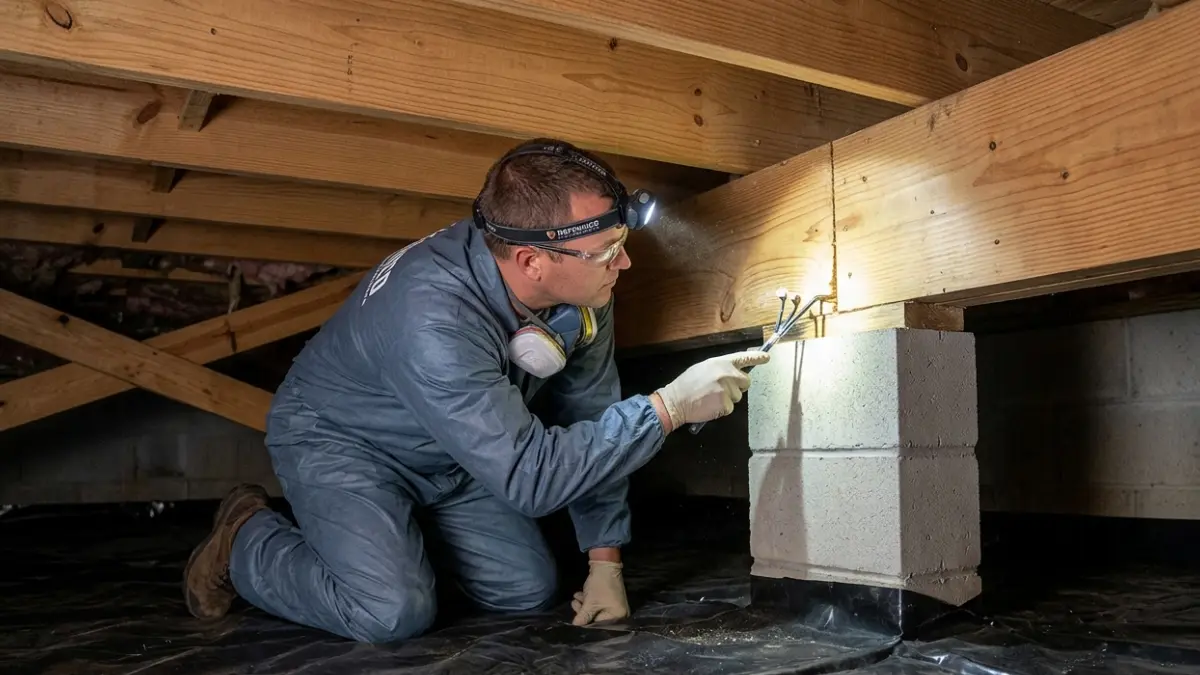
Site features matter too. The University of Kentucky Entomology guide to termite baits notes that wells, cisterns, nearby ponds or streams, and inaccessible crawl spaces can complicate a liquid treatment, while baits use a tiny, enclosed amount of pesticide that appeals to households near water or with chemical-sensitivity concerns.
✅ Do This: Before you sign anything, have a licensed pest management professional confirm your termite species and whether the infestation is active. That single answer rules one of these systems in or out.
Safety: pets, kids, pollinators, and water
Safety is the factor many households weigh most, and the honest picture is reassuring in places and worth respecting in others.
Around pets and children
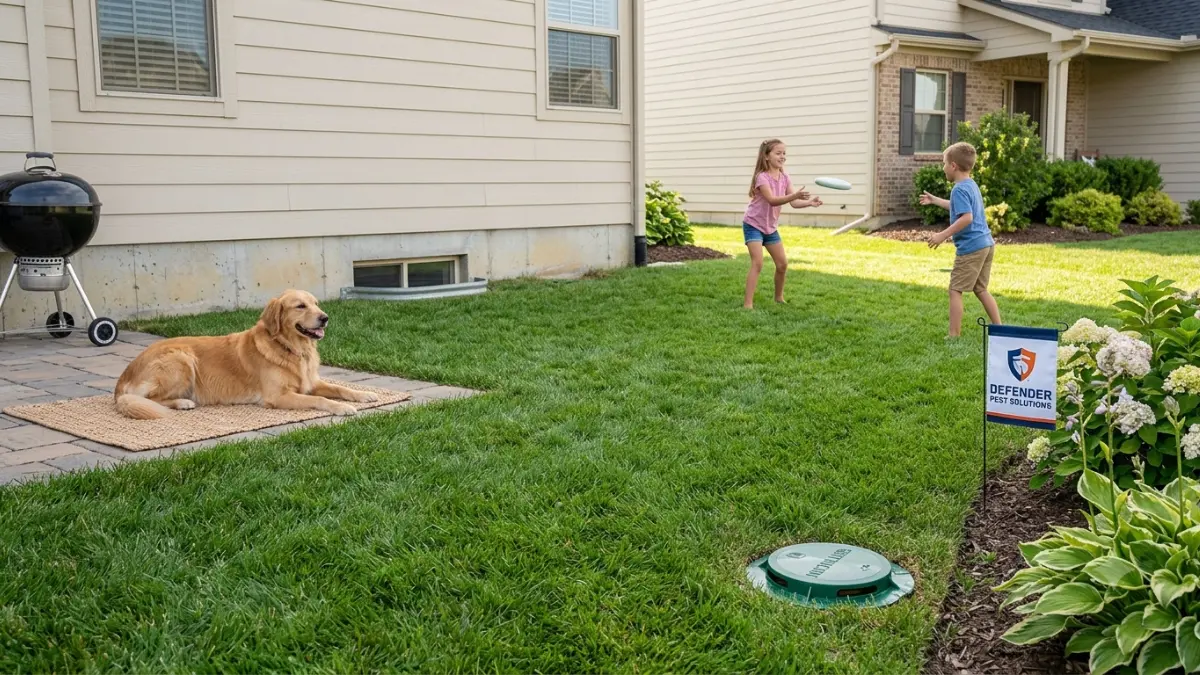
The noviflumuron in a Sentricon station sits inside a tamper-resistant, in-ground housing and targets a molting process specific to insects, so exposure risk to pets and children is low when the system is installed and maintained as directed, per the manufacturer’s product information. Fipronil, applied as a soil barrier by a professional, is more toxic to insects than to people and pets.
Pollinators and the environment
Fipronil is not a neutral chemical outdoors. The National Pesticide Information Center reports it is highly toxic to honey bees and to some birds, though practically non-toxic to earthworms. That is one reason it is applied into the soil by trained applicators who follow label precautions.
⚠️ Watch Out: A liquid fipronil barrier is not a safe do-it-yourself project. Applied incorrectly, it can contaminate interior spaces or water and, if under-dosed, simply fail. Leave soil termiticide application to a licensed pest management professional, and ask specifically how they protect pollinators and meet the label rate.
How to choose, and how to read a one-brand quote
This is where selling neither system finally pays off for you: a neutral way to read a quote from a company that only offers one.
A company often recommends what it is trained and equipped to install. Sentricon, for instance, requires certified specialists, so a firm set up for it will lead with it. That is a real reason, not automatically a biased one, but multiple quotes protect you regardless.
Before you sign, ask:
- Has a professional confirmed my termite species, and is the infestation active or is this prevention?
- What is the total ten-year cost, including every renewal or monitoring fee?
- What does the warranty or termite bond actually cover: retreatment, repair, both?
- Does that coverage transfer if I sell the house?
If you are still not certain you have termites at all, start by learning the early signs of termites so your inspection conversation is an informed one.
Sentricon vs Termidor: frequently asked questions
1. What is the difference between Sentricon and Termidor?
Sentricon is a bait system: in-ground stations deliver noviflumuron that termites carry back to eliminate the whole colony over months. Termidor is a liquid barrier: fipronil applied to the soil around your foundation kills termites on contact within weeks. Sentricon needs no drilling but ongoing monitoring; Termidor needs trenching but little upkeep.
2. Which is cheaper, Sentricon or Termidor?
Over ten years, Termidor is usually cheaper. A liquid barrier commonly runs $500 to $1,500 upfront with little annual cost, while Sentricon runs $1,500 to $3,500 to install plus $200 to $600 a year for monitoring, a ten-year total near $5,000 to $7,500. Prices vary by home and region, so get two or three quotes.
3. Which works faster, Sentricon or Termidor?
Termidor works faster. Because fipronil kills termites on contact and through the colony’s own food-sharing, a liquid barrier typically reduces activity within weeks. Sentricon is slower by design: termites must find the bait, feed, and spread it, so colony collapse usually takes several months. For an active infestation, speed favors the liquid treatment.
4. Which lasts longer?
A Termidor liquid barrier commonly lasts about five to ten years in the soil before it may need renewal. Sentricon has no fixed lifespan in the same way; it protects for as long as the stations are monitored and rebaited, which means ongoing annual service. One is a long-lasting barrier, the other is continuous managed protection.
5. Is Sentricon safe for pets and children?
The noviflumuron in Sentricon sits inside tamper-resistant, in-ground stations, and it targets a molting process specific to insects, so exposure risk to pets and kids is low when the system is installed and maintained as directed. As with any pesticide, keep to the label and let a licensed pest management professional handle placement and service.
6. Does Termidor eliminate the entire colony?
It can. Fipronil is non-repellent, so termites pass through the treated soil undetected, pick up a dose, and transfer it to nestmates through contact and food-sharing, an effect the makers call the transfer effect. That can reach beyond the barrier into the colony. A licensed pro should confirm the treatment fits your specific infestation.
7. Can I install Sentricon or Termidor myself?
Sentricon is installed only by certified specialists, so it is not a DIY product. Some liquid termiticides are sold to consumers, but applying a fipronil soil barrier correctly, without contaminating interiors or water and at the right rate, is exacting work. For both safety and results, termite treatment is a job for a licensed pest management professional.
8. Sentricon vs Termidor for an active infestation or prevention?
For an active infestation, a fast-acting Termidor barrier, sometimes paired with a bait system, is often preferred to knock activity down quickly. For prevention on a home with no current activity, either works, and the choice usually comes down to cost and invasiveness. A licensed inspection should confirm whether your infestation is active.
9. Do Sentricon and Termidor work on drywood termites?
Both are aimed at subterranean termites, which nest in soil. Sentricon is specifically a subterranean-termite system and will not control drywood termites, which live inside the wood itself. Termidor’s soil barrier likewise targets subterranean species. If you have drywood termites, you will need a different approach, so confirm the species with a professional first.
10. Why does one company recommend Sentricon and another Termidor?
Often because a company recommends what it is trained and equipped to install; Sentricon requires certified specialists, for example, rather than because one is better for you. That is why getting two or three quotes, ideally including both a liquid-only and a bait-only option, protects you and lets you compare Sentricon vs Termidor on your home’s actual numbers.
The bottom line
Neither system is universally better. For prevention on a straightforward foundation, a Termidor barrier usually costs less over ten years and asks little of you afterward. For whole-colony elimination with no drilling, or for a home near water or with chemical-sensitivity concerns, Sentricon earns its higher lifetime cost.
The deciding factors are your termite species, whether the infestation is active, your foundation, and how you would rather spend the money, upfront or spread out. None of those depend on which system a salesperson happens to sell.
Start with a licensed inspection to confirm species and activity, then get two or three quotes, including a liquid-only and a bait-only option, so you can compare real numbers side by side. That is how you turn two competing pitches into one confident decision.
Related Articles
 Termite Treatment
Termite Swarmers Indoors Often Signal an Active Colony
July 18, 2026 Termite Treatment
Termite inspection cost hinges on one commonly missed limit
July 26, 2026 Termite Treatment
Termite treatment cost gaps come down to one hidden number
July 26, 2026 Termite Treatment
What the New Formosan Termite Hybrid Means for Florida
July 20, 2026 Termite Treatment
5 Treatments, 3 Real Costs, No Sales Pitch
July 14, 2026 Termite Treatment
How to choose a termite company and avoid the usual guesswork
July 29, 2026 Termite Treatment
Does insurance cover termite damage, and why claims fail
July 29, 2026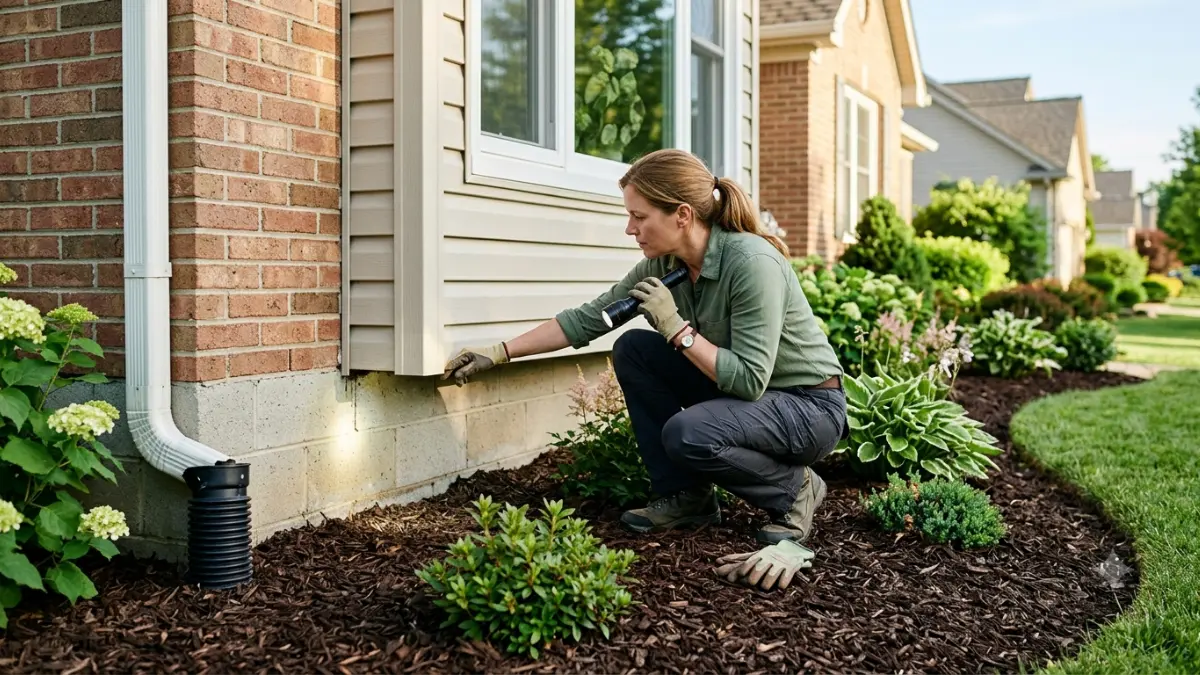 Termite Treatment
The common termite prevention list is really three lists
August 1, 2026 Termite Treatment