
The Fast Way to Tell If Termite Mud Tubes Are Active

Termite mud tubes don’t always mean a live colony — and an old one doesn’t clear your house. Here’s how to read one and pick your next move.
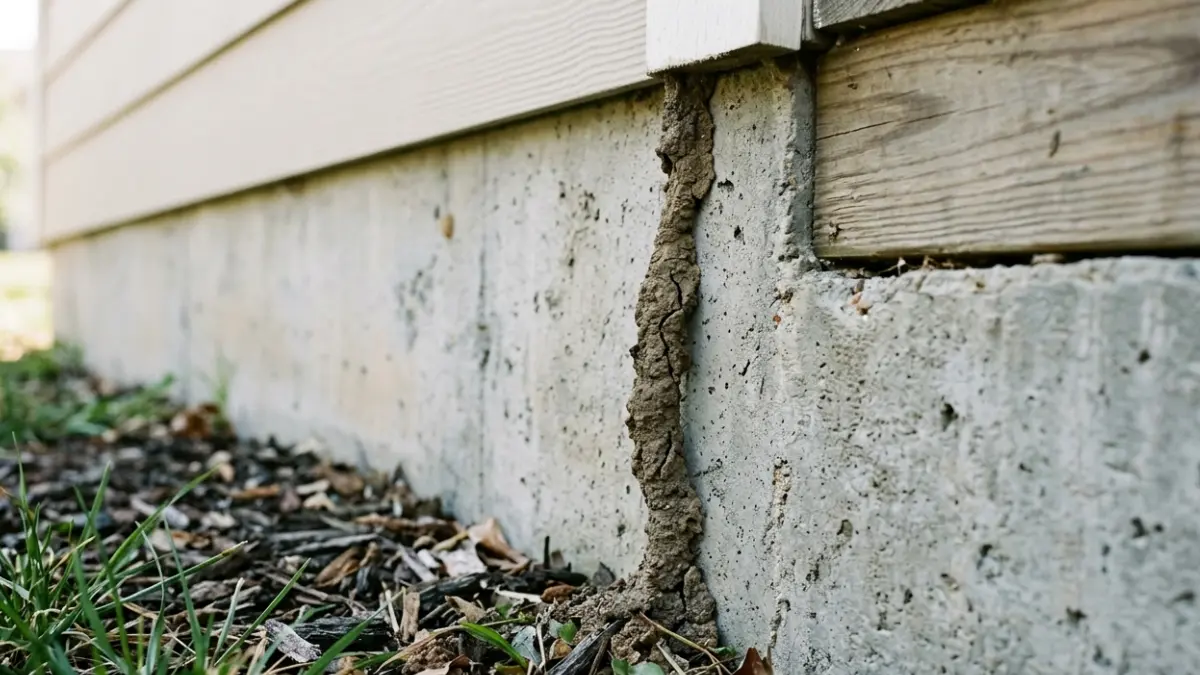
Table of Contents
You found a thin, dirt-colored line running up your foundation or across a basement wall, and now you’re wondering whether something is living inside it. That line is almost certainly a termite mud tube — and the question that matters is whether it’s active or long abandoned. It’s a stressful thing to spot, so let’s get you a clear answer.
Here’s how to use this guide. If you just found a tube and need a fast read, the break test and the active-versus-abandoned signs below give you an answer in a couple of days. If you’ve already confirmed it’s active, skip ahead to what to actually do next; and if you’re not even sure this is a termite tube versus dried mud or a wasp nest, start with what these tubes are made of.
Mud tubes are one of the clearest signs of a termite problem, though far from the only one. This is a no-sales-pitch guide — the goal is to help you read the evidence yourself and decide, not to push you toward a paid inspection you may not need.
ℹ️ Safety Note: Termites cause structural damage, and termite treatment relies on EPA-regulated pesticides called termiticides. This guide helps you identify and assess mud tubes for general understanding; it isn’t a substitute for a professional inspection or treatment. If you confirm active termites — or you’re unsure — contact a licensed pest-control professional, and never apply termiticides yourself outside the product label and your local code.
What termite mud tubes are (and why termites build them)
A termite mud tube is a narrow, covered tunnel that subterranean termites build from soil, tiny wood particles, and their own saliva and waste. Most run about the width of a pencil — roughly a quarter-inch to an inch across — and look earth-colored against concrete, brick, or wood. University of Missouri Extension explains that worker termites build these shelter tubes to travel safely between their underground nest and the wood they feed on.
🔍 Why It Works: Subterranean termites have soft bodies and dry out fast in open air. A mud tube seals in moisture and blocks sunlight, giving them a humid, protected highway from the soil to your framing — which is why you spot the tubes far more often than the insects themselves.
What they’re made of and how big they get
The mix of soil, wood, and saliva dries into a cement-like shell that holds humidity inside. Tube width tracks colony size and age: a young or exploratory tube can be thread-thin, while a busy working tube on a mature colony gets closer to that full inch. All of them share the same earthy color that blends into foundations.
How to tell a termite tube from look-alikes
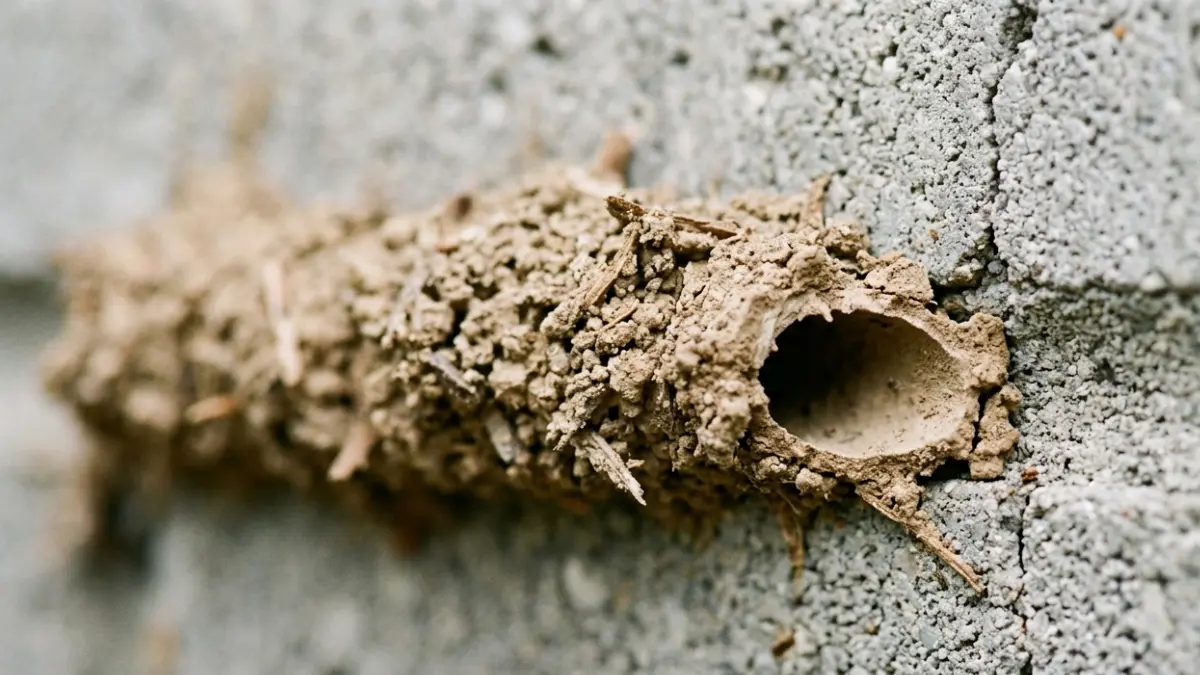
Not every dirt tube is a termite tube. Mud daubers — a kind of wasp — build organ-pipe nests under eaves, and dried rain-mud can streak a wall in a way that looks similar. Termite tubes are different: thin, fairly uniform, and running from ground level upward toward wood. Drywood termites don’t build them at all; they push out grainy piles of frass, or droppings, instead.
Active or abandoned? How to tell the difference
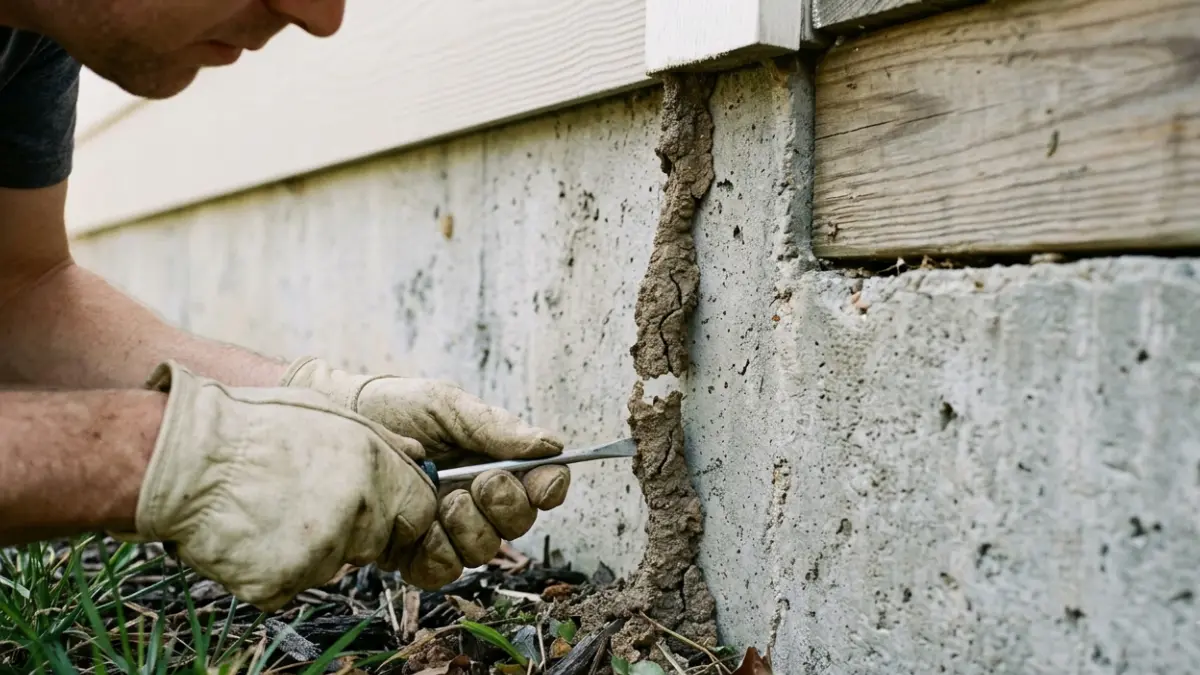
To check whether a tube is active, break a one-inch section out of the middle, leave the ends in place, and watch it over the next one to three days. If termites rebuild the gap, the colony is active; if it stays open, that tube is likely abandoned. This break test works because nothing else repairs a mud tube — only living termites do.
📊 Sourced: Reports of the repair window range from about 24 hours to a few days. Mississippi State University Extension notes that breaking a shelter tube on an active infestation often exposes live workers and soldiers on the spot.
The break test, step by step
- Pick an accessible tube on a foundation wall or crawl-space surface.
- Gently break a one-inch section out of the middle with a screwdriver, leaving the front and back intact.
- Mark the date and recheck over the next one to three days.
- Rebuilt gap means active; still open after three days means probably inactive.
Moisture, color, and live-termite tells
Even without waiting, a few physical signs point one way or the other.
| Signal | Active tube | Old / abandoned tube |
|---|---|---|
| Repair after break | Rebuilt within about 1–3 days | Stays open |
| Moisture | Damp, feels slightly cool | Dry and brittle |
| Color | Darker, more uniform | Pale, sun-bleached |
| Live termites inside | Soft white or tan insects present | None visible |
Signals synthesized from university extension guidance and pest-industry field descriptions. None of these alone is proof — use them together.
Why “abandoned” does not mean you’re safe
An empty tube is not an all-clear. Subterranean termites routinely abandon one tube and build another nearby, and colonies leave old tubes behind after they move on or after a past treatment. There may also be active tubes you can’t see — behind siding, inside walls, or under a slab — so one dead-looking tube tells you very little about the whole structure. If a tube tests active, or you find several, that’s the point to weigh your real options rather than assume the problem is over.
The four types of mud tubes and what each one signals
Subterranean termites build four kinds of tube, and the type you find hints at how far along the problem is. Recognizing them helps you gauge urgency before an inspection confirms the details.
Working and exploratory tubes
Working tubes are the main highways — pencil-width or wider — running from soil up foundations and piers, carrying workers to and from food. Exploratory tubes are thinner and more fragile; scouts build them to search for wood, and they often branch out or stop short before reaching any framing. Catching exploratory tubes early can mean you’ve found activity before it’s well established.
Drop tubes and swarm castles
Drop tubes hang down from joists, beams, or ceilings toward a lower surface, and they usually mean termites are already feeding above and reaching back toward the ground. Swarm tubes — sometimes called swarm castles — are wider structures a mature colony builds as launch points for winged reproductives. If you’ve seen winged insects and weren’t sure what they were, it’s worth comparing flying ants against termite swarmers before assuming the worst.
Drop tubes and swarm castles are the more serious finds, and both warrant prompt professional assessment.
Where to look for mud tubes around your home

- HUMIDITY SENSOR: Our handy meter tool can quickly determine what level of remediation is needed to keep your family safe…
- WATER LEAK DETECTOR: Finding the moisture content in your wood or drywall is the first step in early prevention. Continu…
- MOISTURE READER: The mold test features large 0.3″ high digits in a backlit LCD for quick and easy detecting. Our mildew…
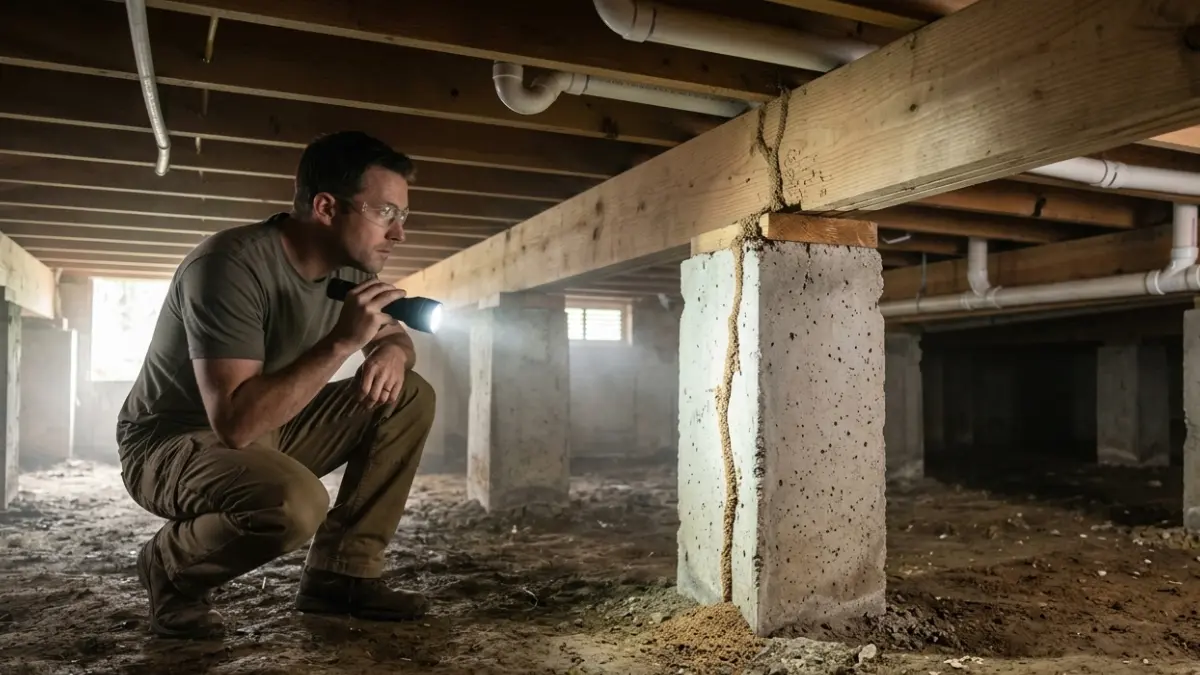
Mud tubes show up in predictable places — mostly where soil meets wood, and where it stays dark and damp. A slow walk-around, outside first and then below, catches most of them.
Outside: foundation, siding, and utility penetrations
Start at the base of your foundation and look for thin vertical lines climbing the concrete or block. Check where utility pipes and conduit enter the wall, along porch supports, and behind shrubs — trimming vegetation back gives you a clearer view. Tubes can also cross brick, metal, or expansion joints to reach the wood inside.
Inside: crawl spaces, basements, and where wood meets soil

- Long Press Function and Motion Sensor: Unlike the old version, LHKNL headlamp has added a long press function. Just hold…
- Super Bright and Rechargeable: The headlamp flashlight camping essentials uses class-leading LED chips that will provide…
- Ultra-light and Adjustable: The hand-free headlamp is only weight 1.87 OZ, comfortable and lightweight. The lamp head ca…
Inside, the crawl space and basement are prime territory. Check piers, sill plates, floor joists, and the undersides of subflooring, plus the corners of an attached garage. Probing suspect wood with a screwdriver helps — extension guidance notes that termite-damaged wood offers little resistance and can sound hollow.
✅ Do This: Keep it safe. Don’t crawl into tight or unstable spaces, and don’t disturb old insulation or wiring. If an area isn’t safe to reach, that’s a job for a professional inspector, not a flashlight and a screwdriver.
You found active tubes — what to do next
Knocking down the tubes will not solve the problem. The colony lives hidden in the soil or inside your walls, and workers rebuild broken tubes within a day or two — so removal is a diagnostic move, not a cure.
Why removing the tubes won’t solve it
Breaking or brushing away a tube tells you whether it’s active, but it does nothing to the colony behind it. Termites simply reroute, and there are often tubes and entry points you’ll never see from the outside. The visible tube is a symptom, not the source.
DIY vs. a licensed professional
Treatment is genuinely not a do-it-yourself chemical job. A termiticide is an EPA-regulated pesticide, and the EPA’s guidance on termite control states that many termiticides are highly toxic, that improper barrier treatment can contaminate your home and nearby drinking-water wells, and that application should be handled by a trained, licensed professional.
⚠️ Watch Out: Over-the-counter sprays and foggers won’t reach a subterranean colony, and they can give a false sense of security while damage quietly continues underneath.
✅ Do This: Hire a state-licensed pest-control professional. Ask to see a current applicator’s license and the product’s EPA registration number, and confirm the label’s re-entry interval before anyone treats. For the honest range of what this costs, start with our guide to real termite treatment options and costs.
Keeping subterranean termites from coming back
Prevention mostly comes down to denying termites the moisture and easy wood access they need. None of it replaces treatment for an active colony, but it lowers your risk going forward.
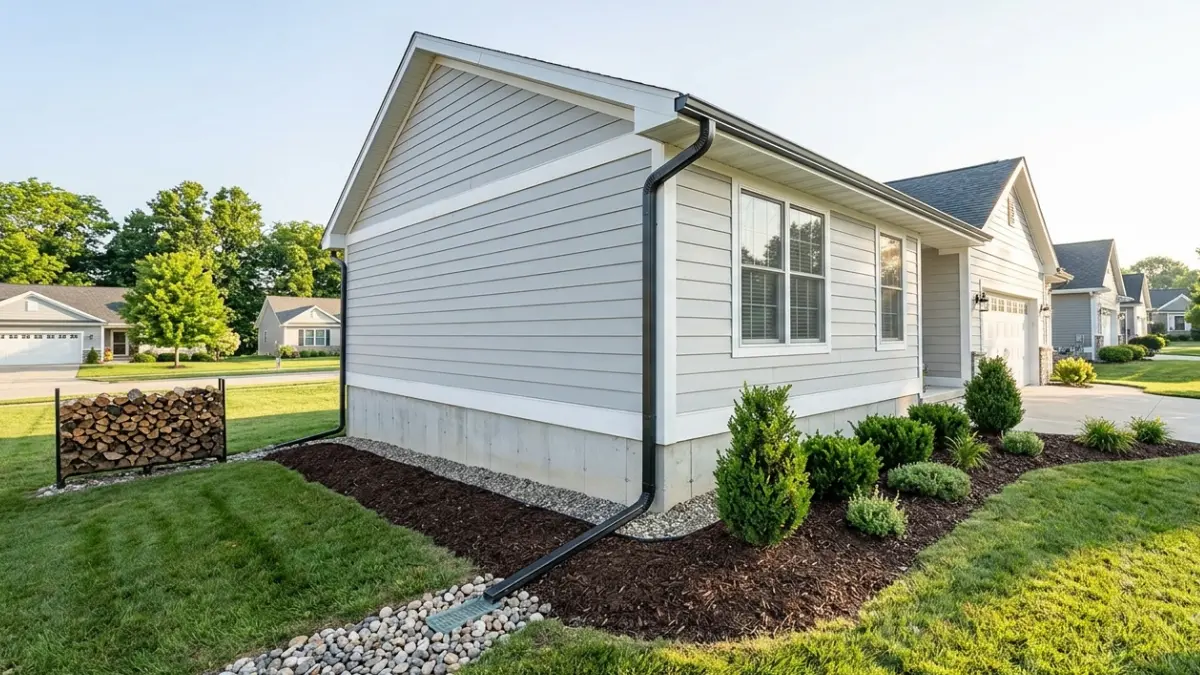
Moisture and wood-to-soil contact

- Temperature Controllers
- HTC-1 Electronic Thermohygrometer Weather Station With Clock Electronic Digital Temperature Humidity Meter Household
Keep the soil around your foundation dry: fix leaking pipes and faucets, direct downspouts and grading away from the house, and ventilate crawl spaces. The National Pesticide Information Center’s prevention tips also recommend removing wood debris, keeping firewood off the ground and away from the wall, and maintaining a few inches of clearance between soil and any siding or wood.
How often to inspect
Most homes benefit from a professional termite check every one to two years, and more often in high-risk regions or after any prior activity.
This guide leaned on the EPA and university extension sources rather than a sales pitch, and we haven’t inspected your specific home — so if a tube tests active or you’re unsure, book a licensed inspection. That’s the honest next step, whoever you end up hiring.
Termite mud tubes: frequently asked questions
1. Are termite mud tubes always a sign of an active infestation?
Not always. A mud tube can stay intact long after the colony has moved on or been treated, so the tube alone doesn’t confirm live termites. But an abandoned tube isn’t reassurance either, since termites often rebuild nearby. The reliable way to know is the break test plus a professional inspection, especially if you find more than one.
2. How do I know if termites are still active in a tube?
Break a one-inch section from the middle of the tube and recheck it over the next one to three days. If termites rebuild the gap, or you see soft white insects inside when you open it, the colony is active. A tube that stays open and feels dry and crumbly is likely abandoned rather than in use.
3. Should I break open a termite mud tube?
Yes, to test for activity — breaking a small section is the standard check. Just know it won’t get rid of the termites; the colony is hidden and rebuilds broken tubes within a day or two. Use it as a diagnostic step, then arrange a professional inspection rather than relying on the condition of a single tube.
4. Do mud tubes always mean termites are inside my house?
Not necessarily — it depends on the tube. Exploratory tubes often rise from the soil and stop short before reaching wood, meaning scouts were only searching. Drop tubes hanging from joists or ceilings, by contrast, usually mean termites are already feeding inside the structure. The tube’s type and location tell you how far activity has likely reached.
5. What are termite mud tubes made of?
Termite mud tubes are built from soil, tiny wood particles, and the termites’ own saliva and waste, packed into a cement-like tunnel. That mix seals in moisture and blocks dry air, which soft-bodied subterranean termites need to survive above ground. The result is an earth-colored tube usually about the width of a pencil.
6. Do drywood termites build mud tubes?
No. Only subterranean termites build mud tubes, because they nest in soil and need to bridge the gap to wood without drying out. Drywood termites live entirely inside the wood they eat, so instead of tubes they leave behind grainy piles of frass — their droppings — as the telltale sign.
7. How fast do termites rebuild a broken mud tube?
Quickly. An active colony often repairs a broken tube within about a day or two, and can build several inches of new tubing overnight when conditions are right. That speed is exactly why the break test works: if the gap you made is sealed again within one to three days, termites are active.
8. Will removing all the mud tubes get rid of the termites?
No. Removing tubes doesn’t touch the colony, which stays hidden in the soil or inside walls and simply reroutes. There are usually entry points you can’t see, too. Tube removal is only useful as a way to check for fresh activity later; actual elimination requires professional treatment.
9. Where are termite mud tubes most commonly found?
Most often at the base of foundation walls, where utility pipes enter, and along porch supports outside. Inside, check crawl spaces and basements — piers, sill plates, floor joists, and subflooring — plus attached-garage corners. They can cross concrete, brick, or metal to reach wood, so they don’t only appear directly on framing.
10. Do I still need a professional if the tubes look old and abandoned?
Yes. An old-looking tube doesn’t mean your home is clear — termites abandon and rebuild, and active tubes can be hidden behind walls or under a slab. A licensed inspection is the only reliable way to confirm whether a colony is still present. If you’re worried, book one rather than assuming the worst is over.
The bottom line
You now have a real framework: confirm the tube is a termite tube, run the break test to judge whether it’s active, read the type to gauge severity, and decide your next step from evidence rather than alarm. The one thing worth repeating is the part most pages skip — an empty, crumbling tube does not clear your house, because termites abandon and rebuild and hide tubes you’ll never see.
If a tube tests active, or you simply want certainty, look at your real termite treatment options and costs and book a licensed inspection. You’ve done the hard part already by looking closely and reading the signs honestly.
Related Articles
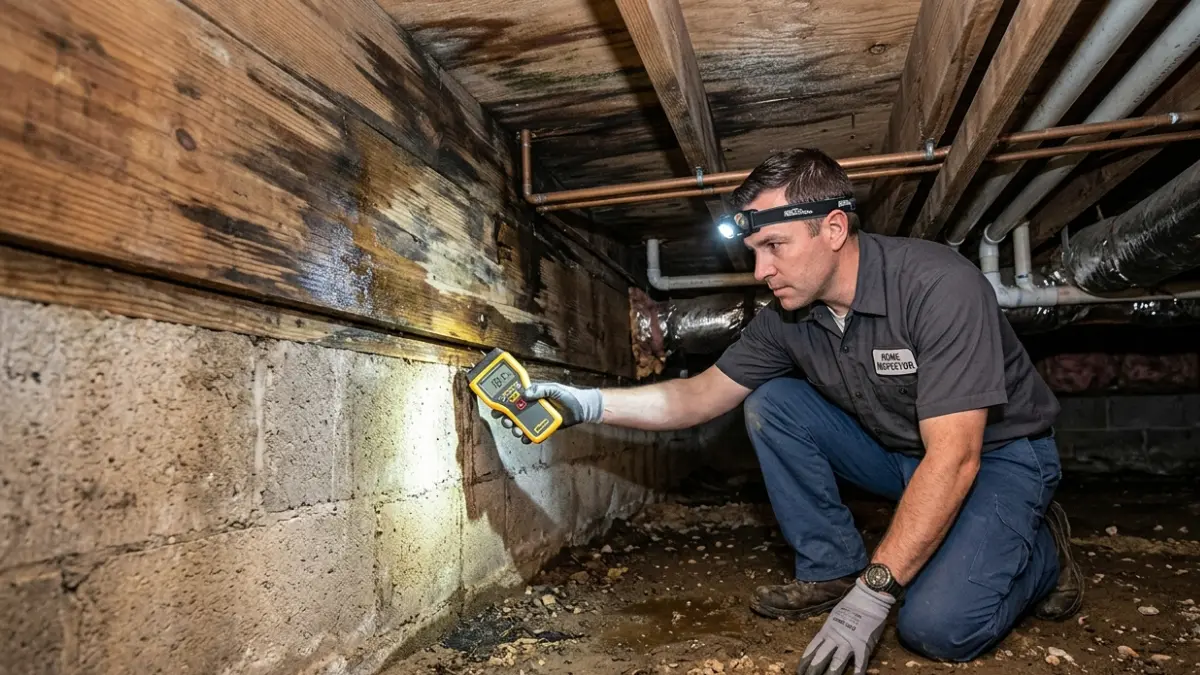 Termite Treatment
Crawl space termites and moisture share one common cause
August 1, 2026 Termite Treatment
What termite stakes actually do, and the mistake buyers make
July 24, 2026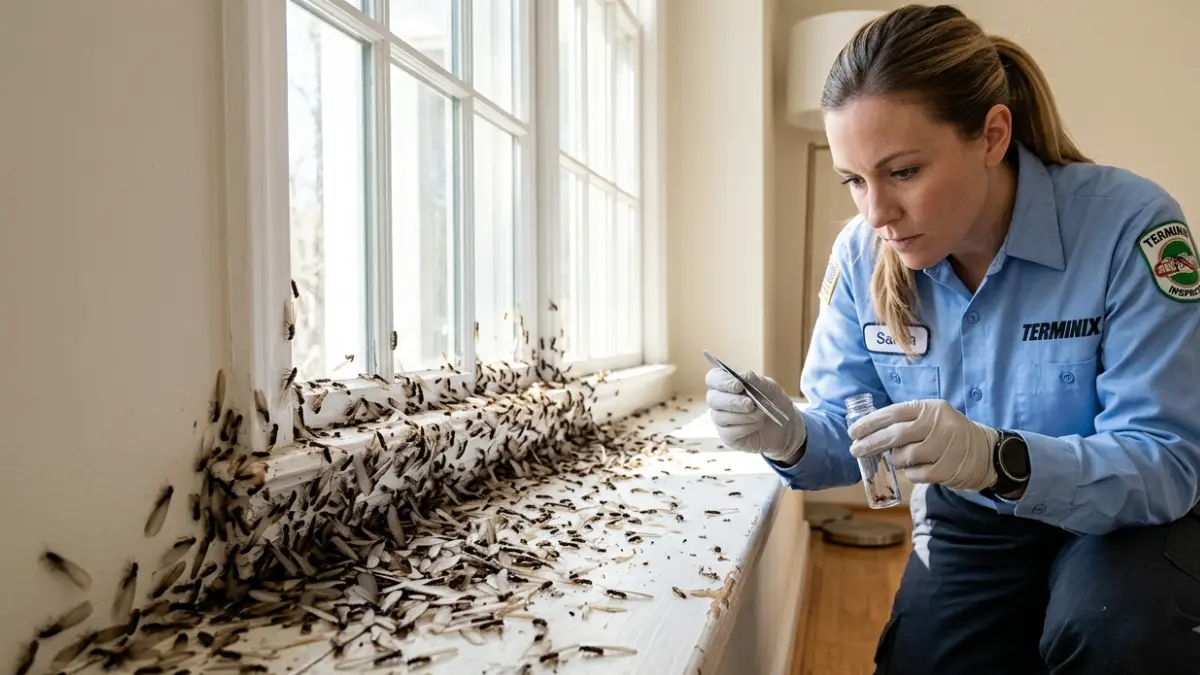 Termite Treatment
The real answer to when termites swarm is species by species
August 2, 2026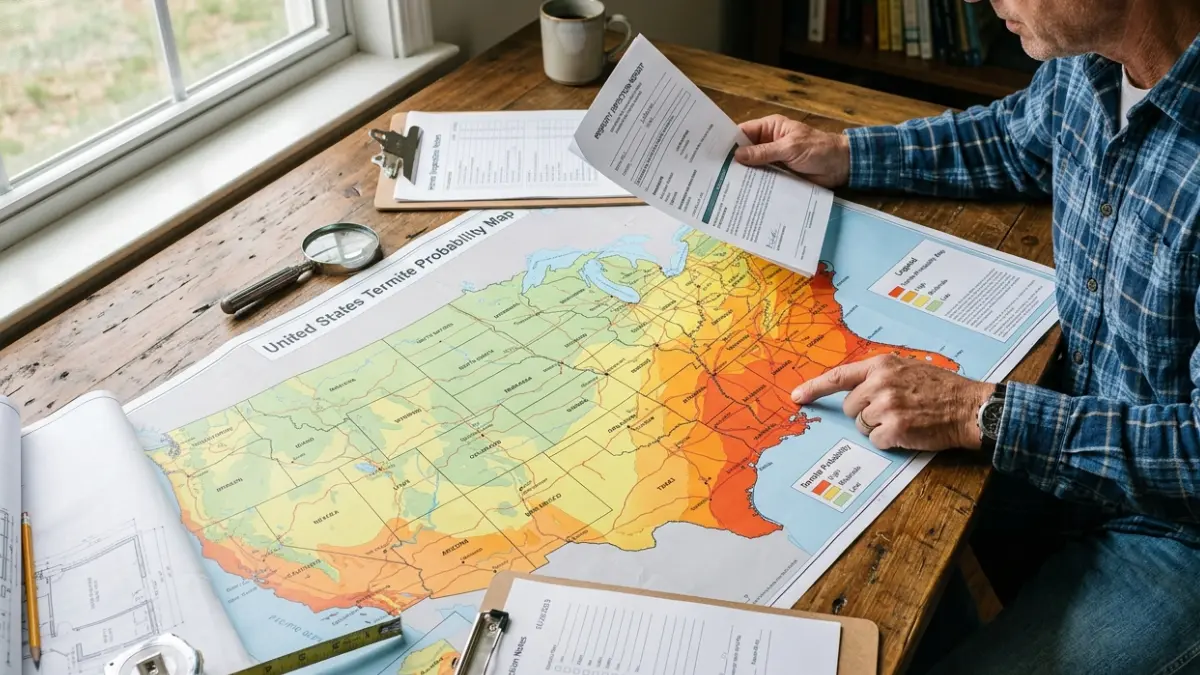 Termite Treatment
The real work starts where the termite risk map stops
August 5, 2026 Termite Treatment
Where Termite Heat Treatment Goes Wrong, and When to Use It
July 22, 2026 Termite Treatment
The right wood to soil clearance depends on your foundation
July 31, 2026 Termite Treatment
Sentricon vs Termidor and How to Choose Without the Sales Spin
July 21, 2026 Termite Treatment
What Orange Oil Can and Can’t Do About Termites
July 22, 2026 Termite Treatment