
How to Check for Bed Bugs the Right Way

Checking for bed bugs starts with knowing where to look. This 6-step inspection covers the mattress, frame, and headboard—plus common look-alikes.
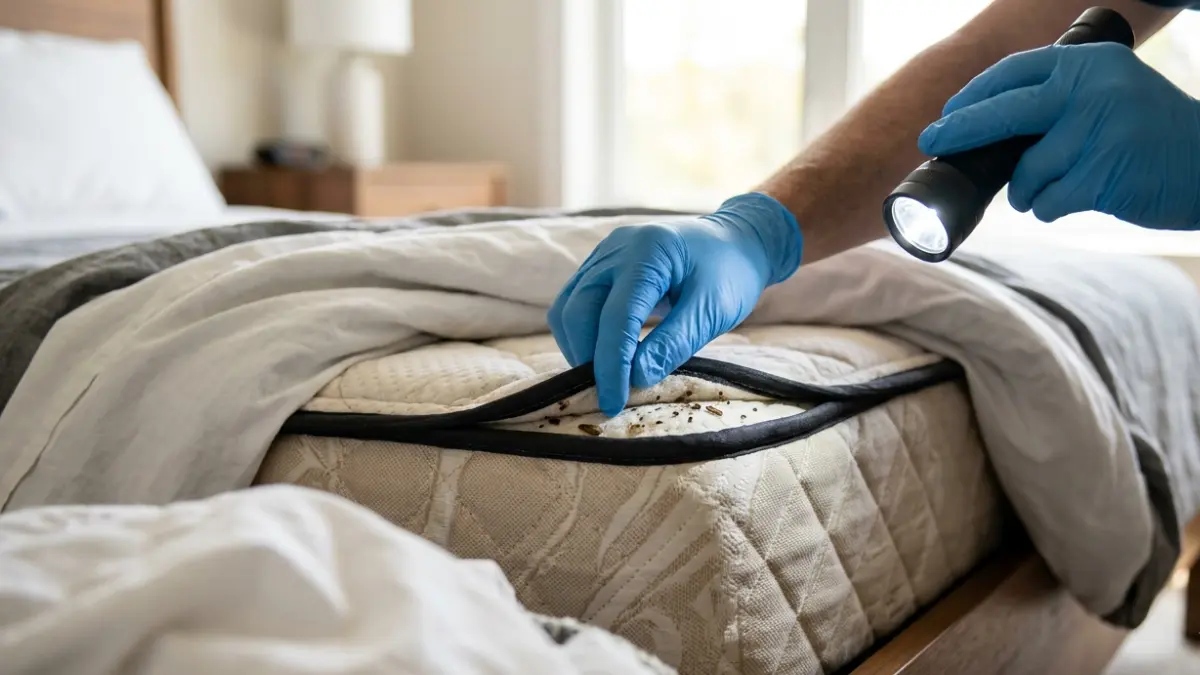
Table of Contents
Waking up with a row of itchy welts, spotting a small reddish-brown bug near your headboard, or unpacking after a hotel stay can send anyone into a quiet panic. Before you assume the worst, take a breath: a careful look at your bed is the most reliable way to know, and many bed bug scares turn out to be something else.
Where you start depends on your situation. If you’ve been bitten but seen nothing, jump to the signs and look-alike sections — bites alone can’t confirm an infestation. If you saw a bug and want to identify it, start with what they look like. If you just bought used furniture or got home from traveling, the six-step inspection below is your fastest path to an answer. If you’ve already found signs, skip ahead to what to do next.
This guide covers all of it, drawing on guidance from the EPA, the CDC, and university extension programs — and pointing you to the full plan for getting rid of bed bugs once you’ve confirmed them.
What bed bugs and their signs look like
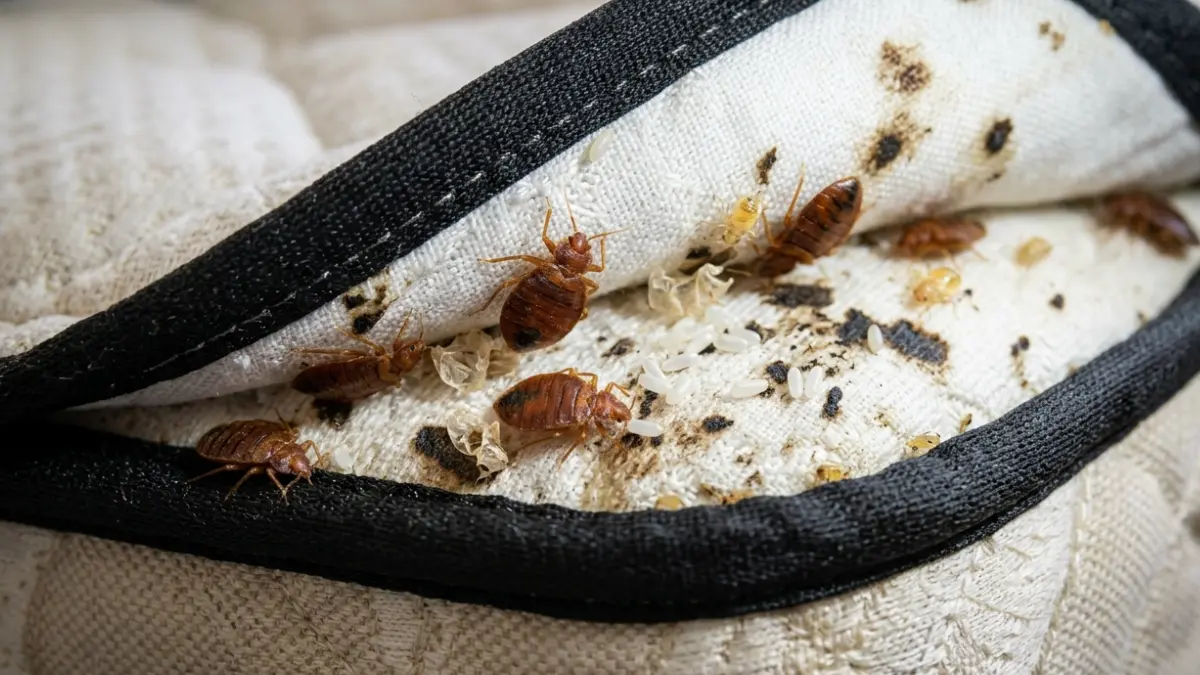
Knowing what you’re hunting for makes the search far less stressful. Adult bed bugs are about the size of an apple seed — roughly a quarter inch, or 1 to 7 millimeters across, according to the CDC’s overview of bed bugs. They’re reddish-brown, flat, oval, and wingless, which means they crawl — they can’t fly or jump.
What a bed bug actually looks like
After a blood meal a bed bug swells, darkens, and looks more elongated. Young bed bugs, called nymphs, are smaller and nearly translucent, and the eggs are tiny — about a millimeter and pale. If you want a closer reference for what bed bugs look like at each stage, that comparison helps before you inspect.
The 6 signs of bed bugs
Most of the time you’ll find evidence, not insects. Look for these signs:
- Rusty or reddish stains on sheets or the mattress, left when a bug is crushed
- Dark, ink-like fecal spots that bleed into fabric the way a marker would
- Shed skins (cast skins) the same shape as the bug but empty
- Eggs and eggshells — pale and about a millimeter (bed bug eggs cluster in seams and crevices)
- Live bed bugs in seams, folds, and cracks
- A musty, sweet odor in heavier infestations
Why you’ll usually see signs, not bugs
Low-level infestations are genuinely hard to spot, which is why most people notice the signs before the bugs themselves. Bites are another clue, but they’re unreliable — reactions range from none to severe — so bed bug bites on skin can’t confirm an infestation on their own. Finding the physical evidence is what confirms it.
How to check your bed for bed bugs in 6 steps
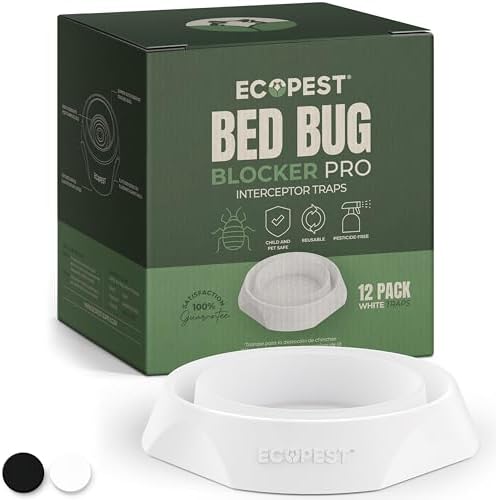
- SLEEP EASY WITH 24/7 BED BUG PROTECTION – Set it, forget it. Place one Bed Bug Blocker interceptor trap under each bed p…
- LAB-TESTED AND PROVEN TO TRAP BED BUGS – Tested by entomologists, trusted by the pros. Bed Bug Blocker interceptor traps…
- BED BUGS CLIMB IN BUT CANNOT CLIMB OUT – Simply place the traps under bed posts and furniture legs. Bed bugs cannot jump…
To check your bed for bed bugs, work through these six steps in order:
- Gather your tools — a bright flashlight, a magnifying glass, disposable gloves, and an old credit card or flat-edged tool to drag through crevices.
- Strip and check the bedding — pull off sheets, pillowcases, and covers and inspect them in good light before you set them aside.
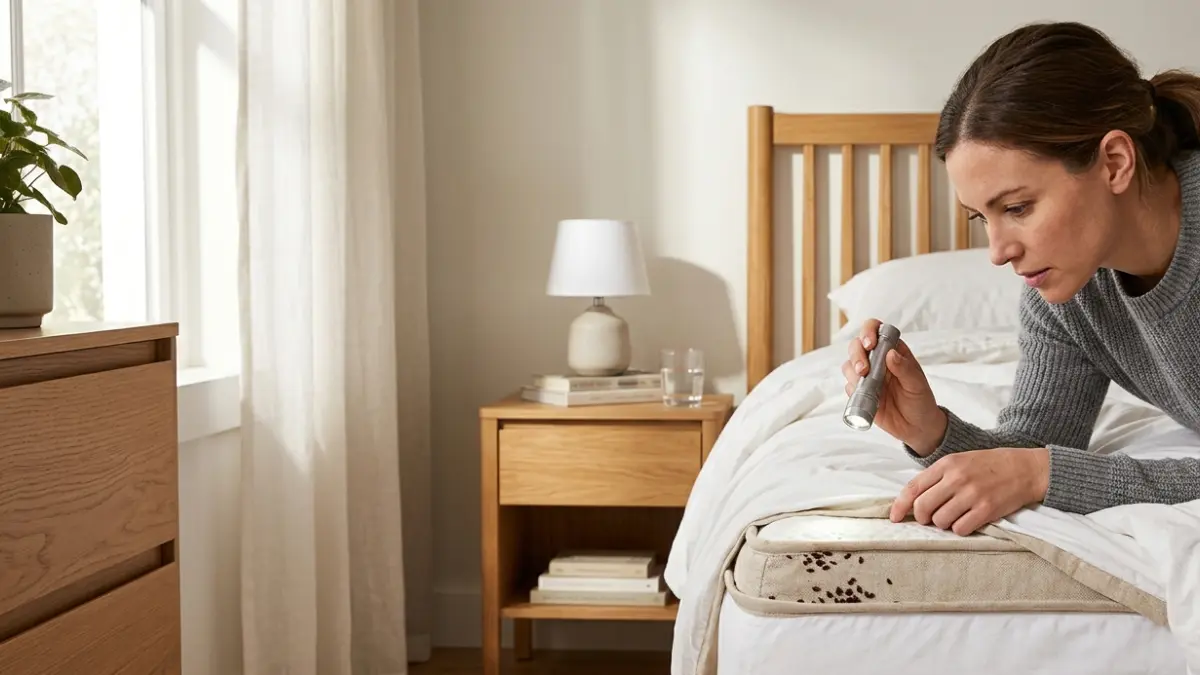
- Inspect the mattress — run your light and card along the mattress seams, piping, and tags, paying closest attention to the head of the bed.
- Inspect the box spring — lift it, check the seams and underside, and peel back the thin dust cover, a favorite hiding spot.
- Inspect the bed frame and headboard — examine the bed frame joints, screw holes, and any cracks in the headboard.
- Set interceptors — place bed bug interceptors under each leg to catch and monitor any bugs trying to climb up.
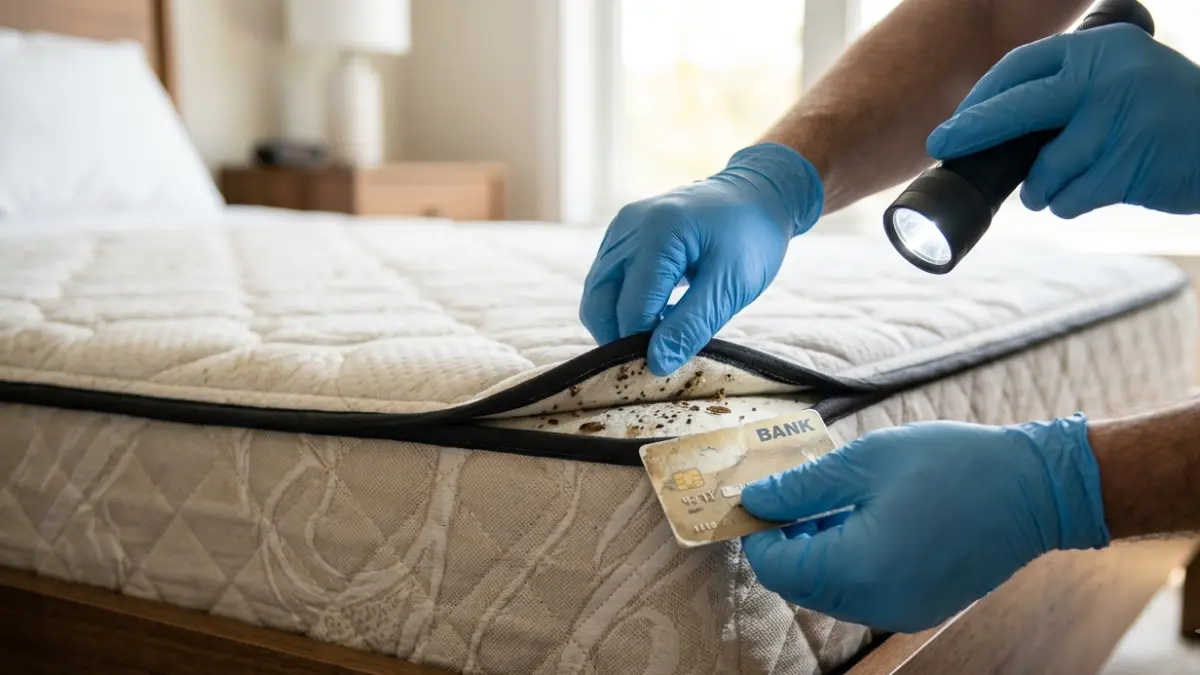
This sequence follows the EPA’s guidance on finding bed bugs, which points to the seams, piping, and tags of the mattress and box spring and the cracks of the frame and headboard as the spots to check first.
🔍 Why It Works: Bed bugs settle close to where you sleep so they don’t have far to travel for a meal, which is why the head of the bed, the seams, and the box-spring dust cover hide the most — they’re sheltered and inches from the host.
✅ Do This: Work top to bottom and don’t rush the box spring. Keep a sealable bag handy so you can trap a specimen for identification if you find one.
Where else bed bugs hide near the bed
Bed bugs don’t stay in the bed, so a clean mattress isn’t an all-clear. They’ll readily travel 5 to 20 feet from their hiding place to feed, per the EPA, so widen your search to roughly an 8-foot radius around where you sleep.
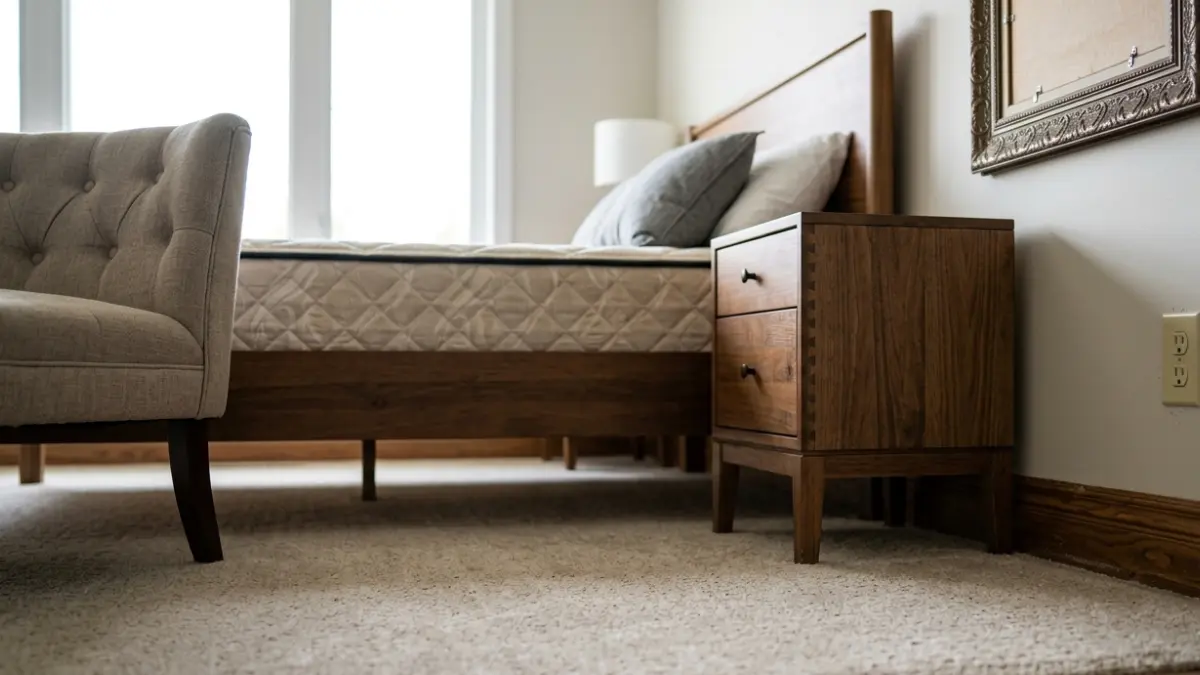
Furniture near the bed
Check nightstands, dresser drawer joints, and any upholstered chair or sofa near the bed — work the seams, tufts, and undersides of cushions. Travel is the most common way these pests arrive, hitching a ride in luggage and bags, which is worth knowing if you’re curious how people usually get bed bugs in the first place.
The room perimeter
Move outward to the cracks and crevices along baseboards, behind outlet and switch plates, behind the headboard and picture frames, and along carpet edges. A full picture of where bed bugs hide throughout a room helps if the bed itself comes up empty but you still suspect a problem.
💡 Pro Tip: Extension programs point out that finding nothing on a quick look doesn’t rule bed bugs out — early, low-level infestations hide in places a glance misses, so inspect slowly and in sections.
Tools and detection aids: what helps you find them
A thorough inspection doesn’t take much gear, and a couple of inexpensive detection aids can confirm what your eyes miss.
Your basic inspection kit
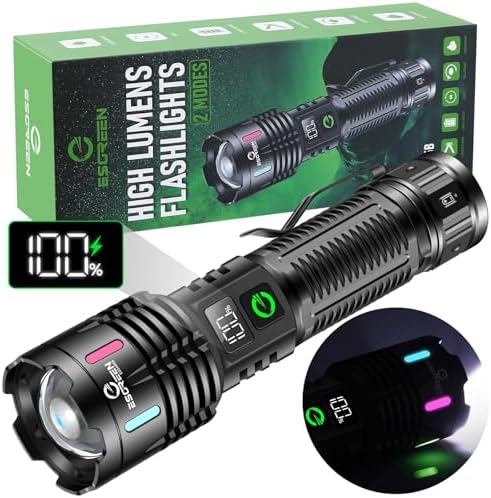
- [ ULTRA LONG RANGE – 3280 FT & ADJUSTABLE FOCUS ] The Esgreen ED2405B rechargeable flashlights high lumens is made of im…
- [ SINGLE 2 MODES HIGH/LOW – BRIGHTNESS ADJUSTABLE ] The Esgreen LED flashlight rechargeable USB C is single modes, only …
- [ MULTIFUNCTIONAL 2-IN-1 USB C CHARGING & DISCHARGING ] The super bright LED flashlight long range is built-in 2 USB int…
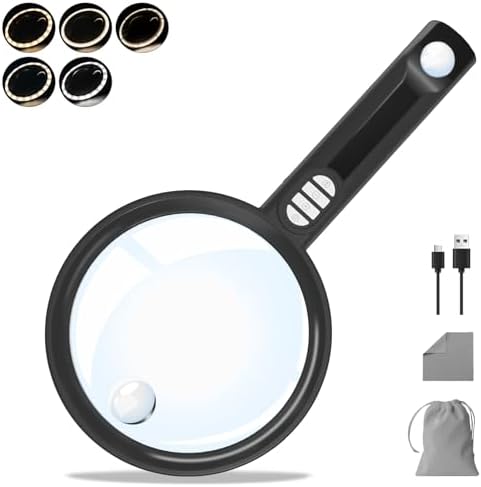
- Crystal-Clear Viewing with Triple Magnification (10X/20X/45X): Enjoy a large, distortion-free view through the 5.12-in…
- Enhanced 54 LED Smart Lighting System: Benefit from a powerful illumination system equipped with 54 energy-efficient …
- USB-C Rechargeable Design for Convenient Power: Say goodbye to battery replacements. This magnifying glass with light f…
The essentials are a bright LED flashlight, a magnifying glass, disposable gloves, a flat-edged tool or old card for crevices, and sealable plastic bags for any specimens. That kit covers a standard visual inspection.
Do bed bug interceptors work?
Bed bug interceptors are small dish-shaped traps that sit under each furniture leg and catch bugs as they climb toward the bed. They’re a genuine detection aid, not a cure.
📊 Sourced: University of California IPM research found interceptors trapped roughly six times more bed bugs than visual searches alone — useful for confirming and monitoring a suspected infestation.
Mattress encasements for detection and prevention

- Protective Barrier: Our mattress protector acts as a barrier, inhibiting everyday irritants from settling into your matt…
- Water & Stain Resistant: Designed to protect your mattress from unexpected spills, stains, and accidents.
- Triple-Seal Closure System: Our mattress protector features triple-seal protection with an interior barrier flap, hook-a…
A mattress encasement zips around the mattress (and box spring) and seals any bugs inside, where they can’t bite and eventually die, while making future inspections easier. Like interceptors, encasements help with detection and prevention — they don’t eliminate an established infestation on their own.
Is it really a bed bug? Common look-alikes
Here’s the reassuring part: most suspected bed bugs aren’t. Research from University of Minnesota Extension found that 76 percent of samples people submit for identification turn out to be something else. Several household pests are mistaken for them.
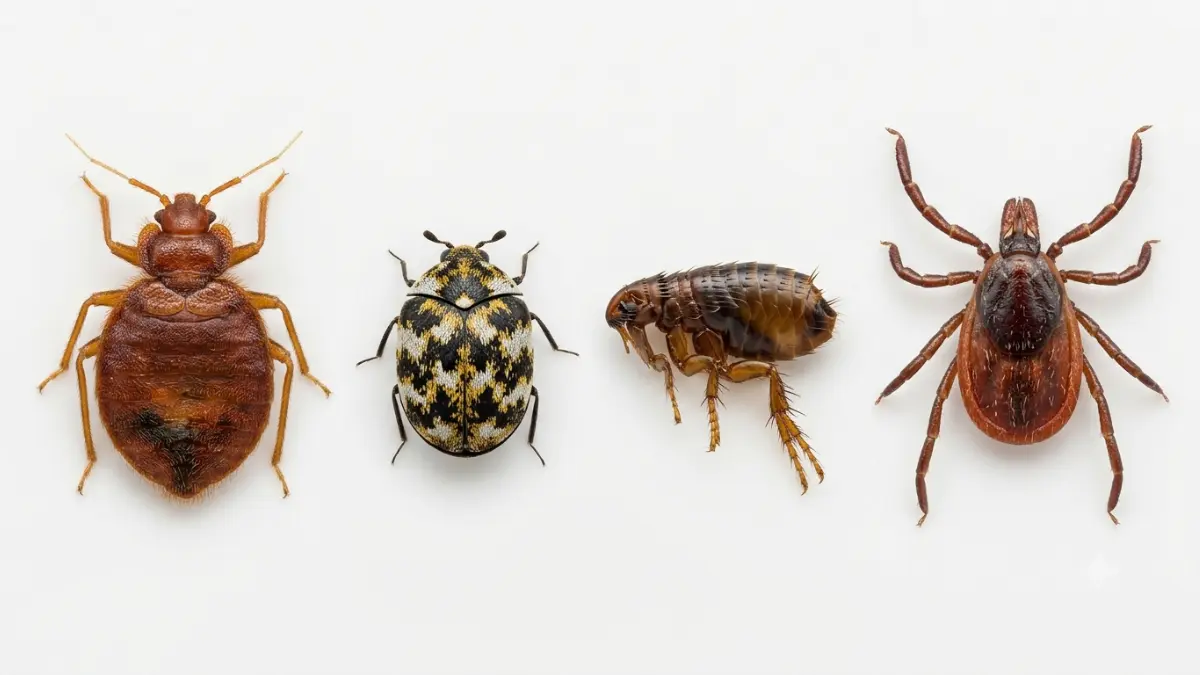
Carpet beetles versus bed bugs
Carpet beetles are a frequent false alarm. They’re rounder, have a mottled shell speckled with white, brown, and yellow, and they don’t bite — though the tiny hairs on their larvae can irritate skin and mimic bites. They also have wings and can fly, while bed bugs are wingless.
Fleas, ticks, and other look-alikes
Fleas are smaller, jump, and tend to bite around the ankles, so if you can tell bed bug bites from flea bites you’ve narrowed it quickly. Ticks have eight legs (bed bugs have six), bat bugs look nearly identical but live near bat roosts, spider beetles have round bodies and long legs, and booklice are pale and turn up in humid spots.
| Pest | Size | Jumps or flies? | Bites people? | Key detail |
|---|---|---|---|---|
| Bed bug | ~5 mm (apple seed) | No | Yes (at night) | Flat, reddish-brown; signs in mattress seams |
| Carpet beetle | ~2–5 mm | Flies | No | Mottled patterned shell; larvae irritate skin |
| Flea | ~1.5–3 mm | Jumps | Yes | Bites cluster around ankles; lives near pets |
Sources: University of Minnesota Extension; CDC.
The mattress-seam test
The most reliable confirmation is the mattress seam itself: dark fecal spots, shed skins, or live bugs along the piping point to bed bugs, because the other look-alikes don’t leave that evidence there.
You found signs — here’s what to do next
Confirming bed bugs is unsettling, but your first moves matter more than speed-panicking does.
⚠️ Watch Out: Don’t reach for an aerosol fogger or bug bomb. University of California IPM warns they’re not effective against bed bugs and can be harmful — and they can scatter the bugs deeper into hiding, making the problem worse.
First steps if you find bed bugs
Trap a specimen in a sealable bag for identification, and avoid dragging the mattress or infested items through the house, which only spreads them. A local extension office or pest professional can confirm what you’ve found. Because these pests multiply and move between rooms, it helps to understand how fast bed bugs spread before you start moving things around.
Renting? Contact your landlord
If you rent, loop in your landlord or property owner — tenants have rights, and coordinated treatment works far better than one unit acting alone. For peace of mind on the health side, it’s worth knowing whether bed bugs are dangerous; the short version is that they’re a recognized public health pest but not known to spread disease.
When to call a professional
✅ Do This: If you confirm signs or can’t tell for sure, hire a licensed pest control professional, and use only EPA-registered products labeled for bed bugs. See a healthcare provider for any severe or allergic reaction to bites.
The EPA’s public-health guidance treats bed bugs as a public health pest precisely because the bites, lost sleep, and stress add up. Once you’ve confirmed them, move to a safe step-by-step plan to get rid of them.
Frequently asked questions about checking for bed bugs
1. How do you check for bed bugs?
To check for bed bugs, gather a flashlight, magnifier, gloves, and a flat-edged tool, then inspect in order: the bedding, the mattress seams and tags, the box spring and its dust cover, and the bed frame and headboard. Place interceptors under each leg to catch and monitor any bugs.
2. What are the first signs of bed bugs?
The first signs of bed bugs are usually evidence rather than insects: rusty or reddish stains on sheets, dark ink-like fecal spots that bleed into fabric, pale shed skins, tiny pale eggs in seams, and sometimes a musty odor. Live bugs and bites may follow but aren’t always the first thing you notice.
3. Where do bed bugs hide in a bed?
Bed bugs hide in the mattress seams, piping, and tags, inside the box spring and under its dust cover, and in the joints, screw holes, and cracks of the bed frame and headboard. They favor the head of the bed because it’s closest to a sleeping host.
4. Can you see bed bugs with the naked eye?
Yes. Adult bed bugs range from 1 to 7 millimeters — about the size of an apple seed — and are visible to the naked eye, along with their shed skins and stains. The eggs and young nymphs are paler and much smaller, so they’re harder to spot without a magnifier.
5. What do bed bug stains look like on a mattress?
Bed bug stains on a mattress show up two ways: rusty or reddish smears, left when a bug is crushed, and small dark fecal spots that bleed into the fabric the way marker ink would. You’ll usually find them concentrated along the seams and piping, especially near the head of the bed.
6. Can you have bed bugs and not see them?
Yes. Low-level infestations are genuinely hard to detect, and most people see the signs before they ever see a bug. Bed bugs also live a long time without feeding, so they can stay hidden in cracks and seams for stretches, which is why a careful, section-by-section inspection matters.
7. What is often mistaken for bed bugs?
Carpet beetles and fleas are the most common look-alikes, along with ticks, bat bugs, spider beetles, and booklice. In fact, University of Minnesota Extension found 76 percent of submitted samples weren’t bed bugs at all. The reliable tell is fecal spots, shed skins, or live bugs in the mattress seams.
8. How do I check for bed bugs in a hotel?
Check a hotel the same way you’d check at home: keep your luggage off the bed, then inspect the mattress seams and tags — especially at the head of the bed — for rusty stains, dark fecal spots, shed skins, and live bugs. Lift the mattress edge and use a flashlight to look underneath.
9. Do bed bug interceptors really work?
Bed bug interceptors are an effective detection and monitoring tool, not a cure. University of California IPM research found they trapped about six times more bed bugs than visual searches alone. Placed under each furniture leg, they catch bugs climbing toward the bed and help confirm whether an infestation is active.
10. When should I call a professional?
Call a professional if you confirm signs of bed bugs or can’t tell for certain — a licensed pest control professional or local extension office can identify them, and only EPA-registered products labeled for bed bugs should be used. See a healthcare provider for any severe or allergic reaction to bites.
The bottom line on checking for bed bugs
A bed bug scare is stressful, but a methodical look at your bed turns worry into a real answer. Remember the odds: most suspected cases aren’t bed bugs at all, so confirm before you act. Work the six steps — tools, bedding, mattress, box spring, frame, interceptors — and widen the search to the furniture and baseboards nearby if the bed comes up empty.
If you find the telltale signs, skip the foggers, contain the area, and move to a proven plan for getting rid of bed bugs or call a licensed pro. Catching them early is the single biggest advantage you have.
Related Articles
 Bed Bugs Treatment
Before You Throw Away a Mattress With Bed Bugs, Read This
July 6, 2026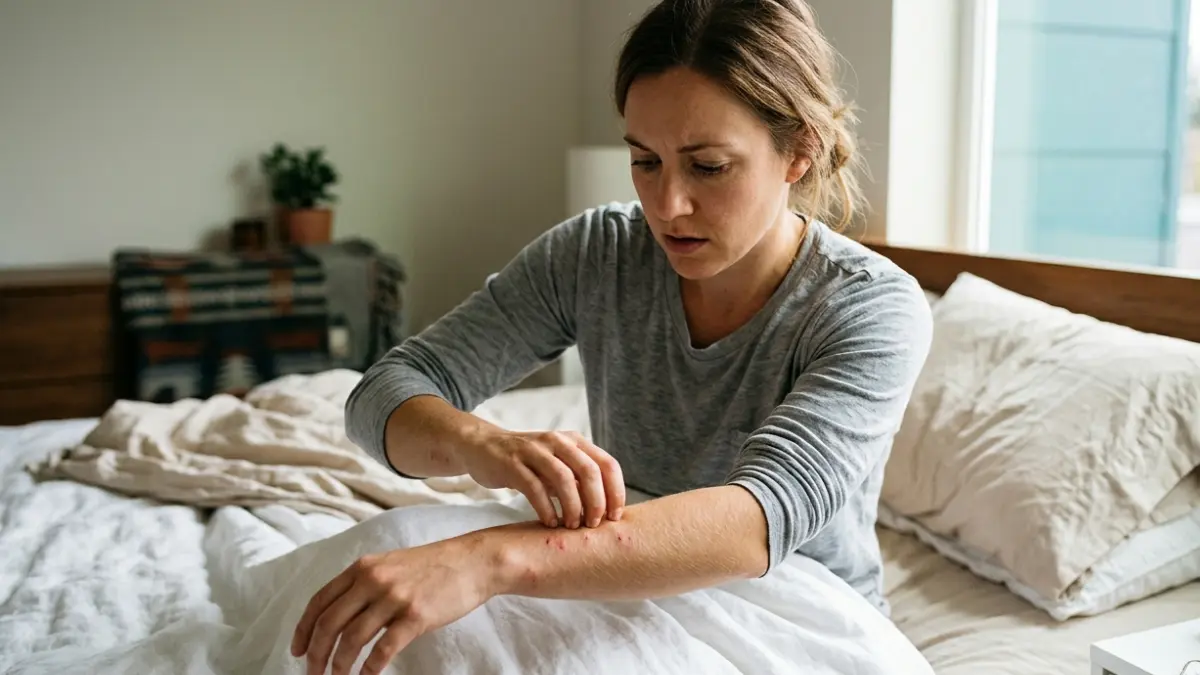 Bed Bugs Treatment
What Bed Bug Bites Look Like, and How to Be Sure
June 23, 2026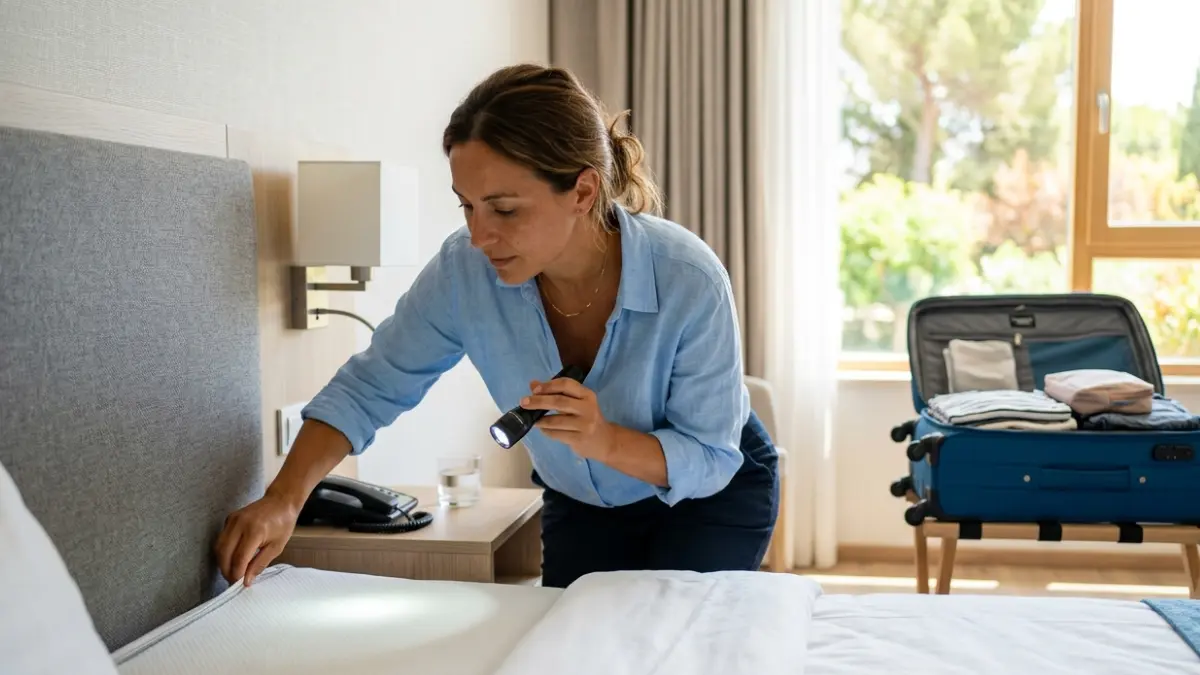 Bed Bugs Treatment
Are Bed Bugs Worse in Summer? What the Data Shows
July 13, 2026 Bed Bugs Treatment
How Do You Get Bed Bugs When Your Home Is Spotless?
June 26, 2026 Bed Bugs Treatment
Choosing DIY or Professional Bed Bug Treatment the Smart Way
July 9, 2026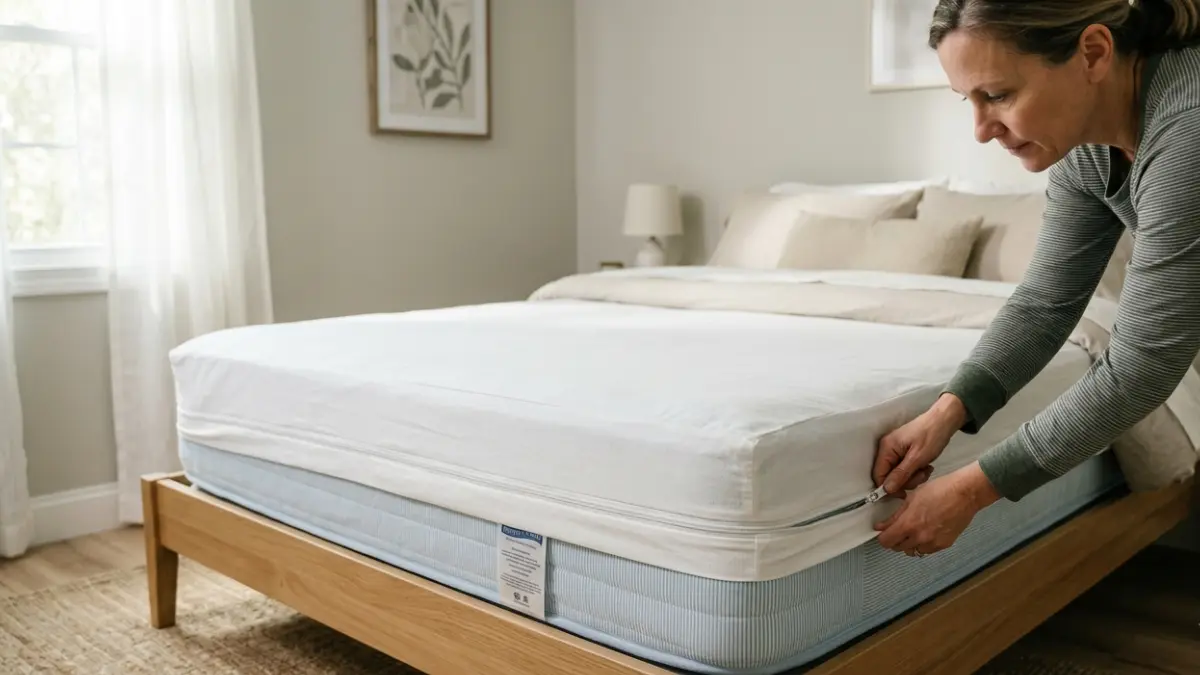 Bed Bugs Treatment
The Right Mattress Encasement for Bed Bugs, and How to Use It
July 4, 2026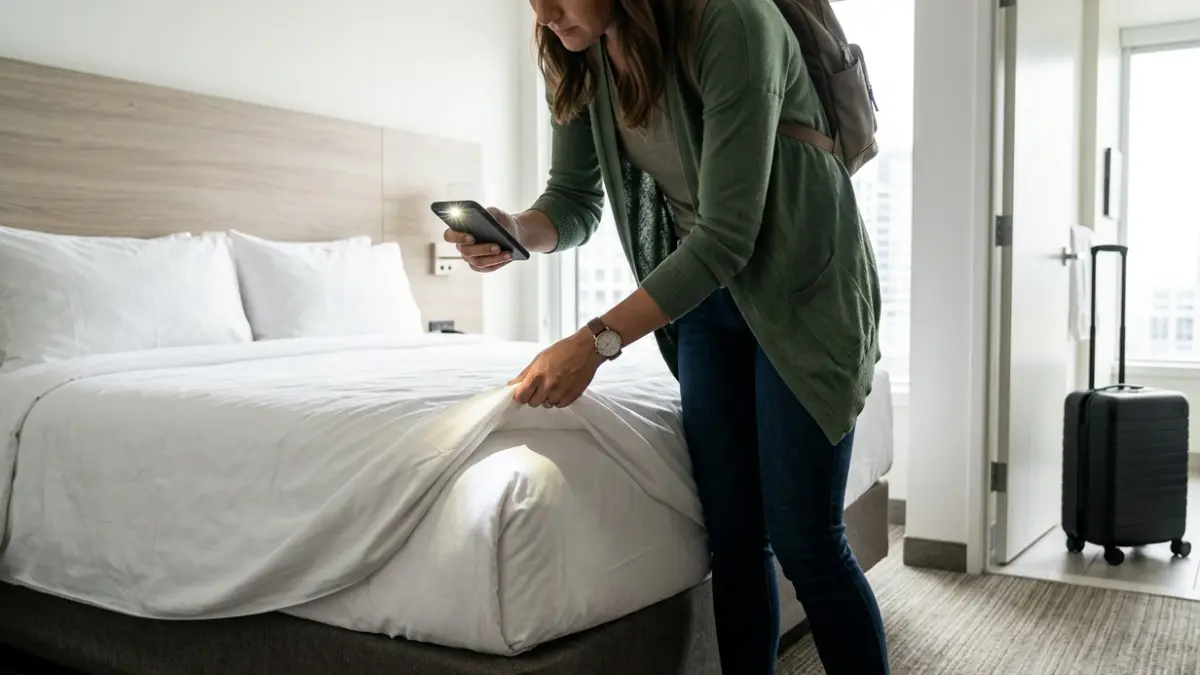 Bed Bugs Treatment
Check Your Hotel Room for Bed Bugs Before You Unpack
July 10, 2026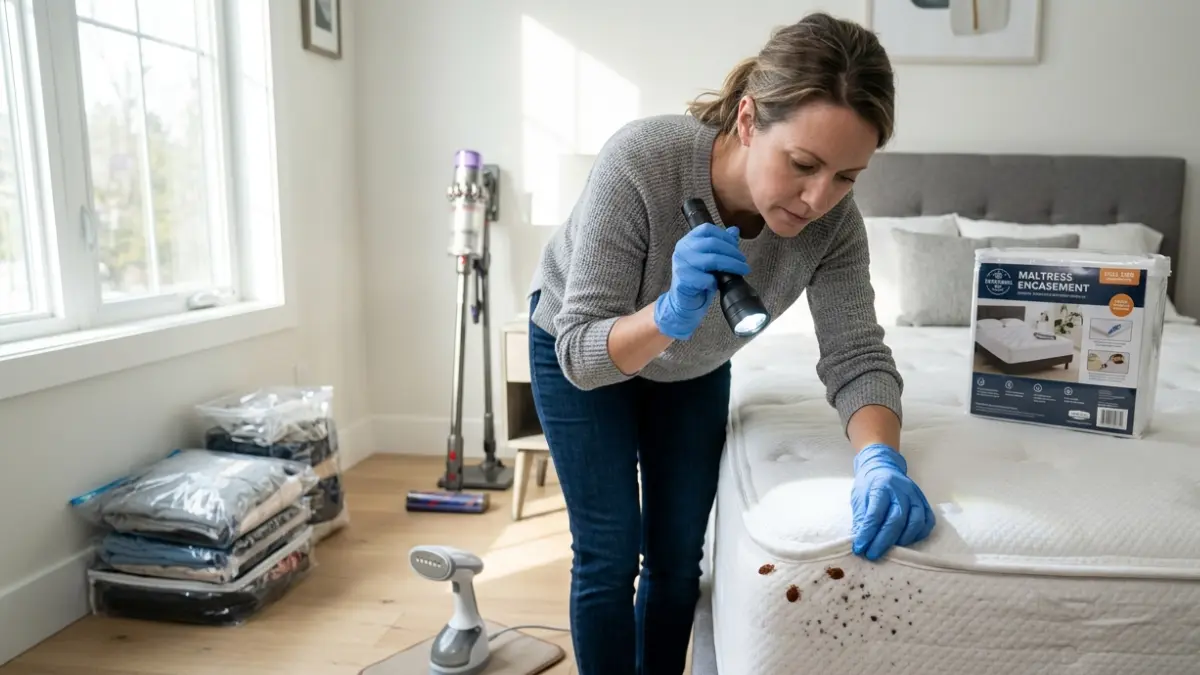 Bed Bugs Treatment
Get Rid of Bed Bugs Yourself the Right Way at Home
June 30, 2026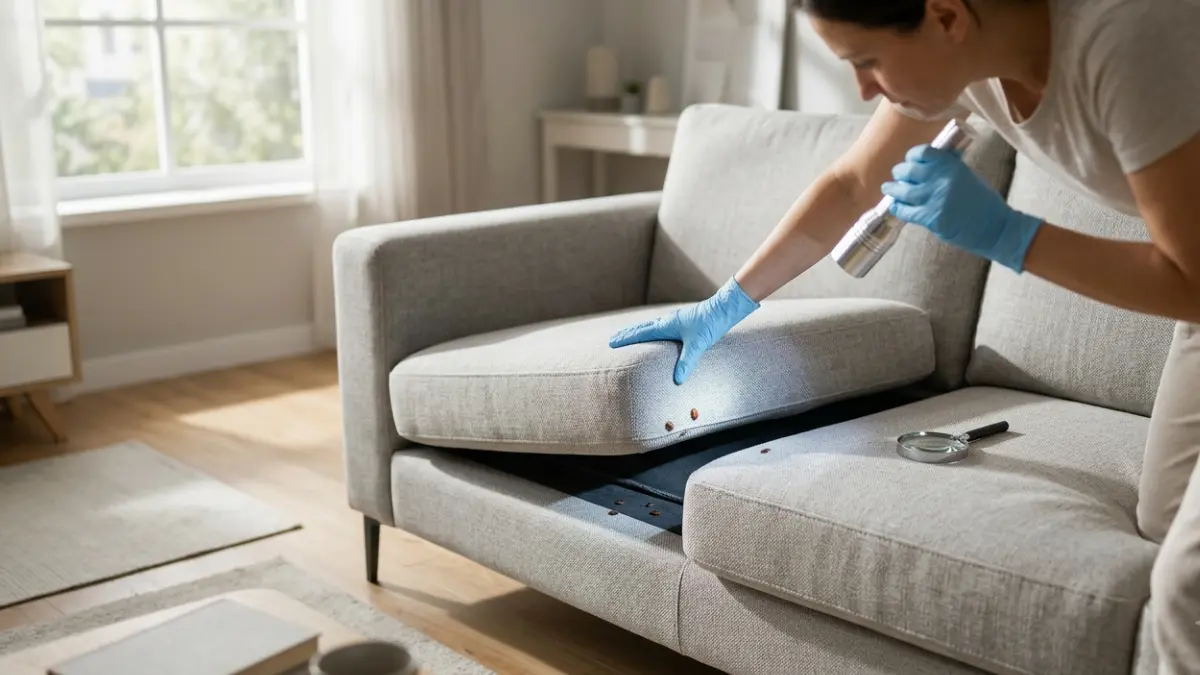 Bed Bugs Treatment