Pick the Right Crack Monitor Gauge for Your Foundation Crack

A crack monitor gauge shows if a crack moves, not why. Corner models fit 70 to 180 degrees; see which type matches your wall and crack.
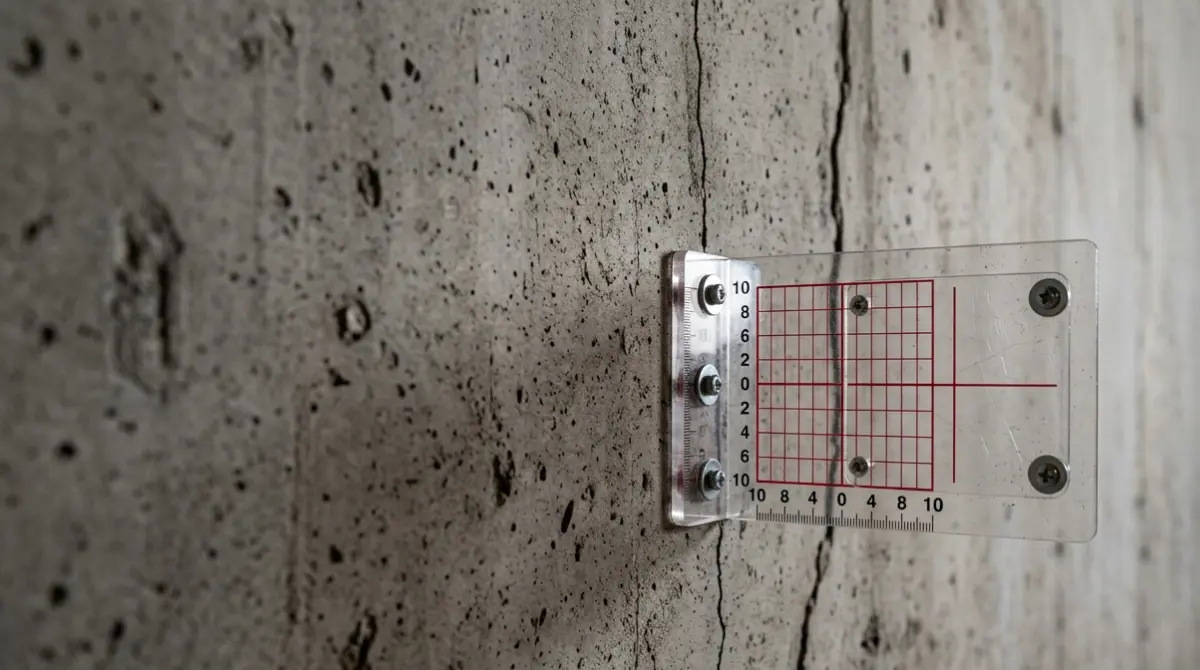
Table of Contents
Best crack monitor gauge for foundation cracks: quick picks
A crack monitor gauge shows whether a crack is moving, which is what an inspection report means by “monitor it.” It does not show why. Pick by crack type:
- Flat wall or slab crack: a two-plate tell-tale gauge, such as the Avongard standard model.
- Crack at a corner: a hinged corner gauge.
- Wide crack or finer readings: the BUILDERA CRACKMON 5020AV.
Just found a crack? Read on; already bought a gauge, skip to installing it. If the crack is horizontal, growing or leaking, read the safety note, then call a structural engineer first.
ℹ️ Safety Note: Judging structural damage, sealing active cracks, and any work on a foundation or at height carry risk of injury and major damage. This article is general information, not an engineering evaluation. Hire a licensed structural engineer for any crack that is horizontal, growing, offset or leaking, follow your local code and permit requirements, and read the safety data sheet before handling epoxy.
What a crack monitor gauge can and can’t tell you
A crack monitor gauge tells you whether one crack is moving, and nothing more.
What a gauge measures
GSA’s masonry procedure treats a crack as evidence the wall has moved or is still moving; a gauge puts a number on it.
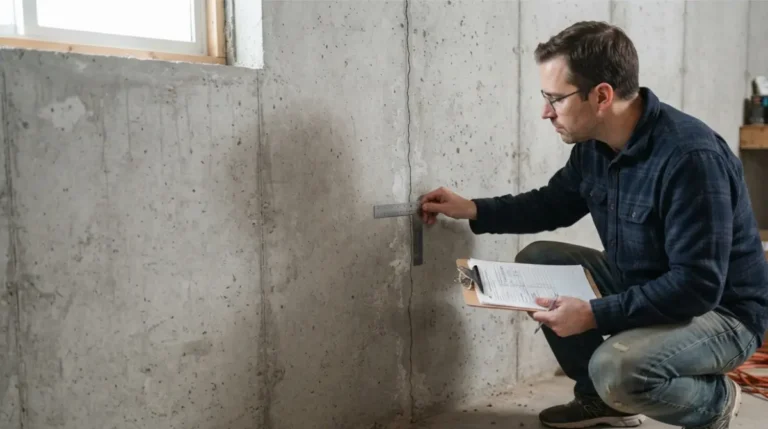
🔍 Why It Works: One plate carries a millimeter grid and the other a clear cursor, so any opening, closing or shifting moves the cursor on the grid.
What it can’t measure
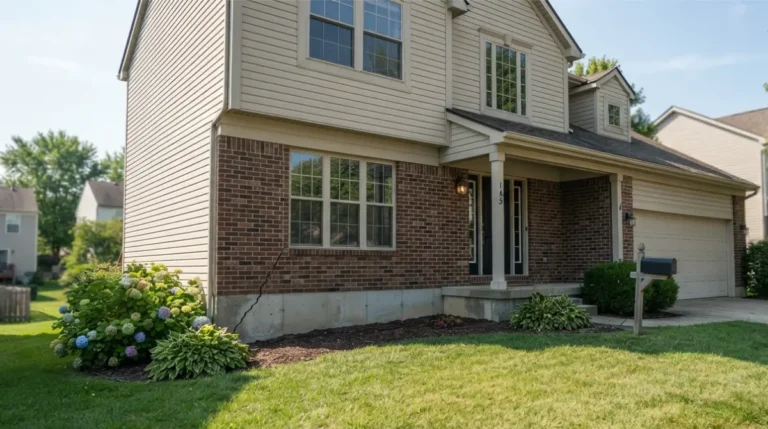
It can’t show why a crack formed or whether a wall is bowing; reading cracks by pattern helps with cause.
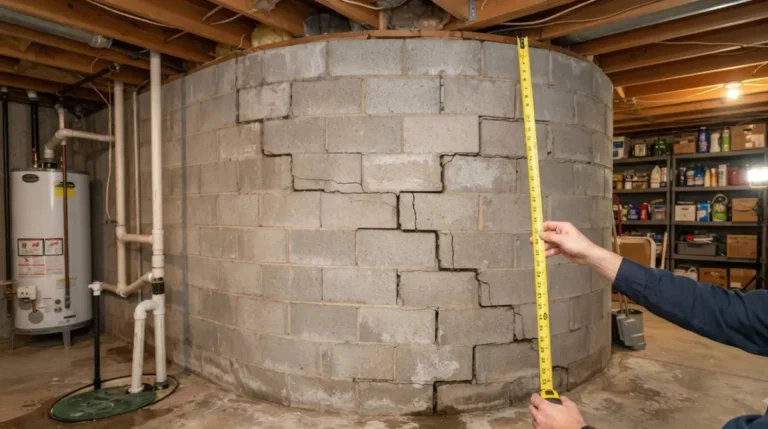
When to skip monitoring and call first
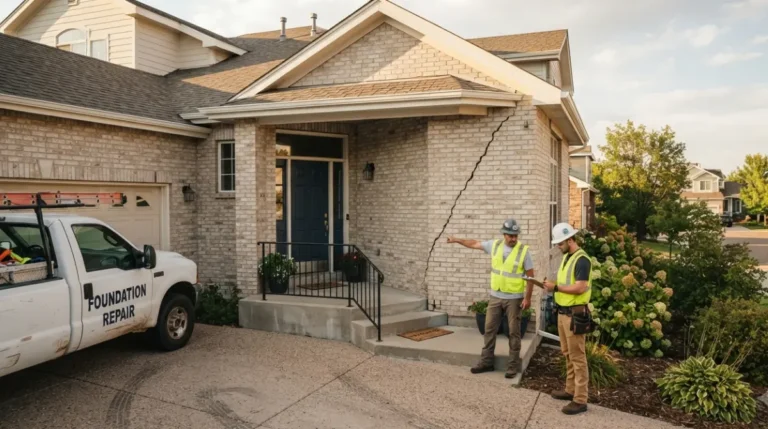
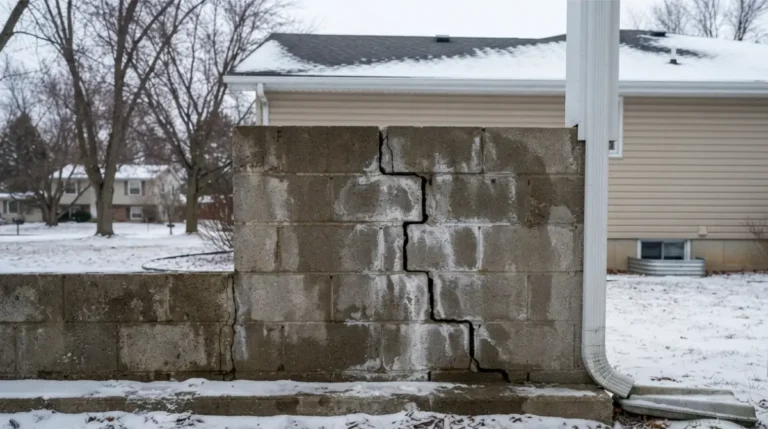
✅ Do This: For a horizontal, offset, leaking or growing crack, book a licensed structural engineer before anyone patches it; see who to call first.
Tell-tale, corner, 3D or caliper: which gauge fits your crack
Match the gauge to the crack’s shape, because each type reads movement differently.
Standard tell-tale for flat cracks
Two plates, pinned at zero, slide as the crack moves. Berntsen states its Avongard standard gauge resolves 1.0 mm, with 0.5 mm interpolation. Misses: shifts finer than that.
Corner and 3D for angles
A hinged corner gauge fits angles from 70 to 180 degrees, per the same page. 3D models add a depth axis and are marketed to engineers. Misses: value on flat walls, where a standard gauge does the job.
Caliper-ready and comparator cards for precision
Buildera states its CRACKMON 5020AV reads to ±1 mm on its grid, and to ±0.025 mm with digital calipers bought separately. A comparator card gives a one-time width, not a log. Misses: fine readings without calipers.
Crack monitor picks by crack type, and how we chose
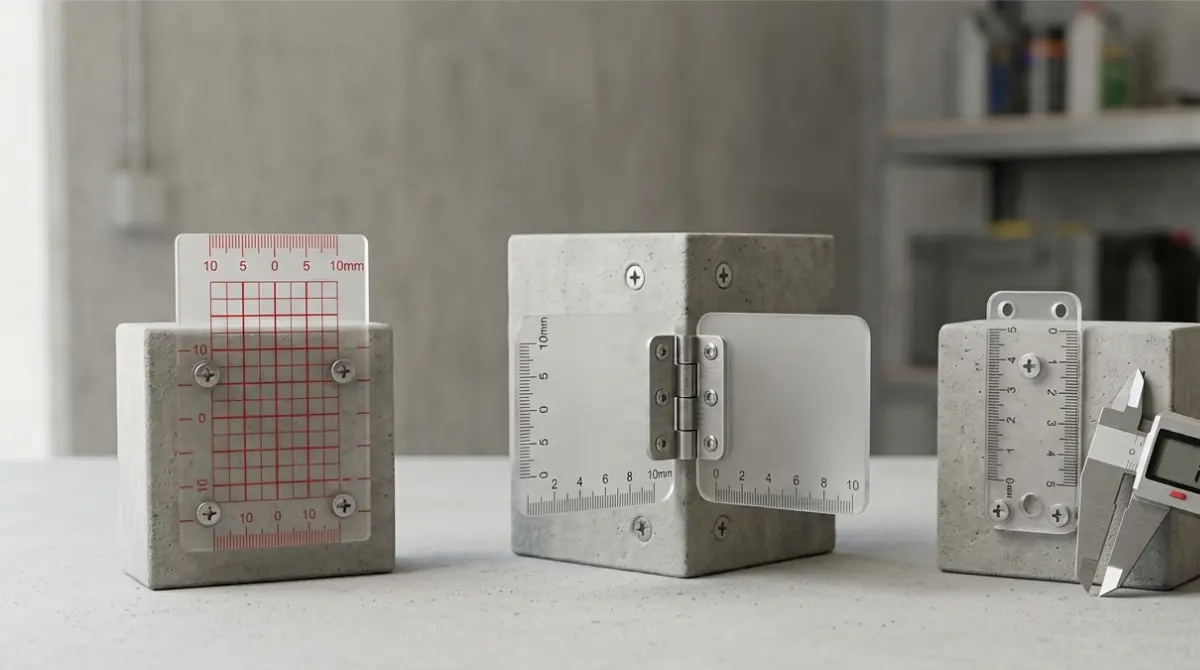
A two-plate tell-tale covers most cracks; pay more only for wide cracks or finer readings.
Picks by crack type
| Gauge | Maker-stated spec | Best for |
|---|---|---|
| Avongard standard | 1.0 mm, 0.5 mm interpolation | Flat cracks |
| Avongard corner | Fits 70–180 degrees | Inside corners |
| CRACKMON 5020AV | ±25 mm X, ±10 mm Y | Wide cracks |
How we chose
These are makers’ specs, not our test results, and we name no budget Amazon gauge because we could not verify their claims.
How to install a crack monitor so the readings hold up
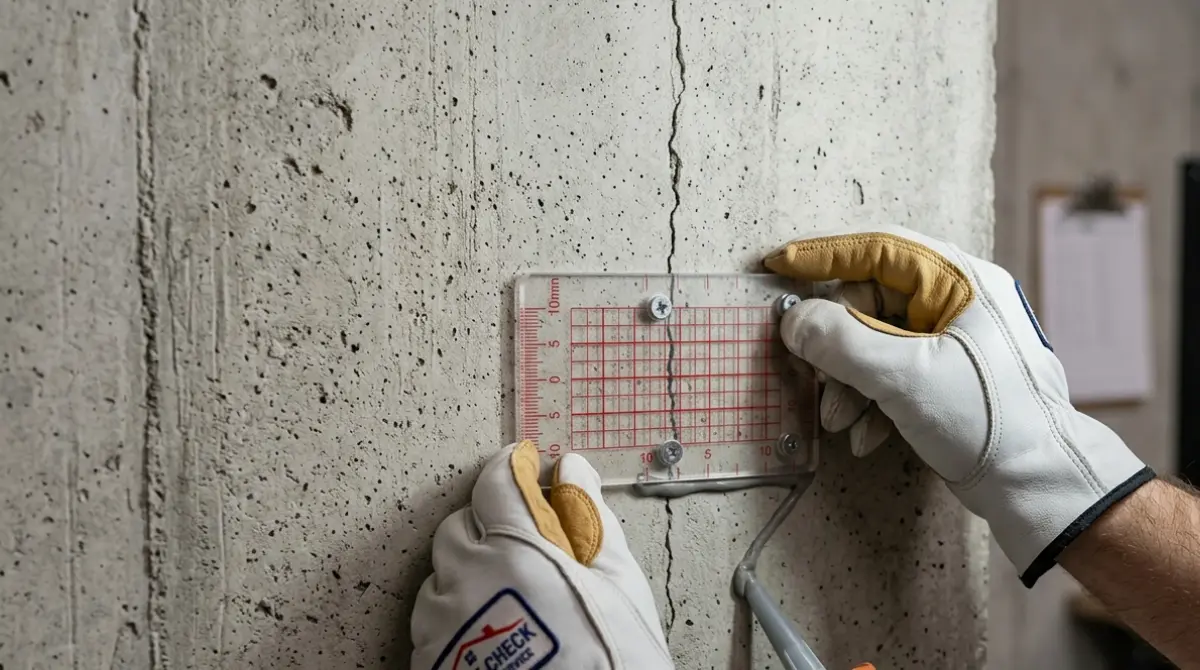
A gauge helps only if it’s fixed firmly and read consistently.
Prep and placement
Clean the surface and set the gauge across the crack, zero line parallel to it, as GSA’s procedure describes.
Mounting and baseline reading
- Fix it with structural epoxy or stainless screws and anchors, both sold separately by Buildera.
- Pull the alignment pegs.
- Log the reading and date, with a ruler photo.
Renting or new build?
Renters: ask your landlord first. New build: start the log early.
✅ Do This: Leave high, horizontal or leaking cracks to a licensed structural engineer, and ask what monitoring they recommend.
How often to check a crack monitor, and what a change means
Pick one check rhythm and keep it, so readings stay comparable.
A simple check schedule
Our guides run from monthly checks to every three to six months, and GSA’s tape-and-pencil method logs weekly. Keep logging through at least one wet and one dry stretch.
Movement vs normal seasonal change
🔍 Why It Works: Expansive clay swells when wet and shrinks when dry, per Colorado State Extension, so cracks can open and close with the seasons.
Our clay-soil guide explains the cycle. Treat a change smaller than your gauge’s resolution as noise.
When a reading means call an engineer
✅ Do This: If readings keep moving one way, or the crack offsets, widens or leaks, take your log to a licensed structural engineer.
Crack monitor mistakes that make your readings useless
Three avoidable mistakes ruin most gauge readings.
Monitoring a leaking crack
A leaking crack needs the water fixed, and sealing one that is still moving can hide the movement; our guide to fixing a foundation crack explains the difference.
Reading it once
One reading is a baseline, not a trend. Gaps in the log leave an engineer with less to go on.
Trusting low resolution
A gauge that reads to about a millimeter can’t confirm a hairline crack is still. Use calipers on a caliper-ready model if small shifts matter.
Crack monitor gauge questions, answered quickly
1. What is a crack monitor gauge?
A crack monitor gauge is a two-plate device fixed across a crack that shows, on a millimeter grid, whether the crack opens, closes or shifts.
2. How does a crack monitor gauge work?
A crack monitor gauge’s plates start pinned at zero; once released, they slide as the crack moves and a cursor shifts on the grid.
3. How accurate is a crack monitor gauge?
Makers state about 1 mm resolution for standard gauges and finer with calipers; we have not tested any crack monitor gauge ourselves.
4. How much does a crack monitor gauge cost?
Berntsen lists Avongard gauges at $26.50 (standard) and $47.00 (corner) each; check current crack monitor gauge prices before buying.
5. Where should I put a crack monitor gauge?
Fix the crack monitor gauge across the crack, zero line parallel to it, and leave high cracks to a licensed structural engineer.
6. How long should I monitor a foundation crack?
Keep the crack monitor gauge logging through at least one wet and one dry stretch, checking monthly to every three to six months.
7. How often should I check a crack monitor gauge?
Choose one rhythm, from weekly for tape-and-pencil logs to every three to six months, and keep it so readings stay comparable.
8. Can I track a crack without a crack monitor gauge?
Yes: GSA describes a tape-and-pencil method with weekly records, though a crack monitor gauge gives you a printed millimeter scale.
9. Does a crack monitor gauge show if my foundation is failing?
No. A crack monitor gauge shows movement at one crack, not the cause; have a licensed structural engineer diagnose any crack that worries you.
10. When should I call an engineer instead of monitoring?
Call a licensed structural engineer for horizontal, offset, leaking or growing cracks before using a crack monitor gauge or patching.
Your next step with a crack monitor gauge
Order one gauge, fix it across the crack that worries you most, and log a dated baseline this week. Check it on one rhythm through a wet and a dry stretch. If the crack is horizontal, offset, leaking or growing, call a licensed structural engineer first.