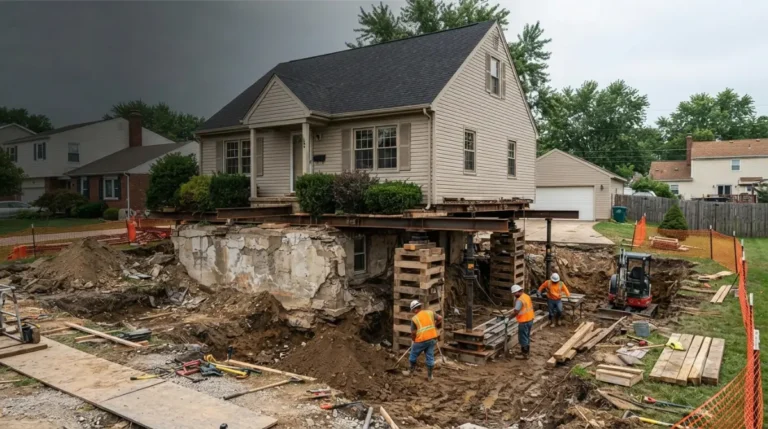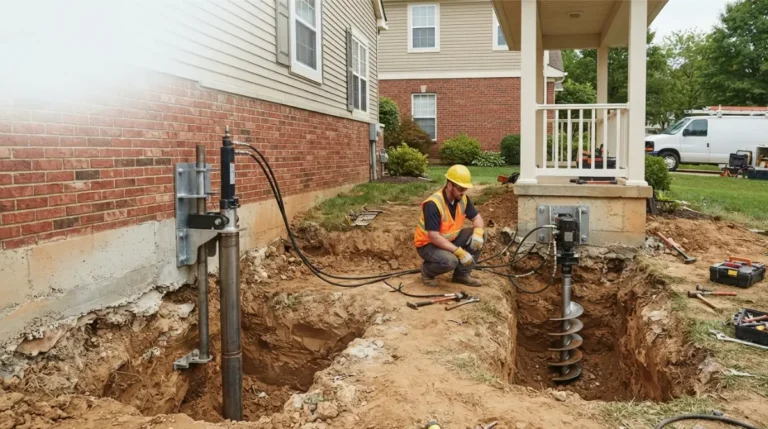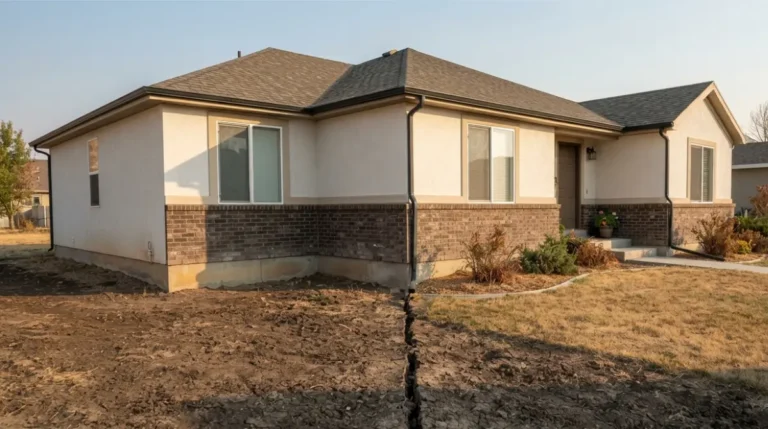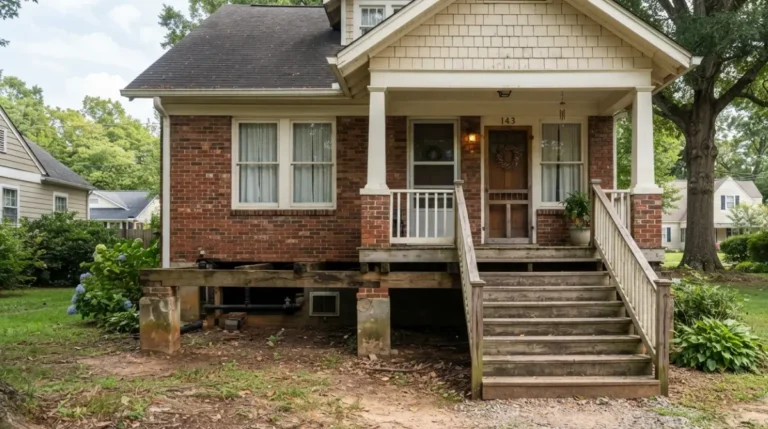
When Does Home Insurance Cover Foundation Repair, and When Not?

Home insurance covers foundation damage from fire, wind or a burst pipe, not settling or slow seepage. Here’s how to tell which one you have.
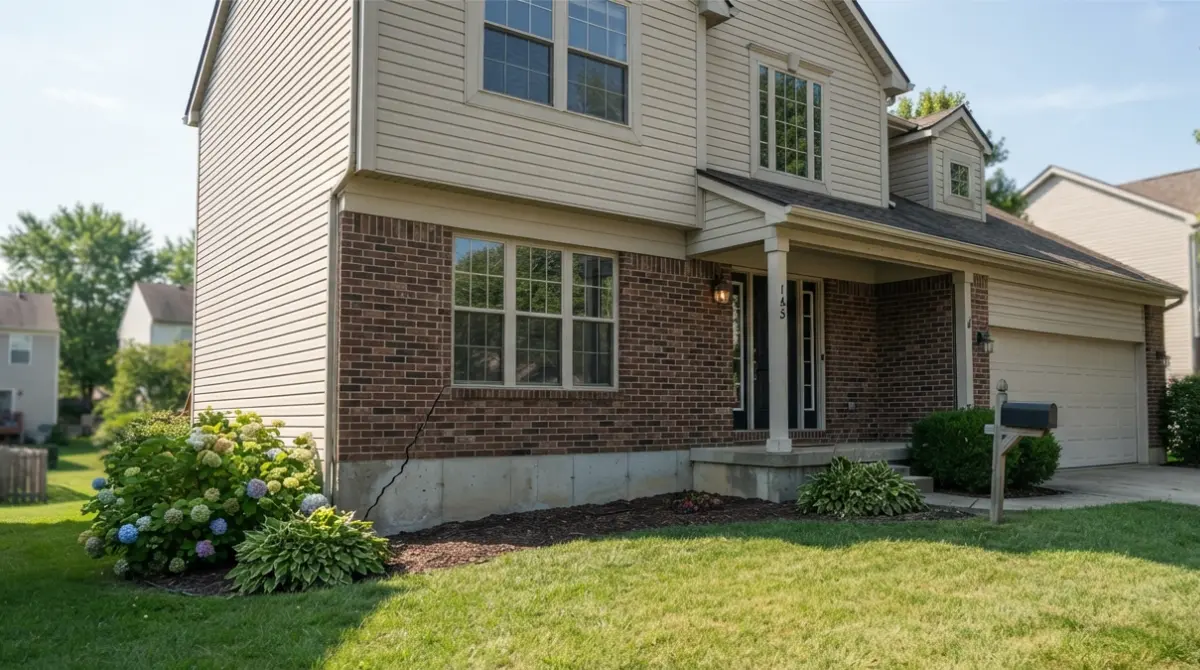
Table of Contents
Does homeowners insurance cover foundation damage?
Home insurance pays for foundation damage only when a covered peril, usually a sudden and accidental event, caused it. Settling, shifting soil, floods, earthquakes and wear are typically excluded, so the cause matters more than the crack. Your policy wording and state make the final call.
Where to jump based on your situation
- New cracks: see the table below.
- Possible leak: read the plumbing section.
- Pricing the repair: see foundation repair costs and who to call first.
ℹ️ Safety Note: General information, not insurance or legal advice; your policy, insurer and state decide coverage. If movement is sudden or the structure feels unsafe, leave and call local authorities. Use a licensed structural engineer and a licensed insurance agent.
What counts as a covered peril for your foundation
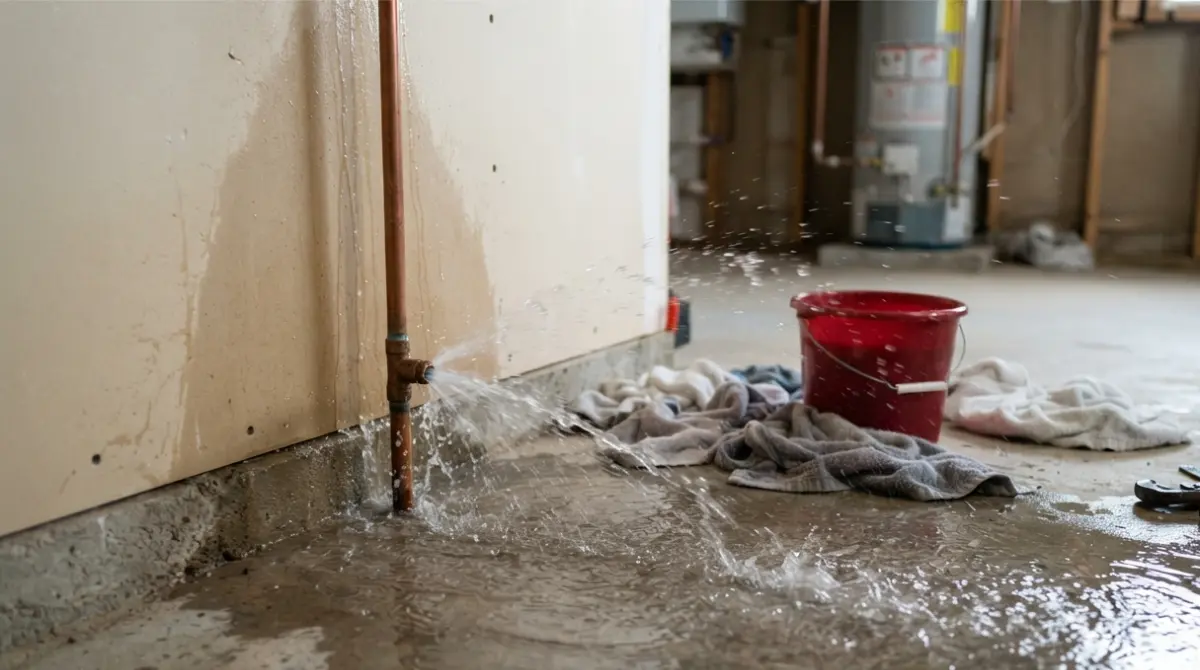
Covered causes include fire, windstorm and a burst pipe.
Dwelling coverage and where the foundation sits
Dwelling coverage pays for damage to your house and attached structures, per NAIC’s consumer guide to home insurance. Insurers generally treat the foundation as part of the house, so confirm your policy wording.
Open-peril vs. named-peril, and detached garages
Some policies cover every cause not excluded; others cover only listed causes. A detached garage falls under other structures coverage, typically 10% of your dwelling limit, NAIC says.
What foundation damage insurance usually won’t cover
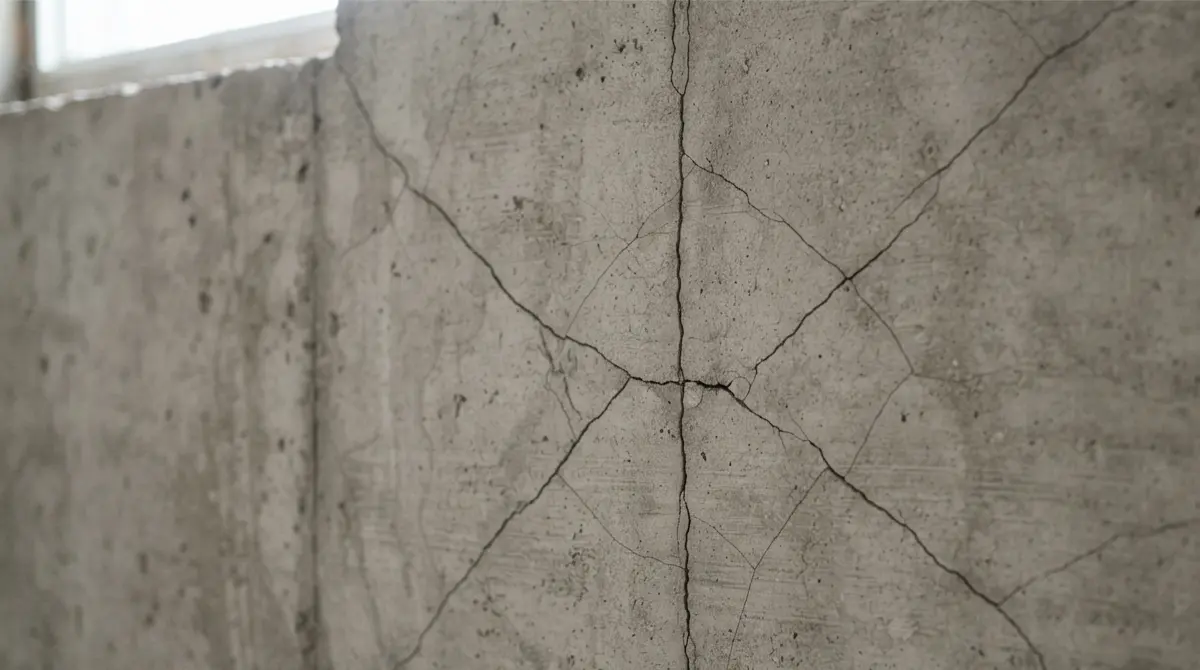
Settling, cracking and earth movement
The California Department of Insurance’s coverage fact sheet lists earth movement, settling, cracking, subsidence and sinkholes as standard exclusions in California policies.
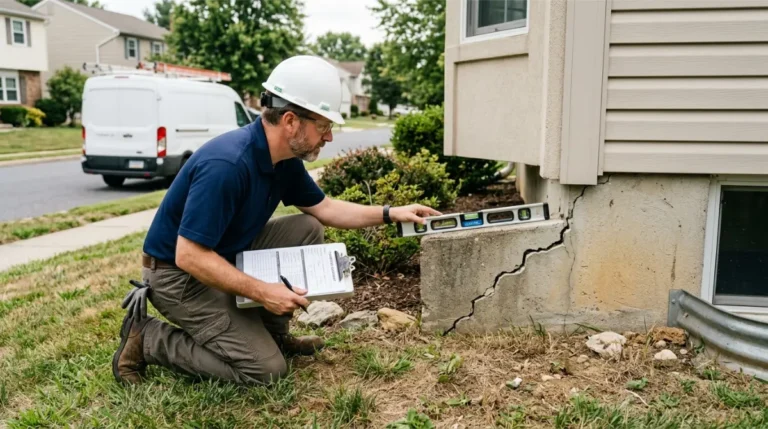
See which foundation crack patterns are risky vs. common.
Wear, neglect and slow seepage
A policy isn’t a maintenance contract, NAIC says. Texas A&M adds that seepage through a foundation is excluded.
Cause-to-coverage table
| Cause | Typically covered? | Wording to check |
|---|---|---|
| Burst pipe, sudden leak | Often yes | Accidental discharge |
| Fire, windstorm | Yes, if insured | Perils insured against |
| Settling, shifting soil | Typically no | Earth movement |
| Slow leak, seepage | Typically no | Gradual damage |
| Flood, surface water | No | Flood exclusion |
| Earthquake, sinkhole | No | Earth movement |
When a plumbing leak damages your foundation
It depends on sudden vs. slow.
Burst pipe vs. slow leak
A Texas A&M insurance explainer says covered water damage must be sudden and accidental: a burst pipe qualifies, but seepage through a foundation doesn’t.
Slab leaks and foundation movement
When a leak under the house moves the foundation, outcomes vary by policy wording, state and facts. Usually the leaking pipe itself isn’t covered, only resulting damage.
✅ Do This: Hire a licensed plumber to locate the leak and a licensed structural engineer to assess movement, then ask your insurer in writing how it treats leak-related foundation damage.
Flood, earthquake and home warranty: what else might pay
Standard policies exclude flood and earthquake.
| Coverage | Foundation damage it may pay for |
|---|---|
| Homeowners policy | Covered perils only |
| Flood (NFIP) | Flood losses only |
| Earthquake policy | Earthquake losses only |
| Home warranty | Not the home’s structure |
Flood insurance (NFIP)
FEMA’s guide to flood insurance in a basement lists foundation elements among covered items. NFIP excludes earth movement, landslides and sinkholes. For wet basements, read when homeowners insurance covers basement water.
Earthquake and home warranty
Earthquake coverage is a separate policy or endorsement, NAIC says. A home warranty is a service contract for appliances and systems, per the FTC, and NAIC says it doesn’t cover structure.
How to file a foundation damage claim
Records protect your claim.
Protect the home and report the loss
NAIC says you must protect the home from further damage. Photograph everything, keep dated notes and receipts, then contact your insurer. An engineer can document the cause; see what a foundation inspection costs.
Should you file at all?
If repairs barely exceed your deductible, NAIC says paying yourself may make sense. Claims can affect premiums.
If it’s denied
Ask your insurer to resolve it, then check your appraisal clause. You can consult an attorney or public adjuster (not allowed everywhere) or your state insurance department.
✅ Do This: Ask a licensed insurance agent which peril or exclusion applies, and keep every reply in writing.
Protect your foundation and your coverage
Warning signs that need a pro now
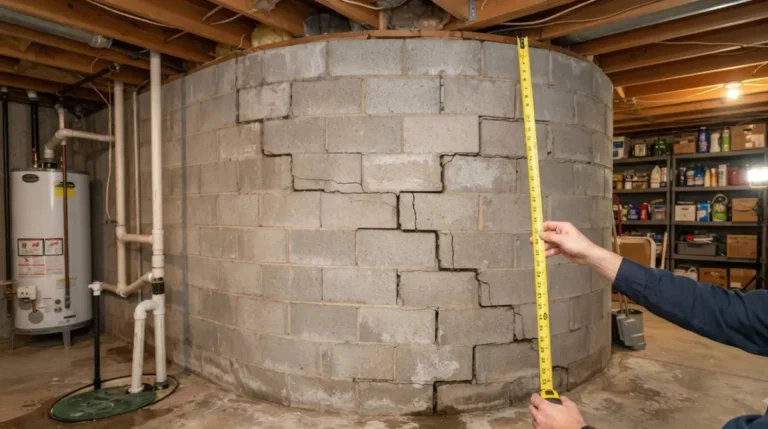
Call a licensed structural engineer if cracks widen, doors stick, floors slope or walls bow. See how to tell settling from real foundation problems.
Simple habits
Texas A&M suggests inspecting appliance hoses, draining your water heater twice a year, and installing smart leak detectors.
Foundation repair and home insurance FAQs
1. Does home insurance cover foundation cracks?
Only when a covered peril caused them; cracks from settling or shifting soil are typically excluded. Confirm with a licensed insurance agent.
2. Is foundation settlement covered by home insurance?
Typically no, because standard home insurance policies list settling and shifting earth among their exclusions. Check your policy’s exclusions page.
3. Does home insurance cover a slab leak or burst pipe?
Sudden burst-pipe damage is typically covered, seepage isn’t, and slab-leak outcomes vary by policy and state. Have a plumber locate the leak.
4. Does flood insurance cover foundation repair?
NFIP flood insurance covers foundation elements for flood damage only, not earth movement, landslides or sinkholes. Ask a licensed agent.
5. Does earthquake insurance cover foundation damage?
Standard home insurance excludes earthquakes; insurers sell earthquake coverage separately or as an endorsement, so read its terms. Ask an agent.
6. Does a home warranty cover foundation repair?
Typically no, because NAIC says a home warranty doesn’t cover a home’s structure, so foundation repair usually falls outside it. Read the contract’s exclusions first.
7. Will filing a foundation claim raise my premium?
Insurers report claims to databases like CLUE, and a claim can affect your premium and renewal. Ask your agent before filing.
8. What if my insurer denies my foundation claim?
Ask your insurer to resolve it, check your policy’s appraisal clause, or consider an attorney or public adjuster. Contact your state insurance department too.
9. Does insurance pay to fix the leaking pipe itself?
Usually not; resulting foundation damage may be covered, but the cost to repair the leaking pipe itself typically isn’t. Ask your insurer in writing.
10. Does home insurance cover a detached garage’s foundation?
A detached garage falls under other structures coverage, typically 10% of your dwelling limit, so check your limit. Confirm with your agent.
The rule is simple: a covered, sudden cause gets paid, and a slow or excluded cause usually doesn’t. Pull your policy’s exclusions page, ask a licensed insurance agent which cause applies, and get the damage evaluated before deciding whether to file. Once you know the cause and the coverage, you can price the repair with confidence.