The Smart Way to Compare Basement Waterproofing Quotes

Basement waterproofing quotes often differ by method, not markup—and a coating-only bid is a temporary fix. Here’s how to line up three bids.
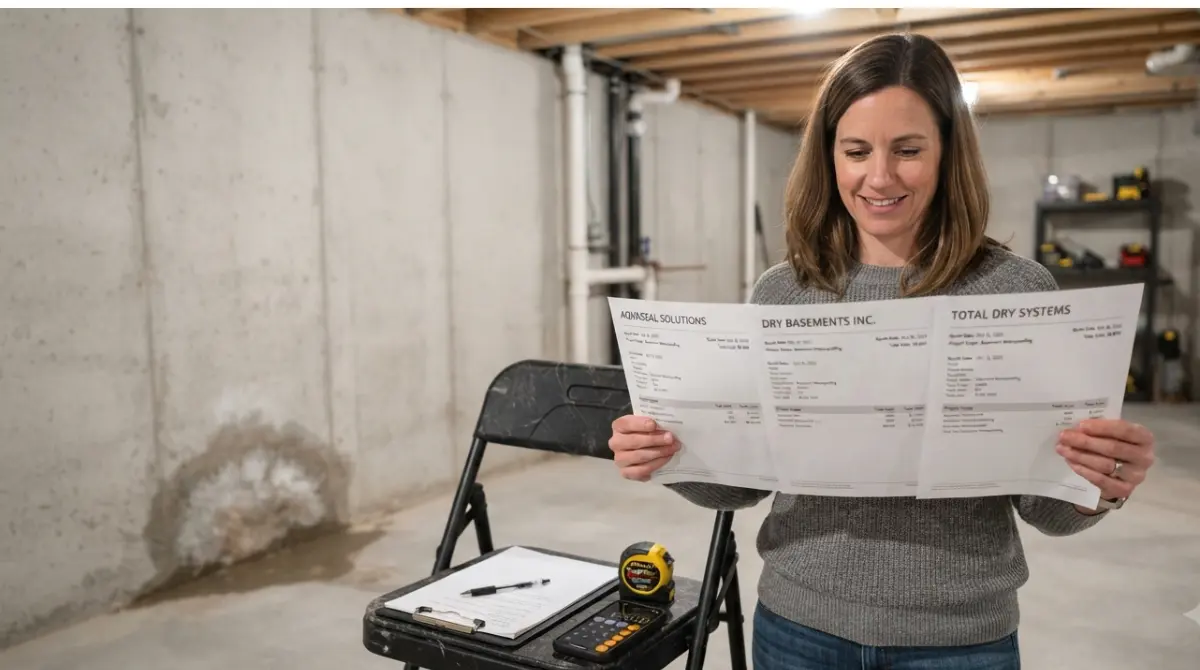
Table of Contents
You have three quotes and three different prices. Now what?
Three contractors walked your basement, and now you’re holding three waterproofing quotes that barely look like the same job. That’s normal, and it’s fixable.
- Not sure where the water comes from? Start with the next section.
- Quotes propose different methods? Go straight to the 8-line comparison.
- About to sign? Read the red flags first.
Why “just pick the middle one” fails
The middle price can still be missing the drain, the backup pump, or the warranty that actually protects you. Get at least three written quotes, then do what federal consumer guidance recommends: ask each firm to explain why its price differs.
What you’ll have when you finish
You’ll have a line-by-line worksheet showing what each quote includes, what it skips, and what to ask next. If you haven’t broken down a single quote yet, start with how to read a waterproofing quote line by line.
ℹ️ Safety Note: Basement water problems can involve mold, radon, and structural damage. This article explains how to compare quotes, not how to repair a foundation. If you suspect a crack is structural, hire a structural engineer before choosing a waterproofing contractor. If mold covers more than about 10 square feet, follow EPA’s mold and moisture guide and your local code.
Why basement waterproofing quotes are so far apart
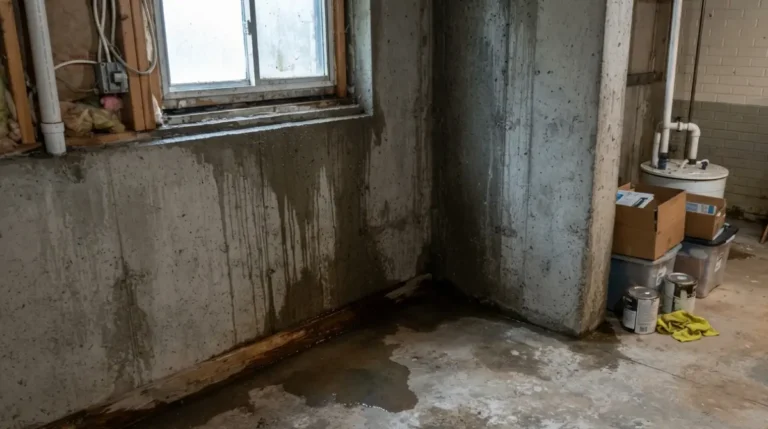
Basement waterproofing quotes differ most because contractors often propose different methods for the same leak, not because one is overcharging. A coating, an interior drain with a sump pump, and exterior excavation are three different jobs at three different price levels.
Published averages won’t settle it either. Fixr reports $3–$10 per square foot, This Old House reports an average of $13,640 for a 1,000-square-foot basement, and Modernize says most homeowners spend about $5,000.
Different fixes for the same leak
University of Minnesota Extension’s basement moisture guide recommends fixing gutters and grading first, because that alone may solve the problem. It calls interior coatings a temporary fix, and exterior drainage the most costly but most effective approach.
Leak or condensation? Check before you sign
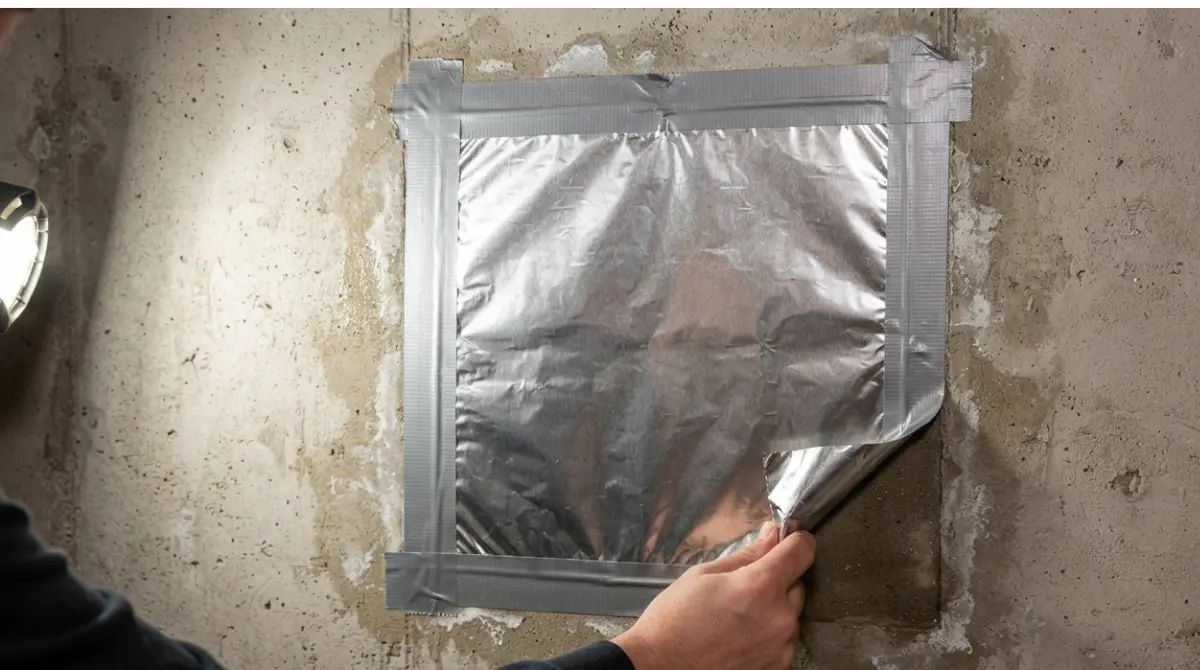
Warm, humid summer air condenses on cool basement walls, and many homeowners mistake it for leakage. Run a simple condensation-vs-seepage test before paying for drainage you may not need.
The 8 lines to compare on every waterproofing quote
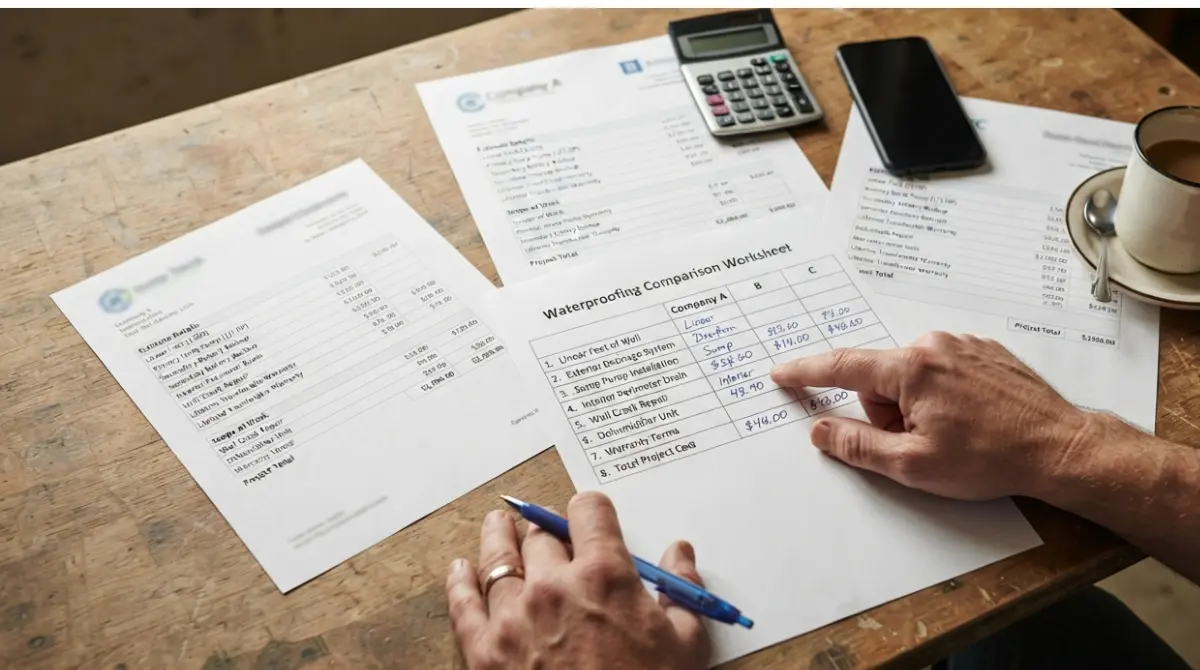
Line up these 8 items across all three quotes before you compare totals.
Lines 1–4: diagnosis, method, footage, drain spec
- Water source: Does the quote say where water enters? A fix without a diagnosis is a guess.
- Method and coverage: Is it a coating, an interior drain, or an exterior drain, and on which walls?
- Linear feet: Mismatched drain footage explains many price gaps.
- Drain placement: Is it an above-slab channel or a pipe beneath the slab? Extension research rates beneath-slab pipe the most effective interior option.
Lines 5–8: sump, walls, extras, warranty and payment
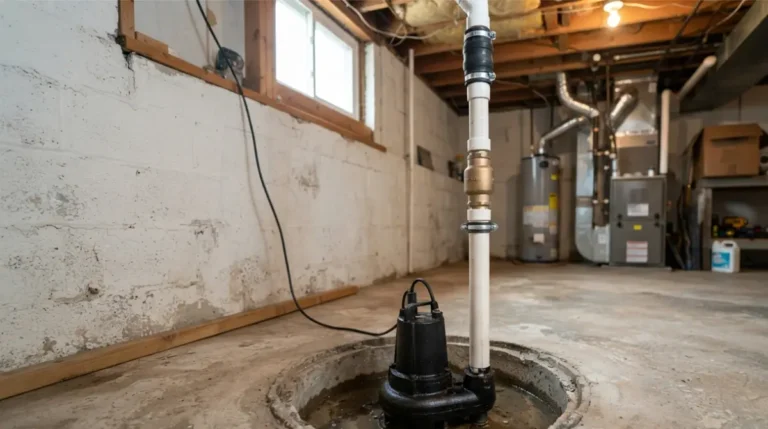
- Sump package: The pump model, basin, lid type, and battery backup.
- Wall and crack work: Which cracks are treated, how, and whether a vapor barrier is included.
- Extras: Where the discharge line exits, permits, cleanup, and restoring floors or drywall.
- Warranty and payment: Length, coverage, transferability, deposit, and payment schedule.
| Line | Quote A | Quote B | Quote C | Key detail if blank |
|---|---|---|---|---|
| 1. Water source | Ask for a written diagnosis | |||
| 2. Method + walls | You may be comparing different jobs | |||
| 3. Linear feet | Price-per-foot can’t be checked | |||
| 4. Drain placement | Matters most on block walls | |||
| 5. Sump package | Ask for model and backup type | |||
| 6. Wall/crack work | Confirm which cracks are included | |||
| 7. Extras | Assume not included until written | |||
| 8. Warranty + payment | Get the warranty document itself |
Gladewick’s comparison worksheet — a framework, not a tested result.
💡 Pro Tip: A blank line doesn’t mean “included.” Consumer guidance says a written estimate should describe the work, materials, completion date, and price, so ask the contractor to add the missing line in writing.
Interior vs exterior quotes: what each should spell out
The table below shows what a complete quote for each method should list.
| Item | Interior drainage quote | Exterior drainage quote | Key detail |
|---|---|---|---|
| Where work happens | Slab edge inside the basement | Excavation around the foundation | Exterior includes landscaping disruption |
| Drain spec | Channel above slab or pipe beneath it | Drain tile at the footing | Footage should be listed |
| Wall work | Block-core drilling on masonry walls | Waterproofing, often plus insulation | Ask what’s applied to the wall |
| Sump | Airtight, childproof lid | Required — exterior drains feed a sump | Both need a sump line |
Source: University of Minnesota Extension.
A complete interior drainage quote lists…
It lists how much slab edge gets removed and replaced, the drain type, and, for block walls, drilling at the base of every block core.
A complete exterior quote lists…
It lists excavation scope, what happens to shrubs and walkways, and any wall waterproofing or insulation installed while the wall is open. For the full cost picture, see interior vs exterior waterproofing costs.
⚠️ Watch Out: A waterproofing quote may treat a structural crack as a simple leak. If any contractor mentions wall movement, get a licensed structural engineer’s assessment before signing.
Sump pump, backup, and warranty lines people skip
These three lines are where quotes most often stay vague.
What the sump line should name
It should name the pump model, the basin, an airtight, childproof lid, and whether a battery backup keeps the system running during outages.
Reading the warranty fine print
Ask for the warranty document itself. It should tell you what’s covered (labor, materials, or both), whether it transfers to a buyer, any fees, and who backs it.
Radon compatibility
The EPA’s consumer guide to radon reduction says to fix your home at 4 pCi/L or higher, using a qualified mitigation contractor. Your sump can be a radon entry point.
✅ Do This: If your radon test reads 4 pCi/L or higher, ask the waterproofing contractor whether the sump lid and drain system work with an active radon system. Then confirm that with a state-certified radon mitigation contractor.
Red flags in the price, payment, and paperwork
Most bad hires show their warning signs on paper before work starts.
When the cheapest quote is missing lines
The FTC’s advice on hiring a contractor says not to automatically choose the lowest bidder, and to ask why prices differ. A very low bid may leave out tasks you expected, so check lines 4, 5, and 8 first.
Deposit, permits, and pressure tactics
The FTC’s red flags include pressure for an immediate decision, a request that you pull the permits, and a demand for full payment upfront. Keep the deposit limited and tie later payments to finished work; state rules vary. Bring these questions to ask a waterproofing contractor to every follow-up call.
✅ Do This: Verify each contractor’s license with your state licensing agency and ask for current proof of liability insurance.
Before you sign: the final three-question check
Run these three questions on the quote you’re leaning toward.
Does the quote name the water source?
If it doesn’t, you’re buying a fix without a diagnosis.
Does the fix match that source?
A gutter-and-grading problem doesn’t need a full interior drain, and a coating won’t fix groundwater.
Who backs the warranty in 10 years?
A lifetime promise is only as good as the company behind it.
FAQ
1. How many basement waterproofing quotes should I get?
Get written basement waterproofing quotes from at least three contractors, then compare them line by line rather than by total price alone.
2. Why do basement waterproofing quotes vary so much?
Basement waterproofing quotes vary mainly because contractors propose different methods, such as coatings, interior drains, or exterior excavation, for the same water problem.
3. What should a basement waterproofing quote include?
A complete basement waterproofing quote names the water source, method, linear feet, drain placement, sump package, wall work, extras, and warranty terms.
4. Is the cheapest basement waterproofing quote a red flag?
Not automatically, but the cheapest basement waterproofing quote often leaves out lines, so ask the contractor to explain the price gap in writing.
5. Is interior or exterior basement waterproofing better?
University of Minnesota Extension rates exterior drainage the most costly but most effective option, and beneath-slab pipe the most effective interior choice. Have a qualified contractor assess your basement.
6. Should a sump pump quote include a battery backup?
Ask for it. A basement waterproofing quote should state whether a battery backup keeps the sump running during power outages, plus the lid type.
7. Are basement waterproofing warranties transferable?
Some are and some aren’t, so read the actual basement waterproofing warranty document for transferability, coverage, fees, and who backs it.
8. How much deposit should a basement waterproofing contractor get?
Keep the basement waterproofing deposit limited and tie later payments to completed work. Check your state’s contractor licensing agency for local rules.
9. Will basement waterproofing fix a damp, humid basement?
Not if it’s condensation: humid air condensing on cool walls can look like leakage, so confirm the source before paying for basement waterproofing.
10. Do I need a permit for basement waterproofing?
Permit rules are local, and the FTC says a competent contractor gets required permits, so ask whether your basement waterproofing quote includes them.
Your next step
Copy the worksheet, fill in all three quotes, and email each contractor the lines they left blank. Decide on the method first and the price second. The best quote is the one that names your water source and fixes it in writing.