Regrading Around Foundation Soil the Right Way for a Dry Basement

Regrading around your foundation starts with a string line: if the soil falls less than 6 inches over 10 feet, here’s how to fix it safely.
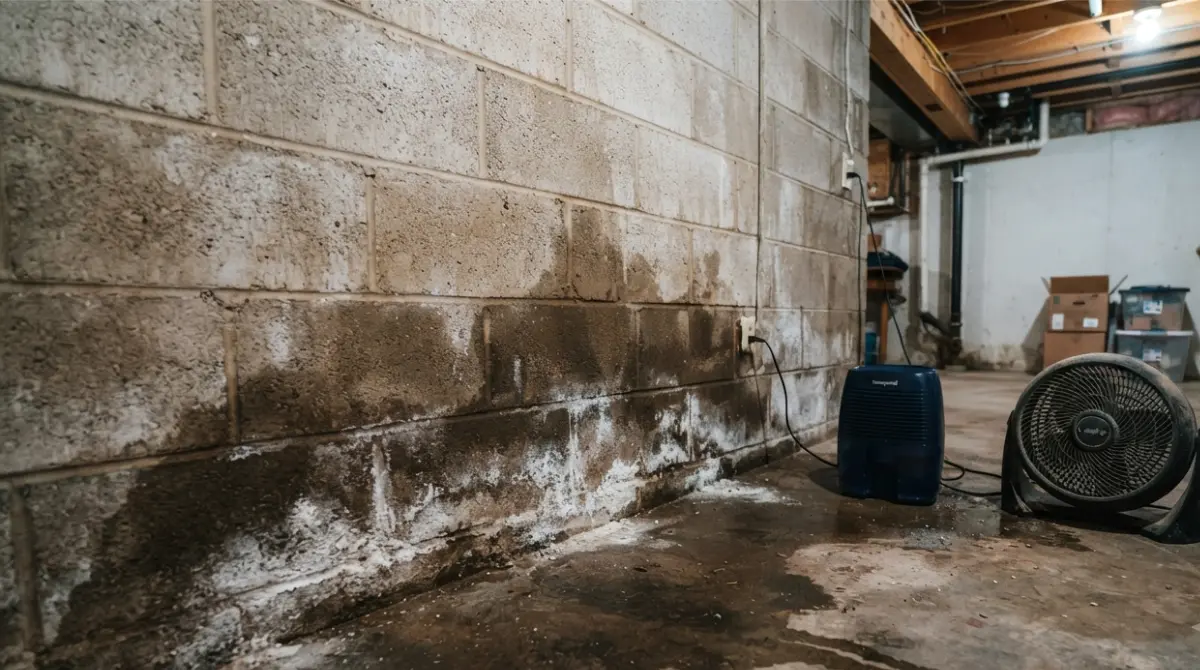
Table of Contents
Is bad grading why your basement gets wet?
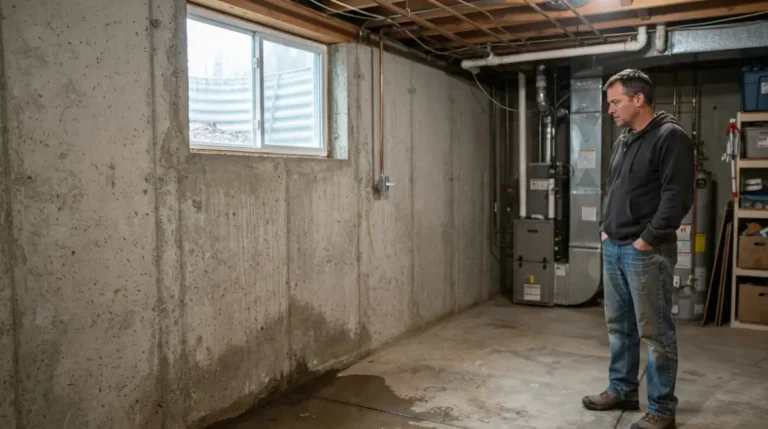
Damp basement walls after rain usually point to the ground outside. Negative grade, soil that tilts toward the house, steers runoff straight to the foundation.
Start with what you’re seeing:
- Wet only after rain, low on the wall: grading is a prime suspect, so measure it below.
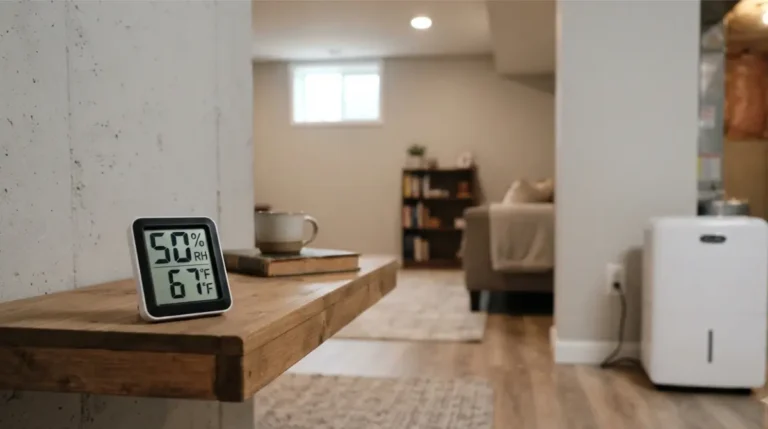
- Damp in humid weather without rain: it may be condensation, so run this condensation vs. seepage test first.
- Water through the floor during long wet spells: skip to when regrading won’t fix it.
Signs the soil is sending water toward your house
Puddles at the wall after storms, a settled dip along the foundation, and beds sloping inward all point to grading.
When grading isn’t the culprit
Condensation, plumbing leaks, and rising groundwater mimic grading problems, and soil won’t fix them.
ℹ️ Safety Note: Regrading means digging near buried utility lines and your foundation. This guide is general information. Call 811 before any digging, and have a licensed contractor or structural engineer assess cracks or repeated flooding.
How much should the ground slope away from your house?
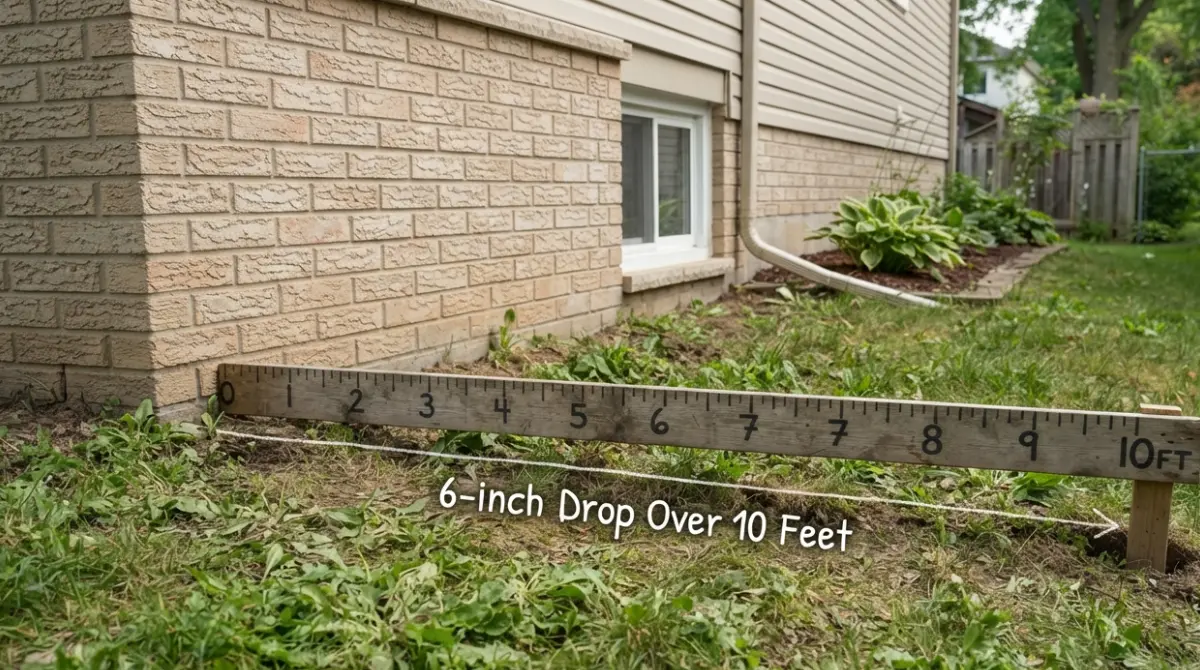
The ground should drop at least 6 inches within the first 10 feet from your foundation. That’s the minimum in the residential code’s drainage requirement, about half an inch per foot, or roughly a 5% slope.
The 6-inch-in-10-feet rule, in plain terms
Picture a 10-foot board running out from the wall: its far end should sit at least 6 inches lower. The DOE Building America grading guidance agrees, and adds that fill should be tamped so it doesn’t settle.
🔍 Why It Works: Saturated soil against a wall pushes water into cracks and joints. A slope lets gravity carry runoff away first.
What if your lot is too tight for 10 feet?
Where lot lines or walls block a full 10 feet, the code calls for swales or drains instead. Local codes can amend these rules, so check yours.
How to check your grade with a string and a level
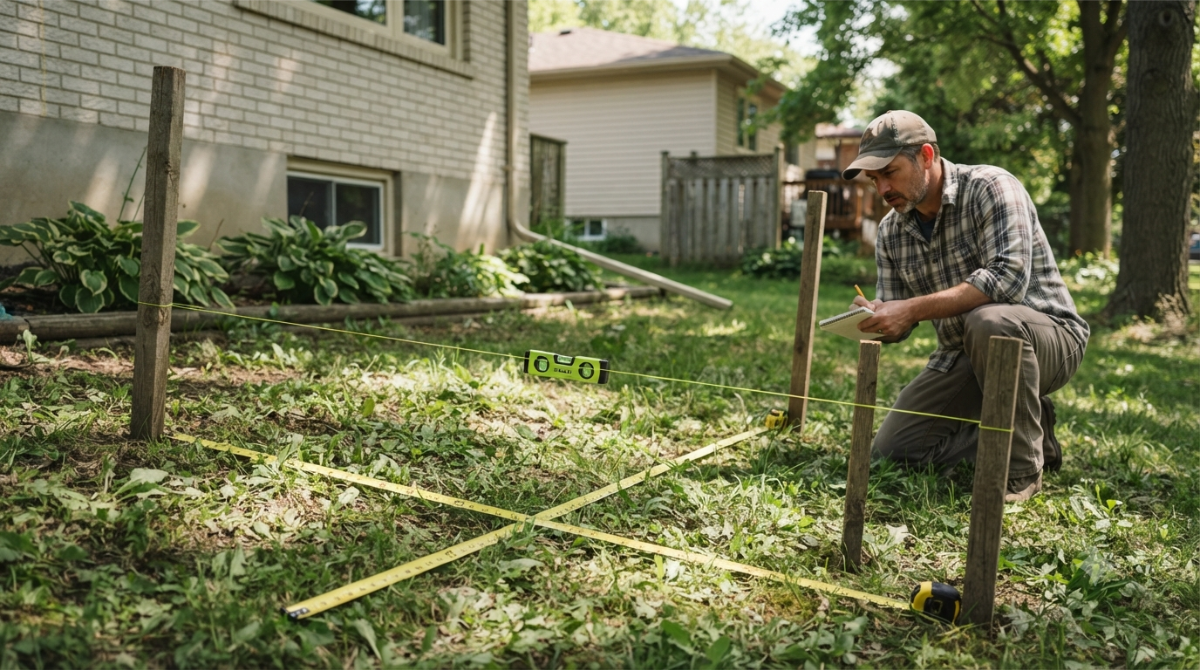
You can measure your grade with two stakes, string, a line level, and a tape measure.
Set the string line at the wall
- Push one stake in at the foundation and another 10 feet straight out.
- Tie string between them and slide it until the line level reads level.
Measure the drop at 10 feet
- Measure from the string down to the soil at each stake.
- Subtract the wall reading from the 10-foot reading; 6 inches or more passes.
Log each side on the worksheet
Repeat at each corner, mid-wall, and below each downspout, and record it in the Grade Check Worksheet:
| Spot | At wall | At 10 ft | Drop | Key Detail |
|---|---|---|---|---|
| Front corners | __ in | __ in | __ in | Pass at 6 in or more |
| Side walls | __ in | __ in | __ in | Check the full length |
| Back wall | __ in | __ in | __ in | Often the lowest side |
| Downspouts | __ in | __ in | __ in | Recheck after rain |
Under 6 inches is your repair zone. A negative number means soil rises away from the wall, so fix those first.
What to check before you move soil near your foundation
Call 811 even for shovel work
Call 811 or use your state 811 center’s website a few business days ahead, then wait until every utility has responded. Hitting a buried line can cut service or cause serious injury, so request a free utility locate every time. Private lines, such as irrigation, landscape lighting, or a gas line to a grill, usually aren’t marked.
Keep soil below siding and vents
Never build soil over siding, vents, or the foundation’s exposed edge. Soil against wood invites rot and hides termite tubes, so check how much wood-to-soil clearance you need.
Don’t disturb a termite treatment barrier
University extension guidance on termites warns that digging near the foundation can disturb a treated soil barrier.
✅ Do This: Before you dig, ask your pest control company whether your foundation soil was treated and whether regrading will require re-treatment.
How to regrade around your foundation, step by step
On a small section, regrading is mostly moving and packing soil with hand tools.
Choose fill soil, not mulch or loose topsoil
Build the slope with dense, low-organic fill soil. Mulch and loose organic soil break down and settle, and the dip returns. The Mulch & Soil Calculator estimates how many cubic yards you need.
Build, tamp, and re-check the slope
- Clear plants and debris from the 10-foot strip.
- Add fill in thin layers, thickest at the wall and feathering out.
- Tamp each layer firmly with a hand tamper.
- Re-run the string check until you hit the 6-inch drop.
Finish with a thin topsoil or seed layer
Cover with thin topsoil and seed or sod, or with stone, so rain doesn’t wash the slope away.
⚠️ Watch Out: Don’t dig down along the foundation wall, and stop if you uncover pipes, cables, or cracks. Excavating against a foundation is a job for a licensed contractor.
What regrading costs, and when DIY makes sense
Hired out, regrading around a whole house typically runs about $1,000–$3,000.
Typical pro price ranges
| Job | Typical cost | Source | Key Detail |
|---|---|---|---|
| One side of the foundation | $500–$1,000 | HomeGuide | Often DIY-able |
| Whole house | $1,000–$3,000 | HomeGuide, HomeAdvisor | Rises with fill and dirt removal |
| Grading labor | $40–$180/hour | Thumbtack | Varies by region |
National estimates from contractor cost guides, not Gladewick quotes; get two or three local bids. If grading is one piece of a bigger fix, see every line item in a basement waterproofing budget.
Extend downspouts before you regrade anything
Roof runoff dumped at the wall can overwhelm even a good slope. Downspout extensions or splash blocks that discharge beyond your regraded zone cost less than soil, so start there.
When regrading won’t fix your wet basement
A correct slope handles surface water, but it can’t stop groundwater pushing up from below.
Signs you need a drain, waterproofing, or an engineer
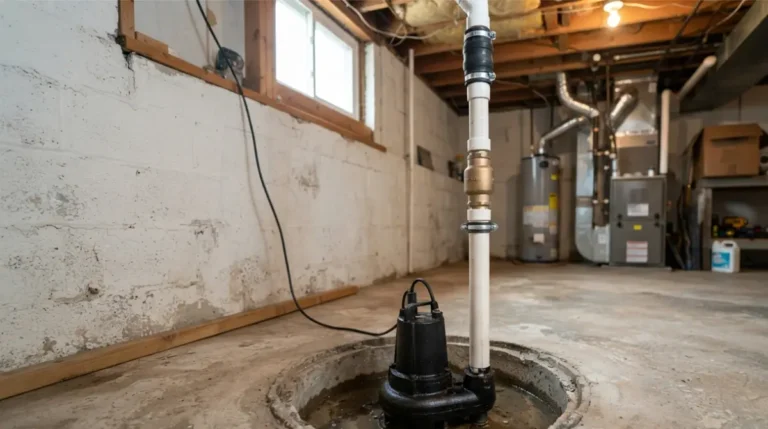
- Water enters through the floor or floor-wall joint during long wet spells.
- A wall stays wet on a side that passes the grade check.
- Foundation cracks are new or widening.
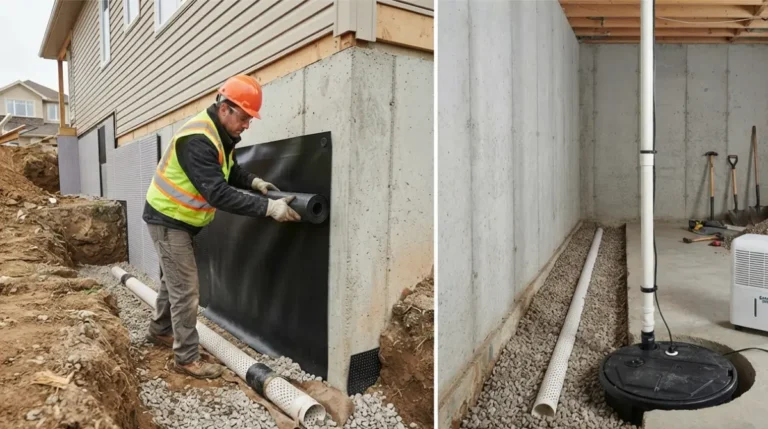
When the next step is a drain or waterproofing
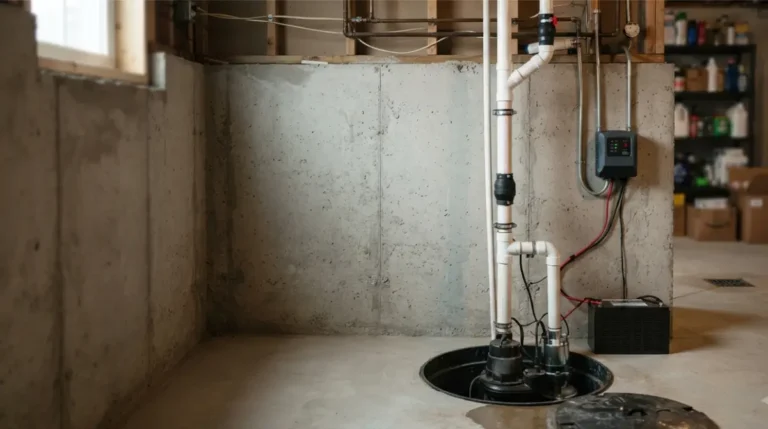
If your lot can’t fit a slope, a swale or drain is the code’s fallback. Inside, an interior French drain, and what it costs, is a common next step.
✅ Do This: For growing cracks, call a structural engineer before any waterproofing company, and ask whether this is surface water or groundwater.
Regrading around your foundation: FAQ
1. How much slope do I need when regrading around a foundation?
At least 6 inches of drop within the first 10 feet, about half an inch per foot, per the residential code.
2. Can I just pile dirt against my foundation?
No. Build a tamped slope of dense fill that stays below siding, vents, and the foundation’s exposed edge.
3. What soil works best for regrading?
Dense, low-organic fill soil for the slope, topped with thin topsoil and seed, because mulch settles as it breaks down.
4. Do I need to call 811 before regrading?
Yes. Regrading means digging, and any digging, even with a shovel, calls for a free 811 locate request. Wait until every utility responds.
5. How much does regrading around a foundation cost?
Contractor cost guides put one side at about $500–$1,000 and the whole house at about $1,000–$3,000.
6. How close can soil sit to my siding?
Keep soil below siding and the foundation’s exposed edge, since soil against wood invites rot and hides termite tubes. Check your local code’s required clearance.
7. What if my yard doesn’t have 10 feet of space?
When lot lines or walls block a full 10-foot slope, the code calls for swales or drains instead.
8. Will regrading stop every basement leak?
No. Regrading handles surface runoff; groundwater, condensation, and cracks need a drain, waterproofing, or an engineer’s assessment.
9. Should I extend downspouts before regrading?
Yes. Roof runoff dumped at the wall can overwhelm a good slope, and extensions cost less than soil.
10. Can regrading disturb termite treatment?
It can. University extension guidance warns that digging near the foundation may disturb a treated soil barrier. Ask your pest control company before you dig.
Measure first, then fix the worst side
Run the grade check on every side, fix the lowest side first, and extend your downspouts. After the next heavy rain, re-measure and look for puddles at the wall. If a side passes and still leaks, move on to drains and waterproofing.