How to Check for Bed Bugs the Right Way
Checking for bed bugs starts with knowing where to look. This 6-step inspection covers the mattress, frame, and headboard—plus common look-alikes.

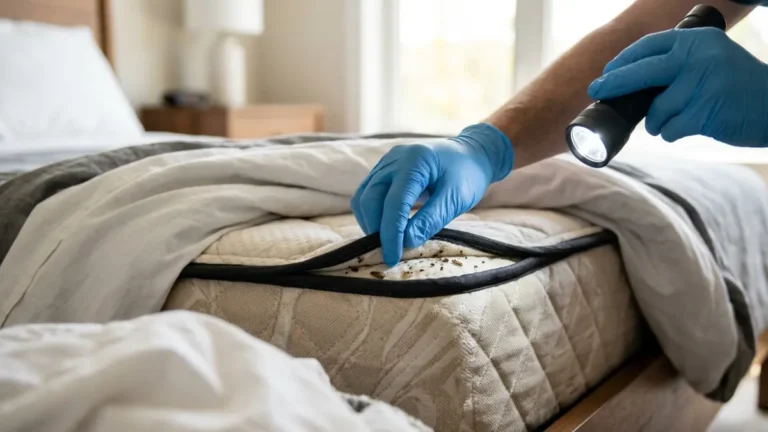
Checking for bed bugs starts with knowing where to look. This 6-step inspection covers the mattress, frame, and headboard—plus common look-alikes.
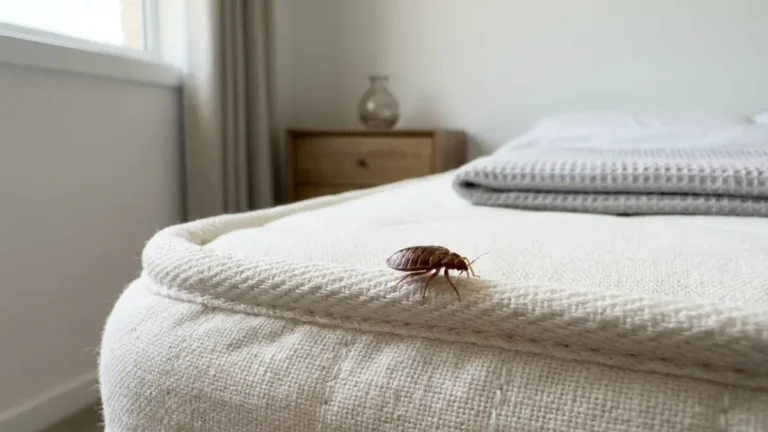
How long do bed bugs last without feeding? Months at room temperature, over a year in the cold — so you can’t simply wait them out.
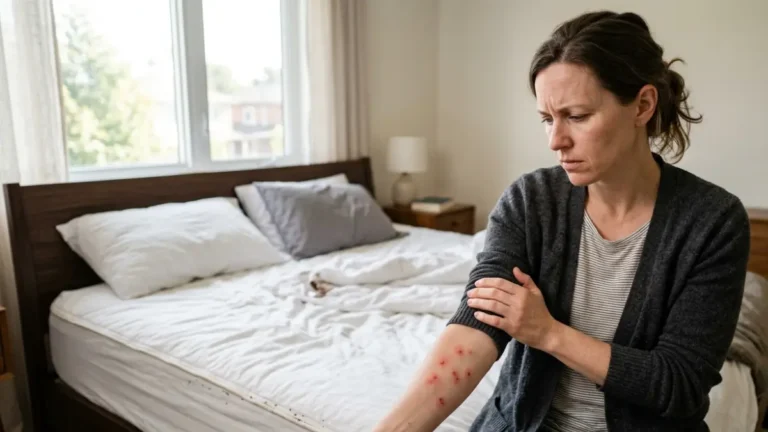
Are bed bugs dangerous? The answer is more nuanced than ‘they carry disease’ — here’s what they actually do and who’s most at risk.

How do you get bed bugs? Rarely from a dirty home — they hitchhike in on luggage and used furniture. The common routes, ranked, plus how to block them.
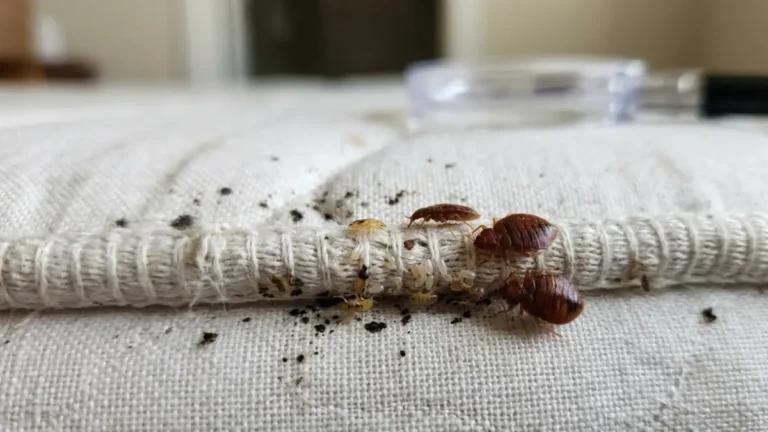
How fast bed bugs spread surprises most people: a single female lays eggs daily, and her offspring mature to breeding adults in about a month.
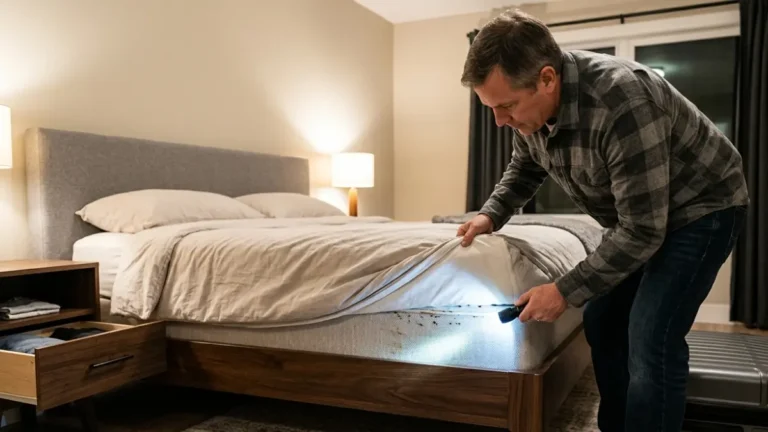
Bed bugs hide far beyond the mattress—about 85% stay near the bed, but the rest reach baseboards, outlets, furniture, and luggage.
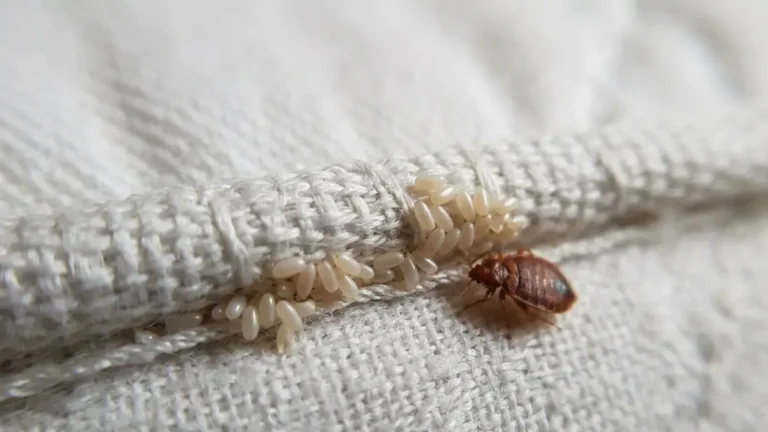
Bed bug eggs are the toughest stage to kill—1mm, cemented in place, and resistant to most sprays. Here’s how to spot them and what finishes them.
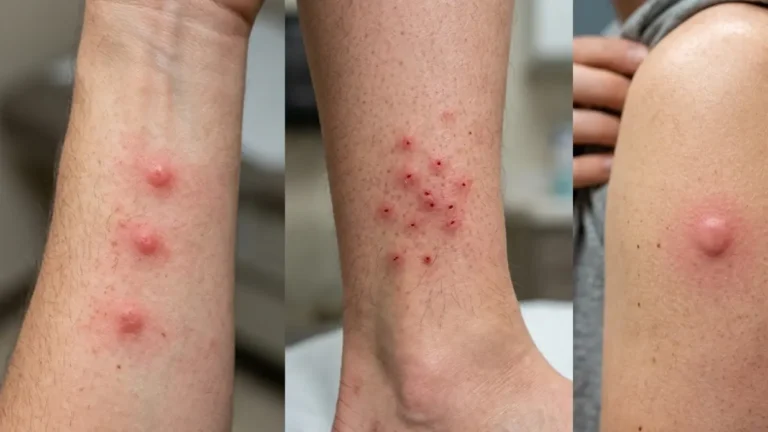
Bed bug bites vs flea bites comes down to where they land. Bed bugs target the upper body and appear late; fleas hit the ankles. Here’s how to read yours.
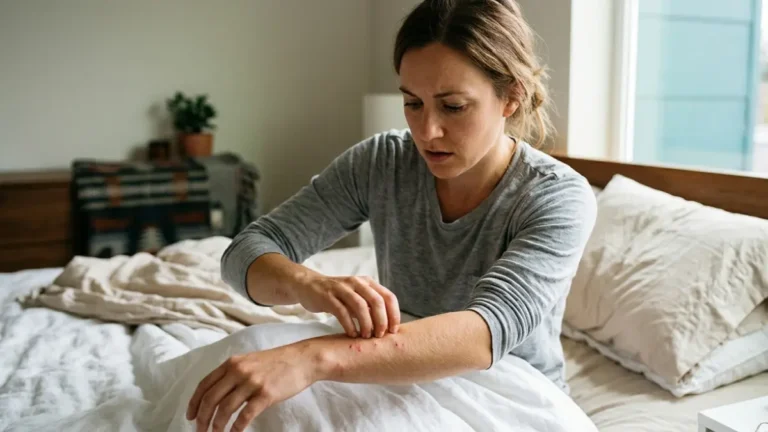
Bed bug bites can take days to appear and are easy to mistake for other bites. Learn to identify them on skin and confirm it’s bed bugs, not a look-alike.
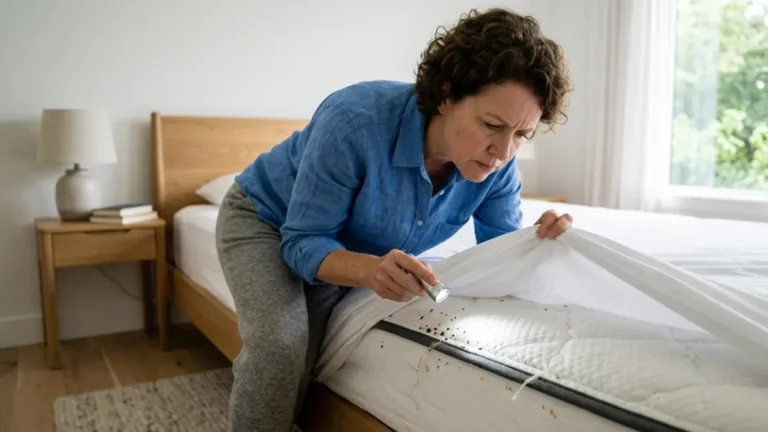
Most signs of bed bugs show up before you ever see one—learn to spot the rust-colored fecal specks and shed skins hiding in your mattress seams.
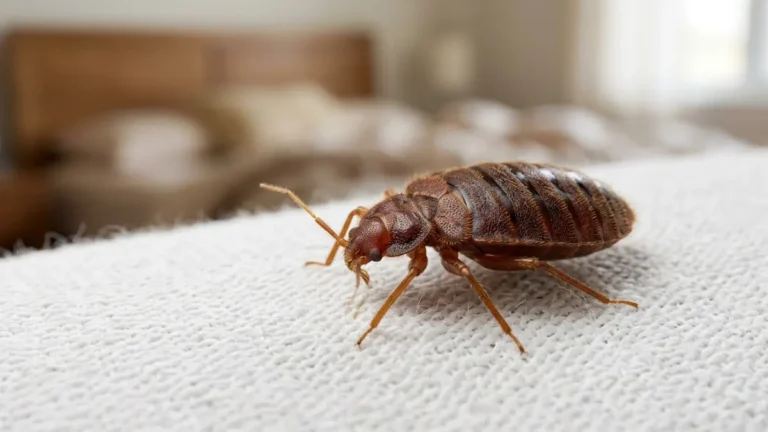
What do bed bugs look like up close? Size, color, and the tiny eggs are only half the story — the other half is the bugs people mistake for them.
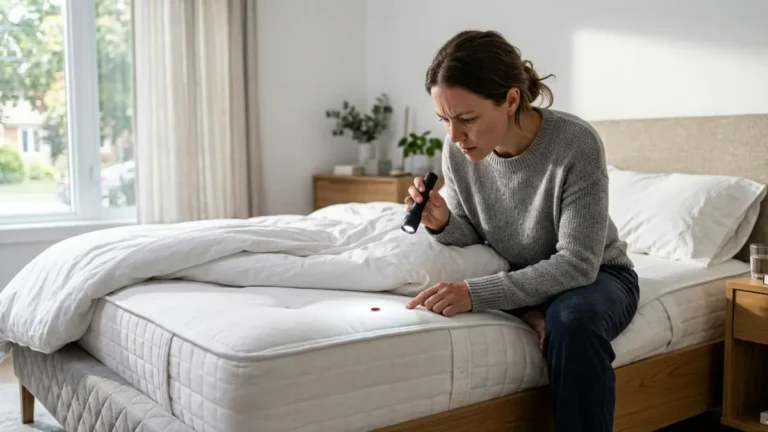
Getting rid of bed bugs starts with confirming them, not spraying. Heat kills them at 122°F — here’s the safe, step-by-step plan to keep them gone.